Gujo Hachiman’s old canals, Takayama’s merchant streets, and Shirakawa-go’s steep-roofed farmhouses make a fine three-part introduction to central Japan. You cover a lot of ground in one day, with free time at each stop rather than a rigid guided walk. I like the variety of places and the chance to see a snow-covered village in winter.
I also like that the trip is described as a no-shopping tour, so the day is built around sightseeing rather than retail stops. The trade-off is the pace: three destinations, several hours on the road, and limited time to explore each one. If you prefer slow mornings or want to visit every museum and side street, plan a separate stay.
- At a glance
- Three different sides of central Japan in one day
- Gujo Hachiman: canals, castle views, and a short first stop
- Takayama: two hours for old streets and lunch
- Shirakawa-go: thatched houses and a mountain setting
- The ride, group size, and guide arrangements
- What the price does and does not cover
- Who should book this day trip
- FAQ
- Where does the tour leave from?
- What time does the tour return to Nagoya?
- How much free time is there at each stop?
- Is lunch included?
- Is Gujo Hachiman Castle admission included?
- Does the tour include the Shirakawa-go observation deck?
- What is the minimum group size?
- Is the small-group package guided?
- Can I bring luggage?
- Is the tour suitable for children?
- More 1-Day Tours in Gujo
- More Tours in Gujo
- More Tour Reviews in Gujo
- Not for you? Here's more nearby things to do in Gujo we have reviewed
At a glance
 1 / 8
 2 / 8
 3 / 8
 4 / 8
 5 / 8
 6 / 8
 7 / 8
 8 / 8
- Three distinct stops: Water-town Gujo Hachiman, historic Takayama, and the gassho-style village of Shirakawa-go.
- Free time, not a guided walking tour: You explore each place at your own pace within set time limits.
- About 8:20 am to 7:30 pm: The day starts near Nagoya Station and is scheduled to return there in the evening.
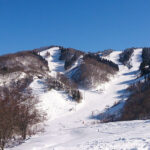
- Winter scenery is a highlight: Snow can make Gujo Castle and Shirakawa-go especially striking, but weather may change the schedule.
- Lunch and entry fees cost extra: Bring cash for food, drinks, and the Gujo Hachiman Castle admission.
- Check the package details: The bus group and the optional chartered vehicle have different prices and guide arrangements.
Three different sides of central Japan in one day
This is a long-distance day trip with a pleasing change of scene at each stop. Gujo Hachiman is a compact old town shaped by clear water and canals. Takayama has the merchant streets and historic buildings that earn it the nickname Little Kyoto of Hida. Shirakawa-go is a mountain village known for traditional farmhouses with steep thatched roofs.
The route makes sense if you are based in Nagoya and want to see all three without arranging separate trains, buses, and local connections. Round-trip transport, tolls, parking, and fuel are included, which takes much of the day’s travel planning off your plate.
The price needs a little care. The experience is advertised from US$49.19, while the bus-tour package information gives a starting price of US$65.59. A nine-seat private charter with a Chinese-speaking driver is listed from US$591.19. These are not like-for-like options, so check the price for your selected date and package before booking. For the bus group, the value is in covering three far-apart places in a single day, not in having lots of time at each one.
You can also read our reviews of more tours and experiences in Gujo



Gujo Hachiman: canals, castle views, and a short first stop
The bus is scheduled to reach Gujo Hachiman around 9:50 am. You have roughly an hour to explore, which means choosing what matters most to you. The town’s wooden houses, stone paths, old canals, and clear-water springs reward an unhurried wander, but this stop is brief enough that you may need to pick either a town stroll or the castle.
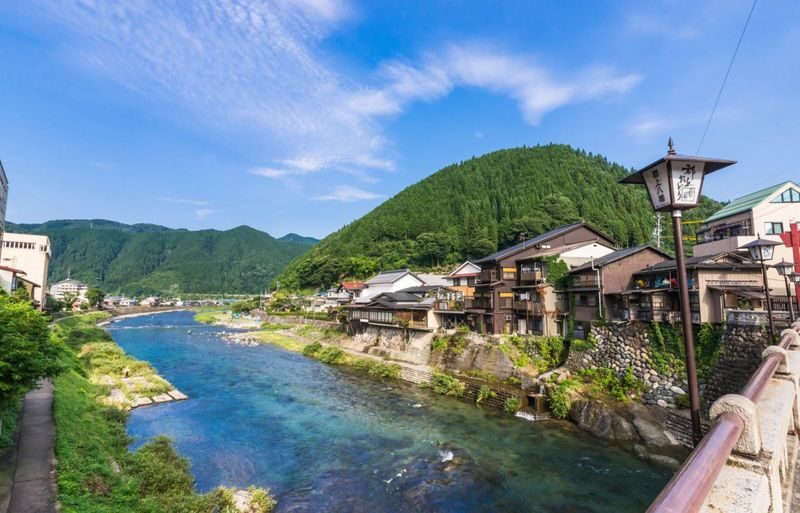
Gujo Hachiman is often called the Town of Water. Sogi Water, one of the local springs, is identified as one of Japan’s 100 famous waters. The canals and water channels are not just decorative; they are part of the town’s character and daily history. Take a moment to notice how closely the streets and waterways fit together.
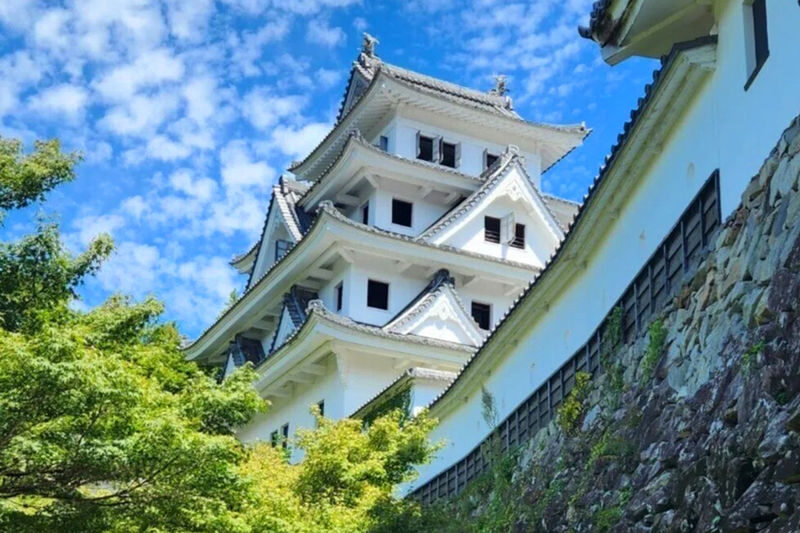
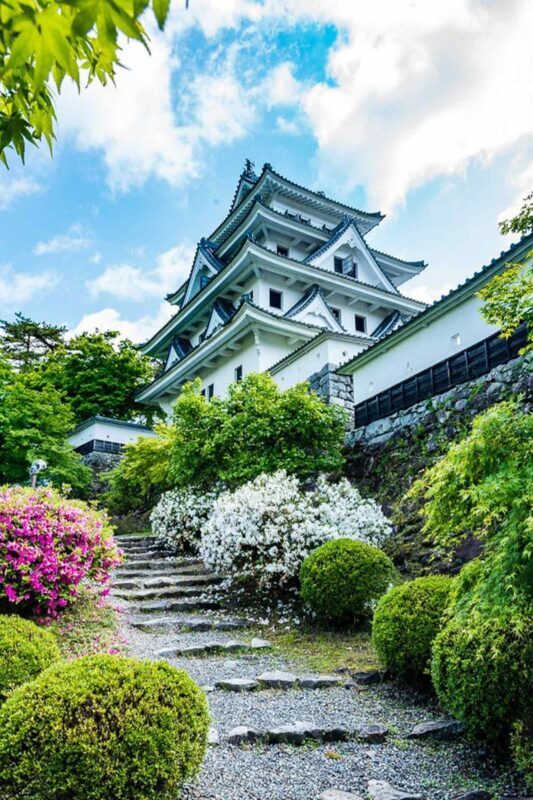
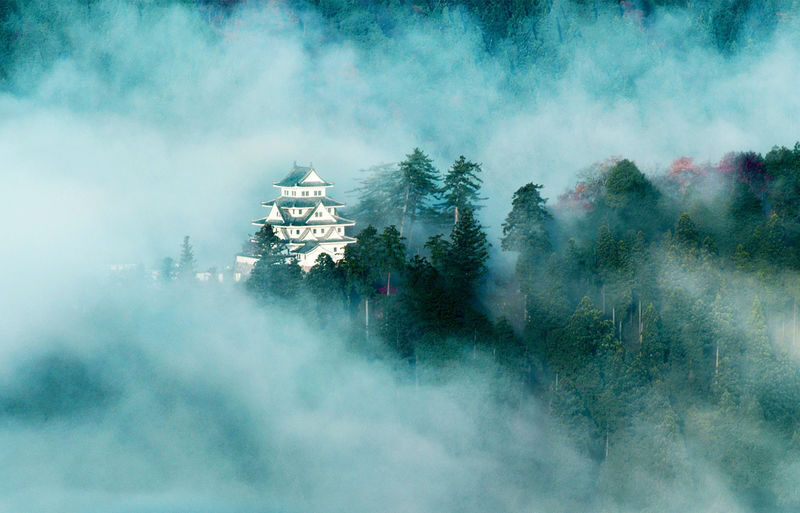
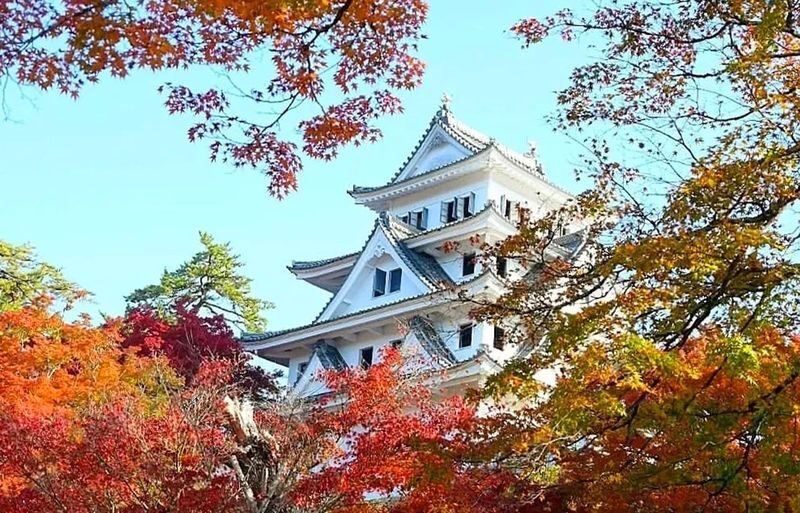
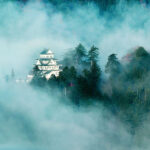
Gujo Hachiman Castle sits on a hill above town. If you make the climb, the reward is a broad view over the old streets, rivers, and surrounding mountains. In winter, snow may cover the castle and the hills, giving the small stronghold a dramatic look. Castle admission is not included: the listed fee is 400 yen for high school students and adults, and 200 yen for elementary and junior high school students.
Be realistic about the clock. The castle is uphill, and the tour notes that the day involves considerable walking and stairs. If you want both the castle and the town lanes, move briskly and keep track of your return time. Gujo is also known for its 400-year-old Gujo Dance tradition and food-model workshops, but an hour is unlikely to allow for a full visit to every cultural attraction.
Takayama: two hours for old streets and lunch
Around noon, the tour continues to Hida Takayama, where you have about two hours. This is the longest stop and the most practical place to plan your meal. Lunch is not included, though dining options are available at the stops. You can also bring your own food.
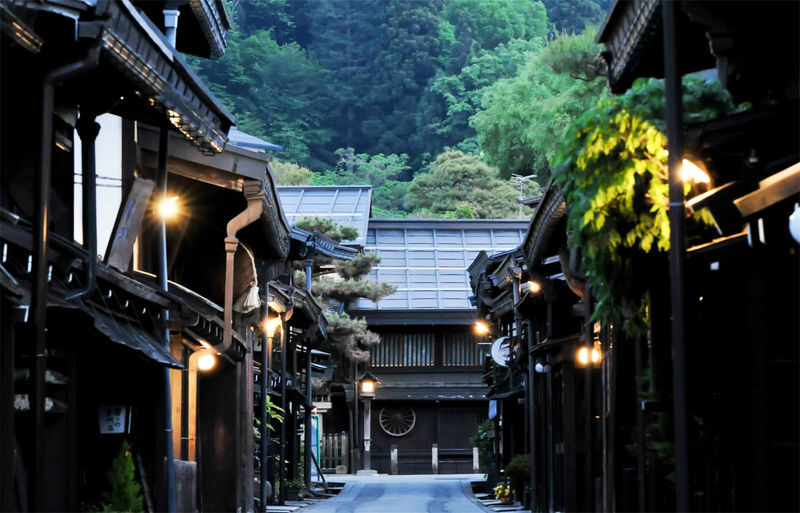
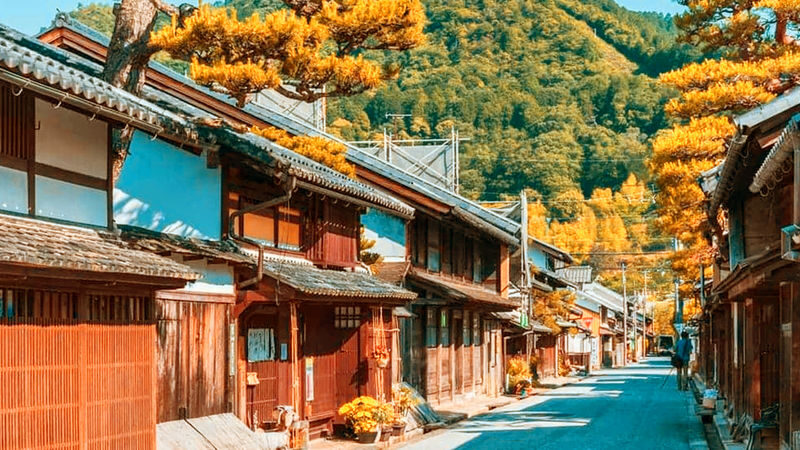
Takayama’s Sanmachi district preserves the feel of an old merchant town, with historic streets and buildings from the Edo period and later Meiji and Taisho eras. The appeal is in walking the lanes and looking closely at the wooden storefronts, traditional architecture, and craft shops. It is a good place to slow down a little after the morning’s climb and before the final village stop.
Local specialties include Hida beef and Takayama ramen. With only two hours, decide whether lunch or a longer street walk matters more. A sit-down meal may use much of your free time; a quick meal leaves more room to explore. You will not have time to see every shop or attraction, so treat this as a sampler rather than a thorough visit.
The tour’s timing can also affect what you find open and how much time you have to eat. One person who took the trip felt that reversing the order might have made food and drink choices better. That is a useful reminder not to expect a carefully timed food tour: the route is designed to fit three destinations into a day, and traffic can shift the schedule.
Shirakawa-go: thatched houses and a mountain setting
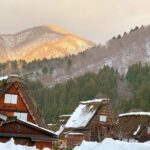
The final stop is Ogimachi in Shirakawa-go, scheduled for about 3 pm, with roughly 100 minutes to explore. This World Heritage village is known for its gassho-style houses, whose steep thatched roofs are built to cope with heavy snowfall. The design also supported silkworm cultivation in the houses.
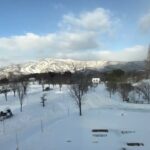
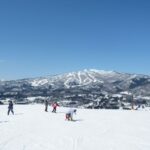
The village’s setting is part of the attraction. Mountains, streams, fields, and river valleys surround the traditional homes. In winter, snow can turn the thatched roofs and lanes into a striking scene. The tour description also notes that snowmelt from Mount Haku flows into the Obira River, lending the water a pale, milky appearance. Snow is seasonal, though, and the weather on your visit determines what you see.
You have time to walk around the village, take in the houses, and perhaps stop for a drink or a small bite. You will need to manage your time if you want to reach the observation point. Vehicles cannot drive up to the observation deck. A shuttle bus may be available, except on days when the deck is closed; the shuttle and its operation are not included in the stated tour inclusions. Check locally once you arrive, and do not assume there will be enough time for the viewpoint and a long village walk.
The village is more than a photogenic row of roofs. The steep construction reflects practical responses to snow and the use of the houses for silkworm raising. Even a short visit gives you a chance to see how local building traditions fit the conditions of a mountain community.
The ride, group size, and guide arrangements
The trip starts at 8:20 am from the Ministop Tsubakicho branch near the Taikodori exit of Nagoya Station, at 5-10 Tsubakicho, Nakamura-ku. Arrive at least 10 minutes early. This is a shared ride, and late arrivals are not waited for or refunded.
The return to Nagoya Station is scheduled for about 7:30 pm, but it is an estimate. Traffic, weather, and other conditions can change the route or the time spent at a stop. Do not schedule a flight, performance, or other tight appointment for that evening.
The standard group can range from 4 to 49 people. The trip requires at least four participants; if that minimum is not met, you can choose an alternative date or request a full refund. Vehicles are assigned according to the number of people, so the ride might be in a business vehicle, minibus, or larger coach. Specific vehicle models cannot be requested.
The optional small-group package is listed as a 4-to-9-seat minibus, with a driver but no tour guide service. That distinction matters: do not book it assuming the same guide support as the bus group. The bus tour is described as offering professional English-, Chinese-, or Japanese-speaking driver-guide service, though the exact arrangement can depend on the package and group. The day is self-guided at the stops, so you should be comfortable managing your own time and meeting back at the vehicle promptly.
A guide named Liu Chang received particular praise for a warm manner and recommendations for local food. Treat that as a nice possibility, not a promise that she will lead your departure. The main practical benefit of the guide arrangement is help coordinating the shared trip, not a detailed guided tour through each town.

What the price does and does not cover
Round-trip transport from Nagoya, tolls, parking, and fuel are included. You do not need to arrange separate transport between the three destinations, a real advantage on a route that would otherwise take planning and transfers.
Meals, drinks, the Gujo Hachiman Castle admission, and personal expenses are extra. Bring cash, as recommended, and set aside time and money for lunch. Each person may bring one standard-sized piece of luggage, but you must note it when booking. Unannounced luggage could take up too much vehicle space and may be refused.
The tour’s value depends on your priorities. If you want an efficient overview of three well-known places and prefer not to navigate the transport yourself, the bus fare can be a sensible use of a day. If you want to linger, take a long meal, visit workshops, climb the castle, and reach the Shirakawa-go viewpoint, the compressed schedule may feel like a series of previews.
The product also promotes a no-shopping format. That means the day’s structure is focused on the destinations rather than stops designed around shopping. It does not mean you will have unlimited free time: your exploration still needs to fit the allotted windows.
Who should book this day trip
I would consider this tour if you have a short stay in Nagoya and want a straightforward way to see Gujo Hachiman, Takayama, and Shirakawa-go in one outing. It is also a useful choice if you are comfortable with a full day, a shared vehicle, self-guided stops, and a fair amount of walking.
It is less suitable if you need a slow pace, have difficulty with stairs, or want to spend several hours in any one place. The itinerary includes substantial walking and stairs, and the free-time periods are fixed by the group schedule. The small-group option may make the ride feel less crowded, but it still follows the same broad route and offers no tour guide service according to the package details.
The strongest reasons to book are the varied stops and the convenience of round-trip transport. The main reason to hesitate is the limited time at each one. If that trade-off suits your travel style, this is a practical way to get a first look at three very different parts of Gifu Prefecture.
Nagoya Gujo Hachiman & Shirakawa-go Gassho Village & Hida Takayama Day Trip (Round Trip from Nagoya, Optional Small Group)
“This was a very cost-effective trip. The tour guide was very nice, and the transitions between the three attractions were seamless, making for a gr…”
FAQ
Where does the tour leave from?
It departs from the Ministop Tsubakicho branch at the Taikodori exit of Nagoya Station, at 5-10 Tsubakicho, Nakamura-ku, Nagoya. Arrive 10 minutes before the 8:20 am departure.
What time does the tour return to Nagoya?
The scheduled return is about 7:30 pm at Nagoya Station. The time is only an estimate and may change with traffic, weather, and the day’s schedule.
How much free time is there at each stop?
The schedule allows about one hour in Gujo Hachiman, two hours in Takayama, and 100 minutes in Shirakawa-go. The tour operator may adjust the order or duration.
Is lunch included?
No. You arrange and pay for lunch yourself. Dining places are available at the stops, and you may bring your own lunch.
Is Gujo Hachiman Castle admission included?
No. Admission is listed as 400 yen for high school students and adults, and 200 yen for elementary and junior high school students.
Does the tour include the Shirakawa-go observation deck?
No observation-deck transfer is listed as included. Vehicles cannot drive up to the deck; a shuttle bus may be available, except on days when the deck is closed.
What is the minimum group size?
The activity requires at least four participants. If the minimum is not met, you can book another date or request a full refund.
Is the small-group package guided?
The designated small-group package uses a 4-to-9-seat minibus with a driver and no tour guide service. Check the selected package details before booking.
Can I bring luggage?
Each person may bring one standard-sized piece of luggage. Note it in the special requirements when booking; luggage not declared in advance may not be accepted if space is limited.
Is the tour suitable for children?
There is no age limit. Children aged 0 to 2 can join free if they do not need a separate seat; children aged 3 and older are charged the adult rate. The tour involves considerable walking and stairs.