At the Museum of Aeronautical Science, the runway is part of the show. From the observation decks, you can watch aircraft moving at Narita Airport, then head inside for models, aviation equipment, and displays about how planes fly. It is a compact museum, not a full-day attraction for most people.
I like two things in particular: the close-up airport views give the visit a real sense of place, and the hands-on options add fun for children and aviation fans, if you are willing to pay extra for a simulator or other activity. The main drawback is that some exhibits feel dated, and English explanations are limited.
- Key points to know before you go
- Start with the airport view
- Follow the story of flight indoors
- Look closely at the aircraft and equipment
- Decide whether to pay for a simulator
- Allow one to two hours, and arrive early for extras
- Work out the journey from Narita
- Is the low ticket price good value?
- Who will get the most from this museum?
- Should you book the Museum of Aeronautical Science?
- FAQ
- How long should I plan to spend at the museum?
- What are the museum’s opening hours?
- How do I get to the museum?
- Are flight simulators included in the ticket?
- Are the activities available in English?
- Can I use the Klook voucher without internet access?
- How long is the voucher valid?
- Can I cancel the ticket or get a refund?
- Can children enter for free?
Key points to know before you go
 1 / 6
 2 / 6
 3 / 6
 4 / 6
 5 / 6
 6 / 6
- Watch planes at Narita Airport: The museum has three observation decks, including one in a former airport control tower.
- Plan for a compact visit: Most adults can see the museum in about an hour, while families and simulator fans may stay longer.
- Budget for extras: Admission does not include the simulators or other paid activities.
- Arrive early for limited activities: Simulator places can fill quickly, especially on busy days.
- Bring a connected phone: You need to show the online voucher in the Klook app or website, with internet access.
- Check transport and hours: The museum is open Tuesday to Sunday, 10:00 to 17:00, and is about 20 minutes from JR Narita Station by train, according to the available directions.
Start with the airport view
The museum sits near Narita Airport, and that setting is its strongest feature. Instead of viewing aircraft only as models or display objects, you can look out from the museum and watch real planes take off and land. The decks are a good first stop: they help you understand the scale of airport operations before you move into the exhibits.
There are three observation decks, and one occupies a former airport control tower. The vantage point is a practical bonus, especially if you have time to spare before a flight or are staying near the airport. Aircraft movements depend on the day and conditions, of course, but the views alone can make the visit worthwhile for a plane enthusiast.
An observation restaurant also looks out over the runway. It gives you a place to pause and watch the airport while you eat, rather than treating lunch as time away from the attraction. Group bookings may limit access at times, so do not count on the restaurant being available whenever you arrive.
Follow the story of flight indoors
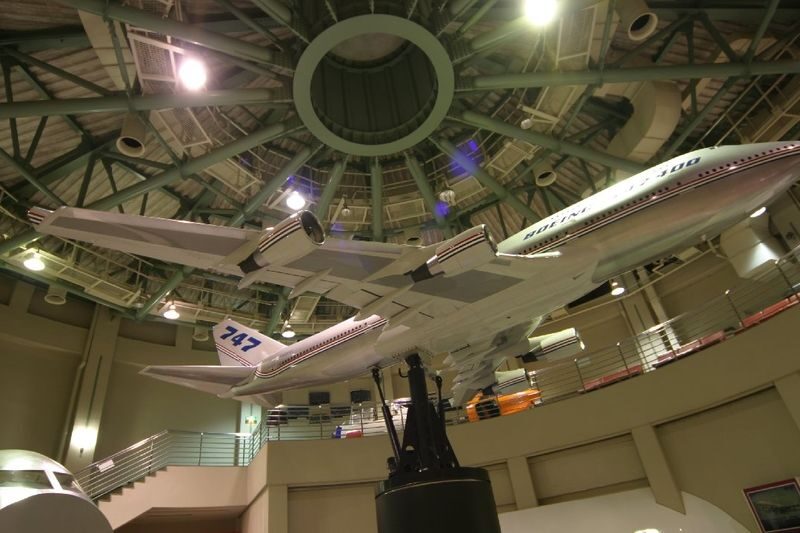
Inside, the museum introduces aviation science and the development of Japanese aviation. Exhibits cover how aircraft fly, aircraft structures, aviation history, and airports. You will also find models, equipment, and practical displays that give the subject more texture than a room of static aircraft facts.
This is Japan’s first museum dedicated to aviation science, built around the idea of seeing, learning about, touching, and enjoying aviation. The subject matter suits children who want to know how planes work, as well as adults who like aircraft design and airport operations. Some exhibits are interactive, though the range and condition of displays can vary.
Expect a modest museum rather than a sprawling collection. The building and some equipment have an older feel, and not every area or exhibit is necessarily open. That does not erase the appeal, but it helps set expectations: the value comes from the combination of displays, airport views, and optional activities, not from a huge number of galleries.
Narita Airport also appears in a diorama, which gives you a closer look at the airport layout from indoors. It is a useful companion to the view from above. One lets you see the airport in operation; the other helps you make sense of its form.
Look closely at the aircraft and equipment
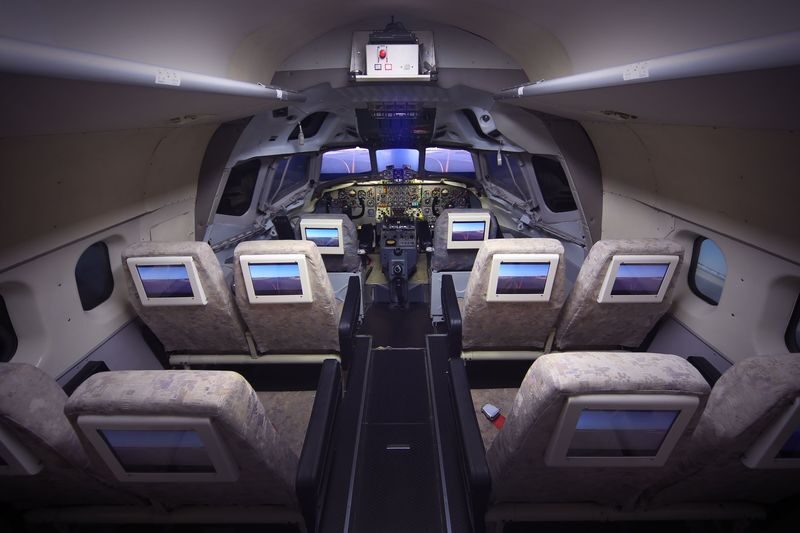
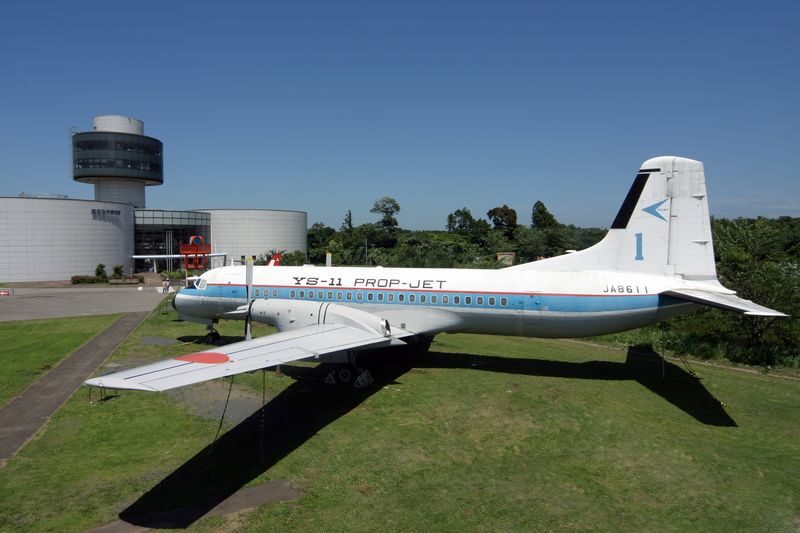
Aircraft models and aviation equipment appear throughout the museum, with some real aircraft displayed outdoors. These exhibits are a draw for people who enjoy the physical details: cockpit layouts, aircraft parts, and the way planes are built. Some visitors have been able to take photos inside cockpit displays, though access to aircraft can be limited.
The outdoor aircraft are a notable part of the experience, but do not assume every plane is open to enter. Some are displayed for viewing only, and their condition may vary. Treat them as a chance to see aircraft up close, not as a guaranteed series of walk-through exhibits.
For children, this mix of models, equipment, and aircraft can make flight feel less abstract. For adults, it is most rewarding if you already have an interest in aviation or are curious about the mechanics behind a flight. If you prefer polished, modern exhibits with extensive English interpretation, this museum may feel less satisfying.
Decide whether to pay for a simulator
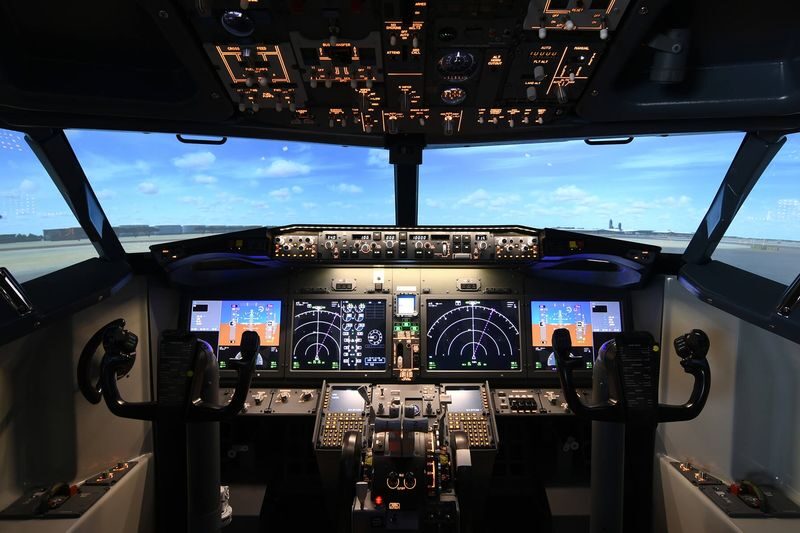
Flight simulators are among the main reasons to allow extra time, particularly if you are visiting with children or have always wanted a cockpit-style experience. Options have included 737 and 777 simulators, and other simulated flight sessions. These activities are not included in the admission ticket and require an additional fee.
Places can be limited, so head to the relevant registration desk early if a simulator is important to you. The sign-up point may be separate from the main entrance, and some simulator registration is handled on the second floor of an adjacent building. Ask staff where to register as soon as you arrive, rather than assuming you can book later.
The activities are primarily conducted in Japanese, so language can affect how much you get from the instructions. One visitor noted that an English-speaking instructor was available, but you should not rely on that being the case on your visit. If you do not speak Japanese, a translation app or a Japanese-speaking companion may help.
Some simulation sessions have been offered at modest prices, but fees and availability can change. Bring cash if you plan to try a simulator: some specific simulator options have accepted cash only. Check at the facility for current prices and payment rules.
Allow one to two hours, and arrive early for extras
For a straightforward visit, plan on about an hour. That is enough for an adult to see the main displays and spend time on the observation deck. Families with children, anyone eating at the restaurant, and visitors hoping to try a simulator should leave more room. The stated visit duration is one to two hours, though an activity queue can stretch the day.
If you want a paid experience, arriving before opening is a sensible move. On busy days, people have lined up well ahead of opening, and simulator slots can sell out. The museum opens at 10:00, Tuesday through Sunday, with last admission at 16:30. It is closed on Mondays, and seasonal hours or facility closures may affect what is available.
A weekday visit may make for a quieter experience, but the main practical point is not to arrive late if a simulator is a priority. Even with a ticket in hand, admission does not guarantee an open slot for an extra activity.
Work out the journey from Narita
The museum is at 111-3 Iwayama, Shibayama, in Chiba Prefecture, close to Narita Airport. The supplied directions say it is about 20 minutes from JR Narita Station by train. Bus service can be sparse, so check current schedules and allow extra time rather than planning a tight connection.
Some visitors have reached the museum by car, and the location makes it a handy stop for people with a vehicle or a hotel near the airport. If you are relying on public transport, verify the route and return options before setting out. The museum’s proximity to the airport does not mean every transfer is quick or frequent.
That airport setting makes the museum a good candidate for a stop before a late flight, especially if you are already in the area. But do not treat it as a guaranteed short layover activity: transport, queues for paid activities, and the need to return to the airport all take time.
Is the low ticket price good value?
Admission starts at about $5.15, though the exact price can vary. For that cost, you get access to the museum’s exhibitions and observation areas, not the simulators or other paid experiences. The basic ticket is inexpensive enough to make a short visit reasonable, especially if you like aircraft or need something to do near Narita.
Value depends on what you expect. If you want a large, modern museum with every exhibit open and activities included, the modest scale and additional fees may disappoint. If you are happy to spend an hour with aircraft displays and runway views, the price is easier to justify. The restaurant can add value to a longer visit, with airport views and an in-flight-meal-style set among the options noted at the facility.
Buying through Klook can be convenient and may cost less than the on-site price. The voucher is valid for 90 days from booking confirmation, but it is nonrefundable. You must open it through the Klook app or website and show it on a phone with internet access. Let staff operate the ticket; if it is marked as used, it cannot be used again.
Who will get the most from this museum?
I would put this on the list for aviation fans, families with plane-loving children, and anyone with spare time near Narita Airport. The combination of real aircraft, flight displays, and runway viewing gives the visit more variety than the museum’s size might suggest. A simulator can make it especially engaging for children, if you arrive early and are comfortable with the extra charge.
It is less compelling as a special trip from central Tokyo if you are not strongly interested in aircraft. The museum is small, some displays feel dated, and English information is limited. It is also a poor choice if your schedule is tight or you need a guaranteed activity at a particular time.
For a practical stop near Narita, though, it has a clear purpose: learn a little about aviation, get close to the subject, and watch the airport at work. Just check transport, opening hours, and simulator availability before setting out.
Should you book the Museum of Aeronautical Science?
Book it if aircraft interest you, you are travelling with children who love planes, or you have a few hours near Narita and want a low-cost indoor activity with outdoor viewing. The runway observation decks are the strongest reason to come, with the exhibits and simulator options rounding out the visit.
Skip it if you expect a large, polished museum or need activities in English. If you do go, arrive early for paid experiences, keep your schedule flexible, and make sure your phone can load the voucher.
Museum of Aeronautical Science Admission Ticket
“The museum is small and a bit dated, but nonetheless very informative. There are mock up demos and simulator sessions for an extra fee, although th…”
FAQ
How long should I plan to spend at the museum?
The suggested duration is one to two hours. Many adults can see the main displays in about an hour, while families or visitors trying paid activities may need longer.
What are the museum’s opening hours?
It is open Tuesday through Sunday from 10:00 to 17:00. Last admission is at 16:30, and the museum is closed on Mondays. Hours may change by season.
How do I get to the museum?
The address is 111-3 Iwayama, Shibayama, Sambu District, Chiba. The supplied directions say it is about 20 minutes from JR Narita Station by train. Bus service may be sparse, so check current schedules.
Are flight simulators included in the ticket?
No. The admission ticket covers entry only. Simulators and other optional activities cost extra, and availability may be limited.
Are the activities available in English?
Many activities are conducted in Japanese. An English-speaking instructor has been available at times, but you should not assume English assistance will be offered on your visit.
Can I use the Klook voucher without internet access?
No. You need to open the voucher through the Klook app or website on a phone with internet access and present it to staff.
How long is the voucher valid?
The voucher is valid for 90 days from the booking confirmation date. It expires at 23:59 on the final day.
Can I cancel the ticket or get a refund?
No. The ticket cannot be cancelled or refunded. Lost, stolen, damaged, or redeemed vouchers are also not refundable.
Can children enter for free?
Children aged 0 to 3 can enter free of charge. A separate notice specifies free admission for high school students and younger on June 14, 2026, in commemoration of Chiba Prefectural Citizen’s Day.