Mount Fuji’s best-known postcard views come from several different places, not one convenient lookout. This day trip links six of them in a loop from the Tokyo area, including a spring-fed village, lakeside parks, and the famous pagoda above Fujiyoshida.
I like two things in particular: the variety of viewpoints gives you more than one chance to see Fuji, and the coach saves you from piecing together transport between far-flung stops. The early visit to Oshino Hakkai is also a smart choice, with time to see the ponds before the busiest part of the day.
The trade-off is a packed schedule, not a slow country escape. And even six viewpoints cannot promise a view of the mountain: summer haze, cloud, rain, or snow can hide Fuji altogether.
- Six classic stops in one loop: Lake Yamanaka, Oshino Hakkai, Lawson Fujikawaguchiko Town Hall, Oishi Park, Hikawa Clock Shop, and Arakurayama Sengen Park.
- A useful early stop: Oshino Hakkai is scheduled for around 11:00, with 70 minutes to see its spring ponds and get lunch.
- Brief visits by design: Most stops allow 20 to 40 minutes; Arakurayama gets an hour, including time for the climb to its viewpoint.
- A guide and shared transport: English- and Chinese-language options are offered. The group can range from 1 to 49 people.
- No guaranteed Fuji sighting: Weather can obscure the mountain, especially in summer, and poor visibility does not qualify for a refund.
- Check the exact package: This six-stop route does not include Gotemba Premium Outlets, despite promotional wording elsewhere that mentions outlet shopping.
- Six Fuji viewpoints, one long day
- Lake Yamanaka: swans, water, and a mountain view
- Oshino Hakkai: clear spring ponds and a practical lunch stop
- Lawson and Oishi Park: two Kawaguchiko photo stops
- Hikawa Clock Shop: a street-level Fuji frame
- Arakurayama Sengen Park: the pagoda and the climb
- What the pace and group format mean for you
- Price, package details, and what is included
- Weather, meeting details, and small things to plan
- Should you book this Mount Fuji day trip?
- FAQ
- How long does the day trip last?
- Which stops are included?
- Is Gotemba Premium Outlets included?
- Are meals included?
- Which guide languages can I choose?
- Is a Mount Fuji sighting guaranteed?
- How much time is scheduled at each stop?
- What should I wear?
- Can I bring luggage on the vehicle?
- What happens if traffic delays the return?
- The Best Of Fujiyoshida!
- More Shopping Tours in Fujiyoshida
- More Tours in Fujiyoshida
- More Tour Reviews in Fujiyoshida
- Not for you? Here's more nearby things to do in Fujiyoshida we have reviewed
Six Fuji viewpoints, one long day
 1 / 9
 2 / 9
 3 / 9
 4 / 9
 5 / 9
 6 / 9
 7 / 9
 8 / 9
 9 / 9
This is a sightseeing sampler for anyone who wants to see several sides of the Fuji area without arranging local buses, trains, and transfers. You leave early, spend the day moving between sights, then return to the Tokyo area in the evening. The tour runs about 10.5 hours, with departure listed at 7:30 or 8:00 depending on the meeting point and package details.
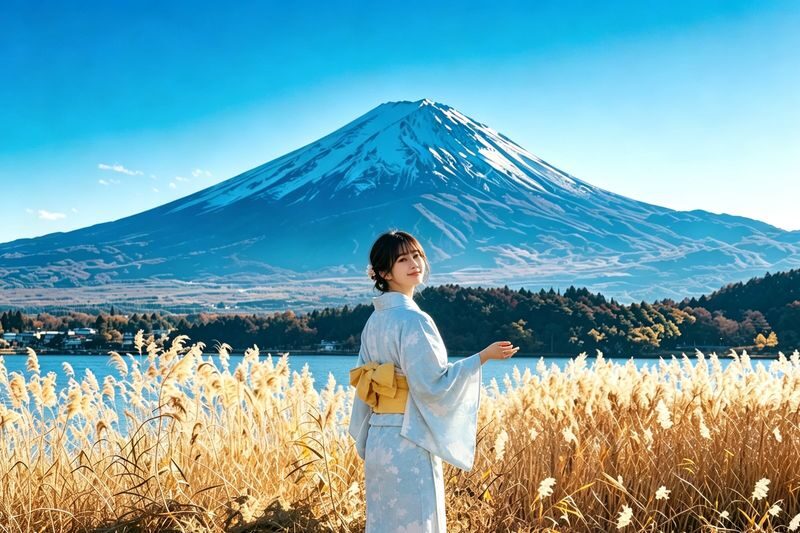
The route earns its appeal through contrast. You see Fuji beside a lake, among the ponds and old village scenery at Oshino Hakkai, and framed with the Chureito Pagoda at Arakurayama Sengen Park. On clear days, those changing views make the day feel more varied than a single photo stop.
You also get several short pauses for food and photos, rather than one long stay at a single attraction. That is efficient, but it calls for a different mindset: arrive ready to keep an eye on the clock, and do not expect time to explore every shop or trail.

👉 See our pick of the 3 Best Tours In Fujiyoshida
Lake Yamanaka: swans, water, and a mountain view
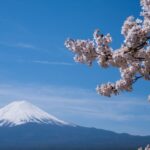
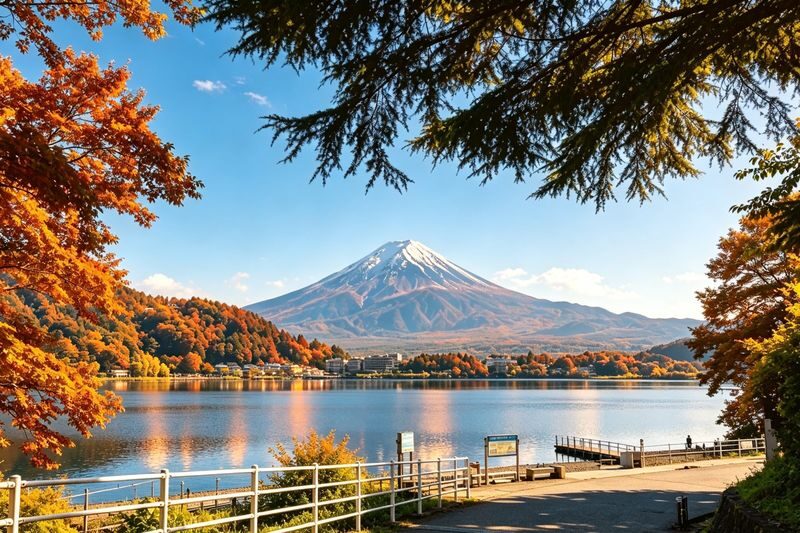
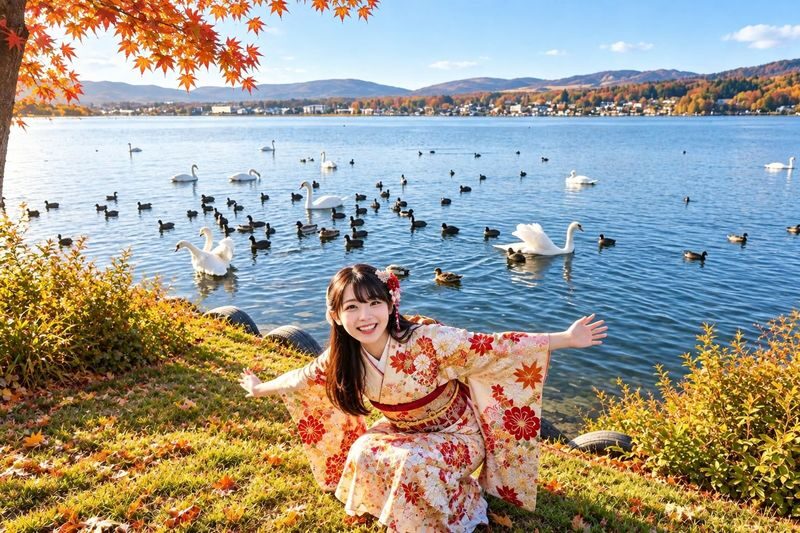
The first stop is Lake Yamanaka, the largest of the Fuji Five Lakes and a place often associated with swans. The visit is self-guided and lasts about 40 minutes. If the birds are present, you may be able to buy food by the lakeside and watch them at close range.
The draw is the classic pairing of water and mountain. A lake view gives Fuji a wide, open setting, quite different from the close-up village scenes later in the day. Winter is especially associated with swans here, but the mountain’s visibility still depends on conditions.
Forty minutes goes quickly. Treat this as a chance to walk a little, take a few photographs, and enjoy the shore, rather than planning a long lakeside outing. If you hope to feed the swans, check what is available locally and follow any posted guidance.
You can also read our reviews of more tours and experiences in Fujiyoshida.


Oshino Hakkai: clear spring ponds and a practical lunch stop
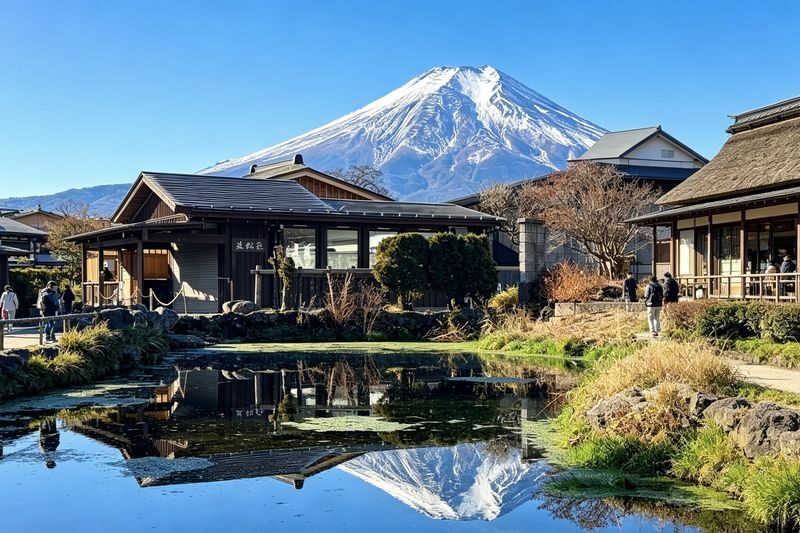
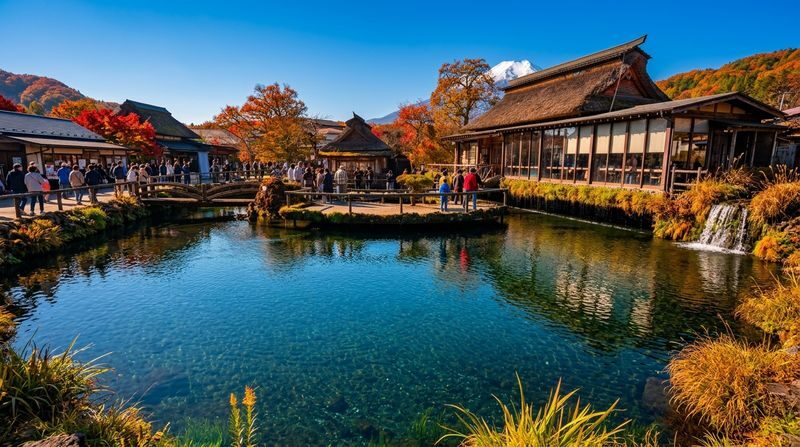
Oshino Hakkai is the most distinctive stop for anyone who wants more than a mountain photograph. Its eight spring-fed ponds are supplied by snowmelt from Fuji, filtered through layers of earth. On a clear day, the water is remarkably transparent, with fish visible below the surface.
The village setting adds another kind of appeal: small shops, local snacks, and a chance to sample spring water. Plan to use this stop for lunch as well. Meals and drinks are not included, and the scheduled 70 minutes is the longest window for finding something to eat without losing your sightseeing time.
The stop is scheduled for around 11:00, which should help you arrive before the typical lunchtime crush described for the area. Still, crowd levels vary, and 70 minutes is not a leisurely meal plus a full tour of every pond. Decide early whether food or photographs matter more, and keep the meeting time firmly in mind.
Local specialties may include tofu and pears, while other area favorites can be found in the village shops. These are purchases, not included tastings. Bring a little cash or a payment method you are comfortable using, and do not let a snack queue eat into the walk back to the bus.
Lawson and Oishi Park: two Kawaguchiko photo stops
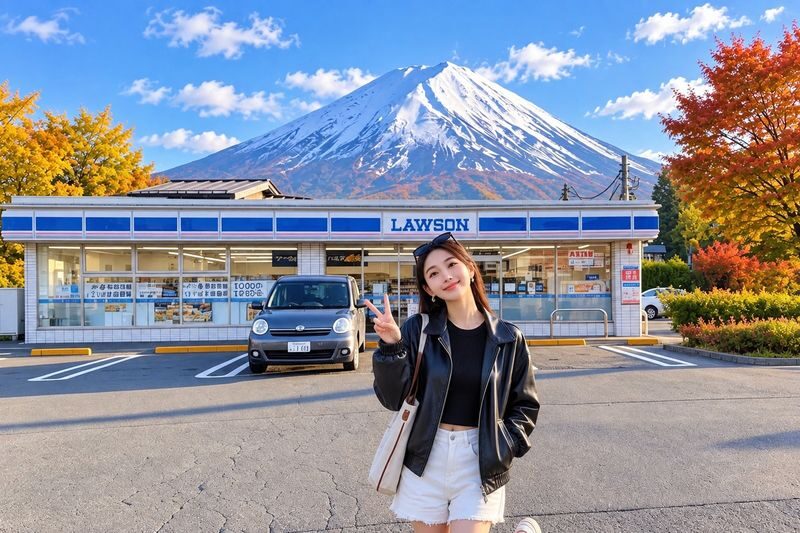
The Lawson stop is brief, about 20 minutes, and centers on a convenience store near Kawaguchiko with Fuji as its backdrop. The store has become a popular photo location because of that unusual combination of everyday Japanese shopfront and mountain view. It is a quick photo pause, not a chance to browse the neighborhood.
The appeal is visual, but it depends heavily on weather and the exact view from the stop. The tour information specifically warns that poor conditions or an unsatisfying photograph do not qualify for a refund. If Fuji is covered, the store remains a convenience store, so keep expectations sensible.
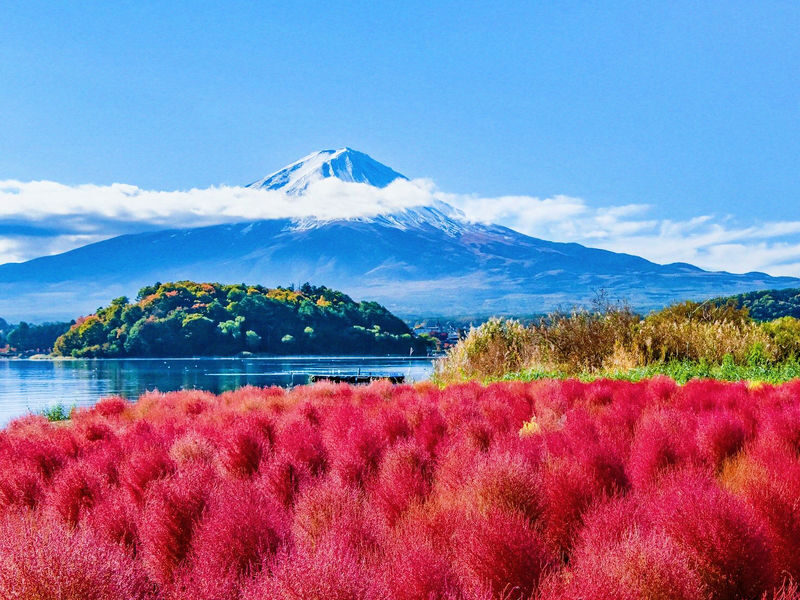
Next comes Oishi Park, on the shore of Lake Kawaguchiko. You get about 40 minutes here, enough for a lakeside walk, seasonal flower displays, and perhaps a scoop of the park’s specialty ice cream. Spring brings cherry blossoms, summer lavender, and autumn foliage; winter can bring snowy scenes.
This is one of the more flexible stops for a short stroll, but seasonal flowers are never guaranteed on a set date. Blooming and foliage periods shift with the weather. Enjoy what is there rather than treating a particular flower or color as a promise.
Hikawa Clock Shop: a street-level Fuji frame
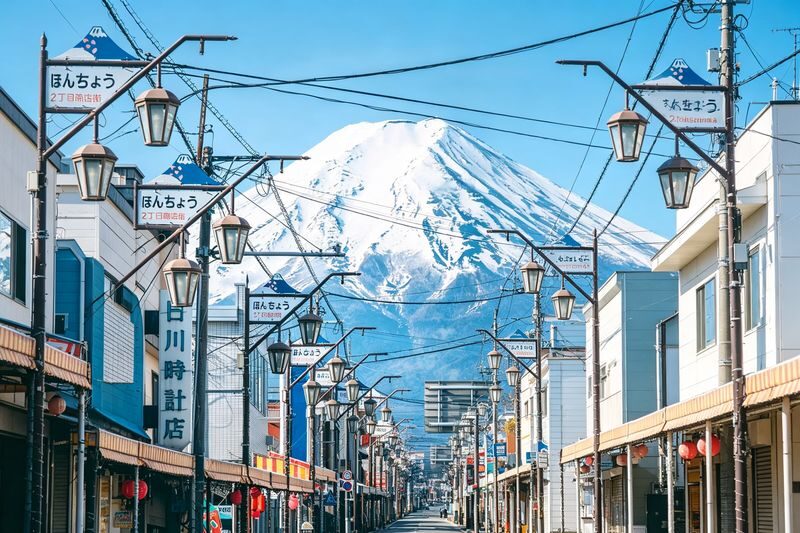
Hikawa Clock Shop is a 20-minute stop in Fujiyoshida, known for the view of Fuji at the end of a street lined with Japanese-style shops. It offers a more ordinary town setting than the lakeside parks, and that is part of the charm: the mountain appears as a backdrop to daily streets rather than as a distant wilderness scene.
The visit is short and mainly suited to a photograph and a quick look around. Keep to the time given by your guide and be mindful of people who live and work along the street. The best photo depends on visibility, and the street may feel different from the polished images that first drew you there.
Arakurayama Sengen Park: the pagoda and the climb
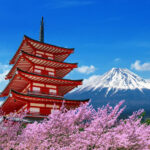
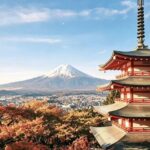
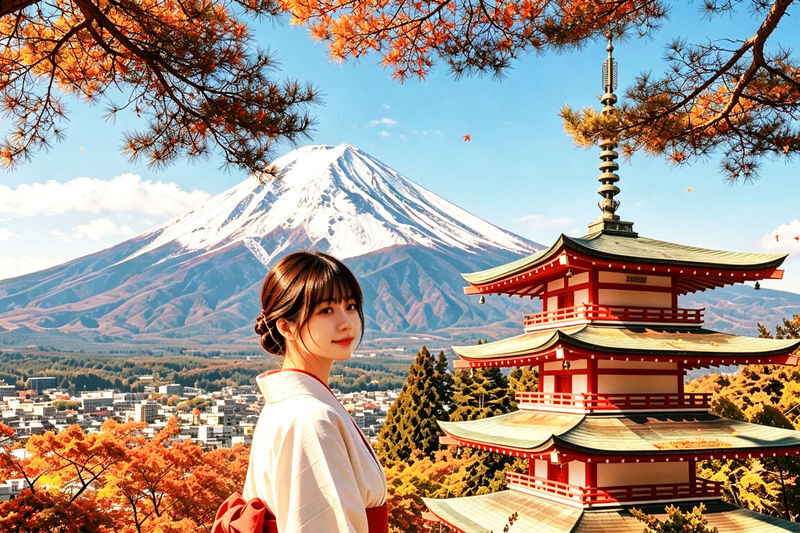
Arakurayama Sengen Park is the day’s final major viewpoint and the image many people most want: Fuji rising behind the red Chureito Pagoda. The park also looks out over Fujiyoshida, giving you a view of both the mountain and the town below. Cherry blossoms make spring especially popular, while fresh greenery, autumn color, and snow offer other seasonal moods.
The scheduled hour is valuable, but it includes getting up to the viewpoint. Expect stairs and a steady uphill walk; wear shoes that are comfortable for steps and uneven paths. If you move slowly, take breaks, or want lots of time for photographs, head up promptly rather than lingering at the base.
This is the most iconic stop, but also the one where crowds and weather can shape the experience. On a clear day, the pagoda and Fuji make a memorable composition. On a cloudy day, the park and town view remain, but the famous mountain backdrop may be missing.


What the pace and group format mean for you
The schedule is built around efficient transfers, with stop times ranging from 20 minutes to an hour and 10 minutes. That works well if your priority is to visit the main viewpoints in one day. It is less suitable if you want a long lunch, slow shopping, extended walks, or time to wait for clouds to clear.
The shared group can include as many as 49 people. Seats are assigned on a first-come basis, and the vehicle depends on the number of people booked. For smaller groups, the driver may also serve as the attendant, so commentary may be brief. If you have a seating request, you can ask, but it is not guaranteed.
Guides vary by departure. Past guide names associated with this experience include Coco, Ohashi, Mandy, and Zio, but no particular guide is promised. Many comments praise guides for clear explanations, helpful coordination, and taking photos for the group. Language selection matters: choose English or Chinese when booking, and check the final departure message for the actual guide and vehicle details.
Traffic can change the order of stops or the time spent at them. The route is subject to weather, road conditions, facility closures, and other disruptions, so think of the posted times as a plan rather than a guarantee. The return time is also not fixed: listed drop-offs include Shinjuku West Exit around 18:00 and Tokyo Station’s Marunouchi North Exit around 18:30, but traffic can push arrival later.
Price, package details, and what is included
At a starting price of $49.25, the main value is transport between attractions that would be awkward to combine independently in one day. Round-trip transfers and an English- or Chinese-speaking guide are included. Meals, drinks, personal spending, and travel insurance are not.
Read the package name and stop list carefully before booking. Some promotional wording mentions Gotemba shopping, and other tour options may include different Fuji-area stops. The six-view schedule described here includes no Gotemba Premium Outlets visit. If shopping is a priority, confirm that the specific package you select includes it rather than assuming it is part of this route.
The price is most compelling if you value convenience and want a broad first look at the area. If you already know which two or three places matter most, arranging a slower visit may suit you better. This route trades depth for range.
Weather, meeting details, and small things to plan
Fuji visibility is the biggest uncertainty. Summer visibility can be lower, and cloud or rain can block the summit at any time of year. The tour goes ahead even if the expected seasonal scenery or mountain view does not appear, and no refund is offered for that reason. Check the forecast before booking, but treat it as a guide, not a guarantee.
Arrive at the stated meeting point 10 minutes early. The day-before message with guide and vehicle details is due in the evening, and it may land in your spam folder. If no message arrives, check your email and look for the JRT guide flag at the meeting point. Late arrivals cannot join, and missed departures are not refundable.
Bring comfortable walking shoes, layers suited to the season, a phone or camera, and a portable charger. Snacks are useful on busy weekends and holidays, especially if traffic delays the return. Do not book a same-evening flight, Shinkansen, or dinner reservation that depends on a precise arrival time.
Luggage must be arranged in advance. If you arrive with luggage that has not been approved, boarding may be refused without a refund. The tour does not include personal travel or accident insurance, so consider arranging your own cover.
Should you book this Mount Fuji day trip?
Book it if you want a practical first visit to the Fuji Five Lakes area and would rather let a guide and vehicle handle the connections. It is especially useful if you value several famous photo locations, want an early look at Oshino Hakkai, and are happy with brief stops.
Skip it if you want long walks, unhurried meals, outlet shopping on this specific route, or a guaranteed view of Fuji. The mountain is the star, but it does not take reservations. If you can accept that uncertainty and keep pace with the group, this is a reasonably priced way to see six very different sides of the region in one long day.
Mount Fuji’s Popular Must-See Six-View Day Tour – Arakurayama Sengen Park, Lake Kawaguchiko, Oshino Hakkai, Lake Yamanakako, Lawson Convenience Store, Nichikawa Clock Shop
“Guide Ohashi is great at interpreting in both Korean and Chinese, and is so kind and wonderful~~”
FAQ
How long does the day trip last?
The tour runs for about 10.5 hours, with departure times listed at 7:30 or 8:00 depending on the selected meeting point. Return timing can shift with traffic.
Which stops are included?
The six stops are Lake Yamanaka, Oshino Hakkai, Lawson Fujikawaguchiko Town Hall, Oishi Park, Hikawa Clock Shop, and Arakurayama Sengen Park.
Is Gotemba Premium Outlets included?
Not in the six-stop route described here. Promotional wording elsewhere mentions outlet shopping, so check that your chosen package explicitly includes Gotemba if you want to visit.
Are meals included?
No. Meals and beverages are not included. Oshino Hakkai is a practical place to buy lunch, but you pay for food yourself.
Which guide languages can I choose?
The listed options are an English-speaking guide or a Chinese-speaking guide. The guide assigned to a particular departure can vary.
Is a Mount Fuji sighting guaranteed?
No. Visibility depends on weather, and the mountain may be hidden by cloud or haze. Poor visibility does not qualify for a refund.
How much time is scheduled at each stop?
The stops range from about 20 minutes at Lawson and Hikawa Clock Shop to 70 minutes at Oshino Hakkai. Arakurayama Sengen Park gets about an hour.
What should I wear?
Light, comfortable clothing and shoes are recommended. Bring warm clothing for winter or mountain conditions.
Can I bring luggage on the vehicle?
Only if you inform the operator in advance. Unannounced luggage may lead to boarding being refused without a refund.
What happens if traffic delays the return?
The order of stops and sightseeing times may be adjusted because of traffic, weather, or other conditions. The return time cannot be guaranteed, so avoid scheduling a flight, Shinkansen, or dinner that evening.