Saga’s spring route packs five very different stops into one day: a major shrine, a mountainside Inari shrine, torii gates in the Ariake Sea, a celebrated garden, and a local cherry blossom park. It is a practical way to see beyond Fukuoka without working out regional train connections or changing hotels.
I like two things in particular: Yutoku Inari gets a full 90 minutes, enough to take in its dramatic red halls, and the tour includes both a garden admission and round-trip transport. I also like that guides have helped with photos, cultural context, and small practical matters such as making change.
The trade-off is a packed route with several short stops. Lunch is not included, and one account of the day found there was little time to eat, so bring a snack and be ready to keep moving.
- The day’s best reasons to go
- Five stops, one long day from Fukuoka
- Dazaifu Tenmangu: a gentle start among the blossoms
- Yutoku Inari: the day’s most dramatic shrine
- Ouo Shrine: torii gates in the Ariake Sea
- Mifuneyama Rakuen: garden paths and spring color
- Asahigaoka Park: a local-style finish
- What the price covers, and what it does not
- A guide can make the busy schedule feel easier
- Is this Saga cherry blossom tour right for you?
- FAQ
- Where does the tour depart from?
- Where does the tour return?
- Which stops are included?
- Is the tour guided in English?
- Are entrance fees included?
- Is lunch included?
- How long is the stop at Yutoku Inari Shrine?
- What happens if the cherry blossoms are not in bloom?
- Can I bring luggage or use a child seat?
- What is the cancellation policy?
- More Tours in Kashima
- More Tour Reviews in Kashima
- Not for you? Here's more nearby things to do in Kashima we have reviewed
The day’s best reasons to go
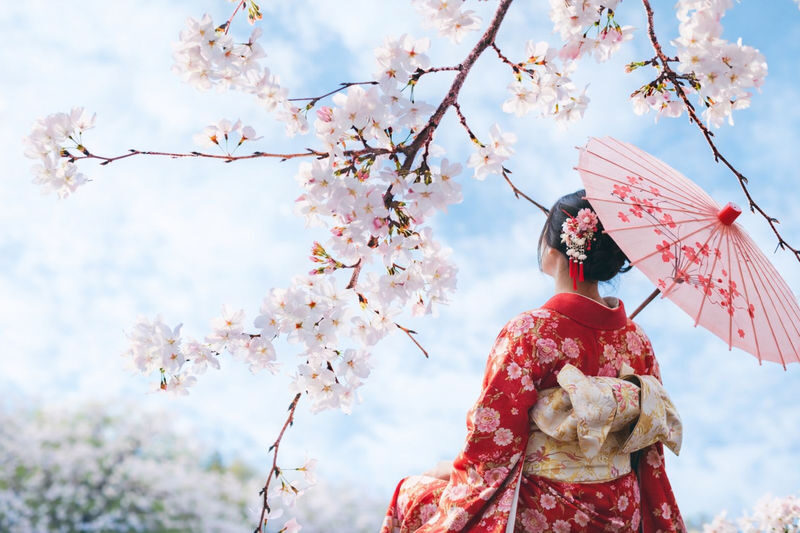
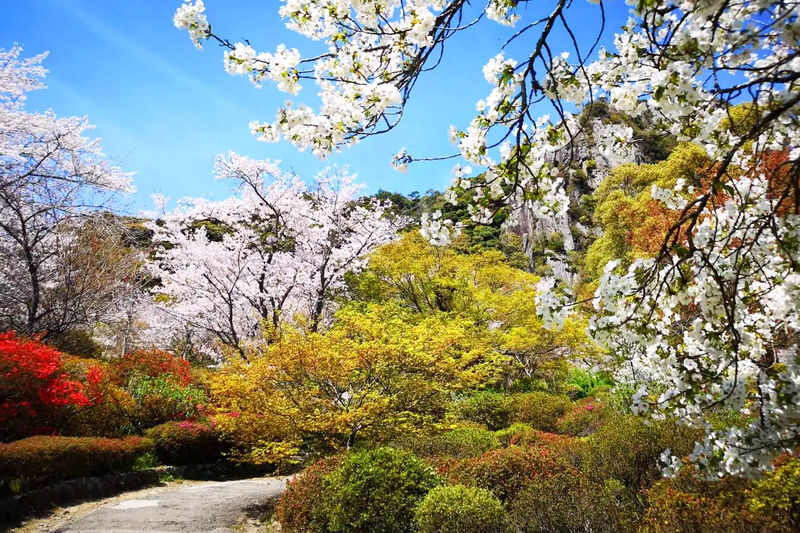
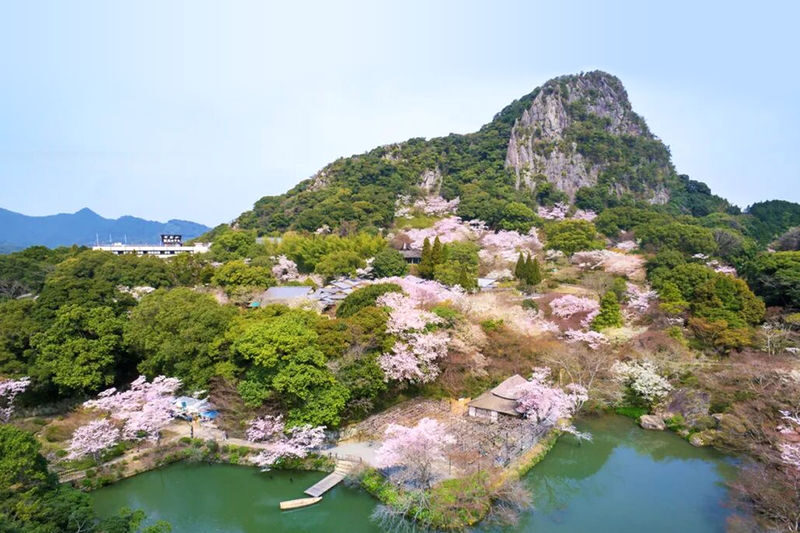
- Five stops in one Saga outing: See shrine architecture, sea views, gardens, and cherry blossom parks without arranging separate transport.
- Yutoku Inari is the longest visit: You have 90 minutes for the vermilion shrine buildings and the paths around them.
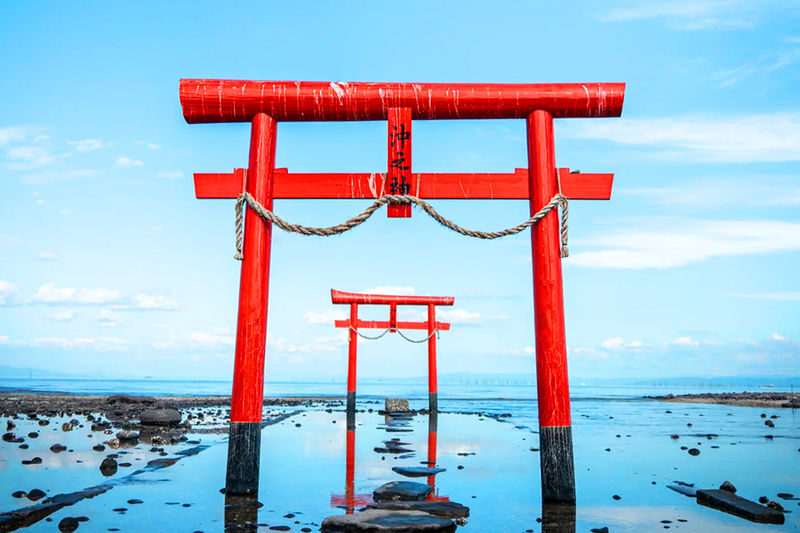
- Ouo Shrine’s torii change with the tide: At high tide, the gates appear to float; at low tide, you can walk to their base.
- Mifuneyama Rakuen admission is included: Spring brings more than 2,000 cherry trees and over 200,000 azaleas, though their peak bloom may not line up with your visit.
- The guide can add real value: Daisy Wu, Xiao Jiang, Nicole, and Ms. Yang have been named on past departures, but the guide varies.
- The route can change with conditions: If the blossoms at Asahigaoka Park are not at their best, the stop may shift to Takeo Onsen Street.
Five stops, one long day from Fukuoka
The tour leaves Fukuoka at 8:00 and is scheduled to return around 18:00 to Lawson Fukuoka Oriental Hotel. You spend most of the day moving between Saga’s sights, so the main appeal is the convenience: transport, tolls, fuel, parking, and an English and Chinese-speaking guide are included.
The day is shared with a group, and the vehicle depends on how many people sign up. Seats are assigned on a first-come basis, and a smaller group may have a driver who also serves as attendant, with briefer commentary. It is not a private tour, and you cannot choose a particular vehicle.
The schedule has little spare time. Traffic, weather, and site conditions can change arrival times or the stops themselves, so treat the listed hours as a guide rather than a promise. On weekends and Japanese public holidays, congestion can be serious. I would not plan a flight, Shinkansen, or dinner reservation for that evening.
You can also read our reviews of more tours and experiences in Kashima.


Dazaifu Tenmangu: a gentle start among the blossoms
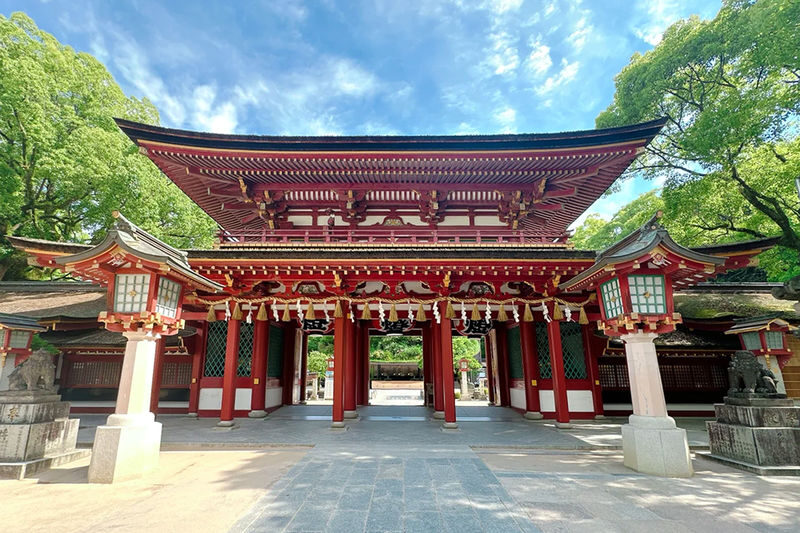
The first stop is Dazaifu Tenmangu, scheduled for 9:00 with one hour to explore on your own. The shrine is the head shrine of roughly 12,000 Tenmangu shrines in Japan, and the approach is part of the pleasure: shops, the scent of Umegae Mochi, and, in spring, cherry blossoms along the way.
An hour is enough for a focused visit and a stroll, but not for lingering over every detail. The visit is self-guided, so you can choose between spending more time at the shrine itself or enjoying the approach and taking photos. If you like a little background, listen for the guide’s explanation before or after the stop.
Spring adds a softer touch to a well-known site, but it also brings crowds and uncertain bloom timing. Some departures have had rain or arrived before many trees were in bloom. Pack a light rain layer, and think of the blossoms as a bonus rather than a guarantee.
Yutoku Inari: the day’s most dramatic shrine
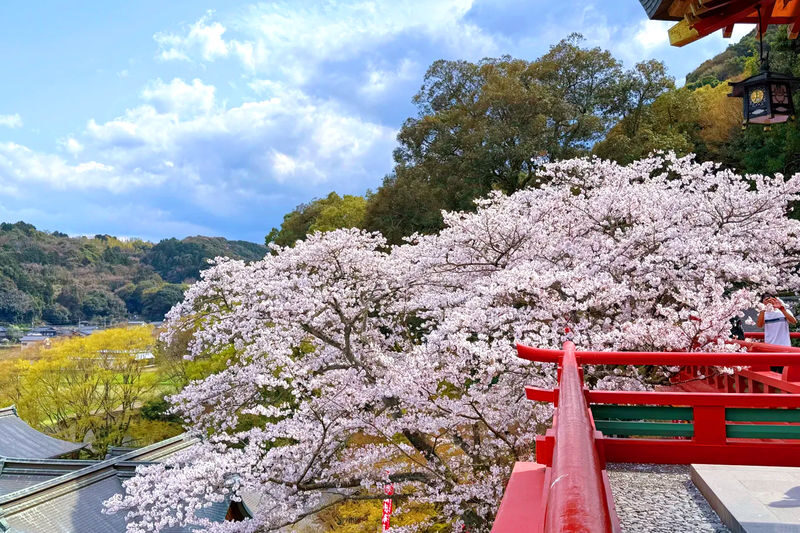
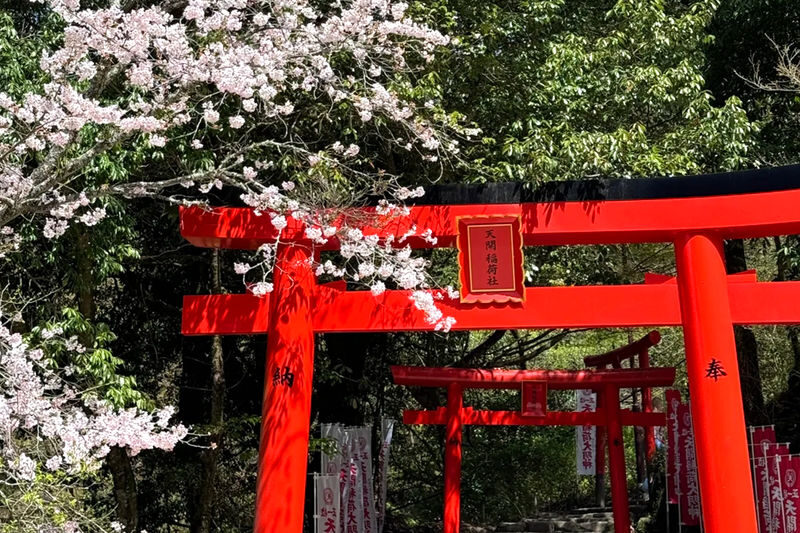
At about 11:30, the group reaches Yutoku Inari Shrine for a 90-minute self-guided visit. One of Japan’s Three Great Inari Shrines, it is known for its large vermilion halls built into the mountainside. The red structures rise in layers, and cherry blossoms can soften the strong lines with pink and white.
This is the longest stop, and rightly so. There is more to take in than a quick photo from the entrance, and the extra time gives you room to walk, look back at the buildings, and find your own angles. Guides have also offered to take photos and shared tips for getting better shots, although that help depends on the guide and the pace of the group.
The stop falls around lunchtime, but meals are not included and the schedule may leave little time for a sit-down meal. Bring something small to eat, especially if you prefer not to rely on finding food during a brief visit. You can buy refreshments on your own, but the tour does not promise a meal break.
Ouo Shrine: torii gates in the Ariake Sea
The next stop is the Floating Torii Gate of Ouo Shrine, scheduled for about 13:20 and just 20 minutes long. Three red torii stand in the Ariake Sea. At high tide, water surrounds their bases and they seem to float; at low tide, you can walk out toward them.
This is a quick photo stop, not a long shrine visit. The tide matters to the view, and the tour timing may not match the most dramatic water level. Even so, the contrast of red gates, open water, and sky gives the stop a distinct feel after the mountain shrine.
Twenty minutes goes fast, so be ready to step off the vehicle and make the most of the time. If you want a particular shot, keep your camera or phone handy rather than sorting through your bag once you arrive.
Mifuneyama Rakuen: garden paths and spring color
The tour reaches Mifuneyama Rakuen around 14:40 for a 40-minute visit. Admission is included. This garden is framed by Mount Mifuneyama, and spring can bring more than 2,000 cherry trees alongside over 200,000 azaleas. When the flowers peak, the layered color against the mountain is the point of the visit.
Forty minutes is enough for a taste, but not a slow walk through every part of the grounds. The garden is best approached as a focused stop: enjoy the views, take photos, and follow the paths that fit the time. If you like gardens, this may be the place where you wish the schedule had given you longer.
The flower calendar is never exact. Cherry trees and azaleas do not necessarily peak together, and weather can shift the season. The tour still runs if bloom is early or late, so book for the overall route rather than one perfect blossom photograph.
Asahigaoka Park: a local-style finish
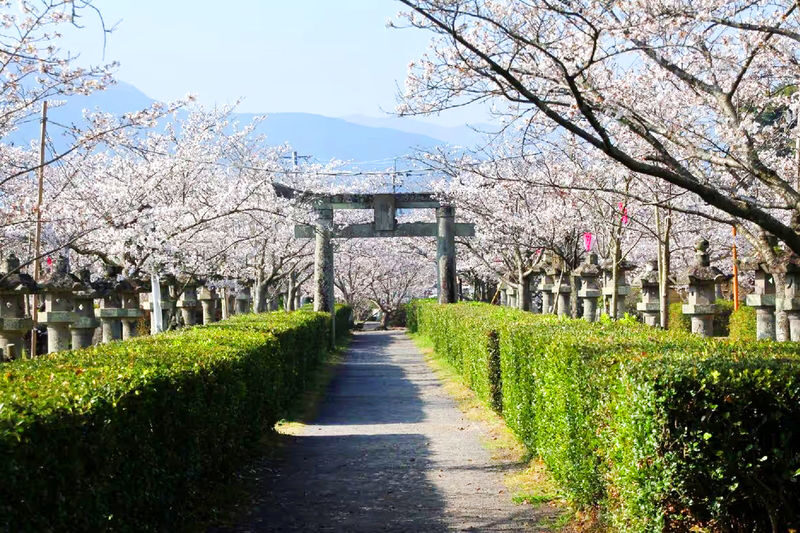
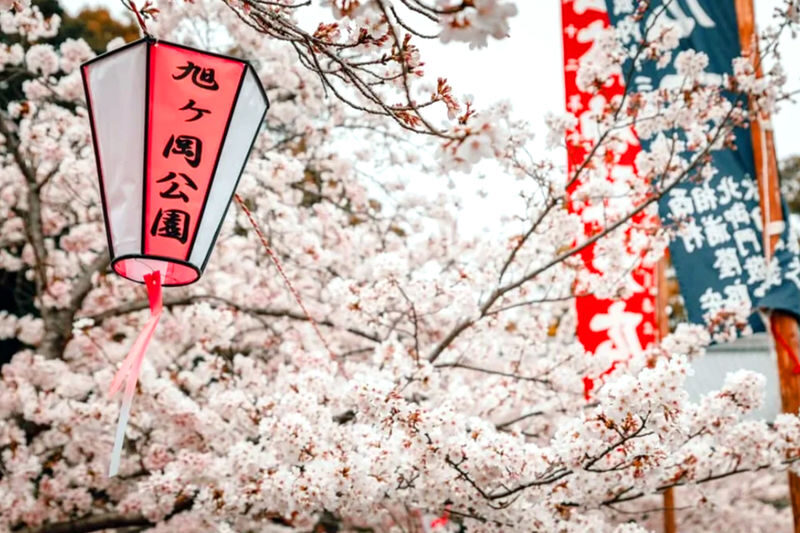
The final scheduled stop is Asahigaoka Park, around 15:50, with 40 minutes to spare. It is known as one of Saga Prefecture’s major cherry blossom viewing spots, and the approach to the park can form a flower tunnel when the trees are in bloom.
This stop has a quieter, less monumental character than the shrines. It is a place to stroll, sit for a moment, and watch local spring life rather than rush through another grand building. Still, it is a modest park with few facilities, and if you have already seen blossoms at earlier stops, 40 minutes may feel long.
When blossoms are not at their best, the park visit may be replaced with Takeo Onsen Street. That flexibility can make the day more worthwhile, but it also means you should not count on seeing every stop exactly as planned. The guide may adjust or shorten visits because of weather, traffic, maintenance, or other conditions.
What the price covers, and what it does not
The advertised starting price is $48.55, while the named Chinese and English guide package is listed from $60.65. The amount depends on the package and booking selection, so check the exact option and date before paying. For a full day that includes round-trip transfers from the Fukuoka meeting area, guide service, Mifuneyama Rakuen admission, tolls, fuel, and parking, it can be good value if you want to see several Saga sights in one outing.
Meals, drinks, personal purchases, tips, accommodation, and insurance are not included. That matters on a long day with no guaranteed lunch break. Bring water and a snack, and carry a power bank if you plan to take plenty of photos.
The tour is for participants under 70, and infants and children must be included in the passenger count. Child seats are not available. Luggage storage and delivery are not provided, so this is not a good day to bring suitcases; contact the operator in advance if you need to carry luggage.
A guide can make the busy schedule feel easier
The guide’s role matters here because most stops are self-guided and the day moves quickly. Past guides named include Daisy Wu, Xiao Jiang, Nicole, and Ms. Yang. Their reported strengths include explaining local customs in Chinese and English, sharing photo advice, helping with recommendations in Fukuoka, and keeping the group informed through WhatsApp or other contact channels.
Those names are not a promise of who will lead your departure. The group size, vehicle, and commentary can vary, and for a small group the driver may also act as attendant. Still, a warm, organized guide can help you use short visits well, especially if you have questions about shrine etiquette or want help finding a good photo spot.
Before departure, the operator is due to contact you the previous day, with vehicle and guide details sent by email before 20:00. Check your inbox and spam folder, and make sure the contact app you provided works in Japan. Arrive at the designated meeting point at least 10 minutes early; late arrivals and no-shows are not refunded.
Is this Saga cherry blossom tour right for you?
I would book it if you want a simple way to see several Saga highlights in a day, value having transport arranged, and are happy with brisk visits rather than long, unstructured time at each site. It is particularly useful for a first visit to the area, when arranging buses and trains between these stops would take time and planning.
I would think twice if your main goal is a leisurely garden visit, a long lunch, or a guaranteed peak-bloom view. The day covers a lot, and the cherry blossom timing depends on the weather. For a flexible spring sampler with standout shrine scenery and a shot at several different kinds of flower viewing, the route makes sense. Just pack a snack, wear comfortable shoes, and keep the evening free.
Early Spring Cherry Blossom Limited: Kyushu Saga | Mifuneyama Rakuen & Yutoku Inari Shrine & Dazaifu Tenmangu Shrine & Ouo Shrine & Asahigaoka Park | Departing from Fukuoka
“When we went to Dazaifu in the morning, the rain dampened our spirits a bit, but our guide's friendly demeanor quickly cheered us up. Honestly, I'v…”
FAQ
Where does the tour depart from?
The tour departs from Fukuoka at 8:00. The information provided asks you to arrive at the designated meeting point 10 minutes early, but does not specify a departure address.
Where does the tour return?
The scheduled return is around 18:00 at Lawson Fukuoka Oriental Hotel. Traffic and weather can affect the actual arrival time.
Which stops are included?
The scheduled stops are Dazaifu Tenmangu, Yutoku Inari Shrine, Ouo Shrine’s Floating Torii Gate, Mifuneyama Rakuen, and Asahigaoka Park. Asahigaoka Park may be replaced by Takeo Onsen Street if the cherry blossoms are not at their best.
Is the tour guided in English?
An English and Chinese-speaking guide is included. The specific guide varies by departure.
Are entrance fees included?
Admission to Mifuneyama Rakuen is included. The information provided does not list admissions to the other stops as included.
Is lunch included?
No. Meals and drinks are not included, and the schedule may leave limited time to eat. Bringing a snack is a practical choice.
How long is the stop at Yutoku Inari Shrine?
The planned visit is 1 hour and 30 minutes. It is the longest stop of the day.
What happens if the cherry blossoms are not in bloom?
The tour still runs if the blossoms are early or late. If the cherry blossoms at Asahigaoka Park are not at their best, that stop may be changed to Takeo Onsen Street. No particular bloom level is guaranteed.
Can I bring luggage or use a child seat?
Luggage storage and delivery are not provided, and child seats are unavailable. If you need to carry luggage, contact the operator in advance.
What is the cancellation policy?
You can receive a full refund if you cancel at least 24 hours before the activity date, based on local time. The operator may cancel for extreme weather or insufficient group size, in which case you can reschedule or request a full refund.