Mojiko’s old railway headquarters gives the Kyushu Railway Memorial Museum an appealing start: you enter a Meiji-era red-brick building that once housed the Kyushu Railway Company. Inside, railway history takes shape through old tickets, equipment, train models, and a wooden passenger car from the same period.
I like two things in particular: the range of ways to explore, from quiet exhibits to a hands-on driving simulator, and the chance to see actual locomotives up close outside. The mini-train park adds a playful option for children and railway fans, though its rides cost extra.
The main consideration is scope: admission covers the museum, not every activity on site. Mini trains cost 300 yen per vehicle per ride, and simulator access, fees, and operating status depend on the museum’s announcements that day.
- Meiji-era headquarters: Railway artifacts and models fill the former Kyushu Railway Company office.
- Wooden passenger car: See a real Meiji-era carriage with rare tatami seating.
- Outdoor locomotives: Get close to retired trains, including C59 and 9600 type steam engines.
- Mini-train park: Operate a small JR Kyushu-inspired train on tracks with signals and turnouts, for an extra fee.
- Driving simulator: Try an 811 series simulator using footage from actual routes.
- Easy Mojiko stop: The museum is within walking distance of JR Mojiko Station and fits into a day in Mojiko Retro.
- Start in the former Kyushu Railway headquarters
- Step inside a wooden Meiji-era carriage
- Meet the locomotives in the outdoor vehicle area
- Take the controls at the mini railway park
- Try the 811 series driving simulator
- Make the museum part of a Mojiko day
- Is admission good value?
- Who will enjoy the visit most?
- Should you book the Kyushu Railway Memorial Museum?
- FAQ
- Where is the Kyushu Railway Memorial Museum?
- How do I get to the museum?
- What are the museum’s opening hours?
- What does the admission ticket include?
- How much does the mini-train ride cost?
- Can I operate a mini train myself?
- Does the mini railway operate in bad weather?
- Is there a train driving simulator?
- What ticket should I buy for a child?
- How do I use the mobile voucher?
- More Museum Experiences in Kitakyushu
- More Tours in Kitakyushu
- More Tour Reviews in Kitakyushu
- Not for you? Here's more nearby things to do in Kitakyushu we have reviewed
Start in the former Kyushu Railway headquarters
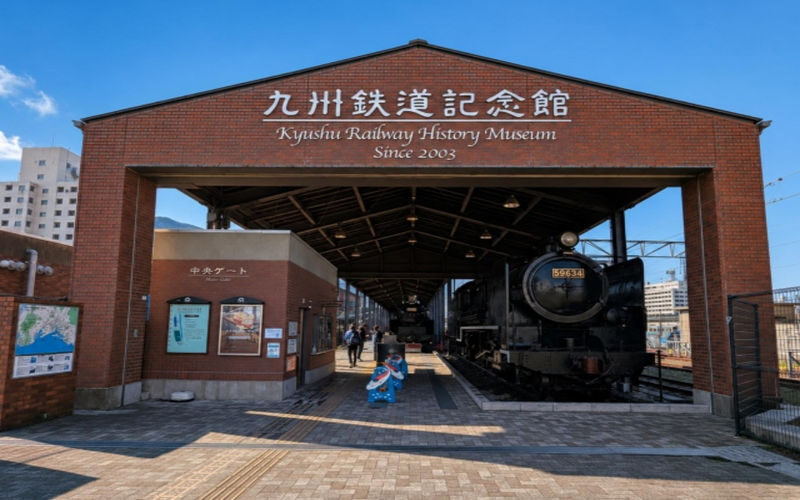
The museum’s red-brick main building is more than a handsome shell. It served as the Kyushu Railway Company headquarters during the Meiji era, when railways were changing how people and goods moved around Japan. That setting gives the exhibits a useful sense of place: railway history is not tucked into a generic gallery, but presented in a building tied to the story itself.
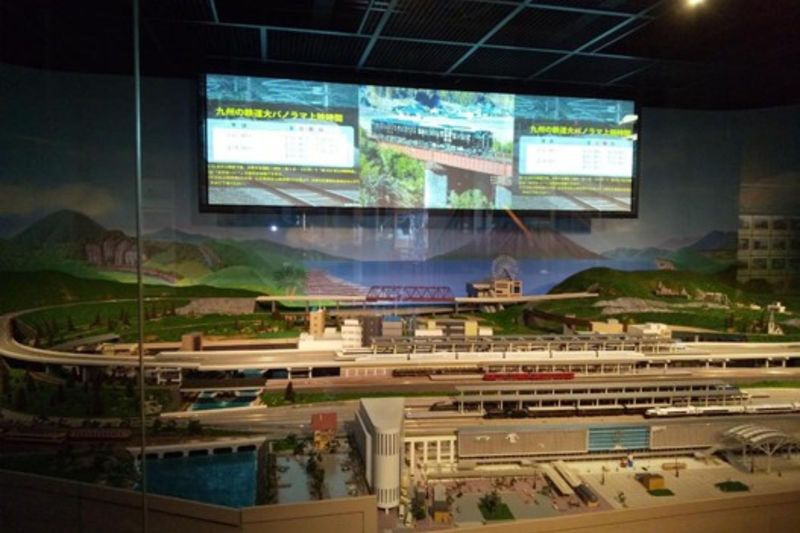
Inside, you’ll find railway materials from different periods, including tickets, railway supplies, and models of trains through the decades. The collection helps you follow the changes in Kyushu rail travel, from early lines and equipment to later trains. Even if you don’t know the difference between locomotive types, the objects offer a tangible way to see how railway design and daily travel changed.
I’d begin here before heading outdoors. The displays provide context for the machines in the vehicle yard, and the models can help younger visitors connect the small-scale trains with the full-size ones outside. The exhibits also make this a worthwhile visit for adults who are curious about local history, not just children who want to play train driver.
The museum’s format is self-guided. There is no named guide or scheduled tour included in the admission details, so you can set your own pace. That freedom is useful if your group has mixed interests: linger over the railway history, or move on when the kids are ready for the trains.
Step inside a wooden Meiji-era carriage
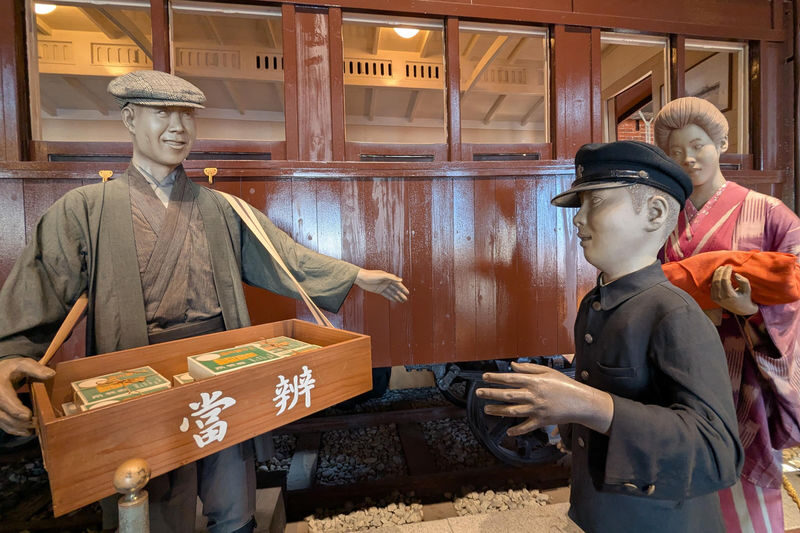
One of the most distinctive exhibits is a wooden passenger car that was actually used during the Meiji era. You can step inside and see its rare tatami seating, a reminder that older train travel could feel quite different from riding a modern commuter service.
Character displays and sound effects help evoke the atmosphere of a journey from roughly a century ago. They give the carriage a bit of life without requiring you to imagine everything from a label. For children, walking into a real old train can make history easier to grasp than looking at a display case. For adults, the tatami detail is a good prompt to think about how varied passenger comfort and design once were.
The carriage is a compact experience, not a long ride. You’re there to look and get a feel for the interior, rather than travel on the line. Still, it’s a welcome change of scale after the main building’s collection, and a particularly good stop if you enjoy seeing how people actually used historic transport.
You can also read our reviews of more museum experiences in Kitakyushu



Meet the locomotives in the outdoor vehicle area
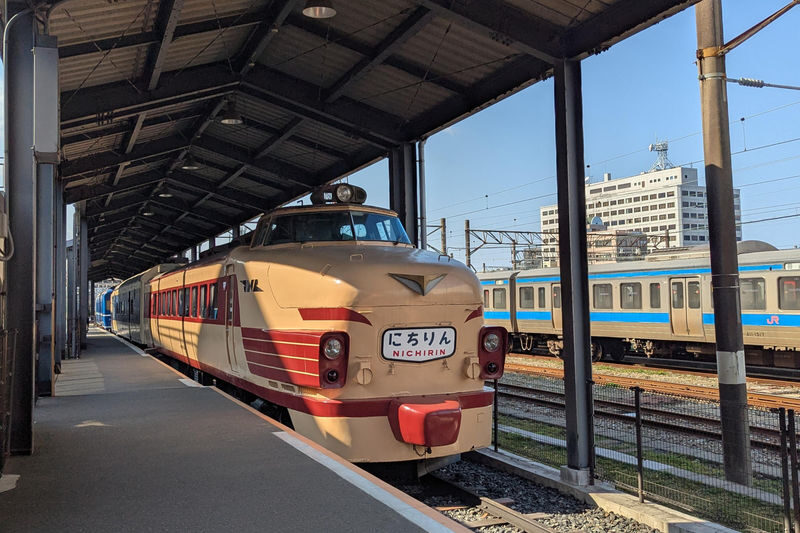
Outside, the museum displays retired trains that once ran in Kyushu. The collection includes C59 and 9600 type steam locomotives, along with other classic vehicles. Their size and machinery make this part of the visit especially satisfying for anyone who has only seen steam engines in pictures.
Some of the vehicles can be entered. Where access is allowed, you can inspect seats, driver’s cabs, and other train equipment at close range. That access adds a practical dimension to the exhibit: you can look beyond the exterior and see how the machines were arranged for passengers and railway staff.
Take your time around the vehicles rather than treating the yard as a quick photo stop. The difference between viewing a locomotive from a platform and standing near its cab is part of the appeal, particularly for children who like to spot levers, controls, and details. Access varies by vehicle, so don’t assume you can enter every train.
The outdoor area also makes the museum’s broader story easier to follow. The red-brick building introduces the institution and its records; the trains show the working machines those records describe. If the weather is poor, though, the outdoor exhibits may be less comfortable to explore, so it can make sense to visit the indoor spaces first.
Take the controls at the mini railway park
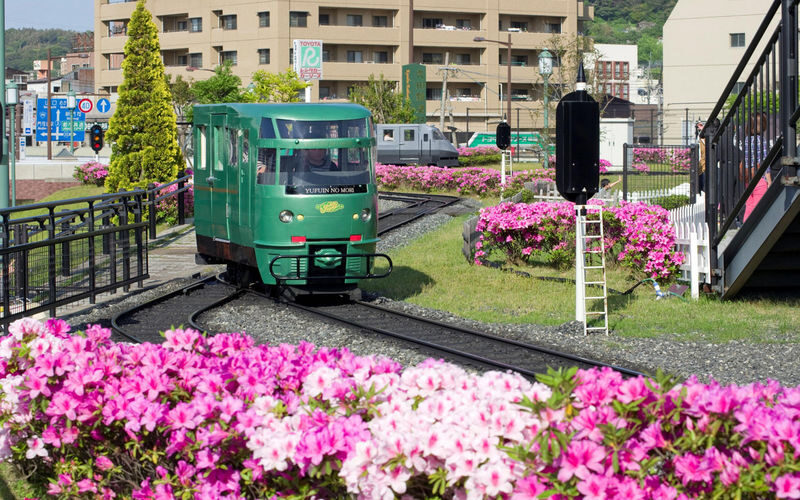
The Mini Railway Park is the museum’s most active attraction. Rather than simply riding along, visitors can operate miniature trains on tracks with signals and turnout equipment. The layout is designed to mimic some of the features of a real railway, giving the experience a little more substance than a simple loop around a yard.
The small trains are based on representative JR Kyushu models, including the 885 Series Kamome, 787 Series Tsubame, 883 Series Sonic, Yufuin no Mori, and 813 Series Electric Train. That variety gives rail fans familiar designs to look for, while children can pick a train and enjoy the basic thrill of driving it.
The museum describes this as Japan’s first mini railway where visitors can experience operating a train in a way that resembles real train operation. That makes it more than a passive amusement ride, though it remains a compact, family-oriented activity rather than a full railway lesson.
Budget for it separately. The ride is not included with museum admission and costs 300 yen per vehicle per ride, with space for up to three people. That can be good value for a family sharing one ride, but repeated turns add to the bill. The park may stop operating in rain or strong winds, so check the day’s announcements before promising the kids a ride.
Try the 811 series driving simulator
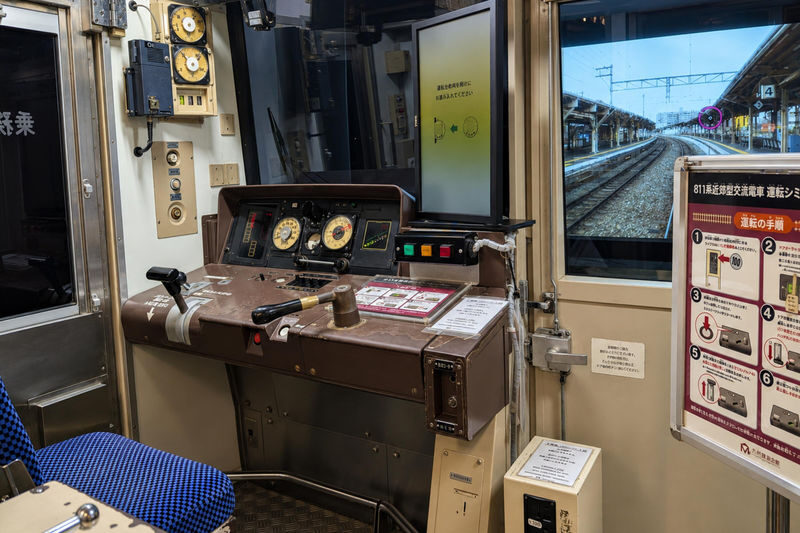
Inside the museum, an 811 series driving simulator lets you experience train operation using footage from actual routes. It offers a different kind of hands-on activity from the outdoor miniature railway: here, the focus is on the view and feel of driving a full-size train along a real route.
The simulator’s availability, participation method, and fee are determined on site. Treat it as a possible bonus, not a guaranteed part of your visit. If it is operating, ask staff how access works before building it into your schedule, especially if you’re visiting with children who may be eager for a turn.
That uncertainty is worth keeping in mind when comparing ticket options. Your admission gets you into the museum, but some experiences can have extra charges, limited participation, assigned time slots, or temporary closures. The museum’s announcements on the day are the best guide to what is running.
Make the museum part of a Mojiko day
The address is 2-3-29 Kiyotaki, Moji Ward, Kitakyushu, Fukuoka Prefecture. The museum is within walking distance of JR Mojiko Station, making it straightforward to combine with a visit to the Mojiko Retro area. If you’re driving, the museum also has a parking lot, though no parking fee or space details are specified.
Opening hours are 9 a.m. to 5 p.m. every day, with last entry at 4:30 p.m. Arriving before the final half-hour gives you more breathing room, particularly if you want time for the main building, outdoor trains, and any activities that are operating. The museum is listed as open year-round.
There is no fixed itinerary or stated visit duration. I’d plan the visit around your group’s interests rather than assume you can cover every exhibit in a set amount of time. A railway enthusiast may want longer with the models and locomotive details; a family may spend extra time in the carriage, simulator, or mini-train park.
A practical order is to start indoors with the railway collection, step into the wooden carriage, then explore the outdoor vehicles. Finish with the simulator or mini railway if they are available and fit your budget. This sequence gives you historical context first, while keeping the hands-on activities for the end, when you know how much time you have left.


Is admission good value?
Admission starts at $1.59, which makes the museum an inexpensive stop if the price shown at booking applies to your selected ticket. The exact cost can vary by ticket type, so check whether you need a full ticket or a child ticket before purchasing. Children aged 16 and older pay the adult rate; children aged 4 to 15 need a child ticket. The supplied details do not specify ticket requirements for children under 4.
The base ticket includes admission to the museum, not the mini-train ride or other experiences that carry extra charges. At 300 yen per mini-train ride, the extra cost is easy to understand, but it matters if you’re planning several turns or a full family outing. Simulator costs and any other on-site fees are not specified in advance.
The clearest convenience is the mobile voucher. You present its QR code to staff for confirmation before entering, and the ticket can be used after purchase. The voucher is valid for 365 days from booking confirmation and can be changed free of charge before redemption. It can be cancelled for a full refund before you use it.
One five-star rating is available, and it praises the ease of buying and using the ticket immediately. That is a useful sign about the purchase process, but it is only one review, so it says little about the full range of visitor experiences. The museum itself is the stronger reason to go: a historic building, real railway vehicles, and optional activities at a modest starting price.
Who will enjoy the visit most?
Rail enthusiasts have the obvious draw: locomotives, train models, old equipment, and a simulator. The outdoor collection is especially appealing if you like to study real vehicles up close, while the Meiji-era materials add context beyond the machines themselves.
Families with children have several ways to keep the visit moving. Kids can step into an old carriage, see large locomotives, and, if conditions allow, operate a miniature train. The extra charges and possible weather closures mean it’s wise to present the mini ride as an option rather than the whole point of the visit.
You don’t need to be a train expert to enjoy it. The historic headquarters and passenger car offer accessible points of interest for anyone curious about Kyushu’s past. But if you have no interest in railways, transport history, or hands-on displays, this is likely a short side trip rather than a must-see attraction.
Should you book the Kyushu Railway Memorial Museum?
Book it if you’re spending time in Mojiko, enjoy railway history, or want an easy family stop with both indoor exhibits and outdoor vehicles. The combination of a former railway headquarters, an actual Meiji-era carriage, steam locomotives, and optional train-driving activities gives the museum more variety than a collection of static displays alone.
Go in with clear expectations: admission covers the museum, while some popular experiences cost extra or may not be available that day. If you’re content to explore the exhibits and trains at your own pace, the low starting price and station-side location make this an easy addition to a Mojiko day. If the mini train or simulator is your main reason for visiting, check on-site operating details before you count on it.
Kyushu Railway Memorial Museum
“Convenient to purchase, you can use it immediately right after buying, great!”
FAQ
Where is the Kyushu Railway Memorial Museum?
It is at 2-3-29 Kiyotaki, Moji Ward, Kitakyushu, Fukuoka Prefecture, Japan.
How do I get to the museum?
It is within walking distance of JR Mojiko Station. The museum also has a parking lot.
What are the museum’s opening hours?
It is open daily from 9 a.m. to 5 p.m. Last entry is at 4:30 p.m.
What does the admission ticket include?
The ticket includes admission to the Kyushu Railway Memorial Museum. Mini-train rides and other experiences with extra charges are not included.
How much does the mini-train ride cost?
The listed reference price is 300 yen per vehicle per ride. A vehicle can carry up to three people. Check the museum’s announcement for the price on the day.
Can I operate a mini train myself?
Yes. The outdoor Mini Railway Park allows visitors to experience operating mini trains on tracks with signals and turnout equipment, subject to on-site operation.
Does the mini railway operate in bad weather?
Mini-train operations may be suspended during rain or strong winds. Check the museum’s announcement on the day.
Is there a train driving simulator?
Yes. The museum has an 811 series driving simulator that uses footage from actual routes. Availability, participation methods, and fees are announced on site.
What ticket should I buy for a child?
Children aged 4 to 15 should have a child ticket. Children aged 16 and older are charged the adult rate.
How do I use the mobile voucher?
Present the QR code to staff for confirmation before entering. The voucher is valid for 365 days from booking confirmation.