Mojiko’s old port streets and the broad night view from Mount Sarakura give this day trip a satisfying change of scene from Fukuoka. I like the mix of historic harbor scenery and local seafood, and the way the tour takes care of a long cross-city day by bus, with a guide to help coordinate stops and tickets.
The trade-off is time: several stops compete for one day, and the pace can feel brisk. There is also a mismatch between the named package and the longer route description, so confirm the exact stops before booking.
- At a glance
- A full day beyond Fukuoka
- Mojiko’s port-side streets and old buildings
- Karato Market, sushi and a short boat crossing
- Kokura Castle and the value of a short visit
- The outlet stop: a useful break or a detour
- Mount Sarakura after dark
- Guides, language and group rhythm
- Is .20 good value?
- Who should book this day trip?
- FAQ
- Where does the tour depart from?
- How long is the tour?
- What places are included?
- Is the tour available in English?
- Can I visit Karato Market every day?
- Does the Mount Sarakura night view always happen?
- What is the cancellation policy?
- More Guided Tours in Kitakyushu
- More Tours in Kitakyushu
- More Tour Reviews in Kitakyushu
- Not for you? Here's more nearby things to do in Kitakyushu we have reviewed
At a glance
 1 / 10
 2 / 10
 3 / 10
 4 / 10
 5 / 10
 6 / 10
 7 / 10
 8 / 10
 9 / 10
 10 / 10
- Mojiko Retro brings the port’s old architecture into focus, with time to explore, eat and visit the railway museum on some tour days.
- Karato Market adds a food stop, with fresh sushi and fugu among the choices noted by tour participants. Reaching it can involve a short boat ride.
- Kokura Castle is a brief historical stop, and some itineraries also include an outlet mall.
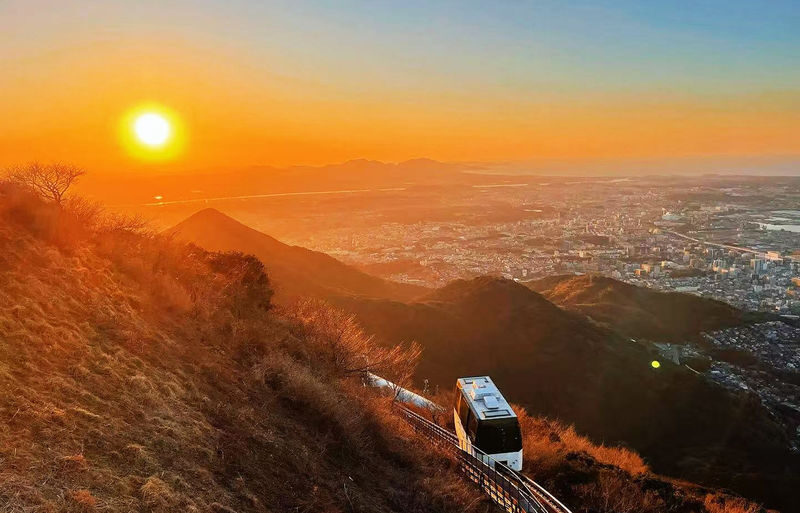
- Mount Sarakura is the finale, with a cable car ride leading to a celebrated night view when weather allows.
- Guides are often a strong part of the day, with named guides including Sun Nan, Thomas, Helen, Yang and Mao praised for clear explanations and care.
- A full day does not mean a slow day: market hours, queues, weather, traffic and group timing can affect how much you see.
A full day beyond Fukuoka
This is a long outing from Fukuoka into Kitakyushu, built around a set of very different stops rather than one main attraction. You get a port district, a seafood market, a castle, possible shopping time and an evening mountain view. That variety is the point, but it also means you should expect a schedule, not a leisurely wander.
The tour costs from $44.20, which can be good value if you want transport and a guide to connect several places in one day. The price alone does not tell you what is included, though. The available details do not spell out every ticket or meal, so check the package terms before assuming cable car or boat costs are covered.
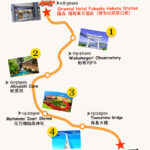
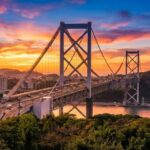
The route information needs particular care. The package name and detailed accounts focus on Mojiko, Karato Market, Kokura Castle, an outlet stop and Mount Sarakura. The broader tour description also lists Tsunoshima Bridge, Motonosumi Inari Shrine, Ryugu Squirting and Wafukari PA. Those are not the same set of stops. Before you reserve, ask which itinerary applies to your date and package.
You can also read our reviews of more guided tours in Kitakyushu


Mojiko’s port-side streets and old buildings
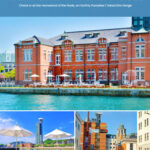
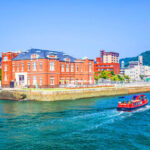
Mojiko, also called Moji Port, is the day’s most atmospheric stop. Its historic buildings and waterfront setting give you a feel for Kitakyushu’s port identity, a welcome contrast to Fukuoka’s city streets. The appeal is less about checking off a single monument and more about walking through a district where the architecture itself is part of the visit.
Some schedules allow time for the railway museum, and there are places to eat nearby. Baked curry rice is one local dish worth considering, but it can draw a queue, so don’t leave lunch until the last minute if you have your heart set on it. If you prefer to browse shops, take photos and pause for a meal, the allotted time may feel short.
That time pressure comes up repeatedly in accounts of this tour. Some people felt there was not enough time to explore Mojiko, while others found the schedule sufficient. The difference may depend on the day, the group and the precise route. I’d treat Mojiko as a sampler, not a deep visit. If it is your main reason for going, plan a separate return rather than expecting to see every corner on this trip.
Karato Market, sushi and a short boat crossing
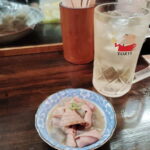
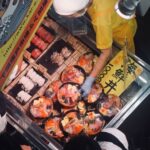
Karato Market gives the day a practical reward: a chance to choose fresh seafood for lunch. Sushi, including toro, and fugu have both been mentioned as appealing options. It is a good place to make your own meal from what looks tempting, rather than settle for a standard tour lunch.
Getting there can involve a short boat ride across the water. That adds a small, memorable element to the outing, but it also makes the timing more delicate. A market visit, boat queues and lunch all need to fit into the day’s plan. One account describes reaching the market only to find it closed, so check its opening status for your travel date if the food stop matters to you.
Do not assume the guide will escort the group through every transaction. Guides have helped with directions and ticket purchases, but the level of assistance can vary. Keep the meeting time clear, and ask what to do if you decide not to take the boat or if the market is closed. A little advance planning makes this stop easier and protects your limited time.
Kokura Castle and the value of a short visit
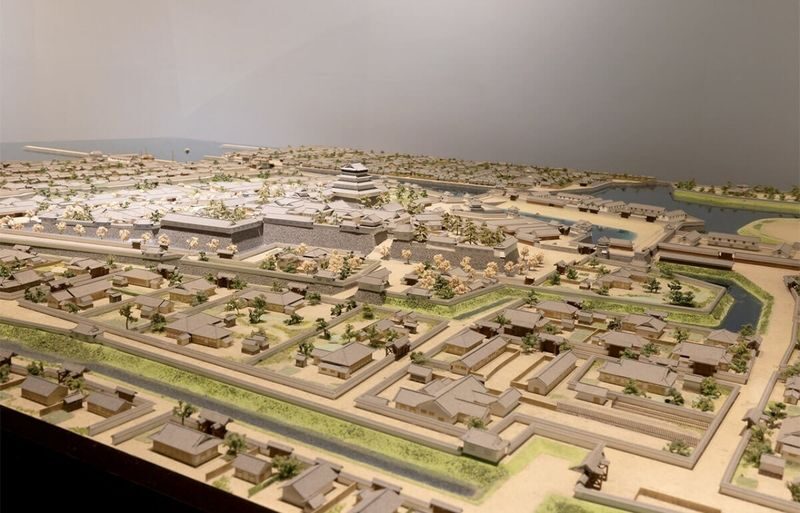
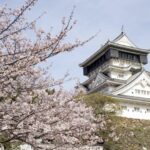
Kokura Castle offers a change of pace from the harbor and market. It gives you a taste of castle history, and its interactive displays may appeal to families or anyone who likes a more hands-on museum visit. If you have never visited a Japanese castle, it can be a useful first introduction.
The visit is short on some schedules. One account felt the castle was not especially distinctive and would have preferred more time at Mojiko. That is a fair trade-off to consider: a quick castle stop adds variety, but it is not enough for a slow exploration of the grounds and exhibits. If you are a dedicated castle fan, ask how much time the current itinerary allows.
Some accounts also mention Miyajidake Shrine, while others describe different stops. That reinforces the need to confirm the route rather than rely on a broad list of possible attractions. A day tour can change its balance between culture, shopping and scenery, and that balance will shape whether it suits your interests.
The outlet stop: a useful break or a detour
An outlet mall appears in some accounts of the day, occasionally with a substantial stop. For shoppers, this may be a welcome chance to look for Japanese labels at reduced prices. For anyone more interested in port history or local food, it can feel like time taken from the destinations that make the trip distinctive.
The stop is not described consistently enough to promise a set amount of shopping time. One account describes a two-hour outlet visit, while others focus on a different sequence of sights. Ask whether shopping is part of your departure date’s itinerary. If it is, decide in advance whether you want to browse, eat or simply use the break to rest before the evening stop.
You can also read our reviews of more evening experiences in Kitakyushu
Mount Sarakura after dark
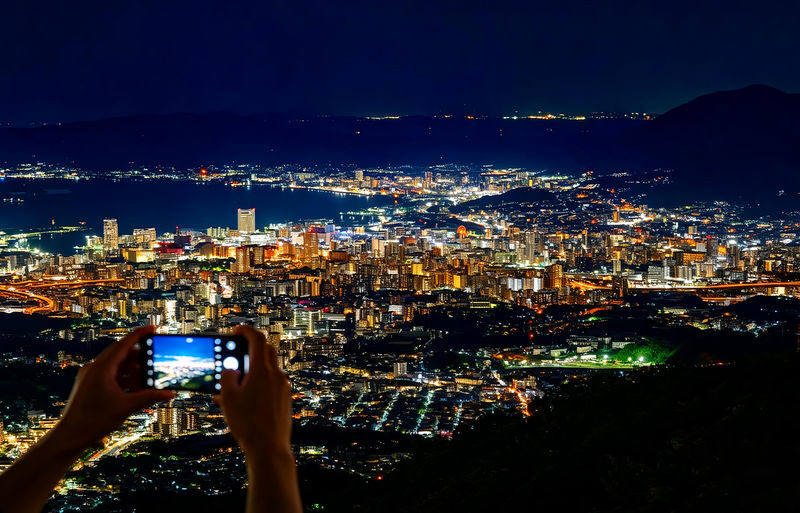
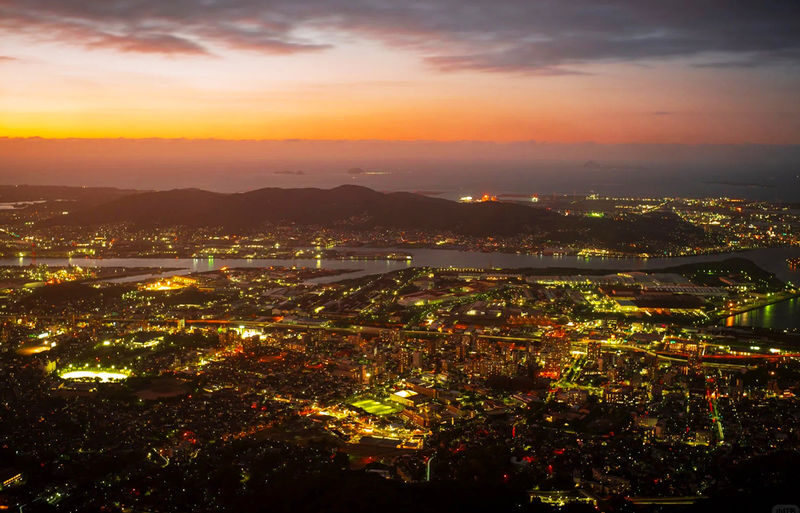
The trip’s strongest finish is Mount Sarakura. The cable car takes you up for a broad view over Kitakyushu, and the city lights make this a different experience from the daytime stops. When the weather cooperates, the view can be the moment that brings the whole day together.
This is also the most weather-sensitive part of the schedule. Rain has led to the mountain being closed, and cloud or poor visibility can reduce the payoff even if the cable car operates. In summer, insects can be a nuisance at the summit. Bring a light layer for the evening and be prepared for a wait if the cable car area is busy.
Ticket handling has not always been smooth. Guides including Thomas and Kaku have helped with tickets, while one account describes confusion around the queue and unclear instructions. Listen closely to where and when to meet, and ask the guide directly if you are unsure whether to wait, buy a ticket or board. At the end of a long day, clear meeting instructions matter.
Guides, language and group rhythm
The guide can make this packed itinerary far easier to manage. Guides named Sun Nan, Thomas, Helen, Yang, Mao and others have been praised for explaining the history, keeping the group organized and helping people feel included. Several have made a point of explaining key details in English for people who did not speak Mandarin. That extra effort can turn a string of stops into a day with context.
Still, language arrangements are not guaranteed in the information provided. If you need English, ask what language will be available for your date. One Korean-speaking participant was comfortable following explanations in English, but that does not guarantee Korean interpretation. Basic English communication may be enough for some people, but clarify rather than count on a particular language.
Group size can vary. One outing used a 13-seat minivan for four people, while another had more than 30 participants. A smaller group may feel relaxed; a larger one makes punctuality more important. Keep track of the meeting point and return time at every stop. A single late return can delay the whole bus, especially in the evening.
Is $44.20 good value?
At the starting price, this can be a practical way to cover a large area without arranging several train, bus and boat connections yourself. The tour’s value lies in linking far-flung stops and giving you a guide to help with navigation, timing and local context. It is especially appealing if you have only one free day outside Fukuoka and want a broad introduction to Kitakyushu.
The value is less clear if you want long visits, a specific food experience or plenty of time for shopping. You may have to choose between exploring Mojiko, lingering at Karato Market and browsing the outlet. Also check whether the cable car, boat and other admission costs are included, since the information available does not establish that.
The rating is 4.8 out of 5 from 164 ratings, and positive experiences often center on considerate guides and the final view. That high score is encouraging, but it does not erase the practical concerns: schedules can feel tight, conditions affect the mountain stop, and the exact route needs confirmation.
Who should book this day trip?
I’d consider this tour if you want an efficient first look at several Kitakyushu sights and are happy to follow a group schedule. It suits visitors who value a guide’s explanations, appreciate having transport arranged and want a chance to eat seafood before ending the day above the city.
It is less suited to someone who wants a slow day in Mojiko, a long meal at Karato Market or a guaranteed clear night view. If any one stop is your priority, check the time allocated and the exact route first. You can cancel for a full refund if you do so at least 24 hours before the activity date, in destination local time.
Fukuoka Mojiko & Mt. Sarakura Night View Guided Day Tour
“Tour guide Zhang Qing was fantastic; his explanations were detailed and he took care of every single group member. It was such a fun and happy expe…”
FAQ
Where does the tour depart from?
The activity is described as departing from Fukuoka, and Hakata Station is listed in the location details. Confirm the precise meeting point and departure instructions for your date.
How long is the tour?
It is a full-day tour, with an evening visit to Mount Sarakura. The schedule can run late because the night view is the final stop.
What places are included?
The package name and detailed accounts center on Mojiko, Karato Market, Kokura Castle, an outlet stop and Mount Sarakura. The broader description names additional places, including Tsunoshima Bridge and Motonosumi Inari Shrine. Confirm the exact route for your package and date.
Is the tour available in English?
English explanations have been provided by some guides, including Thomas, Sun Nan and Yang. The language for a specific departure is not guaranteed in the available details, so ask before booking if English is important to you.
Can I visit Karato Market every day?
The information does not give a regular opening schedule. The market has been closed on at least one tour day, so check its status for your date if visiting it is a priority.
Does the Mount Sarakura night view always happen?
No. Rain has caused Mount Sarakura to close, and weather can affect the view. The available details do not state what alternative is offered if the mountain is unavailable.
What is the cancellation policy?
You can receive a full refund if you cancel at least 24 hours before the activity date, using destination local time.