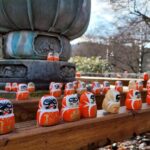
Katsuoji’s hillside grounds are dotted with Daruma dolls, the round figures people use to mark a wish or goal. Pair that unusual temple visit with Arashiyama’s bamboo path and the gold-leaf pavilion at Kinkaku-ji, and you have a full day of very different Kyoto-area sights without piecing together the transport yourself.
I like two things in particular: the mix of places, from a working place of prayer to a famous river bridge, and the guide-led transport, which can save a lot of time and route-planning. Guides such as Apple, Tina, Amanda, Nox and CC have been praised for clear explanations, practical reminders and help with photos, though the guide on your date may differ.
The trade-off is a packed schedule. You get about an hour at Katsuoji, two and a half hours around Arashiyama and 45 minutes at Kinkaku-ji, so this is a sampler, not a slow Kyoto day. Admission fees and meals are extra.
- At a glance
- Katsuoji brings wishes down to earth
- Arashiyama’s bridge, bamboo and bright kimono pillars
- Kinkaku-ji: a short visit to a golden landmark
- What the schedule feels like on the ground
- Guides add context and keep the day moving
- Is the price good value?
- Who should book this day trip?
- Should you book?
- FAQ
- How long is the tour?
- Where does the tour depart from?
- When does the tour return?
- Which places have set visit times?
- Are Katsuoji and Kinkaku-ji admission fees included?
- Is Tenryu-ji part of the tour?
- Is Nonomiya Shrine part of the tour?
- What is included in the tour price?
- Are meals and drinks included?
- Can children join the tour?
- More Tours in Mino
- More Tour Reviews in Mino
At a glance
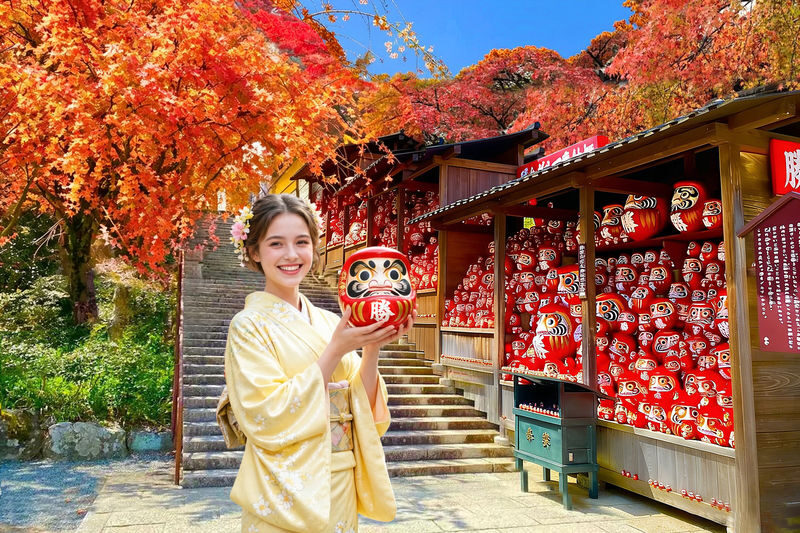
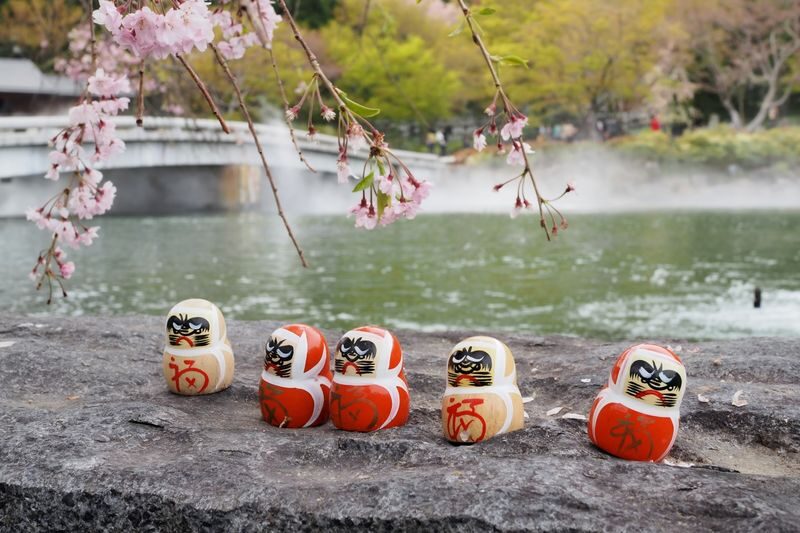
- Make a wish at Katsuoji: See its Daruma figures and, if available during your visit, take part in the eye-painting ritual.
- Walk Arashiyama’s signature sights: Togetsukyo Bridge, the bamboo path and Kimono Forest fit into one stop of roughly two and a half hours.
- See Kinkaku-ji in gold: The Golden Pavilion and its pond get a brief, focused visit.
- Travel by included vehicle: Round-trip transfers, tolls, parking and fuel are covered.
- Plan for extra costs: Temple admission, food, drinks, personal spending and insurance are not included.
- Expect a long, brisk day: Departure is listed at 8:00 or 9:00, with returns to Kyoto and Osaka in the late afternoon or early evening.
Katsuoji brings wishes down to earth
The day begins at Katsuoji, in Mino, north of Osaka. The temple is described as more than 1,300 years old and is known as the Temple of Victory. People come here to pray for luck and success, making it a fitting stop if you want a temple visit with a clear, personal ritual rather than only a photo of a famous building.
Daruma dolls are the visual signature. The traditional practice is to paint one eye while making a wish, then paint the other when the wish comes true. The tour describes the chance to paint a Daruma’s eyes, but the temple admission fee is not included, and the available information does not say whether a doll or painting materials are included. Check locally before counting on that activity as part of the price.
You have about an hour here. That is enough for a focused visit and some time to look around, but not for a leisurely wander through every corner. If the Daruma custom interests you, use your time for the grounds and the ritual first; souvenir browsing can wait.
The listed admission estimate is about JPY 500, subject to change. Carry some yen for entrance and personal purchases, and treat the figure as a guide rather than a fixed price.
Arashiyama’s bridge, bamboo and bright kimono pillars
The tour gives Arashiyama about two and a half hours, its longest stop. That block covers several close-together sights: Togetsukyo Bridge, the bamboo path and Kimono Forest. Nonomiya Shrine and Tenryu-ji are also named in the activity information, but neither has a separate time allocation in the stated schedule. Confirm with the operator which, if any, are included as planned stops on your departure.
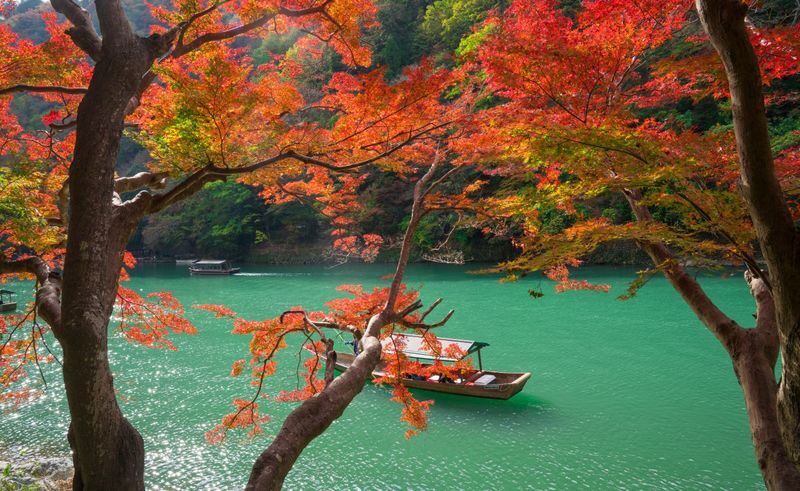
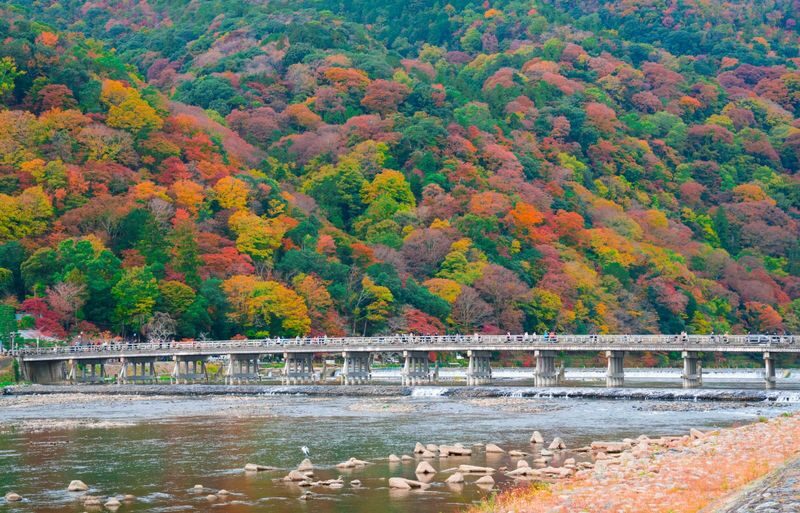
Togetsukyo Bridge crosses the river beside Arashiyama’s hills. It is a handsome place to pause and take in the setting, especially if you want a classic Kyoto-area view without spending the whole day in a temple. The bridge itself is a public landmark, so the time here is mainly for walking, photographs and taking in the river and surrounding slopes.
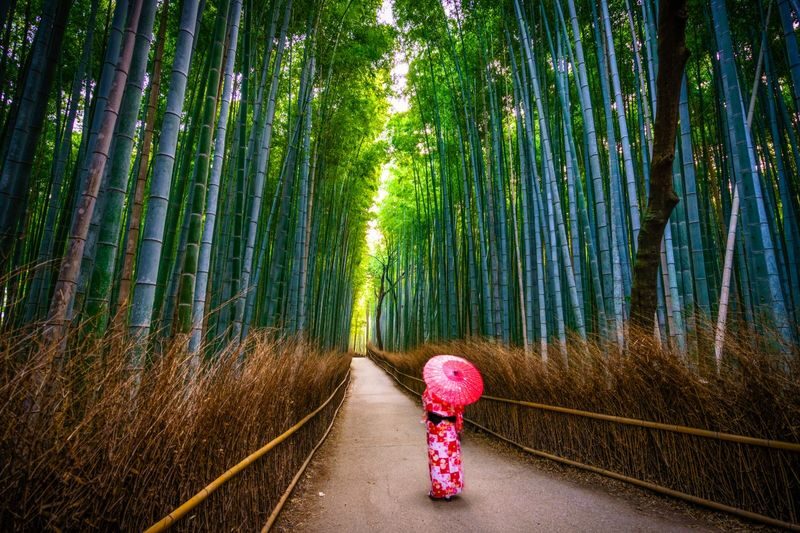
The Bamboo Grove Path is famous for its tall stalks and filtered light. It can feel calm when you find a quiet moment, but the path is also a well-known stop, so do not expect a private forest walk. With limited time, keep moving at a comfortable pace and be ready to share the path with other people.
Kimono Forest offers a different kind of scene. Its transparent pillars display colorful kimono fabrics, arranged in rows that give the walkway a gallery-like feel. It is a quick, photogenic stop and a useful contrast to the older temple grounds and natural scenery.
The schedule leaves room to explore, but not to do everything at leisure. One person on a similar trip wished for more time in Arashiyama; another chose to skip a restaurant meal to spend more of the stop exploring. I would plan a quick lunch or snack rather than assume you can sit down for a long meal and still see every listed sight.
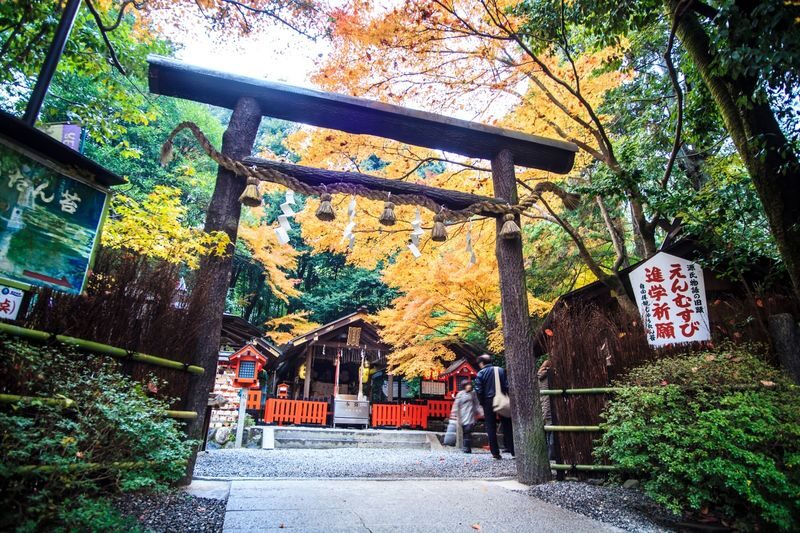
Nonomiya Shrine is described as a place to pray for love, health and happiness, with ema, or votive tablets, available for written wishes. Tenryu-ji is presented as a Zen temple with Sogenchi Garden, where a pond, hills and seasonal plants shape the view. Both are appealing, but because the timed itinerary does not give either a separate visit, ask whether they are part of your actual route before making them essential to your plans. Tenryu-ji’s estimated admission is about JPY 500 and is not included.
Kinkaku-ji: a short visit to a golden landmark
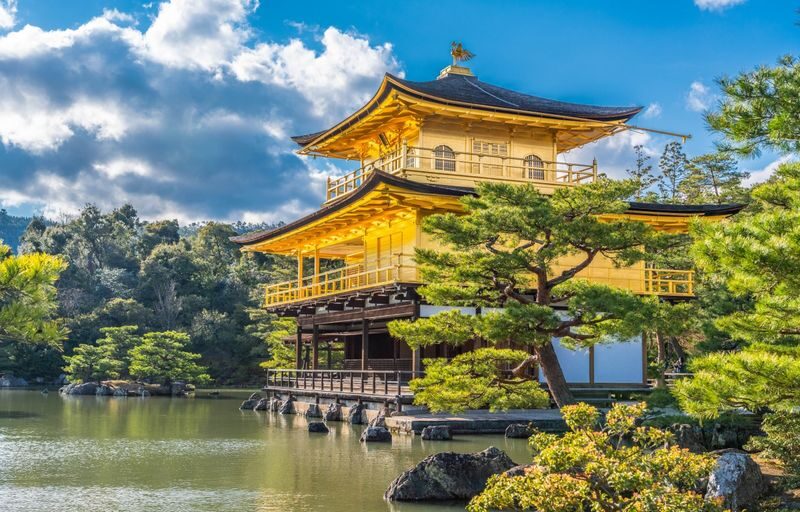
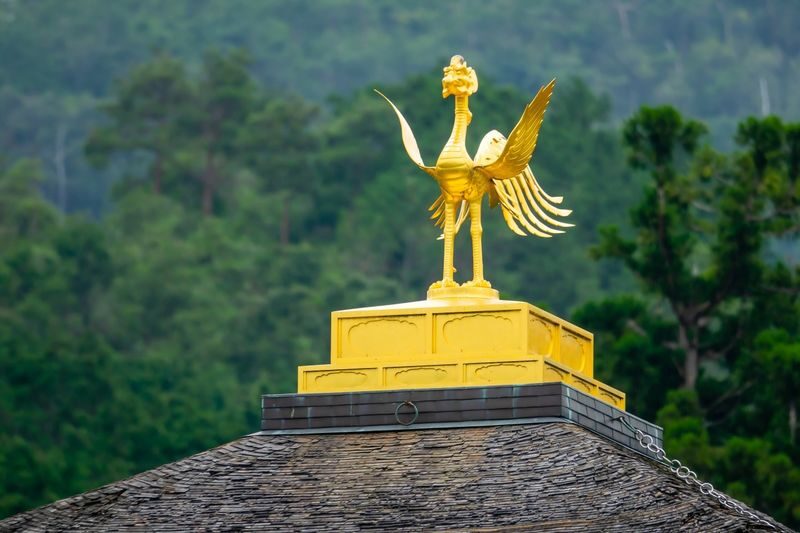
The final major temple stop is Kinkaku-ji, also called the Golden Pavilion. Its gold-leaf exterior is reflected in Kyoko-chi, or Mirror Pond, a sight that explains why this temple remains one of Kyoto’s best-known landmarks. The building dates to 1397, according to the tour information.
You get about 45 minutes here. That is a short visit, but the temple grounds are laid out around a set walking route, and the main view is easy to recognize. Take your time at the pond when you can, but keep an eye on the return time. This is not a long, unhurried garden visit.
Admission is excluded and estimated at about JPY 500, with prices subject to change. If you visit Katsuoji and Kinkaku-ji, budget for roughly JPY 1,000 in stated temple fees, before food, drinks or purchases. Add another estimated JPY 500 only if Tenryu-ji is actually part of your visit.
What the schedule feels like on the ground
The tour lasts about nine hours, with departures listed at 8:00 and 9:00. The time assigned to each sight is only part of the day: the vehicle also has to cover the distances between Mino, Arashiyama and Kinkaku-ji, and traffic or weather can alter the schedule. The exact order may change.
A vehicle makes this route easier than arranging separate trains, buses and local transfers yourself. Toll fees, parking and fuel are included, and several people have found the bus comfortable enough to rest between stops. That convenience matters on a day with three major areas and an early start.
The route is not all sightseeing. One Osaka hotel-pickup guest felt that collecting people in Kyoto before returning toward Osaka added travel time. If you have a choice of departure package, compare its starting point with where you are staying. A station departure may be simpler if it avoids a detour for your plans.
The tour returns to Kyoto Station between 5:00 and 6:00 p.m. and to Osaka’s Kintetsu Nippombashi Station between 6:00 and 7:00 p.m. Those are estimated windows, not promises to the minute. Avoid booking a tight evening connection or timed activity after the tour.
Guides add context and keep the day moving
The guide can make a rapid itinerary easier to follow. The tour offers English- and Chinese-speaking options, and some packages combine both languages. Past guides have included Apple, Tina, Amanda, Charles, Nox, CC and others; names and language arrangements vary by departure.
The most useful guide support is practical as well as historical. Guides have shared meeting points and return times through group messages, sent maps, offered food and souvenir suggestions, and helped people find photo spots. Clear instructions matter when a group spreads out across a temple or busy path and has to be back at the vehicle on time.
Bilingual commentary can mean explanations take longer, especially when the group uses both English and Chinese. The positive side is that you get context for the sights instead of only a drop-off and pickup. The limit is the clock: even an excellent guide cannot make a short stop feel spacious.
Weather is another factor. The tour runs in rain, and the sights can still be worthwhile, but paths and photo stops are less comfortable when wet. Bring suitable rain gear and shoes you can walk in; there is no guarantee of clear skies.
Is the price good value?
The listed starting price is $43.70. For a guided day with round-trip transport, tolls, parking and fuel included, that can be good value if your goal is to see several major sights without managing the route on your own. It is especially useful if you are based in Osaka and want a straightforward day trip to Kyoto-area attractions.
The headline price is not the full spend. Katsuoji and Kinkaku-ji admission are excluded, as are meals, drinks, personal expenses and insurance. Tenryu-ji’s admission is also excluded if it is part of your particular visit. Add the entry fees and food to your budget before comparing the tour with an independent day out.
The value is less about lingering and more about reducing transport hassle. If you want long temple visits, a relaxed lunch and time for shopping, the pace may frustrate you. If you value a guide, a set route and several headline sights in one day, the trade-off is easier to accept.
Who should book this day trip?
I would consider it if you have limited time in Kansai, want to visit Katsuoji as well as familiar Kyoto sights, or prefer not to coordinate multiple transfers. It also suits solo visitors who appreciate a guide, clear meeting instructions and the company of a group.
It is a weaker fit if you want to spend half a day in Arashiyama alone, browse shops at your own pace or sit down for a leisurely meal. The long day and repeated walking may also be tiring. Children must be included in the passenger count, child seats are not available, and the activity is not recommended for children aged 0 to 1, women more than one month pregnant, or people with accessibility needs.
Arrive at your selected meeting point 15 minutes early. Guide details are sent by email around 6:00 p.m. the day before departure, so check your inbox and spam folder. Luggage is limited to two standard-sized pieces.
Should you book?
Book this tour if your priority is seeing Katsuoji, Arashiyama and Kinkaku-ji in one organized day, with transport and a guide doing much of the logistical work. It is a practical sampler, and the Daruma custom gives the day a distinctive start.
Skip it if your ideal Kyoto visit means lingering in gardens, shopping or taking long breaks. Before booking, check the departure point, language option and whether Nonomiya Shrine or Tenryu-ji is actually included in your date’s route. That small check can prevent a mismatch between the sights you expect and the time the schedule allows.
Osaka & Kyoto Scenic Spots One-Day Tour: Katsuoji Temple Prayer & Kinkaku-ji Temple Pilgrimage & Arashiyama Togetsukyo Bridge & Kimono Forest & Bamboo Grove Path & Nonomiya Shrine (Departing from Osaka or Kyoto)
“Tour guide Allen gave very detailed explanations in both Chinese and English! Throughout the trip, he introduced the history, culture, and key info…”
FAQ
How long is the tour?
The activity lasts about nine hours. Departure is listed at 8:00 or 9:00, depending on the option, and the schedule may change with traffic and weather.
Where does the tour depart from?
The tour offers meet-up departures from Osaka or Kyoto stations. An Osaka hotel-pickup package is also listed.
When does the tour return?
The estimated return window is 5:00 to 6:00 p.m. at Kyoto Station, or 6:00 to 7:00 p.m. at Osaka Kintetsu Nippombashi Station.
Which places have set visit times?
The schedule gives Katsuoji about one hour, Arashiyama about two and a half hours, and Kinkaku-ji about 45 minutes.
Are Katsuoji and Kinkaku-ji admission fees included?
No. Admission is excluded. The stated estimates are about JPY 500 for Katsuoji and about JPY 500 for Kinkaku-ji, subject to change.
Is Tenryu-ji part of the tour?
Tenryu-ji is described among the possible sights, but the stated schedule does not assign it a separate visit time. Confirm with the operator whether it is included on your departure.
Is Nonomiya Shrine part of the tour?
Nonomiya Shrine is named in the activity information, but it has no separate time allocation in the stated schedule. Check the planned stops for your selected date.
What is included in the tour price?
The price includes round-trip transfers to and from the meet-up location, tolls, parking, fuel, and an English- or Chinese-speaking guide, depending on the package.
Are meals and drinks included?
No. Meals and beverages are not included, so plan to pay for them separately.
Can children join the tour?
Children must be included in the passenger headcount. Child seats are not available, and the activity is not recommended for children aged 0 to 1.