Kumamoto Castle makes its strongest impression through two stories at once: the scale of a great Japanese fortress and the painstaking work of rebuilding after the 2016 earthquake. Inside the restored main keep, exhibits trace the tower’s construction, destruction, reconstruction and recovery, then lead you to a broad view across Kumamoto.
I like that the exhibits make the castle’s changing fortunes easy to follow, and that the free official app adds audio, subtitles and an augmented-reality view using old Meiji-era photographs. I also like the simple QR-code entry, which saves a stop at the ticket window.
The trade-off is that restoration of the wider grounds is not finished, so some walls and paths remain affected and the walking route can feel limited. The castle is still worth the visit, but set your expectations for an active restoration site, not a fortress frozen in its original form.
- What to know before you go
- A castle shaped by recovery
- Start at the south entrance
- Inside the restored main keep
- The grounds, restoration and seasonal color
- What the ticket includes, and what it does not
- Getting around and making the visit comfortable
- Who will get the most from Kumamoto Castle?
- Should you book this ticket?
- FAQ
- How long should I allow for Kumamoto Castle?
- What are the opening hours?
- How do I use the mobile ticket?
- Which entrance should I use?
- Does the ticket include Waku Wakuza or Kumamoto Museum?
- Is the castle accessible by wheelchair or stroller?
- Can I cancel or change the ticket date?
- The Best Of Kumamoto!
- More Tickets in Kumamoto
- More Tours in Kumamoto
- More Tour Reviews in Kumamoto
- Not for you? Here's more nearby things to do in Kumamoto we have reviewed
What to know before you go
 1 / 4
 2 / 4
 3 / 4
 4 / 4
- The main keep is open: Its renewed exhibits cover the castle’s construction, destruction, 1960 reconstruction and recovery after the 2016 earthquake.
- The top floor has a city view: Use the official app’s AR feature to compare the present-day view with old Meiji-era photographs.
- A QR code gets you through the entrance: Show your mobile voucher to staff; there is no need to exchange it for a paper ticket.
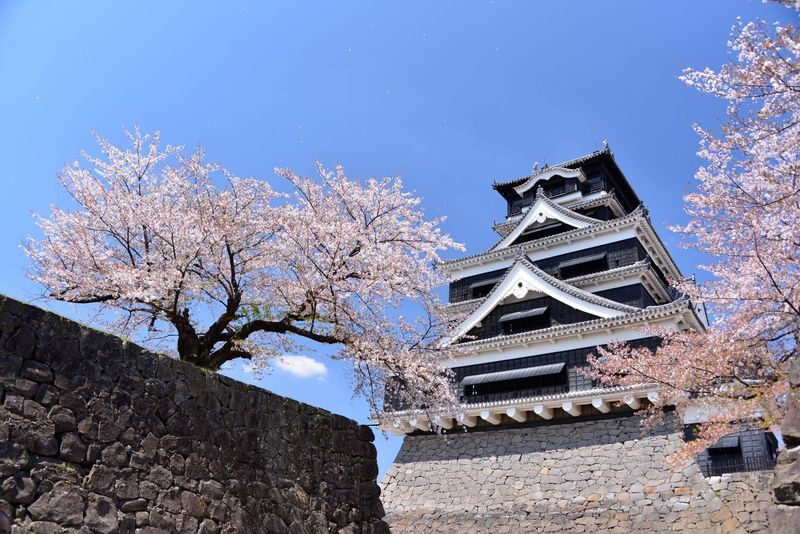
- Spring brings cherry blossoms: The castle grounds are a popular hanami spot, though flowering dates and conditions vary.
- Plan for some walking: The grounds are large, and restoration work can affect which routes are open.
- This ticket covers the castle only: Waku Wakuza and Kumamoto Museum admission are separate.

👉 See our pick of the 9 Best Tours In Kumamoto
A castle shaped by recovery
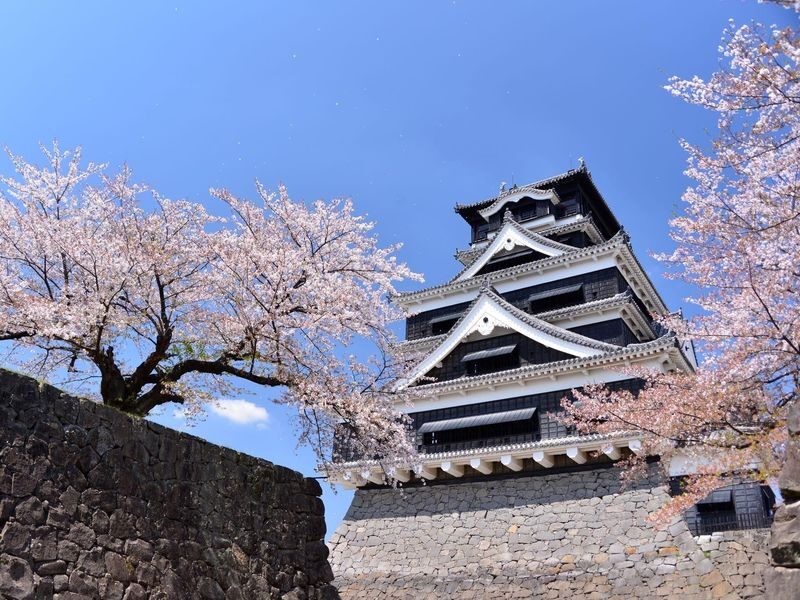
Kumamoto Castle is one of Japan’s best-known castles, but its story is not only about its feudal past. The 2016 Kumamoto Earthquake damaged the castle, and repairs to the broader site continue. That makes a visit unusually tangible: you see both the fortress and the long process of caring for it.
The main tower’s restoration is complete, and its renewed exhibits have been open since 2021. Other parts of the grounds may still be under repair, so the experience can differ from the postcard version of the castle. The main keep is a working historical display, while the surrounding paths offer a mix of views, surviving structures and visible recovery.
This is a good place to come if you want more than a quick photograph of a castle roof. The exhibits explain why the building looks as it does today, including the earthquake’s effects and the work needed to restore it. You do not need to be an expert in Japanese history to follow the main story, though the app can help if you want more context.
You can also read our reviews of more tours and experiences in Kumamoto


Start at the south entrance
The meeting point is Kumamoto Castle at 1-1 Honmaru, Chuo Ward. The simplest way to enter is to show your mobile voucher to staff for a QR scan. The south gate is the only entry and exit point on weekdays and Saturdays. On Sundays and public holidays, you can use either the north or south exit.
The approach and route through the grounds take time, so do not treat the ticket as a quick stop right beside the tram. From Kumamoto City Hall tram stop, allow about a 10-minute walk to the castle. If you arrive at Aso Kumamoto Airport, the airport limousine bus goes to Sakuramachi Bus Terminal, from where the castle is about a 10-minute walk.
The site is large, and some areas may be unavailable or routed differently during restoration. Follow current signs and staff instructions rather than relying on an old map or a route you saw online. If you are short on time, head directly toward the main keep; if you have room in your schedule, take time to explore the grounds around it.
Inside the restored main keep
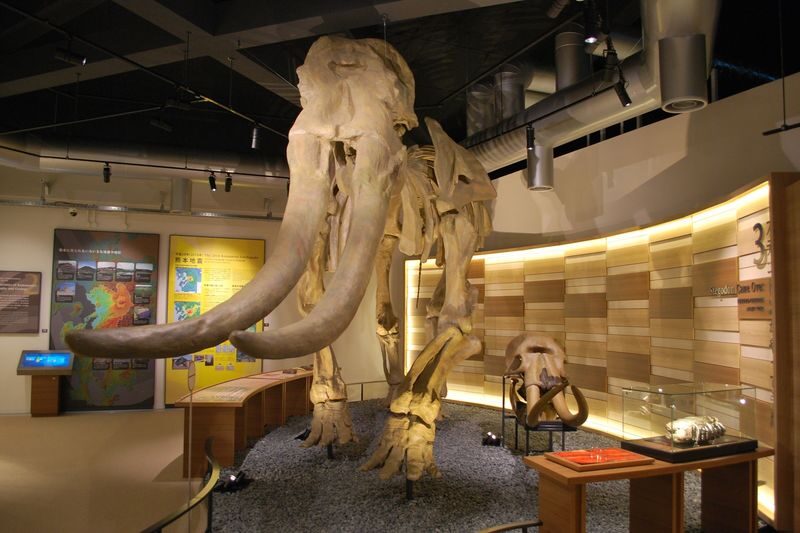
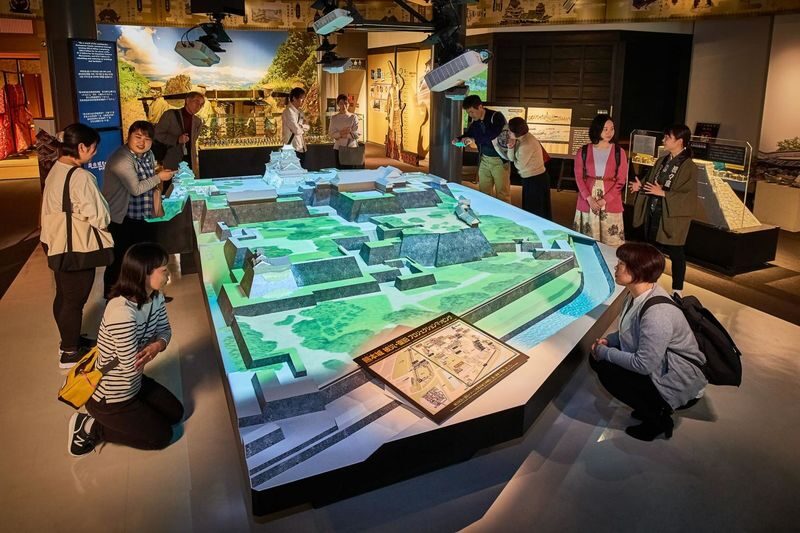
The castle tower is the clearest, most structured part of the visit. The permanent exhibition uses models and video to explain the keep’s construction, its destruction during the Satsuma Rebellion, its reconstruction in 1960 and the damage caused by the 2016 earthquake. The sequence gives the building a human timescale: it has been built, lost, rebuilt and repaired more than once.
The first three floors are the main exhibit area, with historical information concentrated there. Rather than expecting a bare old interior, expect a modern exhibition inside the tower. That is useful if you want the story laid out clearly, though anyone hoping for a fully preserved original interior may find the display spaces more museum-like than atmospheric.
The free Kumamoto Castle Official App is worth downloading before you arrive. It provides audio and subtitle support for explanatory text and video in the permanent exhibition. On the top floor, its AR function overlays old Meiji-era photographs on the present-day panorama, helping you imagine how the view and city have changed.
The top floor is a natural pause in the visit. You can look over Kumamoto from above, then use the app’s historical images to connect the modern view with the castle’s earlier setting. It is a practical payoff after climbing through the exhibits, and one of the most memorable parts of the ticket.
Crowds can mean a wait to enter the tower, even if the QR ticket gets you past the ticket-purchase step. Arriving early is a sensible choice, especially if you are visiting during a busy period. The QR code can save time at admission, but it does not guarantee immediate access to the keep when capacity is busy.
The grounds, restoration and seasonal color
Outside the tower, the castle grounds provide the scale that the indoor exhibits cannot. Kumamoto Castle is a substantial site, and reaching different areas may involve more walking than the short visit to the keep suggests. Restoration has affected some fortifications and routes, so you may not be able to see every part as a continuous circuit.
That work is also part of the reason to look carefully. The damage and repairs make the castle’s story visible rather than abstract. Still, if your main goal is to wander a complete set of historic walls and courtyards, ongoing work may leave you wanting more. The visit is strongest when you pair the tower’s interpretation with whatever sections of the grounds are open on the day.
In spring, cherry blossoms add a different reason to come. The castle is a popular hanami destination, and pink sakura around the fortress can make the grounds especially photogenic. Blossom season is also a busy time, so allow extra time for walking and possible queues. The flowers depend on the season and conditions, of course; outside spring, the architecture and views remain the main draw.
Rain does not automatically mean the visit is cancelled, but wet surfaces can be slippery. Wear shoes with good grip, and avoid rushing on stone or other slick paths. Tripods and selfie sticks should be left aside when the site is crowded, both for safety and to keep the route clear.
What the ticket includes, and what it does not
The ticket is for admission to Kumamoto Castle. It does not include Kumamoto Castle Museum Waku Wakuza or Kumamoto Museum, and it does not cover personal expenses or gratuities. Waku Wakuza is a separate nearby option if you want more interactive material about the castle; the museum ticket is also separate, so check distances and opening arrangements before choosing a bundle.
At a starting price of about $5.05, the castle ticket is an affordable way to spend one or two hours with an important site and its restoration story. The value is especially good if you plan to see the keep, use the app and take in the top-floor view. If you want to spend a full day among multiple museums and attractions, this admission alone will not cover them.
Book the date you intend to visit. The voucher is valid only on the selected date, and the ticket is non-refundable. Once you are there, present the mobile voucher directly at the venue; there is no need to print it or exchange it for a paper ticket. The QR system makes entry straightforward, but the ticket is digital only, so it is not a souvenir paper stub.




Getting around and making the visit comfortable
Public transport is a practical option. From JR Kumamoto Station, take the Kumamoto City Tram to Kumamoto Castle City Hall, then walk about 10 minutes. From the airport, take the limousine bus to Sakuramachi Bus Terminal and continue on foot for about 10 minutes.
The park’s free shuttle bus may be useful if you are covering a larger area, particularly if walking is a concern. The grounds are extensive, and visitors have found that a short-looking map route can add up on foot. Give yourself enough time rather than trying to squeeze the castle into a tight transfer.
Wheelchairs, including electric-assist models, are available to borrow at no charge, but numbers are limited and reservations are not accepted. Rentals are not available in rainy weather, and a companion is required for anyone using a wheelchair or mobility equipment. Three elevators inside the tower are reserved for people using wheelchairs or strollers, caregivers, and people who have difficulty with stairs; ask staff at the tower entrance for help.
Strollers are allowed. Large luggage is less convenient: wheeled luggage is not permitted inside the tower, and there are no lockers for large bags in the paid tower area. Paid coin lockers are available near the Ninomaru Rest Area and the Josaien tourist information center, so store bulky bags before entering.
Pets may be in the outdoor paid areas outside the tower only if kept in a cage with no visible face. Service dogs are allowed inside. Eating is not permitted in the paid area, though drinks in containers with lids are allowed. There is no smoking area inside the paid zone; use the designated areas by the Ninomaru reception or at Josaien.
Free Kumamoto Wi-Fi is available at several points, including the ticket office, inside the tower, Castle Tower Square and Sakura no Baba Castle Garden. Connect to the Kumamoto-free-wifi network and register your device in a browser. That can be handy for downloading or using the official app, but download the app before you arrive if you want to avoid relying on a connection.
Who will get the most from Kumamoto Castle?
This ticket suits history-minded visitors, castle fans and anyone spending time in central Kumamoto. The tower’s models, videos and recovery exhibits give you a clear framework, while the city view and cherry blossom grounds add visual appeal. Families can bring a stroller, though the main tower’s lifts are reserved for those who need them.
It is also a good choice if you value a reasonably priced, self-paced visit. You can focus on the keep and leave after an hour, or take closer to two hours to see more of the grounds. The app helps make the exhibition more accessible, especially if you want audio or subtitle support.
You may want to temper your expectations if you picture a fully restored castle complex or prefer quiet, uninterrupted walking. Some sections remain affected by repairs, and the route may feel shorter or less complete than the scale of the site suggests. The tower itself is relatively compact, so the visit’s appeal comes from the exhibits, the recovery story and the broader setting together.
Should you book this ticket?
I would book this ticket if Kumamoto Castle is on your itinerary and you want a simple way to enter the main keep without buying admission at the gate. The restored tower, well-organized history displays and top-floor view make the modest starting price worthwhile, while the earthquake recovery gives the castle a story that reaches beyond its age and architecture.
Go early if you can, download the official app in advance, and leave room for walking. If you want Waku Wakuza or Kumamoto Museum too, check those separate admissions before buying. For a focused visit to the castle itself, this dated mobile ticket is a practical, low-cost choice.
Kumamoto Castle Ticket
“Possibly the best castle I've been to in Japan. The amount of work put in to make it a great experience even with the recent earthquake damage. Ins…”
FAQ
How long should I allow for Kumamoto Castle?
Plan on 1 to 2 hours. Allow more time if you want to explore the grounds at an unhurried pace or encounter a wait to enter the tower.
What are the opening hours?
The castle is open daily from 9:00 a.m. to 5:00 p.m., with last admission at 4:00 p.m. Hours may change for events, and the castle closes from December 29 to 31.
How do I use the mobile ticket?
Present your mobile voucher at the venue. Staff scan the QR code, and you can enter directly without exchanging it for a paper ticket.
Which entrance should I use?
The south exit is the only entry and exit point on weekdays and Saturdays. On Sundays and public holidays, you can enter or leave from either the north or south exit.
Does the ticket include Waku Wakuza or Kumamoto Museum?
No. This ticket covers Kumamoto Castle admission only. Waku Wakuza and Kumamoto Museum are not included.
Is the castle accessible by wheelchair or stroller?
Strollers are allowed. Wheelchairs, including electric-assist models, can be borrowed for free in limited numbers, with an accompanying person; rentals are not available in rainy weather. Three tower elevators are reserved for people who need them, including wheelchair and stroller users.
Can I cancel or change the ticket date?
No. The voucher is valid only on the selected date, and cancellations and refunds are not available.