Nara’s great appeal is how close its landmarks sit to the deer-filled park. On this half-day walk, you can move from Kofukuji’s five-story pagoda to the vast grounds of Todaiji, then on to lantern-lined Kasuga Taisha and an old-town stroll. A guide helps connect the temples, shrine, and everyday customs into one clear picture.
I like two things in particular: you get a guided introduction to both Buddhism and Shinto, and the walk includes time to meet Nara’s deer with a cracker provided. Lunch is part of the price, too, which makes the outing easier to plan.
The main trade-off is the amount of walking and stairs. This is not a good fit if you have mobility concerns, and the meal cannot accommodate vegan or gluten-free diets.
- At a glance
- A temple walk that puts Nara in context
- Kofukuji and its five-story pagoda
- Todaiji, the Great Buddha, and Nigetsu-do
- Lunch, then a change of scene
- Kasuga Taisha and Nara’s deer
- Naramachi and the old-town finish
- Is the 0.29 starting price worthwhile?
- Who should book this walk?
- FAQ
- How long is the tour?
- Where does the tour meet?
- What departure times can I choose?
- Which places are included?
- Is lunch included?
- Can the tour accommodate dietary needs?
- Is the tour suitable for wheelchairs or strollers?
- Are deer crackers included?
- What is the cancellation policy?
- The Best Of Nara!
- More Walking Tours in Nara
- More Tours in Nara
- More Tour Reviews in Nara
- Not for you? Here's more nearby things to do in Nara we have reviewed
At a glance
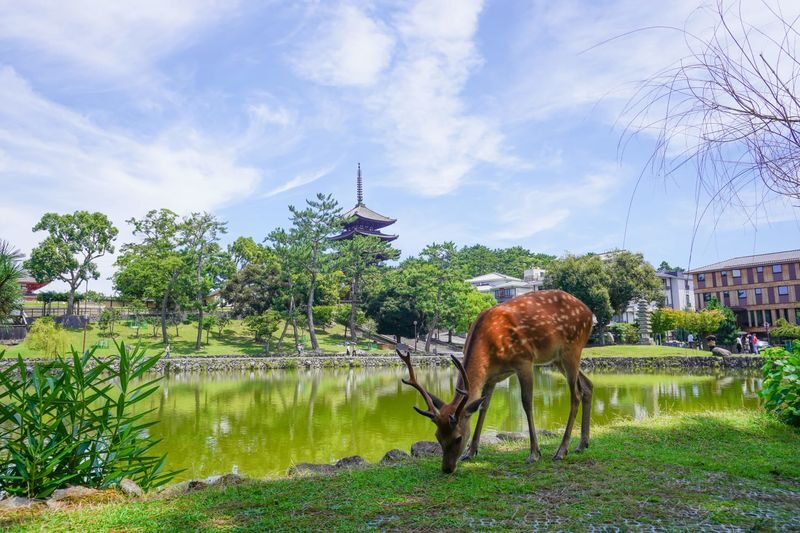
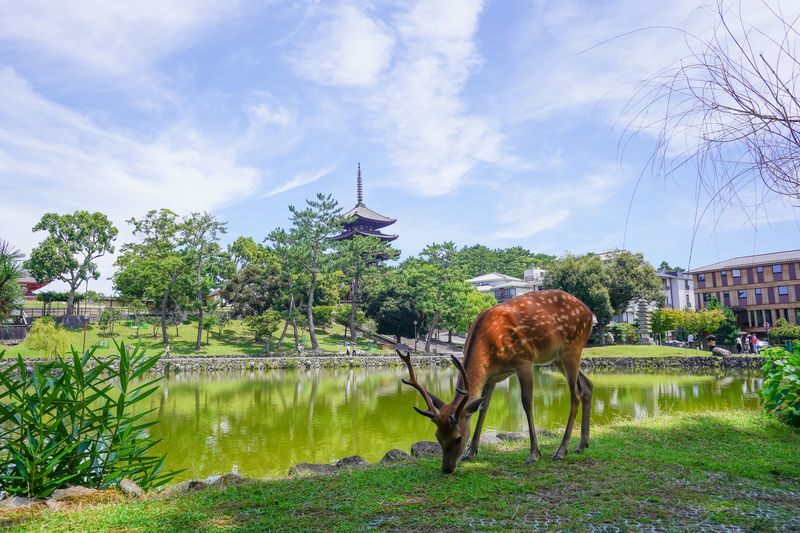
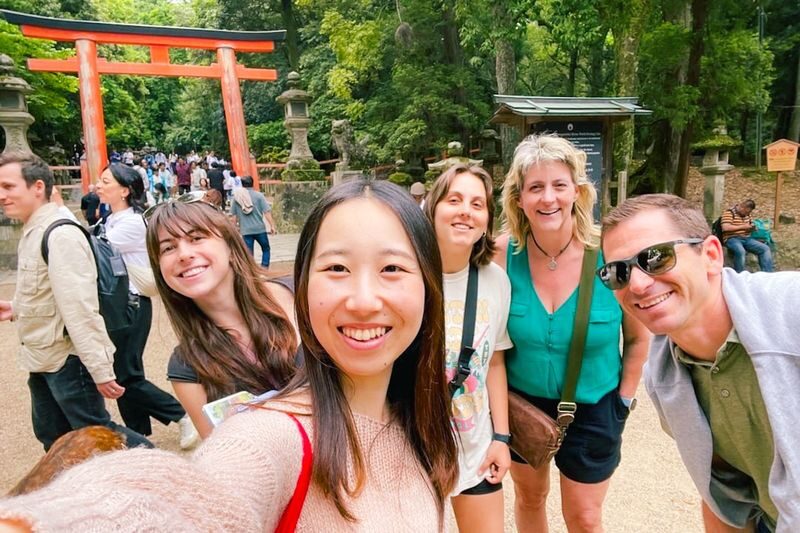
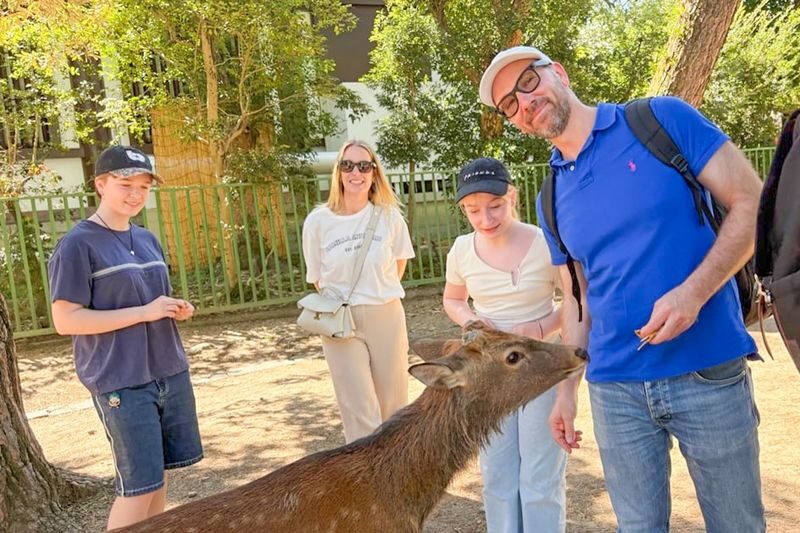
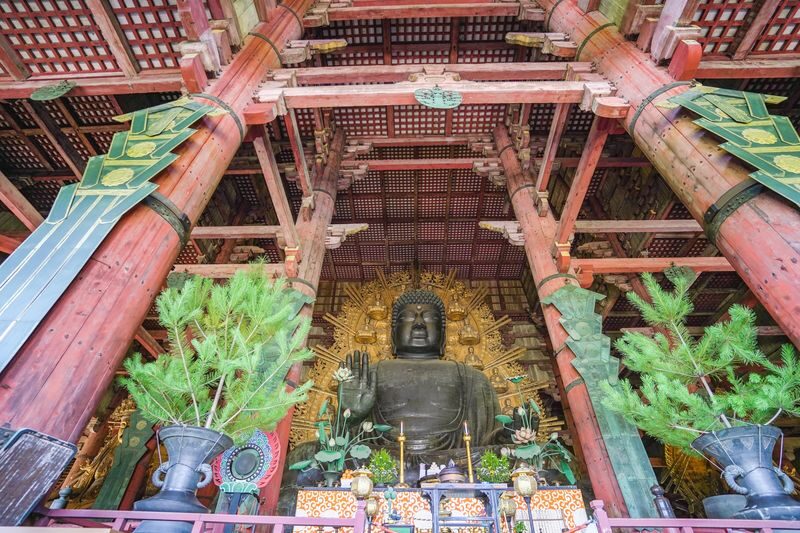
- Kofukuji’s five-story pagoda gives the walk an early landmark and a fine photo stop.
- Todaiji and Nigetsu-do pair a major Buddhist temple visit with a high viewpoint over Nara.
- Kasuga Taisha’s lanterns offer a different setting and a chance to discuss Shinto practice.
- One deer cracker is included, so you can feed the park’s famous residents without first finding a shop.
- Lunch is included, but the menu changes with the season and available ingredients.
- This is a long walk for a half-day tour, with stairs and some places that wheelchairs and strollers cannot reach.

👉 See our pick of the 5 Best Historical Tours In Nara
A temple walk that puts Nara in context
Nara is often treated as a quick stop between Kyoto and Osaka. This walk makes a good case for giving it more thought. The city’s temples and shrine are not simply a row of photogenic buildings: they help explain why Nara matters in Japan’s religious and political past, while the old-town streets and deer-filled park show a gentler side of the city.
The tour begins near Kintetsu-Nara Station and moves on foot. That is useful if you want an overview without working out the route yourself, but it also means your feet do most of the work. The tour is described as half-day, with a 9:00 or 10:00 departure and a return around 14:00 or 15:00, depending on the selected start and schedule.
Your English- or Japanese-speaking guide leads the walk and explains the sites as you go. Guides who have led this tour include Yuuki, Yuki, Nick, Peco, and Hide-San. The strongest part of the guiding is the cultural context: visitors have learned about Buddhism, Shinto, Nara’s role as Japan’s capital, and practical Japanese customs along the way.
You can also read our reviews of more walking tours in Nara


Kofukuji and its five-story pagoda
The walk heads through a shopping arcade toward Kofukuji Temple. Its five-story pagoda is the headline sight here, a graceful landmark and a natural place to pause for photos. Seeing it early also gives you a first taste of how temples sit within the living city, rather than behind a grand gate far from daily life.
A guide can help you look beyond the pagoda’s outline and understand why the temple is part of Nara’s religious heritage. That extra explanation is valuable if you are new to Japanese temples, where the symbols and customs can feel unfamiliar at first. You will have more to take away than a picture, even if the stop is relatively brief.
Keep expectations flexible about access to every building or area. Entry to attractions is included in the tour price, but schedules and access can change, and some visitors have found that particular stops were not open to them. If entering a specific building is a priority, check with the operator before booking rather than assuming every interior will be available.
Todaiji, the Great Buddha, and Nigetsu-do
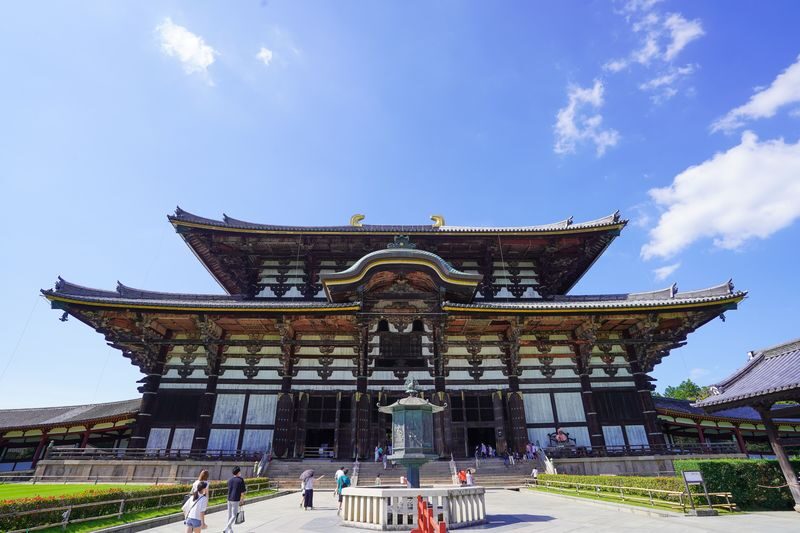
From Kofukuji, the route continues to Todaiji, one of the tour’s central stops. At the temple’s central gate, imposing Kongo Rikishi statues greet you. They are a striking introduction to the site, and your guide can explain how Buddhist imagery and temple architecture work together.
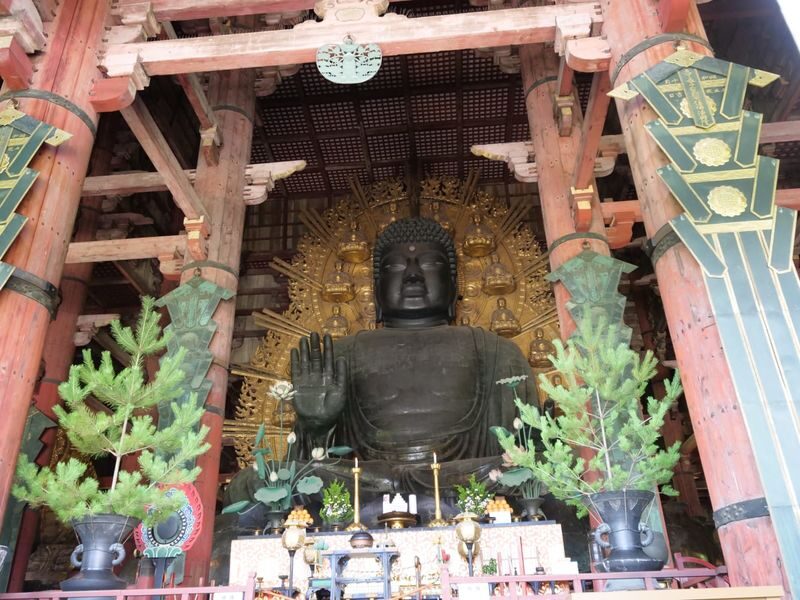
The tour highlights Todaiji and its Great Buddha, a major reason many people come to Nara. The scale of the temple and the figure within it can be hard to absorb from a photograph alone. A guide’s account of Japanese Buddhism and Nara’s history gives you a helpful frame for what you are seeing, especially if this is your first temple visit in Japan.
Nigetsu-do, set above the main temple grounds, adds a change of pace. The viewpoint gives you a broad look across Nara, and the climb is part of the bargain: the tour involves stairs, so it may feel tiring even if you are used to walking. Take your time and let your guide know if you need a slower pace. Guides have adjusted the walking speed to the group, but you should still arrive ready for a physically active outing.
The route also helps you see that a temple complex is more than one famous hall. Moving between the gate, temple grounds, and Nigetsu-do lets you notice different views and spaces, with the guide supplying context as the setting changes. That is a better use of a half-day than rushing straight to one monument and leaving.
Lunch, then a change of scene
Lunch is included, so you do not need to find a restaurant in the middle of the walk. The meal has been a highlight for some participants, and it gives the group a useful rest between temple visits and the later part of the route. The menu changes with the season and ingredient availability, so treat the meal as a pleasant part of the day rather than a fixed dish you can plan around.
Dietary needs require care. Vegetarian meals can be accommodated, but requests should be sent by the day before the tour. Vegan and gluten-free diets cannot be accommodated, and the operator cannot guarantee an allergy-free meal because food is prepared in kitchens it does not control. Mention allergies in your booking note in advance, but do not assume substitutions will be possible at every stop.
You do not need to pay for your guide’s food or drinks. Bring cash if you want to buy extra snacks or drinks during the walk. The tour includes lunch and one packet of deer crackers, but street food and other personal purchases are extra.
Kasuga Taisha and Nara’s deer
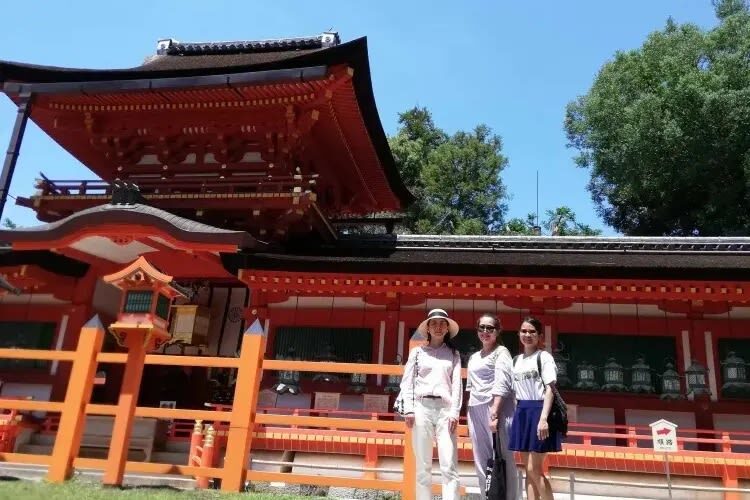
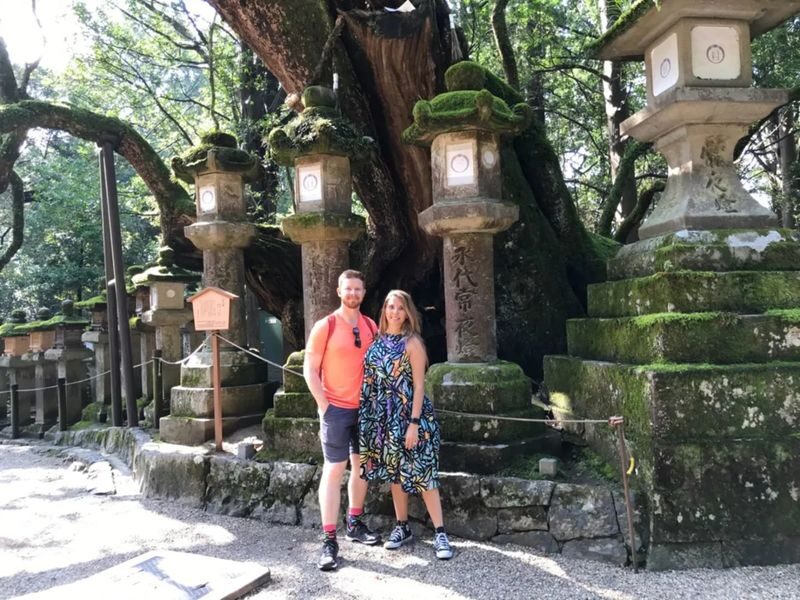
Kasuga Taisha brings a different religious setting to the walk. The shrine is known for its red buildings and many lanterns, and it offers a useful contrast with the Buddhist temples you have already seen. Your guide can help explain the distinction between Shinto and Buddhism, two traditions that shape much of Japan’s spiritual life.
The shrine sits beside Nara Park, where deer roam freely. In Japan, deer have been regarded as sacred messengers for more than 1,200 years, and the animals remain a defining part of the Nara experience. The included cracker lets you feed them without buying one separately.
A small warning from experience: these deer may look sweet, but they can be very keen on snacks. Keep the cracker ready, follow your guide’s instructions, and do not expect a quiet wildlife encounter. The fun is in seeing them up close, while remembering that they are wild animals and not plush toys.
The deer stop is a memorable change of pace after temples and history. It also makes the park feel less like a corridor between attractions and more like a place with its own character. If you are visiting with children, the animal encounter may be a highlight, though the walking distance still matters for younger legs.


Naramachi and the old-town finish
The tour also includes a walk toward Naramachi, an old-town area that offers a contrast to modern Tokyo and the grand religious sites. Traditional souvenir shops line parts of the route, giving you a chance to browse and see a more everyday side of Nara. The shift is welcome: after the scale of Todaiji and Kasuga Taisha, narrow streets and small shops bring the outing back down to human size.
The precise schedule can change with weather and conditions, so the order and time available at each stop may vary. The core appeal remains the same: several major sights, a guide to explain them, lunch, deer, and a short look at the older town. If you want a slow visit inside every temple or a long shopping break, a half-day group walk may feel too brisk.
Is the $100.29 starting price worthwhile?
At a starting price of $100.29, this tour is not the cheapest way to see Nara. Its value comes from combining admission to attractions, an English- or Japanese-speaking guide, lunch, and a deer cracker in one outing. You are also paying for the route and interpretation, which can be especially useful if you are unfamiliar with Japanese religious sites.
For a first visit, that combination can make the price reasonable. You get a structured route through key sights, practical help understanding what you are seeing, and a meal without needing to plan a separate lunch stop. The strongest praise for the experience centers on guides who are friendly, engaging, and good at explaining Japanese culture. Guides such as Yuki, Nick, Peco, and Hide-San have helped make the walk feel personal, and some have adjusted the pace or suggested an extra stop when time allowed.
Still, the price may feel high if you are comfortable navigating Nara on your own, or if access to a particular site is the main reason you are booking. One visitor felt the cost was harder to justify after missing entry to two places. Admission is included, but that should not be read as a promise that every area will be accessible on the day.
Group size is not specified, so do not book expecting either a private tour or a guaranteed small group. The tour has operated with a small group of nine, and it has also been a one-to-one experience when bookings worked out that way. The individual experience can vary.
Who should book this walk?
I would choose this tour if you have one half-day in Nara and want a guided orientation to the best-known temple and shrine sights, with a little old-town character and a lunch stop. It suits first-time visitors who want help making sense of Japanese religious traditions, and people who prefer a set route to planning several stops alone.
It is also a good match if the deer are high on your list. You get time in Nara Park and a cracker is included, though the animals’ enthusiasm means this is not a serene nature walk. Families are welcome, but children aged 16 and older pay the adult rate, and all ages should be ready for sustained walking.
I would skip it if you need a wheelchair- or stroller-accessible route, have difficulty walking or climbing stairs, or need a vegan or gluten-free meal. The tour is not recommended for people with mobility issues or pregnant women. In summer, heat and humidity can be severe, so bring water and a hat. In winter, prepare for cold weather; temperatures can fall to -5°C.
Meet at the Gyoki Bosatsu Statue at Kintetsu-Nara Station, close to Exit 2 or the East Exit. Arrive 10 minutes before your chosen departure, and look for the guide with the orange MagicalTrip sign. Late arrivals and no-shows are not refundable, so give yourself time to find the meeting point.
Book it if you want a guided, well-rounded first look at Nara and are comfortable walking for several hours. If you value a slower pace, need special food arrangements, or want guaranteed access to particular interiors, check the details with the operator before paying.
Nara UNESCO Walk: Todaiji, Great Buddha & Kasuga Taisha
“This tour has A LOT of walking and is not for the faint-hearted! The tour was really great though, our guide Yuuki was so knowledgeable and friendl…”
FAQ
How long is the tour?
It is a half-day walking tour. Depending on the departure selected, the return time is around 14:00 or 15:00.
Where does the tour meet?
Meet at the Gyoki Bosatsu Statue at Kintetsu-Nara Station, near Exit 2 or the East Exit. Arrive 10 minutes before departure.
What departure times can I choose?
The listed departure options are 9:00 and 10:00. Available return times depend on the departure and the tour duration.
Which places are included?
The walk includes Kofukuji, Todaiji, Kasuga Taisha, Nara Park, and an old-town area. The route also includes a view from Nigetsu-do and a lunch stop.
Is lunch included?
Yes. Lunch is included, but the menu can change depending on the season and ingredient availability. Extra snacks and drinks are not included.
Can the tour accommodate dietary needs?
Vegetarian diets can be accommodated if requested by the day before. Vegan and gluten-free diets cannot be accommodated. Allergy-free meals are not guaranteed, so mention allergies in advance.
Is the tour suitable for wheelchairs or strollers?
No. The route includes locations that are not wheelchair- or stroller-accessible, as well as considerable walking and stairs.
Are deer crackers included?
Yes. One packet of crackers is included for feeding the deer in Nara Park.
What is the cancellation policy?
A full refund is available if you cancel at least 24 hours before the activity date, using the destination’s local time. Late arrivals and no-shows are not refundable.