Kintsugi turns a break into part of a pottery piece’s design. At this Naha workshop, you choose a small dish or bowl and repair it with guidance, then leave with a one-of-a-kind souvenir made by your own hands.
I like two things in particular: you get clear, individual help even if you have never worked with pottery, and the class makes a thoughtful change of pace from sightseeing. Instructor Mayo and her fellow teacher explain the steps in English, and you can choose gold or silver for the repair.
One thing to know before booking: this is a shortened kintsugi process, not the lengthy traditional method, and your finished piece is for display or storage only. It is not food safe, so plan on a decorative dish rather than a serving bowl.
- Pick a broken dish or bowl from the pieces available at the studio.
- Learn the story and steps of kintsugi with English-language guidance.
- Choose gold or silver detailing for your own repair design.
- Get a 1.5-to-2-hour beginner class with materials included.
- Take home your finished piece as a personal Okinawa keepsake.
- Keep it decorative: the repaired pottery is not food safe.
- A small pottery repair with a big idea
- Choosing a piece and settling in
- Learning the craft, one careful step at a time
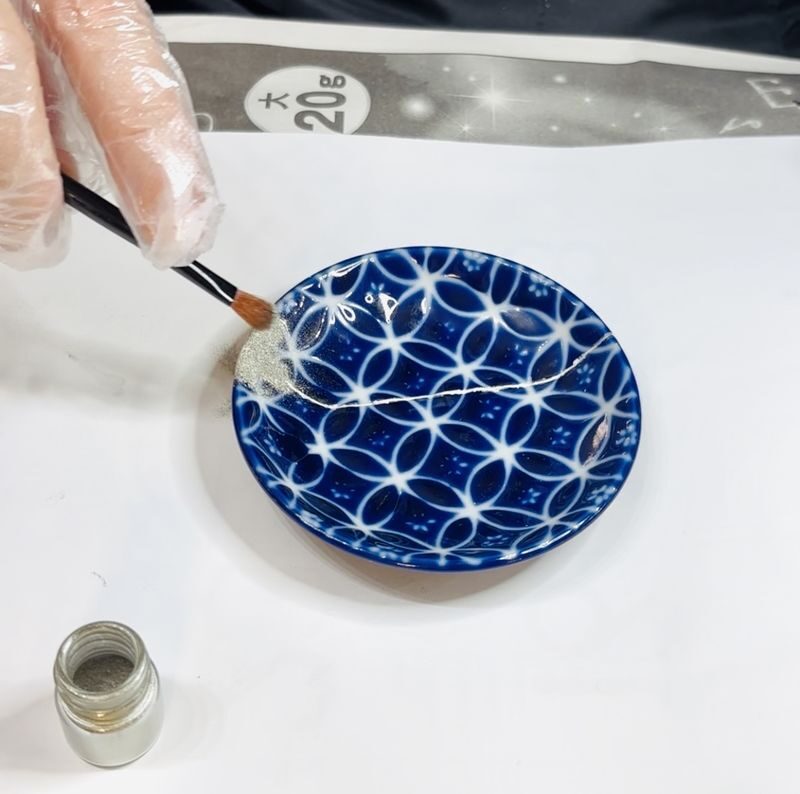
- Gold, silver and the look of your repair
- Waiting, finishing and taking your piece home
- What the price includes, and what it does not
- Who will enjoy this Naha workshop
- Should you book the kintsugi workshop?
- FAQ
- How long is the Kintsugi workshop?
- Where does the workshop take place?
- Is the workshop suitable for beginners?
- Is there English-language instruction?
- What age can participate?
- Do I take home the piece I make?
- Can I use the finished piece for food or drink?
- Is transport or parking included?
- What is the cancellation policy?
- The Best Of Naha!
- More Workshops & Classes in Naha
- More Tours in Naha
- More Tour Reviews in Naha
- Not for you? Here's more nearby things to do in Naha we have reviewed
A small pottery repair with a big idea
 1 / 8
 2 / 8
 3 / 8
 4 / 8
 5 / 8
 6 / 8
 7 / 8
 8 / 8
Kintsugi is the Japanese art of repairing broken pottery with gold or silver. Instead of hiding a crack, the repair makes it visible and gives it a new role in the object’s design. The idea behind the practice is as meaningful as the handiwork: a break need not be disguised to make something beautiful again.
At Urushi Studio Kodemari, you get to try a simplified version of that process yourself. This is an introductory workshop, not a long course in traditional lacquer work. You will still learn about kintsugi and its traditional techniques, but the session uses a quicker approach that fits into an afternoon.
That distinction matters. Traditional urushi work can take weeks or months to complete and dry, while this class is designed to be finished in about two hours. You get a practical first look at the craft and a piece to take home, without needing to devote a large part of your trip to it.
I like that the format makes the art approachable without pretending that a short class covers every part of the craft. You get to handle the process, ask for help, and make your own design. If you want a detailed apprenticeship in traditional lacquer repair, this is not that. If you want a hands-on introduction, it fits the bill.

👉 See our pick of the 18 Best Tours In Naha
Choosing a piece and settling in
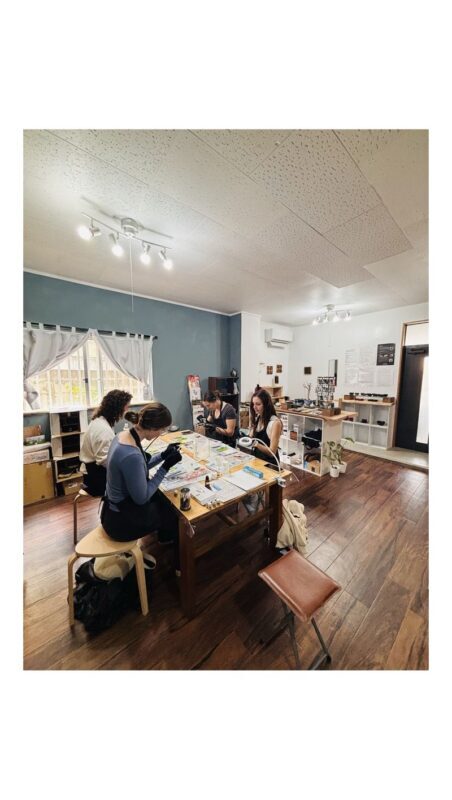
The workshop takes place at Urushi Studio Kodemari, at 1F, 2-16-6 Maejiima, Naha, Okinawa 900-0016. It is described as a small studio, and past participants have found it easy to locate using Google Maps. Check the meeting-point details carefully when booking, as the studio name is also written as Kotemari in the address information.
Once you arrive, you choose a small broken piece from the selection available. You may find a plate or bowl that suits your taste, and the range of shapes gives you a say in what you will bring home. You are not asked to bring your own broken pottery, so there is no need to risk a treasured family heirloom.
That point is worth stressing. One participant did use a valuable personal ceramic ornament, but the workshop’s normal setup is to choose a piece provided at the studio. If you have an object you want repaired, confirm with the studio before assuming it can be used in class. The supplied details do not promise that personal items are accepted.
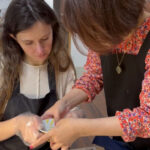
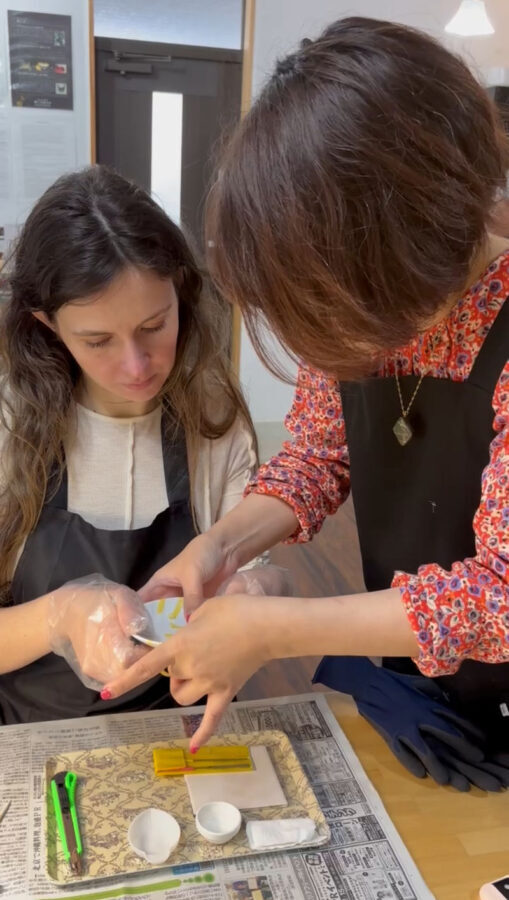
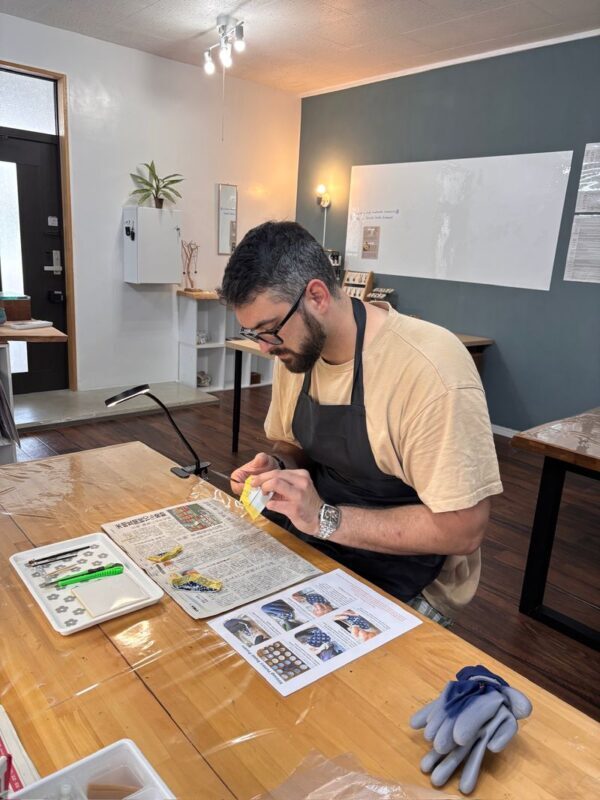
After choosing, you take a seat at your own work station. The instructors explain the activity and guide you through the steps. English-language help is included, and the class also has Japanese-speaking staff. Mayo is named by participants as one of the instructors, and she is described as patient and attentive. A second instructor may also be on hand.
You can also read our reviews of more tours and experiences in Naha


Learning the craft, one careful step at a time
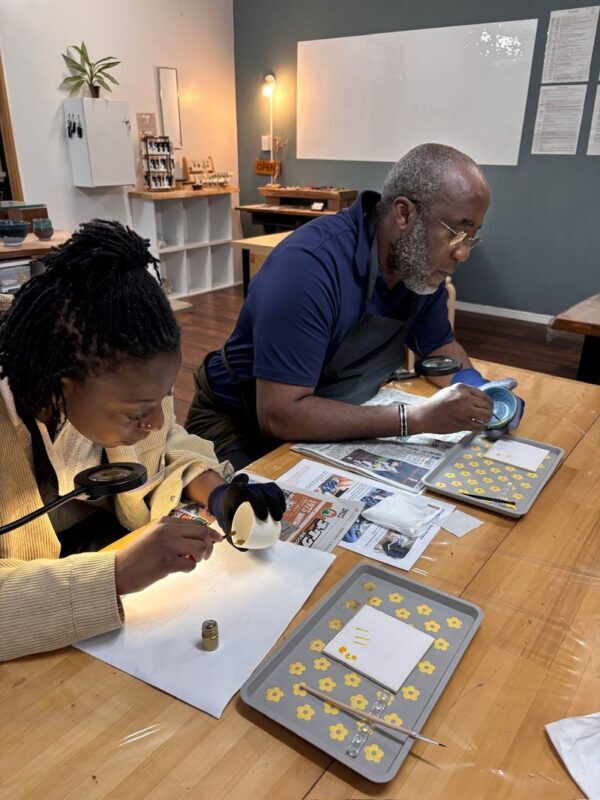
The work is hands-on, but you are not left to puzzle out the process alone. The instructors demonstrate what to do and offer help as you go. If you make a mistake or feel unsure, they can guide you through the next step and help with adjustments.
This is a good fit for beginners because the class is built around close instruction, not prior skill. One person may arrive with years of art practice; another may feel clumsy holding a brush. Both can work at their own pace and finish a piece with support. The goal is not to produce identical results, but to make a repair that feels like your own.
You also get some context for what you are doing. The instructors explain kintsugi’s history and traditional approach, including the use of urushi, or lacquer made from tree sap. The class’s quicker method makes a short workshop possible, so treat it as an introduction to the craft rather than a full lesson in traditional urushi work.
The repair itself calls for a little patience. Kintsugi asks you to slow down, pay attention to the break, and work carefully with your hands. That quiet concentration is part of the attraction. You step away from the usual rush of maps, schedules and sightseeing, and spend a while focused on a small task.
Gold, silver and the look of your repair
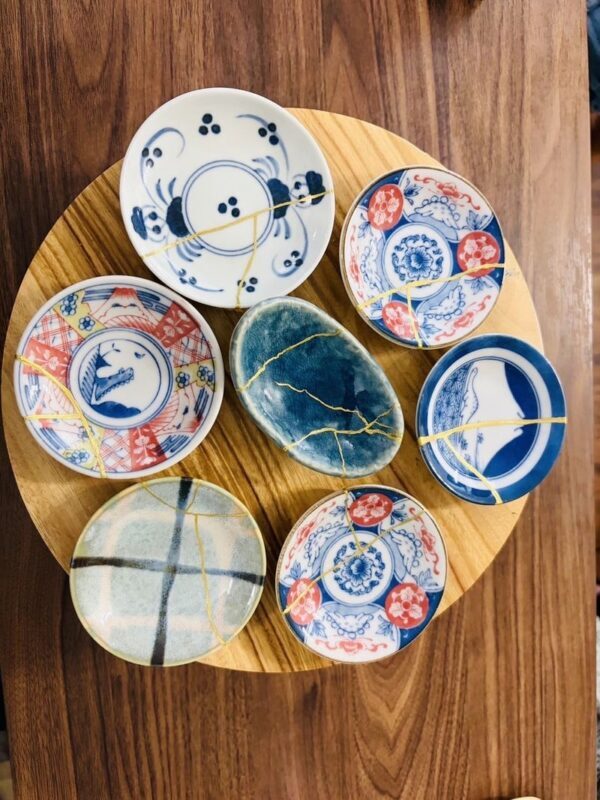
You can choose gold or silver for the visible repair detail. That choice gives the finished object a personal touch, even when everyone starts with a small dish or bowl. The cracks become part of the design rather than something to hide.
The final appearance will depend on the piece you choose and the work you do. Instructors may inspect your work and make final adjustments, which can help if a repair needs attention. One participant was unhappy when extra lines were added during those finishing adjustments. If you have a clear idea of how many cracks or lines you want, tell the instructor before they make changes. It is a simple way to protect the design you have in mind.
That is a useful reminder about hands-on classes: the teacher’s aim may be to improve the finish, but your piece is still personal. Speak up if you would rather keep your original design, or if you want help only with a specific part. The staff are there to guide you, and clear communication can help make sure the finished work feels like yours.
Some participants describe making a small plate or bowl, while others mention choosing a vessel. You should expect a compact decorative object, not a large pottery item. It is a manageable size for a first attempt and easy to carry home, though the supplied information does not specify packaging or transport materials.
Waiting, finishing and taking your piece home
The session lasts about 1.5 to 2 hours. As the piece sets, the instructor may make final adjustments. Participants have also described being offered tea and Okinawan cookies or shortbread while they wait. These small touches suit the pace of the class, though they are not listed as a guaranteed inclusion.
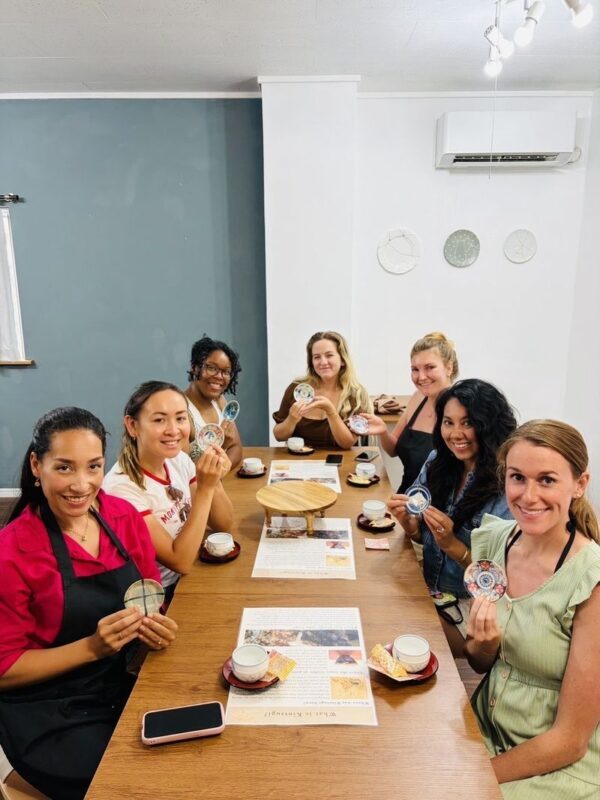
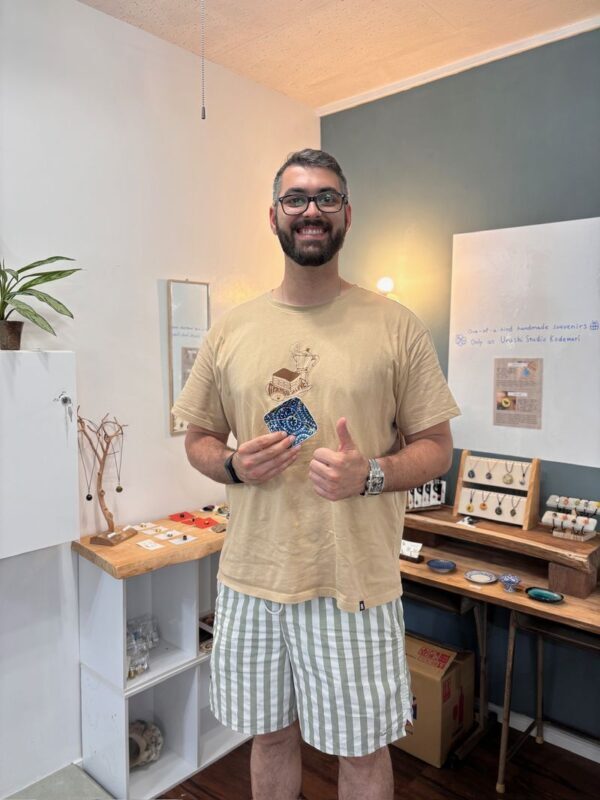
At the end, you take home the work you have made. That is a strong part of the value: the souvenir is not something picked off a shelf, but a small object you helped repair and finish. It can serve as interior art, an accessory tray or a keepsake on a desk.
Keep in mind that the finished piece is not food safe. The activity description says it is intended for decorative use, such as display or storage. Do not use it to serve food or drink, and do not treat it as a regular kitchen dish.
If you are buying the experience as a gift, that personal element is the point. The finished pottery may be small, but it carries a memory of learning something new in Naha. For children aged seven and up, it can also be a concrete way to make something with care and take it home.
What the price includes, and what it does not
The price starts at $50.55 per person, with the same fee applying to all ages. It includes tax, Japanese-speaking staff, an English-speaking guide and the 1.5-to-2-hour kintsugi experience. Materials and a pottery piece to work on are part of the class, so you do not need to bring supplies.
For that price, you are paying for more than a short craft activity. You receive instruction, the chance to work on a piece yourself, and a finished object to keep. That makes the cost easier to justify if you value a personal souvenir or want a cultural activity with a quieter pace. If your main goal is to buy a finished item, you may prefer to browse the studio’s handmade pieces instead, if available.
Transport and personal expenses are not included. There is no parking at the studio, so if you drive, use a nearby paid parking lot. The activity is in Naha, but the supplied details do not specify transport directions, so check your route before setting out.
Arrive 10 minutes before your scheduled start. Late arrivals and no-shows are not refundable, and the mobile voucher is valid only on the date and time booked. You can cancel for a full refund at least 24 hours before the activity date, using the destination’s local time.


Who will enjoy this Naha workshop
This class suits you if you want a cultural activity that is practical, personal and easy to fit into a day in Naha. It works especially well for first-time makers, couples, families with children aged seven or older, or anyone who wants a break from the usual sightseeing routine.
The 1.5-to-2-hour length makes it manageable on a busy trip, though it still asks you to sit, concentrate and work carefully. It is not a fast souvenir stop. You will get more from it if you enjoy making things and are comfortable with the fact that your finished piece may look handmade rather than factory-perfect.
Families can appreciate that the fee is the same for all ages, but children must be at least seven to take part. This can be a nice shared activity because each person chooses and works on a piece of their own. The class does not promise a specific group size, so do not assume it will be private or one-to-one.
It also suits travelers who are curious about the meaning behind kintsugi, not just the visual effect. The workshop connects the physical act of repairing pottery with the idea that scars can become part of an object’s character. You do not need to share that philosophy to enjoy the class, but it gives the activity a little more substance than simply painting a souvenir.
Should you book the kintsugi workshop?
I would book this if you want a calm, guided activity and a keepsake you have made yourself. The English instruction, beginner-friendly format, choice of pottery and gold or silver detailing make it approachable, while the kintsugi idea gives the work a memorable point beyond the finished object.
I would skip it if you need a food-safe dish, want to repair a specific personal heirloom without confirming first, or expect to learn the complete traditional process in a single sitting. For most curious beginners, though, this is a worthwhile way to spend two hours in Naha. Book it with the right expectations, arrive early, and tell the instructor how you want your piece to look before final adjustments.
Kintsugi Workshop in Naha, Okinawa | Discover the Art of Kintsugi
“We really enjoyed this activity, offered by very cheerful and kind hosts. Plus, the workshop is super cute. Arigatooo! 🫶”
FAQ
How long is the Kintsugi workshop?
The class lasts about 1.5 to 2 hours.
Where does the workshop take place?
It meets at Urushi Studio Kodemari, 1F, 2-16-6 Maejiima, Naha, Okinawa 900-0016, Japan.
Is the workshop suitable for beginners?
Yes. No prior experience is necessary, and instructors guide you through the steps.
Is there English-language instruction?
Yes. An English-speaking guide is included, along with Japanese-speaking staff.
What age can participate?
Participants must be at least 7 years old. The same price applies to all ages.
Do I take home the piece I make?
Yes. You can take home the pottery piece you work on during the class.
Can I use the finished piece for food or drink?
No. The finished item is not food safe and is intended for decorative use or storage.
Is transport or parking included?
No. Transport is not included, and the studio has no parking. If you drive, use a nearby paid parking lot.
What is the cancellation policy?
You can receive a full refund if you cancel at least 24 hours before the activity date, based on destination local time.