A broken edge, a bright seam, and a small accessory with a story: that is the appeal of this Naha workshop. I like that you make something with your own hands, and that the instructors guide each step without requiring you to arrive with any craft skills.
I also like the chance to spend a quieter couple of hours learning about a Japanese art tradition rather than simply buying another souvenir. One consideration: this accessory class uses a modern method, including resin and glue, rather than being a full lesson in traditional pottery repair. If you want a detailed history or a strict, hands-off approach to making your piece, ask about the process as you go.
- At a glance
- A small workshop with a personal pace
- Making a modern kintsugi accessory
- What the class feels like, step by step
- The cultural value, and its limits
- Is the price worth it?
- Small details that help the day go well
- Should you book this Naha workshop?
- FAQ
- What will I make?
- How much does the workshop cost?
- Where is the meeting point?
- How long does the workshop take?
- Do I need craft experience?
- What is the minimum age?
- Is English support available?
- Is parking available at the studio?
- What should I bring to the meeting point?
- Can I cancel if my plans change?
- The Best Of Naha!
- More Tours in Naha
- More Tour Reviews in Naha
- Not for you? Here's more nearby things to do in Naha we have reviewed
At a glance
 1 / 8
 2 / 8
 3 / 8
 4 / 8
 5 / 8
 6 / 8
 7 / 8
 8 / 8
- Make a necklace or bracelet: The package includes one accessory, made during a guided workshop at Urushi Studio Kodemari.
- Expect patient step-by-step help: Instructors explain the process and check your work, with the aim of helping you finish a piece you’ll be happy to take home.
- Plan for about 1.5 to 2 hours: The exact duration is not specified, but classes have taken roughly this long.
- English support is available, with some variation: An English-speaking guide is included, and an English instruction sheet has also been used.
- Bring a steady pace, not craft experience: The workshop is suitable for beginners and children aged 7 and up.
- Handle the finished piece with care: Let the decorative lines dry fully and keep them from touching plastic wrapping, which can smudge them.

👉 See our pick of the 18 Best Tours In Naha
A small workshop with a personal pace
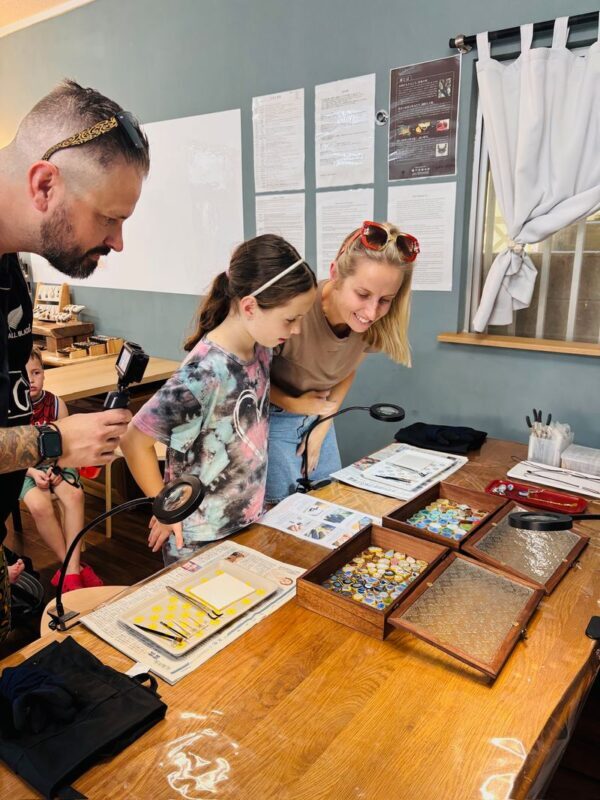
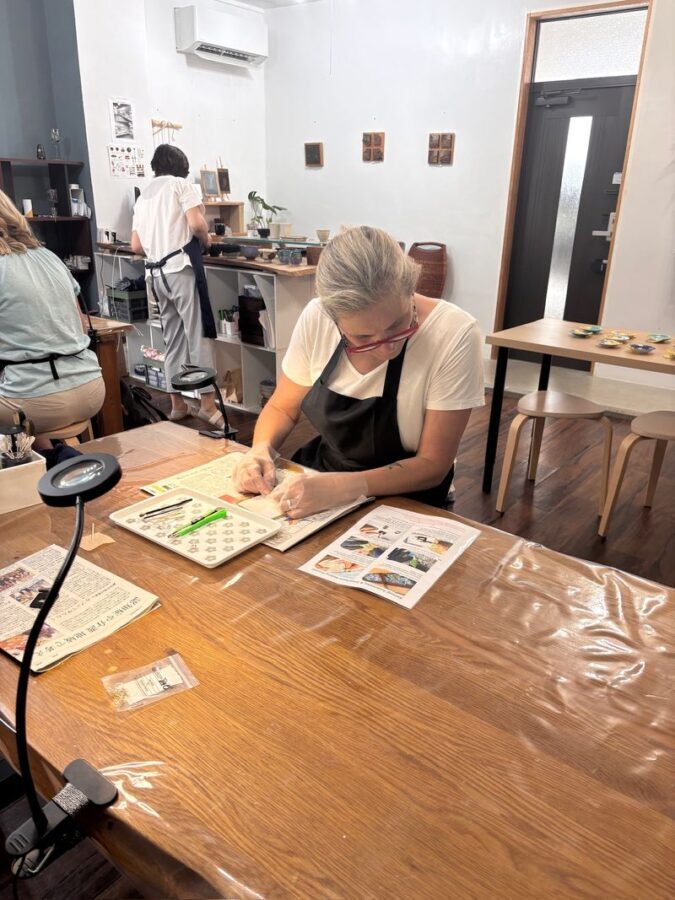
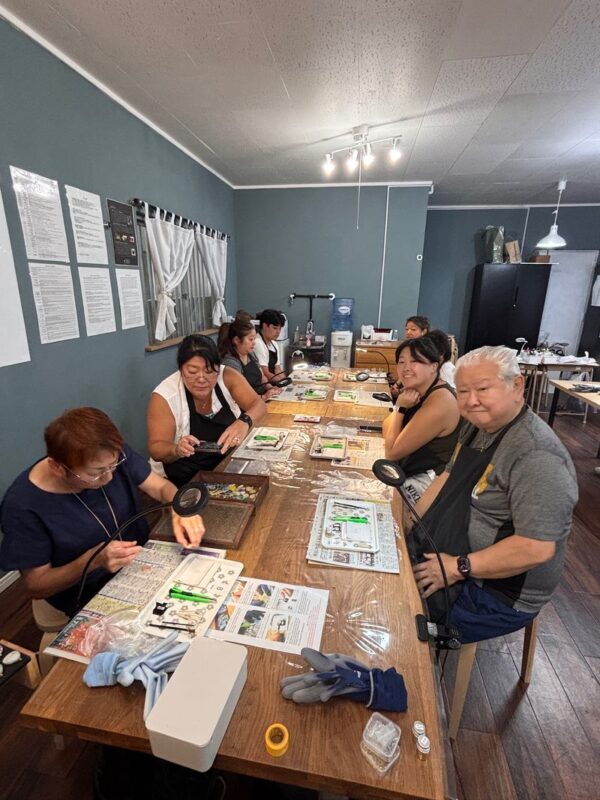
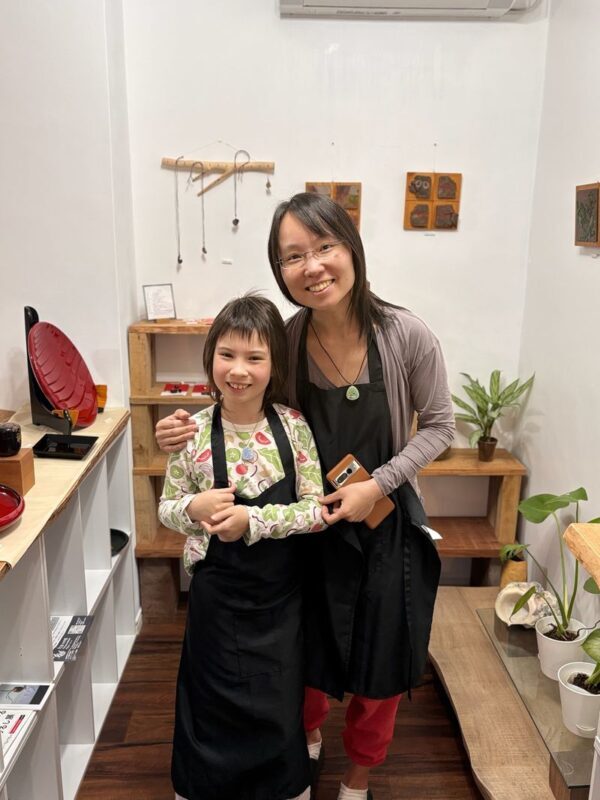
Urushi Studio Kodemari is at 1F, 2-16-6 Maejima in Naha. The studio has been described as small and cozy, a setting that suits the quiet, close-up work better than a large group activity. If you are hoping for a lively class with lots of people coming and going, this may feel subdued. If you want time to focus, that calm is part of the point.
Classes may be small. Some have had only one or two groups, giving the instructors room to check each person’s work. That can mean close attention, especially if you are crafting with a child or you like clear guidance. It can also mean pauses while you wait for an instructor to check a step. Bring a little patience; this is careful handwork, not a race to the finish.
Mayo and Aya are names associated with instruction at the studio. You can expect a guided process, with staff showing you what to do and helping correct mistakes along the way. That support matters for beginners: you do not need to know how to handle the materials before you arrive.
English communication has worked well for some participants, while others have relied on an English instruction sheet and gestures. An English and Japanese-speaking guide is included, but it is sensible to be ready for a little variation in how much spoken English is available on the day.
You can also read our reviews of more tours and experiences in Naha.


Making a modern kintsugi accessory
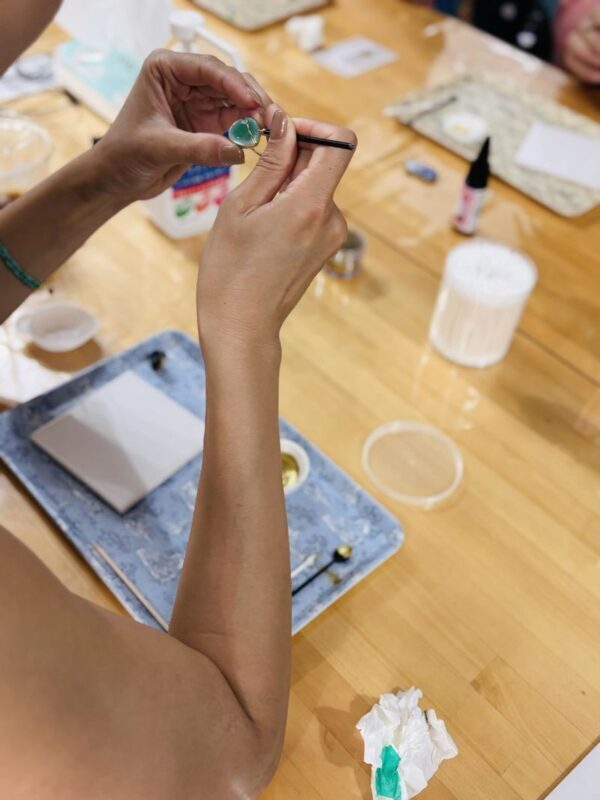
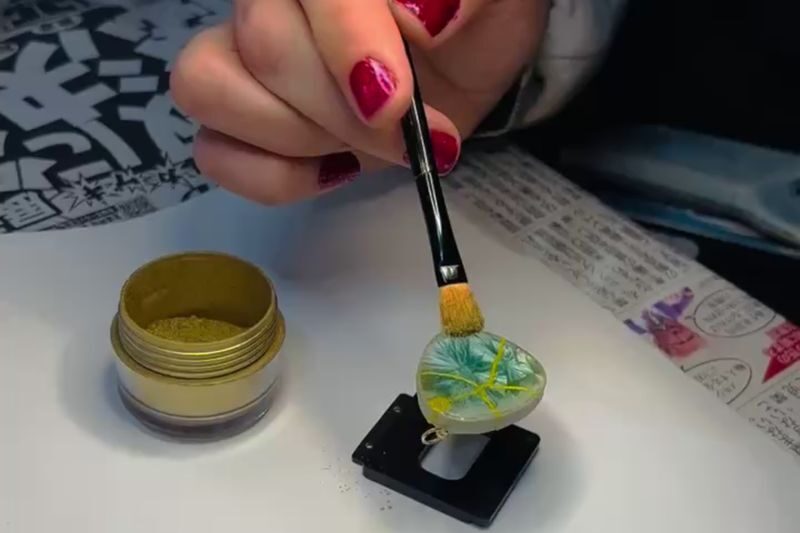
Kintsugi is known for repairing broken pottery and making the repair part of the object’s beauty. This workshop brings that idea to an accessory. Rather than repairing your own broken heirloom, you create a necklace or bracelet with a decorative seam that recalls the look of kintsugi.
It is worth setting expectations clearly. The class is an accessible craft activity inspired by the tradition, not a technical course in the full pottery-repair method. One participant described the process as using a modern approach with resin and super glue. If you are booking mainly to study traditional materials and techniques in depth, ask the studio what the current class covers before you pay.
For most people, the practical value is the making itself. You get a simple introduction, then work through the steps with an instructor nearby. The aim is not to produce identical pieces. Your accessory will have its own lines and details, and you take it home as a handmade memento of time spent in Okinawa.
The workshop is beginner-friendly by design. The instructors can check your progress and help fix mistakes, so a shaky first attempt need not spoil the result. Still, it is your own creative project. If you have a particular look in mind, explain it early and ask for guidance before a step is changed or finished. That simple conversation can help keep the final piece closer to what you want.
What the class feels like, step by step
The experience begins at the studio, where you meet the instructors and get oriented to the craft. You will choose a necklace or bracelet through the available package, then learn how the workshop will turn the kintsugi idea into an accessory. The booking information does not give a fixed minute-by-minute schedule, so expect the instructor to set the pace.
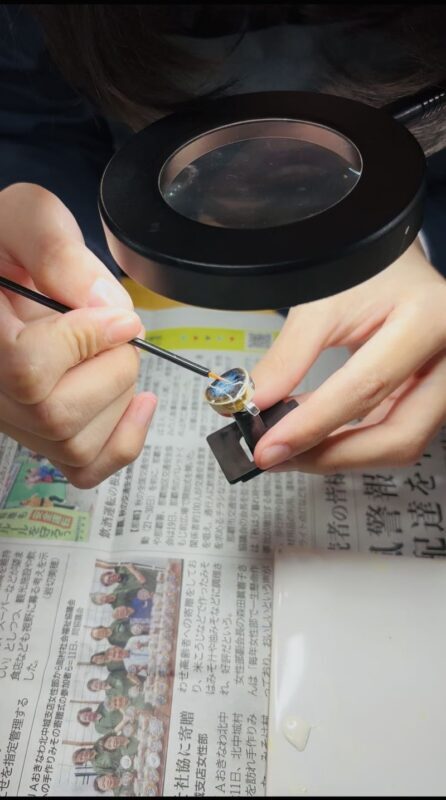
Next comes the hands-on part. You follow the directions, work on your piece, and have the instructors check important stages. People with no prior experience are welcome, and the staff can help correct mistakes. Some participants have appreciated being shown a technique and then having room to continue on their own; others have valued close guidance throughout.
There may be waiting time between steps while the instructors check or finish work. That pause can make the class feel unhurried, but it may be frustrating if you expect continuous instruction. Use the time to ask about the design, the materials, or the cultural idea behind kintsugi. One useful question is what you can adjust yourself and what the instructor will handle. This helps avoid surprises if you have a strong preference for how your accessory should look.
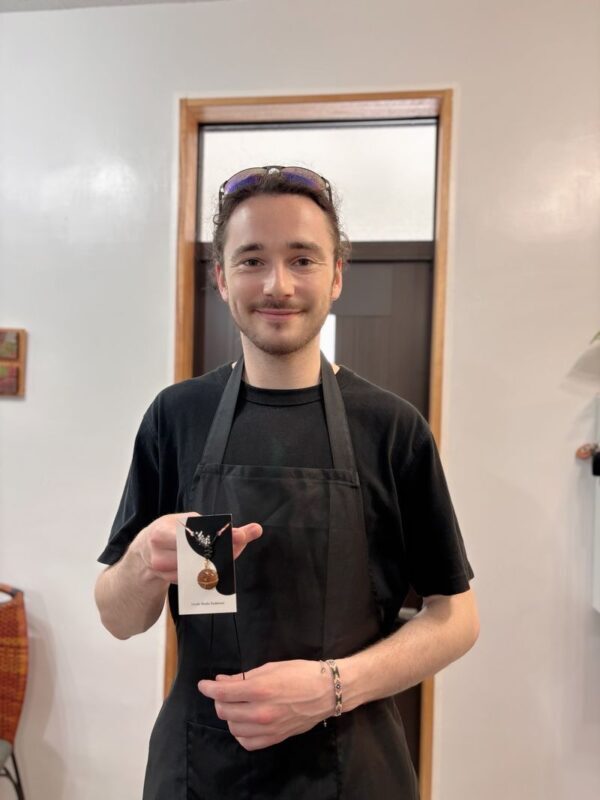
At the end, you take your handmade piece home. Tea and a small sweet have been served at some sessions, but they are not listed as a guaranteed inclusion, so treat them as a possible extra rather than part of the promise. The lasting souvenir is the accessory itself, which carries more of a personal story than a mass-produced trinket.
The cultural value, and its limits
Kintsugi’s familiar idea is that a repair need not be hidden. A crack can become part of an object’s character. That makes the workshop more than a jewelry-making session: it gives you a tangible way to think about repair, imperfection, and renewal.
The class is best understood as an introduction, not a lecture. There is some cultural context, and the craft gives you a reason to ask how the practice developed and how the modern accessory version differs from pottery repair. If historical background is especially important to you, ask the instructors about it. The amount of explanation may be brief, and the focus is on making.
That balance is likely to suit a family, a couple, or a solo visitor who wants an indoor activity with a hands-on result. Children aged 7 and older can participate, so it can work as a shared activity across generations. The relaxed pace also makes it a good option when you want a break from sightseeing, though it is not a substitute for a museum visit if you are after a broad lesson in Okinawan or Japanese history.
Is the price worth it?
The listed starting price is US$44.25 for the necklace-or-bracelet package. That is not the price of a quick stop to watch a demonstration. You are paying for guided time, materials, and an accessory you make and take home. If you value a personal souvenir and enjoy making things, the price can make sense.
The value is less compelling if you only want an inexpensive trinket or expect a long, formal course in traditional lacquer work. The class lasts around 1.5 to 2 hours in practice, but its main return is the process and the finished piece, not an expert-level qualification. Consider it a compact cultural activity with a keepsake attached.
There is no parking at the studio. If you drive, use a nearby paid lot and allow time to find a space. The address is in Maejima, Naha, and one person has walked there from the cruise port in about 20 minutes, though your own route and pace may differ.






Small details that help the day go well
Arrive 10 minutes before your scheduled time. Late arrivals and no-shows are not refundable, so do not plan a tight connection between this class and another activity. Your voucher is valid only for the booked date and time, and you present it on your phone through the Klook app.
Once your piece is finished, be careful with it. The decorative lines need time to dry. If they touch plastic wrapping too soon, they may smudge. Ask the instructor how to carry and protect the accessory before leaving, especially if you have more sightseeing planned.
The class is open to participants aged 7 and older. That makes it a practical family activity, but children still need to be comfortable following careful instructions and handling a craft project at a measured pace. For adults, the same qualities make it a pleasant reset from a busy day.
The operator may cancel in unforeseen events or extreme weather. In that case, you can reschedule or request a full refund. If you cancel at least 24 hours before the activity date, a full refund is available.
Should you book this Naha workshop?
Book it if you want a calm, beginner-friendly activity and like the idea of taking home a piece you made yourself. The best reasons to go are the patient, step-by-step help, the small-studio feel, and the chance to turn a cultural idea into a wearable keepsake. It is especially well suited to families with older children, couples, and solo visitors who enjoy a quiet craft.
Think twice if your main goal is to learn traditional pottery kintsugi in depth, or if you prefer complete control over every stage without instructor intervention. Tell the staff what kind of design you want, ask what materials and techniques the class uses, and check how the finished piece should be handled. With those expectations set, this is a thoughtful way to spend a couple of hours in Naha.
Kintsugi Accessory Crafting in Naha, Okinawa
“The manager and staff were very kind; we were able to communicate in English even though we don't speak Japanese. They explained and checked every…”
FAQ
What will I make?
The package is for a necklace or bracelet. You make the accessory during the workshop and take it home.
How much does the workshop cost?
The listed starting price is US$44.25 for the necklace-or-bracelet package.
Where is the meeting point?
Meet at Urushi Studio Kodemari, 1F, 2-16-6 Maejima, Naha, Okinawa, Japan.
How long does the workshop take?
The exact duration is not specified. Classes have taken roughly 1.5 to 2 hours.
Do I need craft experience?
No. The class is designed for beginners, and instructors guide you through the steps.
What is the minimum age?
Participants must be at least 7 years old.
Is English support available?
An English and Japanese-speaking guide is included. English communication can vary, and an English instruction sheet has also been used.
Is parking available at the studio?
No. If you drive, use a nearby paid parking lot.
What should I bring to the meeting point?
Present your mobile voucher from the Klook app. Arrive 10 minutes before the scheduled activity time.
Can I cancel if my plans change?
A full refund is available if you cancel at least 24 hours before the activity date, using destination local time.