The best part of this day is the change of scene: Tokyo’s streets give way to Kamakura’s bronze Buddha, the old Enoden railway, and the Shonan coast. I like that the trip links famous sights with the small, memorable details, such as the train crossing at Kamakura Koko-mae and the island approach to Enoshima.
I also like the practical setup. Round-trip transport from Tokyo or Shinjuku saves you from piecing together several local train connections, and the guide can add context at the shrines and historic sites. Past guides named Alex, Tom, and Li Hanshan have been praised for clear explanations and attentive care.
The trade-off is a full day with a lot of walking and limited time at each stop. Heat, rain, crowds, or traffic can make the pace feel tighter, and the Great Buddha’s admission and lunch are extra.
What to know before you go
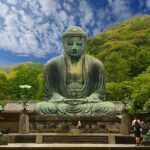
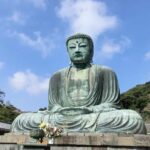
- The Great Buddha is an outdoor bronze landmark: You get a short stop at Kotoku-in, with time to see the statue up close. Entry is not included.
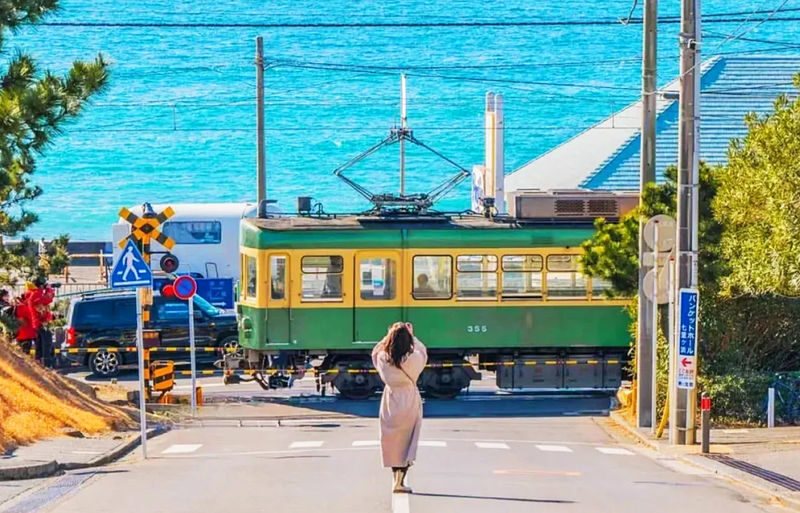
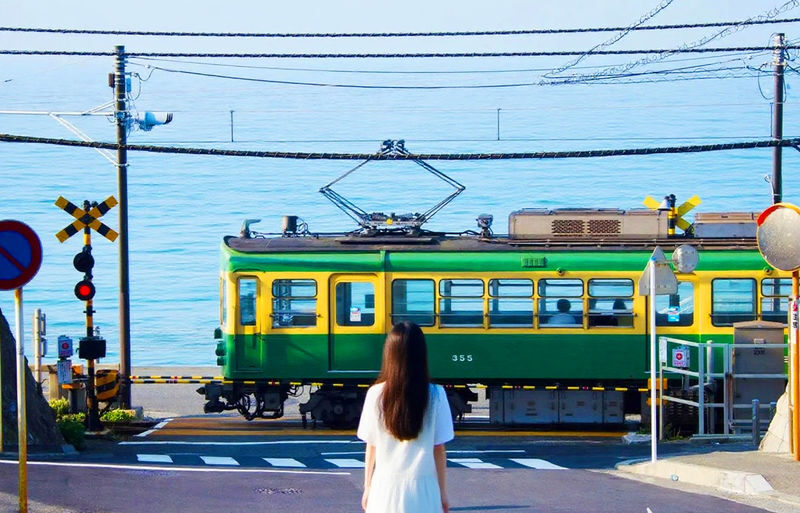
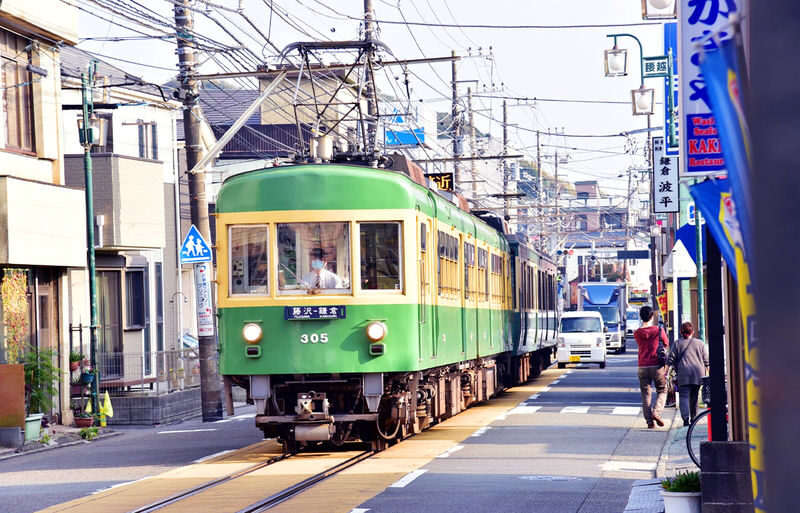
- The Enoden ride is part of the outing: The nostalgic local train links the coastal scenery with the popular Kamakura Koko-mae crossing.
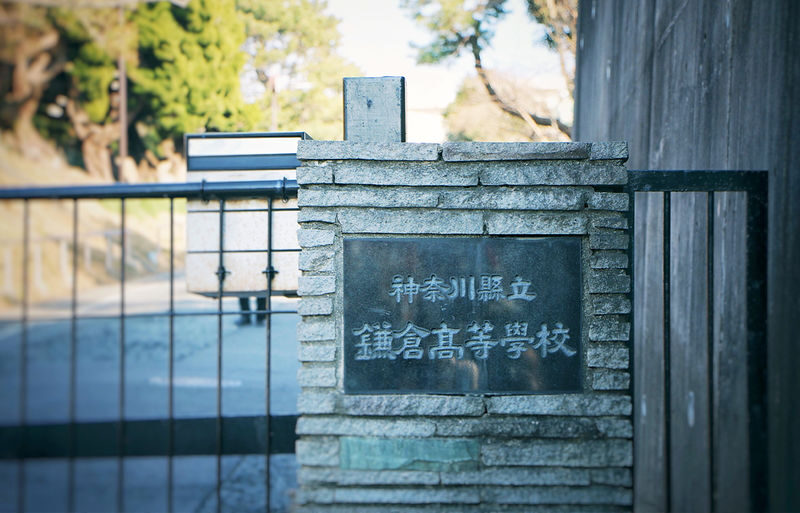
- The Slam Dunk photo stop is at a working railway crossing: Kamakura High School itself is not open as a tour stop, and you must stay off the tracks.
- Enoshima takes walking time: Its shrines and sea views are appealing, but the island stop can feel strenuous in hot weather.
- Your day combines guided stops with free time: You get transport and a multilingual guide, but meals and personal expenses are your responsibility.
- The schedule is not fixed to the minute: Traffic, weather, and operating limits can change the order or length of stops.
👉 See our pick of the 2 Best Historical Tours In Kamakura
- What to know before you go
- A Tokyo start, then Kamakura’s old capital
- The Great Buddha at Kotoku-in
- The Enoden, and a famous railway crossing
- Enoshima: shrines, sea views, and a long walk
- Tsurugaoka Hachimangu and the old streets
- Pace, guides, and what the day feels like
- Price and what it buys you
- Who should book this day trip
- Should you book it?
- FAQ
- Where does the tour depart from?
- What time does the tour return to Tokyo?
- Is admission to the Great Buddha included?
- Is the Enoden train fare included?
- Is lunch included?
- Can children join the tour?
- Can I bring luggage, or use a wheelchair?
- The Best Of Kamakura!
- More Tours in Kamakura
- More Tour Reviews in Kamakura
- Not for you? Here's more nearby things to do in Kamakura we have reviewed
A Tokyo start, then Kamakura’s old capital
 1 / 9
 2 / 9
 3 / 9
 4 / 9
 5 / 9
 6 / 9
 7 / 9
 8 / 9
 9 / 9
This tour makes sense if you want to see several Kamakura-area highlights in one day without managing every transfer yourself. You can board at either the Shin-Marunouchi Building by Tokyo Station at 8:00 a.m. or Shinjuku MODE Gakuen at 8:30 a.m. Arrive ten minutes early; the shared vehicle cannot wait for late arrivals.
The day starts with a drive from Tokyo, then moves between Kamakura, the coast, and Enoshima. A guide speaks English, Chinese, or Japanese, and the group may include people speaking different languages. That mix can mean explanations are not equally detailed for everyone, but the guide’s role is useful: keeping the day moving and helping you understand what you are seeing.
A comfortable pair of walking shoes matters more than a complicated packing list. Bring cash for the Buddha’s admission, lunch, and other purchases. The tour allows one standard-sized piece of luggage per person if arranged in advance, though a day bag is easier for a day with several stops.
You can also read our reviews of more tours and experiences in Kamakura.
The Great Buddha at Kotoku-in
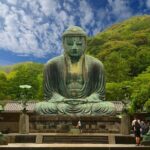
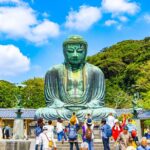
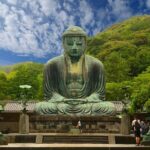
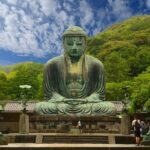
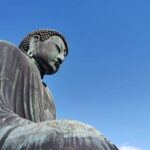
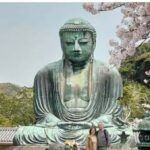
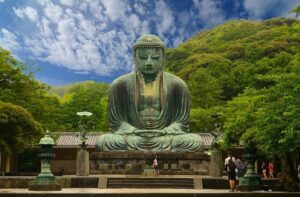
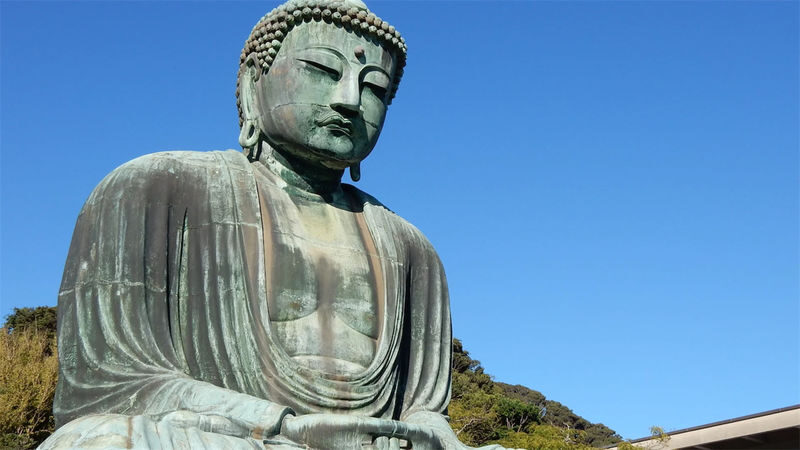
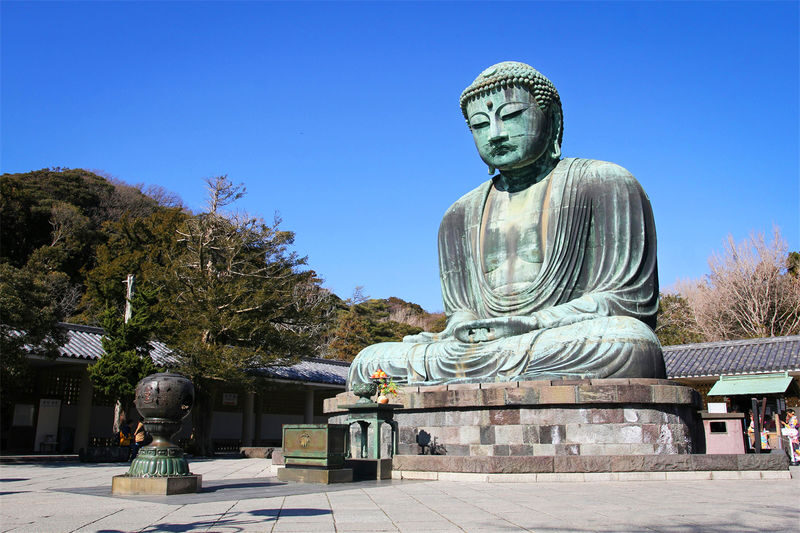
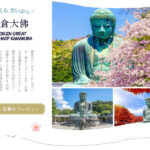
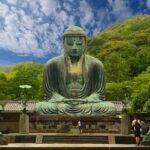
The first major stop is the Great Buddha of Kamakura, a bronze seated figure at Kotoku-in Temple. You have about 30 minutes, including a guided introduction, so plan to focus on the statue and its setting rather than expecting a long temple visit.
The Buddha is one of Kamakura’s defining sights, and seeing its scale at close range is the point. Its outdoor setting gives the visit a different feel from an image of a Buddha sheltered inside a hall. If you want to go inside the statue, that costs an additional ¥50; basic admission is ¥300, and neither amount is included in the tour price.
Thirty minutes is enough for a look and a few photographs, but not an unhurried exploration. If you want to linger, this may be one of the places where the group format feels restrictive. I would bring the admission money ready so you do not spend your short stop sorting out payment.
The Enoden, and a famous railway crossing
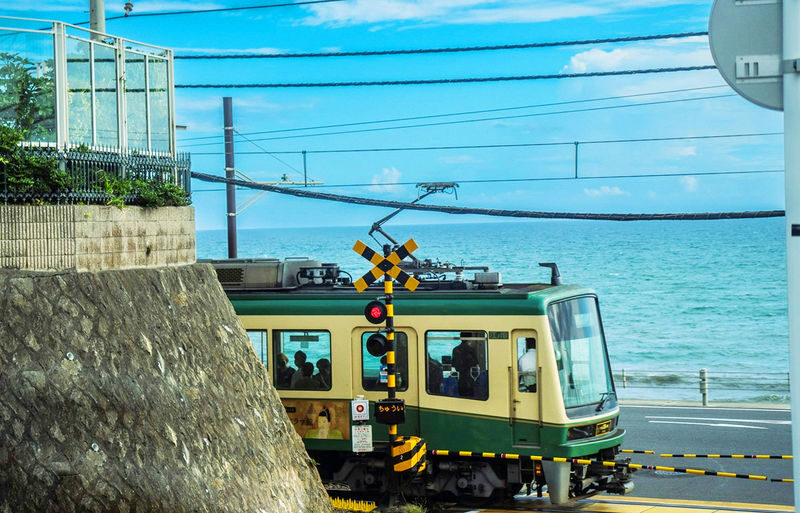
From the Hase area, you walk to Hase Station and board the Enoden, with the fare included as a complimentary part of the tour. The ride gives you a taste of a local railway that threads through Kamakura streets and along the Shonan coast. It is a short trip, not a full scenic rail excursion, but it adds a welcome change from the vehicle and a sense of place.
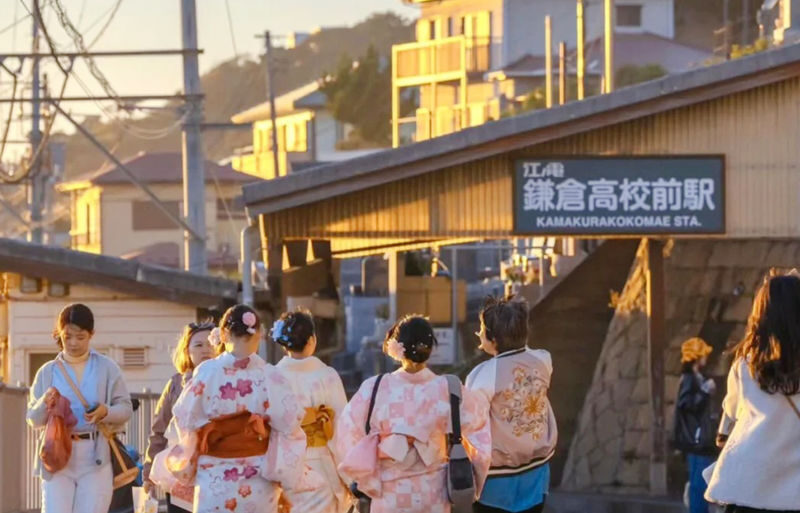
At Kamakura Koko-mae Station, the group spends about 20 minutes near the railway crossing made famous by Slam Dunk. The crossing’s appeal is partly its ordinary setting: train, road, coast, and neighborhood all meet in a compact scene. On a clear day, the seaside light makes it especially photogenic.
Keep expectations grounded. This is a public road and an active railway, not a private photo set. Kamakura High School is not accessible as part of the tour, and you must not enter the tracks or crossing area. Follow the guide’s instructions and keep out of the way of local traffic.
The Enoden ride is also subject to circumstances beyond the operator’s control. If force majeure prevents the ride, the fee is not refunded. The train is a memorable feature, but it should not be the only reason you book.
Enoshima: shrines, sea views, and a long walk
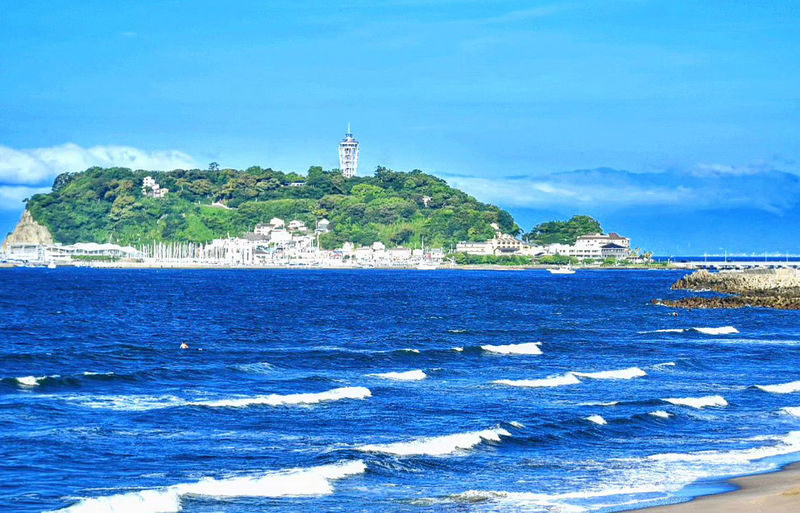
Enoshima gets roughly one hour and 50 minutes, making it one of the longest stops. The island combines coastal views, local legends, and Enoshima Shrine, where you can pause to pray for good fortune. On a clear day, Mount Fuji may be visible in the distance, though weather decides whether you get that view.
The island is best approached at a comfortable pace. The tour includes walking, and the route into Enoshima can feel demanding in summer heat. One person may find the time generous; another may wish for less walking or more time to sit and enjoy the coast. Wear shoes you can walk in and carry water, especially in warm weather.
You will not have time to see every corner of the island. Treat this as an introduction to its shrines and scenery, not a thorough visit. If a particular attraction matters to you, check with the guide about the day’s plan, since weather and local conditions can affect what fits.
Tsurugaoka Hachimangu and the old streets
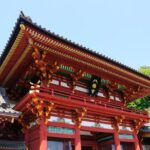
The tour allows about an hour and ten minutes for Tsurugaoka Hachimangu, Kamakura’s major shrine and an important site linked to the city’s samurai past. Its long approach and traditional buildings give you a sense of ceremony and scale. The grounds are also known for seasonal flowers, with cherry blossoms and autumn foliage drawing interest at the right time of year.
This is a good stop for slowing down after the coast. Look beyond the main buildings to the approach and surrounding grounds, which help explain why the shrine has such a central place in Kamakura. Still, the time is limited, and the guide may adjust the visit if the day is running behind.
Komachi-dori, the old shopping street, is another draw, with local foods, handicrafts, and small shops. The overall tour description includes it as part of the Kamakura visit, but the timed schedule does not give it a separate stop. Do not assume you will have a long shopping window; the guide may need to prioritize the shrine or adjust the order according to conditions.
Pace, guides, and what the day feels like
The strongest practical advantage is having transport between Tokyo and a string of stops that would take more planning by public transit. You do not need to work out every local connection, and you can spend the day looking around instead of checking train platforms. The Enoden fare, tolls, parking, fuel, and round-trip transfers are included.
The guide can make a real difference on a compact itinerary. Guides named Alex and Tom have been praised for warm, useful explanations, while Li Hanshan was noted for careful organization and bilingual communication. These are examples from particular departures, not a guarantee of who will lead your trip. The operator assigns an English-, Chinese-, or Japanese-speaking guide.
The group format asks you to be flexible. Vehicle seats are assigned on a first-come basis, and the vehicle type depends on the number of people booked. You may share the vehicle with people from several countries, and the guide may need to divide explanations among languages.
The schedule is full, and the day’s pace depends on the conditions. Some departures have felt smooth and comfortable; others have felt rushed, particularly in hot weather or when delays cut into time at the sights. The operator may change the order, shorten a stop, or skip an attraction because of capacity, traffic, or weather. There is no mid-trip option to leave and rejoin later.
Price and what it buys you
The advertised starting price is from $39.85, while the stated package price for the Kamakura and Enoshima day trip is from $56.89. Check the selected date and package before booking, as the price you see may depend on the option available to you.
The value is mainly convenience. You get round-trip transport from Tokyo or Shinjuku, a guide, the Enoden fare, and the costs of fuel, tolls, and parking. For someone who does not want to coordinate a day of train connections, that bundled transport can justify the price, especially when you want to fit both Kamakura and Enoshima into one day.
Budget separately for the Great Buddha admission, lunch, drinks, and purchases. The Buddha costs ¥300 to enter, with an additional ¥50 if you want to go inside. Meals are not provided, though there are dining options around the attractions, and you can bring your own food.
The trip has a strong overall rating of 4.8 out of 5 from 16 ratings. That is encouraging, but it does not erase the main caveats: walking, a busy schedule, and the possibility of weather or traffic changes. I would judge the price by how much you value direct transport and a guided overview, not by expecting a leisurely private tour.
Who should book this day trip
This suits first-time visitors who want the headline Kamakura sights without arranging the route themselves. It also works well if you are comfortable sharing a vehicle, walking between sites, and keeping to a group schedule. The mix of Buddha, railway, coast, shrine, and shopping street gives you a broad first look at the area.
It is less suitable if you need wheelchair access, have limited mobility, or are pregnant, since the activity is not recommended for people in those circumstances and is not wheelchair-accessible. Child seats are not available. Children aged zero to two can join free if they do not need a separate seat; children aged three or older pay the adult rate.
Leave room in your Tokyo schedule after the return. The stated arrival window is 5:30 to 7:00 p.m., but traffic and weather can shift the timing. I would not plan a flight, performance, or other tight appointment that evening.
Should you book it?
Book this tour if you want a well-connected introduction to Kamakura and Enoshima, and you value getting from Tokyo to the sights without planning each train transfer. The Buddha, Enoden, coastal crossing, island shrine, and Tsurugaoka Hachimangu make a satisfying day of varied stops.
Choose another option if you want long, unhurried visits, a lot of time for shopping, or the freedom to set your own pace. This is a practical sampler, not a slow wander. Go ready to walk, pay for lunch and admission separately, and let the guide adjust the day to the conditions.
Kamakura Daibutsu & Enoden & Kamakura High School & Enoshima & Tsurugaoka Hachimangu One-Day Tour
“Guide Damakura Gang-gil was very kind and an exceptional tour leader. It was a wonderful trip. Thank you.”
FAQ
Where does the tour depart from?
You can depart at 8:00 a.m. from under the BEAMS sign at the Shin-Marunouchi Building by JR Tokyo Station, or at 8:30 a.m. from Shinjuku MODE Gakuen. Arrive ten minutes before your selected departure.
What time does the tour return to Tokyo?
The expected return window is 5:30 to 7:00 p.m. at JR Tokyo Station Marunouchi North Exit or Shinjuku MODE Gakuen. The timing is approximate and can change with traffic and weather.
Is admission to the Great Buddha included?
No. Admission costs ¥300, with an additional ¥50 if you want to enter the statue. These costs are paid separately.
Is the Enoden train fare included?
Yes. The Enoden fare is included as a complimentary item. If circumstances beyond the operator’s control prevent the ride, the fee is not refunded.
Is lunch included?
No. You arrange and pay for your own lunch and drinks. Dining options are available near the attractions, or you can bring food.
Can children join the tour?
There is no age limit. Children aged zero to two can join free if they do not occupy a separate seat; children aged three and older pay the adult rate. Child seats are not available.
Can I bring luggage, or use a wheelchair?
Each person may bring one standard-sized piece of luggage, but you must note it when booking. The tour is not wheelchair-accessible and is not recommended for people with impaired mobility.