Kyoto has plenty of grand sights, but this workshop puts its pleasures on a smaller scale: paper in your hands, patient step-by-step instruction, and a keepsake you make yourself. You’ll pair a washi paper doll with a second craft, then sit down for Japanese tea and sweets.
I like two things here: you get to choose your projects, and the finished crafts are designed to travel home without hogging your luggage. I also like that instructors such as Chiaki, Yuka, and Ayumi have led sessions, with families describing calm, careful teaching. One consideration: English-speaking staff are listed, but the instructors’ English may be limited, so this is a hands-on class rather than a long cultural lecture.
At a glance
- Make two projects in one session: Pair the Himeka washi paper doll and pen with a bookmark, amulet pouch, or washi notebook.
- Choose your paper patterns: Select from available washi and origami designs before you begin.
- Expect patient, step-by-step guidance: The class is designed for a range of ages, and families with children have taken part.
- Take home more than your own work: A handmade surprise gift and a completion certificate are included.
- Save room for a sweet finish: Refreshments include tea and Kyoto sweets, with matcha ice cream also noted as part of the experience.
- Meet near Nijo Castle: The workshop is at Urban Hotel Kyoto Nijo PREMIUM, about five minutes on foot from Nijo subway station.
- Two paper crafts, one Kyoto afternoon
- From folded paper to finished keepsake
- A workshop that works for families
- Tea, Kyoto sweets, and a certificate
- Getting to Urban Hotel Kyoto Nijo PREMIUM
- Is .79 a fair price?
- Who should book this paper-craft class?
- FAQ
- How long does the Japanese paper and origami experience last?
- What crafts can I make?
- Are tea and sweets included?
- Is the workshop suitable for children?
- Where does the activity meet?
- What else do I take home?
- The Best Of Kyoto!
- More Tours in Kyoto
- More Tour Reviews in Kyoto
- Not for you? Here's more nearby things to do in Kyoto we have reviewed
Two paper crafts, one Kyoto afternoon
This is a small craft class with a clear purpose: learn by making. The advertised experience lasts 90 minutes, and the set-up lets you complete two related projects rather than spending the whole session on one elaborate piece. That makes the time feel useful, especially if you want a cultural activity that leaves you with something tangible.
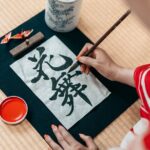
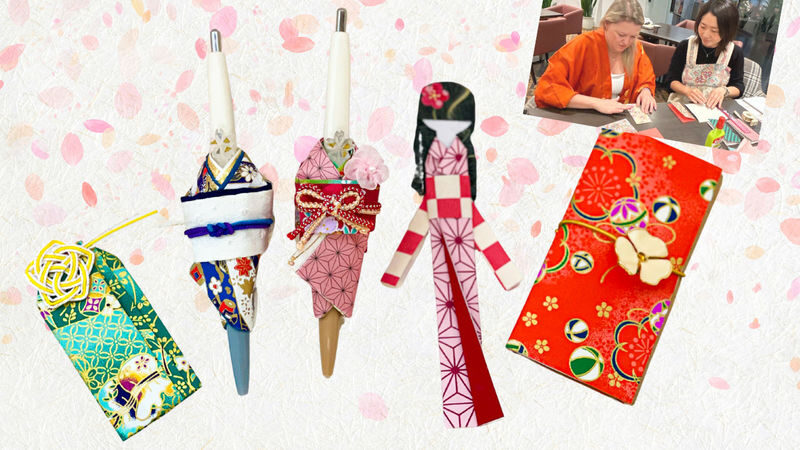
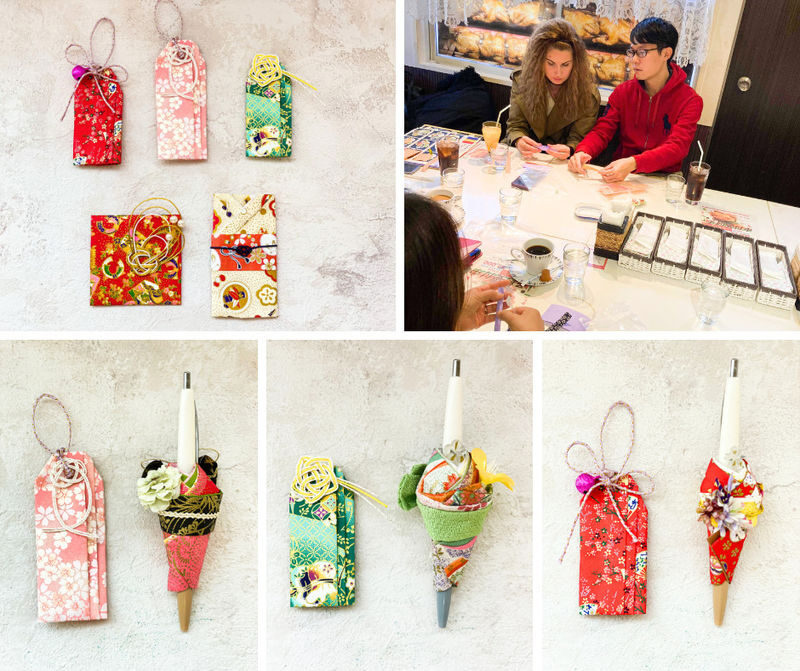
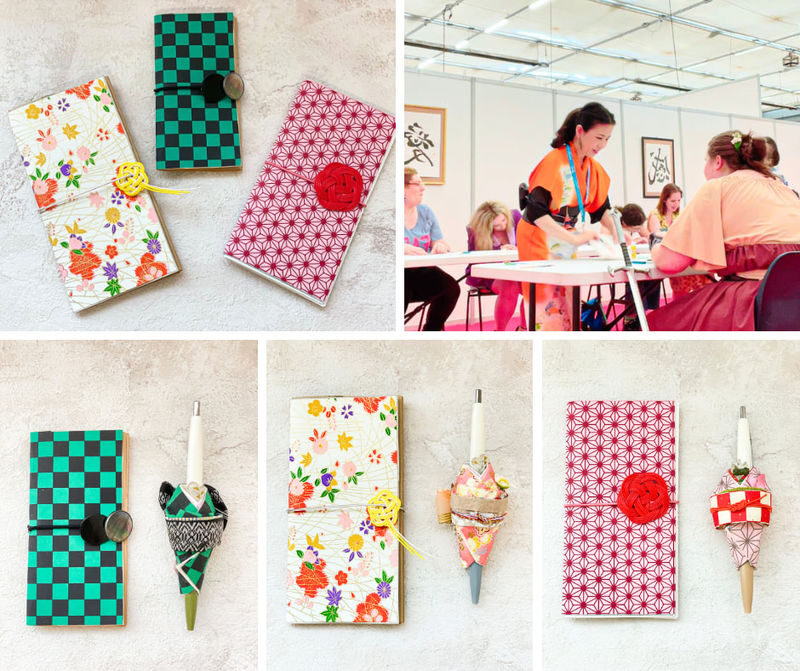
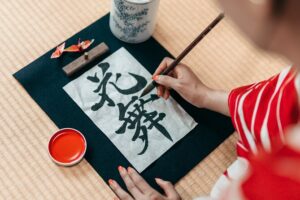
The main craft is the Himeka washi paper doll, paired with a Japanese-made ballpoint pen. You then choose a second project: a bookmark, an amulet pouch, or a washi notebook designed for collecting shrine stamps. The pairings are set out in advance, so you are choosing among defined combinations rather than building a custom project from scratch.
That choice matters. A bookmark is a simple, practical keepsake; the notebook has a clear use if you plan to collect shrine stamps; and the amulet pouch gives you a small fabric-like paper craft with a traditional feel. The activity is not a paper-making class, so you should not expect to produce washi from raw materials. The focus is on arranging and folding Japanese paper into finished objects.
You can also choose the patterns for your washi and origami. That small decision gives the finished craft a personal touch without making the class feel complicated. If you are making a gift, you can pick designs with the recipient in mind.
👉 See our pick of the 25 Best Workshops And Classes In Kyoto
From folded paper to finished keepsake
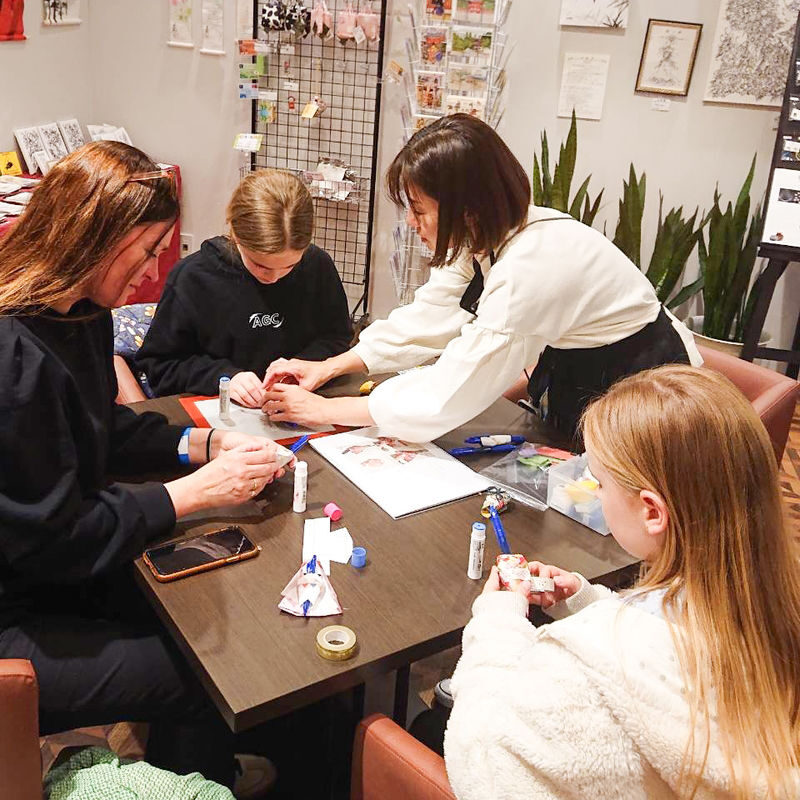
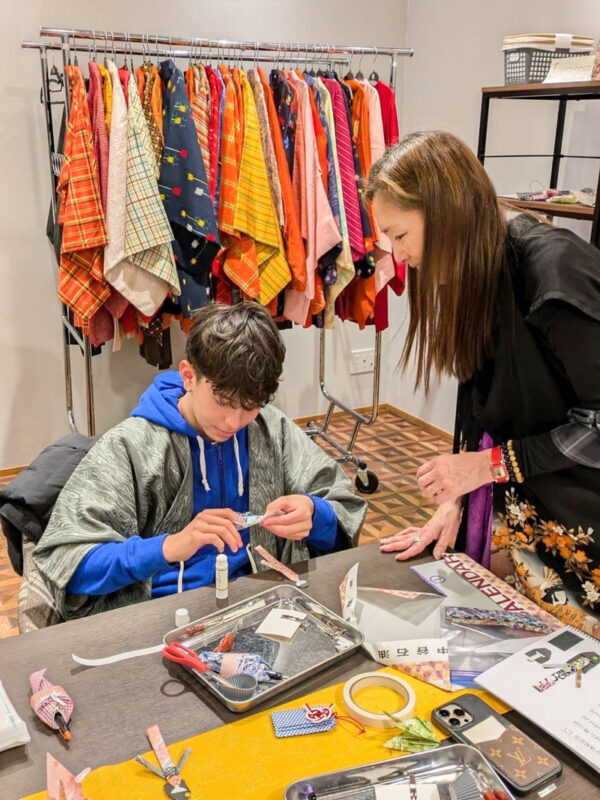
The class is built around guided making, not a formal talk. You work through the steps with an instructor, handling the materials as you learn how the paper is shaped and assembled. Previous participants describe patient instruction and a pace that makes the process manageable, even for children and first-time folders.
The named instructors include Chiaki, Yuka, and Ayumi. You may not have the same teacher at every session, but the experience is intended to be supported by English-speaking staff. One practical note: English ability may vary, so expect clear demonstrations and hands-on help to do much of the teaching. That can be a fine fit for a craft lesson, where seeing each fold often says more than a long explanation.
The paper doll and second craft give you a useful balance. You get one decorative piece and one item with a more direct use, such as a bookmark or notebook. The projects are designed to be durable and easy to carry, which is good news if your Kyoto visit already has a suitcase full of souvenirs.
Some participants have also made a paper crane during the session. It is a familiar origami form and a nice extra if it is included in your class, but it is not one of the three fixed second-project choices listed for the package. If the crane is a priority, ask about it when you arrive rather than counting on it as a guaranteed part of the curriculum.
You can also read our reviews of more tours and experiences in Kyoto.


A workshop that works for families
This class is open to a broad mix of people, from solo participants to families and couples. Children are welcome, and the organizers offer workshops intended to be enjoyable for them. Children aged 0 to 6 must attend with a paying adult, while children aged 13 and older pay the adult rate. The minimum group size is two, so check that requirement when planning a solo visit.
For a family, the appeal is straightforward: everyone can work on a project, and the finished objects are small enough to bring home. A family with five children has completed the activity, and the instructors were described as patient and skilled. That does not mean every child will have the same level of focus for the full class, so it helps to choose a project that suits their age and patience.
Adults without children should not assume this is only a family activity. Making a paper doll, notebook, or amulet pouch can be a pleasant change from sightseeing, and you do not need prior origami experience. Couples can choose designs together, while solo participants can focus on learning the folds and details at their own pace.
The experience is social but centered on the craft. If you want a high-energy group event or a broad lesson on Japanese history, this is not that. If you like learning through a small task and prefer a quieter activity, it should fit nicely between Kyoto’s larger sights.
Tea, Kyoto sweets, and a certificate
After the making comes a sweet pause. Tea and refreshments are included, and the offering may feature Kyoto sweets that change with the season. Matcha tea and ice cream have also been part of the experience. The exact sweets can vary, so treat this as a welcome tasting rather than a fixed menu or a full dessert stop.
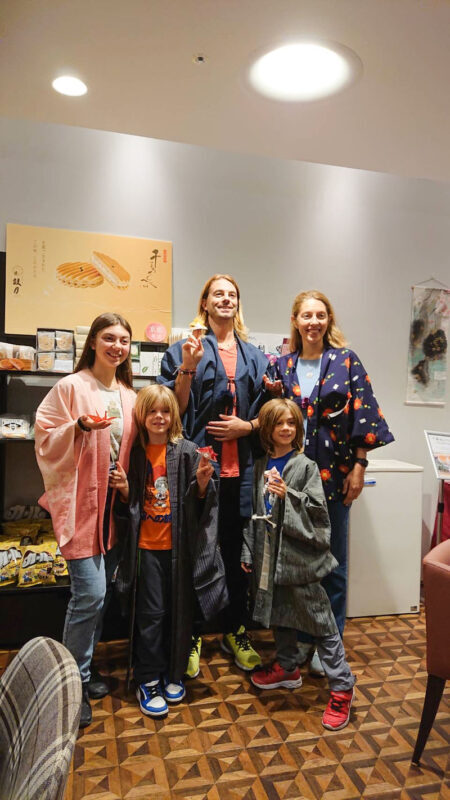
That pause is more than a bonus on the booking page. It gives you time to look at what you have made, compare patterns, and enjoy a moment of Japanese hospitality without needing to find another café. The kimono or kimono-apron attire worn by the instructor adds to the traditional setting, though the activity itself stays focused on paper craft.
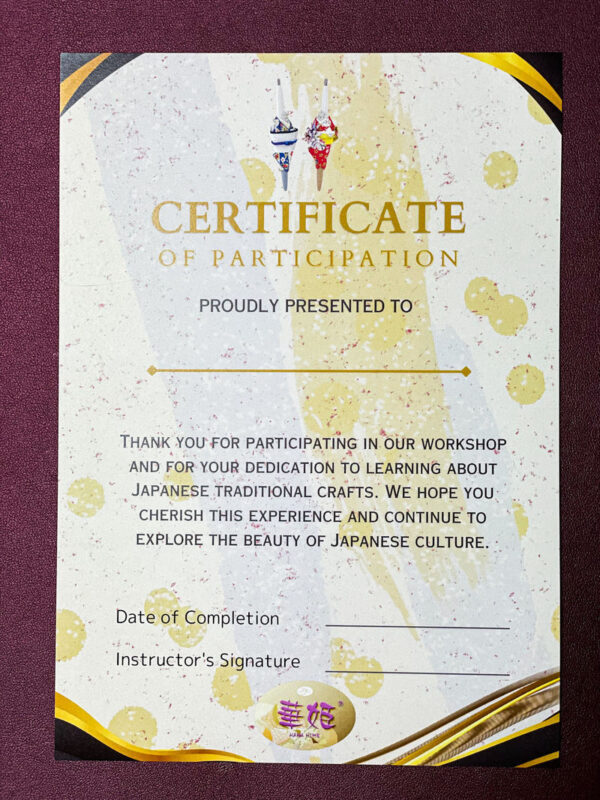
You also receive a handmade souvenir in addition to the crafts you make. The specific item is a surprise on the day, so you cannot choose it in advance. A completion certificate is included as well. It marks your participation and the techniques you practiced; it is best understood as a personal memento, not a professional qualification.
If you are choosing between this class and a simple souvenir shop, the distinction is clear. Here, you get time with the materials and instruction, and you leave with work that carries your own decisions in its folds and patterns. The extra gift and certificate add to the keepsake value, though the real value is the making itself.
Getting to Urban Hotel Kyoto Nijo PREMIUM
The meeting point is Urban Hotel Kyoto Nijo PREMIUM at 25-5 Juraku Meguriminamicho, Nakagyo Ward. It is about eight minutes on foot from JR Nijo Station and about five minutes from Nijo Station on the Kyoto Municipal Subway Tozai Line. City and JR buses stop at Senbon Kyu-Nijo, from which the venue is immediately accessible on foot.
The hotel is within walking distance of Nijo Castle, a useful pairing if you are planning a day in this part of the city. The location also gives you a practical base for reaching areas such as Arashiyama, Gion, Kawaramachi, and Karasuma, though those are not part of the workshop itself. Build in time to find the meeting point, especially if you are arriving by bus or navigating the neighborhood for the first time.
The class is listed as 90 minutes. I would avoid scheduling a tight connection or a timed attraction immediately afterward, since a hands-on activity and refreshments are more enjoyable when you are not watching the clock. Bring a bag for your crafts, even though the finished work is designed to be compact and sturdy.
Is $61.79 a fair price?
The starting price is $61.79 per person. That is not the cost of a quick origami demonstration: the package includes a 90-minute cultural activity, two craft elements, materials, refreshments, a handmade souvenir, and a certificate. If you place value on making something yourself and getting guidance, the price is easier to justify than if you are comparing it with a brief drop-in activity.
The strongest value is in the combination. You do not need to buy craft materials separately, and you can choose a project pairing that suits your interests. Tea and seasonal sweets add a small hospitality element, while the extra handmade gift means you take home more than the objects you create.
There are limits to keep in mind. You are paying for a guided craft session, not a deep historical lesson or a broad tour of Kyoto culture. The certificate is a souvenir of participation, not a credential. And if paper crafts do not appeal to you, the included refreshments alone will not make this a good fit.
For someone who enjoys making things, the price buys a memorable break from temple visits and city walks. For a family, it can also be a shared activity with a clear result at the end. If your main goal is to collect as many Kyoto sights as possible in a short day, you may prefer to spend the time elsewhere.


Who should book this paper-craft class?
I would put this on the shortlist for anyone who wants a hands-on Kyoto experience and a small, personal souvenir. It suits families with children, couples looking for a calm shared activity, and solo visitors who enjoy crafts. The ability to choose a bookmark, notebook, or amulet pouch makes it easier to find a project you will actually use or give away.
It is a less natural fit if you are looking for a long cultural lecture, a professionally recognized craft course, or a class conducted entirely through fluent English conversation. You can expect English-speaking staff, but the practical teaching may rely on demonstration and patient guidance.
Book it if you want to slow down, fold and arrange washi, and leave with something made by your own hands. Skip it if you would rather spend the same time visiting another major sight. The best reason to go is not the certificate or the surprise gift, useful as both may be. It is the chance to sit down in Kyoto and learn a small craft by doing it.
Japanese Anime, Washi Paper & Origami Culture Experience (Kyoto)
“spent a lovely 2 hours with Chiaki learning the art of Origami. Chiaki is very patient and gors through the process of making a kimono book, and a…”
FAQ
How long does the Japanese paper and origami experience last?
The cultural experience is listed as 90 minutes.
What crafts can I make?
You make a Himeka washi paper doll with a Japanese-made ballpoint pen, then choose a second craft: a washi paper doll bookmark, an amulet pouch, or a washi notebook for collecting shrine stamps.
Are tea and sweets included?
Yes. Refreshments are included, with Kyoto sweets that may vary by season. Matcha tea and ice cream have also been part of the experience.
Is the workshop suitable for children?
Yes. The program includes workshops designed for children. Children aged 0 to 6 must be accompanied by a paying adult, and children aged 13 or older pay the adult rate.
Where does the activity meet?
It meets at Urban Hotel Kyoto Nijo PREMIUM, 25-5 Juraku Meguriminamicho, Nakagyo Ward, Kyoto. The venue is about five minutes on foot from Nijo subway station and about eight minutes from JR Nijo Station.
What else do I take home?
Along with the crafts you make, you receive a handmade souvenir and a certificate of completion.