The best reason to take this tour is the range of scenery packed into one day: steaming Hell Valley, a dramatic Pacific headland, volcanic peaks and Lake Toya. Stops are far apart, so a bus and guide can save you the effort of piecing together public transport.
I especially like the multilingual guiding, with guides including Joe, Catherine and Michelle explaining the sights in languages such as English, Japanese, Mandarin and Cantonese. I also like the practical touches: guides have helped with photos, kept departure times clear and, on some tours, pointed out how to fill a bottle at Kyogoku’s spring.
The trade-off is the weather. Cape Chikyu’s ocean view and the mountain outlooks can disappear in rain or fog, and this is an outdoor-heavy day. You’ll see a lot, but you’ll have less time to linger than you would on a self-guided trip.
- The day at a glance
- Hell Valley brings the geology up close
- Cape Chikyu depends on a clear sky
- A scallop lunch adds a local pause
- Usuzan and Showa Shinzan show the volcanic scale
- Lake Toya makes a quieter final view
- A guide makes the long route easier
- Pace, price and who gets the most from it
- Should you book the Noboribetsu and Cape Chikyu day trip?
- FAQ
- How much does the tour cost?
- Can I book the tour for tomorrow?
- Is confirmation immediate?
- Can I cancel for a refund?
- Is lunch included?
- Which sights can the tour visit?
- Is the Usuzan Ropeway included in the price?
- What languages may the guide speak?
- Is this tour useful if I do not drive?
- The Best Of Noboribetsu!
- More 1-Day Tours in Noboribetsu
- More Tours in Noboribetsu
- More Tour Reviews in Noboribetsu
- Not for you? Here's more nearby things to do in Noboribetsu we have reviewed
The day at a glance
 1 / 9
 2 / 9
 3 / 9
 4 / 9
 5 / 9
 6 / 9
 7 / 9
 8 / 9
 9 / 9
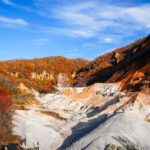
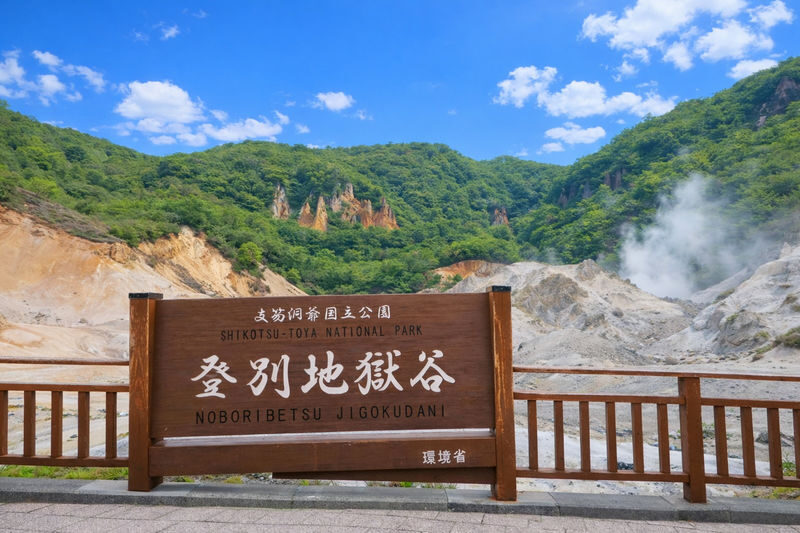
- Hell Valley’s steaming ground: Walk among the geothermal features at Noboribetsu, where volcanic activity gives the valley its name.
- Cape Chikyu’s Pacific outlook: Look for the broad ocean panorama, though fog and rain can hide the view.
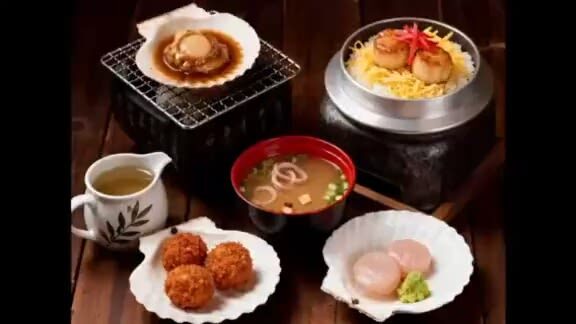
- A scallop lunch option: Some meal plans include a seafood set, with scallops and steamed rice served in a traditional kamameshi style.
- Volcanoes and Lake Toya: The route can include the Usuzan Ropeway, Showa Shinzan, Bear Ranch and a Lake Toya viewpoint.
- A spring-water stop: Kyogoku Fukidashi Park offers a chance to drink or fill a bottle with fresh water.
- Multilingual help on the road: Guides such as Joe, Catherine and Michelle have explained stops in several languages and helped keep the group on schedule.

👉 See our pick of the Best Tours In Noboribetsu
Hell Valley brings the geology up close
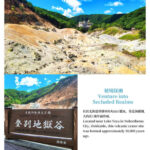
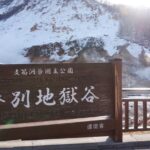
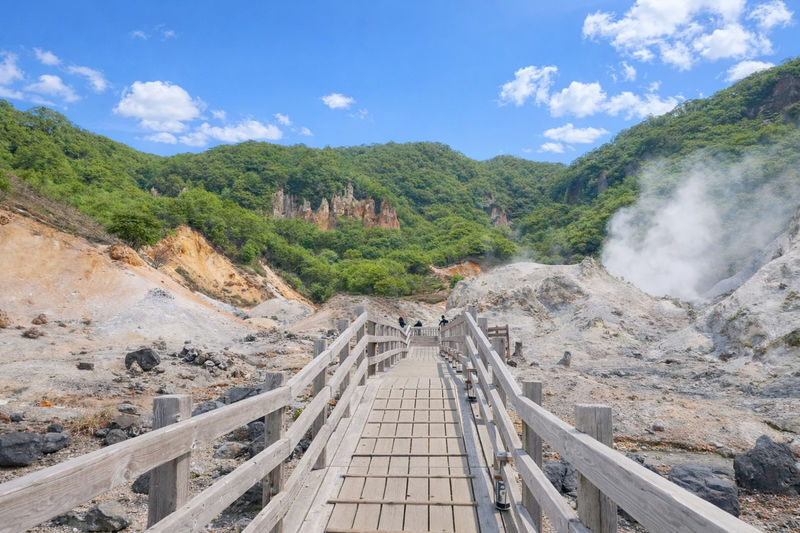
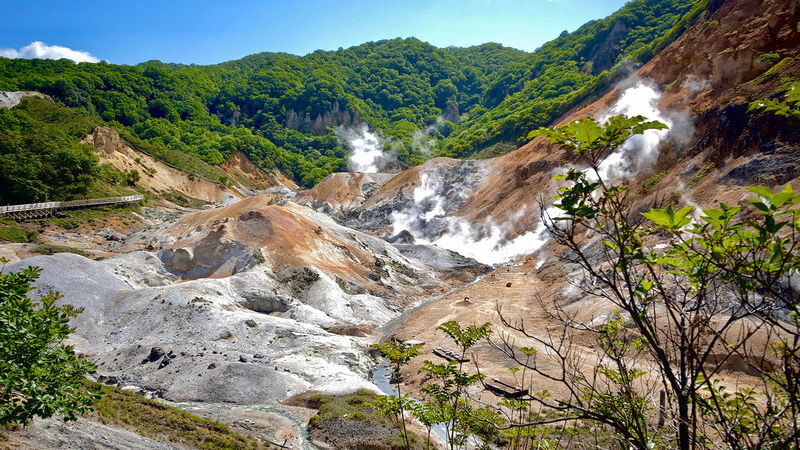
Noboribetsu’s Hell Valley, also called Jigokudani, is the day’s most memorable stop for many people. Here, geothermal activity is not a distant mountain backdrop. It is right beside the walking paths, with steaming ground and the unmistakable sense that the earth beneath you is still at work.
You get time to explore rather than simply step off the bus for a photo. The paths let you take in the terrain at your own pace, while your guide sets a clear return time. That balance matters on a day with several stops: you can pause for photos and look around, but the group still has ground to cover.
The catch is that weather can make the paths less inviting. Heavy rain has stopped some people from exploring properly, so bring a rain layer and shoes you are comfortable walking in. If the sky is clear, Hell Valley is a strong opening act. If it is wet, the geothermal setting still has interest, but expect a more limited visit.
You can also read our reviews of more tours and experiences in Noboribetsu


Cape Chikyu depends on a clear sky
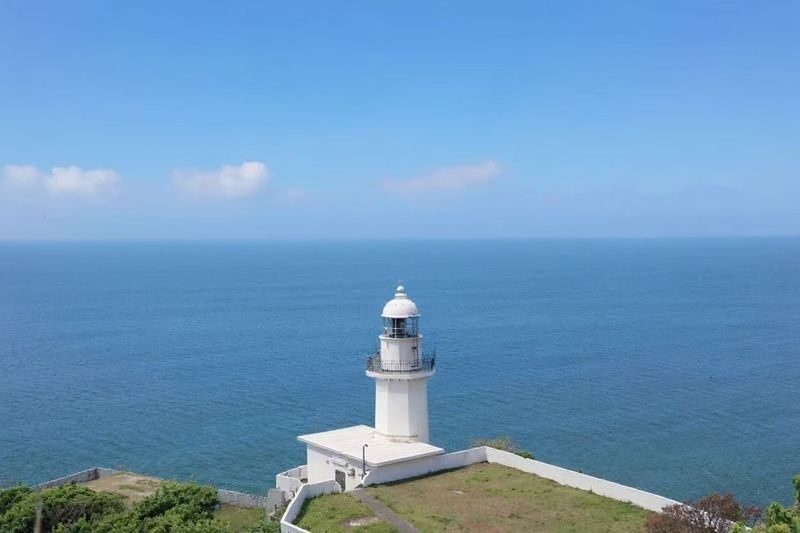
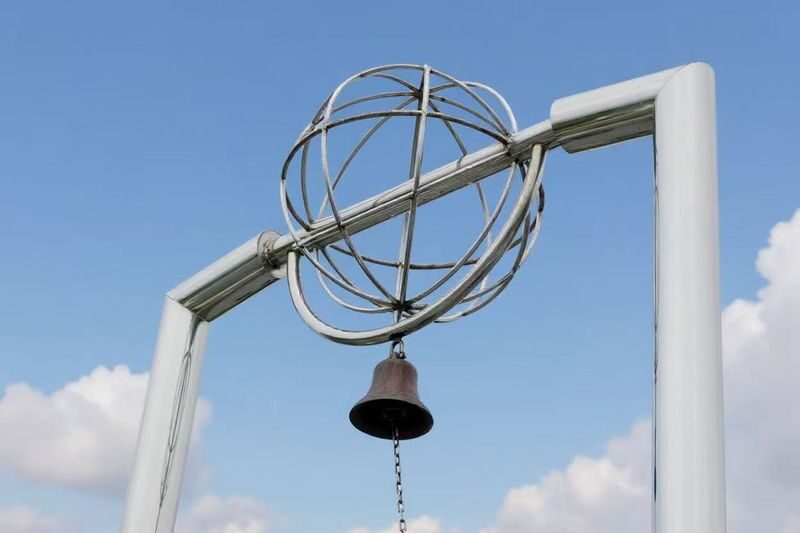
Cape Chikyu is the tour’s big coastal contrast. After Hell Valley’s volcanic terrain, you reach a headland with a broad view over the Pacific. On a clear day, the outlook can stretch across the water toward distant mountains. That scale is part of the appeal: this is not just another stop beside the road, but a chance to see Hokkaido’s coast from above.
Give yourself time to take in the view and make the most of the stop. The guide will set a departure time, and some have helped people find photo spots or take group pictures. That can be especially useful when the view is good and everyone wants a turn at the same viewpoint.
Fog can flatten the scene, and rain may mean you see little beyond the immediate area. There is no way for a tour operator to fix that, so think of Cape Chikyu as a weather-dependent highlight rather than a guaranteed panorama. If the forecast is poor, a waterproof jacket is more useful than a plan to spend a long time outdoors.
A scallop lunch adds a local pause
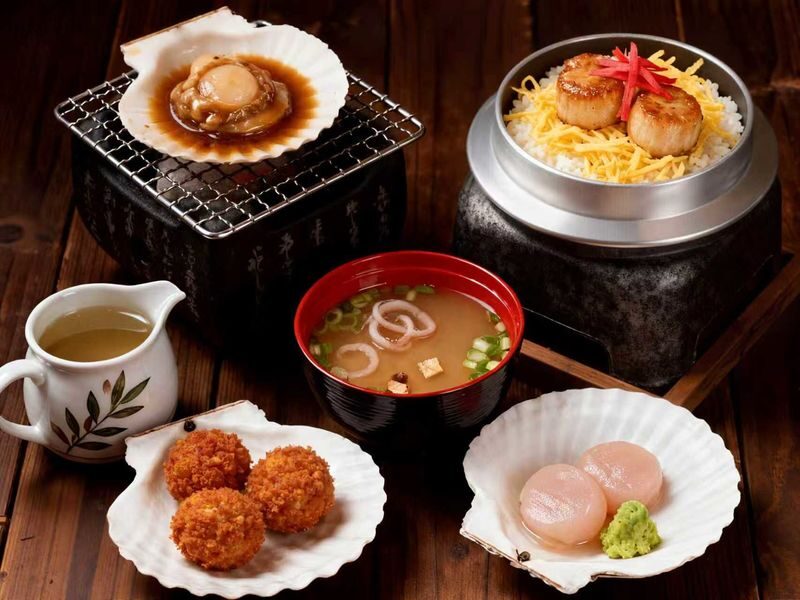
Some tour plans include a scallop set lunch, and this can be a welcome break between outdoor stops. A meal served with steamed kamameshi rice has drawn particular praise, with scallops prepared in several ways. One person’s favorite was the sashimi, while other meal descriptions point to a satisfying seafood set overall.
I see the lunch option as practical as well as tasty. On a long day with several destinations, having a meal arranged means you do not need to spend your limited free time searching for a place to eat. That is useful when the schedule is tight or when you would rather sit down and recharge.
Meal arrangements can vary by package, so check whether lunch is included in the option you choose. If you prefer to make your own choice, there may be other food options near the ropeway area, but the details depend on what is open when you visit. Do not assume every booking includes the scallop set.
Usuzan and Showa Shinzan show the volcanic scale
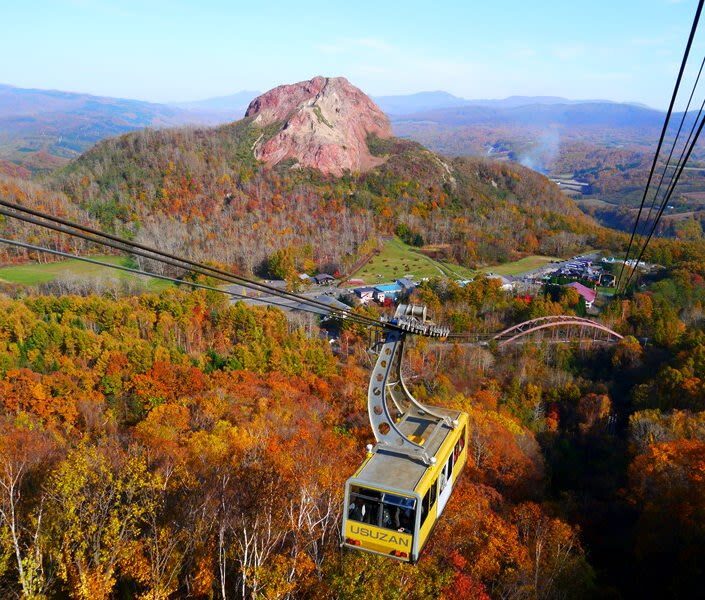
The route can continue to the Usuzan Ropeway, where the ride offers elevated views over Lake Toya and the surrounding volcanic area. The ropeway is an optional extra according to tour accounts, so budget separately if you want to go up. Some people choose not to ride and feel the day still has a comfortable pace; others see the view as a worthwhile part of the stop.
At the foot of the mountain, Showa Shinzan gives you a closer look at a volcanic peak. It adds another angle to the geology you first encountered at Hell Valley. Instead of seeing only steaming ground, you get a sense of the larger forces that shaped this region.
The Bear Ranch is also part of the route described by some participants. It gives the day a different kind of stop from the volcanoes and viewpoints. Because attraction access and extra costs are not fully detailed here, check what is included before you go, and carry cash for add-ons such as the ropeway or bear feeding.
Lake Toya makes a quieter final view
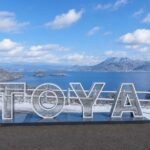
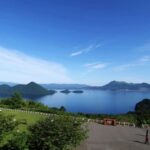
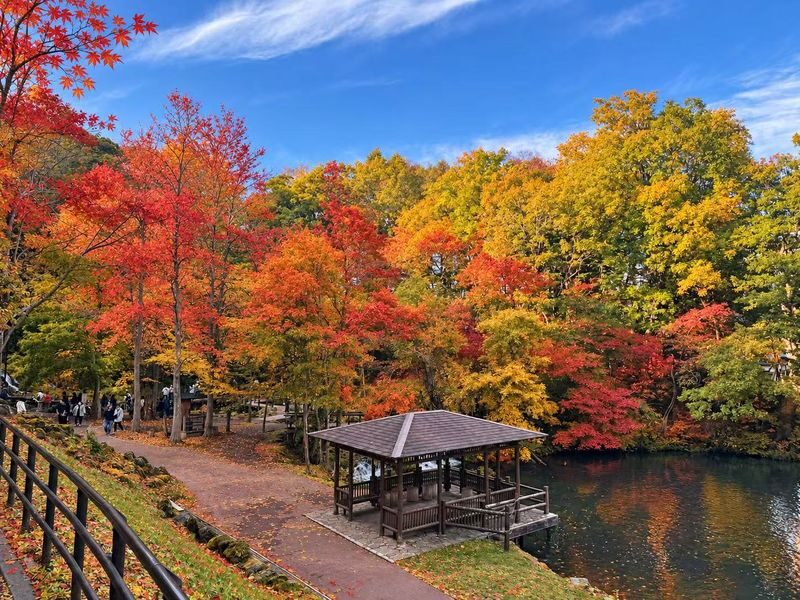
Lake Toya’s observation deck offers a broad view across the water and the volcanic surroundings. After the busier stops, it can feel like a quieter pause, with space to take in the shape of the lake and the scale of the area. On a clear day, it is a satisfying way to connect the region’s water, mountains and volcanic features.
The view is, again, at the mercy of the weather. Rain and mist have obscured the lake for some groups, so do not expect a postcard scene in every season or forecast. Even with low visibility, the stop gives the route a change of pace, but it is less rewarding when the outlook disappears.
Some versions of the day also include Kyogoku Fukidashi Park, a spring-water stop. You can drink the water or bring a bottle to fill, and the guide may remind you to pack one. A local potato pudding has also been recommended as a snack. It is a simple stop, but a refreshing contrast to the more dramatic volcanic sights.


A guide makes the long route easier
The stops are spread across a wide area, and getting between them by public transport can be difficult. That is the tour’s central value: one day’s transport links Noboribetsu, the coast, Showa Shinzan and Lake Toya without asking you to plan a chain of connections yourself.
Guides named in accounts of the tour include Joe, Catherine, Michelle, Kevin and Brian. The guide assigned to your date may differ, but several have led tours in multiple languages, including English, Japanese, Mandarin and Cantonese. Some have also explained the next stop before arrival, taken photos for people and given clear reminders about where and when to meet.
The driver matters just as much on a long road day. Safe, steady driving has been singled out as an important part of the experience, especially when rain makes the roads and outdoor stops less comfortable. The tour’s 4.9 out of 5 rating from 174 activity ratings, along with the operator’s 98 percent good review rate across 476 reviews, suggests consistent satisfaction, though it cannot guarantee your weather or guide.
Pace, price and who gets the most from it
At prices from $44.20, this tour can be good value if you want to cover several far-flung sights in one day. The fare is only part of the calculation: check whether your chosen option includes lunch, and set aside extra money for optional attractions such as the ropeway or bear feeding. The scallop meal can make the day simpler and, based on the food descriptions, may be worth choosing if you enjoy seafood.
The pace is full but has been described as manageable, with time at each stop to explore and take photos. Still, this is not the right format if you want to spend hours at Hell Valley or choose your own lunch stop. A group tour works by keeping everyone moving; the guide’s timing is what makes so many locations possible.
I would recommend it most to non-drivers, first-time visitors to this part of Hokkaido and anyone who wants to see volcanic sites and Lake Toya without working out the transport. It also suits people who value explanations and language support. If you have already visited the main stops, want a slow day or are traveling mainly for perfect coastal views, a more flexible plan may suit you better.
Should you book the Noboribetsu and Cape Chikyu day trip?
Book it if you want a practical way to connect Hell Valley, Cape Chikyu and the Lake Toya area in one day, and you are comfortable with a set schedule. The multilingual guide support, optional scallop lunch and mix of geothermal, coastal and lake scenery make the price more appealing than a bus ride alone.
Think twice if you dislike long days outdoors or would be disappointed by fog at the viewpoints. If you go, pack a rain layer, bring a refillable water bottle for Kyogoku if that stop is on your route, and keep some cash available for optional costs. The weather may decide how dramatic the views are, but the tour still solves the hardest part: getting between widely spaced sights.
Noboribetsu Hell Valley & Cape Chikyu Day Trip
“Thank you to Joe for making this day trip sensational and memorable! He is fluent in multiple languages and is able to communicate well. Also, he i…”
FAQ
How much does the tour cost?
The listed starting price is $44.20. The final price may depend on the package option you choose.
Can I book the tour for tomorrow?
The activity information says you can book now for tomorrow. Availability may depend on the date you select.
Is confirmation immediate?
Yes. The activity offers instant confirmation.
Can I cancel for a refund?
You can receive a full refund if you cancel at least 24 hours before the activity date, using the destination’s local time.
Is lunch included?
Some meal options include a scallop set lunch. Check the details of your selected package before booking.
Which sights can the tour visit?
The route described includes Noboribetsu Hell Valley and Cape Chikyu, and may also include the Usuzan Ropeway, Showa Shinzan, Bear Ranch, a Lake Toya viewpoint and Kyogoku Fukidashi Park.
Is the Usuzan Ropeway included in the price?
Tour accounts describe the ropeway as an extra cost. Carry cash if you plan to ride.
What languages may the guide speak?
Guides on the tour have spoken English, Japanese, Mandarin and Cantonese. The languages available may depend on the guide assigned to your date.
Is this tour useful if I do not drive?
Yes. The stops are far apart, and the tour provides transport between them, making it a practical option if you do not want to rely on public transport.