Hokkaido’s pioneering years take shape at Kaitaku no Mura, where 52 historic buildings form four distinct village districts across a broad, 54.2-hectare site. I like the way you can step inside many buildings, not just admire their facades, and see how town, fishing, farming, and mountain communities lived.
I also like the choice to pair the village with the Hokkaido Museum next door, making this a fuller history day rather than a quick photo stop. The trade-off is the distance: this is a large outdoor site, so allow several hours, wear comfortable shoes, and plan for the weather.
The village works best at a leisurely pace. Some paths are rougher in the mountain village area, mosquitoes can be a nuisance in warm weather, and many buildings require you to remove your shoes before entering.
- Fifty-two relocated buildings show architecture from the Meiji through early Showa periods.
- Four village districts represent town life, fishing, farming, and mountain communities.
- A large outdoor site covers 54.2 hectares, so you can spend two to five hours exploring.
- A horse-drawn railway or sleigh runs by season, but costs extra and has limited seating.
- A museum combination ticket includes the Hokkaido Museum’s general exhibition.
- Mobile vouchers need staff handling at the entrance. Do not activate the electronic ticket yourself.
- A living map of Hokkaido’s pioneering era
- What to notice inside the four districts
- Give the site at least half a day
- Horse-drawn rides add atmosphere, not admission
- Admission price and the museum option
- Getting there from central Sapporo
- Hours, closures, and voucher details
- Is Kaitaku no Mura worth booking?
- FAQ
- How much does admission cost?
- What does the set ticket include?
- How long should I plan to spend at the village?
- What are the opening hours?
- Is the village open every day?
- How do I get there by bus?
- Are horse-drawn rides included in admission?
- Do children and seniors pay admission?
- What should I know about using the mobile voucher?
- The Best Of Sapporo!
- More Tickets in Sapporo
- More Tours in Sapporo
- More Tour Reviews in Sapporo
- Not for you? Here's more nearby things to do in Sapporo we have reviewed
A living map of Hokkaido’s pioneering era
 1 / 5
 2 / 5
 3 / 5
 4 / 5
 5 / 5
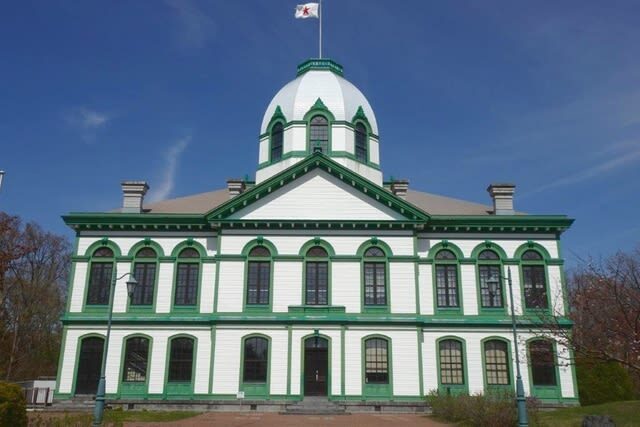
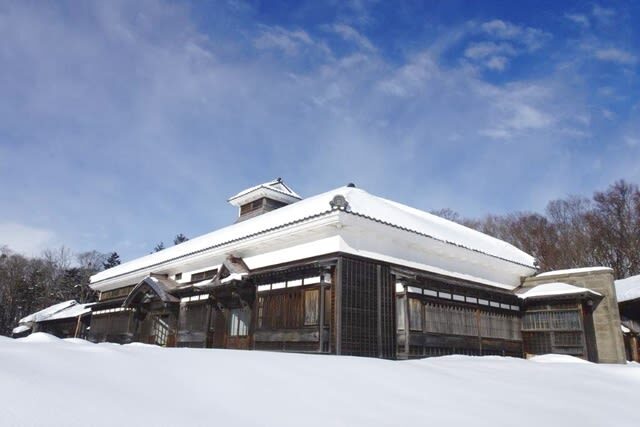
Kaitaku no Mura, also called the Historical Village of Hokkaido, is less a single attraction than a reconstructed slice of the region’s past. Buildings from across Hokkaido were moved here and restored, giving you a chance to compare how people lived in different settings without traveling across the island.
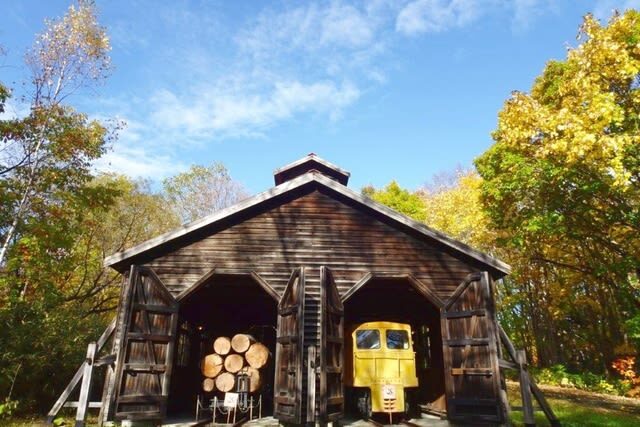
The collection spans the Meiji to early Showa periods. That range matters: Hokkaido’s development brought new settlements, trades, transport, and building styles, and the village lets you see those changes through actual structures rather than a timeline on a wall.
The four districts give your walk a useful shape. Start in the Town Group, where streets and civic buildings evoke a settled community, then move toward the Fishing Village Group, Farming Village Group, and Mountain Village Group. The shift between them helps explain how work and daily life changed with location.
There is no named guide or fixed tour included. You set your own pace, decide which buildings to enter, and can linger over the details that catch your eye. If you like history but prefer to learn by looking around rather than following a group, that freedom is a real advantage.

👉 See our pick of the 10 Best Guided Tours In Sapporo
What to notice inside the four districts
In the town area, look beyond the overall street scene. The arrangement of buildings gives a sense of how a growing community organized public and commercial life. You can move between structures and get a feel for the scale of an older streetscape, rather than seeing each building in isolation.
The Fishing Village Group offers a different perspective. Its place in the layout reminds you that Hokkaido’s story was not only about inland settlement and agriculture. Coastal work shaped communities too, and the buildings help place that part of local life alongside the town and farm settings.
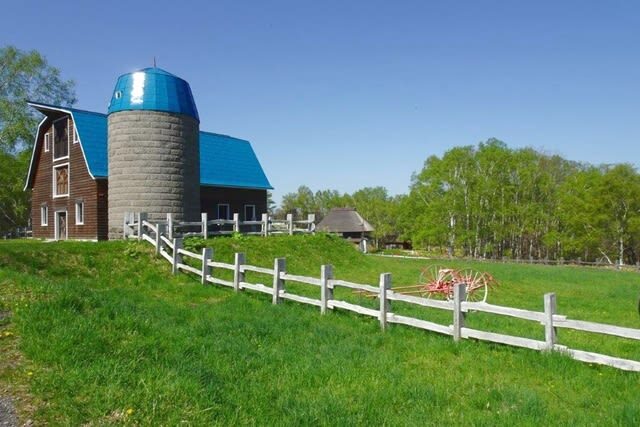
The Farming Village Group shifts attention to rural work and domestic life. The collection includes farm machinery, and seeing equipment in its setting adds practical texture to the visit. Rather than treating the past as a series of dates, you can connect buildings and tools with the routines they supported.
The Mountain Village Group feels more rugged than the other areas. Its paths can be rougher underfoot, so take care if the ground is wet or snow-covered. In summer, mosquitoes may be more noticeable here than elsewhere, making insect repellent a smart addition to your day bag.
Many buildings can be entered, which is one of the site’s strongest features. Interiors make the visit more than an outdoor architecture walk, but there is a small practical catch: you must take off your shoes in many buildings. That can slow your progress, and it may be inconvenient if you have mobility concerns or are wearing footwear that is awkward to remove.
You can also read our reviews of more tours and experiences in Sapporo



Give the site at least half a day
You can see the village in about two to three hours if you keep moving, but that leaves less room for reading displays, entering buildings, or taking breaks. For a relaxed visit, plan around four hours. The grounds are large enough that wandering without a route can add time, and walking from district to district is part of the experience.
The site covers 54.2 hectares, so do not mistake the admission price for a promise of a quick stop. Bring shoes suited to a long walk, and dress for outdoor conditions. The paths are generally easy to walk, though the mountain village has rougher sections.
If you are combining the village with the Hokkaido Museum, budget extra time. The museum is next door, and the set ticket includes its general exhibition. This pairing makes good sense if you want both an open-air look at historic buildings and a museum visit in one outing. Check the ticket option carefully: the basic admission ticket and the set ticket are not the same package.
There are small hands-on activities around the site, and some can be tried without a reservation or extra charge. Their availability may vary, so treat them as a welcome bonus rather than the main reason to visit.
Horse-drawn rides add atmosphere, not admission
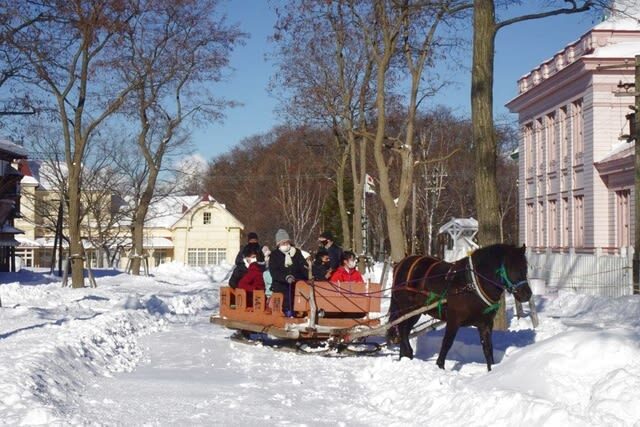
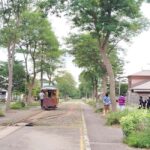
In summer, a horse-drawn railway runs through the village. In winter, the equivalent experience is a horse-drawn sleigh. These rides are not included in the admission ticket, so set aside extra money if you want to try one.
The ride can help you take in the setting without walking every stretch, and it suits the period atmosphere. But seats are limited. If riding is important to you, head over early and ask staff about availability rather than assuming you can board whenever you like.
If you visit in winter, snow changes the feel of the place. White ground and historic buildings make for striking photographs, and the sleigh fits the season. On the other hand, cold weather and snow can make a long walk more demanding, so choose your clothing and footwear with care.
Admission price and the museum option
Admission starts at US$6.35, a modest price for a site with dozens of buildings and enough room for several hours of exploration. The value is strongest if you enjoy architecture, local history, or unhurried outdoor visits. If you only want a quick look at one or two buildings, the size of the grounds may make the trip feel less worthwhile.
Children aged 0 to 15 and visitors aged 65 or older enter free, with identification required to confirm age. High school students also enter free on Saturdays, Children’s Day on May 5, and Culture Day on November 3. Check eligibility before buying a ticket so you do not pay for admission you can receive at no charge.
The set ticket adds admission to the Hokkaido Museum’s general exhibition. That can make the combined visit a stronger value if you want to spend a fuller day with Hokkaido’s past. Confirm that you have selected the set option when booking, since the basic admission package covers only the Historical Village.
Getting there from central Sapporo
The village is at 50-1 Atsubetsucho Onopporo, Atsubetsu-ku, Sapporo. By public transport, take JR Hokkaido Bus Shin22 bound for Kaitaku-no-Mura from either Subway Shin-Sapporo Station or JR Shin-Sapporo Station, then get off at the final stop. You can also board the same bus at JR Shinrin-Koen Station.
By car, the drive from the Sapporo Station area is listed at about 40 minutes via Route 12 toward Ebetsu. Travel times vary with traffic, so allow a buffer rather than building your day around the shortest estimate.
The site is not in central Sapporo, so public transport requires planning and a bus connection. Check the current bus schedule before setting out, especially if you are visiting near opening or closing time. If you drive, confirm your route in advance and leave enough time for the walk around the grounds.
You can also read our reviews of more historical tours in Sapporo



Hours, closures, and voucher details
From May through September, the village is open from 9:00 to 17:00. From October through April, it closes at 16:30. Last admission is 30 minutes before closing, which is too late for a full visit, so arrive earlier if you want to explore more than a few buildings.
The village is closed on Mondays, or on the following weekday when Monday is a holiday or substitute holiday. It also closes for the New Year period from December 29 through January 3. It is open every day from May through September, but seasonal facility closures and weather-related changes are possible. Check the official website before you travel.
Your mobile voucher must be displayed on a smartphone or another internet-connected device. At the entrance, staff need to handle the electronic voucher. Do not press or activate it yourself, since doing so can invalidate the ticket. Save access to your voucher before leaving an area with reliable internet.
Is Kaitaku no Mura worth booking?
Book it if you like historic buildings, regional culture, and walking at your own pace. The mix of four distinct village districts makes the visit more revealing than a row of isolated old houses, and being able to enter many structures gives the architecture a human scale.
Think twice if your Sapporo schedule is very tight, you dislike long walks, or you are visiting on a Monday outside the May-to-September daily opening period. For a strong history day, choose the set ticket and add the Hokkaido Museum. For a shorter stop, focus on the village’s districts and accept that you will not see every building.
Historical Village of Hokkaido “Kaitaku no mura” Admission Ticket
“it was a fun visit! get to see various architecture and nice views. bring insect repellent along though”
FAQ
How much does admission cost?
Admission starts at US$6.35. The price may vary by package, and a set ticket that includes the Hokkaido Museum is also available.
What does the set ticket include?
It includes admission to the Historical Village of Hokkaido and the Hokkaido Museum’s general exhibition.
How long should I plan to spend at the village?
Allow at least two to three hours for a visit. If you want to explore at a slower pace, take breaks, and enter many buildings, plan for four to five hours.
What are the opening hours?
The village is open from 9:00 to 17:00 from May through September, and from 9:00 to 16:30 from October through April. Last admission is 30 minutes before closing.
Is the village open every day?
It is open every day from May through September. It is closed on Mondays, or the following weekday if Monday is a holiday or substitute holiday, and from December 29 through January 3.
How do I get there by bus?
Take JR Hokkaido Bus Shin22 bound for Kaitaku-no-Mura from Subway Shin-Sapporo Station, JR Shin-Sapporo Station, or JR Shinrin-Koen Station. Get off at the final stop.
Are horse-drawn rides included in admission?
No. The summer horse-drawn railway and winter horse-drawn sleigh cost extra.
Do children and seniors pay admission?
Children aged 0 to 15 and seniors aged 65 or older enter free. High school students also enter free on Saturdays, Children’s Day on May 5, and Culture Day on November 3. Bring valid identification to confirm age.
What should I know about using the mobile voucher?
Show the voucher on a smartphone or another device with internet access. Staff must operate the electronic voucher at entry, so do not activate it yourself.