Hiroshima’s Peace Memorial Museum asks you to slow down and face the human cost of the atomic bombing. Miyajima offers a striking change of mood, with Itsukushima Shrine, island paths, shops, and deer. This tour brings both into one demanding but rewarding day.
I like two things in particular: a local guide adds context to the memorial sites, and the island stop gives you time to shift from solemn reflection to a more open-ended wander. Guides named Tom, Hiro, Miki, Azusa, and Tomo have led past groups, though you cannot count on a specific guide.
The main consideration is time. One hour at the museum can feel rushed, especially on a busy day, and the tour’s lunch arrangements may vary. If you want to read every exhibit or explore Miyajima at length, plan a separate visit.
- Two very different stops: Hiroshima’s memorial sites and Miyajima’s shrine share one day, but ask for different kinds of attention.
- Local guides shape the day: Guides including Hiro, Tom, Miki, and Azusa have been praised for warmth, clear directions, historical context, and humor.
- Museum time is limited: One hour may not be enough to see the entire collection, particularly when the museum is busy.
- Miyajima gives you room to roam: Use free time for shrine views, island food, shopping, and a look at the deer.
- Lunch is not a safe assumption: Some tours have included a meal after a change in arrangements, while another account says lunch was not included.
- From $85.99: The price can make sense if you value transport and a guide, but compare it with the time you want at each stop.
- One day, two sides of Hiroshima
- At the Peace Memorial Museum
- A guide makes the memorial sites easier to understand
- Miyajima: shrine, views, and a slower pace
- What the schedule means for your day
- Price, meals, and useful planning
- Who should book this Hiroshima and Miyajima tour?
- FAQ
- How long is the tour?
- Which places does the tour visit?
- How much does the tour cost?
- Is the tour conducted in English?
- Is lunch included?
- How much time is spent at the Peace Memorial Museum?
- Can I book the tour for tomorrow?
- Is confirmation immediate?
- Can I cancel for a refund?
- What happens if the operator cancels the tour?
- The Best Of Hiroshima!
- More Museum Experiences in Hiroshima
- More Tours in Hiroshima
- More Tour Reviews in Hiroshima
- Not for you? Here's more nearby things to do in Hiroshima we have reviewed
One day, two sides of Hiroshima
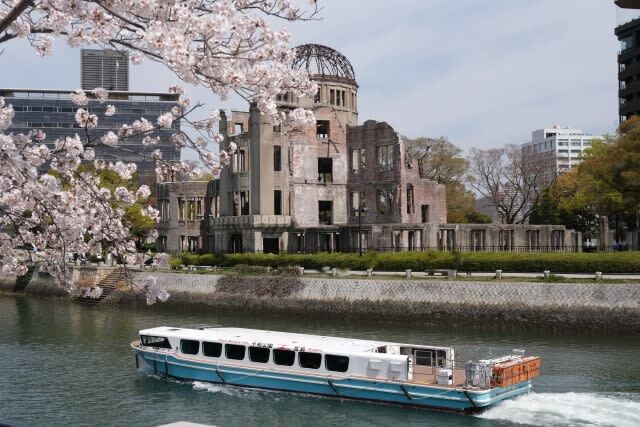
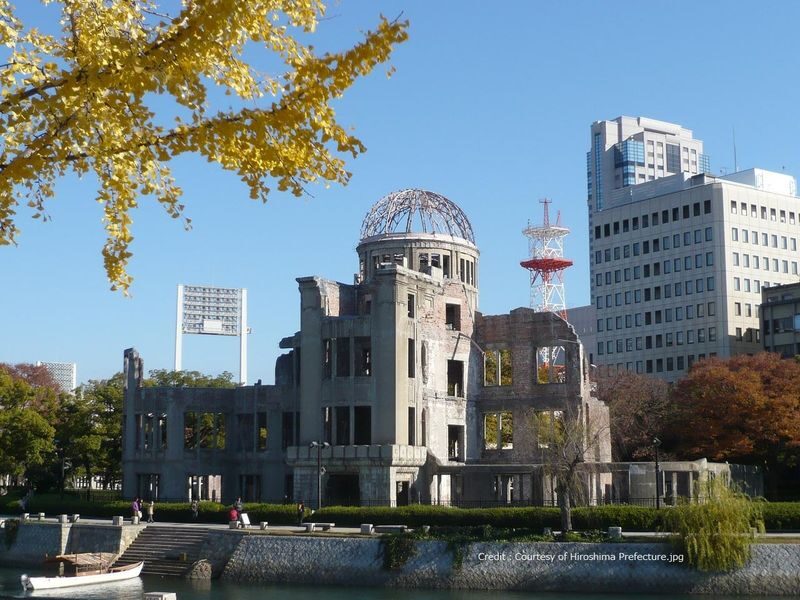
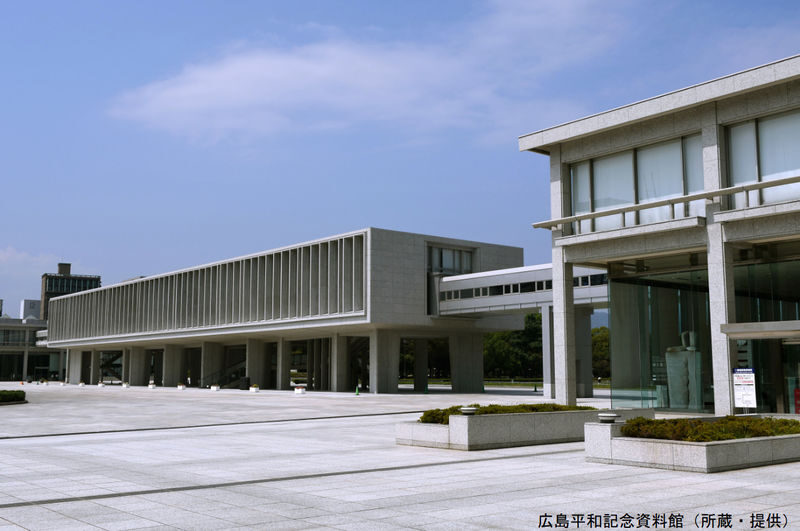
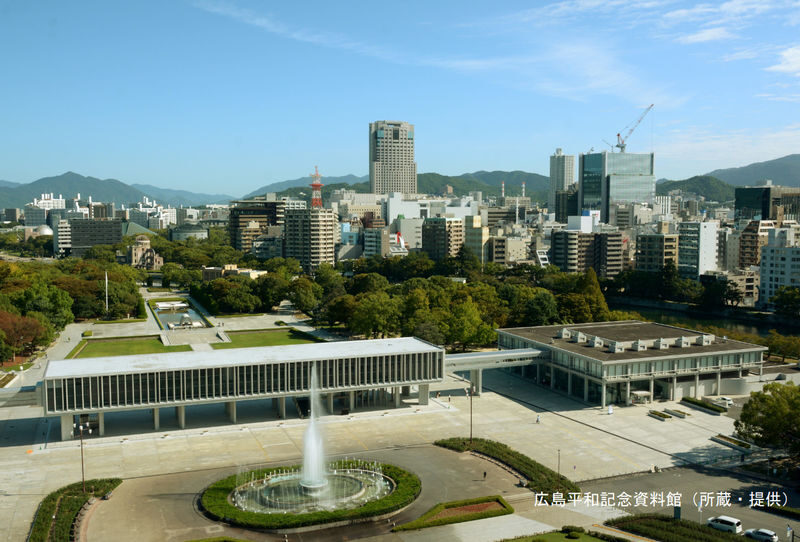
This tour links two memorable places: the Hiroshima Peace Memorial Museum and Miyajima’s Itsukushima Shrine. The first asks you to consider the consequences of war. The second gives you a scenic island setting and a chance to explore at your own pace.
That contrast is a strength. Hiroshima is more than a single chapter of tragedy, and the day offers a glimpse of the city’s memorial life alongside one of the region’s best-known island sights. But it is a packed pairing. You will need to keep an eye on the schedule and accept that neither stop gets the time it would on a dedicated visit.
The experience is listed as a one-day bus tour and costs from $85.99. That starting price is best judged against what you value: a guide to connect the sites, a planned day, and the ease of covering both destinations without building the route yourself. Details such as meal inclusion can differ, so confirm what applies to your selected package before you book.

👉 See our pick of the 3 Best Workshops And Classes In Hiroshima
At the Peace Memorial Museum
The museum is the emotional center of the day. Its exhibits tell the story of the atomic bombing and its human impact. This is not a stop to race through with your camera. Give yourself space to read, pause, and take in what is presented.
The schedule is the key trade-off. One account describes an hour inside the museum, which was enough to see only part of it. On busy days, crowds can slow your progress further. If the museum is your main reason for coming to Hiroshima, a self-planned visit or a return visit may suit you better.
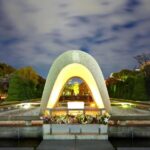
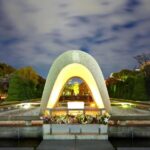
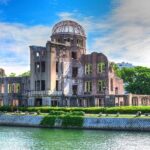
A guided introduction can still make a short visit more meaningful. Guides have shared context around the Atomic Dome and memorials in the area, and some have offered small gestures of remembrance, such as paper cranes. The guide’s role is not to replace your time in the exhibits, but to help connect the sites and give you a clearer sense of their place in Hiroshima.
The subject matter is heavy. Bring tissues if you are sensitive to emotionally difficult material, and do not feel obliged to rush straight into the next activity. The tour’s schedule may not leave much time for a long pause, so be prepared for a quick transition after the museum.
You can also read our reviews of more museum experiences in Hiroshima


A guide makes the memorial sites easier to understand
The strongest part of a guided visit is often the explanation between stops. Guides such as Hiro, Tom, Azusa, and Miki have been described as warm, attentive, and engaging. Tomo and his supervisor Taka have also been praised for combining cultural information with humor and practical help.
That personal touch matters in a place where facts alone can feel stark. A guide can point out the significance of monuments, offer historical context, and help you understand what you are seeing before you enter the museum. One guide also shared personal anecdotes on the return journey, a reminder that local perspectives can add a human dimension to a day built around history.
The tour has been described as English-language, but clarity can vary by guide. One visitor found a guide’s speech too fast and difficult to follow, while other accounts praised guides for clear explanations. If English-language commentary is essential to you, keep in mind that individual speaking style and accent may affect how much you catch.
Group size may also vary. One family had a group of eight, which allowed for a more intimate feel, but that is not a guaranteed maximum. The structure seems to balance guided moments with some independent time, so you get direction without having every minute narrated.
Miyajima: shrine, views, and a slower pace
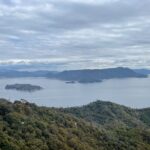
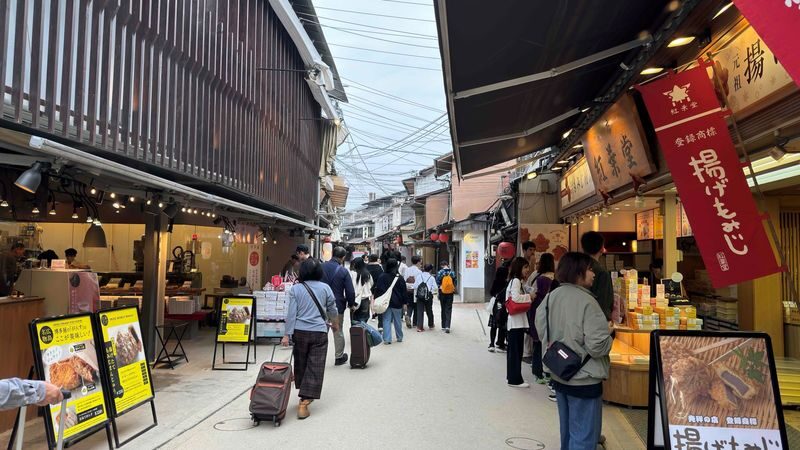
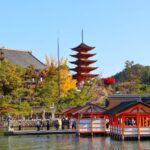
Miyajima provides a welcome change after the museum. Itsukushima Shrine is large and spread across a broad area, so allow time to walk around rather than expecting one quick look. The island also has shops and food options, giving you a practical chance to eat and browse between the main sights.
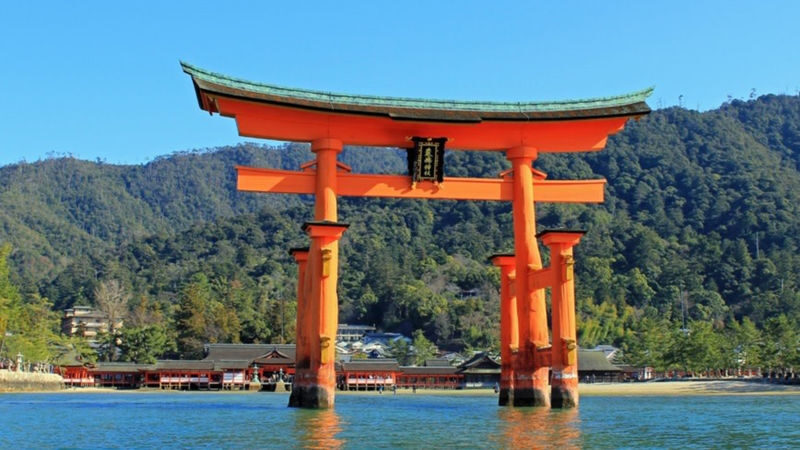
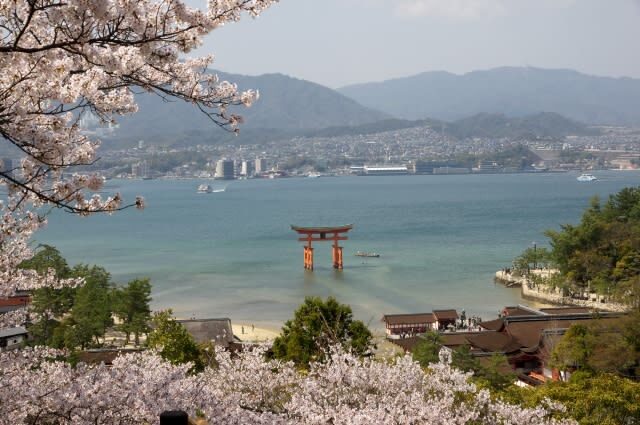
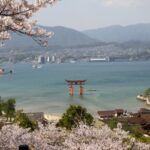
The famous torii gate is part of the island’s appeal, but the view can change with the tide. At low tide, you may not get the familiar water-framed scene many people picture. That does not make the visit a waste, but it is worth keeping expectations flexible. The tour details do not promise a specific tide, so treat the gate view as a possibility rather than a guarantee.
Miyajima’s deer are another part of the experience. They can seem friendly, but they may approach if you have food, so keep snacks close and do not assume every encounter will be calm. For a taste of the island, maple-leaf-shaped snacks are a popular choice, and the island’s food stalls and shops make free time useful even if you do not plan a long hike or extended stay.
The island deserves more time than a tight day trip can provide. If you want to explore beyond the shrine and central shopping area, consider staying longer or returning on another day. The tour is a good introduction, not a full account of everything Miyajima has to offer.
What the schedule means for your day
The tour’s value lies partly in putting both major stops into one organized outing. You do not need to piece together every transfer yourself, and a guide can keep the day moving while offering context. That convenience is especially useful if your time in Hiroshima is short.
The trade-off is control. A group schedule cannot adapt to your pace at every stop. The museum may deserve more time than the tour allows, while you may want to linger on Miyajima longer than the day permits. This is the cost of fitting two substantial experiences into one outing.
The tour has earned a 4.6 out of 5 rating from 18 ratings. That is a strong score, and the most consistent praise is for the guides, organization, and combination of meaningful history with island time. Still, one low rating points to the same practical concern that matters most: if you prefer to set your own pace, you may be better off planning the day independently.
Price, meals, and useful planning
At $85.99 and up, the tour can be good value if it includes the arrangements you would otherwise need to organize and if you want a guide’s perspective. The value is less clear if you would rather spend several hours at the museum or explore Miyajima without a fixed timetable.
Do not assume lunch is included. Some groups have received lunch after a change in arrangements, including a Japanese pancake, while another account explicitly notes that lunch was not part of the day. Check the exact package details when booking and be ready to buy food on the island if needed.
Bring water, especially for a long day with walking and a busy museum. Give yourself emotional breathing room before the museum, and wear comfortable shoes for moving around the memorial area and shrine grounds. The island has food and shopping, but free time is limited by the group schedule.
Booking is available as soon as tomorrow, with instant confirmation. You can cancel for a full refund if you cancel at least 24 hours before the activity date, using Hiroshima local time. The operator may cancel in unforeseen events or extreme weather, in which case you can request a full refund.



Who should book this Hiroshima and Miyajima tour?
Book it if you have one day, want a guide to explain Hiroshima’s memorial sites, and like the idea of pairing a serious museum visit with a scenic island stop. It is especially useful if you prefer a planned route and value having a local guide to help orient you.
Think twice if you want to read every museum exhibit, spend a long time at the shrine, or have complete control over meal and transit plans. In that case, split the visits across two days or build your own itinerary.
For most visitors with limited time, the tour offers a thoughtful first look at both places. Just go in knowing the museum can feel short, lunch may be extra, and Miyajima is worth more time than a single stop can give.
Hiroshima Peace Memorial Museum & Miyajima Itsukushima Shrine One-day Bus Tour
“our tour guide was incredible and it was such a great experience. she was very informative and so sweet. Thank you for such a great time.”
FAQ
How long is the tour?
It is described as a one-day tour. The exact start and finish times are not provided in the available details.
Which places does the tour visit?
The tour includes the Hiroshima Peace Memorial Museum and Miyajima’s Itsukushima Shrine. The Hiroshima memorial area and Atomic Dome are also discussed as part of the guided visit.
How much does the tour cost?
Prices start at $85.99. The final price may depend on the package and booking details.
Is the tour conducted in English?
A participant described the tour as being in English. Individual guides’ speaking styles may vary.
Is lunch included?
Do not assume lunch is included. Some groups received lunch after a change in arrangements, while another account says lunch was not included.
How much time is spent at the Peace Memorial Museum?
One account describes an hour at the museum. That may not be enough to see the full collection, especially on a busy day.
Can I book the tour for tomorrow?
The activity is listed as available to book for tomorrow, subject to availability.
Is confirmation immediate?
The activity offers instant confirmation.
Can I cancel for a refund?
You can receive a full refund if you cancel at least 24 hours before the activity date, using destination local time.
What happens if the operator cancels the tour?
The operator may cancel in unforeseen events or extreme weather. If that happens, you can request a full refund.