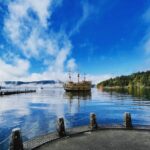
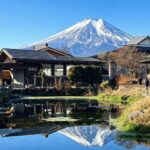
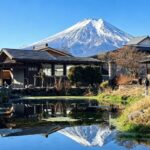
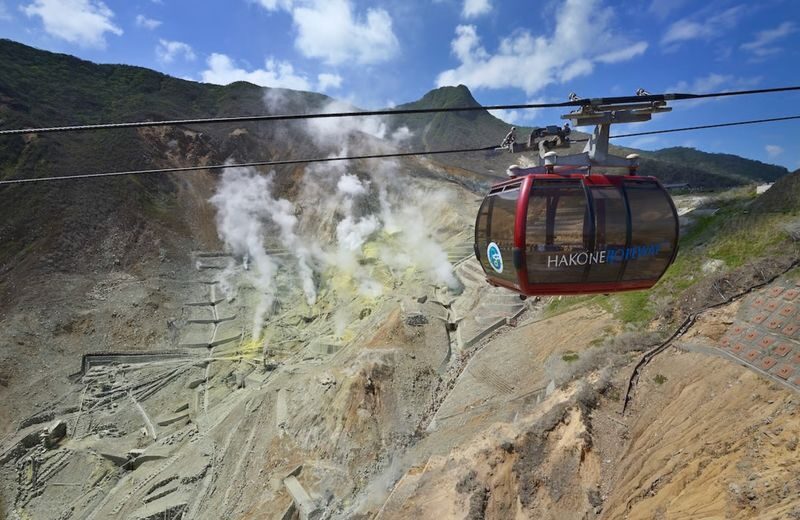
Owakudani is the star of this ride: a steep volcanic valley where steam rises from the mountainside and gives the area its old nickname, Hell Valley. I like that the ropeway makes this dramatic terrain easy to see, and that you can break the journey at Owakudani rather than just pass over it.
I also like the useful connections at both ends: Sounzan links with the Hakone Tozan Cable Car, while Togendai connects with the Lake Ashi sightseeing cruise and local buses. The main catch is that this ticket covers the ropeway only, so you’ll need separate tickets or a suitable pass for the rest of your route.
- Key points to know before you ride
- Why this ride belongs in a Hakone day
- From Sounzan to Owakudani: the volcanic section
- Owakudani to Togendai: toward Lake Ashi and Mount Fuji
- One way or round trip?
- What the ticket includes, and what it doesn’t
- Timing, weather, and service changes
- Who will get the most from it?
- Should you book the Hakone Ropeway ticket?
- FAQ
- What does the Hakone Ropeway ticket include?
- Which stations does the ropeway serve?
- How long does the ropeway ride take?
- Can I see Mount Fuji from the ropeway?
- What are the opening hours?
- Can I use the one-way ticket in either direction?
- Is the round-trip ticket valid for more than one day?
- What happens if the ropeway is suspended?
- The Best Of Hakone!
- More Tickets in Hakone
- More Tours in Hakone
- More Tour Reviews in Hakone
- Not for you? Here's more nearby things to do in Hakone we have reviewed
Key points to know before you ride
 1 / 5
 2 / 5
 3 / 5
 4 / 5
 5 / 5
- The volcanic view is the highlight: Owakudani’s steaming slopes are the most distinctive part of the route.
- Mount Fuji is a bonus, not a promise: You may see it toward Togendai on a clear day, but clouds can block the view.
- Four stations let you shape the trip: Ride between Sounzan, Owakudani, Ubako, and Togendai, getting off at any station.
- The ticket is for the ropeway only: It does not include the cable car, train, sightseeing cruise, or personal expenses.
- Online QR tickets can save a stop at the ticket counter: Keep the voucher ready, but do not activate it until you are ready to use it.
- Check operating status before setting out: Weather, maintenance, and scheduled closures can affect service.

👉 See our pick of the 3 Best Spa And Hot Springs Experiences In Hakone
Why this ride belongs in a Hakone day
Hakone is a place where the journey is part of the sightseeing. The ropeway lifts you above rugged mountain slopes, across the steaming Owakudani valley, then toward Lake Ashi. Instead of watching the scenery pass through a train window, you get a broad view down into the valley and out across the surrounding mountains.
The ride is useful as transport, too. Sounzan is on the Gora side of the route, and Togendai sits by Lake Ashi, where you can transfer to a sightseeing cruise or buses. That makes the ropeway a practical link in a Hakone circuit, not just a stand-alone attraction.
I’d plan around the views, but I would not build a tight schedule around seeing Mount Fuji. The mountain is visible only when conditions cooperate. Owakudani’s volcanic steam and steep terrain give the ride plenty of character even if Fuji is hidden.
You can also read our reviews of more tours and experiences in Hakone

From Sounzan to Owakudani: the volcanic section
Sounzan Station is the starting point if you’re coming from Gora. It connects directly to the Hakone Tozan Cable Car, which is handy if the ropeway is one leg of a longer route. But the connection does not mean your ropeway ticket covers the cable car. Check your transport tickets before you board, especially if you’re piecing together several separate purchases.
As the gondola leaves Sounzan, the route crosses a deep valley. The view changes quickly from mountain slopes to the stark, steaming terrain around Owakudani. This is where the ropeway feels most unusual: you’re looking down on active volcanic features rather than simply riding from one town to another.
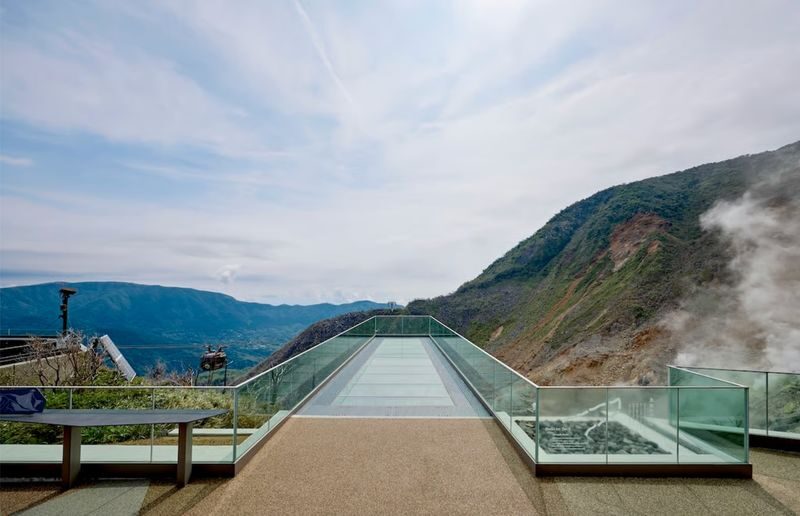
Owakudani Station is the natural place to pause. You can get off at any station along the route, and Owakudani is the key stop for viewing the valley from the observatory. The exposed, rugged setting is a striking contrast to the calm lake at the other end of the line. Allow time to look around, particularly if the volcanic scenery is the main reason you chose the ride.
The station also serves as the transfer point between the Sounzan and Togendai directions. The platforms are separate, so pay attention to signs if you’re changing gondolas. The ride between each pair of the four stations takes about 10 minutes, though crowds can affect timing.
Owakudani to Togendai: toward Lake Ashi and Mount Fuji
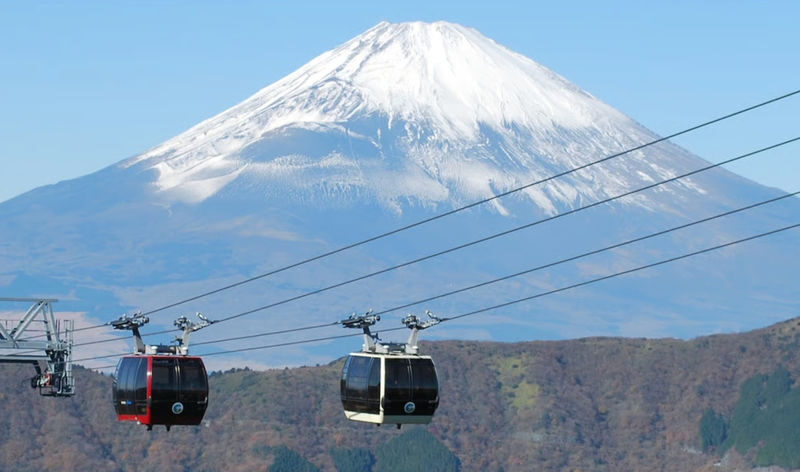
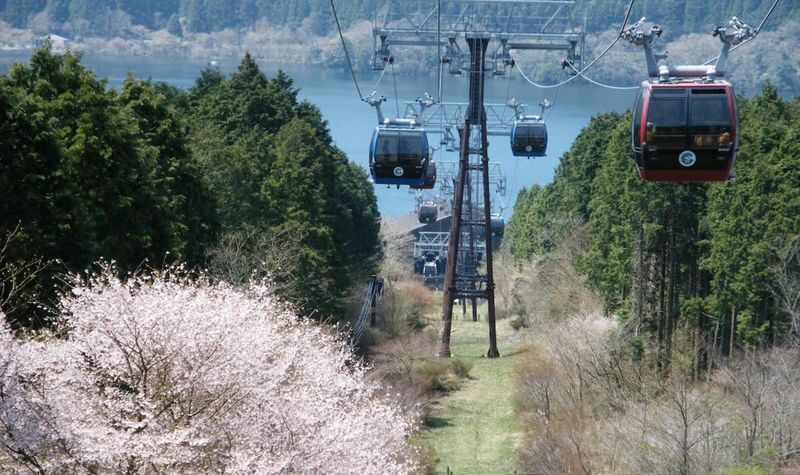
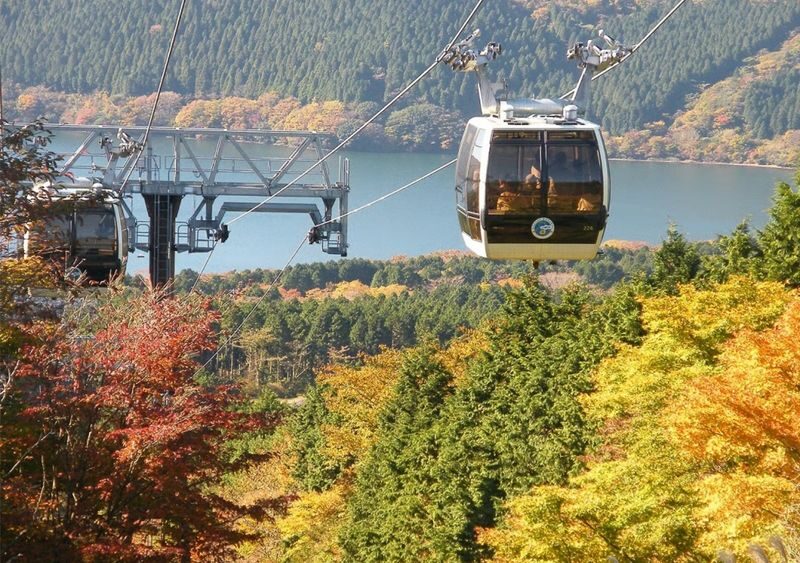
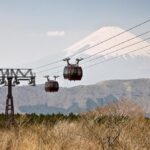
From Owakudani, the ropeway continues toward Ubako and Togendai. The views open toward Lake Ashi, and on a clear day you may be able to pick out Mount Fuji. Keep your expectations flexible: cloud cover can hide the mountain, even when the ride is still scenic.
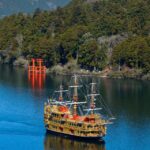
Ubako is another station where you can get off, though Owakudani is the more notable stop for the volcanic view. Togendai is the practical endpoint for many visitors. It connects with the Hakone Sightseeing Cruise, often called the Pirate Ship, as well as the Odakyu Highway Bus and Hakone Tozan Bus.
That connection makes the ropeway particularly useful if you’re planning to continue around the lake. Just remember that the cruise and buses are separate services, and this ticket does not cover them. A common planning mistake is to buy the ropeway ticket expecting it to cover all the connecting transport. It doesn’t include the cable car or train either. If you want an all-in-one transport option, compare the exact coverage of a Hakone pass before buying separate tickets.
One way or round trip?
The one-way ticket comes in two directions: toward Togendai or toward Sounzan. Choose the direction that matches your route. The Togendai-bound option runs from Sounzan toward the lake, while the Sounzan-bound option takes you the other way. The one-way ticket is valid only in the direction selected, and it must be used on the day you activate it, before operating hours end.
The round-trip ticket is listed as valid for two days. That gives you more room to break up the route or make a return journey without squeezing everything into one day. It may suit you if you want to spend time at Owakudani, continue to Togendai, and then ride back. Check the exact package details when booking so you know which ticket you’re selecting.
If you buy several tickets in one transaction, they are activated together and must be used by the same group. You can’t split them for separate outings. If people in your party need to use tickets at different times, make separate purchases.
What the ticket includes, and what it doesn’t
The listed price starts at $12.65, with the final cost depending on the option you choose. For a one-way ride, I’d judge the value by how well it fits into your route. You’re paying for an elevated view across a volcanic valley and a direct link between the Gora side and Lake Ashi. If you planned to travel this way anyway, the ticket can do two jobs: transport and sightseeing.
The value is less clear if you need several other transport connections. This ticket is not a Hakone-wide pass. It excludes personal expenses and does not cover the connecting cable car, train, sightseeing cruise, or buses. Compare the price and coverage of the separate rides you need before deciding whether individual tickets or a broader transport option makes more sense.
Online booking can save time at the ticket counter. You show the QR code at the gate, and the gondolas run about every minute. That does not guarantee there will be no wait to board, especially when the line is busy. On crowded return trips, you may have to wait for a gondola, and groups might not all sit together.
One important phone tip: open the voucher and find the QR code, but don’t swipe or activate the ticket until you’re ready to use it. The activation step can make the ticket unusable if triggered by mistake. It’s also sensible to have the voucher available before reaching the gate. If your phone has network trouble, allow a little extra time rather than arriving at the last minute.



Timing, weather, and service changes
The ropeway generally operates from 9:00 a.m. to 4:45 p.m. from February through November, with Owakudani Station listed until 5:00 p.m. From December through January, all stations operate from 9:00 a.m. to 4:15 p.m. These hours can change, so check the latest operating information before your visit.
A full ride across the line takes roughly 30 minutes, based on about 10 minutes between each of the four stations. That is the ride itself, not the time needed for a stop, a queue, or onward transport. Give yourself extra room if you plan to explore Owakudani or connect to the cruise at Togendai. Going early can also help you avoid the heavier crowds, but don’t cut it close to closing time.
Bad weather and maintenance can suspend service. Scheduled work may close one section while the other remains open, with substitute buses serving the affected stretch. For the listed maintenance periods, Sounzan to Owakudani is scheduled to close from December 8 to 19, 2025, and January 13 to 30, 2026. Owakudani to Ubako to Togendai is scheduled to close from January 31 to February 20, 2026. Dates and arrangements can change, so confirm before travelling.
Substitute buses are expected to run about every 15 minutes. The Sounzan to Owakudani trip takes around 10 minutes, and the Owakudani to Togendai section takes around 15 minutes. Passengers with a Hakone Freepass or other eligible transport ticket can use the substitute bus. If you don’t have a valid ticket for it, the guidance is to use the regular Izu Hakone Bus service.
Clouds can also change what you see without stopping the ropeway from running. Mount Fuji may disappear from view, and wet weather can reduce visibility across the route. The ride may still be worthwhile for the volcanic valley, but if a Fuji view is your main goal, treat it as a possibility rather than a guarantee.
Who will get the most from it?
This is a good fit if you want an easy way to see Owakudani from above and you’re already travelling between Gora and Lake Ashi. It also suits people who enjoy transport that doubles as sightseeing, and anyone planning to stop at Owakudani before continuing on the ropeway.
It may be less appealing if you’re short on time, need a ticket that covers the whole Hakone route, or are visiting mainly to see Mount Fuji. The gondola ride is straightforward, but the full circuit involves connections and can take longer than the ride time alone. Build in room for queues and transfers.
There is no named guide or guided commentary included in the activity details. You’re buying a transport ticket and setting your own pace, within the operating hours and the ticket’s direction and validity rules.
Should you book the Hakone Ropeway ticket?
Book it if the ropeway fits your route and you want a close view of Owakudani’s steaming valley. The ride is especially worthwhile when you can combine it with a stop at Owakudani and a onward connection at Togendai. Pick the one-way direction that matches your plans, or choose the two-day round trip if you want the return flexibility.
Pause before buying if you expect one ticket to cover the cable car, train, cruise, and buses. It won’t. Check your transport plan, confirm the service is operating, and keep the QR voucher safe until you’re ready to activate it. With those details sorted, this is a practical, memorable way to see a striking part of Hakone.
Hakone Ropeway One-Way / Round-Trip Ticket
“Amazing view Service: Good Amenities: Complete, delicious food”
FAQ
What does the Hakone Ropeway ticket include?
It includes a one-way ropeway ticket in the direction selected at purchase, or a round-trip ticket if that option is selected. It does not include personal expenses or connecting transport such as the cable car, train, or sightseeing cruise.
Which stations does the ropeway serve?
The four stations are Sounzan, Owakudani, Ubako, and Togendai. You can get off at any station along the route.
How long does the ropeway ride take?
Travel between each pair of stations takes about 10 minutes. Riding the full line takes roughly 30 minutes, though congestion can affect timing.
Can I see Mount Fuji from the ropeway?
You may see Mount Fuji on a clear day, particularly on the section toward Togendai. Visibility depends on the weather, so a view of Fuji is not guaranteed.
What are the opening hours?
From February through November, service is listed from 9:00 a.m. to 4:45 p.m., with Owakudani Station open until 5:00 p.m. From December through January, all stations are listed from 9:00 a.m. to 4:15 p.m. Hours can change, so check before your visit.
Can I use the one-way ticket in either direction?
No. You must select the direction when you buy it, and the one-way ticket is valid only in that direction. It can be used from activation until the end of operating hours on the same day.
Is the round-trip ticket valid for more than one day?
Yes. The round-trip option is listed as valid for two days. Check the package details when booking to confirm that you have selected this option.
What happens if the ropeway is suspended?
Service may stop due to severe weather or other reasons, and substitute buses may operate on affected sections. If the ropeway is suspended before your ticket is used, a full refund is listed; if service stops midway after partial use, a 50 percent refund is listed.