Japan’s first open-air museum sets sculpture among lawns, trees, and Hakone’s mountain scenery. You can move between outdoor installations and indoor galleries at your own pace, with works by Picasso, Henry Moore, Taro Okamoto, and Yasuo Mizui along the way.
I like the mix of monumental outdoor sculpture and indoor art: the setting makes the visit feel more like a walk than a conventional gallery outing. I also like the practical extras, especially the Picasso exhibition, children’s climbing net, and foot bath.
The main catch is the weather. Much of the visit is outdoors, and the grounds include steep paths, so rain, strong sun, or limited mobility can change how comfortable the outing feels.
- At a glance
- A museum that works as a walk
- Start with the outdoor sculptures
- Make time for the Picasso exhibition
- Let children climb, look, and reset
- Pause at the foot bath
- Food, coffee, and a shop stop
- Getting there and planning your visit
- Is the Klook ticket worth it?
- Who should book this visit?
- FAQ
- How long should I plan for the Hakone Open-Air Museum?
- Where is the museum?
- What is the closest train station?
- What does the admission ticket include?
- How do I use the mobile ticket?
- Is the ticket valid on any date?
- Should I check the opening hours before visiting?
- What happens if the weather is bad?
- Can I take photos inside the exhibition rooms?
- The Best Of Hakone!
- More Tickets in Hakone
- More Tours in Hakone
- More Tour Reviews in Hakone
- Not for you? Here's more nearby things to do in Hakone we have reviewed
At a glance
 1 / 6
 2 / 6
 3 / 6
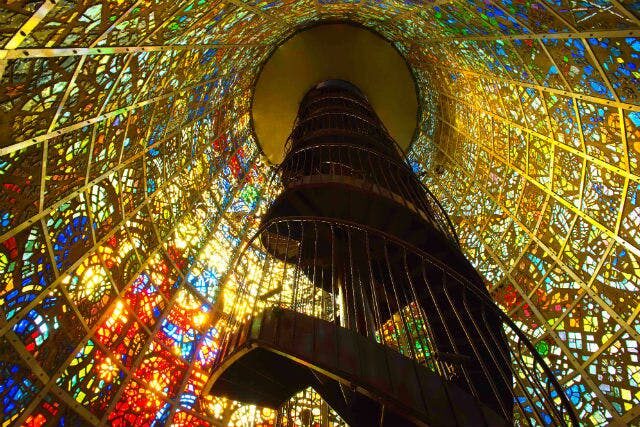 4 / 6
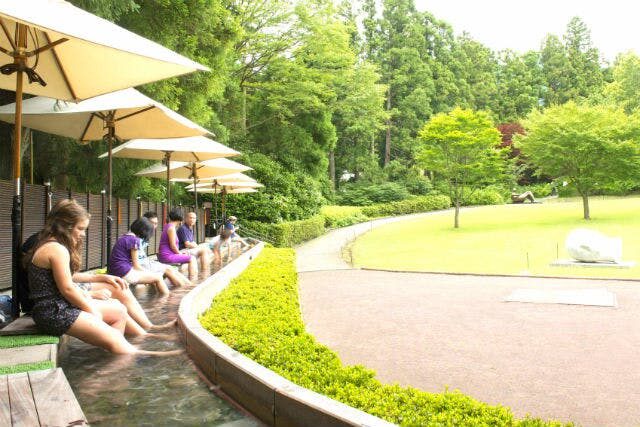 5 / 6
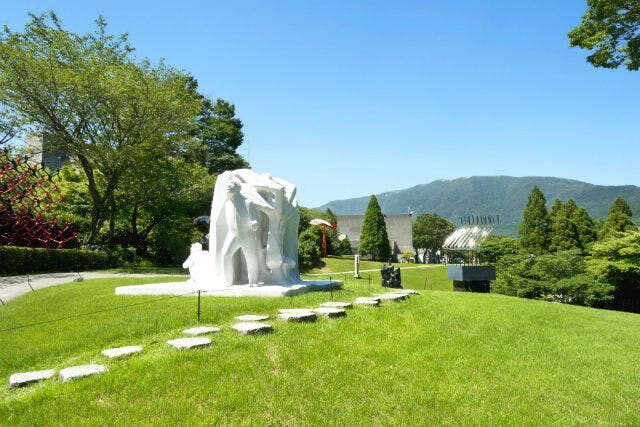 6 / 6
- Sculpture among the mountains: Art is spread through outdoor grounds rather than confined to one building.
- Picasso indoors: A dedicated exhibition space adds a substantial gallery stop to the garden walk.
- A good family break: The climbing net gives children a chance to play between art stops.
- A foot bath on site: Bring a little time to pause and soak your feet.
- Allow two to three hours: The grounds are larger than a quick stop, and you may want longer if you explore at an easy pace.
- Scan your mobile voucher: The QR code is accepted for entry, with no ticket exchange required.

👉 See our pick of the 3 Best Spa And Hot Springs Experiences In Hakone
A museum that works as a walk
At the Hakone Open-Air Museum, the route is part of the experience. Instead of moving from room to room, you stroll through open grounds where sculptures sit among lawns, trees, and mountain views. Japan’s first open-air museum gives modern art room to breathe, and the changing setting can alter how a piece looks from one angle to the next.
That format makes the museum approachable even if you do not know much about sculpture. You can pause, look closely, or simply enjoy the scale and shape of a work against the natural surroundings. Some pieces may feel puzzling, and that is part of the fun: families can trade interpretations rather than search for a single correct answer.
The collection includes names such as Picasso, Henry Moore, Taro Okamoto, and Yasuo Mizui. The range helps keep the visit varied, but this is still a modern art museum. If you prefer familiar subjects or explanatory labels at every stop, some works may not speak to you. If you like open-ended looking, the outdoor setting gives you plenty to consider.
You can also read our reviews of more tours and experiences in Hakone

Start with the outdoor sculptures
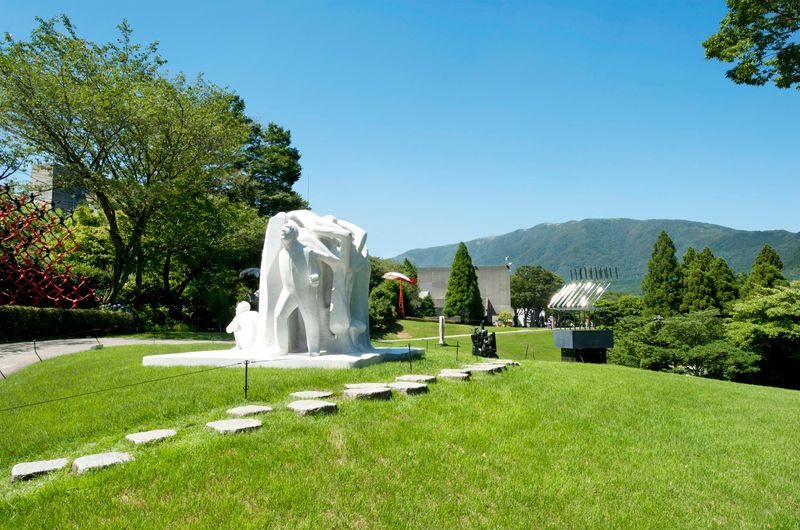
The outdoor grounds are the heart of the visit. Sculptures are spread through a large park-like area, so expect a walk rather than a short dash between exhibits. The pieces vary in size and style, from works that command attention from a distance to details worth inspecting up close.
The placement among greenery and mountain scenery is a large part of the appeal. You are not simply seeing an artwork against a white wall. You can notice how a sculpture relates to a lawn, a tree, or the slope around it. That makes the visit especially rewarding for anyone who enjoys photography, though your best pictures will depend on the weather and light.
It is worth taking your time outdoors, but do not assume the paths are flat throughout. The grounds include steep sections, which can make a long walk harder for anyone with limited mobility. There is no need to rush: choose a comfortable pace and take breaks in the indoor areas when you want shelter or a rest.
Make time for the Picasso exhibition
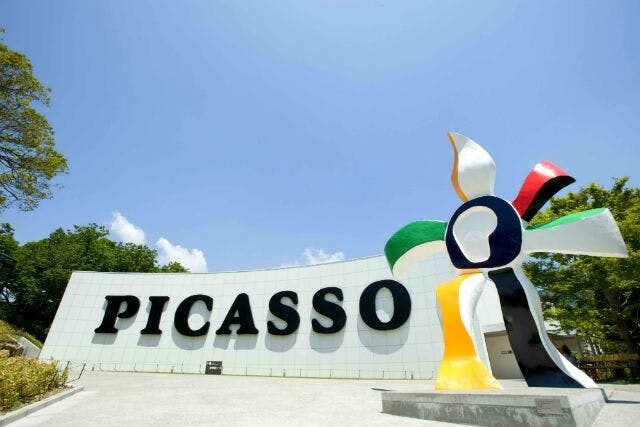
The Picasso exhibition is a useful change of pace from the open grounds. It gives you an indoor stop focused on one major artist, and it helps balance the walk with a more traditional gallery visit. The wider museum also features indoor displays, so you can move between the open-air collection and sheltered exhibits as the day unfolds.
Keep in mind that the museum’s rules are stricter inside the exhibition rooms. Photography and mobile phone use are prohibited there, as is copying or tracing the artworks. That differs from the outdoor areas, where many people come to take pictures, so check the signs before you raise your phone.
If you are planning a visit around a particular display, check the museum’s official website first. Some facilities and activities may close depending on the season, and current details can change.
Let children climb, look, and reset
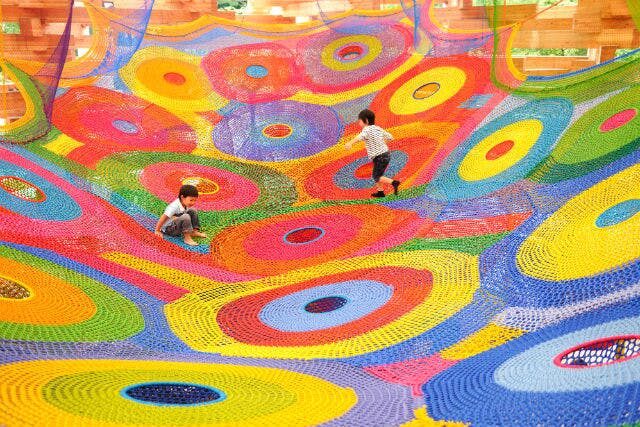
This is one of the easier art museums to make work for a family day. The climbing net gives children an active break from looking at sculptures, and it can hold their interest for a good while. That matters in a large museum: a child who gets a chance to move around is more likely to stay engaged with the rest of the visit.
The art itself can become a shared game. Ask everyone to say what they think a sculpture suggests, or which piece they would choose for a garden of their own. You do not need an art background to enjoy the collection, and the variety gives adults and children room to find different favorites.
The climbing net is an outdoor activity, so weather matters here too. Some facilities may be unavailable in certain seasons. If this is a key part of your family plan, check the latest information before setting out.
Pause at the foot bath
A foot bath offers a distinctly Hakone-style pause during a day of walking. It is a welcome reason to slow down, especially if you have spent time on the museum’s sloping paths. Bring a small towel if you want to be prepared, though the available information does not specify what supplies are provided.
The foot bath is a pleasant extra, not a substitute for the art collection. If sculpture is not your thing, it may be one of the stops you enjoy most, but the museum is still best understood as a combination of art, walking, and rest. Give yourself enough time to enjoy it without turning the visit into a race.
You can also read our reviews of more museum experiences in Hakone



Food, coffee, and a shop stop
There is a café and restaurant on site, along with a gift shop. The restaurant offers a place to sit and take in the view, and the café is handy for a coffee break. These facilities add flexibility to a two- or three-hour visit, especially if you are making the museum one stop in a longer Hakone day.
Food and drink are restricted to designated areas, and eating, drinking, and smoking outside those areas are prohibited. If you want to bring snacks or plan a full meal, check the museum’s current rules and operating details before you arrive.
The gift shop can also make a useful final stop. It is a chance to browse for an art-related souvenir without having to add a separate shopping destination to your day.
Getting there and planning your visit
The museum is at 1121 Ninotaira, Hakone, in Kanagawa Prefecture. By train, it is about a two-minute walk from Chokoku-no-mori Station on the Hakone Tozan Railway. That short station walk makes rail a practical option if you are already using the local train.
Driving is another option. The museum is listed as about 50 minutes from the Atsugi Interchange and about 30 minutes from the Gotemba Interchange. Travel times can vary, so allow room in your day rather than treating those estimates as guarantees.
Plan on two to three hours for a comfortable visit. You can move more quickly, but the broad grounds, indoor galleries, and stops such as the foot bath make it easy to stay longer. If you arrive late in the day, focus on the areas you most want to see rather than trying to cover every corner.
Weather deserves a place in your planning. There is limited shelter across the outdoor areas, and summer sun can make the walk tiring. Bring an umbrella for rain or sun, drink water, and check the forecast. If severe weather develops, the museum may change or stop parts of the experience for safety.
Is the Klook ticket worth it?
Admission starts at $11.39, though the actual price can vary. The ticket covers admission to the attractions and tax; personal expenses, such as food or souvenirs, are not included. Compare the price with any discount available through a Hakone pass or another offer before buying. A pass may change the value calculation if you are using it for other local transport or sights.
The strongest practical advantage is the mobile QR voucher. You can present it at the entrance and scan it for entry, which avoids a separate ticket exchange. Instant confirmation and same-day booking are available, making this handy if you decide to visit while already in Hakone. The voucher is valid only on the date selected, so choose carefully.
This is a good-value admission ticket if its price suits your plans and you want a simple way into the museum. It does not include a guide or transport, so treat it as a self-guided visit and arrange your own journey to Ninotaira. Check opening days and hours on the official site before you go, since seasonal changes or weather can affect what is available.
Who should book this visit?
I would put the Hakone Open-Air Museum high on the list for anyone who enjoys modern sculpture, gardens, or a relaxed walk with art along the way. It also suits families looking for an outing with more variety than a standard gallery, thanks to the climbing net and open space.
It is less ideal if you dislike outdoor attractions, have trouble with steep paths, or are squeezing Hakone into a tight schedule. The museum can be a rewarding part of a wider visit, but you do not need to travel all the way to Hakone solely for it if the collection does not interest you.
Book it if you want an unusual art stop with outdoor sculpture, a Picasso gallery, and a few welcome places to pause. Check the forecast, confirm current opening information, and set aside at least two hours. If the weather looks poor or you are relying on a Hakone pass, compare your options before paying.
Hakone Open-Air Museum Ticket
“Highly recommend it and get your tickets on Klook for easy access allow 2-3 hours the cafe restaurant thats not buffet has good food and great view…”
FAQ
How long should I plan for the Hakone Open-Air Museum?
Allow two to three hours. You may spend longer if you explore the grounds slowly, visit the galleries, or take breaks.
Where is the museum?
It is at 1121 Ninotaira, Hakone, Ashigarashimo District, Kanagawa 250-0493, Japan.
What is the closest train station?
Chokoku-no-mori Station on the Hakone Tozan Railway is about a two-minute walk away.
What does the admission ticket include?
It includes admission to the attractions and tax. Personal expenses are not included.
How do I use the mobile ticket?
Present your mobile voucher at the entrance. The QR code can be scanned for entry, without exchanging it for another ticket.
Is the ticket valid on any date?
No. The voucher is valid only on the date selected, and on the selected time if a time applies.
Should I check the opening hours before visiting?
Yes. Check the museum’s official website for current opening hours and dates before you go.
What happens if the weather is bad?
Inclement weather may lead to changes or cancellation for safety. The museum may also change or stop parts of the experience if weather shifts after it begins.
Can I take photos inside the exhibition rooms?
No. Photography and mobile phone use are prohibited in the exhibition rooms. Touching artworks, copying or tracing them, and commercial photography are also prohibited.