The appeal here is the sheer variety: in one long day from Sendai, you can look into a volcanic crater, ride a mountain ropeway and stroll the old wooden streets of Ginzan Onsen. I like that the bus links places that are awkward to reach on your own, and that lunch is included on Plan C, so you spend less time solving logistics and more time looking around.
I also like the contrast between the stops: high, exposed mountain scenery gives way to the intimate streets of a hot-spring town. The trade-off is a packed schedule, with roughly 40 minutes at Okama and 90 minutes at Ginzan, plus weather-dependent views and possible changes to the route.
- The useful details at a glance
- A long day that solves the Tohoku transport puzzle
- Okama Crater: a view worth checking the forecast for
- Zao Ropeway: a mountain ride with two very different seasons
- Lunch: a useful pause, not just fuel
- Ginzan Onsen: an hour and a half among old wooden inns
- Fruit picking: choose the right plan
- Is 3.69 good value?
- Who should book this day trip?
- Should you book?
- FAQ
- Where does the tour depart from?
- How long is the tour?
- Is lunch included?
- Is fruit picking included in Plan C?
- What fruit can I pick?
- Is the Ginzan Onsen shuttle bus included?
- Can I be sure of seeing the snow monsters or Okama Crater?
- What happens if the ropeway is suspended?
- The Best Of Sendai!
- More Lunch Experiences in Sendai
- More Tours in Sendai
- More Tour Reviews in Sendai
- Not for you? Here's more nearby things to do in Sendai we have reviewed
The useful details at a glance
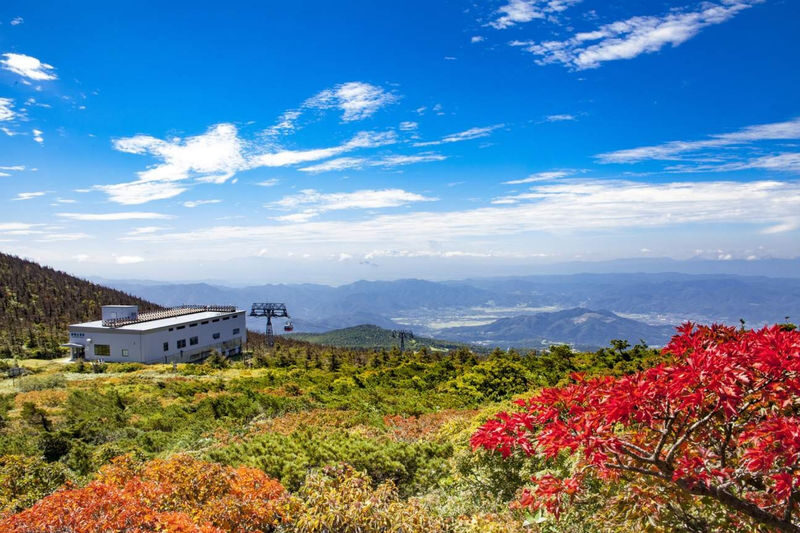
- Three distant sights in one day: The coach connects Zao Okama, the Zao Ropeway area and Ginzan Onsen from Sendai.
- Okama is a weather gamble: The crater lake’s colors vary with light and conditions, and mist can hide it altogether.
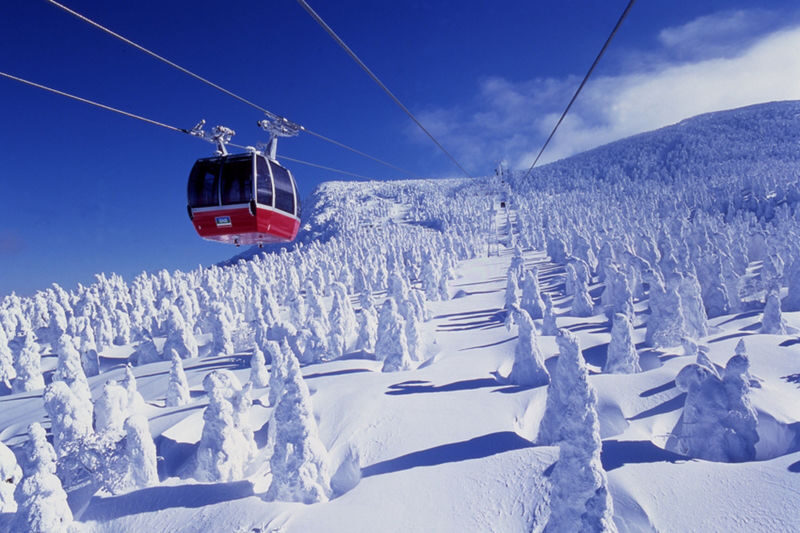
- Winter has a special draw: The Zao Juhyo, or snow monsters, are most likely to impress in January and February, but sightings are never guaranteed.
- Ginzan is pretty, but brief: You get about 90 minutes in the hot-spring town, and the shuttle bus costs extra.
- Check the plan before booking: Plan C excludes fruit picking. Plan E, offered for departures from June 1 to November 9, includes the fruit-picking option.
- Bring warm layers: The ropeway and Okama stops can be cold and windy, even when Sendai feels mild.

👉 See our pick of the 12 Best Tours In Sendai
A long day that solves the Tohoku transport puzzle
This is a practical way to connect three far-flung sights without renting a car or working out several separate bus connections. You meet near the JR Sendai Station East Exit sightseeing bus stop, then ride out toward Yamagata Prefecture. The journey itself is part of the bargain: these stops are spread across mountain roads and rural areas, so a coach can save a great deal of planning.
Expect a full day, not a leisurely outing. The advertised schedule runs from a 07:40 departure to an estimated return between 18:00 and 19:00. The order of stops can change to fit ropeway reservations, and road or weather conditions can shorten visits, remove a stop or delay the return. I would not plan a tight dinner reservation or onward connection that evening.
The departure language is Chinese and Japanese. The guide may also help with practical communication: one visitor who spoke Japanese described a guide using Google Translate to include them. That is a kind gesture, not a guaranteed English-language service, so check before booking if you need detailed explanations in English. Guides named by participants include Xiao Yang, Xiao Ji, Ms. Wang, Kei and Fang Chi, though your guide will depend on the date.
You can also read our reviews of more tours and experiences in Sendai


Okama Crater: a view worth checking the forecast for
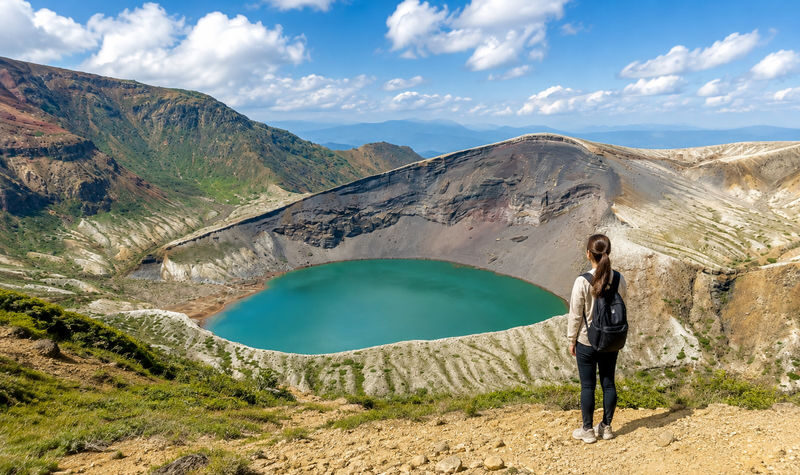
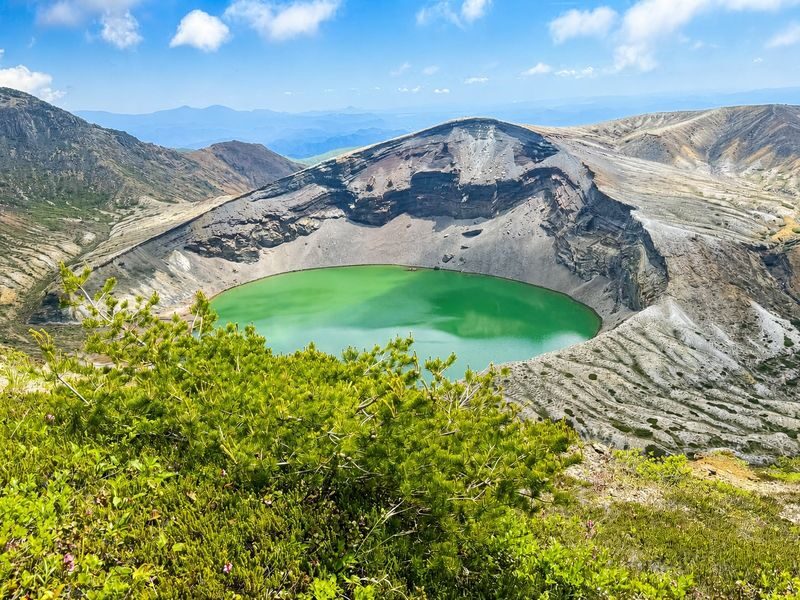
The first major stop is Zao Okama, a circular crater lake known as Goshikinuma, or Five-Color Pond. Its water can appear green, blue or emerald depending on the weather and light. The allotted visit is about 40 minutes, enough for a look and photos if visibility is good, but not much time to wait for clouds to part.
That uncertainty matters. Several people have arrived to find the crater hidden in mist, while others saw the weather clear just long enough for a view. The tour goes ahead even when the forecast or conditions are poor, so this is not a guaranteed lake-view excursion. If Okama is your main reason for booking, check conditions before the cancellation deadline and be comfortable with the possibility of seeing fog instead.
The crater is generally accessible from about April to November, but mountain weather can still be cold and changeable in spring and autumn. A windproof jacket is a sensible choice. The tour’s 40-minute stop is self-guided, so use the time to look around at your own pace, and keep an eye on the departure time.
Zao Ropeway: a mountain ride with two very different seasons
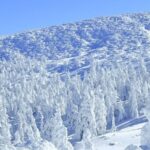
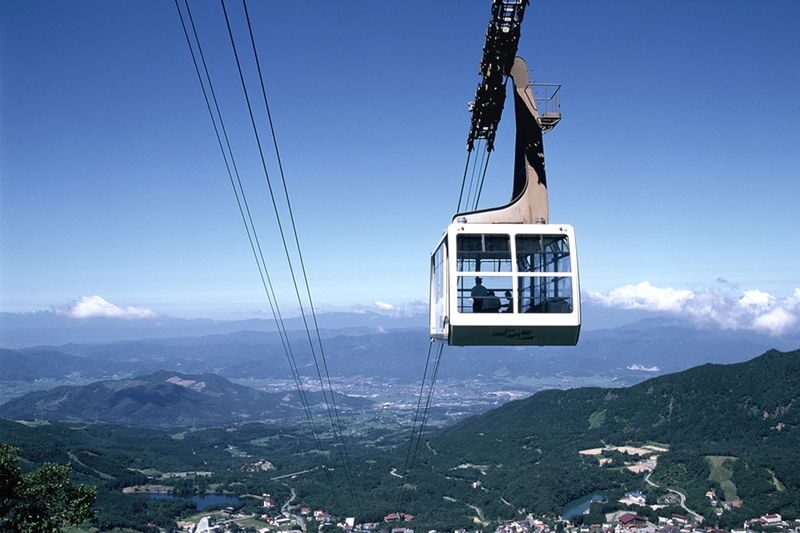
At Zao Sanroku Station, the plan allows about an hour for the ropeway and a stroll around Zao Onsen. In winter, the main attraction is the Juhyo: snow and ice build up on conifer trees into striking forms often called snow monsters. January and February are usually the most dramatic period, but the shapes depend on weather, and the tour still runs if the monsters are absent.
In warmer months, the ropeway is a mountain outing rather than a snow-monster visit. The ride can still offer a change of scenery and cooler air, but summer visitors should set expectations accordingly. One summer visitor described reaching the top only briefly after the ride, a reminder that this stop is a taste of the mountain, not an extended hike.
The exposed summit can be much colder than the lowlands. Bring warm, wind-resistant clothes in winter and a jacket even in spring or summer. If the Zao Ropeway cannot be reserved, the operator may use the Zao Chuo Ropeway instead. If a ropeway service is suspended for weather or other unavoidable reasons, the alternative is a footbath stop in Zao Onsen Street, with a stated ¥3,000 ropeway-fee refund.
Zao Onsen Street offers a different sort of mountain stop. Its stone-paved Koyu-dori is lined with traditional inns, public baths, footbaths and long-running eateries. The air can carry the sulfur scent of the hot springs, and steam rises around the town. The free time here is limited, so think of it as a short wander rather than a chance for a full soak and a slow meal.
Lunch: a useful pause, not just fuel
Plan C includes lunch, and the meal is described as local Yamagata-style cuisine. The menu can change with the season and ingredients available that day. It may include a range of small dishes, giving you a chance to sample several regional flavors rather than eat a single quick plate.
The meal is one of the tour’s practical strengths. With a tight schedule and long drives between sights, having lunch arranged saves you from searching for a restaurant and trying to fit a meal into limited free time. Food portions and quality can vary, but the meal is often praised for being generous and satisfying.
There is one caveat: ropeway reservation times can affect the schedule. In some cases, lunch may be changed to free time, with the meal cost refunded separately. Bring some spending money in case you prefer to buy food or need a snack between stops.
Ginzan Onsen: an hour and a half among old wooden inns
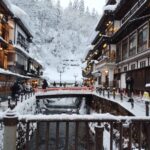
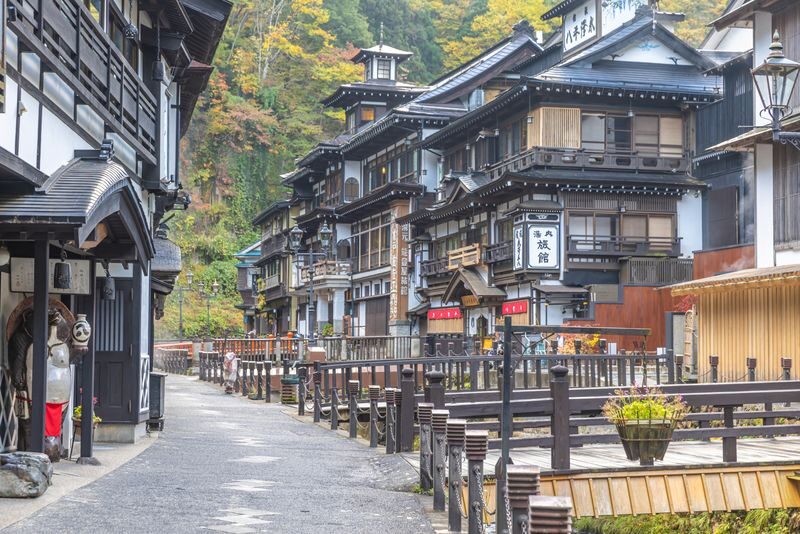
Ginzan Onsen is the emotional centerpiece for many people. Wooden ryokan line the Ginzan River, creating a compact old-fashioned streetscape. In winter, snow and warm lights can make the town feel especially atmospheric. In other seasons, you still get the historic buildings and river setting, but the mood is less like a winter postcard.
You have about 90 minutes to explore on your own. That is enough for a stroll, photos and perhaps a snack, but it is not a long stay. The town is smaller than some people expect, and you may be able to walk through the main area in less than an hour. Some shops can sell out of popular items, so do not count on finding a particular dish late in the day.
One extra cost and step catches people out: the Ginzan Onsen shuttle bus must be arranged and paid for separately. The stated fare is ¥1,000, though the amount can change, so confirm the current price locally. Allow time for the transfer, and do not assume the bus fare is included in the tour price.
The daytime visit is a fair compromise for a day trip, but it is not the same as staying overnight. You will not have the evening hours that give the town its best-known glow. If your priority is a quiet soak, an overnight ryokan stay or the winter-night atmosphere, consider a longer trip instead. If you mainly want to see the streets and take in the architecture, this short visit can be enough.
You can also read our reviews of more tours and experiences in Sendai


Fruit picking: choose the right plan
The orchard stop needs a close look when you book. The main details here describe Plan C, which does not include fruit picking. At Tiantong Orchard, people who have chosen the fruit-picking option take part while other participants wait on the bus. Do not assume that a stop at an orchard means you can pick fruit on Plan C.
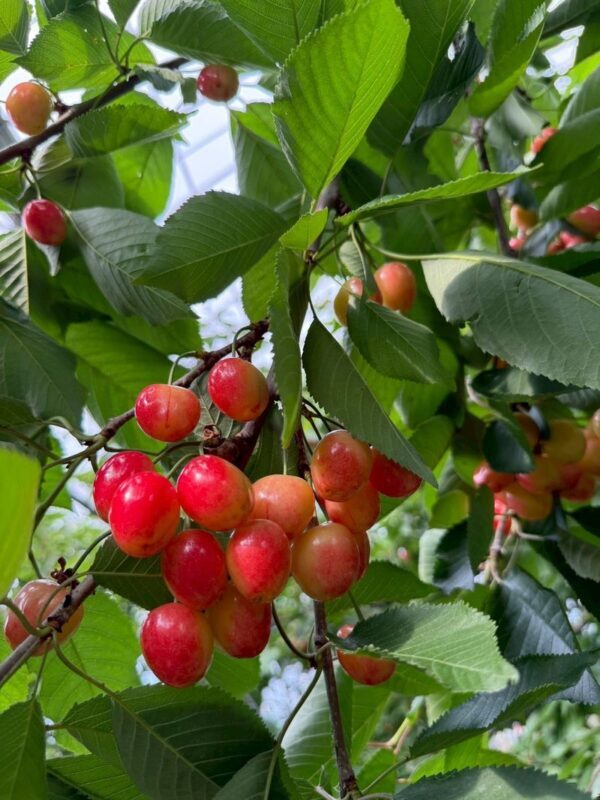
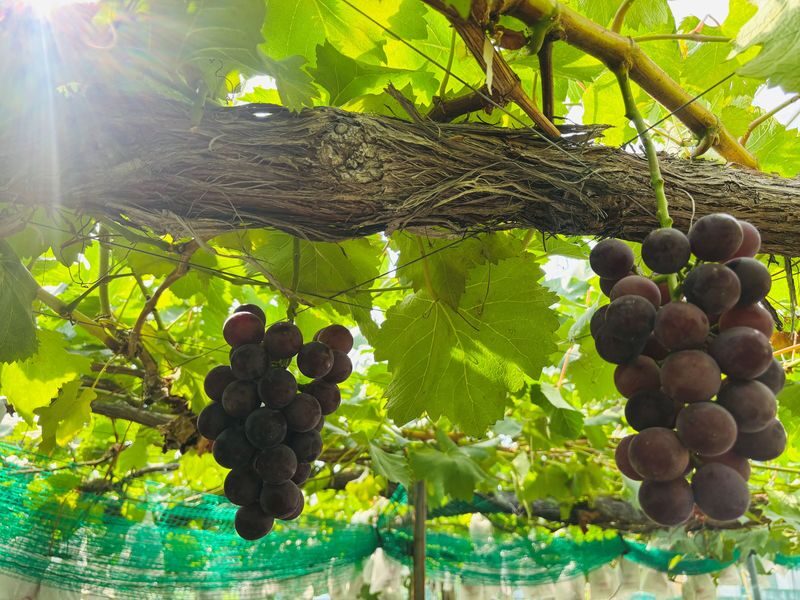
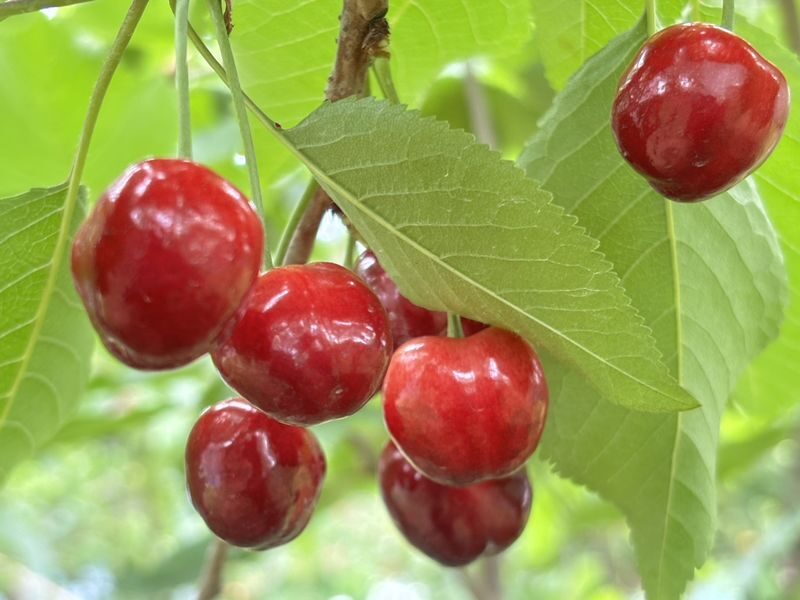
Plan E is the seasonal fruit-picking option, offered for departures from June 1 to November 9. The fruit depends on the time of year: cherries are available from early June to early July, grapes from August to October, and apples from October to November. Ripening dates can shift with the weather, and the fruit may sometimes be pre-picked rather than picked straight from the tree.
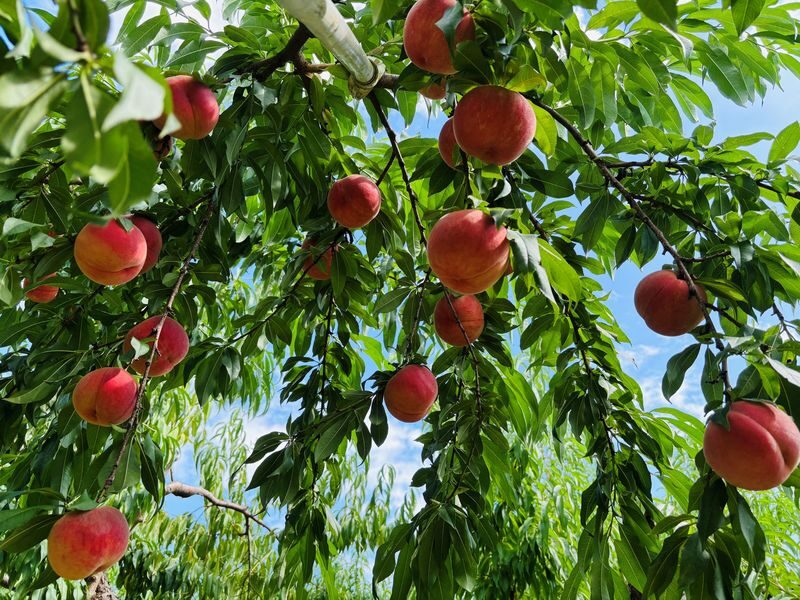
Treat picking as a short extra, not the main event. The stop is about 30 minutes, and the amount you can pick or eat can be limited. One summer visitor found peach picking fun but could take only a few peaches. If fruit picking is important to you, confirm exactly what the selected plan includes and what quantity is allowed.
Is $113.69 good value?
At a starting price of $113.69 for a 10.5-hour day, this tour offers value chiefly through transport and coordination. You get a coach between Sendai and remote sights, a guide in Chinese or Japanese, insurance and lunch on Plan C, along with attraction admission as specified for the chosen package. The ropeway is a substantial part of the value, particularly for a traveler who would otherwise need to arrange transport and tickets separately.
But the advertised starting price is not the whole cost. Ginzan’s shuttle bus is extra, and fruit picking is not part of Plan C. The tour also cannot promise clear views, snow monsters or a full lunch in every circumstance. Compare the exact package inclusions and the current shuttle fare before deciding if the price suits your plans.
The group size and vehicle can vary. The operator assigns vehicles according to attendance; for a small group, the driver may also act as the attendant rather than there being a separate tour leader. Seats are assigned on the day and cannot be chosen, and the coach or restaurant may seat you with other participants. The tour requires at least 20 participants, so it can be cancelled if that minimum is not met.
Who should book this day trip?
I would recommend it to independent visitors based in Sendai who do not drive and want to see several major Tohoku sights without piecing together public transport. It also suits solo visitors: you can relax on the coach, follow the group, and leave the route planning to someone else. The guides are often described as attentive, helpful with photos and careful about keeping the day moving.
It is less suitable if you want long, unhurried visits, a guaranteed winter scene or a full afternoon at Ginzan Onsen. The schedule is efficient, but efficiency means a clock is always in the background. Families with very young children should note that child seats are not available, and children aged zero to two travel free only if they do not need a separate seat.
Arrive at the meeting point at least ten minutes early and look for the tour leader wearing a LION TRAVEL vest and carrying a flag. The bus leaves on time, with no refund for late arrivals or no-shows. Free cancellation is available up to 48 hours before departure, subject to the stated local-time terms.
Should you book?
Book this tour if you want the simplest way to combine Okama, Zao and Ginzan from Sendai, and you are happy to trade long stops for a varied day. It is particularly useful for non-drivers and for anyone who values included lunch and guided transport.
Choose another plan if you want to linger in Ginzan, depend on seeing the snow monsters or dislike weather uncertainty. For a winter trip, dress for wind and cold and treat the Juhyo as a bonus, not a promise. For summer, pick the fruit option only if the exact package and harvest dates suit you.
Tohoku One-Day Tour: Ginzan Onsen-Zao Ropeway & Ice Monsters-Okama Crater-Seasonal Fruit Picking-Special Lunch One-Day Tour (Departing from Sendai)
“The enthusiastic tour guide also proactively offered to help us take photos.”
FAQ
Where does the tour depart from?
It departs from the JR Sendai Station East Exit sightseeing bus stop. Arrive at least ten minutes before departure and find the tour leader wearing a LION TRAVEL vest and carrying a flag.
How long is the tour?
The tour lasts about 10.5 hours. Departure is scheduled between 07:40 and 08:00, with the return to Sendai estimated between 18:00 and 19:00. Traffic and weather can affect the timing.
Is lunch included?
Lunch is included in Plan C, though the menu may change with the season and available ingredients. If a ropeway reservation affects the schedule, lunch may be replaced with free time and its cost refunded separately.
Is fruit picking included in Plan C?
No. Plan C is the fruit-picking-excluded option. Plan E is the seasonal option that includes the fruit-picking experience, with departures from June 1 to November 9.
What fruit can I pick?
The seasonal options include cherries from early June to early July, grapes from August to October, and apples from October to November. The harvest depends on weather, and pre-picked fruit may be offered.
Is the Ginzan Onsen shuttle bus included?
No. You must arrange and pay for the shuttle bus yourself. The stated fare is ¥1,000, but the amount may change.
Can I be sure of seeing the snow monsters or Okama Crater?
No. The snow monsters depend on winter weather, and the crater can be obscured by mist or other conditions. The tour may proceed even when the views are not available.
What happens if the ropeway is suspended?
If the ropeway is suspended for unavoidable reasons such as weather, the itinerary may change to a footbath experience on Zao Onsen Street. The stated ropeway-fee refund is ¥3,000.