Hiroshima’s message of peace takes on a quieter form in this koto workshop: you hear a piece honoring atomic bomb victims, then learn to play it yourself. The instrument’s measured, resonant tones make this a thoughtful way to connect music with the city’s history.
I like two things in particular: you take part rather than only watch, and the session links the koto to Hiroshima and to Fukuyama, a nearby city known for its instrument-making. You also get a video of the group performance to remember the lesson.
One point needs care: the published schedule shows the same 01:30 time for departure, lesson, and return, and a past participant had trouble finding the instructor after arriving at the stated location. Confirm the exact start time and meeting place before setting out.
- Five things to know before you book
- A koto lesson with a Hiroshima purpose
- What happens during the 90-minute session
- Why the performance is more than a photo moment
- The meeting point and the one detail to double-check
- Is the .45 starting price worth it?
- Who will enjoy this workshop most
- Should you book the koto workshop?
- FAQ
- Where does the workshop take place?
- How much does the koto workshop cost?
- How long does the activity last?
- Do I need previous musical experience?
- What will I learn to play?
- Is a performance recording included?
- What languages can the guide speak?
- What is the minimum age?
- Are pets allowed?
- Can I cancel or change my booking?
- The Best Of Hiroshima!
- More Workshops & Classes in Hiroshima
- More Tours in Hiroshima
- More Tour Reviews in Hiroshima
- Not for you? Here's more nearby things to do in Hiroshima we have reviewed
Five things to know before you book
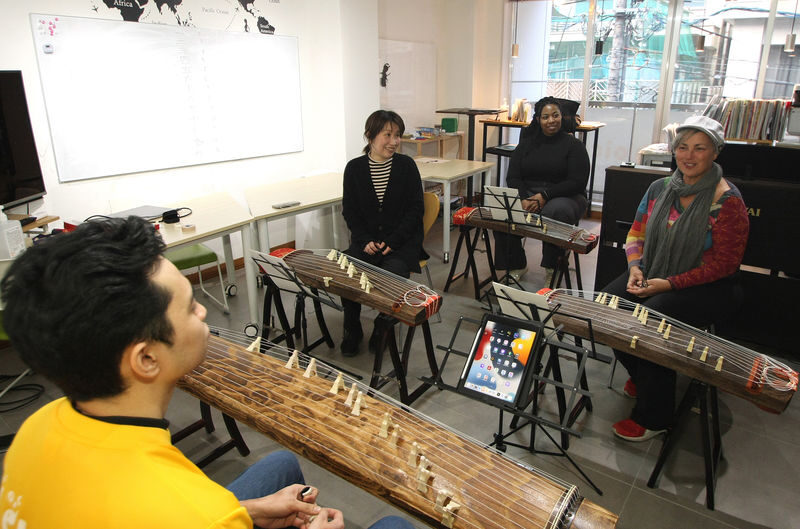
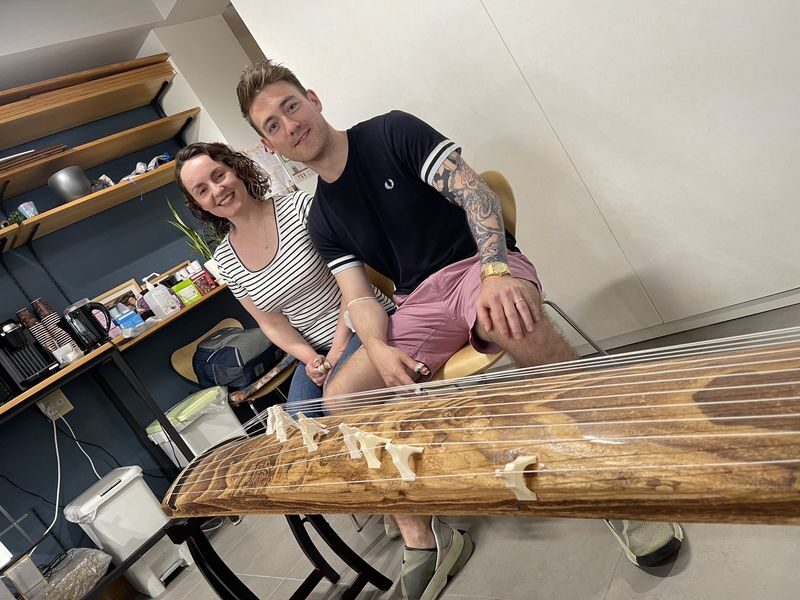
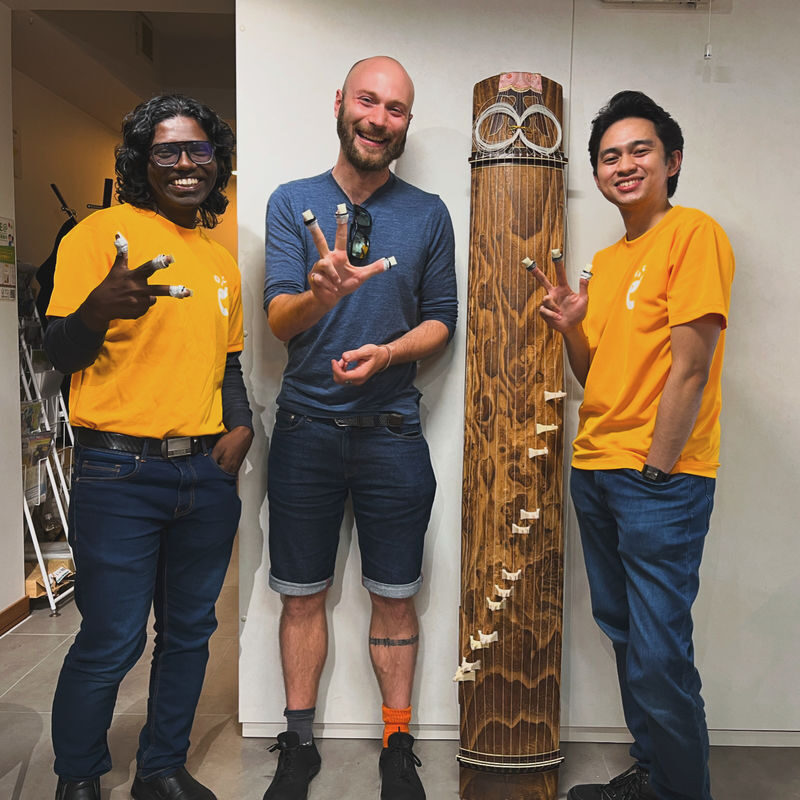
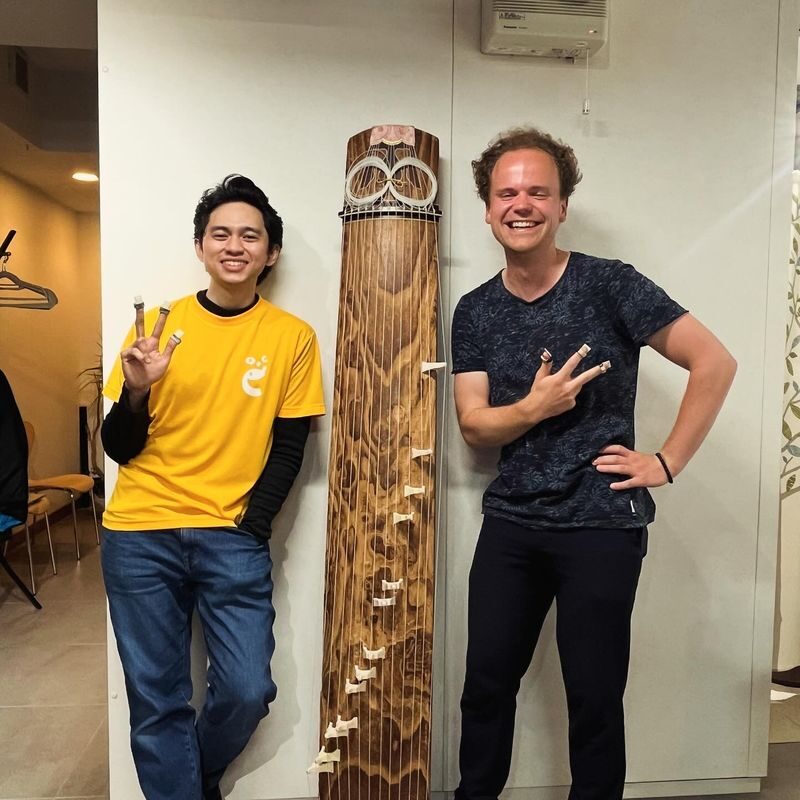
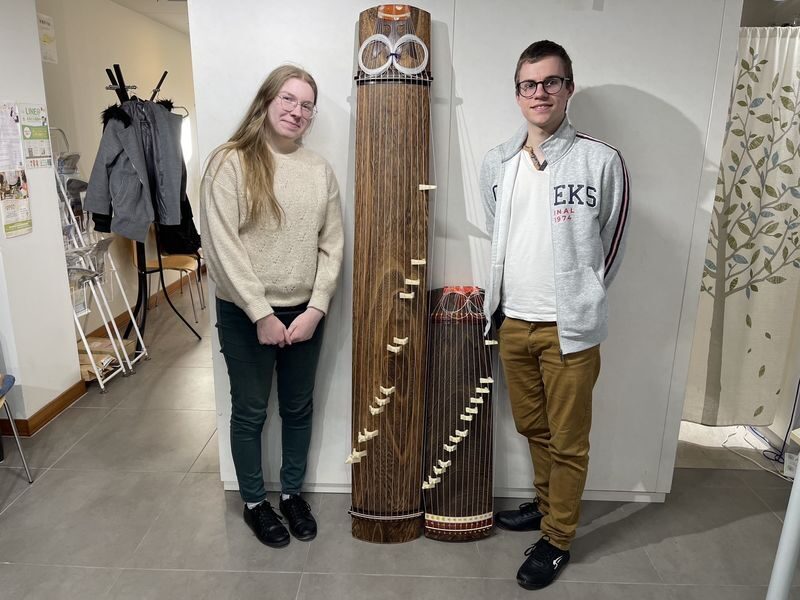
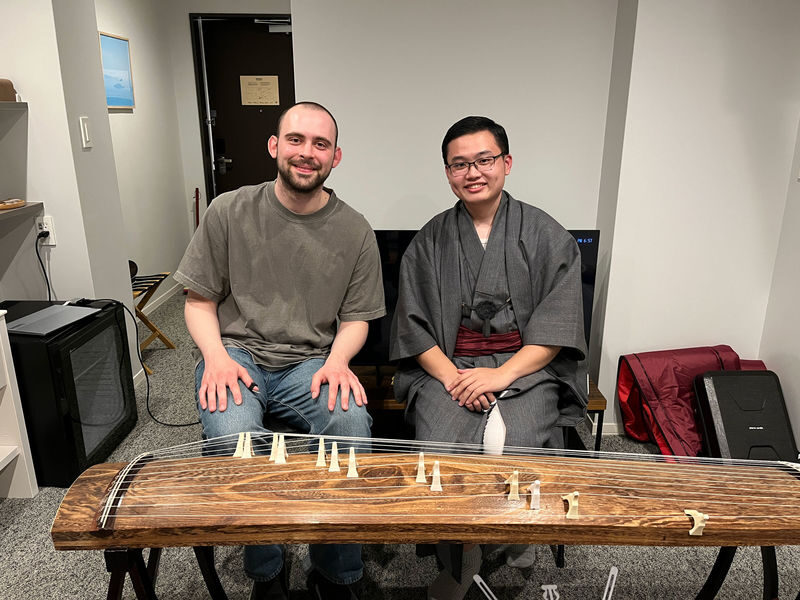
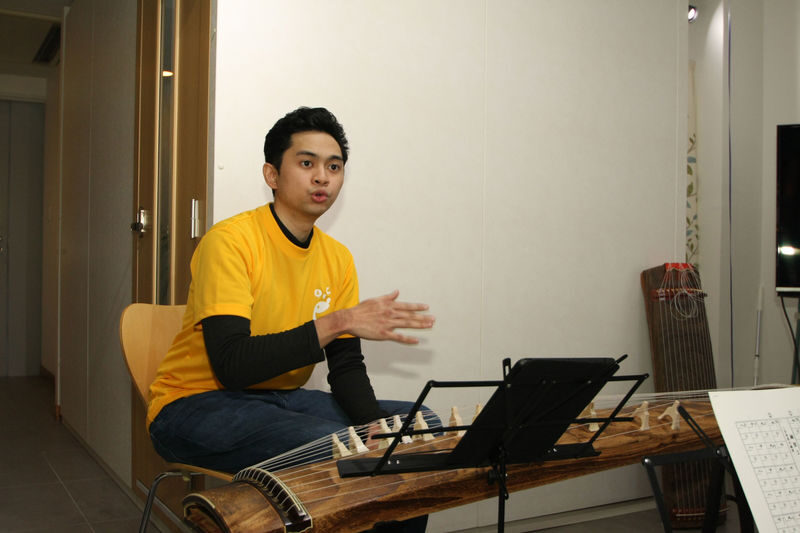
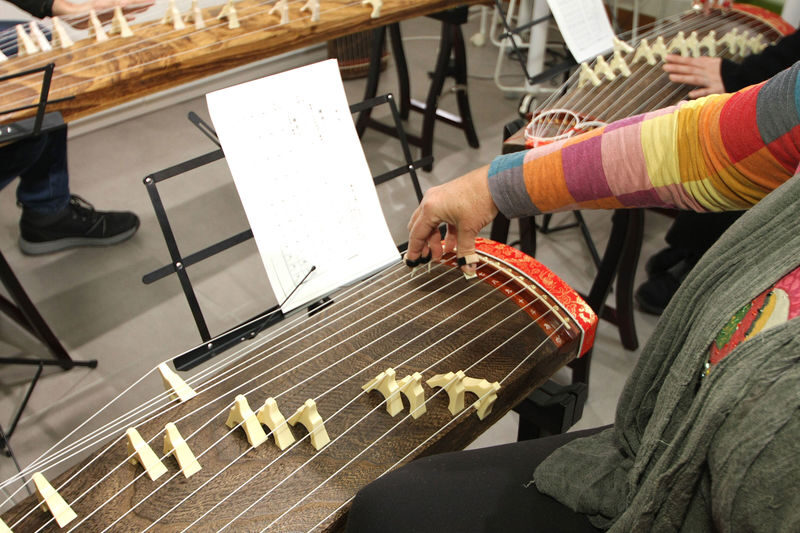
- You learn a 13-string instrument: The koto has a history of about 1,300 years, and you get a hands-on introduction rather than a concert alone.
- The music has a Hiroshima connection: The featured piece, Echo of Serenity, honors atomic bomb victims and is presented as a musical prayer for peace.
- You don’t need to read music or play an instrument: The lesson is designed for beginners, with an instructor guiding you through an easy melody.
- Fukuyama is part of the story: The nearby city is described as the source of more than 70 percent of Japan’s kotos.
- A performance video is included: You finish by playing with the group, and receive a recording as a keepsake.
👉 See our pick of the 3 Best Workshops And Classes In Hiroshima
A koto lesson with a Hiroshima purpose
The koto is a traditional Japanese instrument with 13 strings, played by plucking the strings to create clear, ringing tones. Its long history gives the workshop a cultural starting point, but the appeal is not only historical. You get to make music yourself, even if your musical experience begins and ends with a phone playlist.
The workshop connects the instrument to Hiroshima’s identity as a city shaped by tragedy and committed to peace. Its central piece, Echo of Serenity, is described as a tribute to people killed by the atomic bomb. Hearing it before trying to play it gives the lesson a reflective focus that a standard introductory music class may not have.
That context matters, but this is not presented as a substitute for visiting Hiroshima’s memorial sites or learning the broader history of the bombing. It is a small, participatory way to engage with a message of remembrance. If you want a hands-on cultural activity with room for reflection, the combination is appealing.
The koto also connects Hiroshima Prefecture to Fukuyama City, identified as a major center of koto craftsmanship. The workshop notes that more than 70 percent of Japan’s kotos are made there. That detail gives you a useful link between the instrument in front of you and a local tradition of making it.
You can also read our reviews of more tours and experiences in Hiroshima


What happens during the 90-minute session
The schedule lists a departure, an experiential koto lesson, and a return, but each step is marked 01:30. That makes the exact duration and start time unclear from the schedule alone. Confirm both with the provider before you go, and allow time to find the meeting point.
At the start, the instructor introduces the koto and its history, including its 13 strings and long place in Japanese music. You then hear Echo of Serenity, the piece that frames the activity around Hiroshima’s message of peace. The listening portion is important: it gives you a sense of the sound and feeling you’ll be working toward.
Next comes the hands-on lesson. You are guided through the featured piece, with no previous instrument experience required. A participant who took the class with instructor Tiffany described her as experienced at both playing and teaching, and said the lesson included several practice pieces as well as one song. That is a useful sign that the session may include more than a single run-through, though the precise lesson can depend on the time available.
The workshop ends with a group performance of Echo of Serenity. Playing together makes the finale less about individual skill and more about listening, keeping pace, and contributing to a shared sound. A video recording is provided, so you can revisit the performance after the workshop.
One account of the experience described a teacher who was patient but seemed pressed for time, with parts of the presentation skipped. If you value a slow, detailed lesson, it is worth confirming how much time is set aside for teaching and performance. The activity is a short introduction, not an extended course in koto technique.
Why the performance is more than a photo moment
Many cultural activities let you watch a craft or hear a performance; this one asks you to join in. The group finale gives you a tangible role in the experience, even if you are a beginner. You are not expected to deliver a polished solo, and that can make the activity easier to enjoy.
The video is a practical keepsake, too. A souvenir can be pleasant, but a recording captures the sound of the group and your own attempt at the music. If you are traveling with a friend or family member, it also gives you a shared memory that is more personal than another snapshot in front of a sign.
The reflective tone will suit some people better than others. If you want a lively performance or a fast-paced activity, this may feel restrained. If you are interested in music, Japanese culture, or Hiroshima’s history, the quieter mood is part of the point.
The meeting point and the one detail to double-check
The stated meeting place is WA Experience Hiroshima, also named 和文化体験処ひろしま, at 315 Shareo Underground Shopping Mall, 1-1 Otemachi, Naka-ku, Hiroshima. The address places it in Kamiyacho Shareo, an underground shopping area. Arrive five minutes before the scheduled departure time, but first make sure that the provider has confirmed the correct time and location for your date.
That check is more than a formality. One participant went to the listed facility and could not find staff, then encountered confusion over whether the session began at 11 a.m. or 1:30 p.m. The lesson eventually took place at a different location about a 40-minute walk away, and the provider offered to pay for a taxi. This was a particularly inconvenient experience, not a detail to assume will happen to you, but it makes clear why a direct confirmation is sensible.
The schedule’s repeated 01:30 entries add to the uncertainty. Don’t infer from those entries that the workshop lasts 90 minutes or that the return time is definitely 1:30. Ask the provider to confirm the start time, the exact meeting point, and how long to set aside.
Is the $50.45 starting price worth it?
At US$50.45 per person, this is best judged as a guided cultural lesson, not as a concert ticket. The price includes admission, a guide speaking English, Chinese, Japanese, Korean, or Bahasa Indonesia, and a welcome gift. The group performance video adds a lasting record of what you learned.
The value is strongest if you want active participation and appreciate the link between the music and Hiroshima’s story. You are paying for instruction, context, and a chance to play, rather than for a long itinerary with several stops. If you only want to hear the koto, you may prefer to look for a performance instead.
The small number of available ratings, currently 4.3 out of 5 from four reviews, suggests you should avoid treating that score as a guarantee of a perfectly smooth visit. Three participants rated the activity five stars, praising the patient teaching, enjoyable lesson, and performance video. The lower rating described confusion about time and venue, along with a rushed lesson. Those details point to the key trade-off: the experience can be memorable, but clear communication about logistics matters.


Who will enjoy this workshop most
This is a good fit for music lovers, curious beginners, and visitors who want a quieter cultural activity between Hiroshima’s larger historical sights. It can also suit families with older children, since participants must be at least 10 years old. You do not need to know Japanese or have played an instrument, and several guide languages are offered.
It may be less suitable if you need a tightly scheduled activity and cannot spare extra time in case the meeting details need sorting out. It is also not a deep technical course: the emphasis is on an introduction, a meaningful piece, and a group performance.
Pets are prohibited, and anyone who appears intoxicated may be refused service without a refund. The voucher is valid only for the specified date and time. Cancellations made at least 24 hours before the activity date qualify for a full refund; changes are allowed until 24 hours before the activity, subject to stated exceptions.
Should you book the koto workshop?
Book it if you want to make music yourself and like the idea of connecting a Japanese instrument with Hiroshima’s message of peace. The most compelling parts are the hands-on lesson, the tribute piece, and the group recording you can keep.
Before paying, confirm the start time and meeting place directly. If those details are clear and you have room in your schedule, this is a distinctive, reflective way to spend part of a Hiroshima visit. If you need a guaranteed timetable or prefer a longer, more technical lesson, choose another activity.
Experience the Soul of Hiroshima: A Peaceful Koto Workshop
“We had a wonderful time with an experienced teacher. The staff reached out personally to confirm the booking and to support with finding the locati…”
FAQ
Where does the workshop take place?
The stated address is WA Experience Hiroshima, 315 Shareo Underground Shopping Mall, 1-1 Otemachi, Naka-ku, Hiroshima, in Kamiyacho Shareo. Confirm the exact meeting point before you go.
How much does the koto workshop cost?
The KotoWorkshop package starts at US$50.45. The price may vary, so check the amount shown for your selected date when booking.
How long does the activity last?
The schedule shows 01:30 for departure, the lesson, and return, so it does not clearly establish the total duration. Confirm how long to set aside with the provider.
Do I need previous musical experience?
No. The activity is described as suitable for beginners, and no prior experience is needed.
What will I learn to play?
The lesson focuses on Echo of Serenity, a composition honoring atomic bomb victims. The instructor guides you through playing the piece.
Is a performance recording included?
Yes. A video recording of the group performance is provided as a keepsake.
What languages can the guide speak?
Guide languages listed are English, Chinese, Japanese, Korean, and Bahasa Indonesia.
What is the minimum age?
Participants must be at least 10 years old. The activity also sets an upper age limit of under 100.
Are pets allowed?
No. Pets are prohibited.
Can I cancel or change my booking?
A full refund is available if you cancel at least 24 hours before the activity date, in destination local time. Changes are allowed until 24 hours before the activity, with exceptions for some booking types and vouchers.