The striking idea here is simple: pink cherry blossoms and red maple leaves in the same autumn outing. Shikizakura’s unusual flowering season gives this trip a different look from a standard foliage tour, while Korankei Gorge supplies the classic mountain-and-maple scenery.
I like two things in particular. The bus links three places that can be awkward to reach on public transport, and the route pairs a quiet temple visit with the bigger spectacle of Korankei. You get variety without having to plan each connection yourself.
The main caveat is that autumn color is a moving target. The blossoms may be past their best, the maples may not yet be fully red, or the popular gorge may be crowded. Guide commentary and meeting-point details can also vary, so check the latest instructions before you set out.
- At a glance
- Three stops, three different moods
- Eihoji Temple: a quiet start among trees and water
- Shikizakura: cherry blossoms in autumn
- Korankei Gorge: the headline foliage stop
- The bus saves planning, not travel time
- Food, weather, and what to pack
- Is .20 good value?
- Who should book this day tour?
- FAQ
- What places does the tour visit?
- What is Shikizakura?
- How much does the tour cost?
- Where does the tour depart from?
- Is the booking confirmed instantly?
- Can I cancel for a refund?
- What happens if extreme weather cancels the tour?
- What if I arrive late or miss the tour?
- What is the tour’s rating?
- The Best Of Takayama!
- More Tours in Takayama
- More Tour Reviews in Takayama
- Not for you? Here's more nearby things to do in Takayama we have reviewed
At a glance
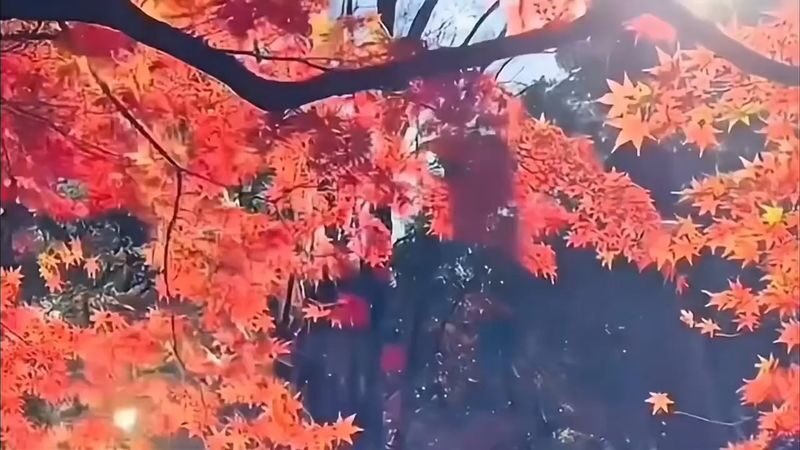
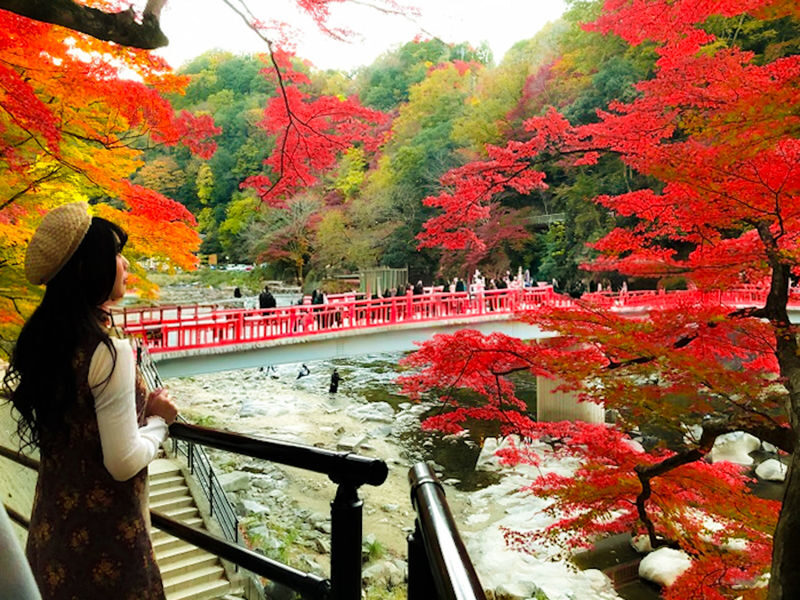
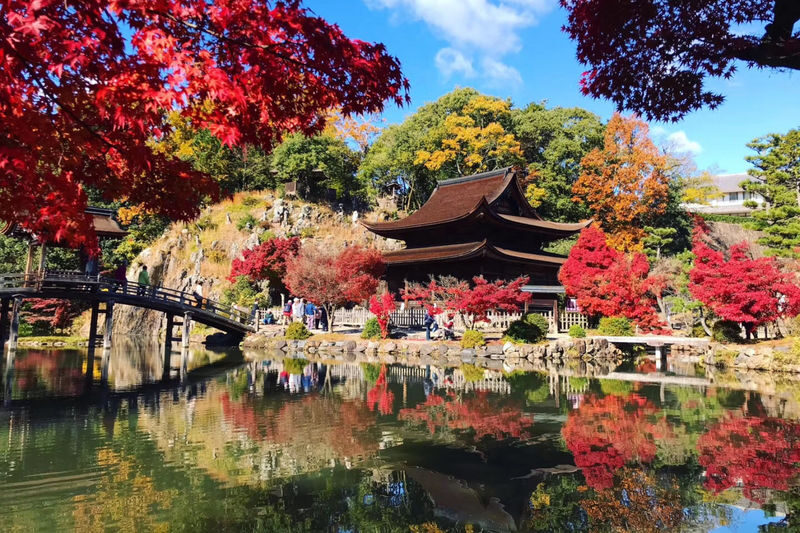
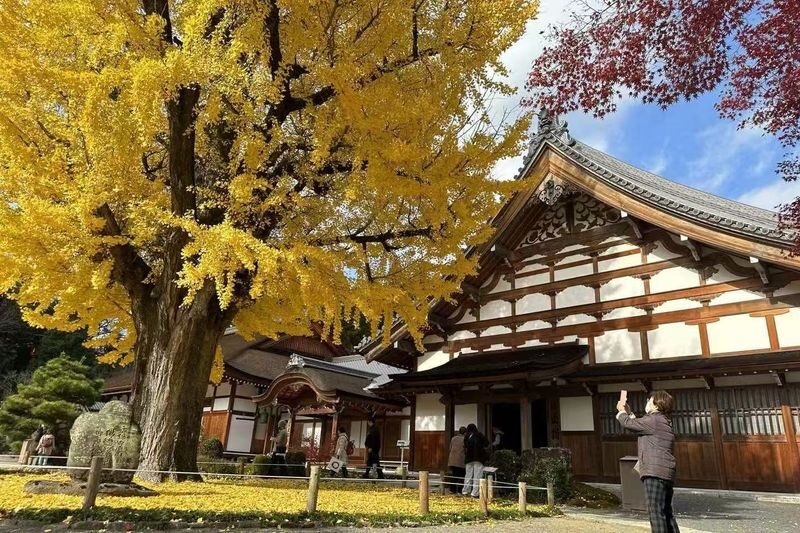
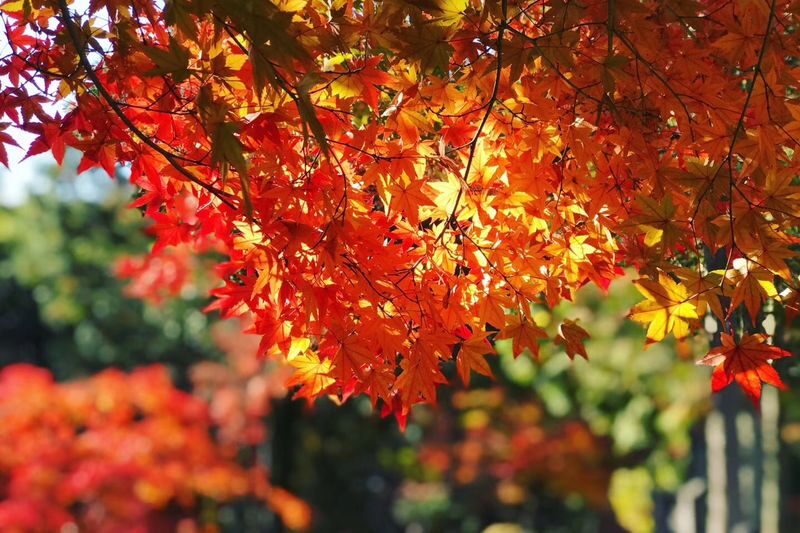
- Three different autumn stops: Eihoji Temple, Shikizakura viewing areas, and Korankei Gorge.
- Cherry blossoms in fall: Shikizakura is known for cherry trees that bloom alongside autumn foliage.
- A practical bus route: The tour saves you from coordinating train and bus transfers between attractions.
- Bring food for earlier stops: Dining choices can be limited around the temple and Shikizakura.
- From $59.20: The main value is convenient transport to three separate sights in one day.
- Plan for seasonal variation: Peak color and flower timing change, and the best views are not guaranteed on a particular date.
👉 See our pick of the 14 Best Guided Tours In Takayama
Three stops, three different moods
This outing works because it does not ask one attraction to carry the whole day. Eihoji offers a calm temple setting, Shikizakura brings the unusual pairing of blossoms and fall leaves, and Korankei is the grand finale for maple scenery. Each stop gives you a different reason to get off the bus.
The tour is best understood as a scenic transport day with guided support, rather than a deep historical tour. Some guides give explanations and practical pointers; others focus mainly on meeting times and transfers. If detailed commentary matters to you, check what language support is offered for your date.
Past departures have included guides named Kaku, who was praised for clear explanations and practical photo advice. That is useful context, but a particular guide is not guaranteed. Some visitors have also found English difficult to hear, especially when a guide was speaking through a mask.
You can also read our reviews of more tours and experiences in Takayama.


Eihoji Temple: a quiet start among trees and water
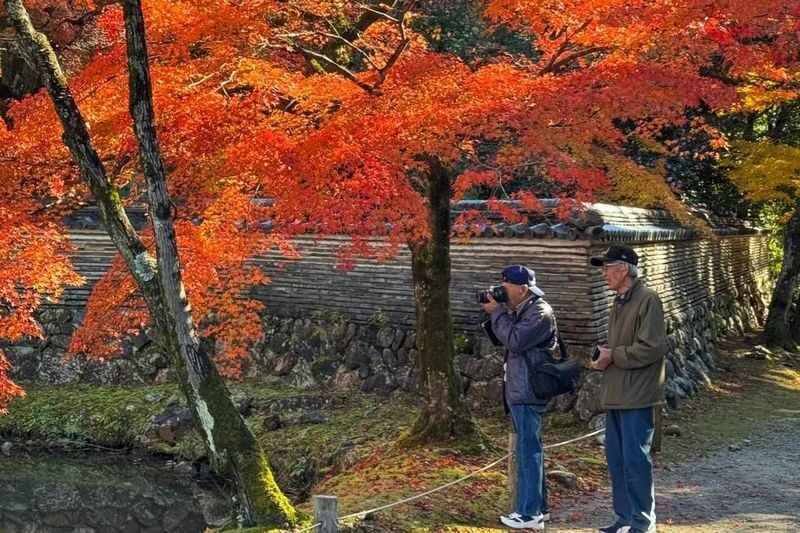
Eihoji Temple is a gentler opening than the busy foliage crowds you may meet later. It is a compact place to walk, look around, and take in the autumn color without needing to hurry from one landmark to the next. The setting includes a pond, maple leaves, and ginkgo, giving you several seasonal details to notice rather than one single viewpoint.
This stop is also a good chance to slow down and get oriented. The temple’s calm atmosphere is part of its appeal, and the grounds are small enough that you can enjoy them at an unhurried pace. If the leaves are not at their reddest, the temple still offers a pleasant mix of traditional architecture and autumn scenery.
Do not expect a long guided temple visit or a detailed lecture as a sure thing. Commentary has varied, and some departures have offered little information beyond where to go and when to return to the bus. I would treat the stop as free time to explore, with the guide serving mainly as your timekeeper.
Shikizakura: cherry blossoms in autumn
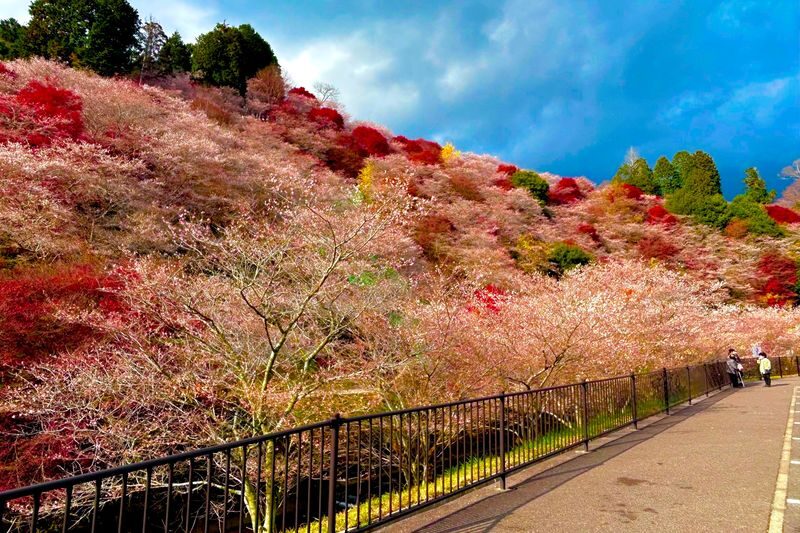
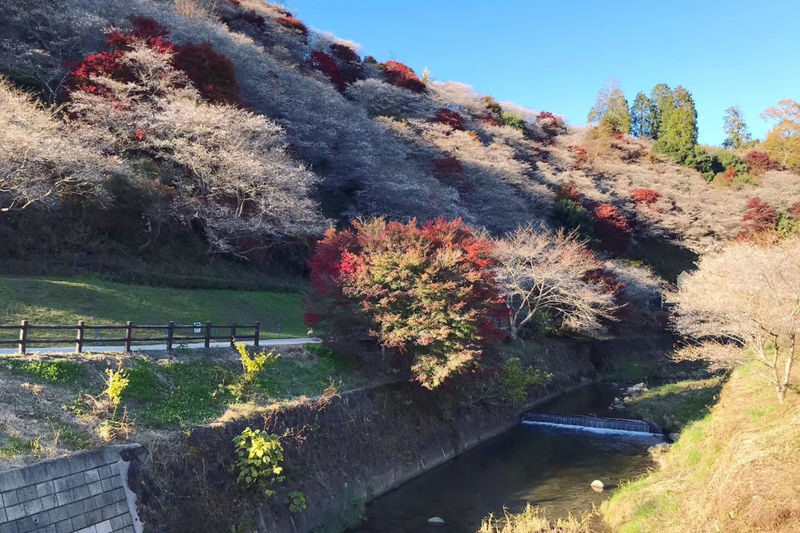
The most distinctive stop is Shikizakura, where cherry trees flower during the fall foliage season. The sight of pale pink or white blossoms against red and yellow leaves is unusual, and it is the detail that makes this route more than a standard maple tour. If the trees are in good bloom, the contrast can make for memorable photos.
Timing matters here. Flowering can be uneven, and some trees may have shed many blossoms by the time you arrive. A half-hour stop has been used on some departures, which is enough to walk around and take photos when conditions are good, but not enough to linger if the area is spread out or you want a long stroll.
Bring your expectations in balance. Shikizakura is a special seasonal sight, not a guarantee of a full cherry-blossom canopy. The attraction can feel modest if you arrive after the flowers have peaked, but the combination with autumn leaves is still an unusual one to seek out.
Korankei Gorge: the headline foliage stop
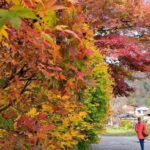
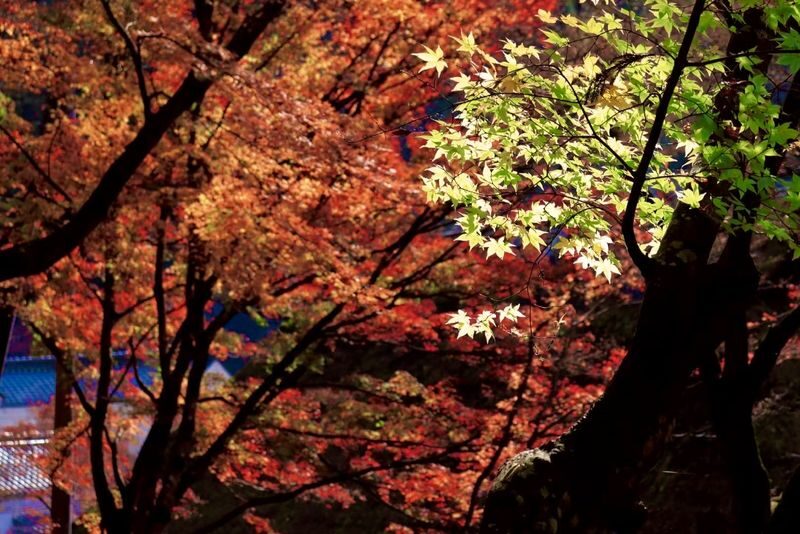
Korankei is the stop most likely to deliver the classic autumn picture: maples in warm color along a river gorge. It is also the place that can draw the largest crowds, particularly during peak foliage. The scenery is the big payoff, but crowded paths and busy roads can make the visit feel less peaceful than Eihoji.
Give yourself time to walk, look for changing views along the gorge, and pause for photographs. Korankei has food options that may be more useful than those at the first two stops, although selection and opening hours can vary. Do not build your entire lunch plan around finding a particular restaurant once you arrive.
The traffic and crowds are part of the seasonal bargain. The same leaves that make Korankei worth visiting also bring many people. A bus tour removes the need to arrange the onward journey yourself, but it cannot make a popular foliage destination quiet.
The bus saves planning, not travel time
The practical case for this tour is strong if you do not have a car. Reaching Korankei by public transport can involve several connections and long waits in peak season. A bus takes the logistics off your hands and lets you rest between stops instead of watching the clock for a train or bus.
Transfers between attractions have taken about an hour at a time on some trips. That is enough time to sit down, warm up, or simply rest your feet, but it also means the day includes a fair amount of road travel. If you prefer to spend every hour outdoors, this may feel like too much bus time. If you value seeing three destinations without handling each connection, it is a sensible trade.
The trip is generally described as comfortable and not overly tiring, with enough time at each site for photos and a walk. Still, it is a group outing, so you need to be ready at the agreed return time. A delay while waiting for late arrivals has occurred, and one missed meeting or unclear pickup instruction can cause real stress.
There has also been some confusion over meeting points, including a change between named locations. Read the latest message carefully, check the exact spot before departure, and arrive early. The activity details identify Takayama, while many past participants describe a Nagoya departure. Confirm the precise departure city and meeting point for your date rather than assuming the location label tells the whole story.
Food, weather, and what to pack
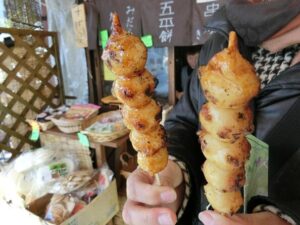
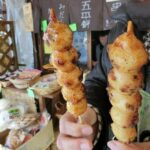
Bring snacks and a drink, especially if you want a dependable lunch. Eihoji and the Shikizakura area may have few food or drink options, and a scheduled lunch stop has not always happened as expected. Some departures have instead stopped at a convenience store, while food choices around Korankei can be limited at quieter times or on weekdays.
A small packed meal makes the day easier. You can eat when there is an opportunity rather than losing time searching for a shop, and you will have something on hand if the group’s lunch plan changes. Warm layers are also sensible for a full autumn day outdoors, though the provided tour details do not specify a clothing list.
Weather can change the experience considerably. Rain, cloud, and seasonal timing affect the color and the quality of photos. The operator may cancel for extreme weather or unforeseen events; if that happens, you can request a reschedule or full refund.
Is $59.20 good value?
At a starting price of $59.20, this tour’s value is mainly in its transport and the chance to visit three places in one day. You are paying to avoid a complicated public-transport route, not to receive an elaborate guided program at every stop. For a visitor without a car, that convenience can be worth more than a low-cost plan that requires multiple connections and careful timing.
The experience has an overall rating of 4.4 out of 5 from 80 ratings. The praise centers on attractive scenery, efficient transport, comfortable pacing, and the convenience of combining all three stops. The cautions are consistent too: guide explanations can be limited or hard to hear, meals may need improvising, and the meeting instructions deserve close attention.
You can save money by arranging transport independently, but that means taking responsibility for connections and delays during a busy season. The bus tour is a stronger deal if you want the simple version: board, visit, take photos, and let someone else handle the route.
Who should book this day tour?
I would recommend it to anyone who wants a broad autumn outing without driving or piecing together public transport. It suits photographers who like variety, couples or families who prefer a planned day, and people who want a chance to see Shikizakura alongside the better-known maples at Korankei.
It is less suitable if you want a private, flexible day or expect a guide to provide detailed background at every stop. You also need to be comfortable with seasonal uncertainty. The blossoms and foliage are the reason to go, but nature does not follow a booking calendar.
Book this tour if the three-stop combination and easy transport matter more to you than complete control over timing. Before confirming, check the departure point, the language offered for your date, and the latest meeting instructions. Then pack snacks, arrive early, and treat Shikizakura as a rare bonus rather than a guaranteed peak-bloom display.
Autumn Leaves Meet Cherry Blossoms | Eihoji Temple & Shikizakura & Korankei Autumn Foliage Day Tour
“Reaching Korankei via public transport involves multiple transfers (train + bus) and long wait times during peak season. The Klook bus tour removes…”
FAQ
What places does the tour visit?
The tour visits Eihoji Temple, Shikizakura, and Korankei Gorge.
What is Shikizakura?
Shikizakura is known for cherry blossoms that bloom during the autumn foliage season, creating a contrast with the fall leaves.
How much does the tour cost?
The listed starting price is $59.20. The price may vary by selected date or available option.
Where does the tour depart from?
The activity information identifies Takayama, while past participants have described departures from Nagoya. Check the exact departure city and meeting point for your selected date.
Is the booking confirmed instantly?
Yes. The activity offers instant confirmation.
Can I cancel for a refund?
You can receive a full refund if you cancel at least 24 hours before the activity date, using the destination’s local time.
What happens if extreme weather cancels the tour?
The operator may cancel for extreme weather or unforeseen events. You can choose to reschedule or request a full refund.
What if I arrive late or miss the tour?
Refunds or amendments are not available if you arrive late or do not show up.
What is the tour’s rating?
The activity has a rating of 4.4 out of 5, based on 80 ratings.