Kyoto’s hillside temple, Fushimi Inari’s red gates and Nara’s free-roaming deer make a memorable trio, and this tour connects all three in one long day. I like that you get time to explore independently at each stop, rather than following a guide through every lane and shrine.
I also like the practical mix: a driver handles the transfers, and staff are listed for four languages. A guide can add useful context along the way. One account of the trip praised a guide for being friendly, helpful and full of information, though no guide name is provided and that experience cannot guarantee who you will meet.
The trade-off is pace. You have about two and a half hours at Kiyomizu-dera, just over an hour at Fushimi Inari and an hour and a half in Nara. That is enough for highlights, not every temple, alley and hillside path. Admission fees and food are extra, too.
- The short version: three famous stops, one busy day
- Kiyomizu-dera: temple views and old Kyoto lanes
- Fushimi Inari: a focused hour among the torii gates
- Nara Park: deer, temples and a short afternoon
- What the transport and timetable mean for your day
- Is US.79 good value?
- Who should book this day trip?
- Key points to know before you go
- Should you book it?
- FAQ
- What places does the tour visit?
- How long do you spend at each stop?
- Are temple entrance tickets included?
- Are meals and drinks included?
- Is a kimono experience included?
- What languages are supported?
- Where does the tour return?
- What time should I arrive at the meeting point?
- Can children join the tour?
- The Best Of Kyoto!
- More 1-Day Tours in Kyoto
- More Tours in Kyoto
- More Tour Reviews in Kyoto
- Not for you? Here's more nearby things to do in Kyoto we have reviewed
The short version: three famous stops, one busy day
This is a sightseeing sampler for a first visit, or for anyone whose Kyoto and Osaka schedule leaves room for just one day in the Kansai region. The route covers three distinct places: a temple area with old streets, a shrine lined with vermilion gates, and Nara’s parkland and historic temples.
The tour is self-guided at the stops. That gives you freedom to choose how to spend your time, but it also means you need to watch the clock and make your way back to the vehicle on time. If you prefer a guide to walk with you and explain each site in detail, this format may feel too independent.
The price starts at US$44.79 for the designated-meeting-point option. Round-trip transfers are included, which is useful when you want to link Kyoto and Nara without arranging each leg yourself. The low starting price does not cover temple entry, meals, drinks or personal purchases, so budget for those separately.

👉 See our pick of the 25 Best Workshops And Classes In Kyoto
Kiyomizu-dera: temple views and old Kyoto lanes
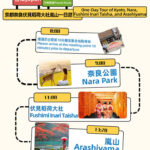
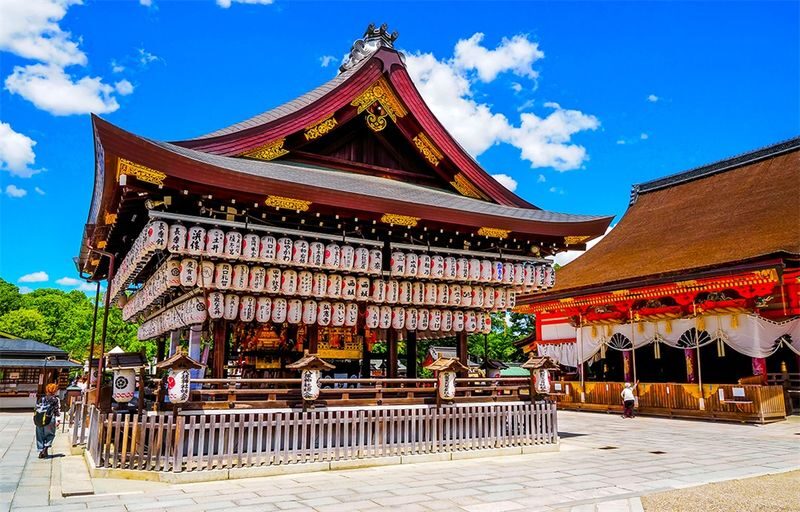
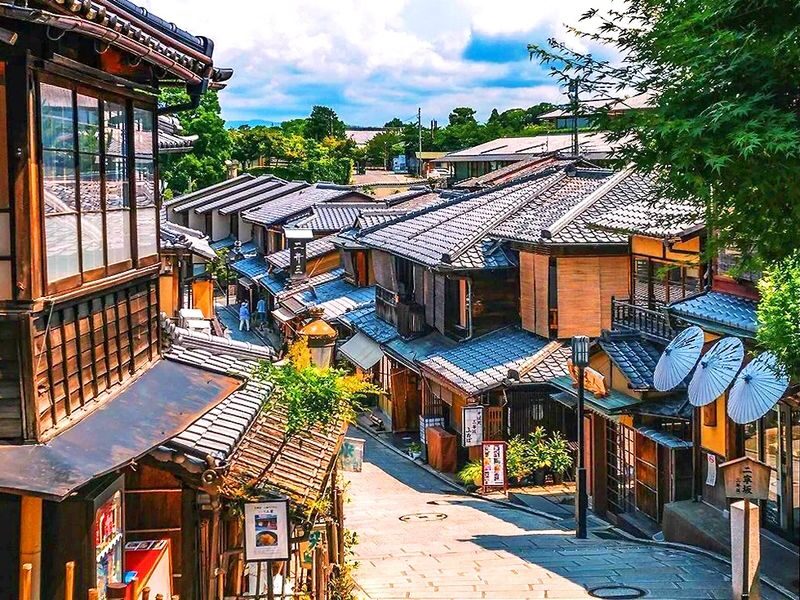
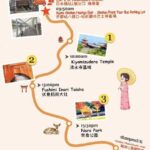
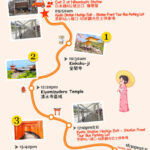
The day begins at Kiyomizu-dera, one of Kyoto’s best-known temples and a World Heritage site. You have about two hours and 30 minutes here, including time to explore the surrounding area. The temple is the anchor, but the adjoining historic streets are a large part of the appeal.
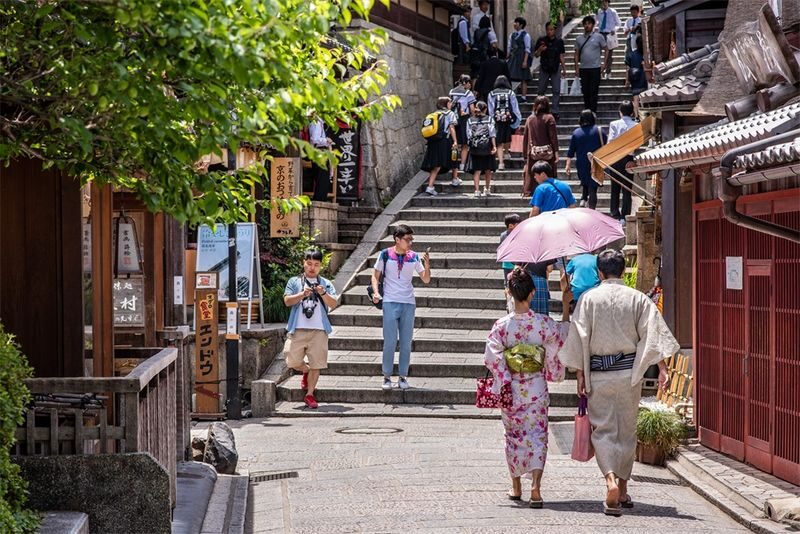
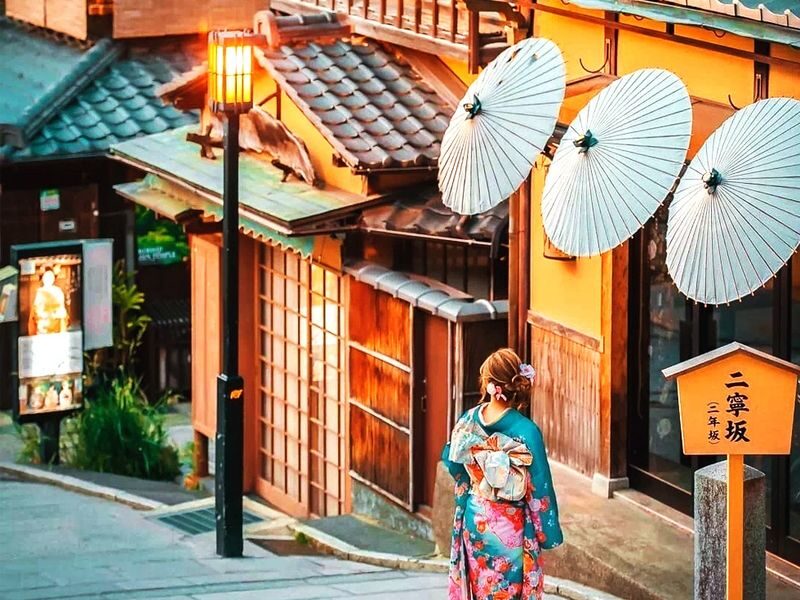
Ninenzaka and Sannenzaka are named as possible walks, and the suggested sights also include Gion’s Hanamikoji Street, Ishibei Alley and Yasaka Shrine. These are not all at the temple itself, so use the time to choose a sensible cluster rather than trying to tick off every location. If you wander farther, keep the return time in mind.
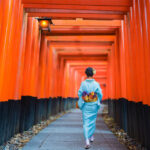
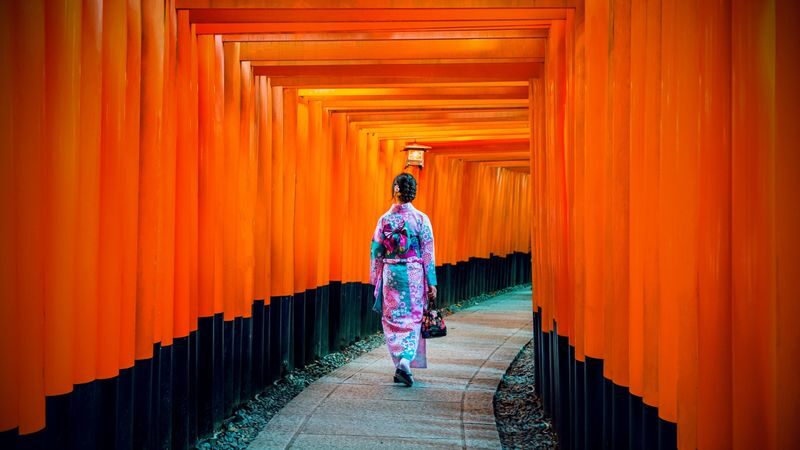
You can also choose to wear a kimono and stroll through the old streets in traditional dress. It can make for memorable photos, but it is an optional extra, not part of the listed inclusions. The tour price does not specify a kimono cost, so check that separately if you want to arrange one.
Kiyomizu-dera admission is also not included. The supplied details do not state the ticket price, so set aside room in your budget and check current admission information before you go. Jishu Shrine is mentioned as a place to pray for love, but make sure it is open and accessible on your date rather than building your whole visit around it.
This is the longest stop, which makes sense: it gives you time for the temple and at least one nearby street walk. Still, the area can pull you in several directions. I would decide in advance whether the temple itself, a kimono walk or the old lanes matter most to you.
You can also read our reviews of more tours and experiences in Kyoto

Fushimi Inari: a focused hour among the torii gates
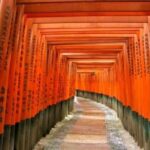
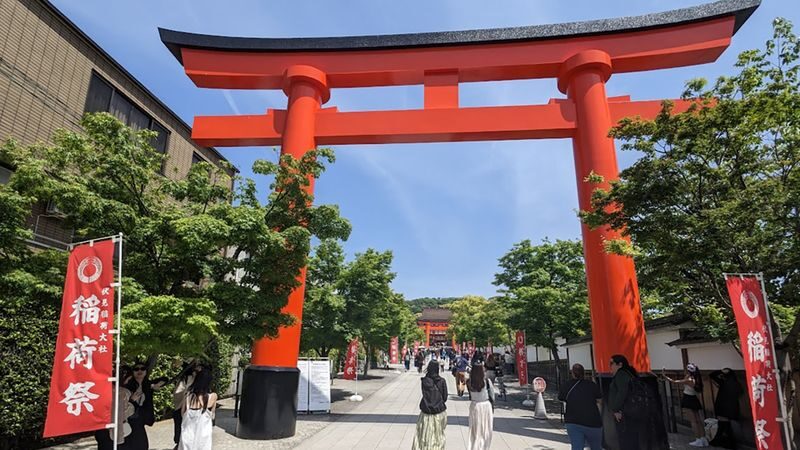
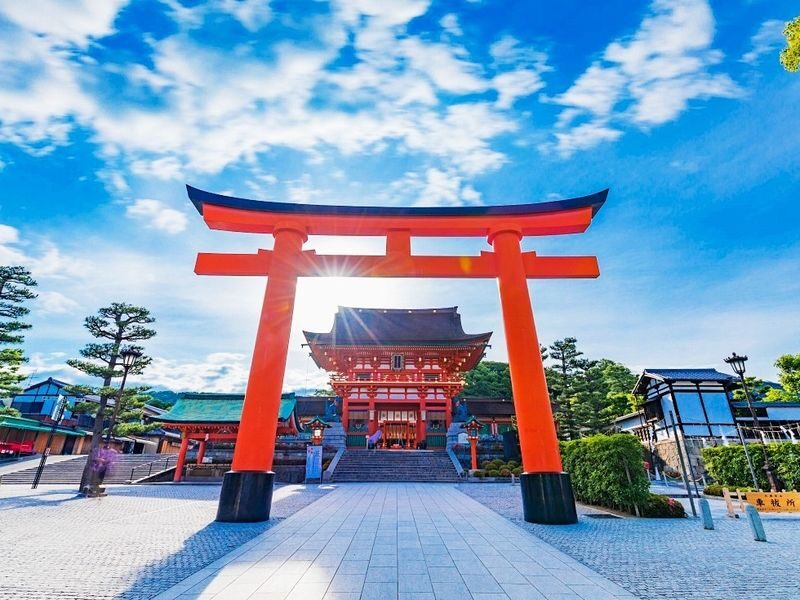
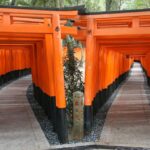
At about 1:00 p.m., the route moves to Fushimi Inari Taisha, with roughly one hour and 10 minutes on site. Its signature sight is the Senbon Torii, the rows of vermilion gates that climb along a mountain path. The gates make this one of Kyoto’s most recognizable places, and they are a natural choice if you enjoy shrine architecture and photography.
White fox-shaped ema, the wooden plaques used for written wishes, add a smaller detail to look for. The shrine is associated with fox imagery, and the plaques give you a more personal stop between the gates and the crowds. You can pause to pray, take photographs and walk a portion of the route.
The time limit is the key point. The gates continue up the mountain, so an hour and 10 minutes is a chance to see the famous section, not a promise of a full mountain walk. If you want to hike farther, plan your turnaround carefully and leave enough time to return to the vehicle. The tour does not specify a guided walk or a particular route through the shrine.
Fushimi Inari is often described as one of Japan’s most popular attractions with international visitors. That fame brings plenty of people to the same photogenic gates. Be patient with your pictures, and remember that the shrine is a place of worship as well as a well-known photo stop.
Nara Park: deer, temples and a short afternoon
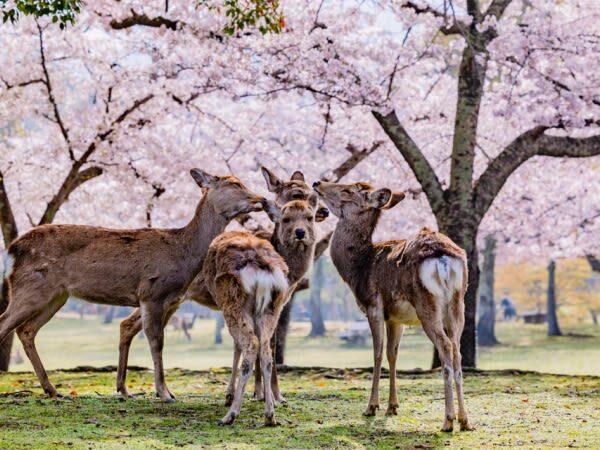
The last major visit is Nara Park, scheduled for about 3:30 p.m. You have roughly an hour and a half to see the park and its surroundings before the return journey. The freely roaming deer are the main draw for many people, and the park’s combination of wildlife and historic sites gives the afternoon a different feel from Kyoto’s streets and shrine paths.
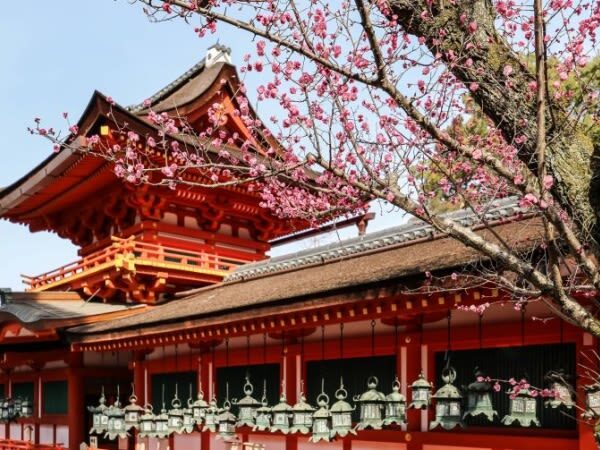
Todai-ji Temple is in the park and is known for its grand architecture. Its admission is not included, so account for an extra ticket if you want to go inside. Kasuga Taisha Shrine is another named sight, while Mount Wakakusa is suggested for a panoramic view. With only 90 minutes, it is best to choose your priority: time with the deer, a temple visit or a walk toward one of the other sights.
The deer are described as spiritual creatures and are part of Nara’s character, but keep your attention on them and follow any posted guidance about interacting with them. The tour details do not say that deer crackers are included or sold as part of the experience, so do not assume there is a feeding activity built into the visit.
This stop can feel brief if you hope to see both Todai-ji and Kasuga Taisha, spend time with the deer and climb Mount Wakakusa. Treat it as a first taste of Nara, not a full tour of the city. If Nara is your main interest, a dedicated day trip may give you more room.
What the transport and timetable mean for your day
Round-trip transfers from the meeting point are included, and the trip is described as a carpool outing. That takes the task of connecting Kyoto, Fushimi Inari and Nara off your hands, but it is not the same as having a vehicle reserved just for your party. Group size is not specified.
The schedule gives a departure time of 8:40 a.m. and also lists a 9:50 a.m. assembly time. Because both appear in the tour information, check your voucher for the exact meeting point and departure time for your booking. Arrive 10 minutes early. Late arrivals are not waited for and are not refunded, so this is one morning when a little extra buffer is worth it.
The listed return time is around 6:00 p.m., with Nipponbashi Station Exit 2 given as the return point. The actual arrival can change with traffic, weather and the day’s progress. Avoid making evening plans that depend on a precise arrival time.
The stated itinerary describes a departure from Kyoto, while the activity details also list departures from Osaka and Kyoto. Confirm the departure location attached to your selected option before setting out. The transport is a major part of the tour’s value, but the pickup and return arrangements matter just as much as the sights.
English-, Chinese-, Japanese- and Korean-speaking staff are listed. The details do not say which languages will be available on every departure or whether commentary is provided throughout the ride, so check if language support is essential to your booking.
Is US$44.79 good value?
At the starting price, the main value is transport and the chance to see three headline sights in a single day. If you are staying in Osaka or Kyoto and would otherwise need to arrange several transfers, this simple structure can save planning time and reduce the risk of losing a chunk of the day between locations.
The price is not an all-in total. Kiyomizu-dera and Todai-ji admissions are excluded, as are meals, drinks, tips and personal spending. A kimono experience is optional, and its cost is not stated. Add the extras that match your plans before comparing this trip with a more inclusive tour.
There is also a value trade-off in the short stops. You get a broad introduction to three places, but not the leisurely time that a dedicated Kyoto or Nara visit allows. For a short stay, that may be a fair exchange. If you want long walks, detailed temple visits or time to stop whenever something catches your eye, separate day trips may suit you better.




Who should book this day trip?
I would consider this tour if you are visiting the region for the first time and want a quick overview of Kyoto and Nara without organizing every transfer. It is also a sensible option if you like independent exploring and can make quick choices about what matters most at each stop.
Families may appreciate the simple transport plan, and the activity has no age limit. Children aged two and under travel free if they do not need a separate seat. Still, the day is long and the schedule is fixed, so consider whether your child will be comfortable with several stops and return travel.
If you have already seen Kiyomizu-dera, Fushimi Inari and Nara Park, this route may repeat familiar ground. And if your main aim is to spend hours walking the torii path or exploring Nara’s temples, the time limits could frustrate you. The best fit is a curious first-time visitor who wants a practical sampler, not an in-depth study of each site.
Booking changes are allowed until 24 hours before the activity starts, with some stated exceptions, including bookings made with certain passes or before a voucher is issued. The voucher is valid only for the selected date and time. A full refund is available if you cancel at least 24 hours before the activity date, using the destination’s local time.
Key points to know before you go
- Three major sights in one day: Kiyomizu-dera, Fushimi Inari and Nara Park are linked by round-trip transport.
- Time is limited at each stop: plan for about 2 hours 30 minutes at Kiyomizu-dera, 1 hour 10 minutes at Fushimi Inari and 1 hour 30 minutes in Nara.
- Admission is extra: Kiyomizu-dera and Todai-ji tickets are not included.
- Kimono dress is optional: arrange and pay for it separately, as the price is not specified.
- Check your departure details: both 8:40 a.m. and 9:50 a.m. appear in the schedule, and late arrivals are not refunded.
- The return time can shift: Nipponbashi Station Exit 2 is listed for the return, but traffic and weather may change arrival time.
Should you book it?
Book this tour if you want an efficient first look at Kyoto and Nara, value transport being handled for you, and are happy to explore each stop on your own. It is strongest as a sampler: temple, torii gates, deer and a ride between them, all in one day.
Skip it if you want a slow pace, a fully guided walk at every site or enough time to explore Nara’s temples and hills in depth. Before paying, confirm your departure point and exact assembly time, then add entry tickets and any optional kimono cost to your budget. That small bit of planning will help you enjoy the day rather than watching the clock.
Classic Panoramic Tour: A Day Trip to Kyoto and Nara to Encounter Adorable Deer
“Loved the day trip our guide was amazing, friendly, helpful and full of knowledge. Would recommend day trips for first time visitors.”
FAQ
What places does the tour visit?
It visits Kiyomizu-dera Temple, Fushimi Inari Taisha and Nara Park. Todai-ji Temple is located in Nara Park and is listed as a possible visit.
How long do you spend at each stop?
The schedule allows about two hours and 30 minutes at Kiyomizu-dera, one hour and 10 minutes at Fushimi Inari, and one hour and 30 minutes at Nara Park.
Are temple entrance tickets included?
No. Admission to Kiyomizu-dera and Todai-ji is not included.
Are meals and drinks included?
No. Meals and beverages are excluded from the tour price.
Is a kimono experience included?
No kimono experience is listed as an inclusion. It is an optional activity, and its cost is not specified.
What languages are supported?
English-, Chinese-, Japanese- and Korean-speaking staff are listed.
Where does the tour return?
Nipponbashi Station Exit 2 is listed as the return point. The actual arrival time can vary with traffic and the day’s progress.
What time should I arrive at the meeting point?
Arrive 10 minutes before your departure time. The schedule lists both 8:40 a.m. and 9:50 a.m., so check your voucher for the time and meeting point that apply to your booking.
Can children join the tour?
There is no age limit. Children aged 0 to 2 travel free if they do not occupy a separate seat.