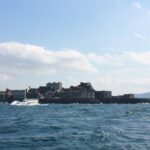
Hashima Island looks less like a place to visit than a city that has slipped out of time. Its packed concrete buildings and seawall rise from the sea, a stark reminder of the coal mines that helped drive Japan’s industrial growth from the 1890s onward.
I like two things about this outing: the chance to see Hashima up close, and the museum visit, which gives you useful context before you sail. The cruise also comes with a Japanese-speaking guide, and the staff’s careful explanations are often a highlight.
The main caveat is that you cannot roam freely through the ruins. The island visit follows a short, designated route, and rough seas can prevent you from landing at all. You should also plan for Japanese-language commentary unless you arrange an audio aid separately.
- The island visit is weather-dependent: strong wind, waves, or other unsafe conditions can cancel a landing or the whole sailing.
- The museum is part of the package: admission is included, and you can use it to get a better sense of the island before boarding.
- Access is controlled: you’ll walk along an approved route, not through the abandoned buildings.
- The guide speaks Japanese: some visitors have found paid audio options at the museum, but check what is available for your date.
- Bring sun and rain protection: there is no shade on the island, and umbrellas are not allowed there.
- Budget for the city facility fee: it is listed separately from the package price and is due on site.
- Hashima’s concrete skyline tells the story
- Start at the Gunkanjima Digital Museum
- Check in early, then walk to Tokiwa Wharf
- The boat ride sets the scene for the island
- On Hashima, expect a short and controlled walk
- What the price includes, and what it does not
- Pack for sun, wind, and sudden rain
- Should you book the Battleship Island cruise?
- FAQ
- Where does the tour start?
- What time do I need to check in?
- How long does the cruise outing take?
- Is the museum admission included?
- What language does the guide speak?
- Can I walk inside the abandoned buildings?
- Is landing on Hashima guaranteed?
- What happens if the sailing is cancelled for bad weather?
- What should I bring?
- Is there an extra fee to pay?
- The Best Of Nagasaki!
- More Boat Tours & Cruises in Nagasaki
- More Tours in Nagasaki
- More Tour Reviews in Nagasaki
- Not for you? Here's more nearby things to do in Nagasaki we have reviewed
Hashima’s concrete skyline tells the story
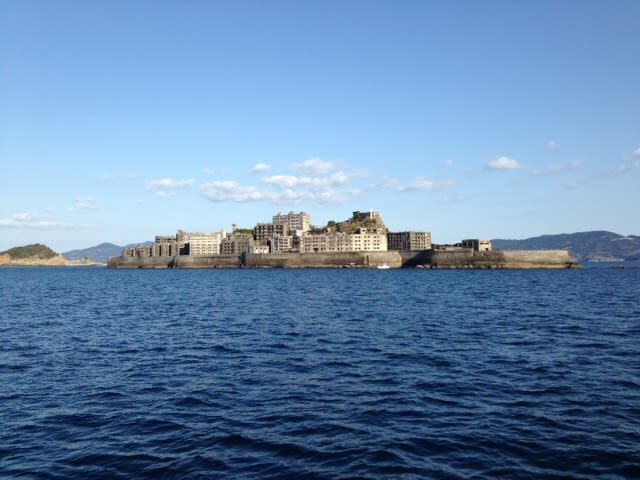
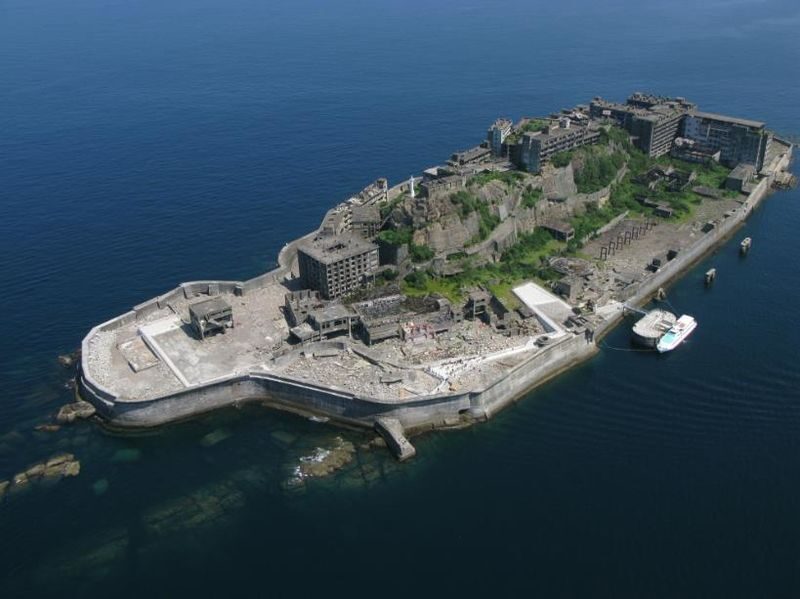
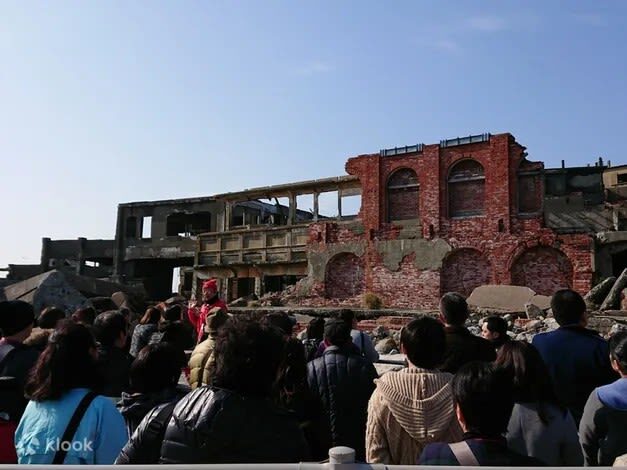
From Nagasaki, Hashima is a small island with a large presence. Its buildings crowd together behind a protective concrete seawall, giving it the silhouette that earned it the nickname Battleship Island. It was one of more than 500 uninhabited islands in Nagasaki, but for decades it was a place where people lived and worked close together around the undersea coal mines.
The mine operation began in the 1890s, and the island became a symbol of Japan’s rapid industrialization. Hashima is now part of the UNESCO World Heritage listing for the Sites of Japan’s Meiji Industrial Revolution. That designation helps explain why the island matters beyond its eerie, photogenic ruins: it is a physical record of a major shift in the country’s industry and society.
The island’s story is not only about industrial progress. Japanese colonial rule and forced labor are also part of its history, and visitors have raised concerns that tour commentary may focus more on the Meiji and Showa eras and coal production than on those experiences. I recommend reading about this history before you go, then listening carefully to what the guide does and does not cover. A short guided visit cannot tell the whole story.
Hashima has also appeared as a filming location for productions associated with Netflix, the History Network, and the Science Channel. That screen connection may be part of its appeal, but the real island is more compelling than a film reference: it is a fragile, restricted place where the buildings have been left standing and the sea is never far away.
👉 See our pick of the 6 Best Guided Tours In Nagasaki
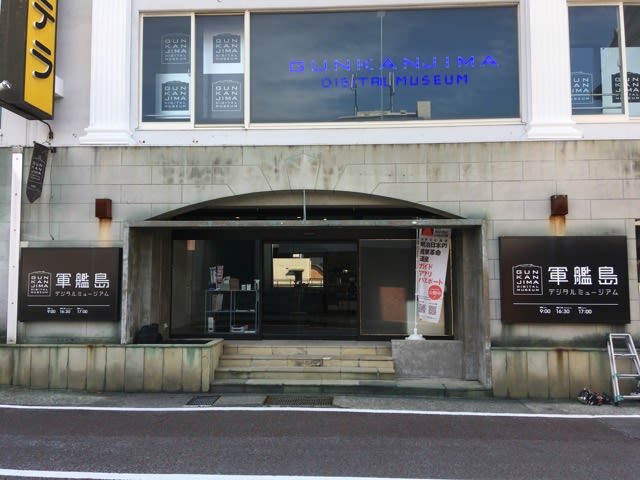
Start at the Gunkanjima Digital Museum
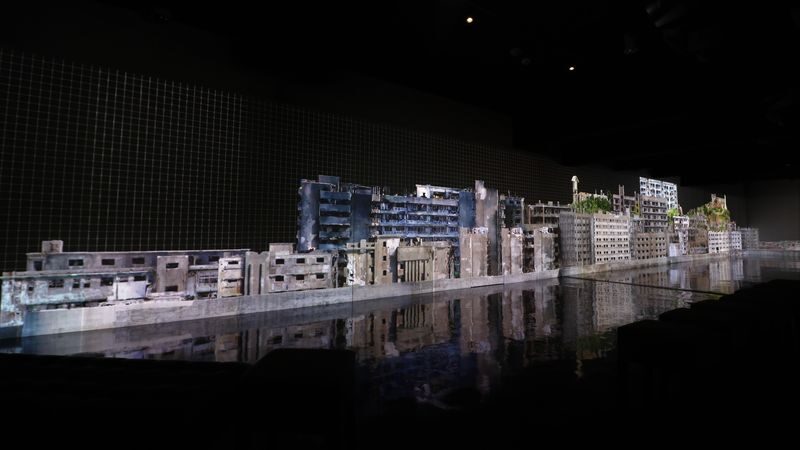
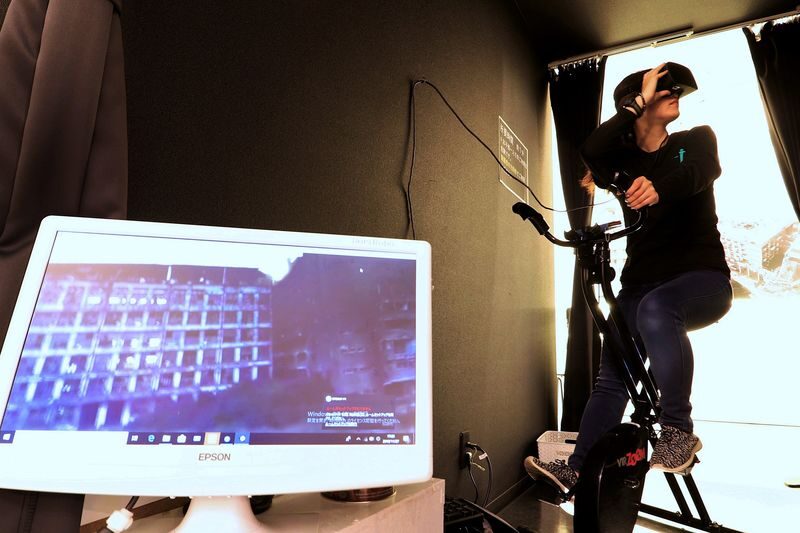
The tour begins at the Gunkanjima Digital Museum, which serves as the check-in point and a useful introduction to the island. Admission is included, so give yourself time to see the exhibits rather than treating the museum as a ticket desk. Its audio-visual displays help explain what you are looking at once the boat reaches Hashima.
If you have an afternoon sailing, you may be able to visit the museum before check-in, depending on opening arrangements and your schedule. One practical approach is to arrive early, see the exhibits, then return for the required check-in window. The museum can also be visited after the boat trip, but most people will find the background more useful beforehand.
The guide on the cruise speaks Japanese. Some people have reported that English or Chinese audio equipment can be rented at the museum for an additional fee, but this is not included in the package details and should not be treated as guaranteed. Ask at the counter what is available on your day. One useful tip: a GPS-based audio device may struggle to receive a signal on the boat, so learning the basics in the museum first can be more dependable than expecting commentary to work perfectly at sea.
This is also the point to sort out the city facility fee, which is not included in the cruise package. The listed fee is ¥310 for adults and ¥150 for children. From April 1, 2026, it changes to ¥650 for adults and ¥320 for children. Confirm the current charge when booking or before travel.
You can also read our reviews of more boat tours in Nagasaki


Check in early, then walk to Tokiwa Wharf
The museum and cruise are linked by a short transfer to Tokiwa Port, where you board the ferry. For the morning sailing, check in at the museum between 9:00 and 10:00. You then proceed to the port, boarding begins at 10:15, and the boat departs at 10:30. The return is scheduled for about 13:10, with the stated morning return time at the terminal around 13:15.
For the afternoon sailing, check in between noon and 1:00. You proceed to the port, boarding begins at 1:20, and the boat leaves at 1:40. The return is scheduled for about 4:20. These are substantial half-day commitments, so leave room in your Nagasaki plans rather than squeezing in another timed attraction immediately afterward.
Arrive within the check-in window for the time you selected. Late arrivals and no-shows are not refundable. Some people have found that checking in early can help them board sooner and choose a seat, but seating procedures may vary. Follow the staff’s directions at the museum and pier.
The tour description also mentions a one-day option from Fukuoka that combines Glover Garden, the digital museum, and the cruise. The package covered here is the Battleship Island Sightseeing Cruise Experience, meeting in Nagasaki. Do not assume that transport from Fukuoka or admission to Glover Garden is included in this package; check the exact option before paying.
The boat ride sets the scene for the island
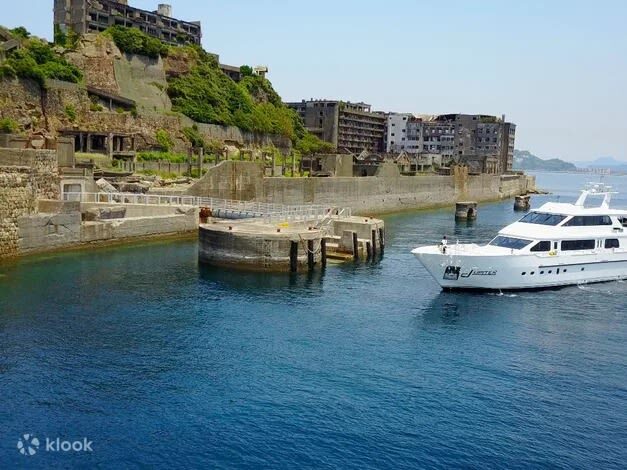
The ferry ride is part of the experience, not just transport. As Hashima comes into view, the guide provides historical commentary and the boat offers a chance to see the island from the water. The approach helps you understand the island’s compact shape and the scale of the seawall before you set foot on it.
The ride can be windy, rainy, or uncomfortable, especially if you are seated outside. A few people have described the boat as crowded or chilly, so bring a windproof layer even if the weather looks mild on shore. There are reports of newer, more comfortable boats, but boat conditions and seating may vary.
Some visitors have raised concerns about the difference between ticket types and photo access on board. The package information here does not specify a premium ticket or guarantee an outside viewing position. If close-up photographs are important to you, confirm exactly what your selected ticket allows before booking. Whatever your seat, the boat circles the island so you can see its exterior, but your view may depend on where you are allowed to sit.
The guide’s explanations are a strong part of the outing, but language is a real consideration. If you do not understand Japanese, the museum displays can provide useful context, and a paid audio device may be available. Do not count on live commentary in English or Chinese as part of the standard package.
On Hashima, expect a short and controlled walk
Landing is the moment many people look forward to, but it is never certain. If conditions are safe, you disembark and follow the designated walkway through a limited section of the island. You can see the abandoned buildings and the seawall at close range, but you cannot wander into the structures or explore the whole island.
That restriction can feel disappointing if you imagined walking through empty apartment blocks. It is also sensible: the buildings have stood exposed to salt, wind, and weather for decades, and the operator keeps visitors within approved areas. Think of this as a guided look at a preserved industrial site, not an urban exploration tour.
The walk itself is relatively short, and much of the value comes from looking closely while the guide explains what the island was and how people lived there. The compactness is striking. You are surrounded by concrete, with the sea beyond the wall and little shade overhead. The island can be hot in summer, and umbrellas are not allowed on the walkways. Wear a hat, use sunscreen, and carry water.
If the boat cannot land, the crew may circle the island instead. You still get a view of Hashima from the water, but it is a different and less complete experience. In some cases, unsafe sea conditions can cancel the sailing altogether. The operator says affected orders receive a full refund, and it may offer rescheduling or a refund in the event of extreme weather. Because sea conditions can change, keep your schedule flexible.
What the price includes, and what it does not
At a starting price of $37.89, the package includes the round-trip cruise ticket, admission to the Gunkanjima Digital Museum, a Japanese-speaking guide, and the transfers associated with the tour. That is fair value if you want both the museum context and the island sailing in one booking. The museum is not an afterthought: its visual displays can make the short island visit more meaningful.
The price does not cover personal expenses or the Nagasaki City facility fee. Audio-guide rentals, if offered, are also extra. If the landing is cancelled but the boat still sails, the experience may be mostly a cruise and exterior viewing, so consider how much you value the island landing when judging the cost.
Children must be at least 3 years old to participate. Children aged 3 to 12 need to be with a paying adult, and child seats are not available. Check the preschool-child precautions before booking if you are bringing a young child.

Pack for sun, wind, and sudden rain
The most useful items are simple: a hat or cap, sunglasses, water, and a raincoat or poncho. A light waterproof, windproof jacket is wise even when the forecast looks good. The island has no shade, and umbrellas are not permitted once you are walking there.
Wear shoes you can walk in comfortably, and keep your phone or camera ready during the boat approach. If photography matters to you, confirm any ticket restrictions before the day. The tour is valid only on the selected date and time, and confirmation is expected within 48 hours. If you do not receive a confirmation email, contact customer support.
Should you book the Battleship Island cruise?
Book this outing if you are interested in industrial history, unusual architecture, or the experience of seeing Hashima from the sea and, weather permitting, from its limited public walkway. The museum, ferry, and guide make a sensible combination, and the island’s scale is hard to understand from photographs alone.
Think twice if you expect to roam through the ruins, need guaranteed English commentary, or have little flexibility around weather. The strongest plan is to read about Hashima’s industrial and colonial history beforehand, check what language support is available, and leave room for a cancellation or a boat-only visit. If those limits suit you, this is a memorable, distinctly Nagasaki excursion.
Battleship Island Cruise Experience (Nagasaki)
“you gotta see to believe. can't believe multiple generations lived here”
FAQ
Where does the tour start?
Check in at the Gunkanjima Digital Museum in Nagasaki. From there, the group proceeds to Tokiwa Port to board the ferry.
What time do I need to check in?
For the morning cruise, check in between 9:00 and 10:00. For the afternoon cruise, check in between noon and 1:00. You must attend the time selected when booking.
How long does the cruise outing take?
The morning sailing departs at 10:30 and returns at about 13:10. The afternoon sailing departs at 1:40 and returns at about 4:20.
Is the museum admission included?
Yes. Admission to the Battleship Island Digital Museum is included in the package.
What language does the guide speak?
The included guide speaks Japanese. Audio devices in other languages may be available to rent at the museum for an extra fee, but availability is not guaranteed.
Can I walk inside the abandoned buildings?
No. Visitors follow a designated route and cannot freely explore the buildings or the whole island.
Is landing on Hashima guaranteed?
No. Landing depends on sea and weather conditions. If conditions are unsafe, the boat may circle the island or the sailing may be cancelled.
What happens if the sailing is cancelled for bad weather?
The operator may cancel for safety. Affected orders are eligible for a full refund, and rescheduling may also be offered in cases of extreme weather.
What should I bring?
Bring sunglasses, a cap or hat, a raincoat or poncho, and a water bottle. There is no shade on the island, and umbrellas are not allowed there.
Is there an extra fee to pay?
The Nagasaki City facility fee is not included. It is listed as ¥310 for adults and ¥150 for children, changing to ¥650 for adults and ¥320 for children from April 1, 2026.