Hakodate’s best-known view comes after dark: city lights spread between two arms of the sea, seen from Mt. Hakodate. This two-day tour pairs that striking finish to Day 1 with historic Hokkaido buildings, a star-shaped fort, a seafood market, and volcanic lakes on Day 2.
I like the contrast between Hokkaido’s pioneer-era buildings and Hakodate’s old port warehouses, and the chance to see several far-flung sights without planning the long intercity trip yourself. On clear evenings, Mt. Hakodate is a real payoff.
One catch: this is a driving tour, not a full-time guided lecture. The driver may also be the guide, and commentary can be brief, particularly when the vehicle is a minibus or large taxi. The mountain visit is also weather- and maintenance-dependent.
- Start with Hokkaido’s past: Spend 1 hour 20 minutes at the open-air Historical Village of Hokkaido.
- See Hakodate’s port-era architecture: Browse the Kanemori Red Brick Warehouses, now home to waterfront shops.
- Aim for the night view: Mt. Hakodate is scheduled for Day 1, but the ropeway closes for maintenance in early October to early November.
- Choose your Goryokaku view: Walk the star-shaped park, or pay extra to see its design from the tower.
- Finish among lakes and mountains: Onuma Quasi-National Park offers a change of pace after the city stops.
- Budget for extras: The base fare does not include accommodation, meals, or admission tickets.
- A two-day route with a useful trade-off
- Day 1: Hokkaido’s old streets, then Hakodate after dark
- Day 2: A star-shaped fort, macaques, and market lunch
- Onuma’s lakes offer a quieter final stop
- What the guide service is really like
- What the fare covers, and what it does not
- Who should book this trip?
- FAQ
- Does the tour include a hotel?
- Are meals and attraction tickets included?
- Will the tour visit Mt. Hakodate in early October or early November?
- Can I see the monkeys bathing in the hot spring?
- What languages are available during the tour?
- How much luggage can I bring?
- The Best Of Hakodate!
- More 2-Day Experiences in Hakodate
- More Tours in Hakodate
- More Tour Reviews in Hakodate
- Not for you? Here's more nearby things to do in Hakodate we have reviewed
A two-day route with a useful trade-off
 1 / 7
 2 / 7
 3 / 7
 4 / 7
 5 / 7
 6 / 7
 7 / 7
This tour links Sapporo and Hakodate by road, then returns to Sapporo after a full second day of sightseeing. It suits you if you want to cover a broad stretch of southern Hokkaido without arranging each transfer and stop on your own.
The route also asks you to accept some limits. You have set time at each attraction, and the schedule can shift with traffic, weather, crowds, and opening hours. Think of it as a practical sampler rather than a slow, in-depth stay in Hakodate.
The tour starts at 9:30, with the first stop at the Historical Village of Hokkaido. At the end of Day 1, you are dropped at Hakodate Station and make your own way to your hotel, unless you book the hotel package. Day 2 starts with a meeting at Hakodate Station at 9:10, then heads around Hakodate and back toward Sapporo. The listed return points are Sapporo Station North Exit at 19:00 and Sapporo TV Tower at 19:10.

👉 See our pick of the 7 Best Tours In Hakodate
Day 1: Hokkaido’s old streets, then Hakodate after dark
The Historical Village of Hokkaido is an open-air museum built in 1983. Its preserved buildings offer a window into the region’s pioneer era, including its daily life, industry, culture, and economic development. With 1 hour 20 minutes scheduled, you have time to look around, though anyone who likes to read every display may wish for longer.
A lunch stop follows, with about an hour set aside. Meals are at your own expense, so bring cash and keep an eye on the clock. The exact stop and timing can change as the day unfolds.
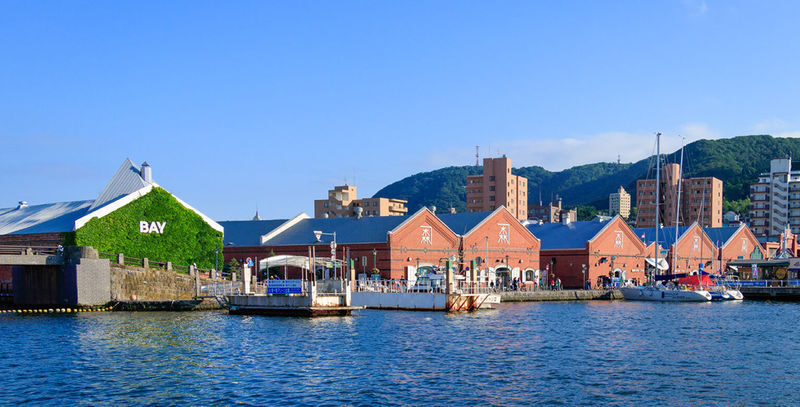
In the late afternoon, the bus reaches the Kanemori Red Brick Warehouses. Hakodate, along with Yokohama and Nagasaki, was one of Japan’s first international trade ports to open in 1895. The warehouses recall that maritime era, while their current waterfront shops give you a chance to browse or pick up a small souvenir. The schedule allows 1 hour 20 minutes, a reasonable window for a walk and some shopping, though not a long dinner.
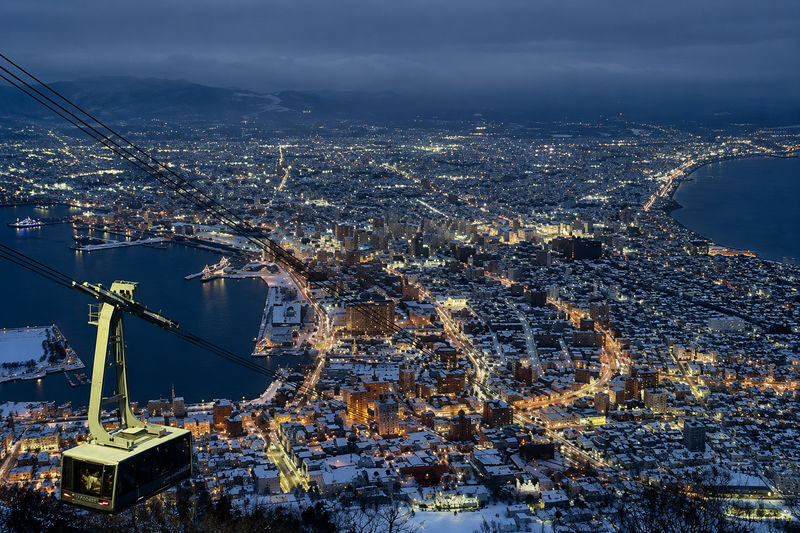
The main event comes next: Mt. Hakodate. The planned visit lasts 1 hour 30 minutes, including the ropeway ride and time at the summit. From there, the city’s lights and the dark water on either side create the view that makes this stop famous. The timing matters: the tour is designed to reach the mountain in the evening, but the view depends on weather and ropeway operations.
The ropeway closes for equipment inspection from early October to early November, and the tour does not visit Mt. Hakodate during that period. Do not assume there will be an alternative way up the mountain. If this view is the chief reason you are booking, check the ropeway’s current schedule before choosing your date.
Rain, fog, or strong conditions can also spoil the view or change the plan. One past departure was disappointed when the ropeway was closed and no mountain alternative was arranged. That is a useful reminder to treat the view as a possibility, not a promise.
You can also read our reviews of more tours and experiences in Hakodate
Day 2: A star-shaped fort, macaques, and market lunch
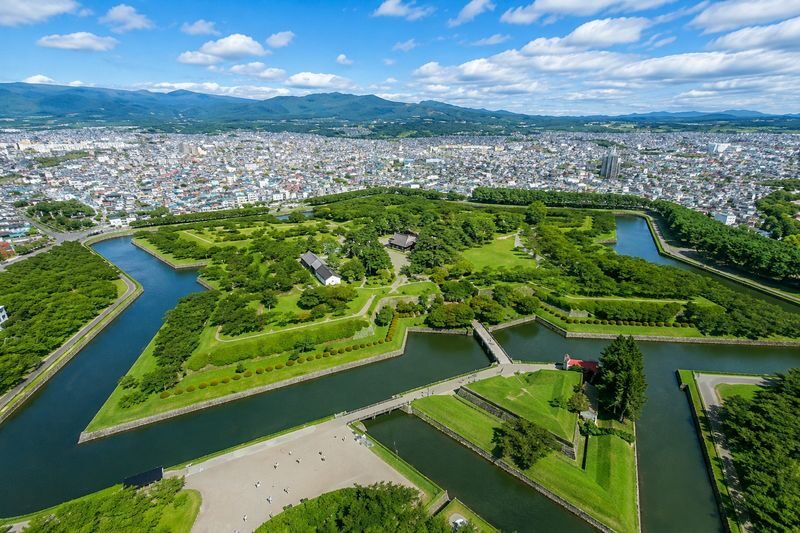
Meet at Hakodate Station at 9:10 for the second day. The first stop is Goryokaku Park, scheduled for 1 hour 10 minutes. This star-shaped fort is distinctive from ground level, but its outline is easiest to appreciate from above. Entry to the park and access to the observation deck are separate considerations, and the Goryokaku Tower ticket is not included.
The tower is optional, with reference prices listed at ¥1,200 for adults, ¥900 for junior and high school students, and ¥600 for elementary school students. Those prices can change. If you want the overhead view, check that the tower is open and be ready to pay separately. The allotted time may feel tight if you want both a proper park walk and a tower visit.
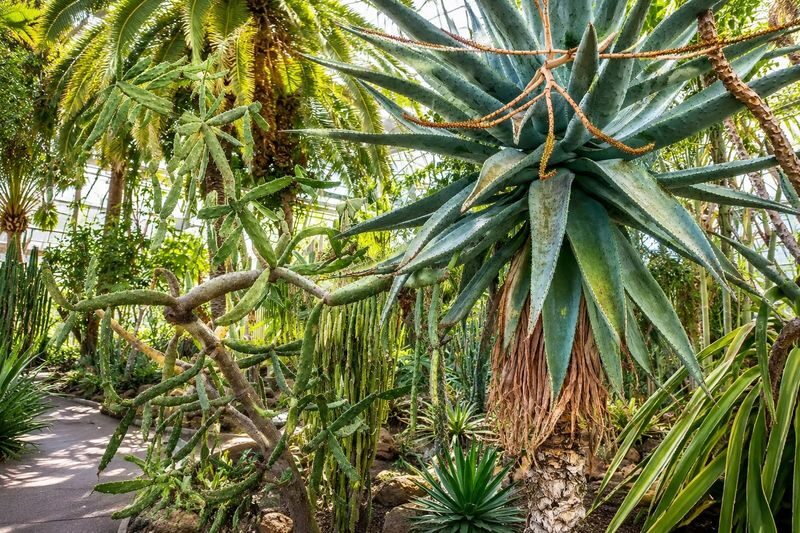
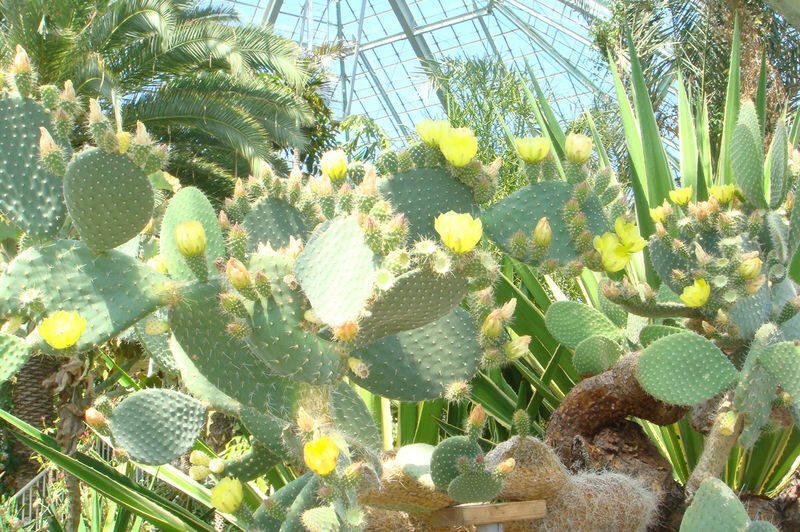
Next comes Hakodate Tropical Botanical Garden, with 40 minutes scheduled. It has about 3,000 plants from roughly 300 species, as well as Japanese macaques. The monkeys can be seen year-round, and from December until Japan’s Golden Week in early May, they may be seen bathing in the garden’s hot spring. This is a distinctive stop, especially in winter, but it is brief.
The garden’s adult admission is listed at ¥300, with a ¥100 rate for elementary and junior high school students. Take the season into account: the hot-spring bathing is not a year-round feature. If you are more interested in the monkeys than the plants, the winter and early spring window is the one to consider.
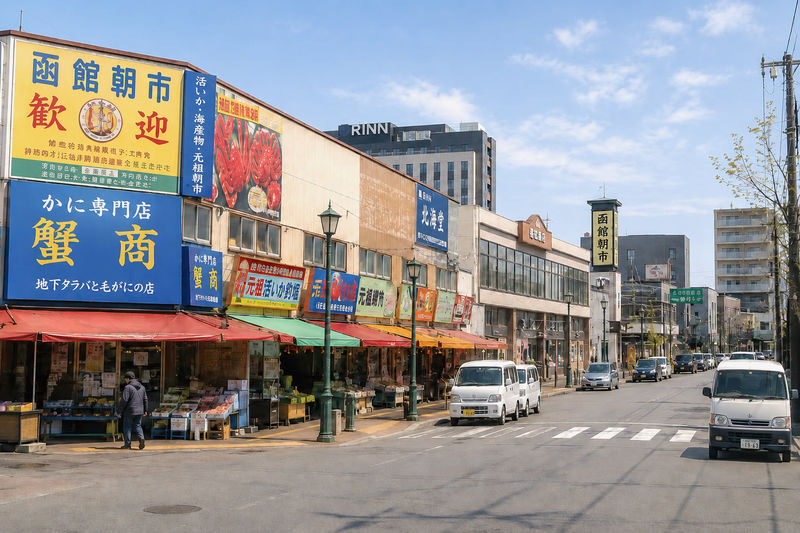
Lunch is at Hakodate Morning Market, where about 250 shops occupy a site of 10,000 tsubo. The schedule allows 1 hour 30 minutes, and lunch is on your own. That gives you time to browse and choose something to eat, but the market is a large stop with many options, so decide whether you want a quick meal or a longer look around. Carry cash, since payment methods vary at attractions and local facilities.
Onuma’s lakes offer a quieter final stop
The last major visit is Onuma Quasi-National Park, with an hour set aside. The area’s lakes formed through volcanic activity, and Mt. Komagatake provides the mountain backdrop. After city streets and scheduled sightseeing, this is a chance to take in Hokkaido’s open-air scenery.
The time is enough for a short walk and a look at the lakes, not an extended visit. Weather can change the experience here, too. If roads are delayed or conditions are poor, the route or time at a stop may be adjusted.
Two 15-minute service-area breaks are planned during the return journey. The tour is due back in Sapporo from 19:00, but congestion and bad weather can push that later. Leave a generous buffer if you have a train, flight, or other connection. Any extra transport or accommodation costs caused by a delay are yours to cover.
What the guide service is really like
The tour includes a Japanese-speaking or Chinese-speaking professional driver-guide, but the actual format can depend on the vehicle and group. When a large taxi or minibus is used, the driver provides the sightseeing information and may speak only basic English. A translation app may be used for additional communication.
That distinction is worth taking seriously. Some participants have had drivers who gave detailed explanations, while others describe a quieter, mostly self-guided ride with short introductions at stops. Drivers have also been praised for being punctual, considerate, and smooth on the road. Mr. Chen, Mr. Fan, and Nissen are names associated with positive experiences, but you cannot request or count on a particular driver.
If you want deep historical commentary at every stop, this may not be the right fit. If your priority is reaching the main sights without arranging the route yourself, the driver-led format can work well. You can ask questions, but avoid expecting a dedicated guide who can talk while another person handles the driving.
The vehicle may be a bus, minibus, or large taxi, depending on operations. Group size can therefore vary. The luggage limit is one standard suitcase per person, up to 76 by 51 by 30 centimeters. If you have more, notify the operator in advance.
What the fare covers, and what it does not
The no-hotel package starts at US$188.35. It does not include a hotel or breakfast, meals, drinks, or admission tickets. You arrange your own Hakodate accommodation between the two days and meet the group again at Hakodate Station the next morning.
A second option starts at US$240.99 and includes one hotel night and breakfast on Day 2. The difference in starting prices is about US$52.64, which may be good value if the hotel location and room arrangement suit you. Check the exact package details before booking, especially if you need a particular room type.
Budget separately for the attractions. Reference admission prices are ¥800 for adults and ¥300 for high school students at the Historical Village; ¥1,800 for adults and ¥900 for children aged three through elementary school for the Mt. Hakodate Ropeway; ¥300 for adults and ¥100 for elementary and junior high school students at the botanical garden; and the Goryokaku Tower rates noted above. Prices may change, and some venues may accept cash only.
The fare’s value is mainly in transportation and route planning. Reaching these stops on your own can involve several transport arrangements and careful timing. Here, the bus links the major sights and carries you back to Sapporo, with two scheduled rest breaks. In return, you give up flexibility and pay your own way for meals, tickets, and, in the base package, a hotel.


Who should book this trip?
I would consider this tour if you have limited time, want a broad introduction to Hakodate, and value a prearranged route over choosing every detail yourself. It is also a practical option if you are comfortable with free time at each stop and do not need a long guided talk.
It is less suited to you if Mt. Hakodate is a must-see on a specific date, you want an extensive visit to Goryokaku or the morning market, or you prefer detailed commentary in English. Weather, traffic, ropeway maintenance, and changing opening hours can all reshape the day.
Arrive at each meeting point 10 minutes early. The tour requires at least five participants, and the operator may notify you up to five days before departure if that minimum is not met. Late arrivals and no-shows are not refunded. Pack cash, keep your schedule flexible, and leave room after the estimated return to Sapporo.
My verdict: book it for convenient coverage of the region’s highlights, not for a guaranteed mountain view or a fully narrated tour. The hotel-and-breakfast option can simplify the overnight stop; the base option gives you more control over where you stay. Check the ropeway calendar first, and make your decision with the weather in mind.
Explore Hakodate❘ 2-Day Highlights Tour from Sapporo
“Our driver, Mr. Chen, took us to all the designated places according to the tour's itinerary and was always standby on time. He was very reliable a…”
FAQ
Does the tour include a hotel?
Only the US$240.99 package includes one night of accommodation and breakfast on Day 2. The US$188.35 package includes neither, so you arrange your own hotel in Hakodate.
Are meals and attraction tickets included?
No. Meals and drinks are at your own expense, and admission tickets are not included. Carry cash because payment methods vary between attractions and facilities.
Will the tour visit Mt. Hakodate in early October or early November?
The ropeway closes for equipment inspection from early October to early November. During this closure, the tour does not visit Mt. Hakodate. Check the latest ropeway operating information before booking.
Can I see the monkeys bathing in the hot spring?
Japanese macaques can be seen year-round at Hakodate Tropical Botanical Garden. The hot-spring bathing is a seasonal feature, available from December until Japan’s Golden Week in early May.
What languages are available during the tour?
The included driver-guide is Japanese-speaking or Chinese-speaking. When a large taxi or minibus operates, the driver may speak basic English, and a translation app may be used for additional communication.
How much luggage can I bring?
The allowance is one standard-sized suitcase per person, measuring up to 76 by 51 by 30 centimeters. Contact the operator if you need to bring more than one.