
The guide stops in front of a small wooden door, fishes out a key, and unlocks it. Twenty seconds later we’re standing inside Saint Stephen’s Hall, gold leaf catching the morning light, and the rest of the Royal Palace doesn’t even know we’re here. That’s the moment a Buda Castle walking tour earns its money.
The hard part is picking the right one. Three different shapes of tour leave from the hill every morning, and the cheapest is not the best.
- In a Hurry?
- The Three Shapes of Tour, and How to Pick
- Recommended Tours
- 1. Buda Castle Walking Tour With Saint Stephen’s Hall:
- 2. Buda Castle District Walking Tour:
- 3. 3-Hour Orientation Walking Tour of Buda and Pest:
- Can I Just Walk It for Free?
- What Goes On the Hill: a Quick Map
- Matthias Church and Holy Trinity Square
- Fishermen’s Bastion
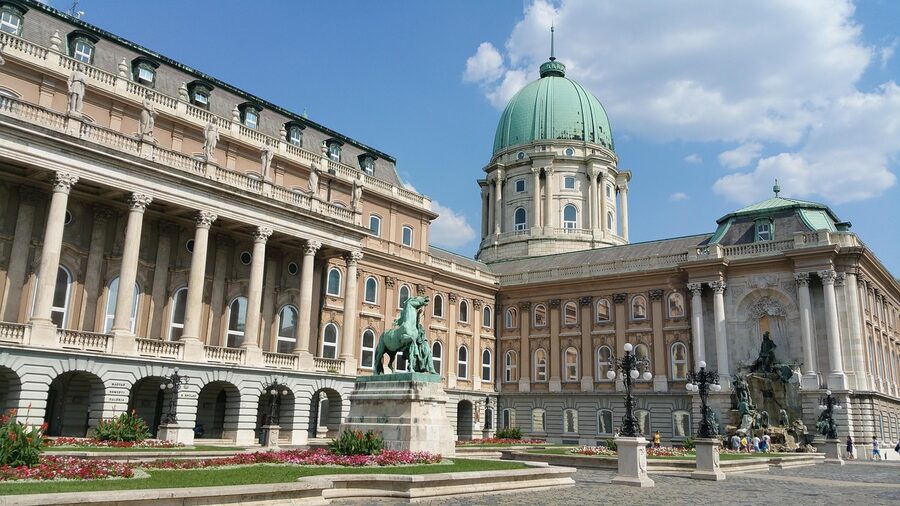
- The Royal Palace and Saint Stephen’s Hall
- The Turul Statue and the Castle Walls
- How to Get Up There
- What Time of Day to Book
- What the Tour Doesn’t Cover
- Pairing the Tour With the Rest of Budapest
- If You’re Coming From Prague or Vienna
- Booking Logistics
- Three Common Booking Mistakes
- One More Thing About the Hill
- Other Budapest Tours Worth Booking Around This One
In a Hurry?
1. Buda Castle With Saint Stephen’s Hall, $29. The only tour that gets you inside the restored hall. Book this if the castle interior is the point.
2. Buda Castle District Walking Tour, $14. Two hours, the whole hilltop, no interior. Best value if you want a guided overview.
3. 3-Hour Buda and Pest Orientation, $41. Crosses the Chain Bridge and covers both banks. Pick this on day one of your trip.
The Three Shapes of Tour, and How to Pick
Most people typing “buda castle walking tour” don’t realise they’re choosing between three completely different products. They share a hilltop, but they answer different questions.
The first shape is Buda-only, with interior access. You spend ninety minutes on the hill and one of those stops is inside the building. That’s the Saint Stephen’s Hall tour. The hall was destroyed in 1945 and reopened in 2022 after a long restoration, so for a few decades there was nothing inside the Royal Palace worth queuing for. There is now.
The second shape is Buda-only, exterior only. Two hours of guided walking around the cobbled streets at the top, with stops at Matthias Church, Fishermen’s Bastion, the Royal Palace forecourt, and the Turul statue. You don’t pay an entry fee for any of it because most of the district is free to walk. The guide is the value.
The third shape is Buda and Pest together. Three hours, both banks of the Danube, the Chain Bridge in the middle. The castle is one stop on a city overview rather than the whole point. This is the right tour if you’ve just arrived and don’t know which side of the river your hotel is on yet.
I lay all three out below with what each one actually does and who it’s for. If you’re tight on time, scroll to the recommended tours; if you’re tight on money, scroll to “Can I just walk it for free?”.
Recommended Tours
1. Buda Castle Walking Tour With Saint Stephen’s Hall: $29

This is the one I send people on if they’ve already seen the city and want substance for ninety minutes. Our full review goes into how the guides handle the post-war restoration story, which is the actual hook of the visit. At 3,012 reviews and a 4.5 rating, it’s the most-booked Buda Castle tour with interior access on the market.
2. Buda Castle District Walking Tour: $14
For fourteen dollars you get a fluent guide for two hours and the whole top of the hill. Our review explains why I think this is the best per-hour value in central Budapest. Rating is 4.6 across 2,108 reviews, so it isn’t a fluke.
3. 3-Hour Orientation Walking Tour of Buda and Pest: $41
Three hours sounds long until you do it. The 4.8 rating across 1,834 reviews is the highest of any walking tour I’d put on this list, and our review covers why guides like Zoli end up handing out tram-route advice and dinner picks alongside the history. Public transport tickets are usually included.
Can I Just Walk It for Free?
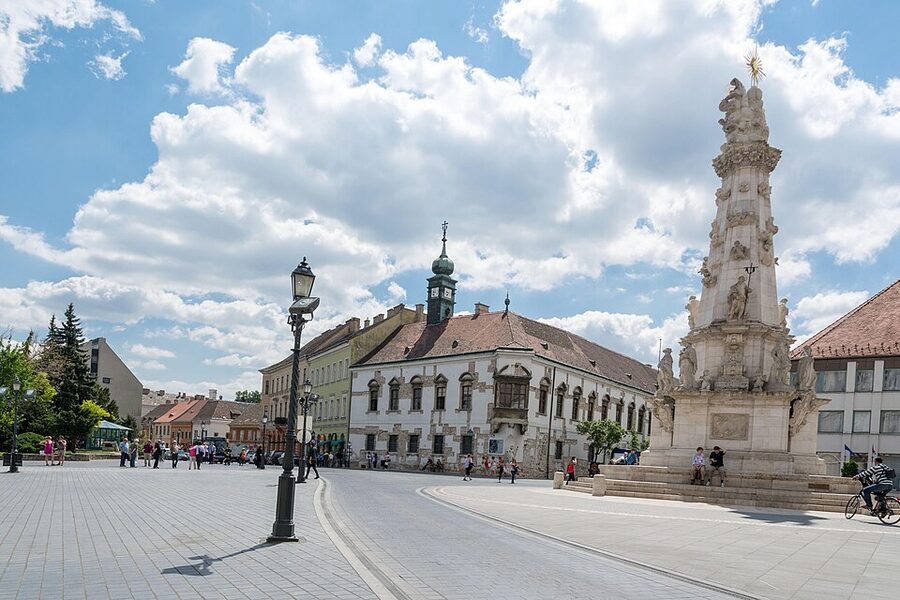
Yes. Most of the Buda Castle district is open public space. The streets are free, Holy Trinity Square is free, the Royal Palace courtyards are free to walk through, and the upper-level Fishermen’s Bastion terraces are free for a few hours every morning before the ticketed window opens.
What you don’t get is anyone telling you what you’re looking at. The buildings up there are not labelled in any helpful way, and the post-war restoration story (which is the most interesting thing about the hill) is not legible from a plaque. That’s the case for paying for a guide, even when the walking itself costs nothing.
The free walking tours run by tip-based operators are a separate thing. They are genuinely free at the start, but the guide expects a tip at the end and the experienced ones won’t smile if you hand them less than ten euros. By the time you’ve tipped, you’ve spent more than the $14 paid district tour and walked with a much larger group. I’d skip them in favour of the paid options below.
What Goes On the Hill: a Quick Map
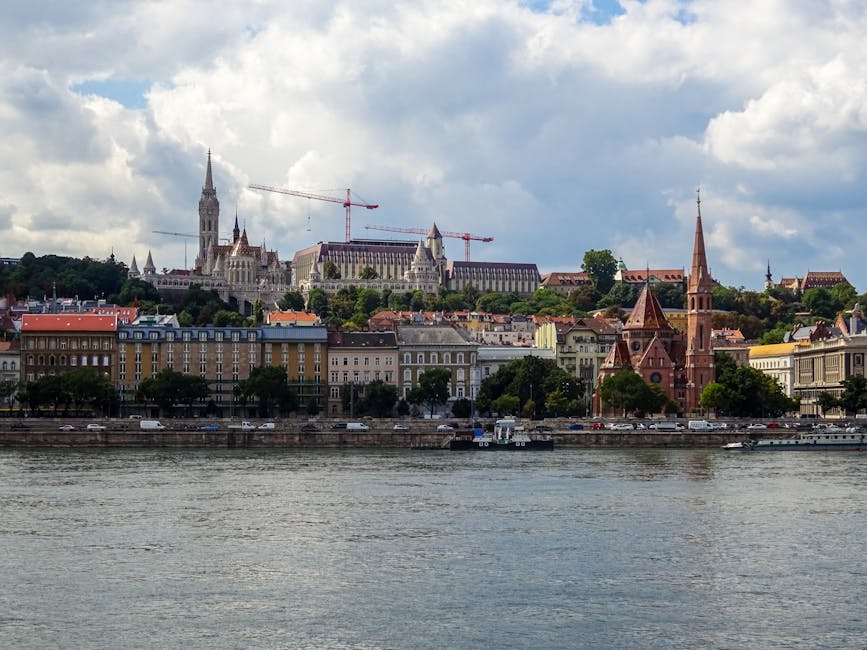
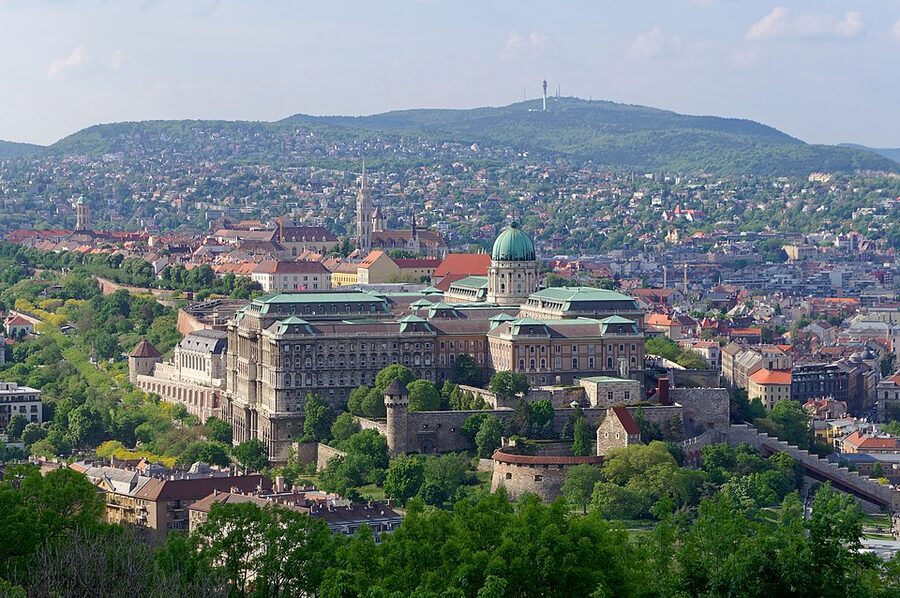
The Buda side of Castle Hill divides into two halves. The northern half is the residential and church district; the southern half is the Royal Palace.
Matthias Church and Holy Trinity Square
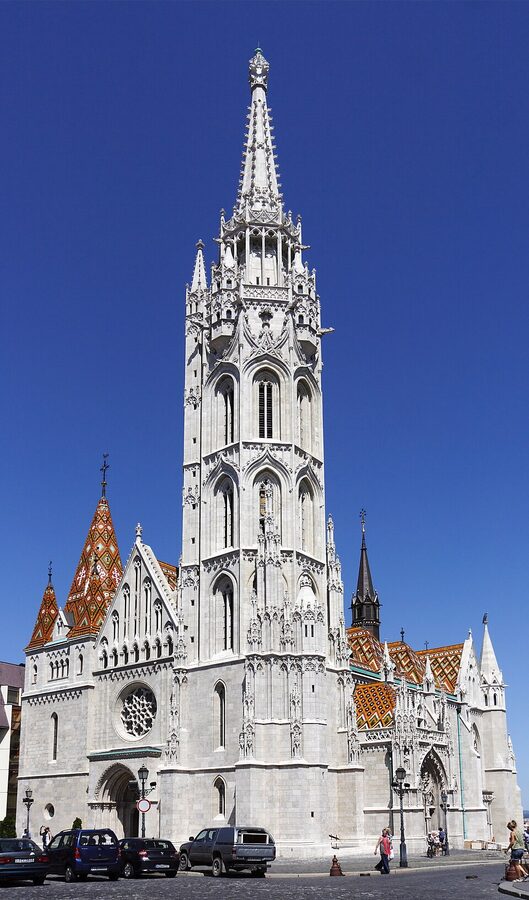
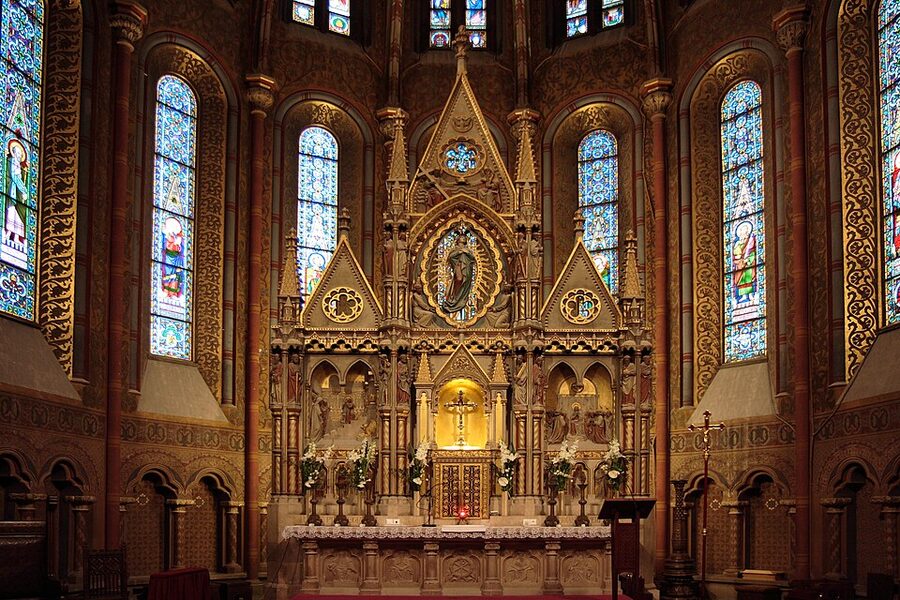
Matthias Church is the centre of the northern half. The interior is paid entry and most walking tours don’t include it; you go in on a separate ticket if you want the painted ceiling and the stained glass. The exterior is what most people remember anyway, because the roof tiles look unlike anything else in the city.
Fishermen’s Bastion
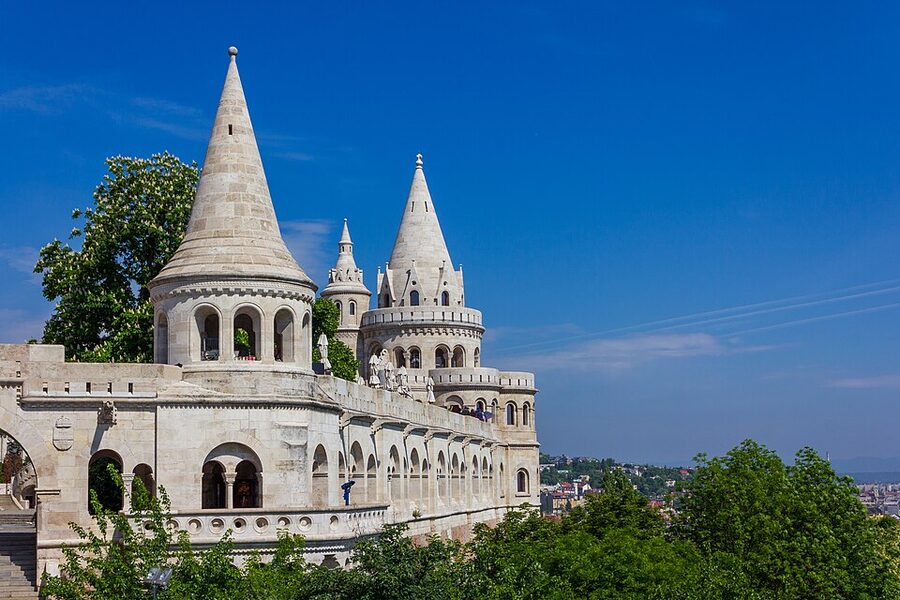
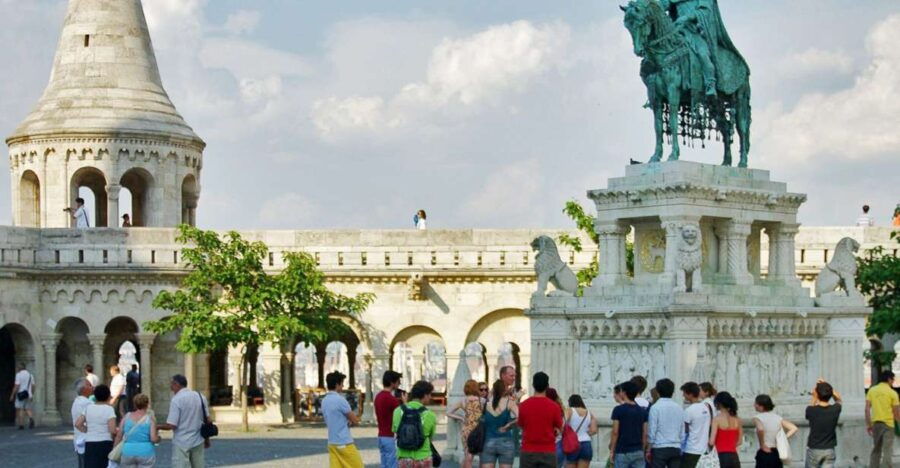
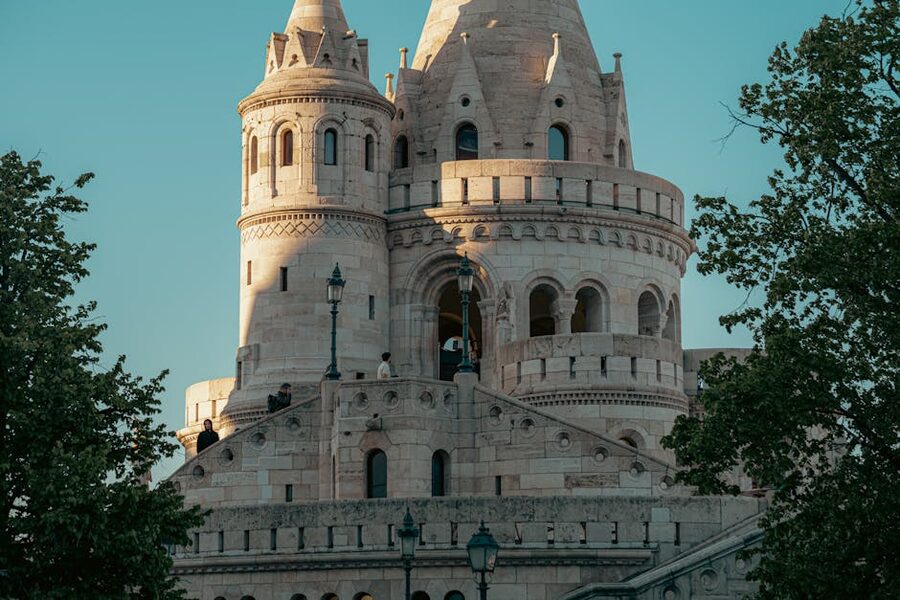
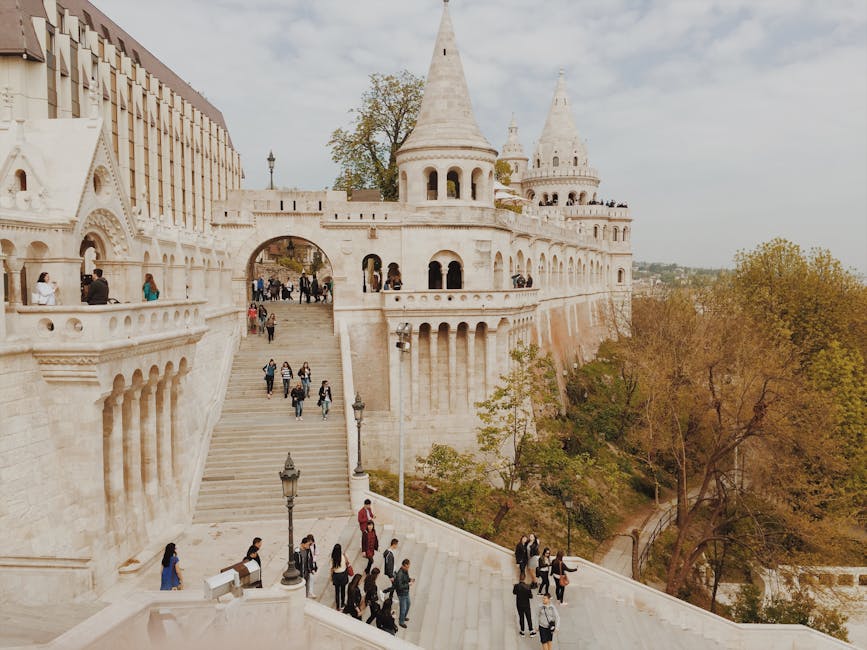
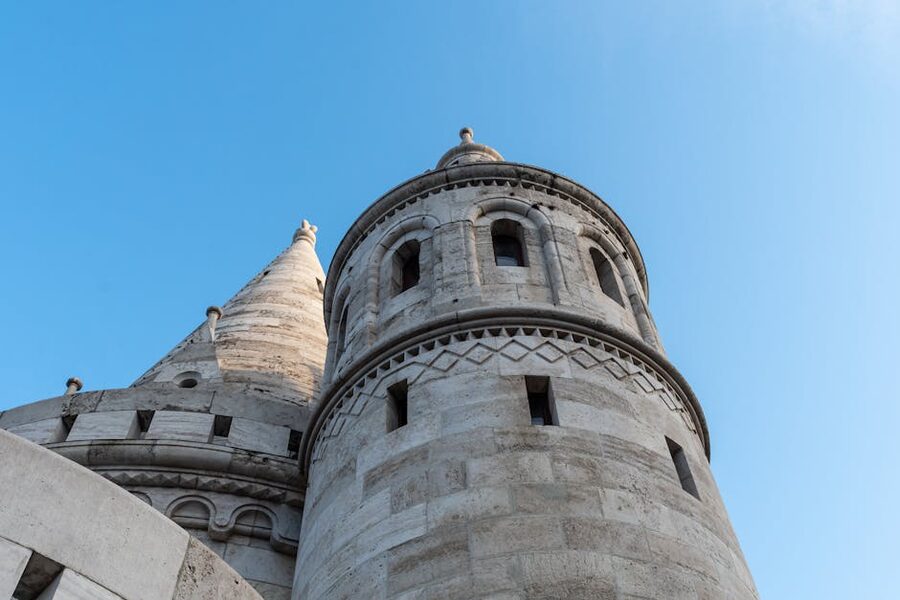
Fishermen’s Bastion is the white set of turrets next to Matthias Church and the spot every Budapest postcard is taken from. The lower walkways are free. The upper viewing terraces require a ticket from about 9am to 7pm in summer, but they swing open and free outside those hours.
The Royal Palace and Saint Stephen’s Hall

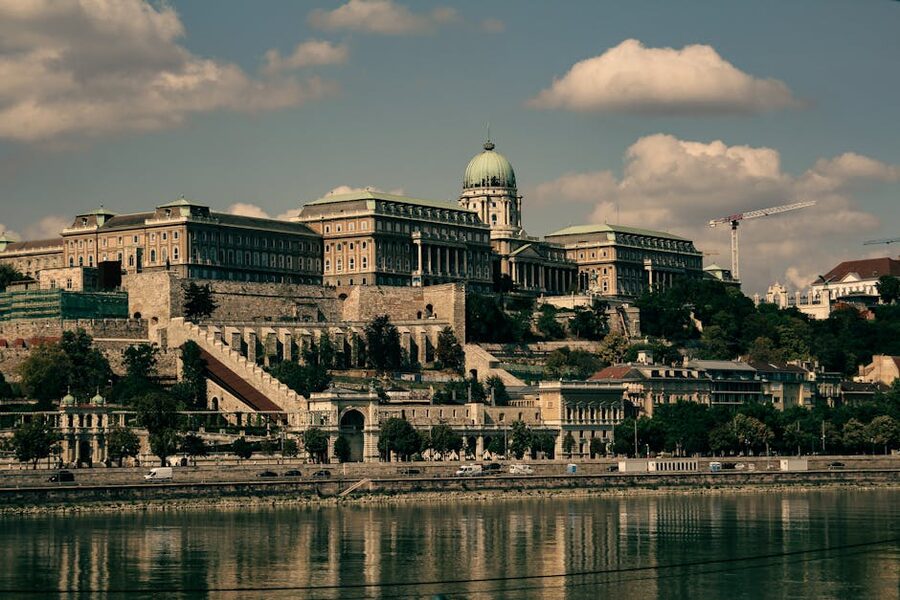
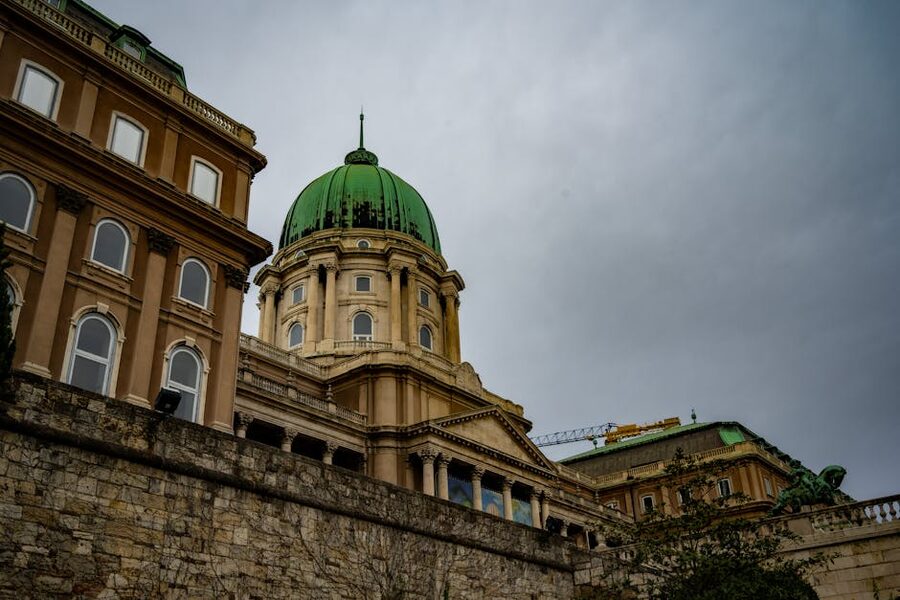
The Royal Palace was destroyed in the 1945 siege and rebuilt as a museum complex. Most of what’s inside is paid entry: the Hungarian National Gallery, the Budapest History Museum, and a few smaller exhibitions. None of those are open to walking-tour groups; you book separately if you want them.
Saint Stephen’s Hall is the exception. It’s a single restored ceremonial room inside the palace, and the only practical way to see it is on a guided tour that includes it as a stop. That’s why the $29 tour exists.
The Turul Statue and the Castle Walls
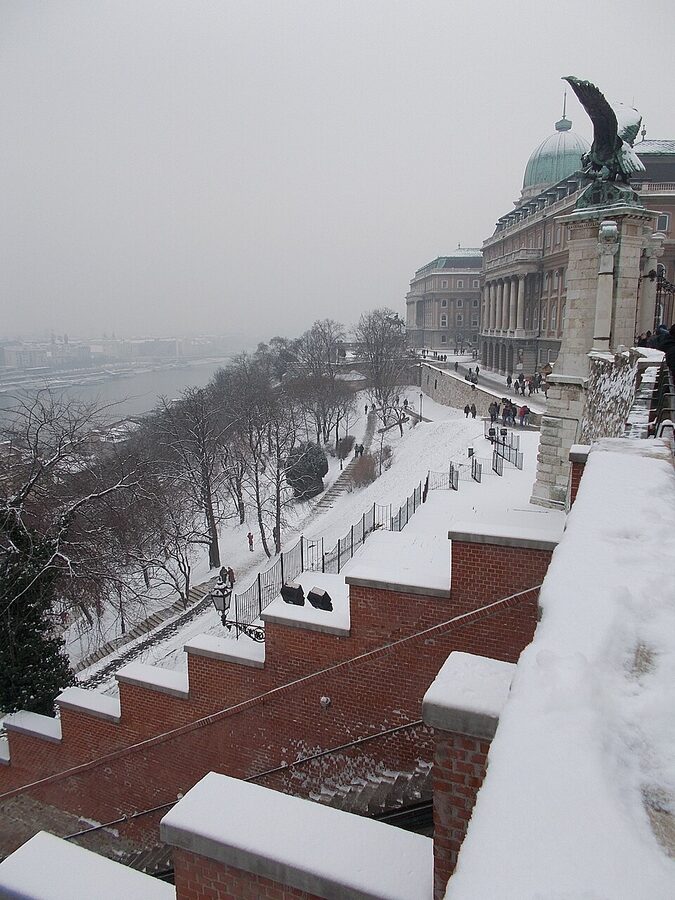
Most district walking tours stop at the Turul because it’s a useful place to talk about Hungarian foundation myths and also because the view east across the Danube is one of the best on the hill. The walls below it are the medieval foundations of the original castle, with the modern reconstruction stacked on top.
How to Get Up There
Three options, in the order I recommend them:
Walk up. From the Pest side, cross the Chain Bridge and bear left. There’s a stepped path that goes up the eastern slope past the Turul statue and lands you at the palace courtyard. Twelve to fifteen minutes if you’re not stopping for photos. Free.
Bus 16 from Deák Ferenc tér. The everyday way Budapest residents do it. Lands you at Dísz tér right between the palace and the church district. Covered by a normal Budapest transport ticket or by the Budapest Card if you have one.
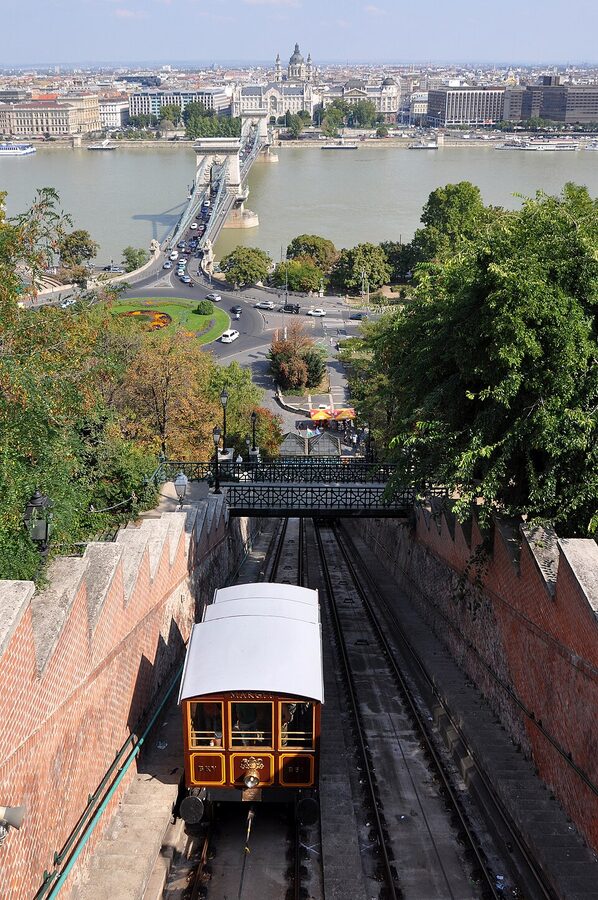
The funicular. A wooden two-carriage cable lift that runs from Clark Ádám tér at the foot of the Chain Bridge up to the palace courtyard. Lovely ride, but it’s around 4,500 forints one way and the queue at midday in summer is long. Best as a once-only postcard moment, not as actual transport.
If your tour starts from a meeting point on the hill rather than at the bottom, the bus or the walk are usually cheaper and faster than the funicular.
What Time of Day to Book
Morning slots are calmer. By about 11am the funicular queue has built up, the upper bastion gets its ticketed window, and tour groups overlap on the narrow streets. If you can take a 9am or 10am start, do.
Late-afternoon tours starting around 4pm are the hidden good slot. You finish in evening light, the bastion is open free again after 7pm, and dinner is right there in the district. Saint Stephen’s Hall tours run through to about 5pm in summer.
I’d avoid early-afternoon starts. The midday sun on Castle Hill is harsh, the bastion is at peak crowd, and the streets between the church and the palace bake.
What the Tour Doesn’t Cover
None of the three tours above include the inside of Matthias Church. None of them include the upper Fishermen’s Bastion (you can buy a separate ticket on the spot). None of them include the Hungarian National Gallery or the History Museum inside the palace.
If any of those matter to you, build them in around the tour. The walking tours are deliberately exterior-led so groups can keep moving; trying to add interior visits would push every tour past three hours.
The Buda Castle Cave Tour is a separate product worth knowing about. It runs through the labyrinth of war-era tunnels under the hill, and most people don’t realise it exists until they read about it. It pairs well with a district walking tour because the surface and the underground tell different halves of the same story.
Pairing the Tour With the Rest of Budapest
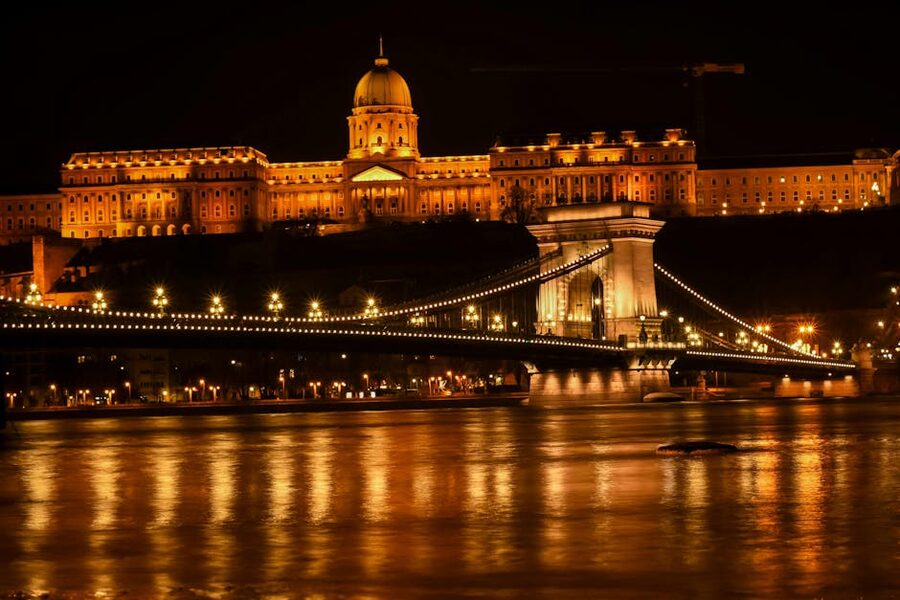
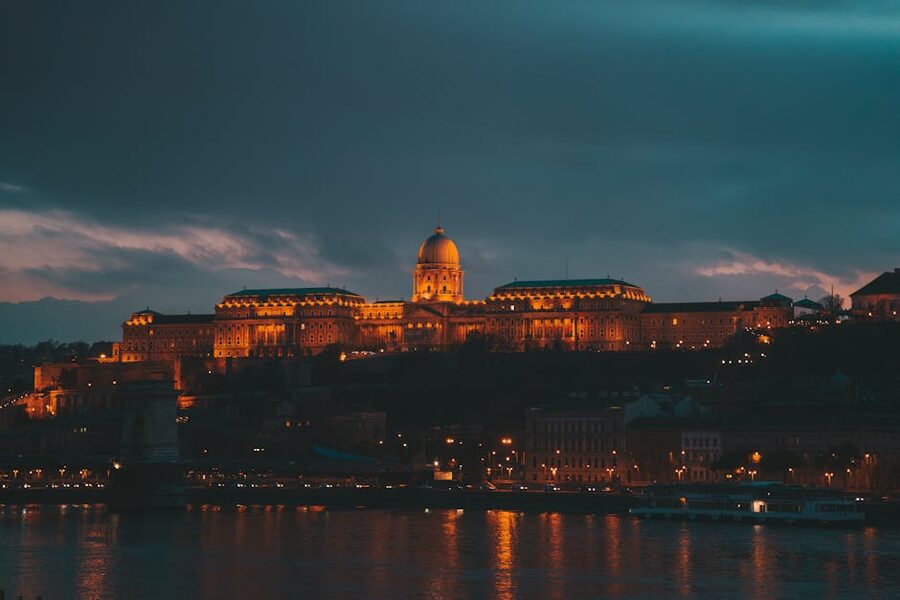
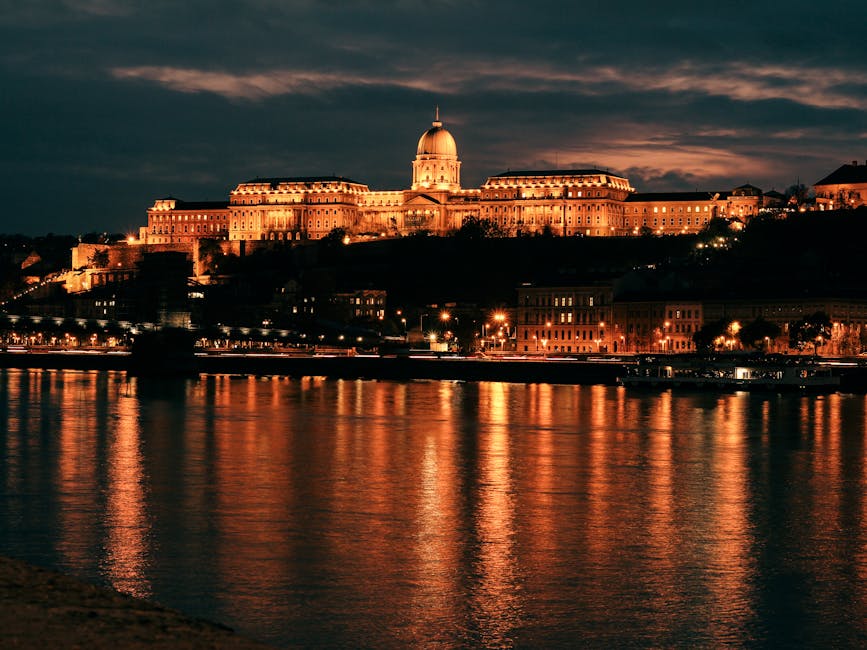
If you’re doing the castle in the morning, the natural pairing is a Danube cruise the same evening. The same hilltop you walked at 10am looks like a different city when it’s lit up from the water at 8pm. The classic daytime sightseeing cruise is the entry-level option and the by-night cruise is the right call after a castle walk.
For drinks rather than dinner, the unlimited Prosecco cruise is the loud option; for a sit-down meal on the water, the candlelit dinner cruise works. If you’d rather stay on land, walk back across the Chain Bridge into Pest and head for our St Stephen’s Basilica booking guide, which is lit up from the same direction the castle is. The other Pest-side anchor worth the queue is Parliament; our Budapest Parliament guide walks through which entry shape (audio-only, Grand City Tour, or different-operator audio) fits a castle-day-already-done itinerary.
For day-two transport, the hop-on hop-off bus covers both banks and includes a short Danube cruise on most tickets, which makes it the easiest way to fill in the rest of the city without rebooking three different things.
If You’re Coming From Prague or Vienna
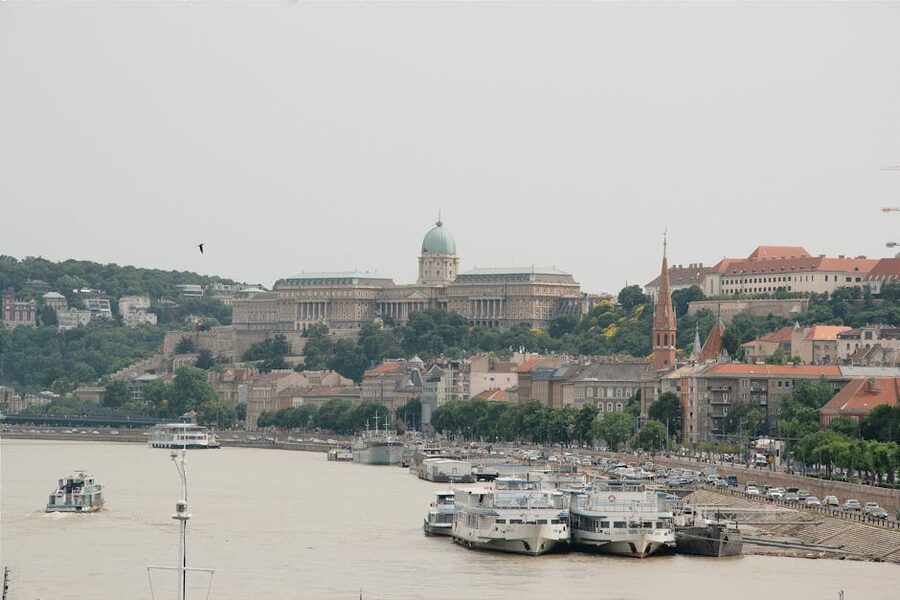
Most of the people I send on Budapest castle tours are doing a Prague-Vienna-Budapest loop. If you’ve already done Prague Castle, set your expectations: Buda Castle is smaller in footprint, easier to walk in one go, and a much shorter visit. Prague Castle wants three hours just for the courtyards; Buda Castle wants ninety minutes.
If your trip flows the other way and Budapest comes first, the castle here is the gentlest of the three to walk. By the time you get to Prague Castle you’ll be reading the layout faster because you’ve already seen what a hilltop royal complex looks like.
Worth noting: the Prague Old Town walking equivalent and the Buda Castle district walk are not the same shape of tour. Prague’s old town is flat and ten times busier; Buda Castle is a quiet hilltop that you’ll have largely to yourself before 10am. Don’t bench one tour because you’ve done the other.
Booking Logistics
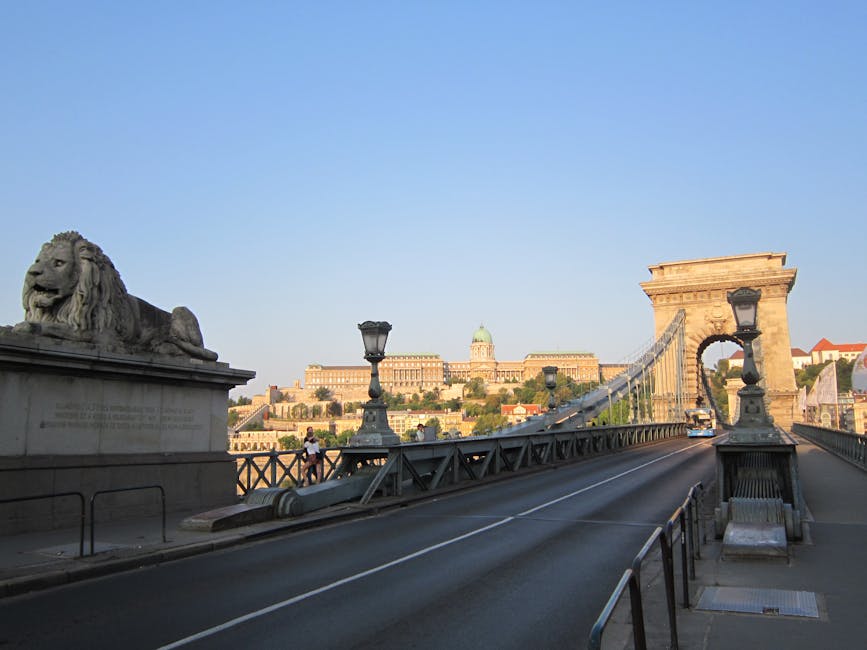
Meeting points. The Saint Stephen’s Hall tour assembles at the lion gates at the palace’s main entrance. The district walking tour assembles at Holy Trinity Square in front of Matthias Church. The 3-hour Buda and Pest orientation starts on the Pest side, usually at Vörösmarty tér or near the Chain Bridge.
Languages. All three run in English daily. German, Spanish, French, and Italian options exist for the district tour but slots are thinner; book those a few days out.
Cancellation. GetYourGuide gives you free cancellation up to 24 hours before for all three. Book even if your itinerary isn’t fixed; you can always shuffle.
Group size. The district tour runs in groups of up to 25. The Saint Stephen’s Hall tour caps at about 15 because of the room itself. The 3-hour orientation can be over 30 in summer; the smaller-group operator versions cost a few euros more and are worth it if you can spot one in the listings.
Tipping. The paid tours don’t expect a tip the way a free walking tour does, but a few euros at the end is standard if the guide was good. Ten euros for a couple is generous; nothing is fine if it was forgettable.
Three Common Booking Mistakes
Booking the wrong shape. The most common mistake is paying $14 for the district tour expecting to get inside the Royal Palace. The district tour is exterior only; if you want the interior, you have to book the $29 Saint Stephen’s Hall tour.
Booking back-to-back tours on the same day. The hill is small. Two ninety-minute tours on the same morning means you’ll see the same square three times. If you want both interior and district coverage, book them on separate days, or book the Saint Stephen’s Hall tour and walk the rest of the district afterwards on your own.
Booking the 3-hour orientation on day three. Day-one tours work. By day three, you already know the layout and you’re paying for stuff you’ve already seen. If you only have two days in Budapest, skip the orientation and use the time for a focused castle tour plus a cruise.
One More Thing About the Hill
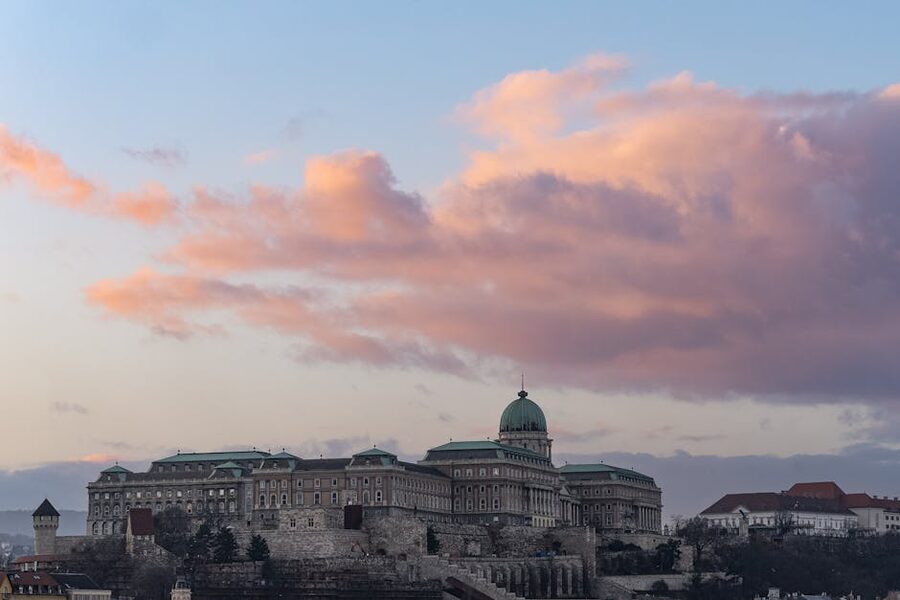
The whole district is small enough to walk in an hour without a guide. Two hours with a guide is what makes the difference, because the buildings up there don’t volunteer their stories. Saint Stephen’s Hall doesn’t volunteer its story even with a key.
Pick the tour that matches what you’re actually trying to know. If it’s “what does this place look like from the inside?”, book the $29. If it’s “what am I looking at?”, book the $14. If it’s “where am I in this city?”, book the $41 and do it on day one.
Other Budapest Tours Worth Booking Around This One
The castle is the headline, but it shares a city with cruises, spas, and Pest-side landmarks that build a better itinerary together. A morning castle tour with an evening Danube cruise is the standard first-day pair. If you have a half-day spare, the hop-on hop-off bus fills in everything between the castle and the further-out attractions like Heroes’ Square. And for a slower day, a long afternoon at one of Budapest’s thermal spas is the local move; our Budapest thermal spa booking guide covers the Széchenyi vs Gellért vs Mandala decision and which fits a post-castle wind-down best.
Cross-border, the natural sibling cities are Prague and Vienna. If you’re sequencing a central-Europe trip, do the Buda Castle district tour before you start over-touring on bigger castle complexes; it’s the friendliest one of the three and a good warm-up.