
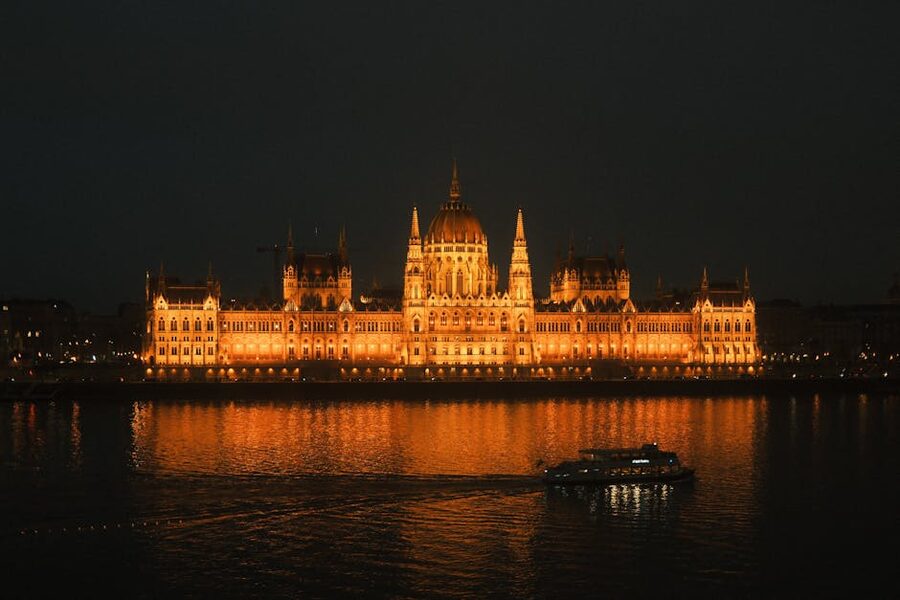
The Parliament had just finished its slow turn into view when the boat rocked gently, and the entire deck went quiet at once. Floodlights threw the neo-Gothic spires up against the black sky in a way no postcard ever quite catches. I had a glass of prosecco in one hand, my phone in the other, and exactly zero idea which to use first.
That moment is why people book a Budapest Danube cruise. The trick is picking the right one.
- In a Hurry?
- Day, Evening, or Full Night
- Where the Boats Actually Leave From
- Three Cruise Shapes Worth Booking
- 1. City Highlights Sightseeing Cruise:
- 2. By Night Sightseeing Cruise with Welcome Drink:
- 3. Nighttime or Daytime Sightseeing Cruise:
- What You’ll Actually See
- The Hungarian Parliament
- Buda Castle and the Royal Hill
- The Chain Bridge
- Fisherman’s Bastion and Matthias Church
- The Liberty Bridge
- The Elizabeth Bridge
- What’s Included and What Isn’t
- How to Pick Your Time Slot
- The Practical Stuff
- How a Cruise Fits Into a Budapest Day
- If You’re Comparing Across Cities
- Pairing Your Cruise
In a Hurry?
Most-booked, most reviewed: the City Highlights Sightseeing Cruise from $18. One hour, welcome drink, runs day and night, the safe pick.
If you want the full night-lights moment: the By Night Sightseeing Cruise with Welcome Drink from $15. 50 minutes, evening only, the lights are the whole point.
Cheapest flexible ticket: the Nighttime or Daytime Sightseeing Cruise from $14. Pick your slot on the day, no extras.
Day, Evening, or Full Night
This is the only choice that really matters. The boat companies, the docks, even the audio guides are mostly interchangeable. The hour you pick is what changes the whole experience.
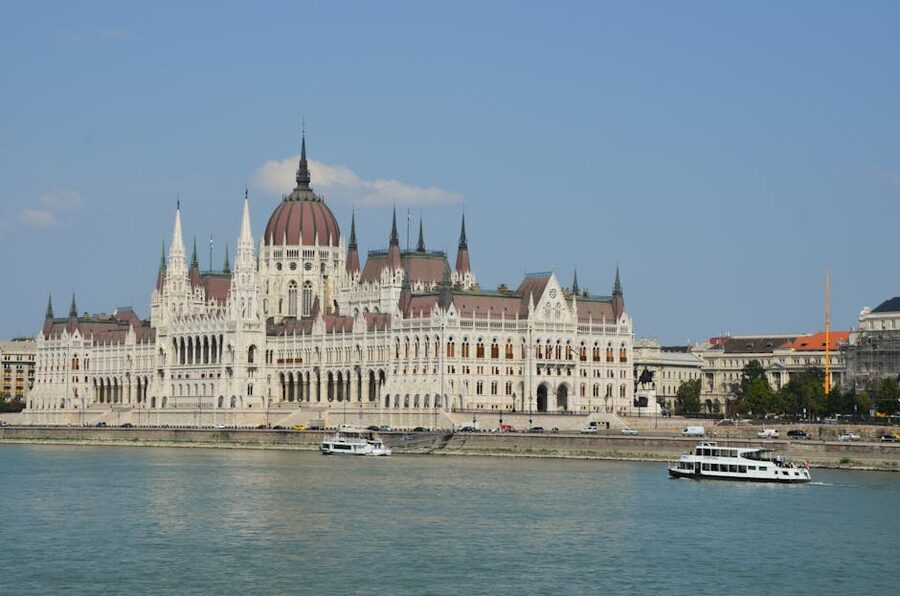
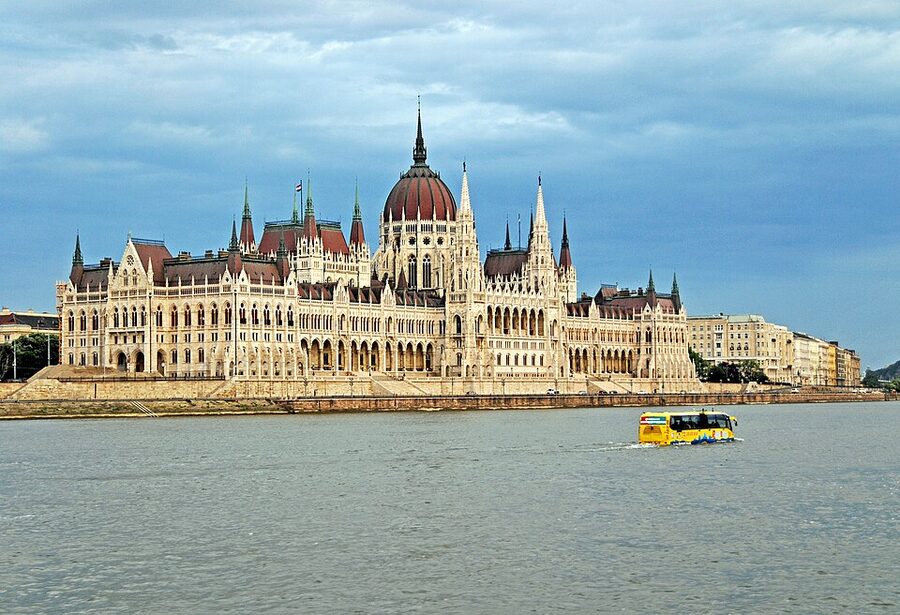
Daytime is for first-time visitors who want to figure out the city’s geography. You can see the actual carving on the Parliament walls, the windows of Buda Castle, the bullet holes still pocking some of the riverside buildings on the Pest side. Photos come out clean and sharp. It’s also the cheapest slot, and it leaves your evening free for ruin bars or a thermal bath.
Evening sails through golden hour and lands you back on the dock just as the floodlights kick on. In summer that’s roughly 8 to 9 pm. In winter, golden hour starts before 4 pm and the lights are already up by the time you board, which is its own kind of magic but a different photo.
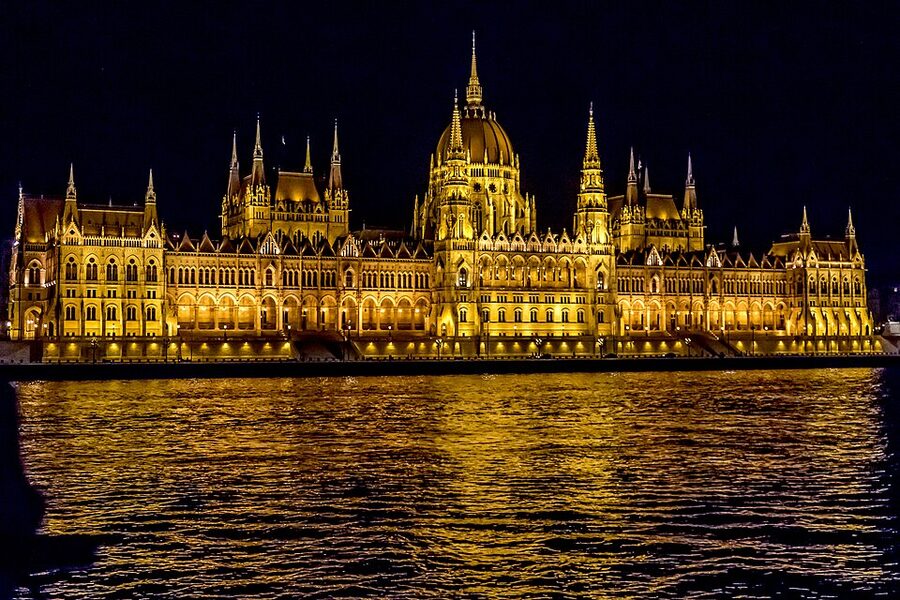
Full night is the floodlit Parliament reflecting on black water, the Chain Bridge wearing a string of pearls of light, the dome of St Stephen’s Basilica glowing above the Pest skyline. It’s the moment people picture when they picture Budapest. Book any cruise that boards before 9:30 pm and you’re inside the lit window. Slots after 10 pm are a roll of the dice because the city kills the vanity lights to save power, and you’ll see a much darker Parliament than the photos promise.
If you only have one Budapest evening, do the night cruise. If you have two evenings and a free afternoon, do daytime first to learn what you’re looking at, then night to see it transformed. That sequence makes both cruises better than either one alone.
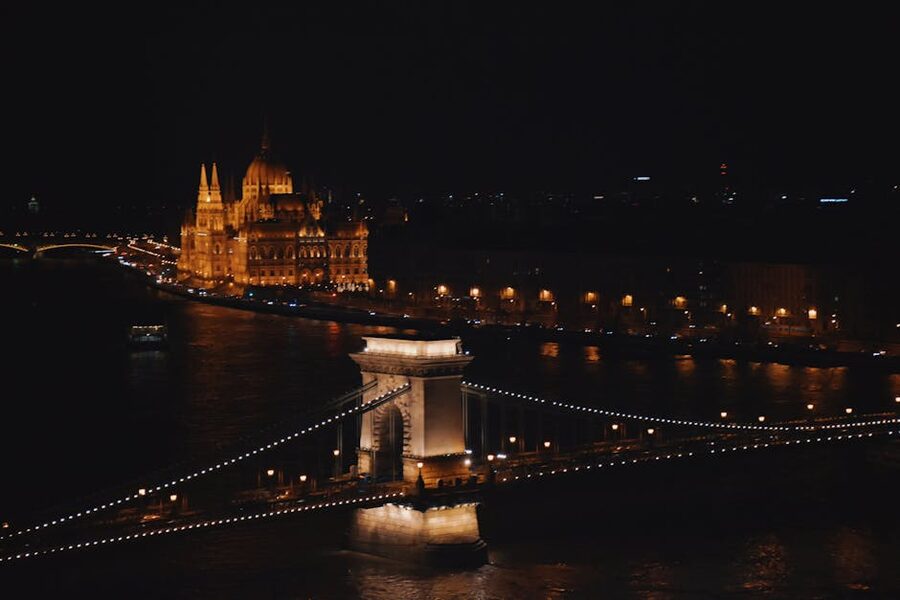
Where the Boats Actually Leave From
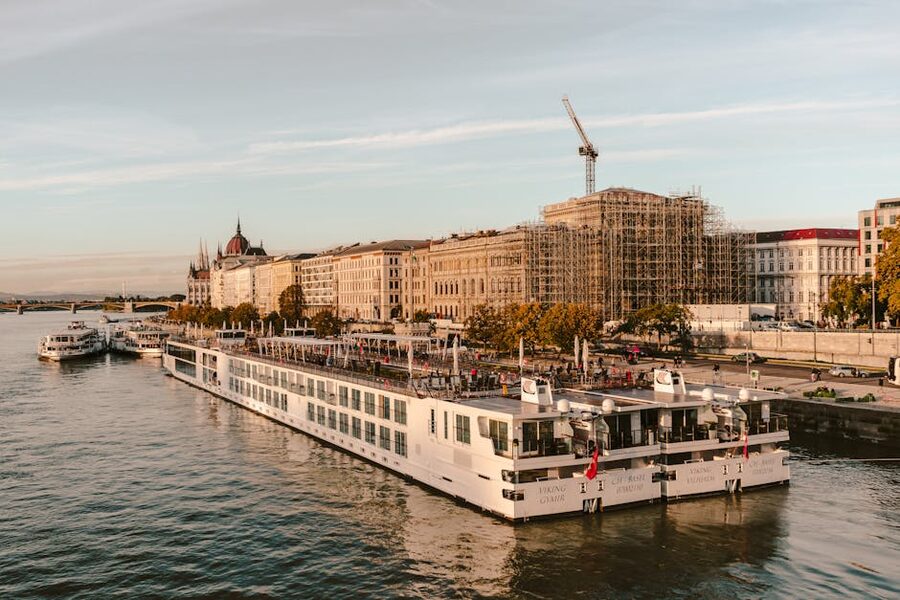
Almost every general sightseeing cruise leaves from one of the city-centre docks on the Pest side, between the Chain Bridge and the Elizabeth Bridge. The exact dock number varies by operator and gets emailed with your booking, but the walk to any of them is the same: Vörösmarty tér metro station (M1 line), then four to seven minutes south along the riverbank promenade.
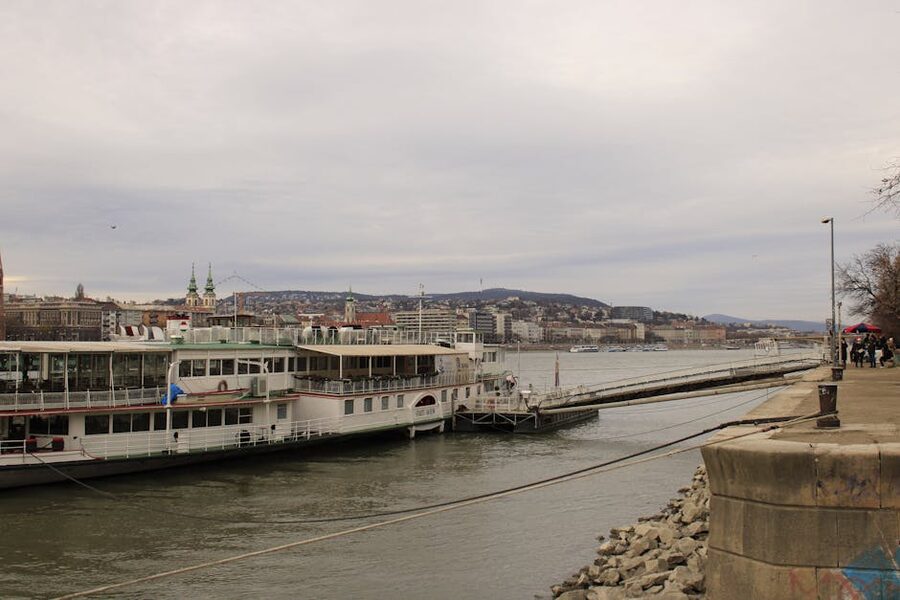
Two practical things to know about the dock. First, there’s no shelter. Wind off the river funnels straight through the embankment, and in November to March the wait can genuinely hurt without a hat and gloves. Second, seating on the boat is unreserved. The first people on board grab the window-side seats on the upper deck. Everyone else ends up in the middle aisle or on the lower deck staring through a fogged-up window. Get there 20 to 25 minutes before departure, not 10.
Three Cruise Shapes Worth Booking
I narrowed this down to three shapes, sorted by review volume. They cover the headline product, the dedicated night experience, and the choose-your-time flexible alternative. Pick by what time of day you want to be on the water; everything else is detail.
1. City Highlights Sightseeing Cruise: $18
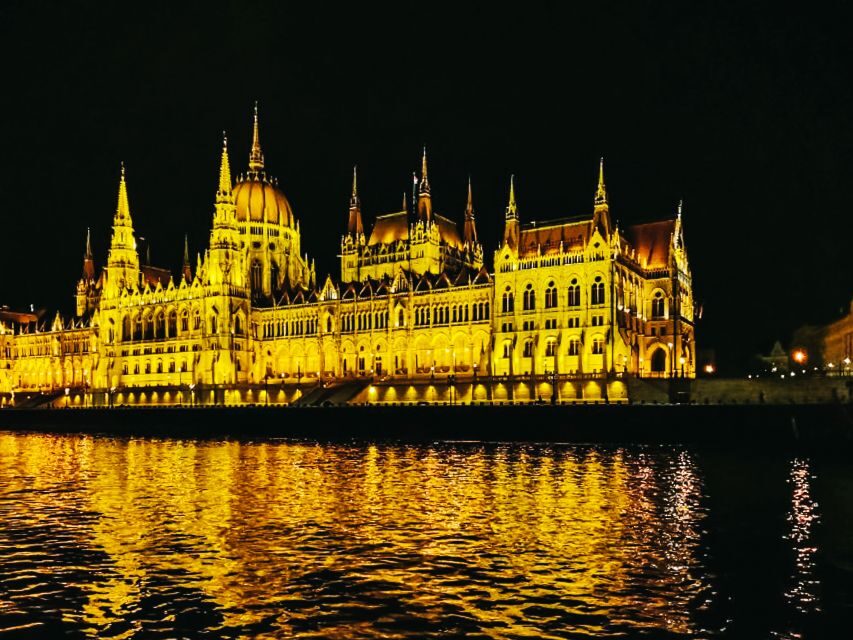
This is the cruise to book if you don’t want to overthink it. It runs day and night, lasts a full hour rather than the 50-minute most competitors offer, and includes the welcome drink that other “from $14” tickets sell as an upgrade. Our full review of the City Highlights Sightseeing Cruise goes deeper on the audio-guide languages and the upper-deck seating strategy.
2. By Night Sightseeing Cruise with Welcome Drink: $15
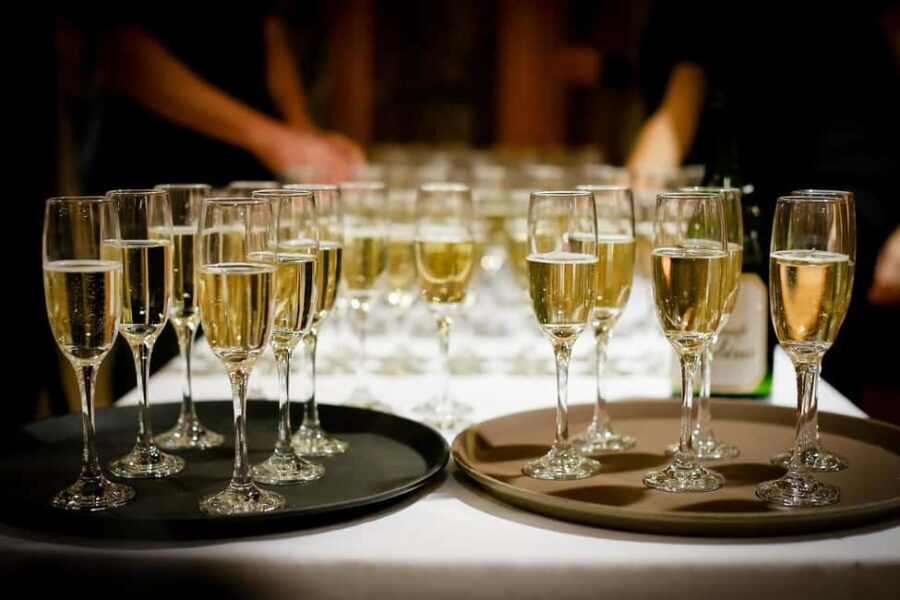
This is the dedicated night cruise with the strongest review base. It’s a few dollars cheaper than the daytime headline tour but only because it’s slightly shorter. You get the same boat, the same drink, and a route that’s been tuned around the lighting. Our By Night cruise review covers which slot to book by month, because winter and summer want very different times.
3. Nighttime or Daytime Sightseeing Cruise: $14
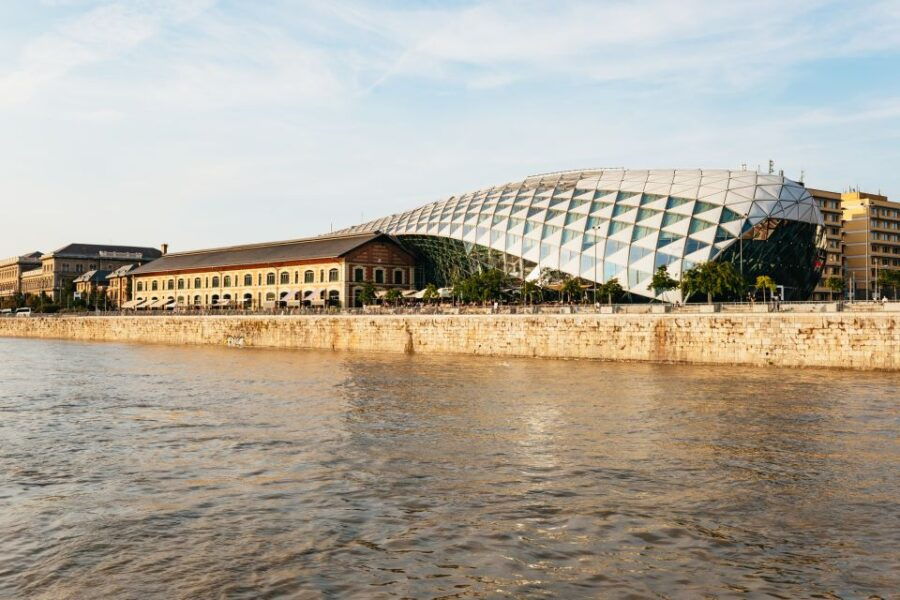
The flexible ticket. You can book this one in advance and pick your departure time on the morning of, which is genuinely useful if your plans are still loose between a daytime cruise to figure out the city and an evening one to wind down. The trade-off is a slimmer experience: 50 minutes, no welcome drink, just the cruise. Our Nighttime or Daytime cruise review is honest about what’s missing and when that matters.
What You’ll Actually See
Almost every general sightseeing route covers the same six landmarks because the river only flows one way through the centre and the boat goes up and comes back. Knowing them in advance means you can have your camera ready instead of scrambling.
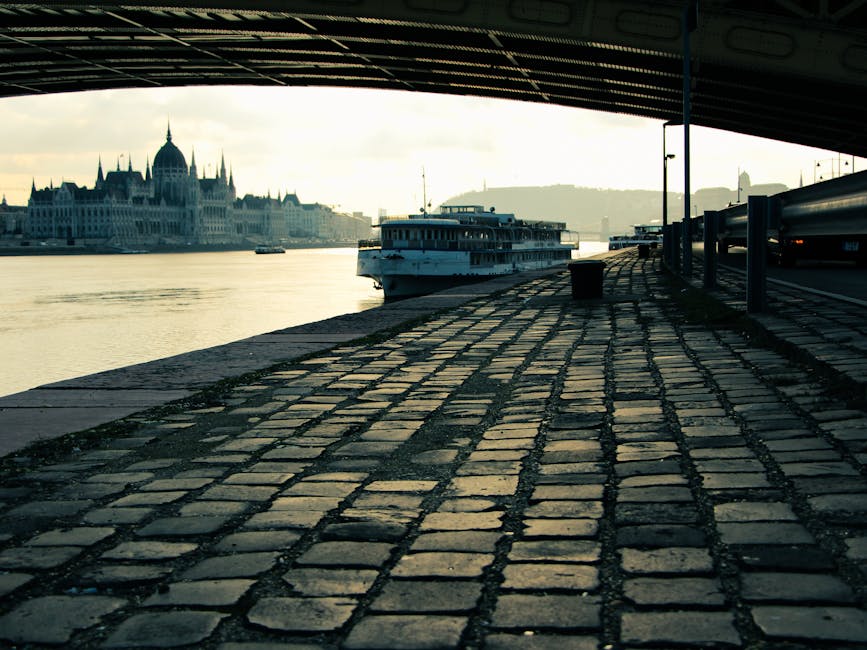
The Hungarian Parliament
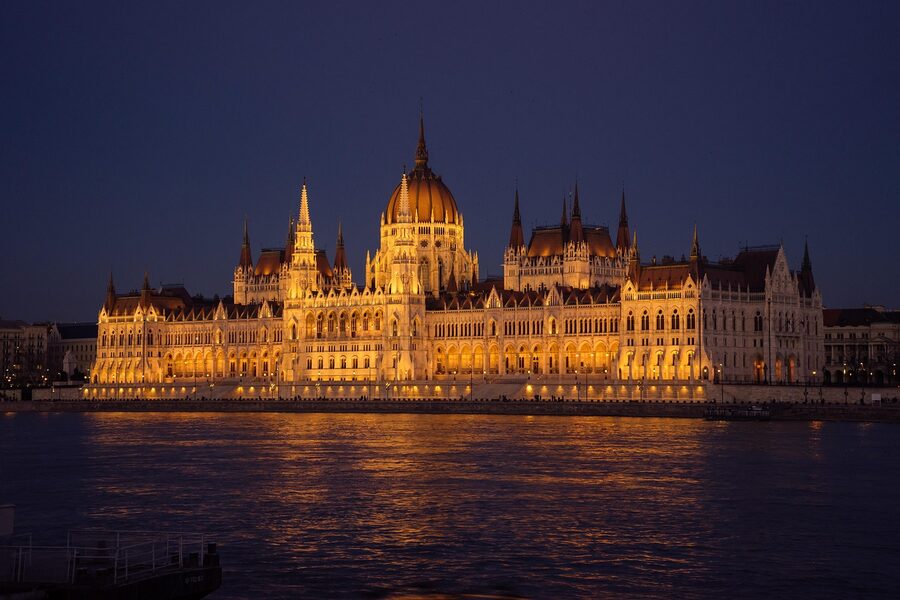
The headline. Completed in 1904, neo-Gothic, deliberately built to 96 metres to mark Hungary’s millennium in 896. It dominates the eastern bank from Kossuth Square and is the single thing that makes a Budapest river cruise different from a Prague one. By night the floodlit version is what people picture when they think Budapest.
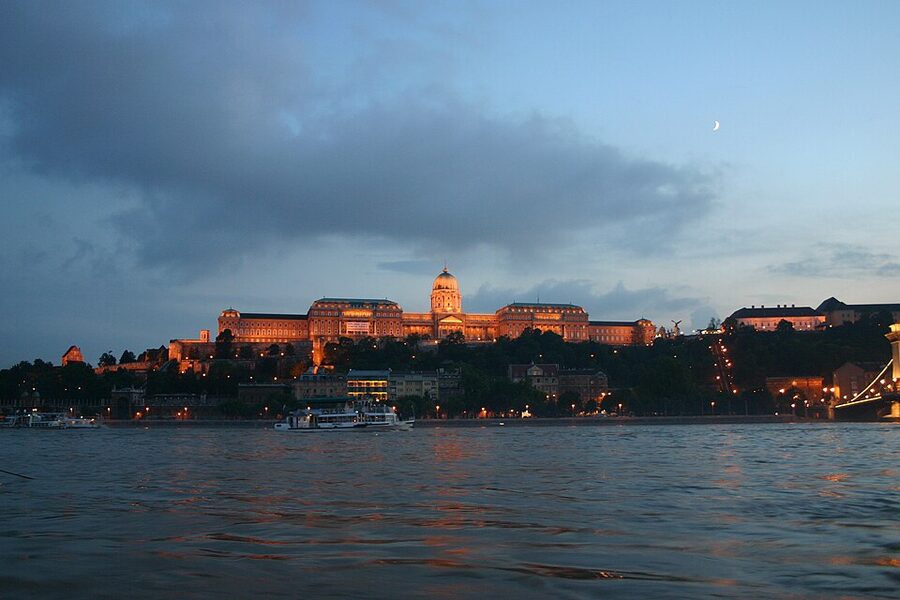
Buda Castle and the Royal Hill
On the western bank, opposite the Parliament. The current building is mostly a 1950s reconstruction; the original was hammered in World War II. From the boat you see the long ridge, the dome, and the funicular running up from the Chain Bridge end. It’s the second-most-photographed shot on the cruise.
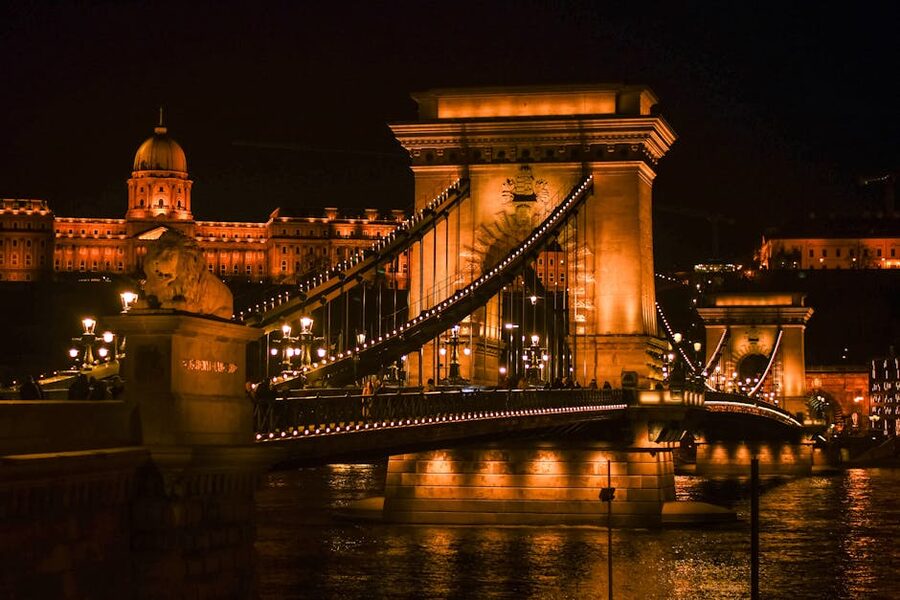
The Chain Bridge
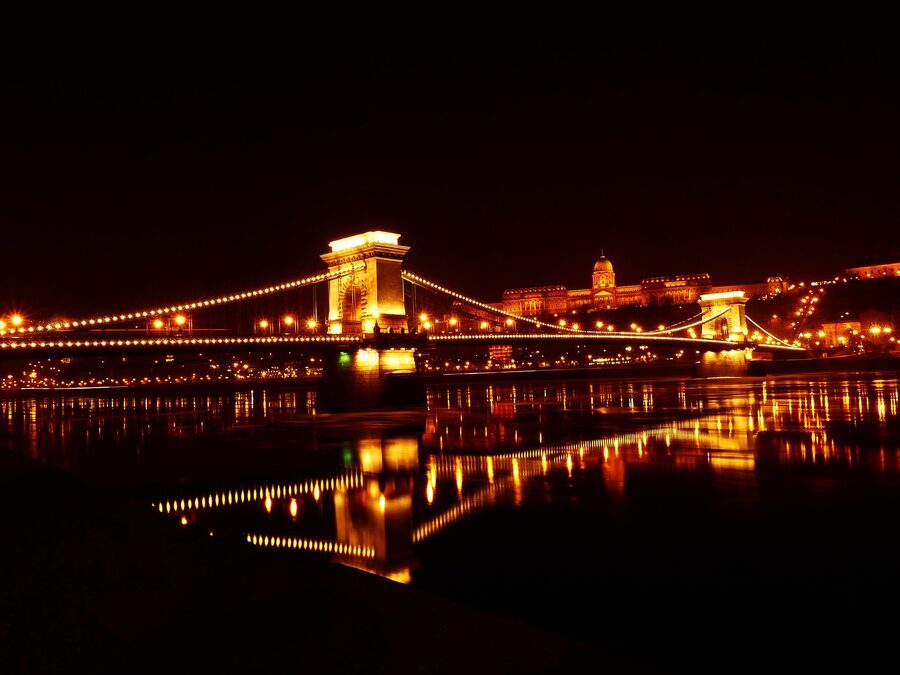
Officially the Széchenyi Chain Bridge, opened in 1849 as the first permanent crossing between Buda and Pest. You’ll go under it twice on every standard one-hour cruise, and the bridge cables look beautiful from below in either daylight or floodlit at night. Worth saving a half-charged phone for the second pass.

Fisherman’s Bastion and Matthias Church
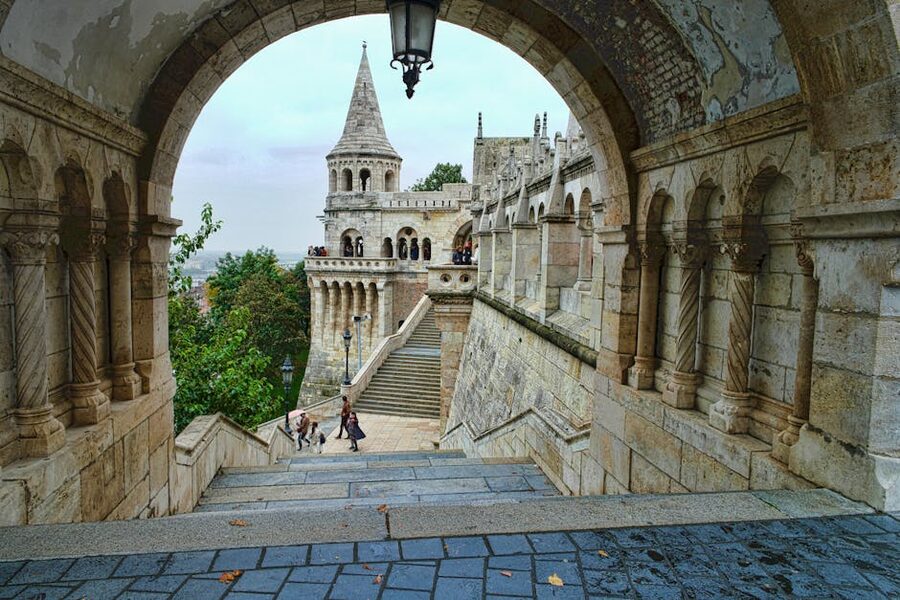
White turrets on the Buda hilltop. They look like a Disney castle by accident. Fisherman’s Bastion is the lookout terrace that overlooks the river; Matthias Church is the spired church next to it. Both are easier to see from the boat than to find on foot, which is part of why a cruise sells the city’s geography so quickly.
The Liberty Bridge
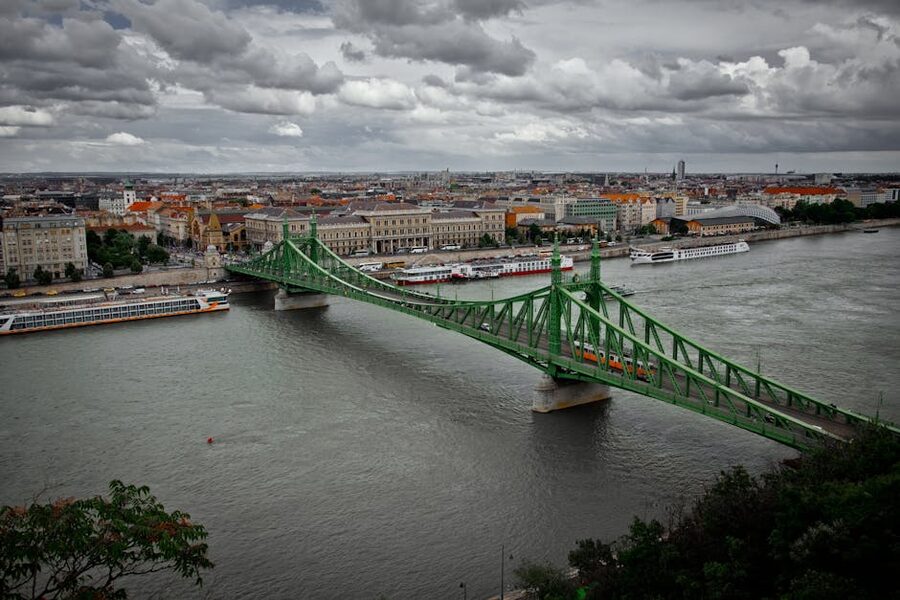
Painted green, smaller and prettier than the Chain Bridge, with mythological turul birds on the top of each pillar. It marks the southern turnaround point on most one-hour cruises. When you see it growing in the windscreen, you’re roughly halfway through.
The Elizabeth Bridge
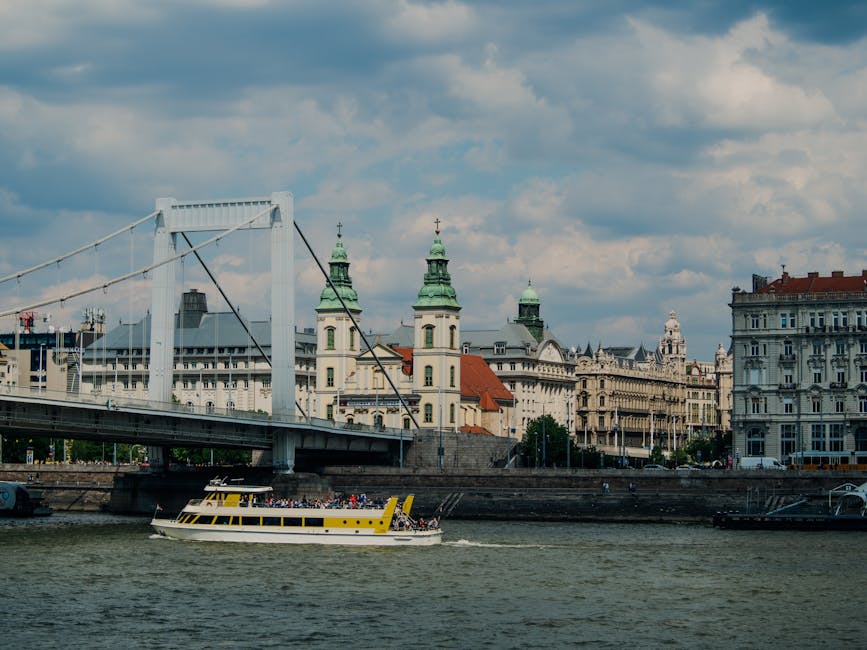
White cables, modern profile. You’ll cross under it heading either direction. It’s the least architecturally famous of the bridges but one of the cleanest photos because there’s nothing else cluttering the line of sight.
What’s Included and What Isn’t
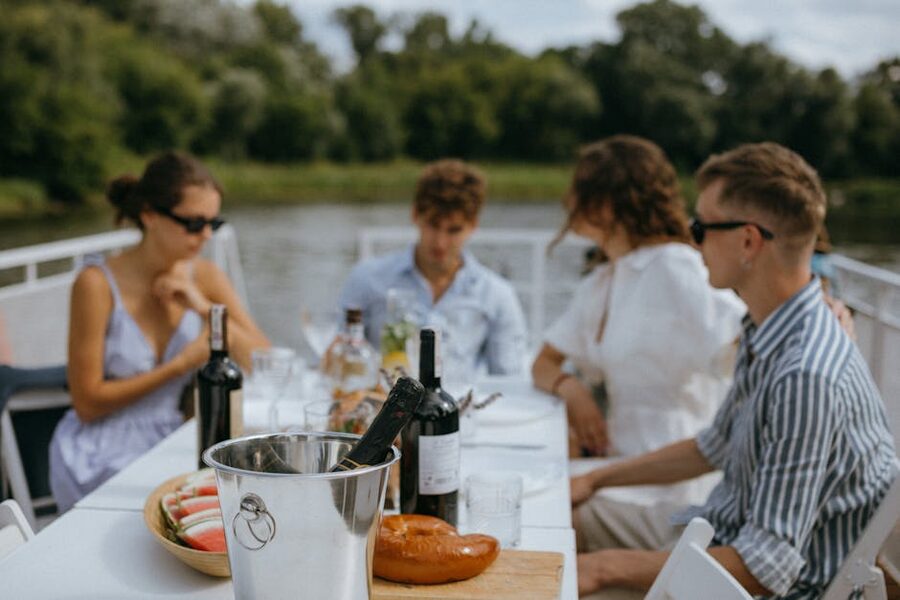
Standard sightseeing cruises include three things: the boat ride, the audio guide, and a welcome drink (most tickets, not all). Audio guides come in 25+ languages on the major operators and play through speakers on the deck rather than headphones. The welcome drink is usually a glass of prosecco, a Hungarian beer, or a soft option, served as soon as you board.
What isn’t included is food, hot drinks, blankets, or any kind of guided narration beyond the recorded audio. If you want a meal on the water, the dinner cruise guide is what you want; if you want unlimited prosecco rather than a single welcome glass, the prosecco cruise guide covers those tickets specifically.
How to Pick Your Time Slot
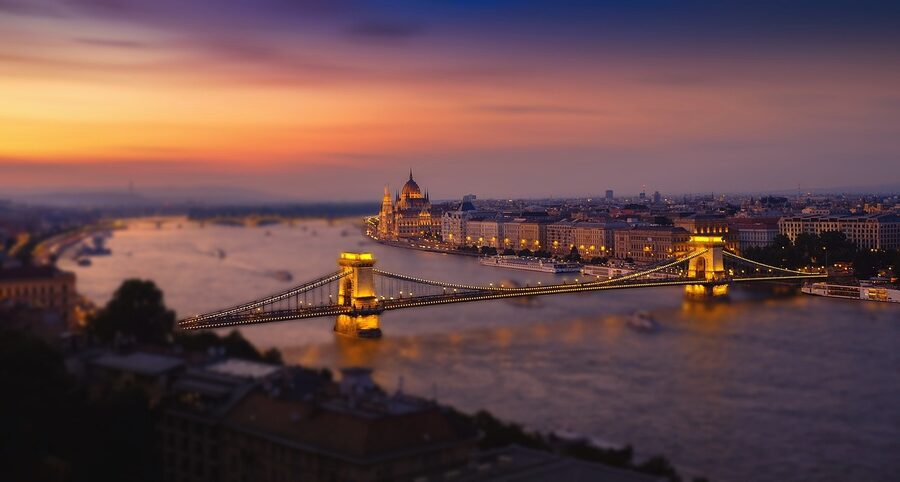
If you can pick any slot in summer (May to September), book the one that lands sunset roughly halfway through the cruise. Sunset in Budapest is around 8:45 pm in late June, dropping by about a minute a day after that. A 7:45 pm departure is usually right.
If you’re booking for winter (November to February), forget about sunset matching, it’s already dark by 5 pm. Book any slot between 6 pm and 9 pm. The lights will be on, the river will be quieter, and the boat will be heated. Just bring a coat for the dock.
Spring and autumn are the trickiest. The light changes fast and the weather can shift mid-cruise. I’d book an early-evening slot and accept that you might get wind. The compensation is the empty deck. Shoulder-season cruises run at maybe a third of summer capacity, which means the upper-deck window seats you couldn’t get in July are easy to grab.
The Practical Stuff
A few small things that change how the cruise feels:
Boarding starts about 15 minutes before departure, but the queue forms earlier than that, and the queue is the only way to get a window seat. If you arrive at the dock 25 minutes before departure you’re third or fourth in line. Ten minutes before, you’re at the back.
The upper deck has the views; the lower deck has the heating. In summer, upper. In winter, lower if you actually want to be warm, or upper with a coat if you want the photos.
Audio guides play through speakers on most boats, not headphones, so you’ll hear it either way. It cycles through all 25 languages in sequence, which means you wait roughly two minutes for English to come round again. This is fine. Use the gaps to look at the river.
Bathrooms exist on the boat, on the lower deck, and they are tiny but functional. Use the dock bathrooms before boarding if you have a choice.
Cancellation policies vary by operator, but the GetYourGuide tickets above all run free cancellation up to 24 hours before. Worth it if you’re flying into a city with iffy weather and want to keep options open.
How a Cruise Fits Into a Budapest Day
The cruise is short enough to slot anywhere. An afternoon cruise leaves you free for dinner; an evening cruise tucks neatly between dinner and a thermal bath; a night cruise pairs with a late-night ruin-bar walk back to your hotel. It’s also one of the few Budapest activities you can do on jet-lagged arrival day. You sit, you sip, you watch.
If you’ve booked a Budapest hop-on hop-off bus tour, the cruise often comes packaged with it for a few dollars more than the bus alone. That combo ticket is genuinely good value: you orient by bus during the day, then re-see the same skyline lit up from the water at night. Pair it with a morning at Széchenyi Spa and you’ve got a Budapest day that covers the three things every first-timer should do.
If You’re Comparing Across Cities
Two questions come up a lot from readers planning multi-city Central Europe trips. The first is whether to also book a Vltava cruise in Prague. The answer is yes, and our Prague Vltava cruise guide walks through how it differs (smaller river, more bridges, different architecture). The Danube and the Vltava sell two completely different cities; doing both isn’t redundant.
The second is whether river cruises in Berlin or Hamburg are worth it after you’ve done Budapest. The honest answer: the Berlin Spree boat is interesting for what it shows you about Cold War geography but doesn’t compete with Budapest visually, and the Hamburg harbour cruise is a working-port experience that’s a totally different category. Budapest sets a high bar for prettiness; the others compete on substance instead.
Pairing Your Cruise
The general sightseeing cruise is the right pick if you want the views and the city orientation without committing to a meal or a drinks package. If your priority is the atmosphere over the views, the Budapest prosecco cruise options swap the audio-guide route for unlimited drinks and live music, which suits a different kind of evening. If you want the cruise to be your whole evening rather than a sliver of it, the dinner cruise guide covers the buffet boats and the candlelit options that include a Hungarian meal and a folk-dance show. And if you’d rather see the city by land before adding water, the hop-on hop-off bus guide in this same brief covers the daytime alternative most first-timers pair the cruise with.