
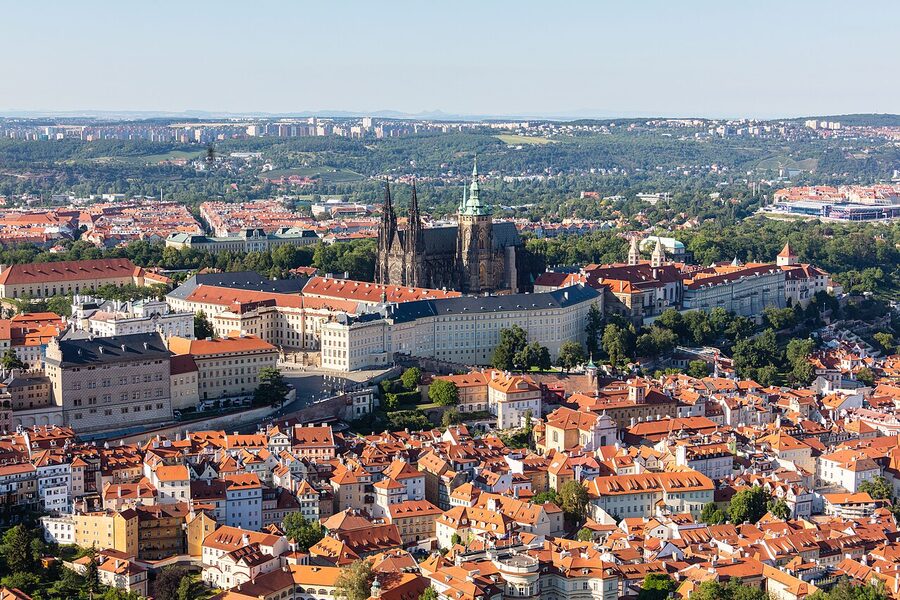
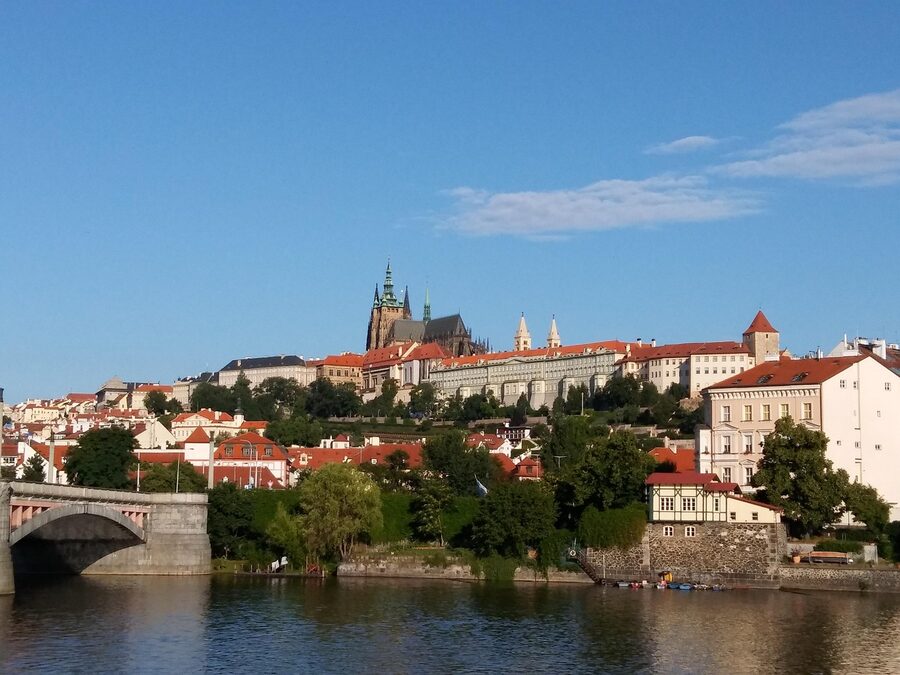
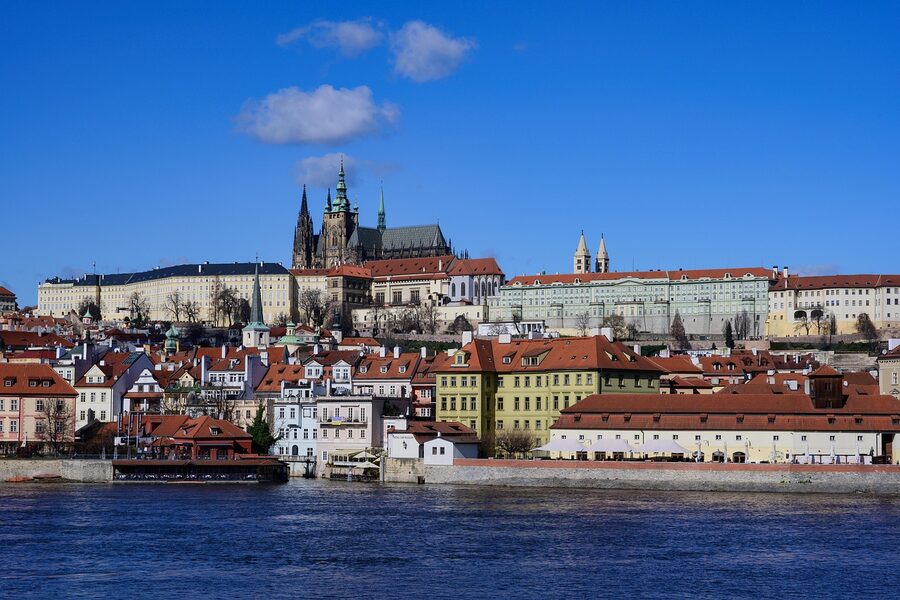
Here’s the surprising fact that changes how you should plan your visit: Prague Castle is the largest ancient castle complex in the world, per Guinness, sprawling across roughly 70,000 square metres above the Vltava. It’s not one building. It’s a fortified hill-town with a cathedral, two palaces, a basilica, a tiny street of medieval houses, and gardens that take half a day on their own.
That changes the booking question. You’re not buying “a ticket”. You’re picking a route through a complex that takes anywhere from 90 minutes to a full day, and the right pick depends on how much time you have and how much explanation you want.
- In a Hurry?
- What You’re Actually Buying
- Which Ticket to Pick
- The Three Picks I’d Actually Book
- 1. Prague: Skip-the-line Castle Ticket and Optional Audio Guide:
- 2. Prague: Castle Tour With Local Guide and Entry Ticket:
- 3. Prague Castle 2.5-Hour Tour Including Admission Ticket:
- What’s Inside the Walls
- St Vitus Cathedral
- Old Royal Palace
- Golden Lane
- St George’s Basilica
- The Free Outdoor Bits
- How to Actually Get There
- Best Time of Day to Visit
- Pairing the Castle With Your Other Prague Plans
- Practical Notes Before You Book
- Why the “Largest Ancient Castle Complex” Claim Is Worth Taking Seriously
- Common Mistakes I See First-Timers Make
- If You’re Coming From a Neighbouring Country
- The Quick FAQ
- What I’d Tell a Friend
- Where to Read Next
In a Hurry?
If you only have a minute, here are the three picks I’d send a friend to, depending on how they want to do it.
- Skip-the-line ticket, audio guide optional ($35): the cheapest, fastest way in. You explore solo at your own pace. Check availability
- Castle tour with local guide and entry ticket ($61): the sweet spot. Real guide, ticket bundled, no logistics. Check availability
- Prague Castle 2.5-hour tour with admission ($57): longest, most thorough, best storytelling. Top-rated of the three. Check availability
What You’re Actually Buying
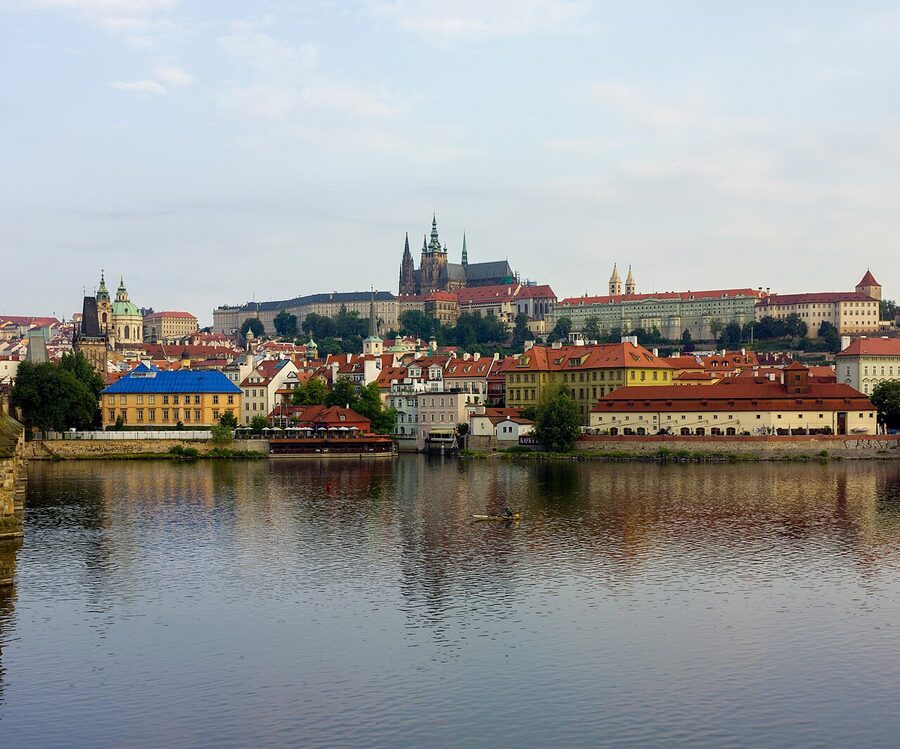
Prague Castle has free outdoor access. You can walk through the gates, watch the changing of the guard, wander the courtyards, and see the outside of St Vitus without paying a koruna. That part trips up a lot of first-time visitors. The “ticket” you pay for is the interior circuit: St Vitus Cathedral nave, the Old Royal Palace, St George’s Basilica, and Golden Lane with Daliborka tower.
So the real choice is between three things:
- Just the entry ticket (the $35 skip-the-line option). You get in, you find your own way around.
- Entry plus a guide (the $57 and $61 tours). Same monuments, but with someone explaining what you’re looking at.
- Free outdoor only (no ticket). You see the courtyards, the cathedral exterior, the views. A surprising amount of people are happy with this.
If you’ve already booked a Vltava river cruise for the same day, do the castle in the morning when the queues are shorter and save the boat for sunset. The two are the standard one-two punch for a first day in Prague.
Which Ticket to Pick
Here’s how I’d think about it.
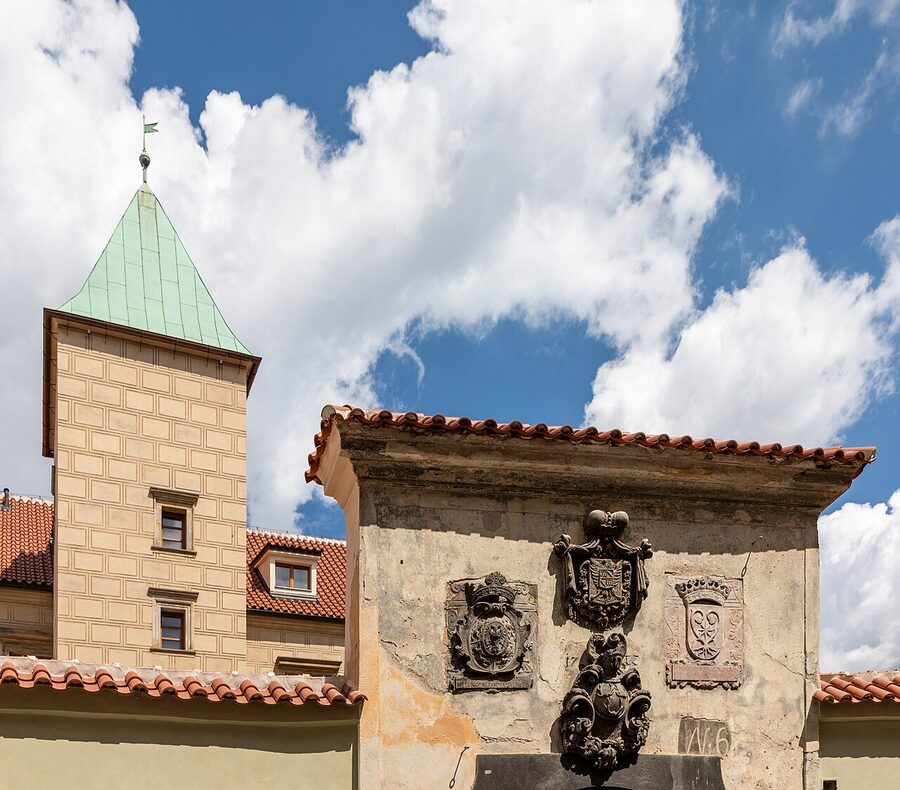
You have under 2 hours and want photos more than facts: grab the $35 skip-the-line ticket. Add the audio guide if you like history but skip if you don’t. You’ll see St Vitus, peek into the Old Royal Palace, walk Golden Lane, and be out the gate before lunch. This is the right pick if you’re squeezing the castle into a busy Prague day.
You have a half day and want to actually understand what you’re looking at: book one of the guided tours. The 2.5-hour version is the most popular for a reason; you get full context on the Habsburg-era renovations, the defenestrations, why St Vitus took 600 years to finish. A live guide is more energising than an audio handset, especially in a place where every room has a story.
You’re a repeat Prague visitor or just want the views: skip the interior ticket entirely. Walk up via the Old Castle Stairs, do the courtyards, sit on the wall near the South Gardens, head down through Malá Strana. Free, gorgeous, no queues.
The Three Picks I’d Actually Book
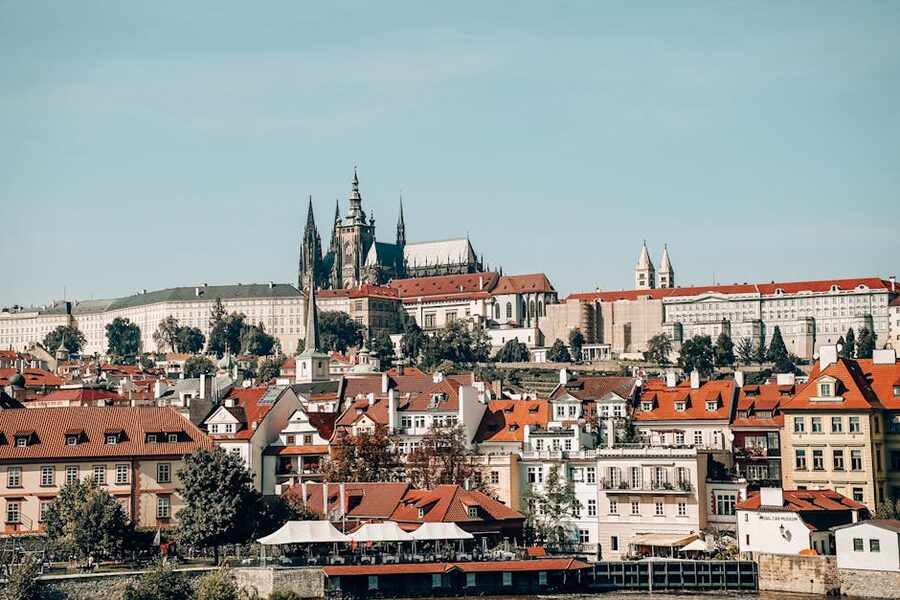
I went through our reviews of every Prague Castle product on the major affiliate platforms. These three are the ones with both the volume of bookings and the rating to back them. They cover the three angles a real visitor needs.
1. Prague: Skip-the-line Castle Ticket and Optional Audio Guide: $35

This is the cheapest and fastest way through the gates, and the volume of bookings shows it: it’s the most-booked Prague Castle product on the market. You get the full interior circuit ticket plus an optional audio handset, and you go at your own pace. Our full review covers what’s actually on the audio guide and whether to bother. If you only have a morning in Prague, this is the one.
2. Prague: Castle Tour With Local Guide and Entry Ticket: $61
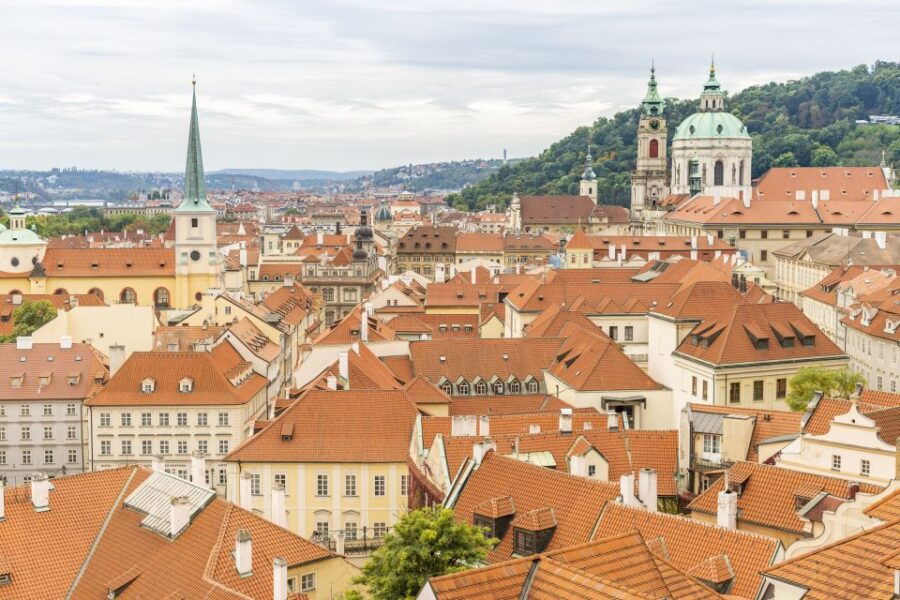
This is the format I’d pick for a typical first-time visit. Two and a half hours with a Czech guide who knows which courtyard the Defenestration of Prague happened in and why it kicked off the Thirty Years’ War. Group sizes stay small enough that you can actually hear without straining. My review of this tour goes into how it compares to the audio-only option.
3. Prague Castle 2.5-Hour Tour Including Admission Ticket: $57
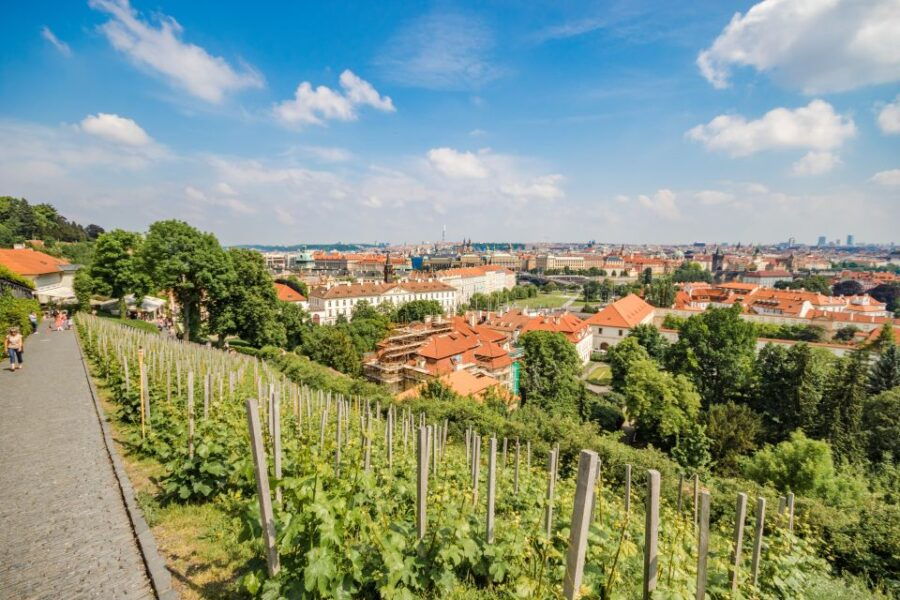
This one wins on rating: 4.7 across nearly 9,000 reviews is rare for a castle tour at this volume. The format is similar to pick #2 but the guides tend to lean harder into storytelling rather than dates. Repeat reviewers mention specific guides by name, which is usually a sign the company hires well. Our review breaks down what you’ll see in each section.
What’s Inside the Walls
If you’re picturing one big building, recalibrate. The compound has nine separate sights inside the perimeter, and a ticket gets you into roughly half of them depending on which version you buy. Here’s what you’re walking through.
St Vitus Cathedral
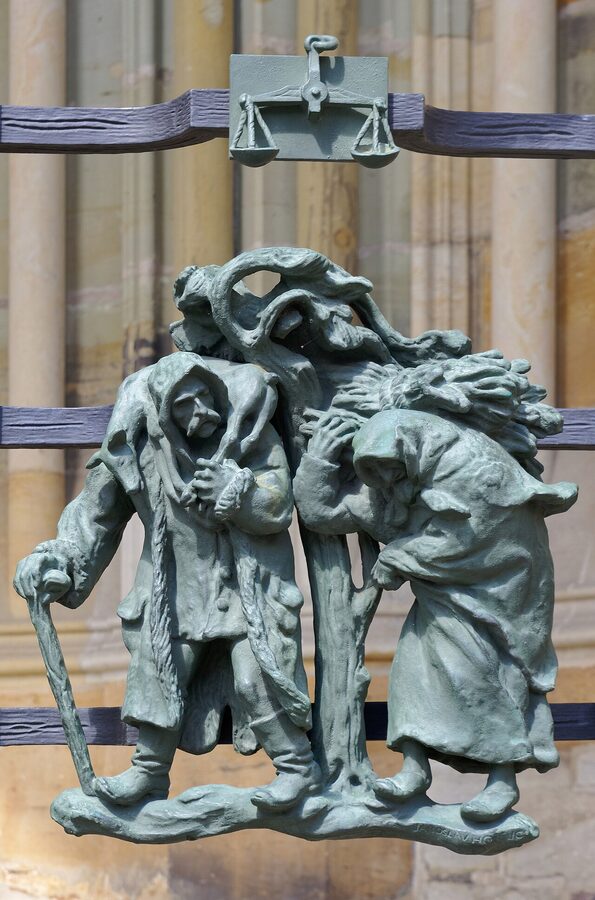
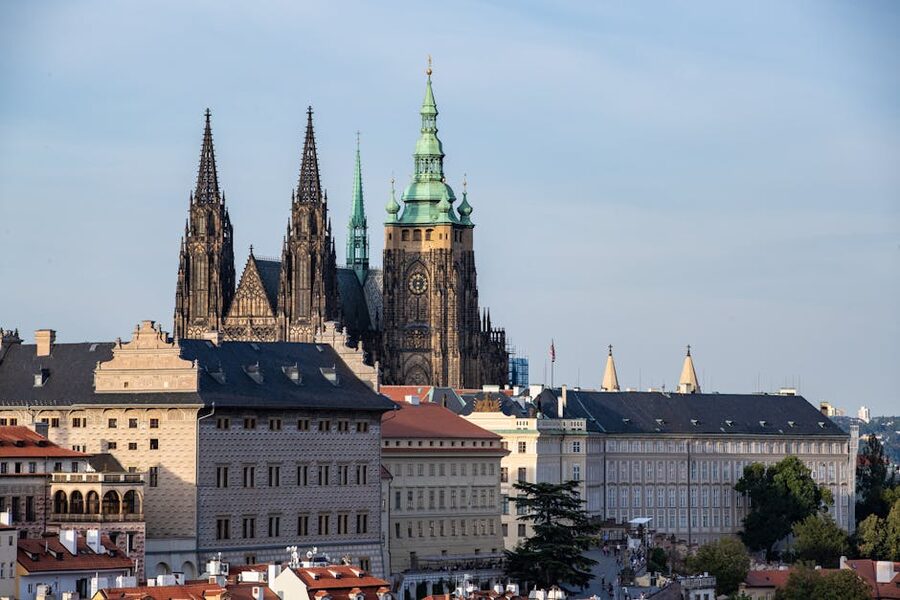
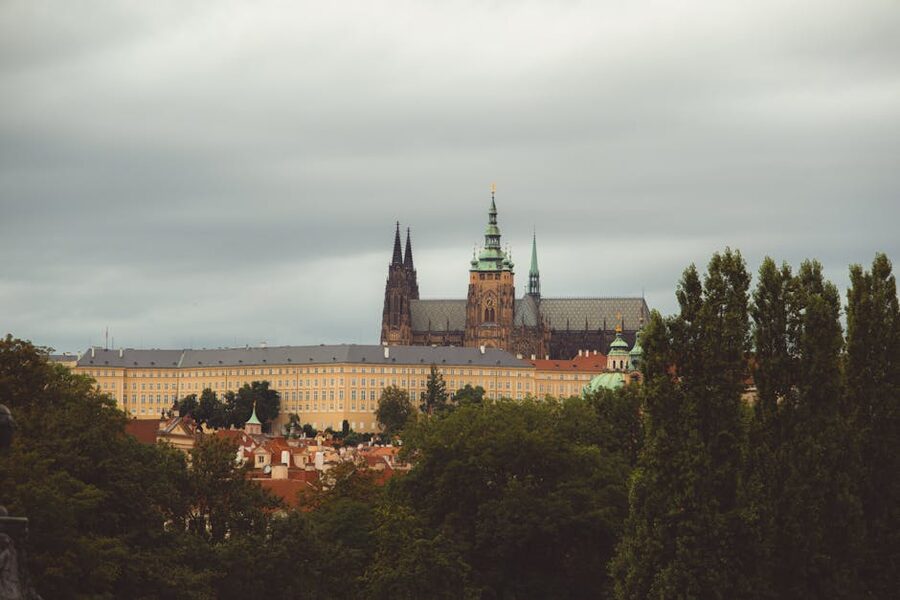
The Gothic spike that defines the Prague skyline. Construction started in 1344. They didn’t finish until 1929. That’s nearly 600 years of architectural fashion piled into one building, which is why it has both medieval flying buttresses and Art Nouveau stained glass.
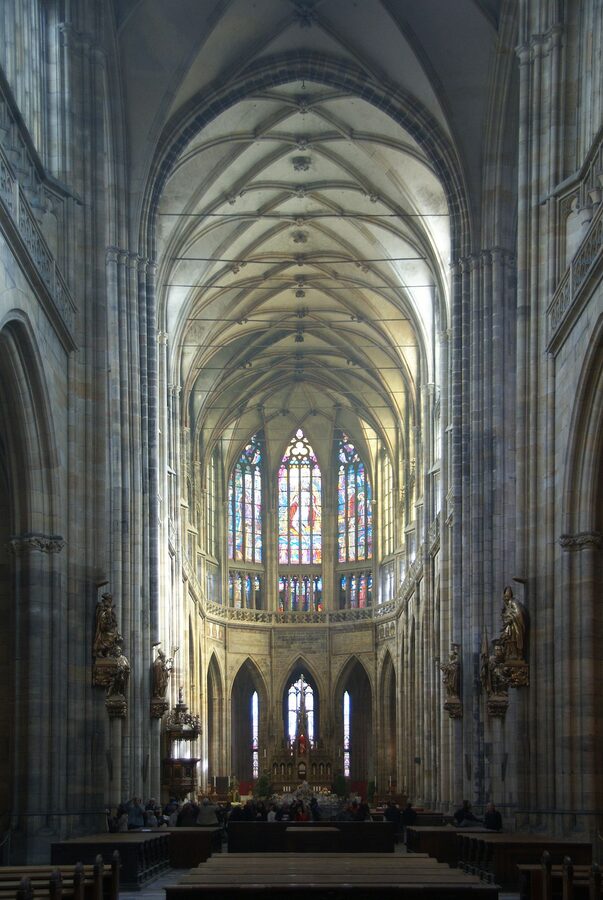
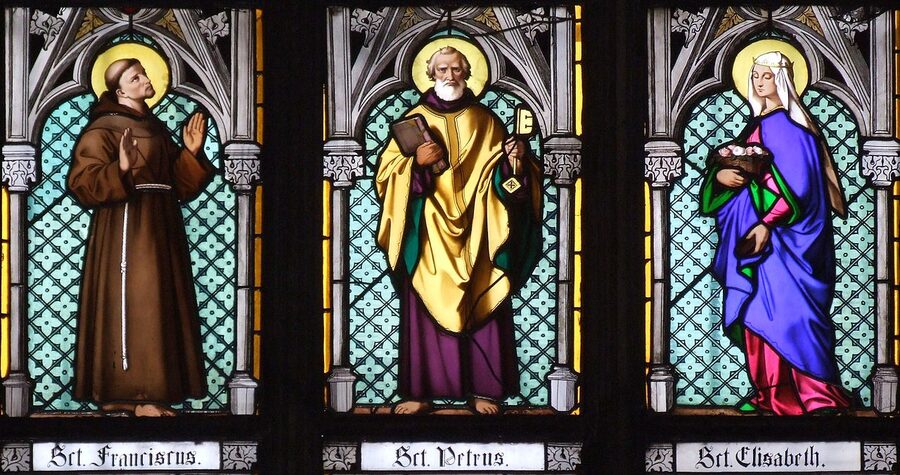
You can step into the back of the nave for free. To go past the rope and walk the full length, you need the interior ticket. The Mucha-designed window in the third chapel on the left is the photo everyone wants; it’s blue and gold, modernist, completely out of place in a Gothic building, and absolutely the highlight.
Old Royal Palace
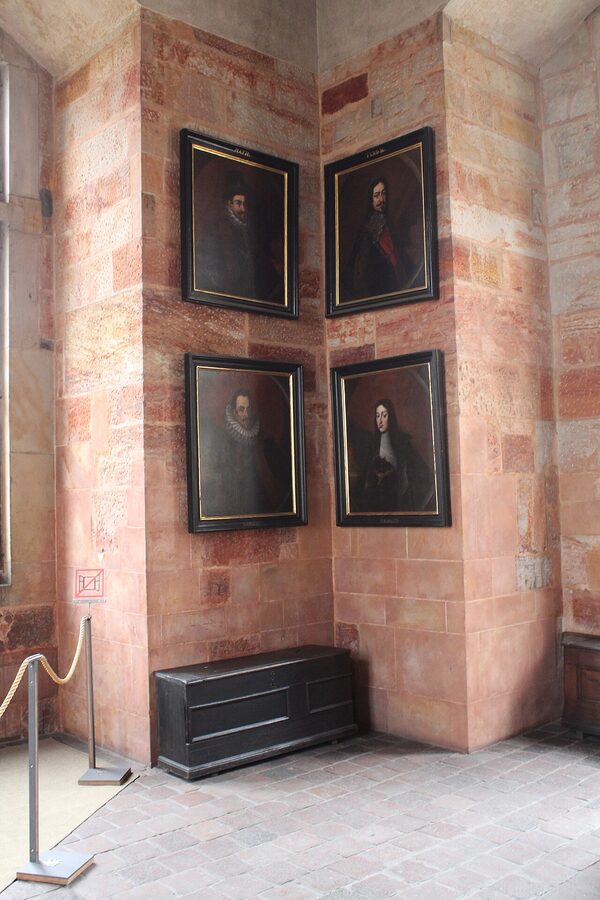
The Vladislav Hall is the room you came for. It’s a late-Gothic ceremonial hall with a vaulted ribbed ceiling that flows like water above your head. They used to hold indoor jousting tournaments here. There’s a side staircase wide enough to ride a horse up, which is exactly what was used for. It’s also where the famous 1618 defenestration took place: two imperial governors were thrown out of a third-floor window into a moat. They survived. Their landing spot is still pointed out by every guide.
Golden Lane
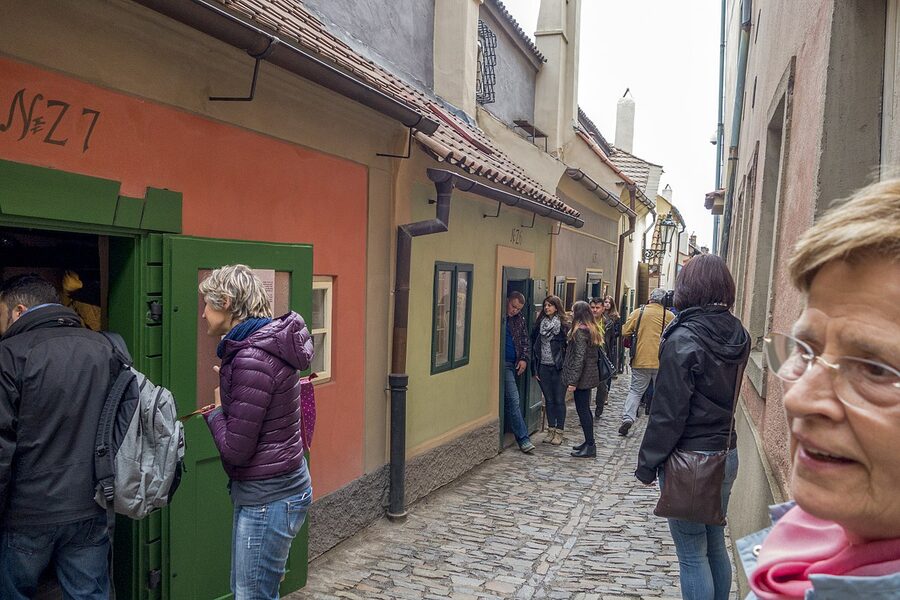
The tiny street of brightly painted houses jammed against the castle’s north wall. They were built in the 16th century for the castle’s archers and later occupied by goldsmiths, then by anyone too poor to live elsewhere. Franz Kafka’s sister rented number 22 for two years; he wrote there in 1916.
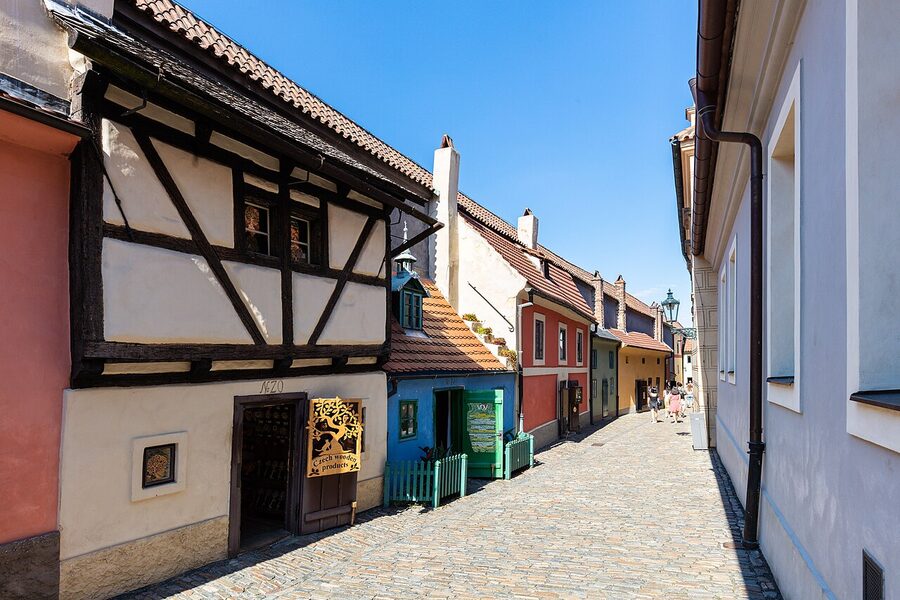
The houses are now small museums and souvenir shops set up to look like the original residents’ homes; an alchemist’s, a herbalist’s, a seamstress’s. You can also climb up into the attic-level corridor that runs the length of the lane and was the archers’ walkway. It’s surprisingly atmospheric.
St George’s Basilica
The oldest building in the complex, founded in 920. Romanesque, blocky, almost grim compared to St Vitus’s airy Gothic. Most ticket holders skip it because it’s quiet and small. That’s a mistake. The interior has stripped-back original stonework that the cathedral lost during its various rebuilds, and the acoustics are extraordinary; if there’s a choir rehearsal, sit and listen.
The Free Outdoor Bits
Even without a ticket, the compound is worth a slow walk. Three things to plan around.
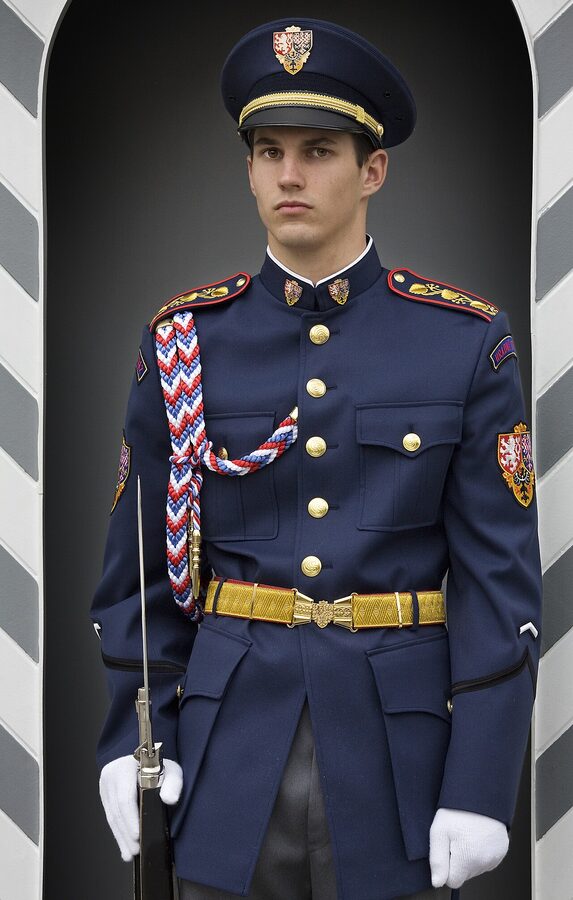
Changing of the guard at noon. The hourly changes at the front gate are simple and short. The noon ceremony is the full version with brass band and flag handover, and it draws crowds. Stand at the southern end of the second courtyard if you want a clear sight line.
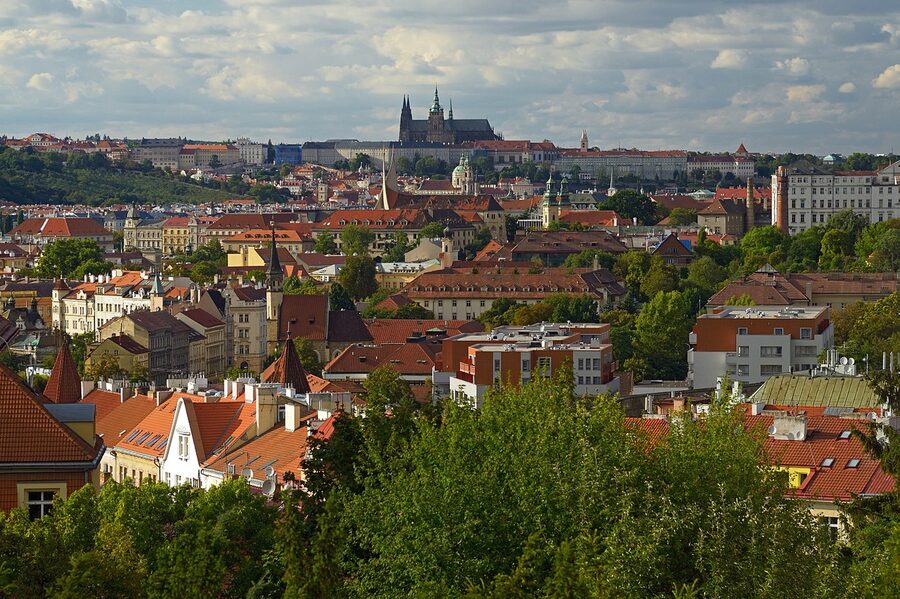
The South Gardens. Open April to October only. Long terraced lawns running below the castle’s south wall, with the best free view of the city you’ll find. Most day-trippers miss them entirely; even at peak season they’re quiet.
The view from the eastern wall. Walk past Golden Lane to the very far end of the complex and you’ll come to a low wall looking down over Malá Strana and across to Old Town. This is where I’d go for a fifteen-minute breather between sights.
How to Actually Get There
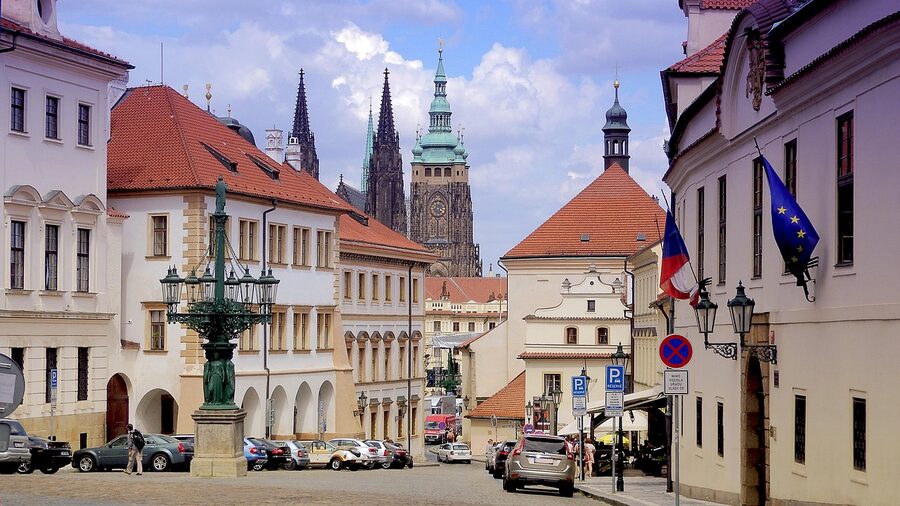
The castle sits on Hradčany hill on the west side of the river. There are three reasonable approaches and which one you pick changes how the visit feels.
Walk up via the Old Castle Stairs. The classic. You start in Malá Strana, climb a stone staircase past terraced gardens, and arrive at the eastern gate. Twenty minutes from the river, all uphill. Worth it for the gradual reveal.
Tram 22 to Pražský hrad. If you don’t want the climb. The tram drops you near the western end of the complex, at the Royal Garden side. From there it’s a flat walk in. This is what I’d do if I were doing the castle in the afternoon and didn’t want sweat in my shirt.
Funicular to Petřín, then walk down. A backwards approach, but if you’re already planning to do Petřín lookout tower, you can take the funicular up, walk along the ridge to the castle, and arrive at the western entrance. Adds an hour but adds the city’s best skyline view.
Best Time of Day to Visit
Open hours run roughly 9 to 5 in winter and 9 to 6 in summer for the interior monuments. The grounds open earlier (around 6am) and close later. Three timing windows worth knowing.
First hour after opening. If you’re doing the skip-the-line ticket, this is when you actually get to walk around without elbows. By 10:30 the cruise-ship and bus-tour crowds arrive and the cathedral fills up.
Late afternoon, around 4pm. The bus groups have left. Light is good for photos, especially on the south facade of St Vitus. You’ll have an hour to ninety minutes inside before they start ushering people out.
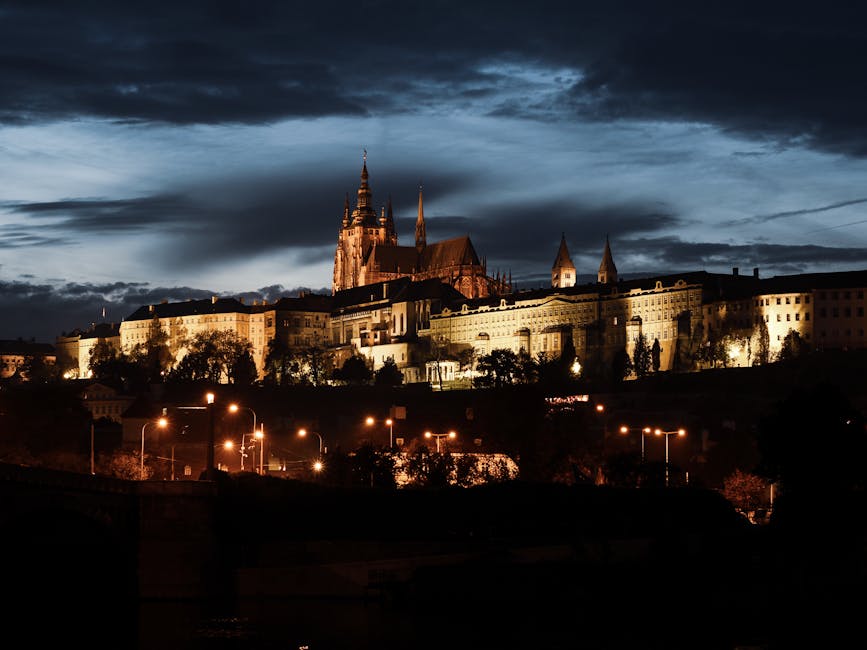
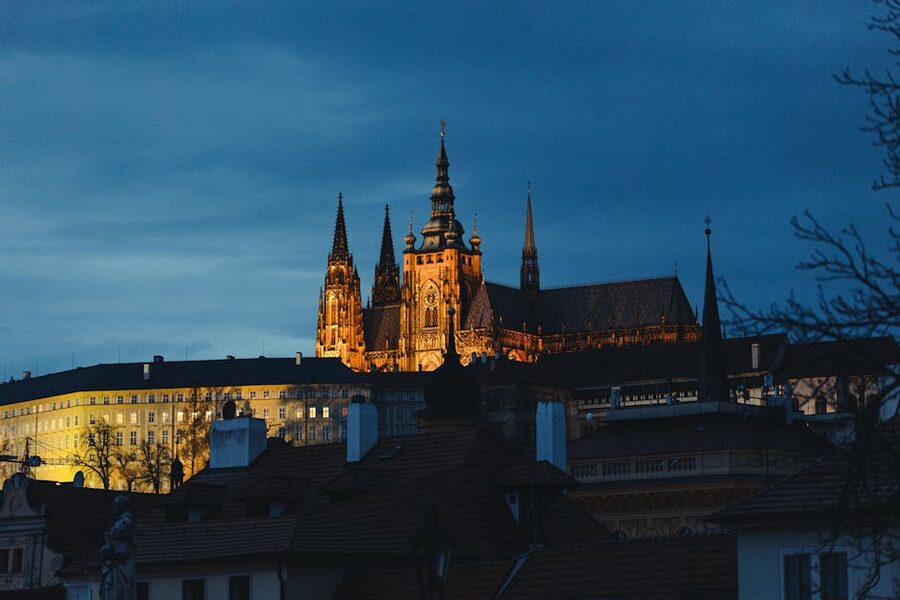
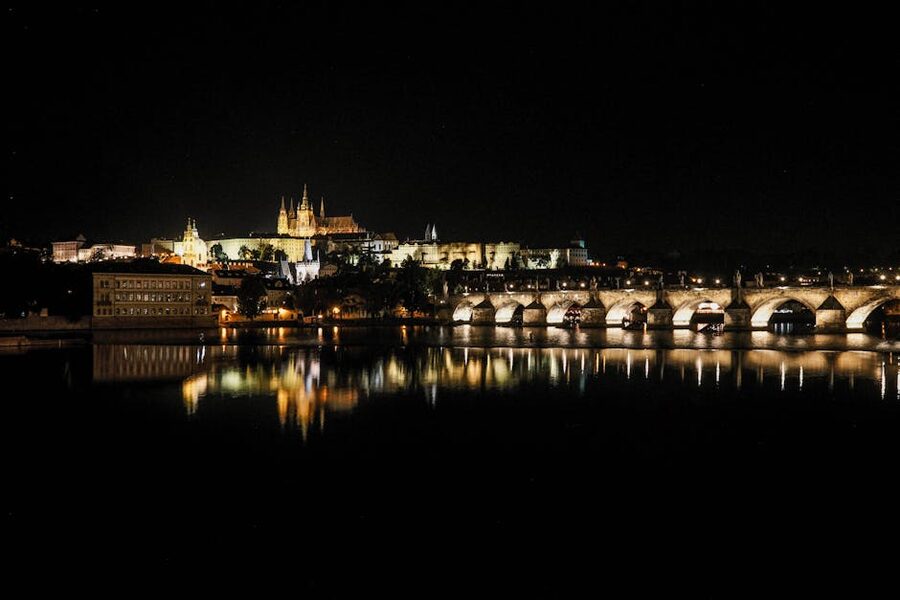
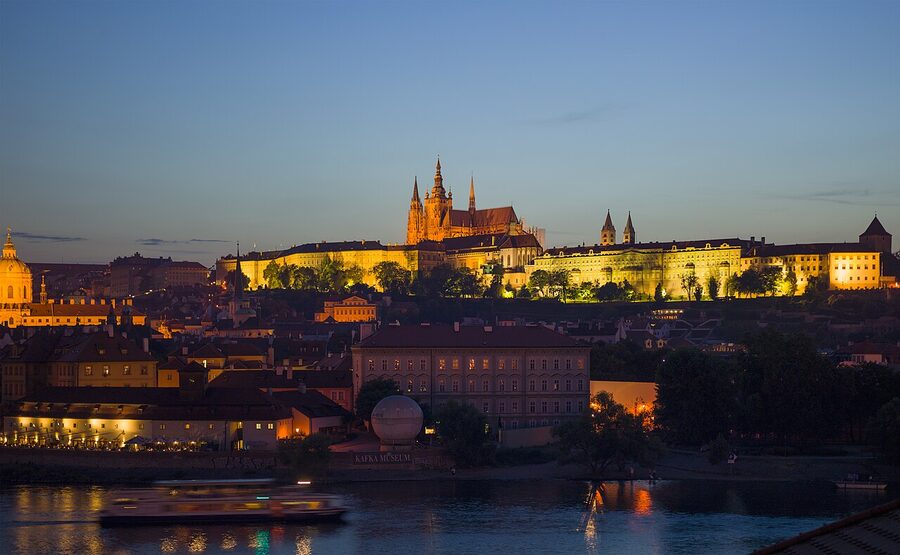
After dark. The interior is closed, but the courtyards stay open and the whole complex gets uplit. Walk up via the Old Castle Stairs around 8pm and you’ll have the whole place almost to yourself, with the city lights spread out below.
Pairing the Castle With Your Other Prague Plans
Most people give the castle a half-day and then wonder what to do with the other half. Here’s what I’d actually pair it with, depending on what kind of trip you’re running.
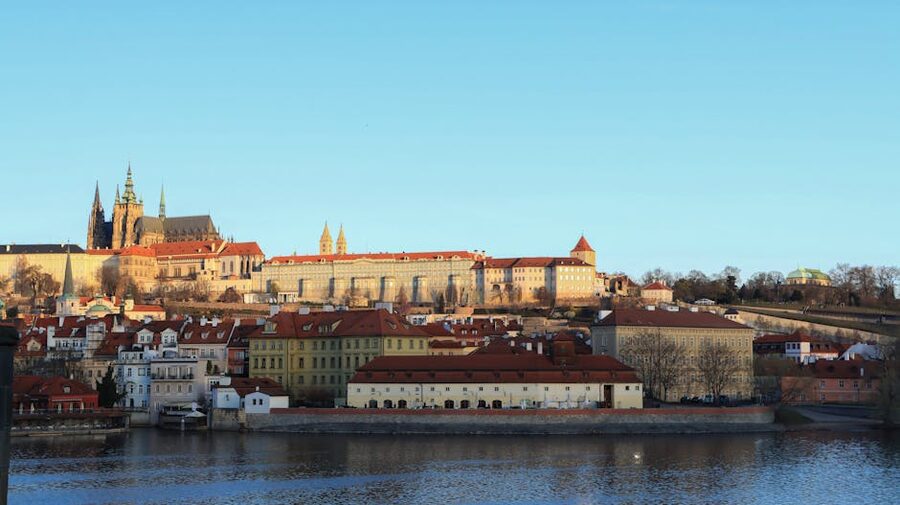
Castle morning, river cruise evening. This is the standard one-two and it works because the castle is uphill and indoors and the river is flat and outdoors. Do the castle from 9 to 12, eat in Malá Strana, then catch a sunset boat. Our guide to Vltava cruises walks through which boat actually delivers on the views.
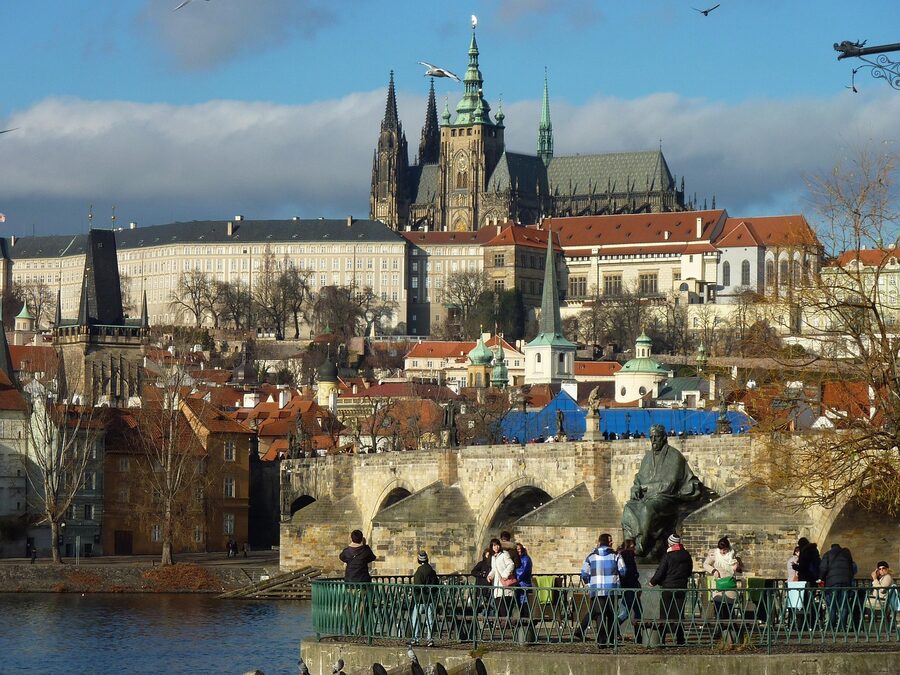
Castle morning, Old Town afternoon. If you’d rather stay on foot. After the castle, walk down via Nerudova street into Malá Strana, cross Charles Bridge, and you’re in Old Town for lunch. The Old Town walking tour guide covers what to see once you’re there.
Castle plus underground. A surprising pairing that works because the contrasts are so sharp. After the bright open courtyards, drop into the dungeons under the Old Town for a completely different Prague. Our medieval underground guide covers the options.
Practical Notes Before You Book
Security. Bag screening at the gates. Lines look intimidating but move fast. No big backpacks; a small daypack is fine.
Photos inside. Allowed in St Vitus and the basilica without flash. The Old Royal Palace bans photos in some chapels; signage is clear.
Dress code in the cathedral. Shoulders covered. They’re not strict the way Italian basilicas can be, but a vest top will draw a polite gesture from staff.
Validity. The interior ticket is valid for two consecutive days, which is genuinely useful if you decide to split the visit. I’ve used the second day for just St Vitus and Golden Lane after rushing the first.
Audio guide vs guide. The audio handset is in 14 languages and runs about 90 minutes. A live guide will go the same time but answer your questions. If you’ve got the budget, take the human.
Why the “Largest Ancient Castle Complex” Claim Is Worth Taking Seriously
Guinness measures it at about 70,000 square metres of ground area enclosed by the walls. By comparison, Windsor Castle in England comes in at around 45,000. Edinburgh Castle is closer to 35,000. The reason Prague is so big is that it grew incrementally for a thousand years, absorbing earlier fortifications and sticking new buildings into whatever courtyards were spare.
That history is also why the place can feel disjointed. Romanesque from the 900s next to Gothic from the 1300s next to Baroque from the 1700s next to a deliberately neutral 1920s presidential office. There’s no master architect’s vision. There are seventy-something different decisions made over a millennium.
Common Mistakes I See First-Timers Make
Buying a ticket they didn’t need. If you only want to see the courtyards, the changing of the guard, and the cathedral exterior, you don’t need to pay anything. A lot of Tripadvisor reviews complaining about “queues” are people who shouldn’t have queued in the first place.
Going at the wrong time. Showing up at 11am on a Saturday with a cruise ship in town is a slog. Either go early or go late. The middle of the day is the worst possible window.
Skipping St George’s Basilica. It’s included in the ticket and almost everyone walks past it. Five minutes inside is worth it, especially for the acoustics.
Trying to see “everything”. The full ticket gets you into about a dozen interior spaces. Realistically you’ll get fifteen minutes in each before fatigue sets in. Pick three or four to do properly and skim the rest.
Forgetting the gardens. Open spring through autumn, free, and they have the best castle-side views. Most people walk in, do the cathedral, and walk out the same gate. The gardens are worth twenty minutes on their own.
If You’re Coming From a Neighbouring Country
Prague pairs naturally with a few of the German cities we’ve covered. The ICE high-speed train from Berlin takes about four and a half hours; the route from Dresden is closer to two and is one of the prettiest train rides in Central Europe. Both work as long weekend extensions.
If you’re already deep in a German trip and want to add Prague, the easiest add-on point is Dresden. After you’ve done the Elbe river cruise and the Frauenkirche, the train down the Elbe valley to Prague takes you through Saxon Switzerland in about two hours. From Berlin, the Reichstag and the Spree boat tour make an easy two-day Berlin half before you hop the train south.
The Quick FAQ
Do I need to book in advance? In summer, yes; gate queues for the standard ticket can run an hour at peak. In shoulder season you can usually walk up. The skip-the-line product saves you the queue regardless.
Can I buy at the gate? Yes, at the Information Centre in the second courtyard. But the savings versus the online price are zero, and the convenience cost is real.
How long should I plan? Two and a half hours minimum for the interior circuit. Half a day if you want the gardens too. A full day if you also want to walk down through Malá Strana and end at the river.
Is it accessible? Partially. The cathedral and Old Royal Palace have ramps. Golden Lane is cobbled and tight. The South Gardens have terraced steps. Plan for some terrain.
Are there toilets? Yes, in the second courtyard and near Golden Lane. Free with your ticket; they take coins otherwise.
What I’d Tell a Friend
If a friend texted me asking how to “do” Prague Castle in one sentence, I’d say: book the 2.5-hour guided tour, go at 9am, eat lunch in Malá Strana afterwards, and do a Vltava cruise that evening. That’s it. The complex is too big and too layered to walk in cold, a guide pays for themselves in the cathedral alone, and the boat lets your legs recover while you keep looking at the same skyline from below.
If a friend with a tighter budget asked, I’d say: take the $35 skip-the-line ticket, do it early, and use the remaining time for a free wander through the South Gardens. Better than half-bothering with a tour you didn’t really want.
If a friend who’d been before asked, I’d say: skip the interior, walk up at sunset, and just sit on the eastern wall. That’s the version of Prague Castle you’ll remember.
Where to Read Next
Once you’ve sorted the castle, the obvious next moves are the river and the streets below it. Our Vltava cruise guide covers which boat actually has the right vantage on the castle from the water (most don’t), and the Old Town walking tour guide sets up the other half of the city you’ll want to see. If you’ve got an extra evening and want something completely different, the medieval underground tours drop you into Prague’s older, darker history; a sharp counterpoint to the cathedral light upstairs. Together those four make a tight two-day Prague itinerary you can build the rest of your trip around.