
Rijks alone, Rijks plus Van Gogh on the same morning, Rijks paired with a canal cruise, or one Go City pass that throws in 40 other attractions on top? That’s the call you’re trying to make right now, and the answer depends on how art-curious you actually are and how many hours you’re willing to give Museumplein. Here’s what I’d book in each scenario, plus the small print nobody mentions until you’ve already paid.
- In a Hurry: Three Picks
- Rijksmuseum Entry Ticket: around
- Rijks + Canal Cruise Combo: around
- Go City Amsterdam Pass: around
- So which combo is actually right for you?
- How Rijksmuseum tickets actually work
- Option 1: Rijksmuseum on its own
- 1. Amsterdam Rijksmuseum Entry Ticket:
- Option 2: Rijks + Van Gogh in one go
- 2. Rijksmuseum and Van Gogh Museum Semi-Private Tour: 8
- Option 3: Rijks + a Canal Cruise
- 3. Amsterdam: City Canal Cruise and Rijksmuseum:
- Option 4: Go City Amsterdam Pass
- 4. Go City Amsterdam Pass with Rijksmuseum: (1 day)
- What you’ll actually see inside
- The Night Watch (1642)
- The Milkmaid (Vermeer, c. 1660)
- The Merry Drinker (Frans Hals, 1628-30)
- Cuypers Library
- The Asian Pavilion
- The Garden, the Cafe and what’s free
- When to actually go
- Getting there
- What to skip
- If the basic ticket sells out
- A note on the building itself
- Other Amsterdam guides worth your time
In a Hurry: Three Picks
Rijksmuseum Entry Ticket: around $31
The default. Timed-entry slot, audio guide is a small extra you’ll want to take. Book on GetYourGuide
Rijks + Canal Cruise Combo: around $47
One ticket gets you in, then a 75-minute Damrak loop afterwards. Book on GetYourGuide
Go City Amsterdam Pass: around $87
Rijks plus 40-plus other attractions on the same pass, 1 to 3 days. Book on GetYourGuide
So which combo is actually right for you?
Quick answer first, then the reasoning. If you’re in Amsterdam for two or three days and you only want one museum, do the standalone Rijks ticket. It’s the deeper of the two big art museums and the building itself is half the experience. If you’ve got a serious art habit and a free afternoon, do the Rijks + Van Gogh semi-private guided combo. They sit five minutes apart on Museumplein and a single guide carrying you across both is the most efficient way to do both in a day. If your group has split interests and somebody wants canals more than oil paintings, the Rijks + Canal Cruise combo covers both bases for less than the price of doing them separately. And if you’re booking three or more bigger attractions across multiple days (Heineken, Anne Frank annexe, Moco, Madame Tussauds, the cruise, the zoo), the Go City Pass usually breaks even by attraction three.
The mistake I see people make is assuming the pass is automatically cheapest because it’s a pass. It isn’t. If you only do Rijks plus one cheap thing, you’ll lose money on the pass. Run the numbers before you click.
How Rijksmuseum tickets actually work
Three things to know before you book anywhere. First, every ticket is timed-entry, with 30-minute slots. You pick the date and the half-hour window, and you can show up any time inside that window. Second, walk-up sales at the door dried up years ago. The little kiosk inside the Atrium might release a handful of same-day slots if you arrive at opening, but I’d never plan around it. Third, once you’re inside there’s no time limit. You can stay until closing at 17:00.
The standard adult ticket is roughly 25 euro at the door (around 31 dollars on GYG), under-18s are free, and the audio guide is 6 euro extra or you can download the free Rijksmuseum app on your phone before you leave the hotel and get the same guides through your earbuds. I’d take the app. Saves the queue at the audio desk and you can use it across multiple visits if you decide to come back.
Option 1: Rijksmuseum on its own
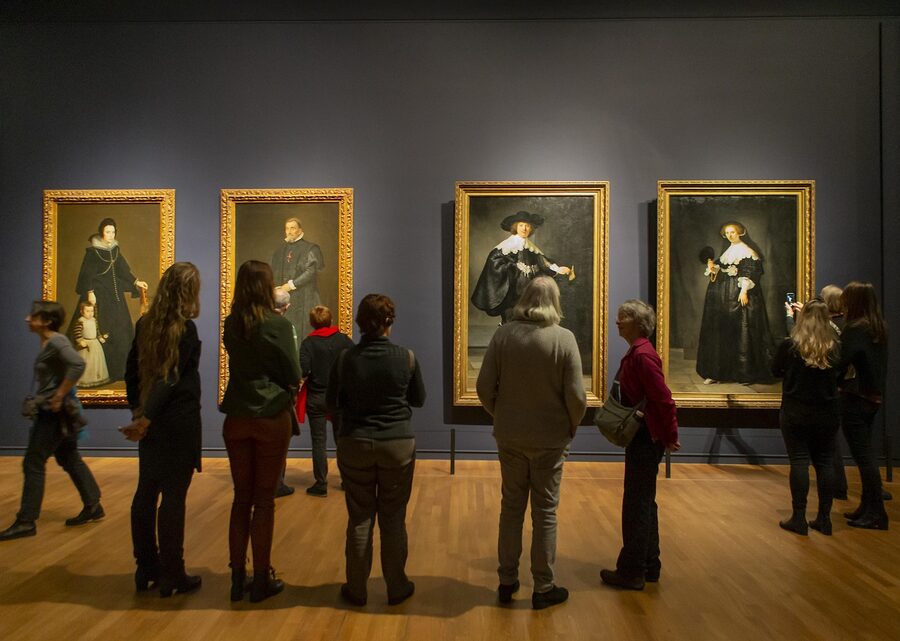
The default option, and the right choice for most first-time visitors. Two to three hours is the realistic minimum if you want to see the big four (Night Watch, Milkmaid, Merry Drinker, the dolls’ house) plus the Cuypers Library and a wander through the Asian Pavilion. Five hours if you’re an art person and you want to do the side galleries properly.
The flagship entry ticket at around $31 is the one almost everyone books. It’s the most-reviewed Rijks listing on the market and the rating sits well into the high 4s, which tells you the timed-entry system works. There’s a near-identical alternative listing at the same price point if the first one is sold out for your slot. They pull from the same museum allocation but appear as separate inventory.
1. Amsterdam Rijksmuseum Entry Ticket: $31

This is the no-fuss way in. Our full review covers the timed-slot logic and what to do if you arrive 20 minutes late (you’re usually fine). I’d book the 09:00 slot and walk straight upstairs to the Night Watch before the day-tripper buses arrive.
Option 2: Rijks + Van Gogh in one go
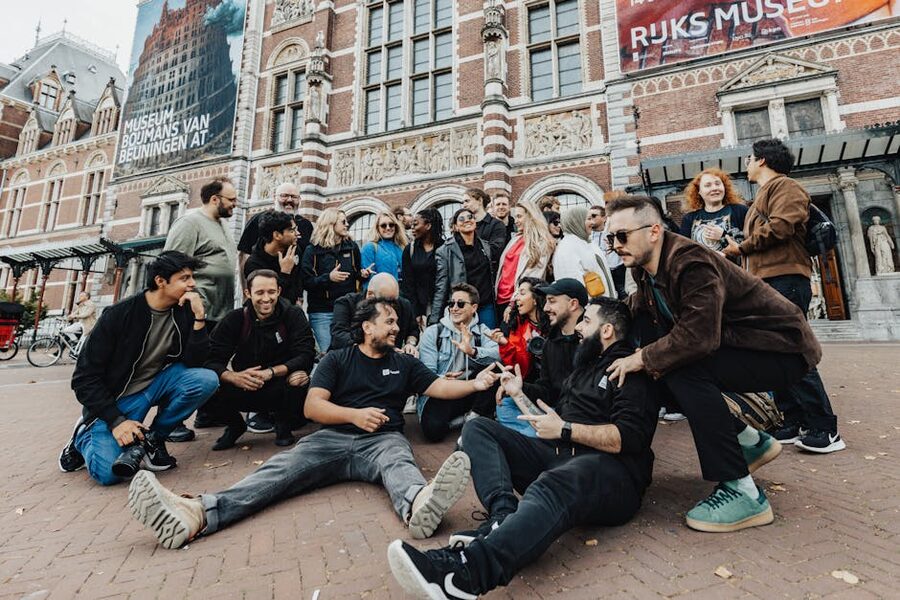
This is the one I’d pick if I had a strong art interest and one full day to give. The two museums sit a five-minute walk apart on the same square. Doing them back to back with a guide who carries the narrative across both is genuinely more useful than two separate self-guided visits, because the post-Rembrandt-to-pre-Van-Gogh art-history thread (Hals, Vermeer, the realist tradition leading to the post-impressionists) becomes the through-line.
The semi-private 8-person combo runs about 5 hours 30 minutes including a long lunch break inside the Rijksmuseum’s restaurant. The price isn’t trivial, around $288, but you’re paying for skip-the-line at both museums, a private art historian, and the chronological framing. If you’d rather do this self-guided, just buy two tickets separately and use the half-day in between for lunch on Spiegelgracht. Cheaper but you do the connecting work yourself. Worth comparing this against the Madrid pairing of the Prado and Reina Sofía, which is the closest equivalent in Europe. Same idea of two world-class museums in walking distance with a complementary collection arc.
2. Rijksmuseum and Van Gogh Museum Semi-Private Tour: $288

Eight people max, two skip-the-line entries, and an art historian who knows both buildings. Our deeper write-up talks about how the lunch break works and why you don’t want to swap it for a shorter version. Pricey, but if art is the reason you came to Amsterdam, this is the trip.
If 8 people feels too small a group and you want a slightly more affordable structured visit, our guided Rijks-only tour write-up covers an option in the $60-80 range that gives you the curator-level explanation just for the Rijksmuseum half. And the Van Gogh booking guide in our Amsterdam set goes into how to handle the Van Gogh side of the equation if you want to do them on different days.
Option 3: Rijks + a Canal Cruise
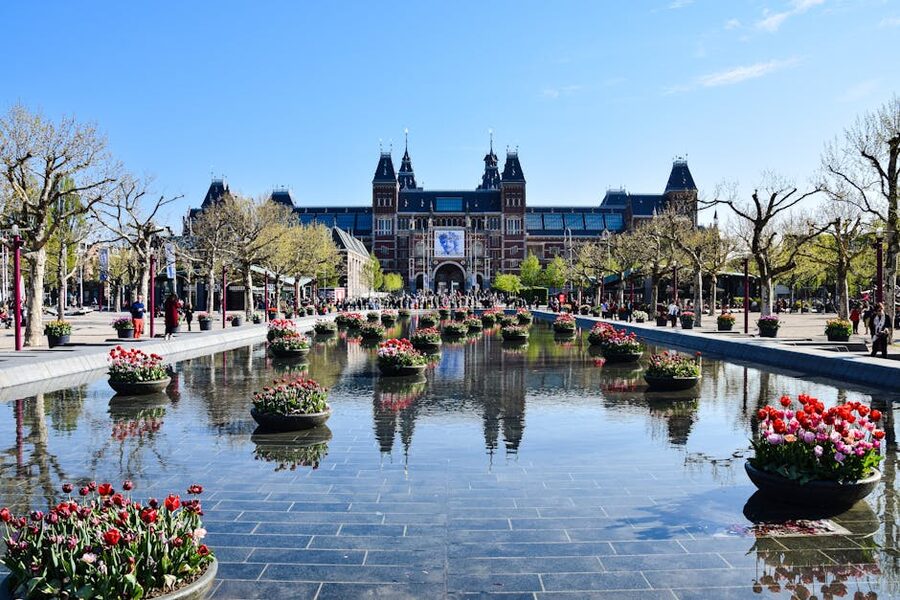
The combo most people actually buy. For around $47 you get the Rijksmuseum entry plus a 75-minute classic-audio canal cruise from Damrak, and that’s noticeably cheaper than buying both tickets separately, which would run you around $35 plus $20.
The pacing works. Two and a half hours inside the museum, walk 15 minutes north to Damrak, board the boat, see the UNESCO 17th-century concentric ring (Singel, Herengracht, Keizersgracht, Prinsengracht) from water level. You’re done by 14:00 and you’ve banked two of the four flagship Amsterdam things in one block. The audio commentary is multilingual and decent, but not as personal as a small open-boat trip, but fine.
3. Amsterdam: City Canal Cruise and Rijksmuseum: $47

The most-booked combo on the market, and the one I’d recommend for couples or first-time visitors. The full review goes into the order you should do them in (museum first) and a small gotcha: the museum ticket has to be redeemed before the cruise, otherwise the QR doesn’t validate. There’s also an alternative combo listing at a similar price if your dates are full.
Option 4: Go City Amsterdam Pass
The Go City pass works as one digital ticket scanned at every door. The All-Inclusive flavour gives you 40-plus attractions including the Rijksmuseum on a 1, 2, 3, 4, 5 or 7-day window. Roughly $87 for the 1-day, climbing from there. The Explorer pass is the cheaper variant where you pick a fixed number of attractions. But heads up, Rijks recently moved to All-Inclusive only on the Go City system, so if you want the museum on the pass you need the full version.
The numbers only work in your favour if you do real volume. My back-of-envelope rule: a 1-day pass pays off if you do Rijks plus two other paid attractions on the same day, and a 2- or 3-day pays off at four to six attractions across the run. If you’re an aimless wanderer who eats stroopwafels and takes photos of bridges, skip the pass. If you’re systematically ticking off Heineken, the Anne Frank route, Moco, Madame Tussauds, the cruise, the zoo and Rembrandt House in three days, it’s a clear win.
4. Go City Amsterdam Pass with Rijksmuseum: $87 (1 day)
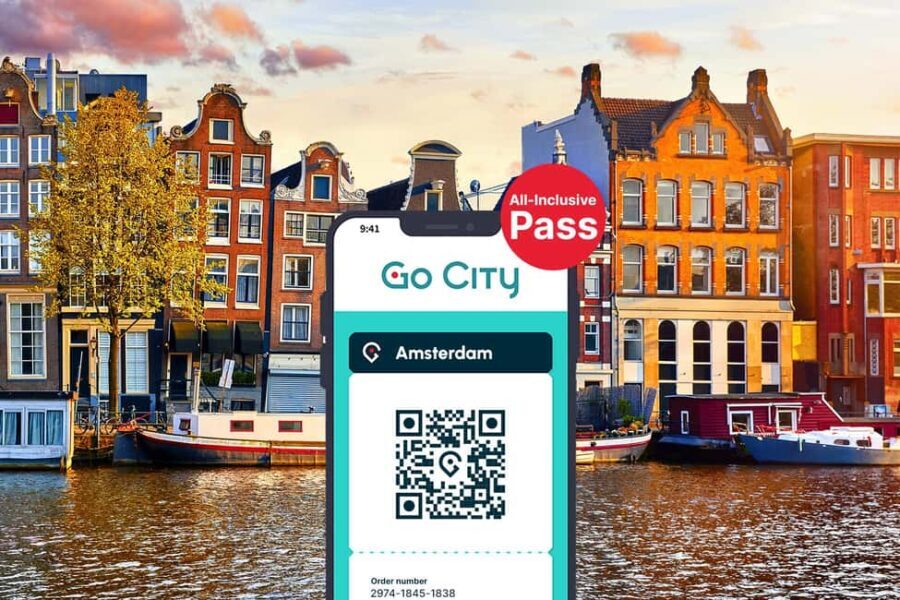
The savings stack hard if you’re on a multi-day blitz. Our pass write-up walks through the maths attraction by attraction and notes which combinations actually break even. Print it before you click, you’ll be glad you did.
What you’ll actually see inside
The Rijksmuseum has 80 galleries across four floors, with about 8,000 objects on display from a collection of more than a million. Don’t try to see all of it. Plan around four anchor pieces and let everything else be incidental.
The Night Watch (1642)
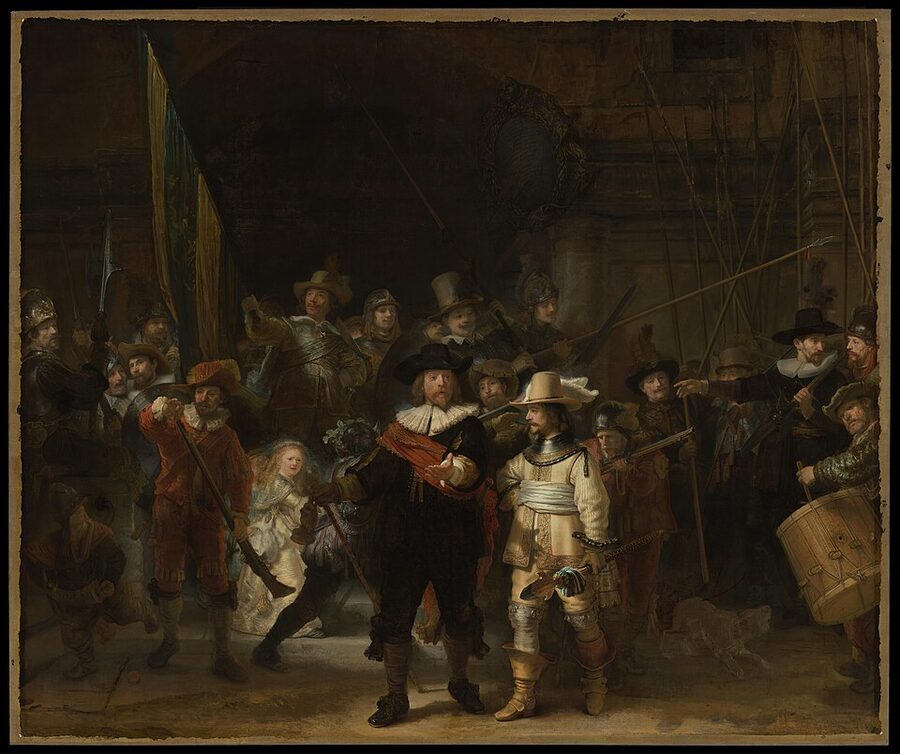
Rembrandt’s group portrait of Captain Frans Banninck Cocq’s militia company. It’s enormous (363 by 437 cm) and it sits at the far end of the Gallery of Honour like a destination. Originally it was even bigger. The canvas was trimmed in 1715 to fit a different wall in the old town hall, and you can see the AI-reconstructed extension on display next to the original. The black, brown and gold palette isn’t actually that dark when you stand close; calling it the Night Watch was an 18th-century misreading of the varnish layer.
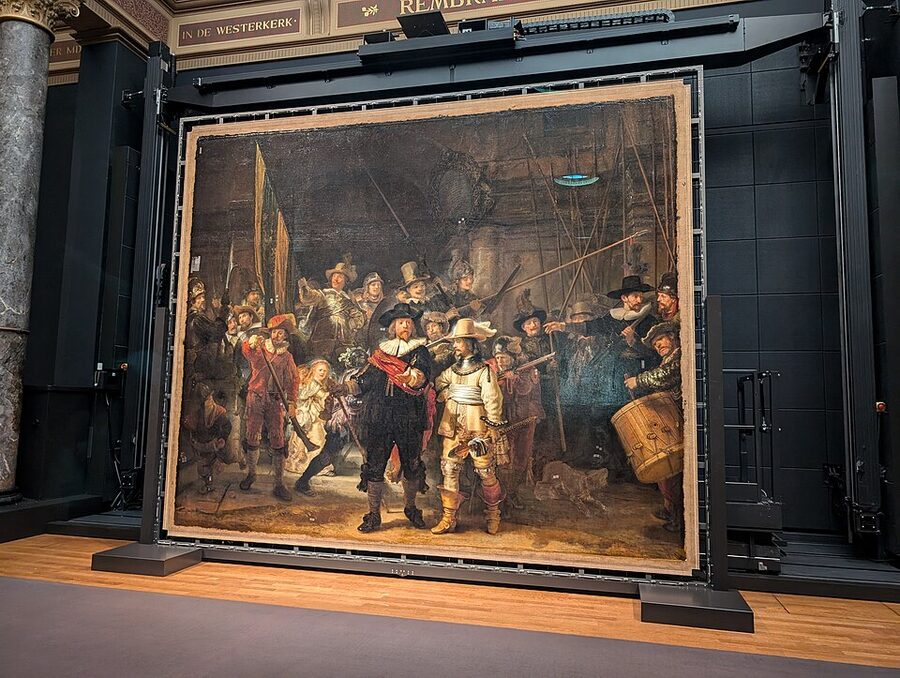
If you want to see the conservators in action, aim for the morning hours on weekdays. The work happens behind a transparent housing right beside the painting on the wall, and they don’t take it down. Schedules shift, so check the museum’s “Operation Night Watch” page that morning. It’s the kind of behind-the-glass spectacle no other museum offers, and it’s free with your standard ticket.
The Milkmaid (Vermeer, c. 1660)
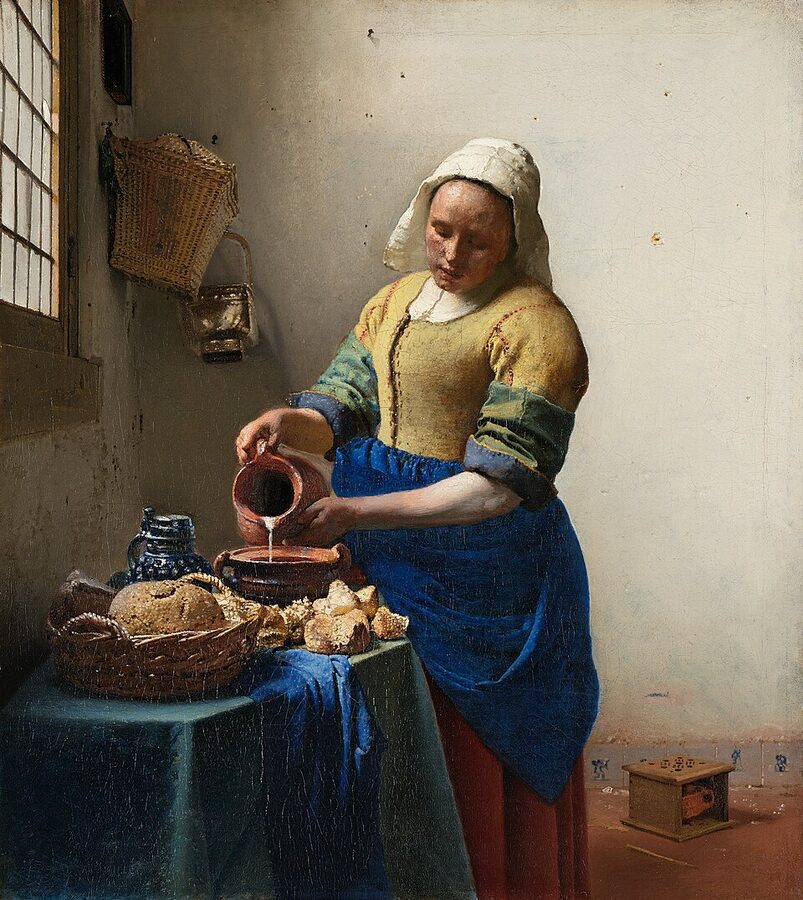
Smaller than you’d think. The Milkmaid is one of only 35 or so confirmed Vermeers in the world, which is why it gets such a crowd despite the modest size. Hangs in the same Gallery of Honour wing as the Night Watch, two rooms over. Don’t queue for the front railing. The painting is small enough that the second row is fine, and the people up front move every 30 seconds anyway.
The Merry Drinker (Frans Hals, 1628-30)
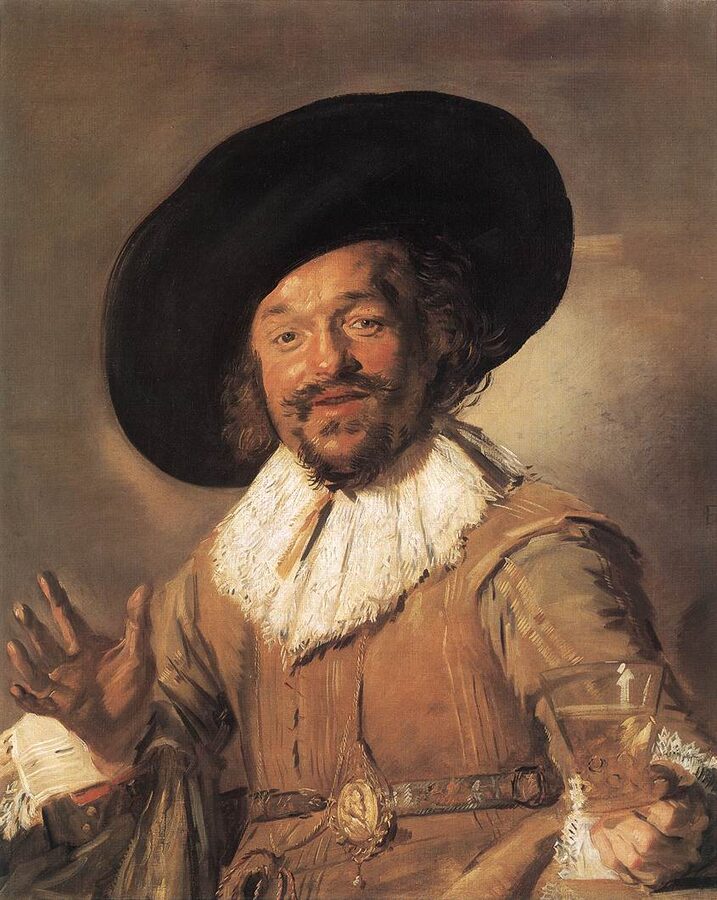
The Hals is the wild card of the Gallery of Honour. Where Rembrandt is composition and Vermeer is precision, Hals is speed. You can see the brushstrokes on the cuff and lace ruff laid down fast and confident. It’s a masterclass in painting movement, which is why every art student gets sent to look at it. Spend ten minutes here and you’ll start spotting Hals’ DNA in everyone from Manet to Sargent.
Cuypers Library
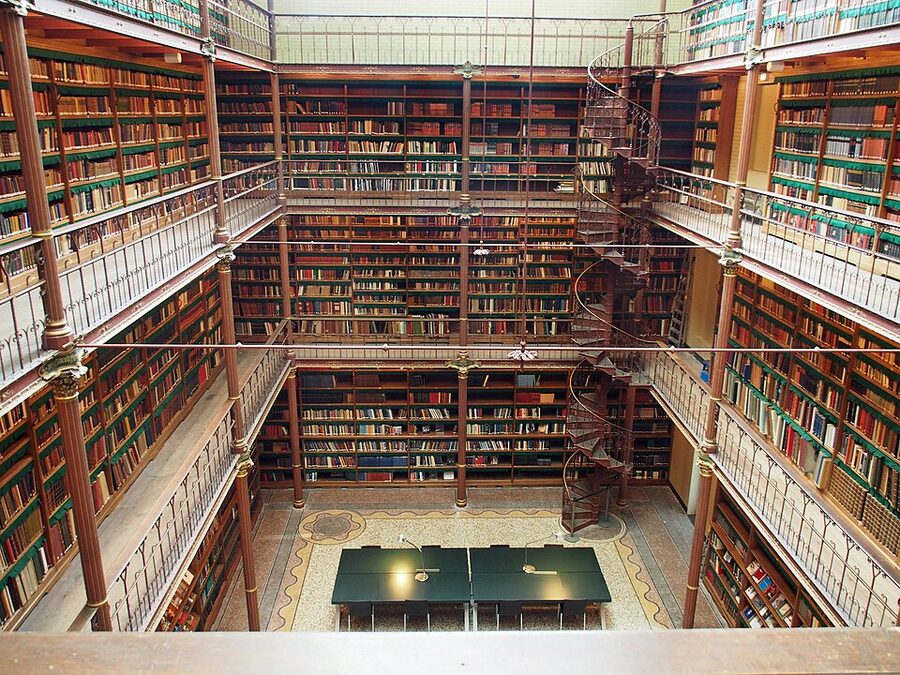
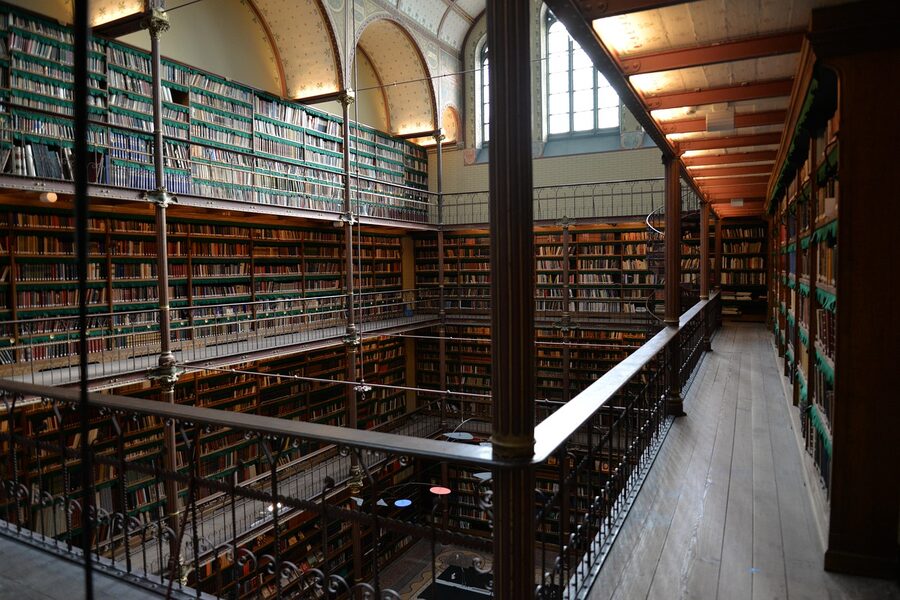
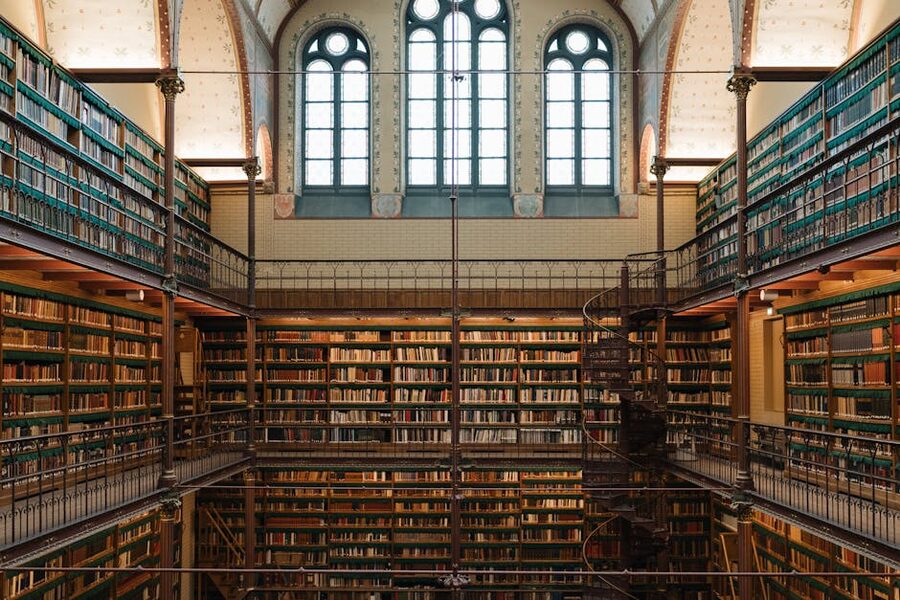
Built into the original 1885 Pierre Cuypers building. You access it from the second floor and you can walk along the upper gallery, but the lower reading floor is restricted to researchers. Two minutes of looking is enough. The spiral staircase and the cast-iron galleries are the shot. Most people miss this entirely because it’s tucked off the main route. Don’t.
The Asian Pavilion
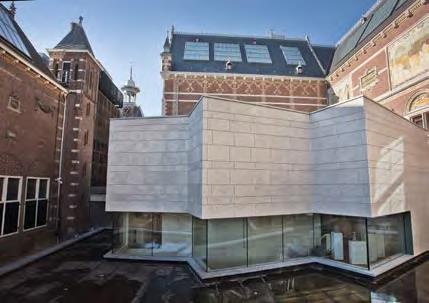
This is the room nobody talks about. The Asian Pavilion holds the museum’s Indonesian, Chinese, Japanese and Indian collections, and it’s regularly the emptiest space in the building. The Shiva Nataraja and the pair of carved Japanese temple guardians at the entrance are reason enough to come down here. If the Gallery of Honour is mobbed mid-day, escape here for half an hour.
The Garden, the Cafe and what’s free
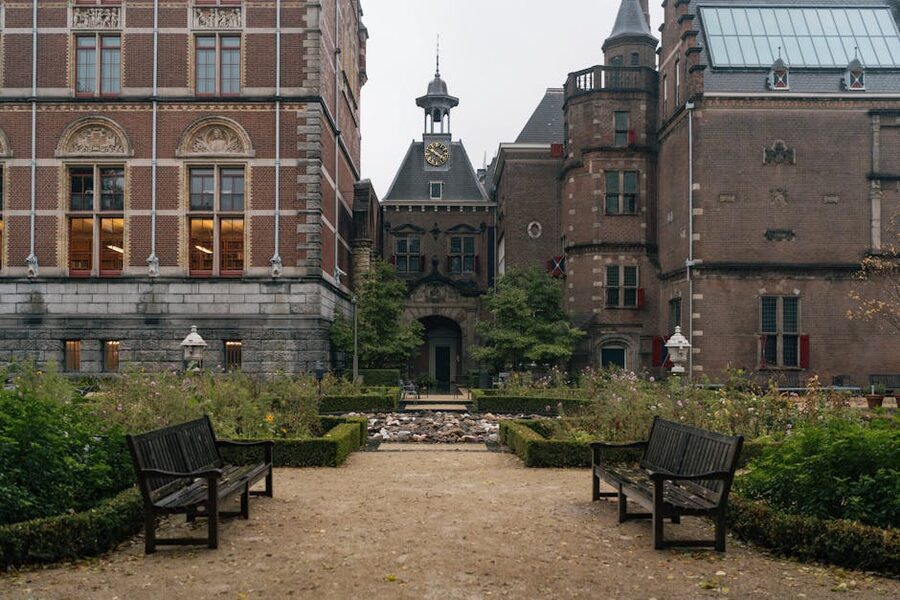
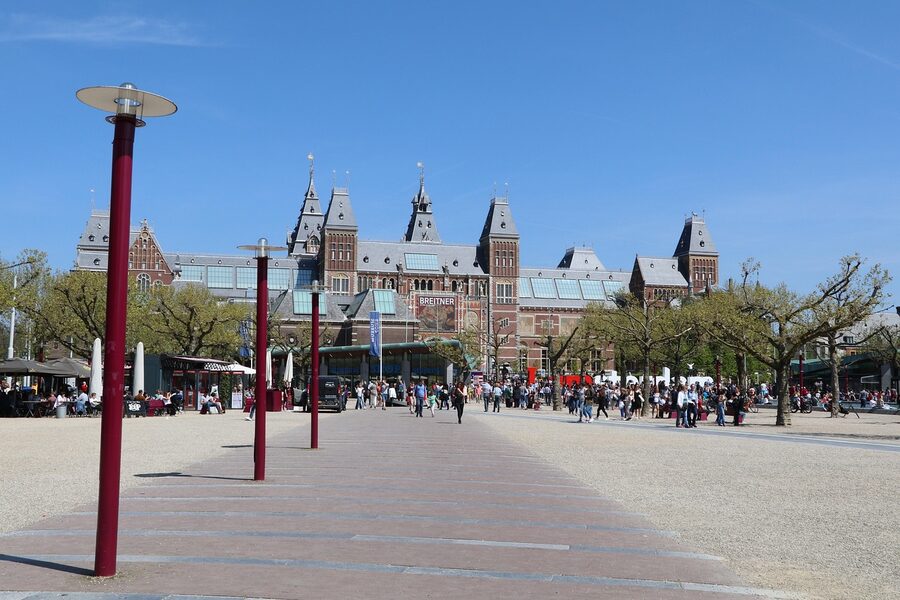
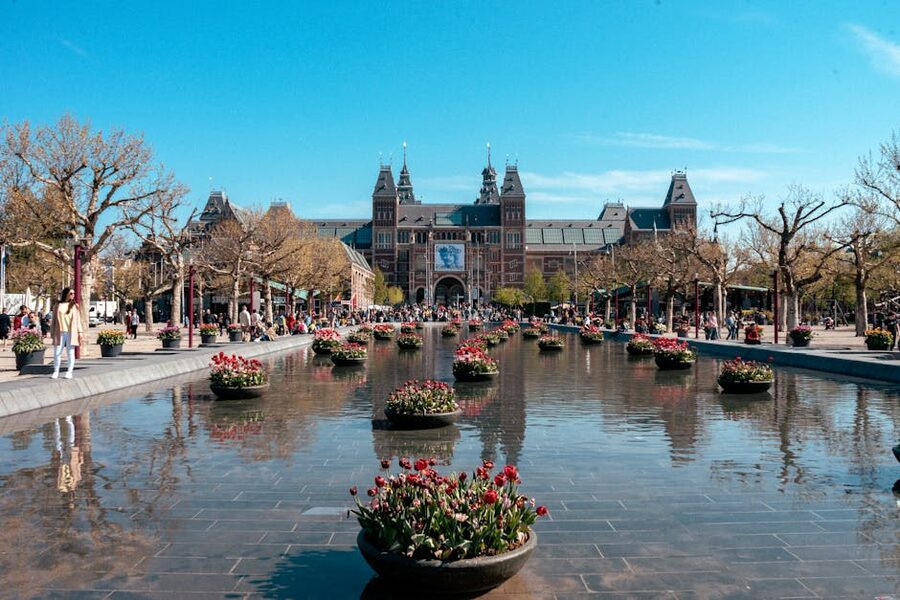
The Rijksmuseum Gardens are free to the public, you don’t need a ticket. They wrap around the south, west and east sides of the building, with sculptural fragments, hedges, a small open-air pavilion that sometimes hosts free exhibitions, and the Garden Cafe. If you’re saving the museum for tomorrow but you’re walking past today, the gardens are a 20-minute pleasant detour and the cafe is one of the better outdoor seats on Museumplein.
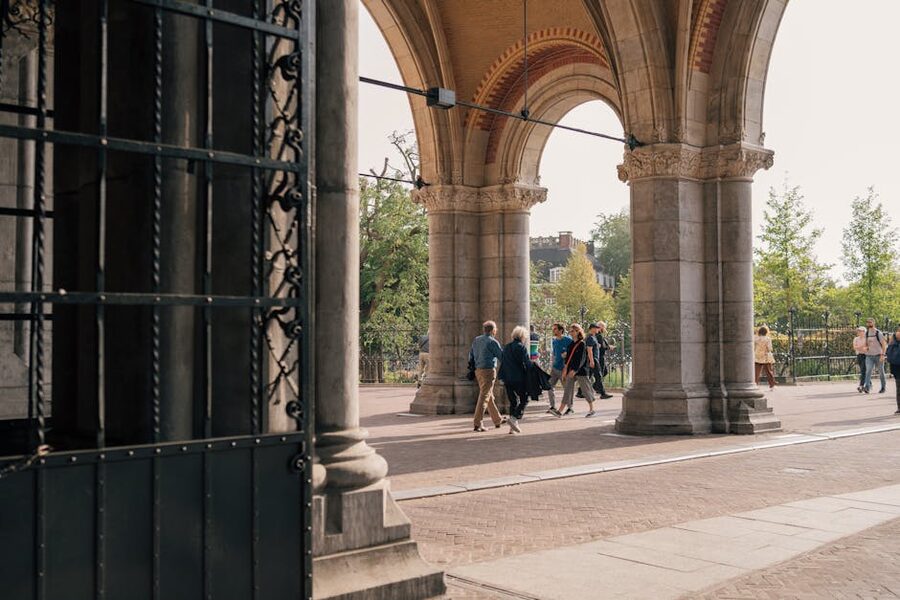
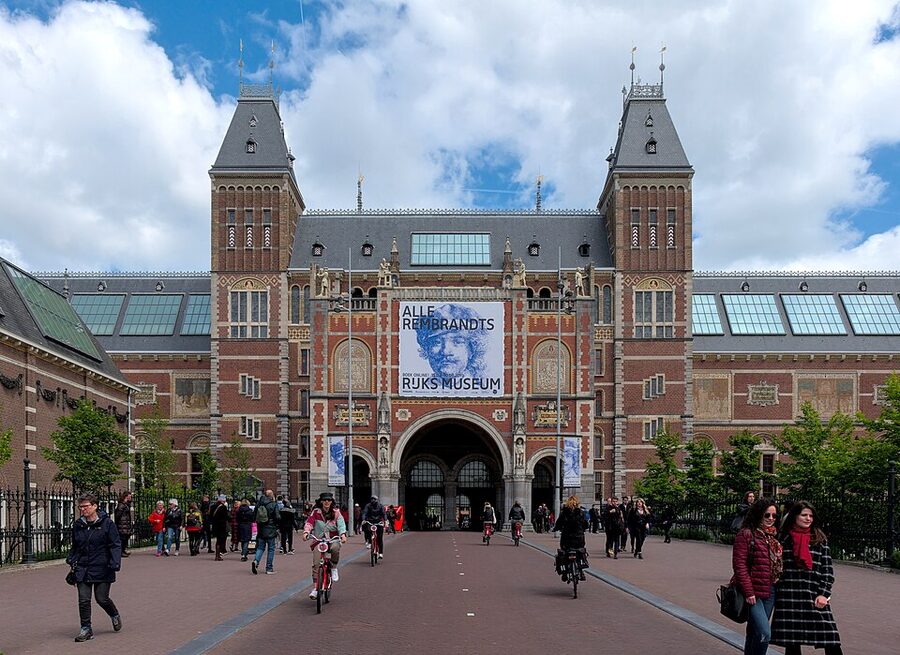
The cycling passage that runs through the building from north to south is also public. You can walk straight through it without a ticket and most people do, on the way from Stadhouderskade to the Concertgebouw. Buskers turn up here in the warmer months, and the acoustic is genuinely good, you can hear a clarinet from 50 metres away.
When to actually go
Open 09:00 to 17:00, every day of the year except very rare scheduled closures. The 09:00 slot is the only quiet one. By 10:30 the Gallery of Honour is shoulder-to-shoulder. Tuesday through Thursday are the calmest weekdays. Saturday is the busiest day of the week, especially in spring (April Tulip season) and around King’s Day. Sunday is busy but the cruise-ship day-trip groups thin out a bit.
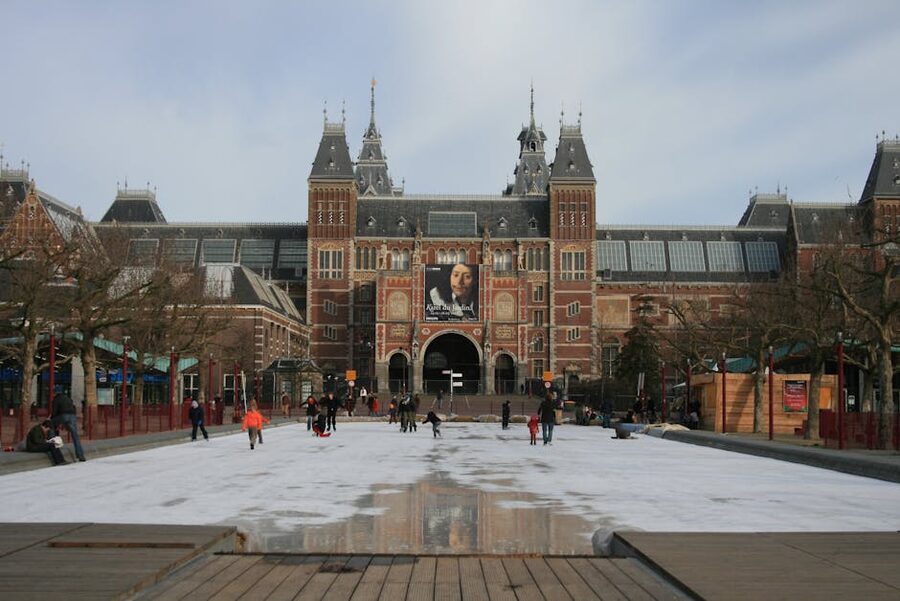
Off-season tip: November through February is genuinely quiet. The Rijksmuseum frames the IJsbaan ice rink that runs across Museumplein in winter, which is also one of the best low-effort things to do in Amsterdam. You can rent skates at the rink (around 8 euro) and skate while looking at the building.
Getting there
Tram 2, 5 or 12 to the Rijksmuseum stop drops you at the south facade. Tram 1, 7 or 19 to Spiegelgracht is the nicer approach (better view as you cross Stadhouderskade). Metro 52 to Vijzelgracht is a 7-minute walk through the canal ring. From Centraal Station it’s a 25-minute walk along Spuistraat or a 9-minute tram. From Schiphol Airport, the train to Amsterdam Zuid plus tram 5 is 35 minutes door to door.
I’d skip the taxi. Amsterdam’s centre is closed to most cars and the drop-off point is 200 metres from the entrance anyway. Bikes lock to the racks on Hobbemastraat. There’s a paid car park under Museumplein if you must (entry on Van Baerlestraat) but it’s expensive and full by 10:00 on weekends.
What to skip
I’ll be honest about a few things. The temporary exhibitions are hit or miss; some are genuinely strong (the recent Vermeer retrospective sold out for months), others are filler that uses your entry slot to upsell you a 7 euro add-on you won’t enjoy. Read the description carefully before you pay extra.
The gift shop is large and tempting and most of it is overpriced museum-branded tat. The exception is the museum’s own publication arm. The catalogues and art-history books are well-priced and well-edited. Skip the tote bags, buy a book.
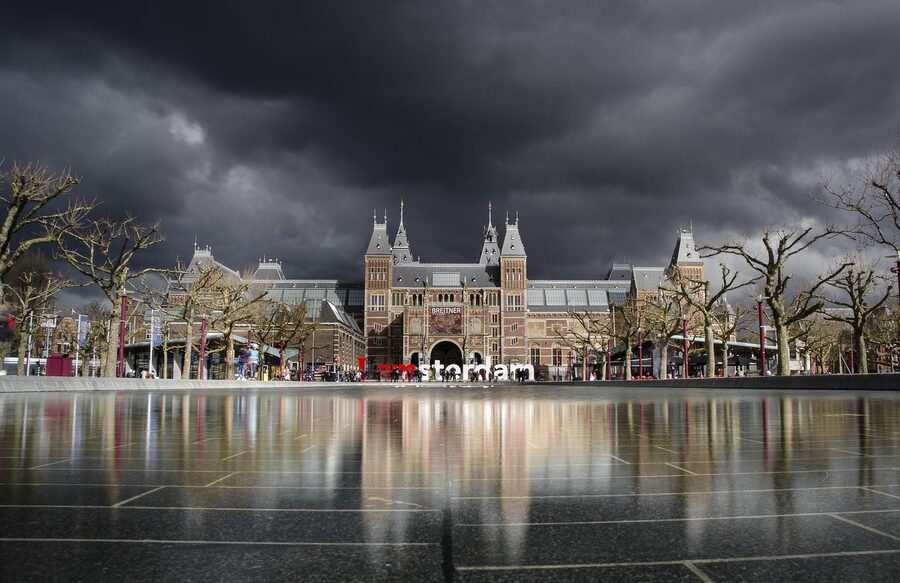
And one practical warning. The Rijks is a labyrinth on the upper floors. Phone signal drops in some galleries. Download the museum app at home before you go, not at the door. The wifi at the entrance is fine for the QR code, but the app downloads slowly on it.
If the basic ticket sells out
It happens, especially during Tulip season (mid-April to early May), the Christmas-to-New-Year window, and any week with a major temporary exhibition opening. Three workarounds, in the order I’d try them.
First, look at the secondary entry-ticket listing, the alternative Rijksmuseum entrance ticket on GYG often has slots when the flagship doesn’t, because they pull from different tour-operator allocations. Second, try one of the combo listings, the canal-cruise combo or the alt combo bundle sometimes have slots when the standalone is sold out. Third, check the guided tour with included entrance. Pricier per head but always has skip-the-line slots.
A note on the building itself
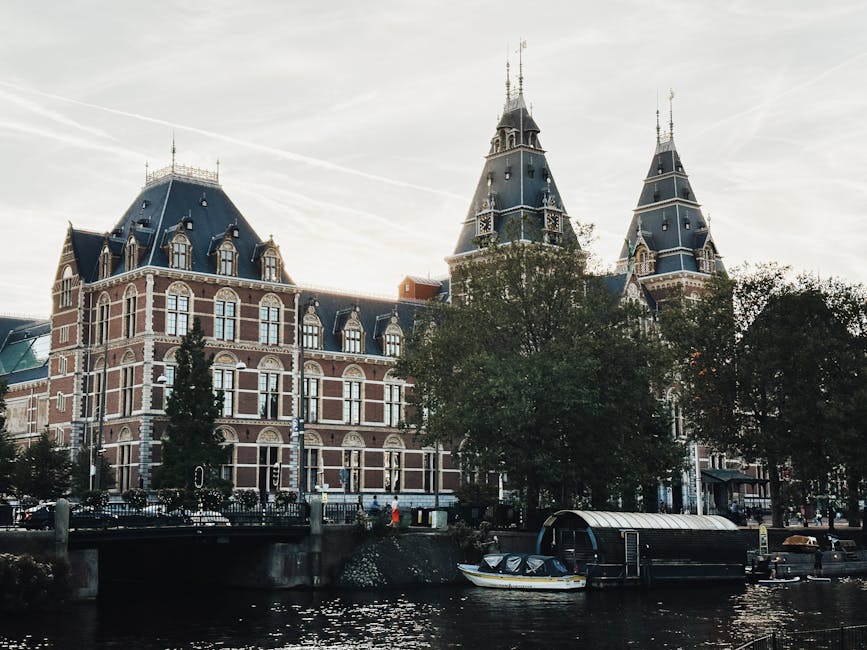
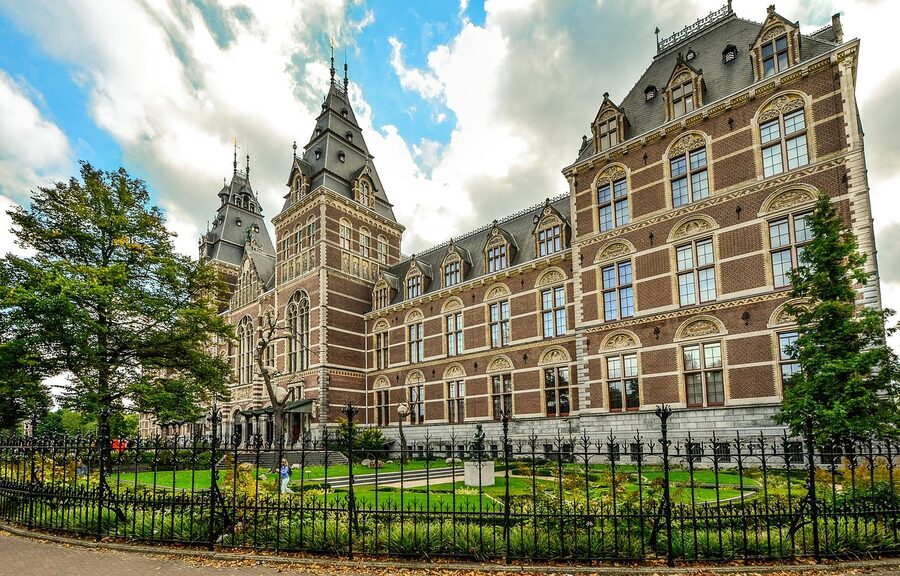
The Rijksmuseum opened in 1885, designed by Pierre Cuypers in his trademark Dutch neo-Renaissance style with Gothic detailing. He filled the facades with sculptural references to Dutch artists (Rembrandt, Vermeer and Hals all have stone heads on the south side, if you look up), and the original interior was hand-painted with murals that the 20th century painted over.
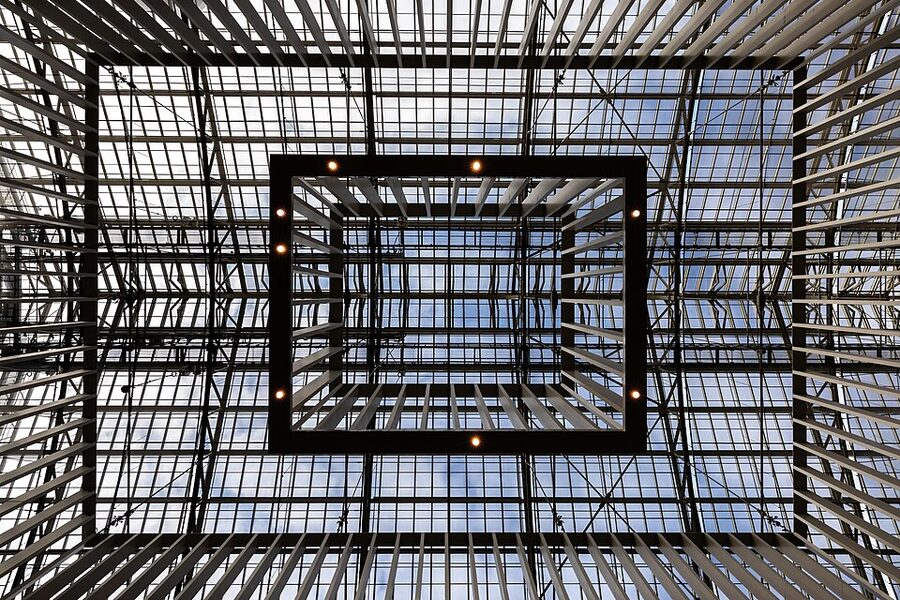
The Cruz y Ortiz renovation that closed the building from 2003 to 2013 stripped most of the 20th-century interventions back, re-opened the original atrium courts (which had been bricked over and used as offices), and added the glass roof over the central atrium. It’s one of the best museum renovations of the modern era. Every architect I’ve ever talked to about Amsterdam mentions it. If you’re into architecture as much as art, give yourself an extra hour for the building alone.
Other Amsterdam guides worth your time
If you’re working through the city, the Van Gogh Museum booking guide is the natural next stop, especially if you’re not doing the combined semi-private tour. The canal cruise breakdown is worth a read before you commit to the $47 combo above. There are seven or eight cruise variants and the right one depends on what you want: booze, audio, an open boat or stroopwafels. And for the third Amsterdam flagship, the Heineken Experience guide covers the brewery option that pairs naturally with a Go City pass.
Final thought. If you came to Amsterdam for art specifically, do the Rijks first thing on day one and the Van Gogh first thing on day two. Don’t try to combine them in a single afternoon unless you’re on the guided combo. The fatigue kicks in around painting 80 and you’ll resent the second museum.