
The mistake people make is reading the word “Dungeon” and picturing a museum. Wax figures behind glass, a bit of audio commentary, maybe a torture rack with a label. That is not what is inside. The London Dungeon is a 90-minute live-actor immersive horror experience across thirteen themed rooms, finishing with a five-storey scarefall ride called Drop Dead. People walk in expecting a polite history lesson. They walk out shaking and slightly hoarse from screaming.
The other mistake is bringing children. The official recommendation is twelve and over, and that is not a soft suggestion. Sweeney Todd jumps out from a barber chair, a courtroom judge calls a child up to be sentenced, the lights drop, things touch the back of your neck. If your eight-year-old is the kind who likes Goosebumps and asked for this for their birthday, fine. If they are not, do not book it. There is no way to do half of the Dungeon. Once you are through the gate, you are committed for the whole circuit.
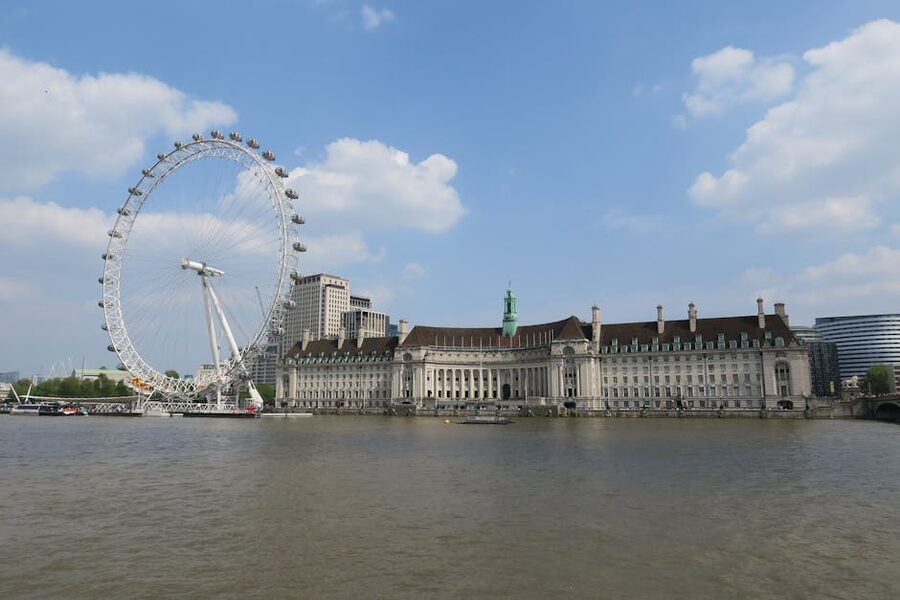
This guide tells you which ticket to buy, what actually happens in the thirteen rooms, who should and should not go, and how to combine it with the rest of South Bank without burning a whole day in queues. I will get to the combo tickets and the Edinburgh comparison further down.
- In a Hurry? Three Picks
- What you actually walk through
- The Plague and the Great Fire: the two real history rooms
- Sweeney Todd and the Ripper rooms
- How to actually book the ticket
- Who should not book this
- Combining the Dungeon with the rest of the South Bank
- How the London Dungeon compares to Edinburgh
- My three picks, with the booking detail
- 1. London: Entry Ticket to The London Dungeon: from around £30
- 2. London Dungeon and London Eye Combo: best afternoon pairing
- 3. London Dungeon, London Eye and Madame Tussauds Combo: best three-attraction value
- The bits the official site does not tell you
- Where the Dungeon sits in your London week
- If you liked this, here is what to look at next
In a Hurry? Three Picks
Best for most visitors: London: Entry Ticket to The London Dungeon from around £30. Standard timed entry, the full thirteen-room circuit including the Drop Dead ride and the tavern at the end.
Best paired with the view: London Dungeon and London Eye Combo. Two attractions, one wallet hit, ninety days to use both. Works because they are forty seconds apart on foot.
Best for a full day on the South Bank: London Dungeon, London Eye and Madame Tussauds Combo. Three big attractions on a single ticket, ninety-day validity. Saves serious money if you were doing all three anyway.
What you actually walk through
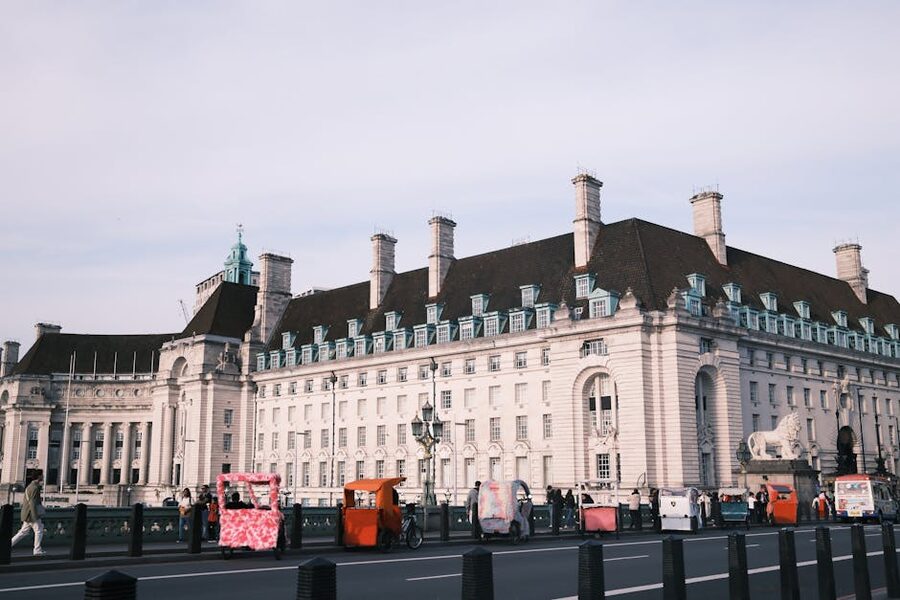
Thirteen rooms. About 90 minutes including the queue at the start and the tavern at the end. You are walked, herded, and occasionally chased through them in a group of about 25 to 30 people, with a costumed actor in each room running a four-to-six minute scene before the next set of doors opens.
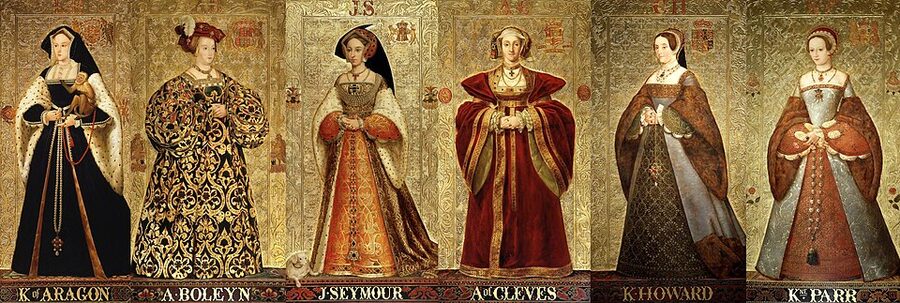
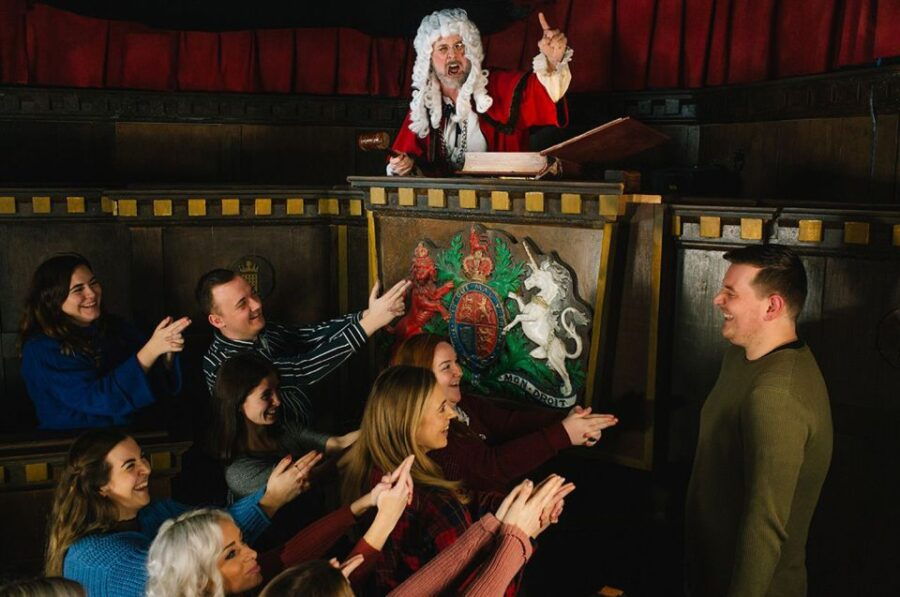
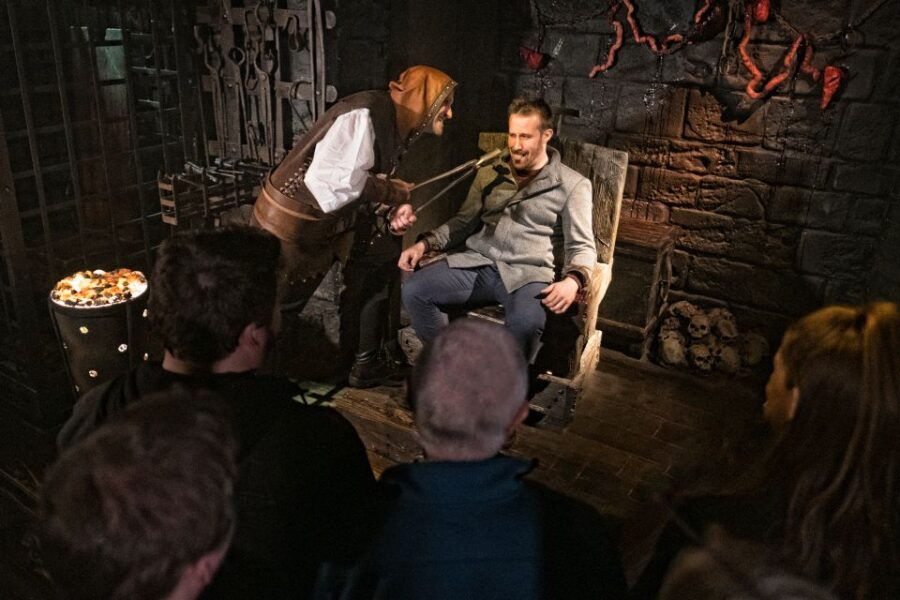
The route changes a little year to year, but the spine has been roughly the same since the Dungeon moved into County Hall in 2013. Plague. Great Fire of London. The Torturer’s chamber. Henry VIII’s wives. Guy Fawkes and the gunpowder plot. Sweeney Todd’s barber shop and Mrs Lovett’s pie shop on Fleet Street. The courtroom, where one volunteer per group gets sentenced for a crime they did not commit. Jack the Ripper’s Whitechapel. The Drop Dead ride, which is a five-storey freefall scarefall in the dark. Then a Victorian tavern where they hand you a drink and let your nervous system catch up.
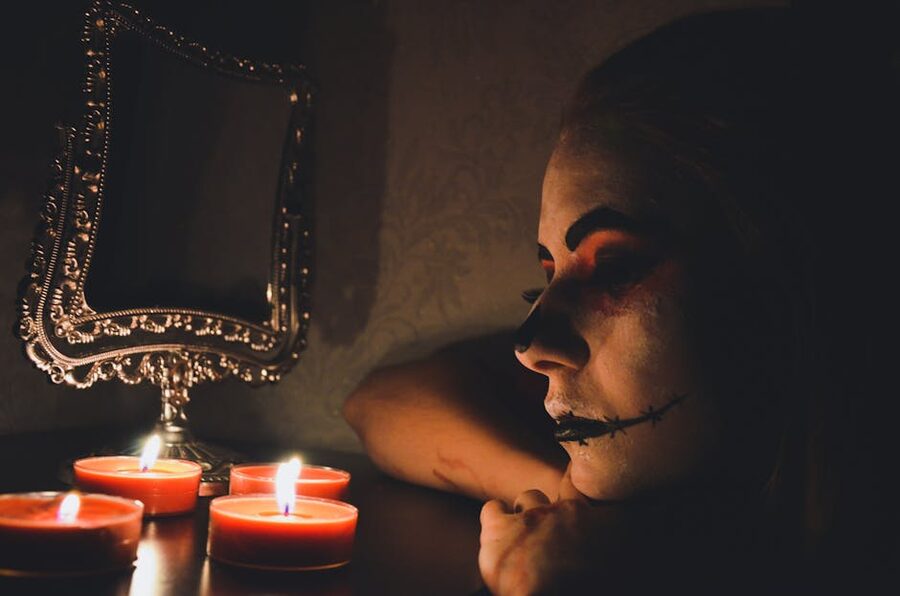
The actors do not touch you. That is a hard rule, and it is in the Dungeon’s accessibility info too. Things touch you, in the sense that bits of the set brush past your shoulder and there is a moment in the Plague room where something cold lands on the back of your neck. But there is no actor grabbing you, and the jump scares are loud rather than physical. People still scream. You will scream. That is the deal.
The Plague and the Great Fire: the two real history rooms
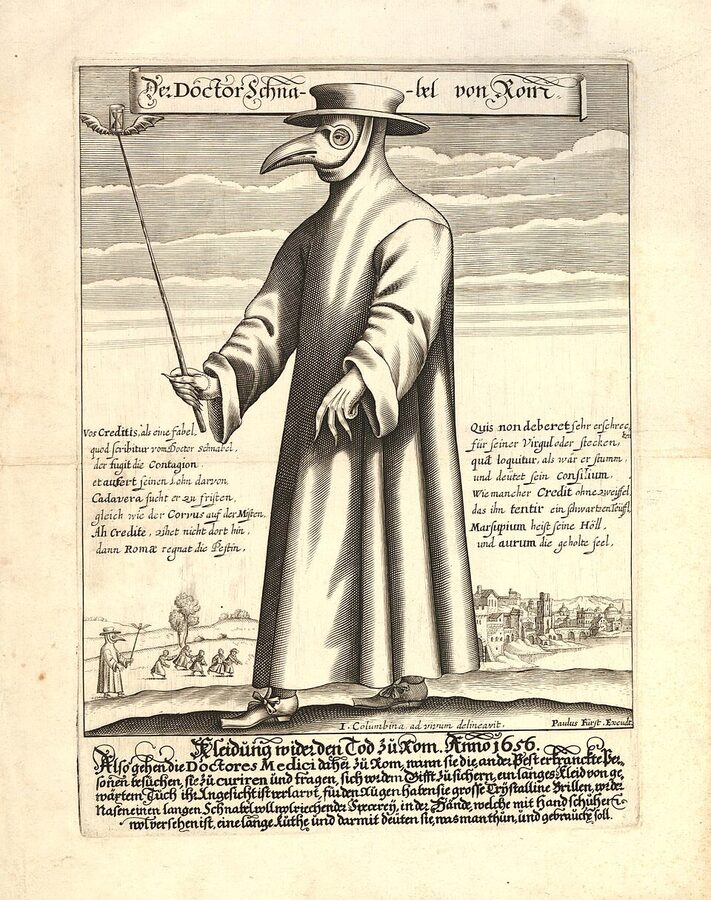
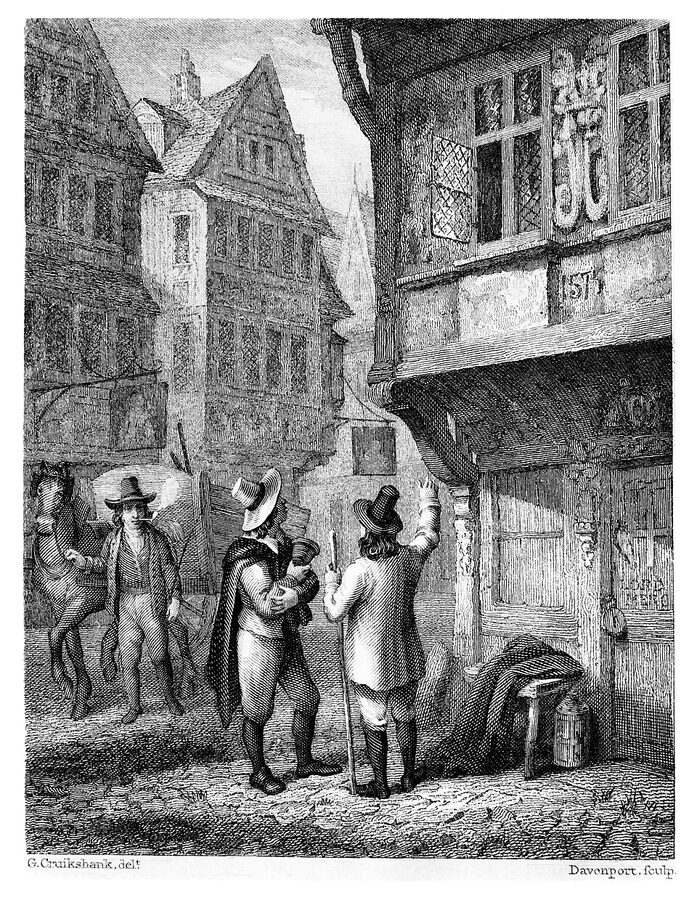
Two rooms in the circuit are doing real history rather than just penny-dreadful theatre. The Plague room covers 1665, when the bubonic plague killed roughly 100,000 Londoners in eighteen months, about a quarter of the city. The actor leans hard into the cart-driver-collecting-bodies bit. The lighting is greenish. There is a smell, and yes, the Dungeon paid actual perfumers to design it, which is the kind of detail that puts this place a tier above its imitators.
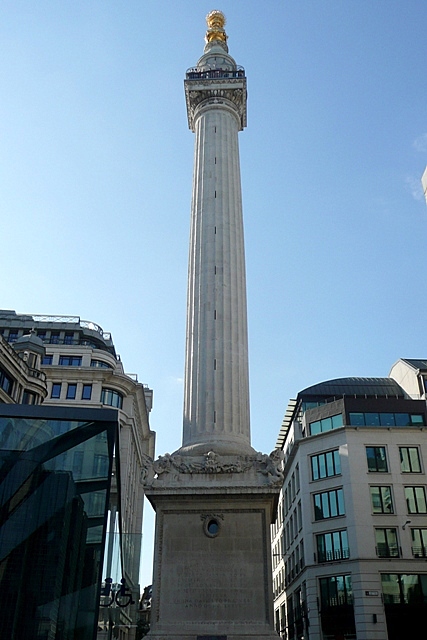
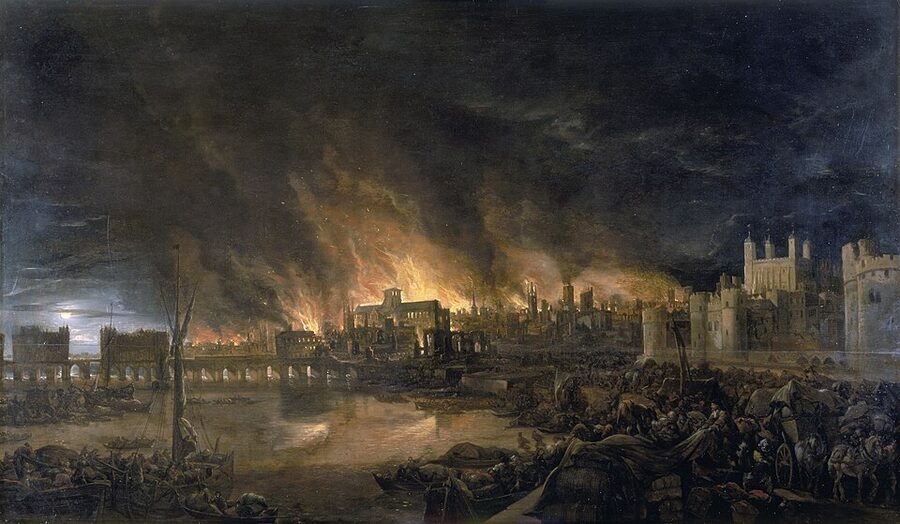
The Great Fire room follows. September 1666, Pudding Lane, four days of fire that destroyed about 13,200 houses and 87 churches. The actor plays a panicked baker. The set has actual heat blowers and the smell of burning, which is more affecting than it sounds. If you visited the Monument near London Bridge before coming here, that 202-foot column at Pudding Lane junction is the same fire’s official memorial. The Dungeon makes you feel something the Monument does not.
Sweeney Todd and the Ripper rooms
Sweeney Todd is a Penny Dreadful character from 1846, which means he is fictional, which means the Dungeon does not pretend otherwise. The framing is entertaining gothic, not historical reconstruction. You sit in a barbershop, the lights flicker, the chair drops, you scream. It is properly done. Mrs Lovett’s pie shop next door is a nice setup-and-payoff with the same scene.
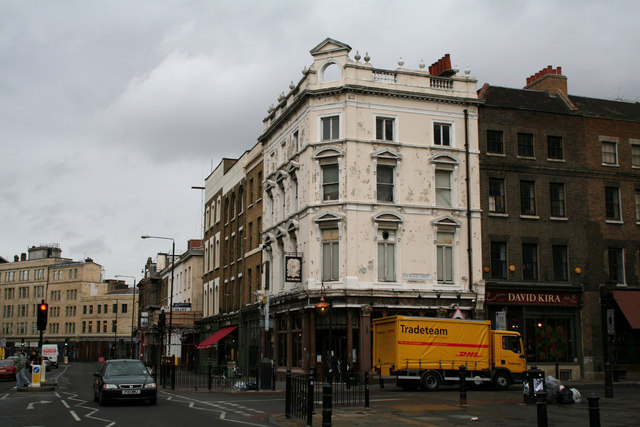
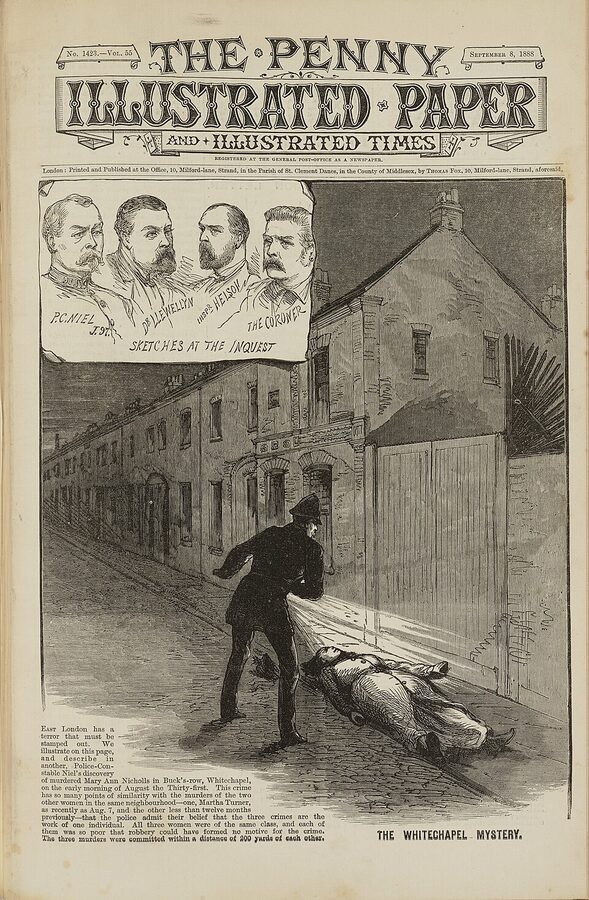
The Jack the Ripper rooms are the closest the Dungeon gets to an actual walking-tour-style history beat. You move through a recreated 1888 Whitechapel street, complete with the Ten Bells pub frontage, the cobbles, and a guide who plays a Victorian newspaper-seller. The five canonical victims get named. The case file stays open at the end, because of course it does. If the Ripper section catches you, our guide to booking a real Jack the Ripper walking tour walks you through which operators put you on the actual streets where it happened, two hours, full canonical five.
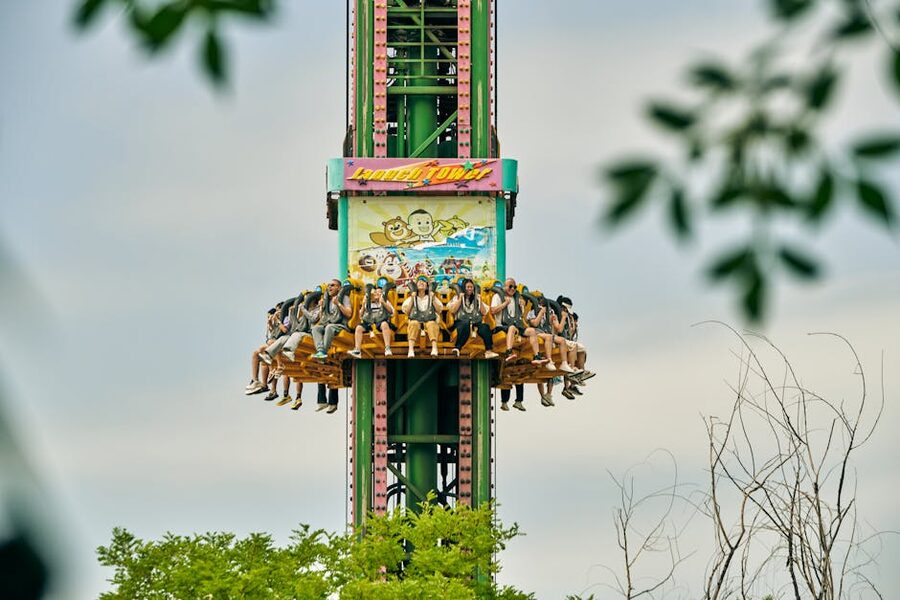
The Drop Dead ride at the end is the Dungeon’s signature thrill moment. Five storeys of freefall in pitch darkness with a screaming actor at the top. The sensation is identical to the drop towers at any major theme park, but the buildup is theatre and the lights stay off the whole way down. It catches even people who thought they were ready for it.
How to actually book the ticket
You book a timed entry slot online before you go. Walk-up tickets exist but sell out by mid-morning in school holidays and cost more on the day. The cheapest path is online, off-peak, mid-week, mornings before 11 or late afternoon after 3. The most expensive is a Saturday between 11am and 3pm, which is also when the queue out the door is at its worst.
The standard adult ticket sits around £30 at the time of writing, with kids twelve and over a couple of pounds less. If you are doing more than the Dungeon, the maths shifts hard in favour of a combo. Our flagship review of the entry-only ticket walks through the exact pricing and fast-track upgrade options.
One thing the official site buries: the Dungeon is part of the Merlin family of attractions, which means it stacks with the Eye, Madame Tussauds, SEA LIFE, and Shrek’s Adventure on multi-attraction passes. The five-attraction Merlin pass is the cheapest way to do three or more of these. The triple combo with the Dungeon, Eye and Tussauds is the popular middle option. The two-attraction Dungeon and Eye combo is the right pick if you only have an afternoon.
Who should not book this
Under-twelves. Genuinely. The recommended age is 12+ and the Dungeon means it. There is no quiet route, no skip-the-scary-bits version, no tap-out. Younger kids regularly come out crying, which is no fun for them or you. If you have a horror-mad ten-year-old who has watched every Goosebumps and asked for this specifically, that is a different conversation. Default position: bring them when they are twelve.
People who hate jump scares. The whole format is built around them. Things drop, things lunge, things appear in mirrors. Knowing they are coming does not actually help.
People prone to claustrophobia or strong reactions to flickering light. Two of the rooms are quite tight. The Drop Dead ride is in pitch dark. The lighting throughout flickers by design. If any of that is a problem, the Dungeon is not the right experience.

People with mobility limits. There are stairs and tight transitions. Wheelchair users are accommodated and the Drop Dead ride has access provisions, but ring ahead and check the specific format for the day you are going. The Dungeon’s accessibility line is genuinely helpful and they will tell you straight if your party will manage.
Pregnancy. The Drop Dead ride is a no-go and the actors will not let you on. You can skip the ride and rejoin the group after, but you will sit out about ten minutes. If you are far enough along to be visible, the staff will spot you and steer you round it themselves.
Combining the Dungeon with the rest of the South Bank
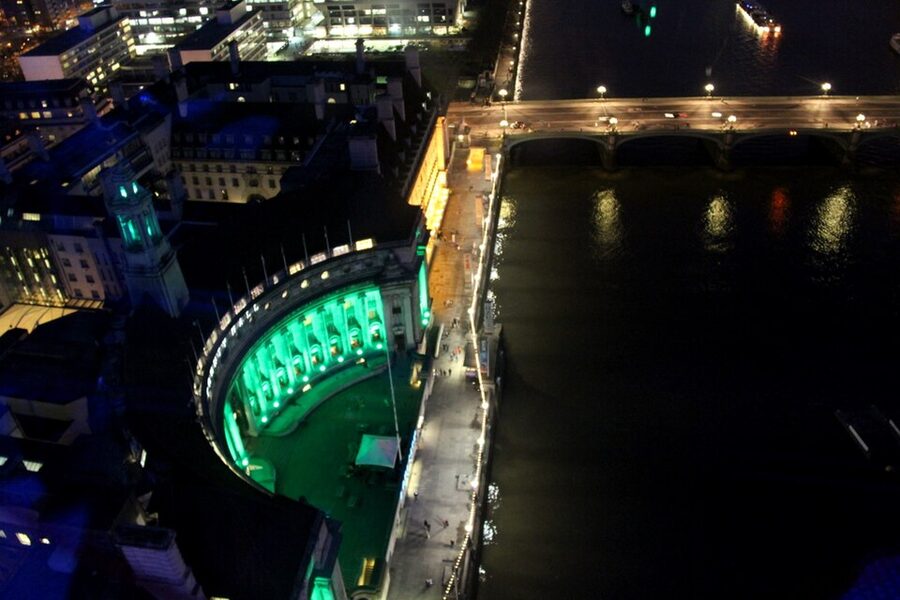
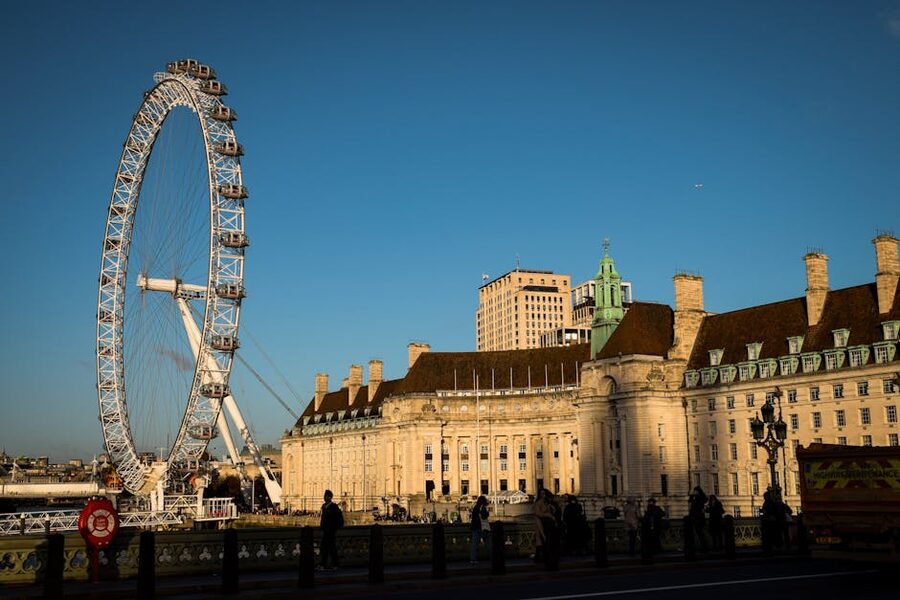
You are inside the same building as the London Eye ticket office and SEA LIFE Aquarium. Madame Tussauds is twenty minutes away on the Bakerloo line. The Shard is thirty minutes by tube. The Tower of London is twenty minutes by the river bus. You can chain a serious amount of London together off the same Westminster tube stop without ever getting in a car.
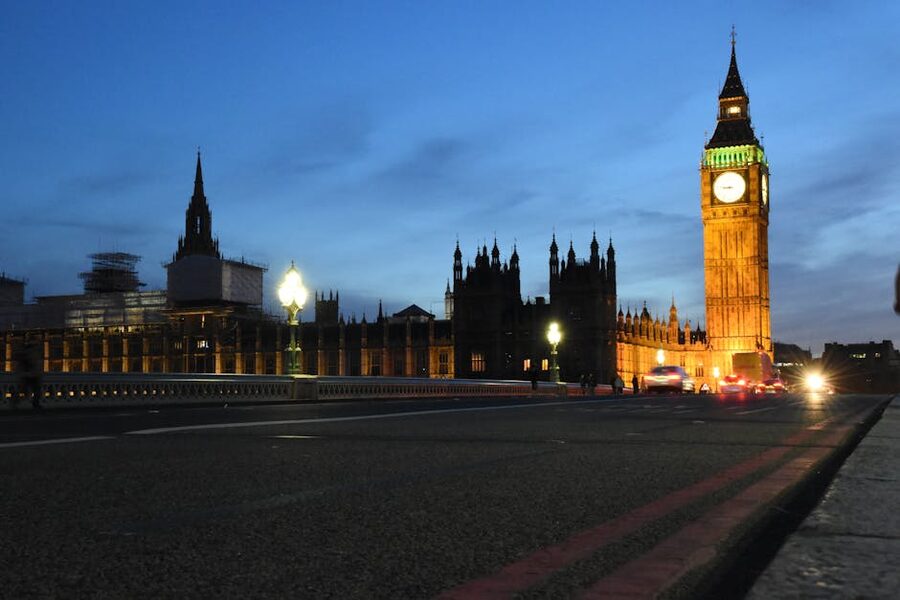
My suggested order: do the Dungeon first thing, around 10am or 10:30am when it opens. You are at peak energy and the queue is shortest. Walk twenty steps and queue for the Eye next, which is mostly an outdoor wait but moves fast on a pre-booked slot. Lunch on the South Bank, ten minutes either way along the river. Cross Westminster Bridge for the Houses of Parliament photo, then either pick up Westminster Abbey or jump on the Jubilee line to the Shard for sundown.
If you only have one day in London and you have already pre-booked the big-ticket history sites, the Dungeon is a switch in tone that works well. It is loud, fast and properly scary. The other South Bank attractions are calm, slow and visually impressive. Doing the Dungeon between two of those makes the whole day feel sharper. Doing two horror-heavy bookings in a row, like the Dungeon and a Jack the Ripper night walking tour, is the move only if everyone in your group genuinely wants it.
How the London Dungeon compares to Edinburgh
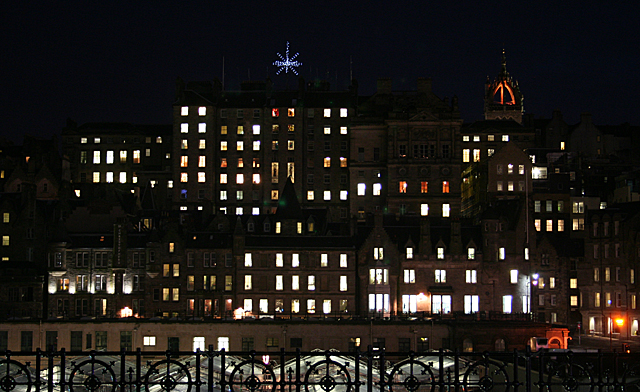
There is a Scottish cousin. The Edinburgh Dungeon is on Market Street, a few minutes from Waverley, and it runs the same Merlin formula with Scottish-specific scenes: Sawney Bean the cannibal, the Burke and Hare body-snatching murders, the Edinburgh witch trials, and a boat ride through the Foul Clenger sewers. People who have done both tend to say London is bigger and Edinburgh is denser. London has more rooms and the better Drop Dead ride; Edinburgh has the genuine atmosphere of the Old Town pressing down on you when you walk out.
If you are doing both London and Edinburgh on the same trip, do the London Dungeon. The Edinburgh version is closer in feel to a real haunted-vault tour, and Edinburgh has actual underground vaults you can book through Mercat Tours that out-do the Dungeon’s gimmicks on raw atmosphere. The London Dungeon’s strength is its scale and production. The Edinburgh underground vaults’ strength is that they are genuinely 18th-century rooms where genuinely terrible things happened. Different products. Both worth your time.
My three picks, with the booking detail
1. London: Entry Ticket to The London Dungeon: from around £30
This is the booking I would tell a friend visiting London for the first time. Our full review walks through the fast-track upgrade and the timed-slot pricing in detail. The standard entry is the right answer for almost everyone who is not also doing the Eye.
2. London Dungeon and London Eye Combo: best afternoon pairing
The most efficient pairing for an afternoon on the South Bank. The Dungeon takes 90 minutes; the Eye takes 30. Add a coffee stop and you are done in three hours. Our combo review explains the 90-day validity and the Tyrant Boat Ride that is bundled with the Eye option.
3. London Dungeon, London Eye and Madame Tussauds Combo: best three-attraction value

The triple combo is the sensible move for families with twelve-and-overs who are spending two or three days in central London. Our triple-combo review shows the rough saving versus three separate same-day tickets, and explains why the 90-day validity is the real selling point.
The bits the official site does not tell you
Photography. Phones go away once the live-action starts. There is an obligatory paid souvenir photo at the entrance you can buy at the end. Worth it the first time, skippable on a repeat visit.
The tavern at the end. The first drink is on the house. It is a small Victorian-pub set with a piano and a cast member running music-hall songs while your group de-stresses. Nobody warns you about it on the way in, and it is genuinely the best room. Stay for fifteen minutes. The exit is right next to the Eye queue.
The smell. The Plague room and the Great Fire room have proper engineered scent design. It is not subtle. If you are sensitive to smells, the Plague section in particular is the moment to breathe through your mouth.
The volunteer moment. One person per group gets pulled into the courtroom scene and “sentenced” for a fake crime. If you are visibly trying not to make eye contact, that increases your chance of being picked. If you genuinely do not want it, stand at the back. Actors usually pull from the front.
Where the Dungeon sits in your London week
This is not a deep history lesson and it is not pretending to be. It is theatre with horror-show beats, dressed in real London history. If your week already has the Tower, Westminster Abbey and a couple of museums on it, the Dungeon is the chaotic afternoon that breaks up the hush of the heritage circuit. If your week is mostly food, shopping and Borough Market, the Dungeon is the one shot of adrenaline that fits cleanly into the schedule.
The friends I have sent there fall into two camps. The ones who liked it remember the actor performances, the smell of the Plague room, and the moment the chair drops in Sweeney Todd. The ones who did not loved the tavern at the end and resented the rest. None of them regret booking it. That is the metric to take into the booking page.
If you liked this, here is what to look at next
The natural next pairing is a Jack the Ripper walking tour, which puts you on the actual Whitechapel streets the Dungeon stages in plywood, and is two hours of proper guide-led history. If you want height after the dark, the London Eye is forty seconds from the Dungeon exit. For a softer Tuesday, Madame Tussauds is the same Merlin group with none of the scares.