Hokkaido’s summer flowers are the star here, but they share the stage with an old canal town, a windswept cape, a polar bear habitat, and volcanic lakes. This six-day tour links Sapporo, Otaru, Biei, Furano, Asahikawa, and Lake Toya by private vehicle, with an English-speaking guide on sightseeing days.
I like the mix of flower gardens and local culture, from Farm Tomita’s lavender to Otaru’s historic canal. I also like that the private guide and driver can make a far-flung itinerary more comfortable than stitching together these stops by public transport.
The main consideration is the season. The flower-focused route is best from June through August, and the tour packs long-distance sightseeing into several days. Also, the advertised price is based on at least two people, so solo travel costs more.
- Cape Kamui’s 20-minute walk ends with broad views over the Sea of Japan.
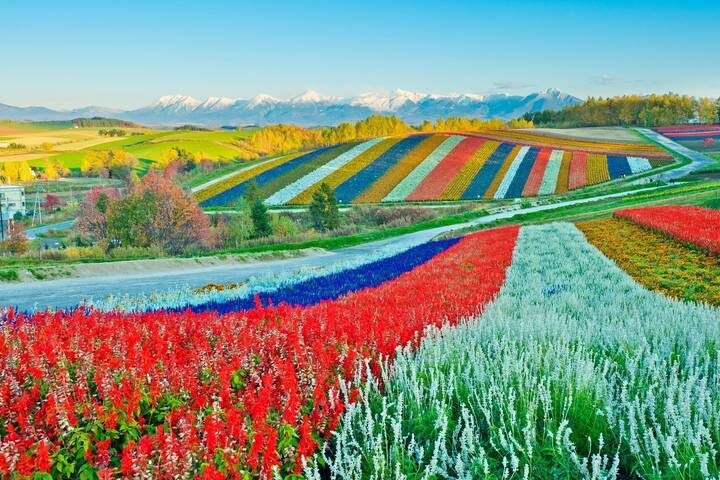
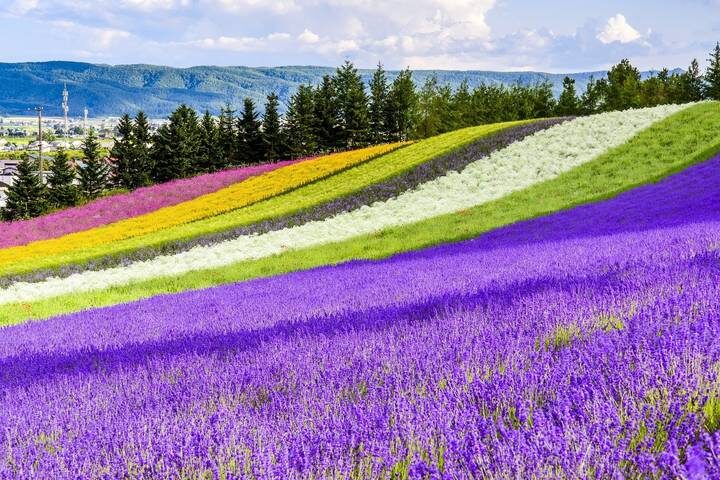
- Shikisai-no-oka and Farm Tomita offer different ways to see Hokkaido’s summer flowers.
- Asahiyama Zoo includes a glass tunnel for watching penguins underwater.
- A private guide and vehicle are scheduled for sightseeing on days two through five.
- Five hotel nights and breakfast are included, with a different hotel in Furano on day three.
- A solo traveler should budget for a higher price, since the displayed rate is based on at least two people.
- A six-day route built around summer
- Day one: an easy arrival in Sapporo
- Day two: shrine, biscuits, canal, and sea views
- Day three: Biei and Furano in flower season
- Day four: Asahiyama Zoo and the blue water of Biei
- Day five: capes, volcanoes, and lakes
- Day six: departure from Sapporo
- What the price includes, and where value lies
- Who should book this Hokkaido tour?
- FAQ
- When is the best time to take the tour?
- Is the tour private or shared?
- Are airport transfers included?
- What meals are included?
- Are international flights included?
- How much does a solo traveler pay?
- The Best Of Sapporo!
- More Tours in Sapporo
- More Tour Reviews in Sapporo
- Not for you? Here's more nearby things to do in Sapporo we have reviewed
A six-day route built around summer
This is a wide-ranging Hokkaido sampler, not a slow stay in one town. You start and finish in Sapporo, but the route reaches Otaru and the Shakotan Peninsula, the flower country around Biei and Furano, Asahikawa, and the volcanic terrain around Lake Toya.
A private car matters on this route. The stops are spread across the island, and your guide and driver take care of the transfers between them. That saves you the work of coordinating connections, though it does not make the distances disappear. Expect several busy sightseeing days, with more time in the vehicle than you would have on a city break.
The tour is described as low intensity, which fits the general pace: sightseeing, short walks, and time at viewpoints rather than strenuous hikes. Cape Kamui includes a 20-minute walk to the cape, and flower gardens invite you to wander at your own pace. If you have mobility concerns, ask the operator about the walking surfaces and vehicle arrangements before booking.
👉 See our pick of the 10 Best Guided Tours In Sapporo
Day one: an easy arrival in Sapporo
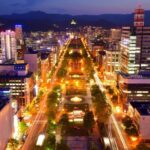
A private transfer takes you from Sapporo’s airport to HOTEL MYSTAYS Premier Sapporo Park, or a similar four-star hotel. There is no sightseeing scheduled, which is useful after a long flight. You can settle in, rest, and start the tour without having to find your own way into the city.
The hotel is described as centrally located, with restaurants and convenient transport nearby. That gives you some freedom to get a meal or stretch your legs, though the first day is deliberately light. International flights are not included, so plan your arrival separately and confirm which airport transfer the operator will arrange for your flight.
You can also read our reviews of more tours and experiences in Sapporo.

Day two: shrine, biscuits, canal, and sea views
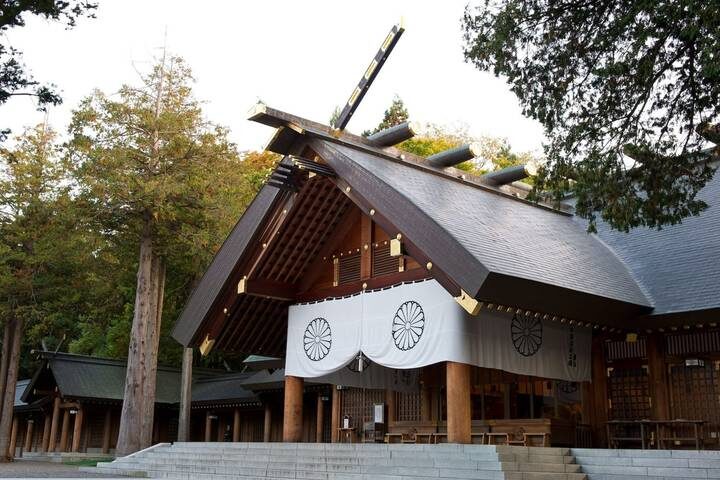
The day begins at Hokkaido Jingu, a Shinto shrine set among trees in Sapporo. Its quiet grounds offer a change of pace from the city, and you may spot Ezo squirrels. The shrine’s role in local religious life gives the visit more context than a quick photo stop: ceremonies and New Year visits are part of its ongoing place in the community.
Next comes Shiroi Koibito Park, a themed attraction devoted to Hokkaido’s well-known biscuit. You can learn about chocolate and biscuit production and see an art collection. It is a polished, visitor-friendly stop rather than a glimpse of everyday life, but it adds a distinctly Hokkaido food specialty to a day otherwise focused on heritage and scenery.
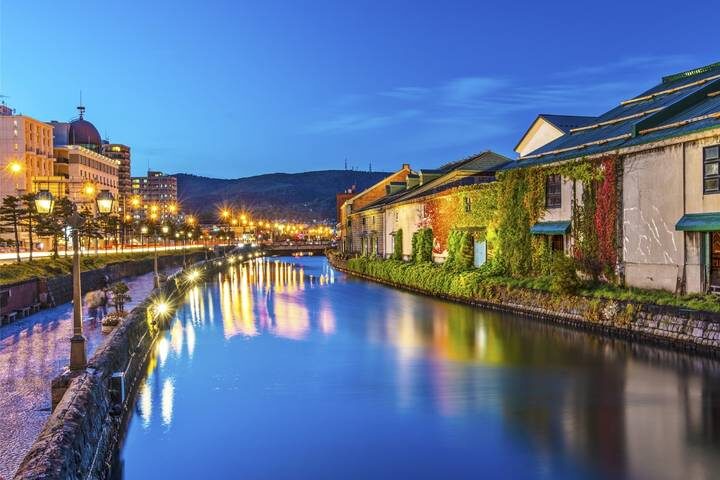
In Otaru, you walk beside the canal, where old brick buildings recall the port’s commercial past. It is an easy place to stroll and take in the architecture. The canal area is a popular stop, so do not expect solitude; its appeal is the blend of waterfront views and preserved industrial character.
The day ends at the Shakotan Peninsula and Cape Kamui. A roughly 20-minute walk leads out to wide Sea of Japan views, with the coastline known for its striking blue water. This is one of the more active moments in the itinerary, so wear comfortable shoes and be ready for exposed conditions. The coastal walk is a clear contrast with the indoor stops earlier in the day.
Day three: Biei and Furano in flower season
Day three shifts to the open hills around Biei and Furano, where fields and farms create the scenery. The route includes Patchwork Road, a picturesque stretch of rolling agricultural land. Cycling is listed as an optional activity, but the itinerary also describes driving through the area. Confirm in advance whether cycling is actually available on your departure, and whether it involves an extra charge.
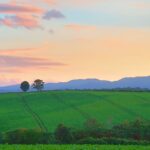
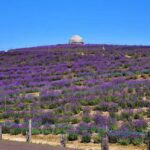
At Hokusei-no-oka Observatory Park, you can see flower fields and look toward the Taisetsu mountain range from a pyramid-shaped observation deck. The next stop, Shikisai-no-oka, covers a broad area and features more than 30 flower varieties, including lavender, cosmos, lupine, and sunflowers. These displays change through the season, so the exact colors depend on when you go.
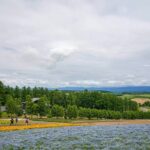
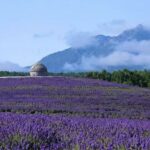
Farm Tomita is the day’s signature lavender stop, with around 100 flower species across its displays. The farm is a good place to see lavender up close, but it is not just a field of purple: other flowers add color and variety. June through August is the recommended window for the floral route. Outside that period, some flower sites may not be open or may have little in bloom, and the schedule may need to change.
Ningle Terrace finishes the day with a quieter, wooded setting. Its 17 wooden houses sell handmade goods such as paper and wood crafts, glass items, and candles. The shops are illuminated after dark, making this a pleasant place to browse at day’s end. You will stay in Furano at Furano Natulux Hotel, or a similar four-star property, rather than returning to Sapporo that night.
Day four: Asahiyama Zoo and the blue water of Biei
Asahiyama Zoo is the main event, with polar bears, wolves, big cats, and apes. Its glass tunnel lets you watch penguins swimming overhead and around you. Give the zoo time: it is listed as a full-day visit, and rushing through it would leave little room to pause at the animal habitats.
Later, the route includes Shirogane Blue Pond and Shirahige Falls. The pond is known for its unusual blue color, while the falls offer a different sort of water scenery. Both stops work well as short outdoor visits after the zoo, although the schedule covers a large area and the available time at each place may depend on the day’s driving pace.
You return to HOTEL MYSTAYS Premier Sapporo Park, or a similar hotel, for the night. That means another substantial transfer after the sightseeing. The private vehicle helps keep the day straightforward, but this is one of the itinerary’s more demanding days in terms of distance.
Day five: capes, volcanoes, and lakes
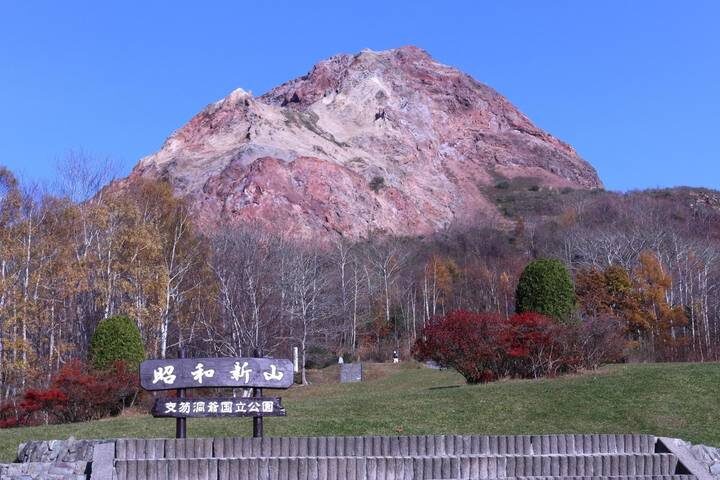
Cape Chikyu, near Muroran, opens the final full day with coastal views and a chance to walk around the headland. The route then heads toward Mt. Showa Shinzan, a young volcanic mountain formed after an eruption of Mt. Usu. Its red, rugged shape and volcanic activity make it a striking contrast to the flower fields of the previous days.
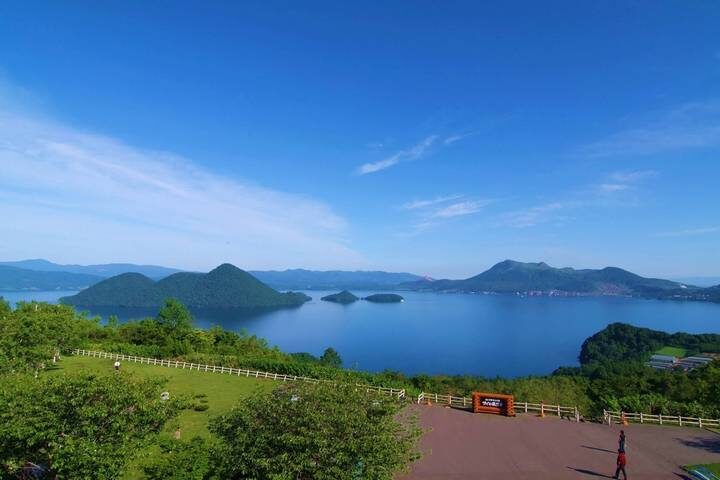
At Lake Toya, Sairo Observation Deck gives you a panoramic view of the lake and Nakajima, its central island. The deck also has a souvenir corner with Hokkaido sweets, including yogurt and limited-edition pudding. This is a practical stop for a snack or a small gift, but the view is the main reason to pause.
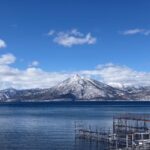
Lake Shikotsu closes the day with clear water and a mountain setting. It is described as Japan’s northernmost ice-free lake, and the calm shoreline provides a quieter finish after a full day of viewpoints and road travel. You return to Sapporo for the final night.
The itinerary’s names and order make this sound like a tidy loop, but the sightseeing covers a lot of ground. Keep your expectations realistic: you will see varied parts of Hokkaido, but this is not a deep stay at any one lake or town. If you would rather spend more time outdoors than in a vehicle, ask the operator about drive times and whether the route can be adjusted.




Day six: departure from Sapporo
The final morning is free, followed by a transfer to the airport. There is no sightseeing planned, so consider this a departure day rather than an extra day in Sapporo. If your flight is late, ask whether the transfer timing can be arranged around it and whether any additional time in the city is practical.
What the price includes, and where value lies
The tour starts at $3,180 per person, with the listed price based on the cheapest room category and at least two people. A solo traveler should expect a single supplement. One solo quote in the tour information was $6,502 in total, but prices can vary, so request a current quote for your dates before making plans.
The price includes five nights of accommodation, breakfast, airport transfers, a private air-conditioned vehicle, and an English-speaking local guide for sightseeing days two through five. The hotels are described as four-star or similar, with locations selected for convenient transport and nearby restaurants. Basic insurance is included during the services arranged by UME Travel.
Breakfast is the meal clearly listed through the sightseeing portion of the tour. Other meals are not specified as included, so budget for lunches and dinners unless your final documents say otherwise. Vegetarian, vegan, and halal options can be requested.
The value is mainly in having transport and a guide arranged for a complicated, multi-region route. You are paying for convenience and personal attention, not simply a string of attraction tickets. If you are comfortable using trains and buses and prefer independent planning, you may be able to travel more cheaply on your own. If you want a private vehicle between distant stops, the package may save time and effort.
One detail needs checking before you pay: the tour is described in some places as a group tour for two to ten people, while the operator’s answers say this particular itinerary is private, with no other travelers joining. Those descriptions do not match. Confirm in writing whether your booking is fully private, who will travel with you, and how the price changes with party size.
The overview also mentions a bullet train, but the daily route does not specify where a train is used. Ask the operator to confirm whether rail transport is part of your actual departure, rather than assuming it is included simply because it appears in the general description.
Who should book this Hokkaido tour?
I would consider this tour if you want a guided introduction to Hokkaido’s summer highlights and value having a driver for the long transfers. It suits couples, families, or friends who want to see both cultural stops and outdoor scenery without managing each connection themselves. The stated age range is all ages, and the physical rating is low intensity, though the walking and full days still call for comfortable footwear and steady energy.
The strongest reasons to book are the seasonal flower route, the variety of stops, and the private guide-and-driver arrangement. The main reasons to pause are the price for a solo traveler, the amount of ground covered, and the need to clarify whether the tour is private or shared. If the dates fall between June and August and the operator confirms the arrangements that matter to you, this is a practical way to see a wide slice of Hokkaido in six days.
6 Days Hokkaido’s Floral Symphony Tour by UME Travel
“The 6 Days Hokkaido tour was a wonderful one, and a great introduction to the natural beauty and unique culture of northern Japan. The route was ca…”
FAQ
When is the best time to take the tour?
June through August is the recommended period for the flower-focused route, when many flower fields are in bloom. Outside those months, some floral sites may not be open, and the itinerary may need adjustment.
Is the tour private or shared?
The tour information describes it both as a group tour and as a private tour. The operator says this itinerary is private, but confirm the arrangement for your booking before paying.
Are airport transfers included?
Yes. Private airport transfer service is listed for arrival and departure between Sapporo and CTS airport. The operator says transfers can be arranged according to your arrival airport, so confirm your flight details with them.
What meals are included?
Breakfast is listed during the tour. Vegetarian, vegan, and halal food options can be requested. Check your final travel documents for the exact meals included on your dates.
Are international flights included?
No. International flights are not included in the tour price.
How much does a solo traveler pay?
The displayed per-person price is based on at least two people. A solo traveler pays more because of the single supplement; request a current individual quote from the operator.