Fansipan is not a peak you simply stroll up to for a view. This two-day trek climbs through the Hoang Lien Son range to Vietnam’s 3,143-meter summit, with a night at a forest base camp and an early start for the final ascent.
I like that the route gives you time to experience the mountain on foot, not just arrive by cable car. I also like the practical touches: meals are included, and guides such as Susu, Ho and Lu have been praised for patient pacing and looking after tired hikers.
The trade-off is real: this is a hard trek, not a scenic walk. Mud, steep steps, ladders, cold nights and limited comforts are part of the deal, and poor weather can hide the summit view.
The useful facts at a glance
- The summit is 3,143 meters high: The route includes a night near 2,800 meters, followed by an early climb to the top.
- Day one is a long uphill effort: Trek from Ton Station through the Bamboo Forest, stop for lunch, then continue to the overnight base.
- Day two starts early: Breakfast comes before the summit push, with lunch and the trek back to Ton Station afterward.
- The terrain can be slick and steep: Bring shoes with good grip, and consider trekking poles for muddy ground, rocks and long stair sections.
- The overnight stay is basic: Equipment is included, but accounts describe a cold, simple hut or cabin rather than a comfortable campsite.
- Check the details before paying: The price is shown from $91.30, while the join-in package is also listed from $83. Confirm the current total and meeting time.

👉 See our pick of the 18 Best Guided Tours In Sapa
- The useful facts at a glance
- Why climb Fansipan on foot
- Day one: Ton Station to the forest base
- The overnight stop: shelter, supper and cold
- Day two: an early climb to 3,143 meters
- What the price includes, and where value lies
- Packing for wet steps and a cold night
- Who should book this trek
- Should you book the Fansipan trek?
- FAQ
- How long is the Fansipan trek?
- How high is Fansipan’s summit?
- Where does the tour meet in Sapa?
- Are meals and drinking water included?
- What is the overnight accommodation like?
- Do I need trekking poles?
- Can I take a cable car down from the summit?
- Who can take part in this trek?
- What happens if the tour is cancelled?
- The Best Of Sapa!
- More Hiking & Trekking Tours in Sapa
- More Tours in Sapa
- More Tour Reviews in Sapa
- Not for you? Here's more nearby things to do in Sapa we have reviewed
Why climb Fansipan on foot
 1 / 5
 2 / 5
 3 / 5
 4 / 5
 5 / 5
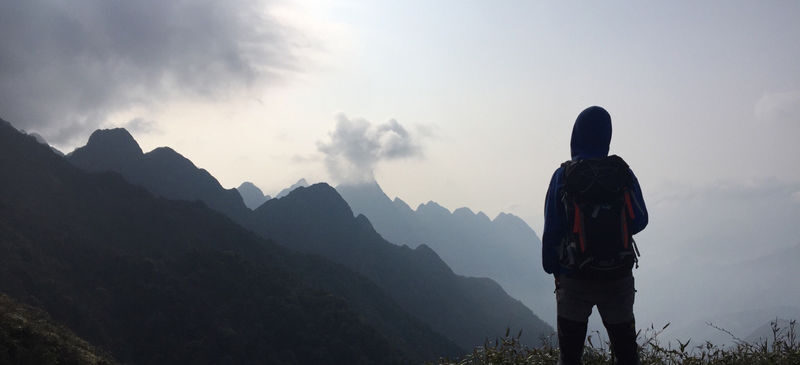
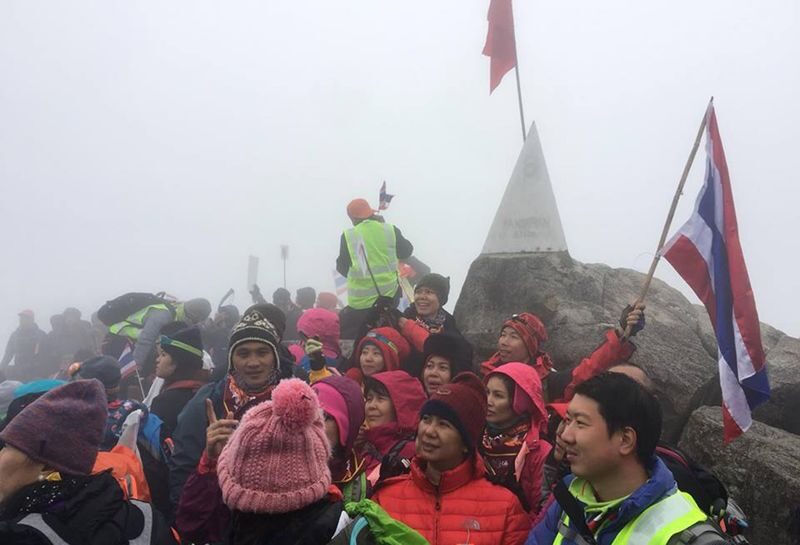
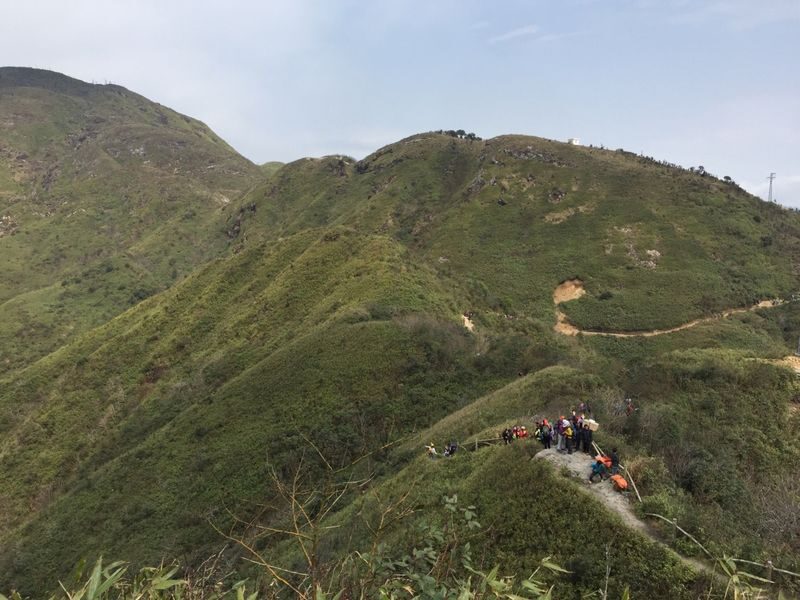
Fansipan rises above the Hoang Lien Son range and is known as the highest mountain in Vietnam. The summit sits at 3,143 meters, but this trek is about more than reaching a number on a sign. You pass through forest, climb over roots and rocks, and watch the mountain scenery change as you gain height.
The cable car offers a quick way to the top. This tour is for people who want the slower, harder approach, with the satisfaction of arriving under their own power. That effort is also the point: you earn the summit rather than stepping off a ride beside it.
You should go for the physical challenge and the chance to spend a night on the mountain, not for a guaranteed panorama. Cloud and fog can cover the views, and rain can make the trail harder. On a clear morning, the early summit arrival may give you a chance to see the mountain before the cable-car crowds reach the peak.
You can also read our reviews of more hiking tours in Sapa


Day one: Ton Station to the forest base
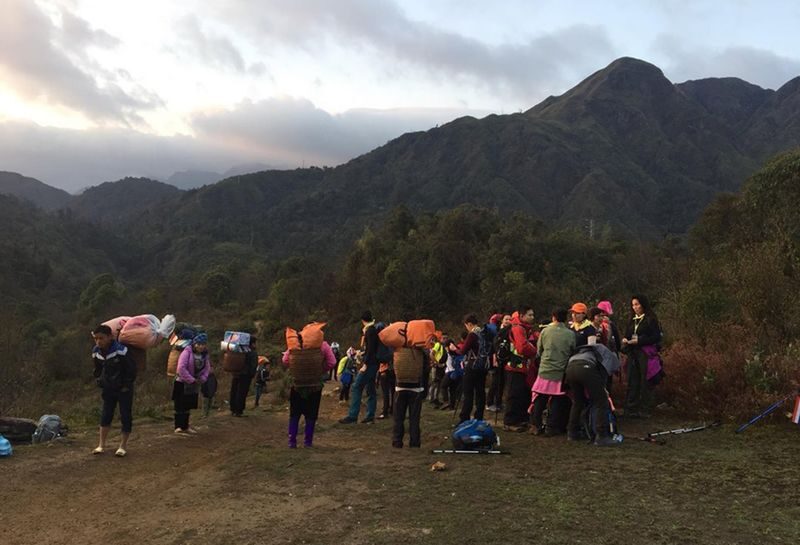
The tour begins in Sapa, with a transfer to Ton Station, the trail entry point. The stated departure is 08:00, though the meeting information also gives 08:30. Those instructions do not match, so confirm the exact time with the operator before your trek. Arrive early, and keep your luggage at your hotel if possible. The tour is not designed for hauling a large suitcase up the mountain.
At the trailhead, the climb begins through forest, including the Bamboo Forest. The route is not a smooth, even path. Expect rocks, tree roots, steps and, in places, ladders. Reviews of the trek describe muddy ground and slippery sections, especially after rain, so shoes with solid grip matter more than stylish footwear.
The first day is listed as about six hours of guided trekking, but pace and conditions will affect how it feels. The route climbs toward an overnight stop near 2,800 meters. You will get a picnic lunch, described as simple fare such as bread or banh mi, sausage and vegetables. Carry extra trail food too. The uphill effort can make a modest lunch feel modest indeed.
Guides are a big part of how manageable the day feels. Hikers have described guides such as Ho, Lu, Kate, Vha and Susu as caring, patient and good at setting a pace. English ability can vary, however. The tour includes an English- or Vietnamese-speaking guide, but some have found it hard to communicate in English. Ask questions clearly, especially about breaks, the route ahead and what to expect at camp.
A join-in group can make the day more sociable, but it also means you may need to match the group’s pace. Group size can vary. Some hikes have had only a few people, while others included a larger group with guides and porters. If you are slow, tell the guide early rather than silently trying to keep up. A good pace is safer and more pleasant than a rushed climb.
The overnight stop: shelter, supper and cold
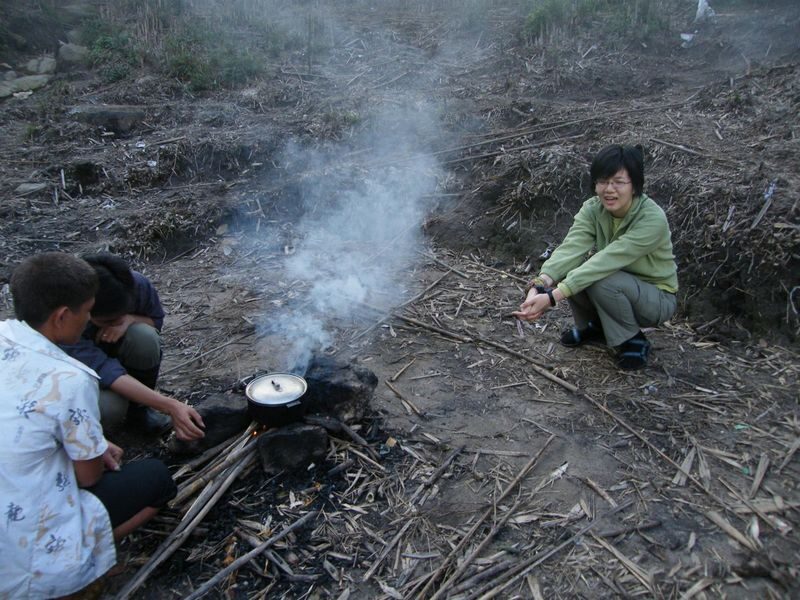
The package includes an overnight stay and camping equipment, but the word camping may set the wrong expectation. Hikers describe sleeping in a basic mountain hut or cabin, usually with a sleeping bag and a thin mattress. The exact arrangement may vary, so check what is provided before you pack. Do not assume a private tent, a warm room or hotel-style bedding.
This stop is about getting out of the weather and resting before the summit push. It is not about comfort. The sleeping area can be cold, noisy and crowded, and accounts mention sleeping bags that were not always in the best condition. Bring warm layers, dry socks and any personal sleep items you need. A light blanket or sleeping bag is listed among recommended items, but ask the operator whether you should carry one if sleeping bags are supplied.
Dinner is one of the welcome parts of the night. The guide prepares a meal that may include vegetables, pork, chicken, eggs and rice. The food is simple, but a hot dinner after a hard climb can be just what you need. Breakfast is included too, though it may be basic. If you have dietary needs, particularly if you need halal food, bring suitable snacks or meals and contact the operator in advance. Do not count on a specific menu.
Facilities are basic. Be ready for a mountain toilet rather than a tidy hotel bathroom, and bring personal toiletries and a small trash bag. Water is limited: the tour includes two liters, while hikers have described receiving about 1.5 liters at the start and another 500 milliliters later. The amount may differ, so confirm what is supplied and carry enough for your needs. You are responsible for managing your own water and food on a demanding route.
Day two: an early climb to 3,143 meters
The second day begins with breakfast and an early climb toward the summit. Some groups have left around 03:30 or 04:00 to reach the top near sunrise, though the schedule can change with weather and conditions. A headlamp is essential for a pre-dawn start. A weak flashlight makes uneven steps and rocky ground harder to handle.
The summit approach brings more climbing, including steep stairs and exposed sections. If you are uneasy with heights, the trail’s drops and ladders may feel unnerving. Take your time, watch your footing and use trekking poles if they help you. Guides have helped tired hikers through cramps and difficult sections, but you still need enough fitness to manage a hard trek over two consecutive days.
At the top, you reach Fansipan’s 3,143-meter summit. On a clear day, the surrounding mountain ranges and Sapa countryside can make the effort feel worthwhile. In fog or rain, the view may be limited. The weather is no small detail here: wind, cold and cloud can change quickly, even when conditions in Sapa seem fine.
After time at the summit, you break camp and begin the descent toward Ton Station, with lunch along the way. The day is listed as about eight hours of guided activity, and the tour expects you back in Sapa around 16:00. That is a schedule, not a promise. Weather, trail conditions and group pace can affect the return, so avoid planning a tight onward connection.
The package includes a certificate of accomplishment. Some hikers have also chosen to take a cable car down after reaching the summit, but that is not included in the listed package. It means paying extra and arranging the return separately. If you are considering this option to save time or spare your knees, confirm current costs and how you will get back to Sapa before setting out.
What the price includes, and where value lies
The tour price is shown from $91.30, while the join-in package is also shown from US$83. Prices can vary, so check the total for your date before booking. The included package covers a guide, insurance provided by the operator, transfers between Sapa Town and Ton Station, trekking and overnight fees, meals, camping equipment, two liters of drinking water and a completion certificate.
For this kind of mountain trek, the useful value is in having transport to the trailhead, a guide, meals and overnight arrangements bundled together. You do not need to organize separate permits or find your own way to Ton Station. That is a practical saving of time and planning, especially if you are in Sapa for only a few days.
The low headline price does not mean a cushy service. The shelter is basic, food is functional rather than fancy, and guide communication may be limited. Hotel pickup and drop-off are listed as not included, even though transfers between Sapa and Ton Station are included. Confirm where you will be collected and dropped off, particularly if you are staying outside central Sapa.
There is also a 500,000 VND per-person holiday surcharge for February 16 to 20, 2026, payable on site. Tips, personal costs and any extra transport are not included. Carry some money for unexpected needs, but do not assume that optional cable-car costs are part of the tour price.
You can also read our reviews of more tours and experiences in Sapa


Packing for wet steps and a cold night
Pack light. You will feel every extra item on the ascent, and the tour warns that luggage allowance, food and water are limited. A small backpack is more useful than a sling bag, which can shift around on steep or uneven ground.
Wear hiking shoes or sports shoes with a strong tread. Several parts of the route can be wet, muddy or rocky, and trekking poles are worth considering. If you do not bring poles, guides may be able to make a bamboo walking stick, but that is not a substitute for proper gear if you rely on poles for stability.
Bring a light waterproof jacket or poncho, spare clothes, extra socks, a hat, sunscreen, sunglasses and insect repellent. For cold weather, add gloves, a beanie and warm socks. The overnight stop can feel very cold, especially when it rains. A headlamp, personal medication, a small first-aid kit and trail snacks are also sensible choices.
The operator recommends trail food for two days and an extra liter of drinking water. Since water supplied can vary, ask what you will receive and plan accordingly. Alcohol and other stimulants are prohibited. Keep your load practical: enough to stay warm, hydrated and safe, but not so much that your pack becomes another obstacle.
Who should book this trek
This tour suits fit hikers who are comfortable with steep climbs and basic facilities. You do not need to be a mountaineer, but you should be prepared for long stretches of stairs, muddy paths, ladders and a physically demanding second day. The operator recommends advanced fitness and sets a minimum age of 16.
It is not recommended for people with impaired mobility, pregnant women or anyone with certain medical conditions, including high blood pressure or epilepsy. You are responsible for judging whether the activity fits your health and abilities. If you are unsure, ask a medical professional and the tour operator before booking.
Solo hikers can join a group, but a join-in tour may not have enough participants to run. The activity can be cancelled if fewer than three people join, with a rescheduled time or refund offered. If you are traveling alone, keep some flexibility in your plans. The tour requires a minimum group, and its timing may change with traffic or weather.
Should you book the Fansipan trek?
Book it if you want the effort, the forest route and the memory of reaching Fansipan on foot. The guides, included meals and overnight arrangements make a challenging climb easier to organize, and the summit can be spectacular when the weather cooperates.
Skip it if you want a comfortable night, easy walking or a guaranteed clear view. Go in with warm layers, good shoes, a headlamp and a light pack. Confirm the meeting time, pickup details, sleeping setup and current price before you pay. This is a good-value mountain challenge when you know what you are signing up for.
2D1N Fansipan Mountain Trek with Camping from Sapa
“Meeting place was at Grand Flamant Hotel and a driver was arranged to pick us up to the starting point. A guide was assigned to us but, unfortunate…”
FAQ
How long is the Fansipan trek?
The tour runs for two days and one night. Day one is listed as about six hours of guided trekking, and day two as about eight hours, with return to Sapa scheduled for around 16:00.
How high is Fansipan’s summit?
The summit is 3,143 meters above sea level. The overnight stop is near 2,800 meters.
Where does the tour meet in Sapa?
The meeting point is given as Sheraton Hotel Sapa, 35 Muong Hoa, Sapa. The listed departure time differs between 08:00 and 08:30, so confirm the correct time before the trek.
Are meals and drinking water included?
Lunch, dinner and breakfast are included, along with two liters of drinking water. Bring trail snacks and check with the operator about the amount of water supplied for your departure.
What is the overnight accommodation like?
The package includes an overnight stay and camping equipment. Hikers describe basic mountain shelter, often a hut or cabin with sleeping bags and simple bedding. Confirm the exact arrangement with the operator.
Do I need trekking poles?
They are not listed as required, but they are recommended for the rocky, muddy and steep sections. A guide may be able to provide a bamboo walking stick if you do not bring poles.
Can I take a cable car down from the summit?
Some hikers have chosen to take the cable car down, but it is not included in the tour package. Confirm the current cost and return transport arrangements with the operator.
Who can take part in this trek?
Participants must be at least 16. Advanced fitness is recommended, and the activity is not recommended for people with impaired mobility, pregnant women or certain medical conditions.
What happens if the tour is cancelled?
The operator may cancel because of extreme weather or if the minimum of three participants is not met. In those cases, you can be offered a rescheduled time or a full refund. You can also receive a full refund if you cancel at least 48 hours before the activity date, in destination local time.