Tioman turns a week of scuba training into a proper island stay: you begin with pool or shore sessions, then work toward boat trips and two PADI certifications. At B&J in Air Batang, the six-day course suits beginners who want to build skills steadily rather than squeeze a basic qualification into a rushed weekend.
I like the clear progression from beginner training to the Advanced Open Water course, and the fact that accommodation, breakfast, equipment rental and online study are bundled. B&J instructors keep groups small, with a reported maximum of four students per instructor, and safety is treated as part of the lesson, not an afterthought.
The trade-off is a busy schedule. You need to arrive on a morning ferry, be ready to train soon after reaching the island, and leave by afternoon ferry on the final day. Certification also depends on your ability to master the skills, so the six-day plan is an aim, not a guarantee.
- At a glance: six days, two certifications
- Why Air Batang works well for training
- Days 1 to 3: learning the basics at a measured pace
- Day 4: moving from shore to boat
- Days 5 and 6: the step up to Advanced Open Water
- What the package price covers, and what it does not
- Who will get the most from this course
- Small preparations that make the week easier
- Should you book the six-day course?
- FAQ
- Do I need prior scuba experience?
- How long is the course?
- What accommodation can I choose?
- How do I reach B&J in Air Batang?
- What extra fees should I budget for?
- Can I fly home immediately after the course?
- More Scuba Diving Tours in Rompin
- More Tours in Rompin
- More Tour Reviews in Rompin
At a glance: six days, two certifications
 1 / 9
 2 / 9
 3 / 9
 4 / 9
 5 / 9
 6 / 9
 7 / 9
 8 / 9
 9 / 9
- Start from zero: No previous scuba experience is required, but you must be at least 10, able to swim 200 meters continuously and float for 10 minutes.
- Build in stages: Pool or shore training comes first, followed by boat sessions and open-water skills.
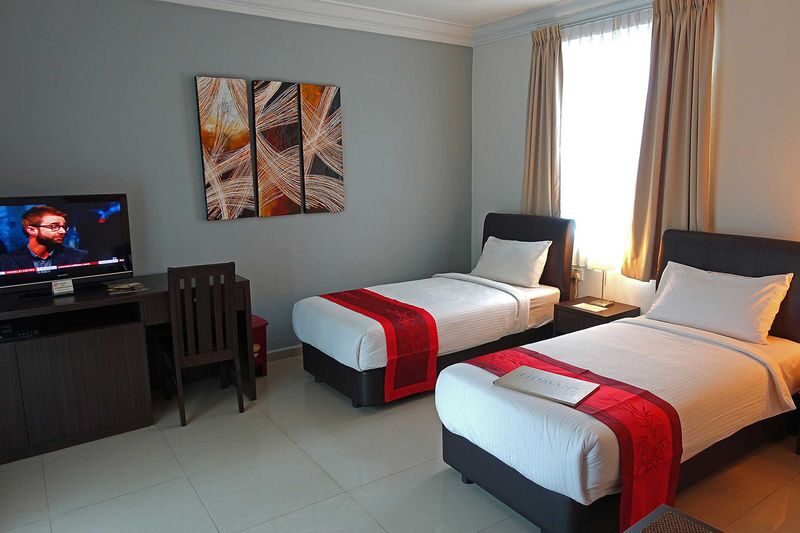
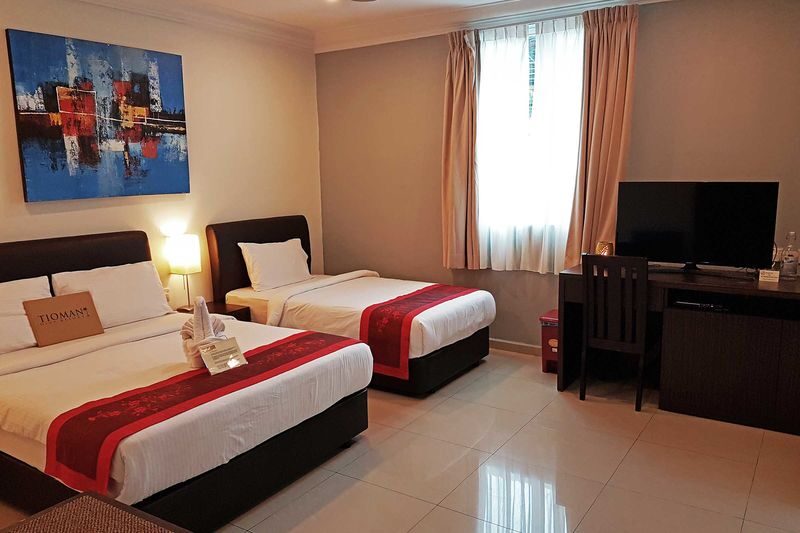
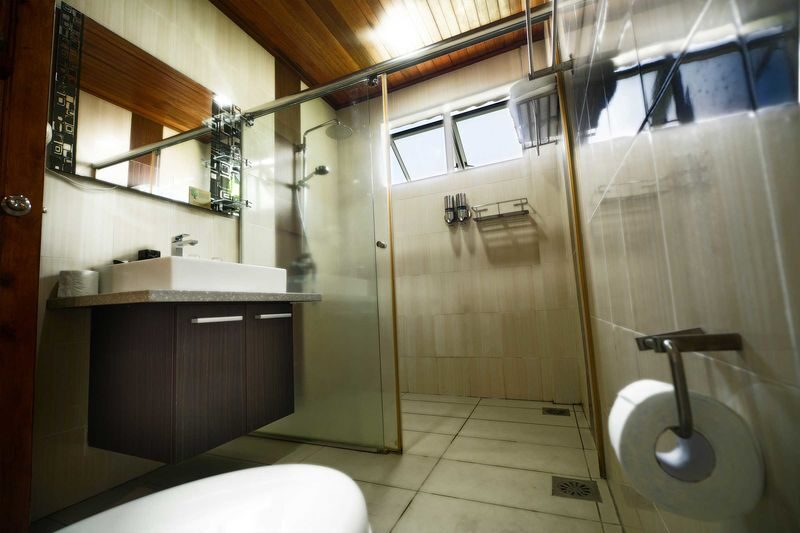
- Stay in Air Batang: Choose a dormitory, standard room, Deluxe Room or Executive Room package for five nights.
- Plan for ferry time: Tioman’s ferry ride takes about two and a half hours, and the schedule can shift with tides, traffic and weather.
- Allow time before flying: Wait at least 24 hours after scuba activity before flying.
- Budget for extras: Transport, insurance, park and room fees, personal expenses, and tips are not included.
Why Air Batang works well for training
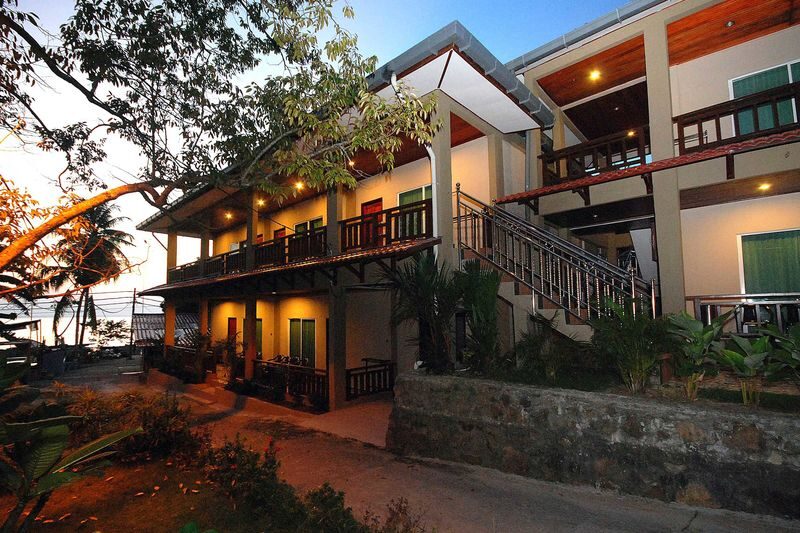
Air Batang, also called ABC, is a practical base for a course that asks you to spend much of the day learning and preparing for the next session. B&J Diving Centre is a major operator in the area, and the Tioman Dive Resort accommodation is just steps from its training centre. That proximity matters: you can get to a briefing or equipment check without adding a long walk to an already full day.
The island setting adds a welcome change of pace between lessons. Restaurants are within easy walking distance and serve local and Western food, with fresh seafood barbecue a notable option. Free WiFi is available at the centre, the resort and the dormitory, useful for eLearning and keeping in touch, though I would not plan on spending every spare minute online.
You reach Air Batang by ferry from Mersing or Tanjung Gemok. The island stop is usually the fourth one; once you reach the ABC jetty, walk down and turn left. B&J is about five minutes away on foot. Ferry tickets are best booked through Bluewater, using ABC or Air Batang as the destination.
The ferry ride takes roughly two and a half hours. Bring a warm layer: the wind can make the crossing chilly, even when the island itself is warm. Ferry departures can shift with the tide, especially from Mersing, so leave room in your travel plans rather than arranging a tight connection on either end.
Days 1 to 3: learning the basics at a measured pace
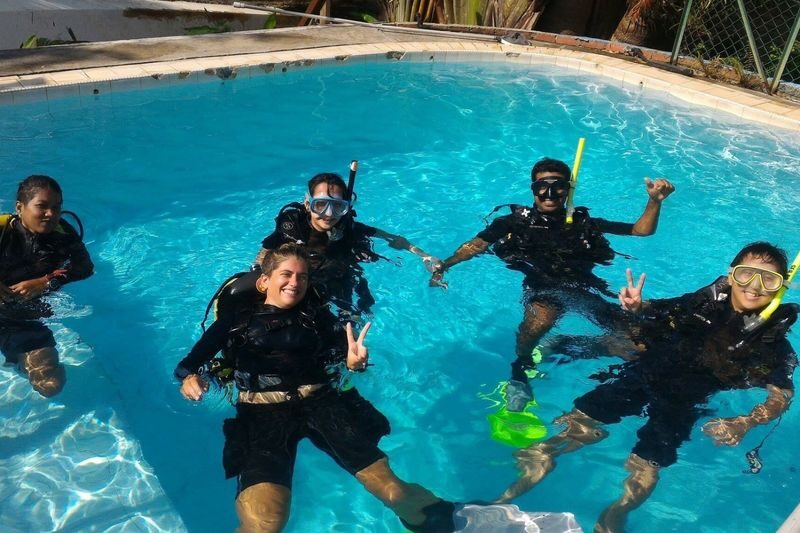
The first day starts with departure and island arrival. You need to take a morning ferry and arrive by early afternoon to have enough time for the course. At B&J, you begin with a quick theory assessment, an explanation of the equipment and a briefing, followed by your first pool or shore session.
That first session is where the course starts to feel real. You become familiar with the equipment and begin practising essential skills in a controlled setting. If you have never used scuba gear, this gradual start is valuable; it gives you time to get comfortable before moving into deeper water. The day is not simply a holiday arrival followed by a free afternoon, so pack your ferry bag with the assumption that training may begin soon after you reach the centre.
Days 2 and 3 each include two pool or shore sessions as part of the PADI Open Water course. Repeating skills is a feature, not a flaw. A new diver needs more than a quick demonstration: you practise, receive instruction and work toward performing each skill with control. The shore or pool setting gives you room to focus without adding the extra steps involved in a boat trip.
The pace is concentrated. You are working through online theory, equipment skills and in-water practice across consecutive days, so completing the PADI eLearning before travel is a sensible way to make the most of your time. The course includes eLearning for both certifications, but the six-day schedule leaves little space for putting off study until you arrive.
Day 4: moving from shore to boat
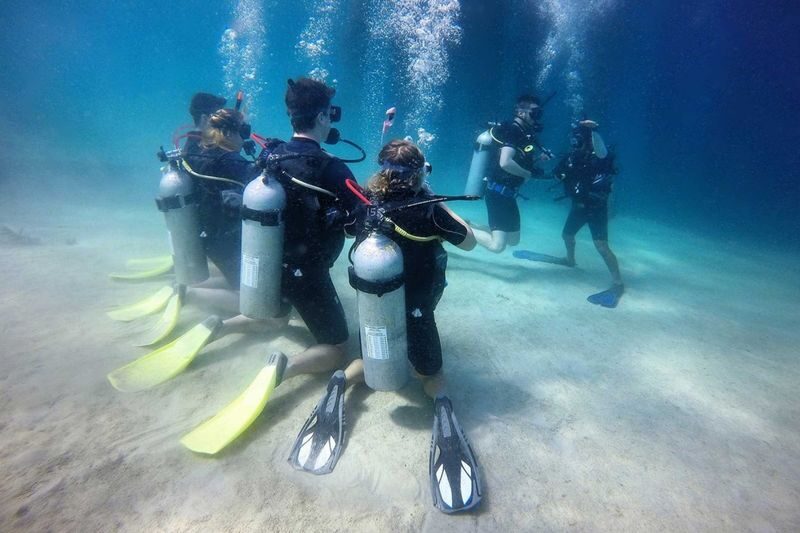
The fourth day is a turning point. The schedule calls for two boat sessions and completion of the Open Water course, including certification if you have mastered the required skills. Boat access takes you beyond the pool and shore environment, where you can apply what you have practised in open water.
The change of setting is part of the value. You have spent several days working through the fundamentals; now you get to put them into practice in the sea. The exact conditions and timing can vary with weather, and the schedule may change, so it is wise to treat the daily plan as flexible rather than fixed to the minute.
The package includes up to five boat sessions, subject to weather and available time. That allowance supports the planned boat training, but it is not a promise of a particular number in every condition. If rough weather affects the schedule, your instructor may need to adjust the order or timing of sessions.
Days 5 and 6: the step up to Advanced Open Water
The Advanced Open Water course begins on day five with another quick theory assessment and briefing. The schedule then includes two shore sessions and a night shore or boat session. This is a substantial day after the Open Water course, so expect to be focused on instruction rather than simply filling a holiday evening.
A night session adds a different condition to your training. It is included as either a shore or boat activity, depending on the plan and circumstances. The itinerary does not specify which option you will get, so ask B&J if that distinction matters to you.
Day six includes two boat sessions, followed by the Advanced Open Water course certification if you meet the required standard. The stated return time is around noon, with return arrangements listed between 12:00 and 14:00. You should book an afternoon ferry and confirm the exact timing with the operator, rather than assume that every ferry departure will line up neatly with the course finish.
Six days is an efficient route from beginner to advanced-level certification, but it is not a shortcut around the learning. Your instructor assesses your ability and mastery of the skills. If you need more practice, the certification cannot be guaranteed within the planned window.
What the package price covers, and what it does not
The experience is listed from US$853.69, while the package options separately show dormitory accommodation from US$776.09, a standard air-conditioned room from US$922.99, a Deluxe Room from US$1,138.45 and an Executive Room from US$1,180.05. These figures do not line up exactly, so check the price for your chosen room and travel date before booking. The package details for the lowest-cost option are based on an air-conditioned dormitory with bunk beds.
For the money, the package combines five nights’ accommodation, breakfast, both PADI courses, online study, a logbook, equipment rental and instruction by a PADI-certified instructor. Bundling the training and lodging makes practical sense: you are staying close to the centre and do not need to arrange a separate equipment rental. The better-value choice depends on how much privacy you want and how much time you expect to spend in your room.
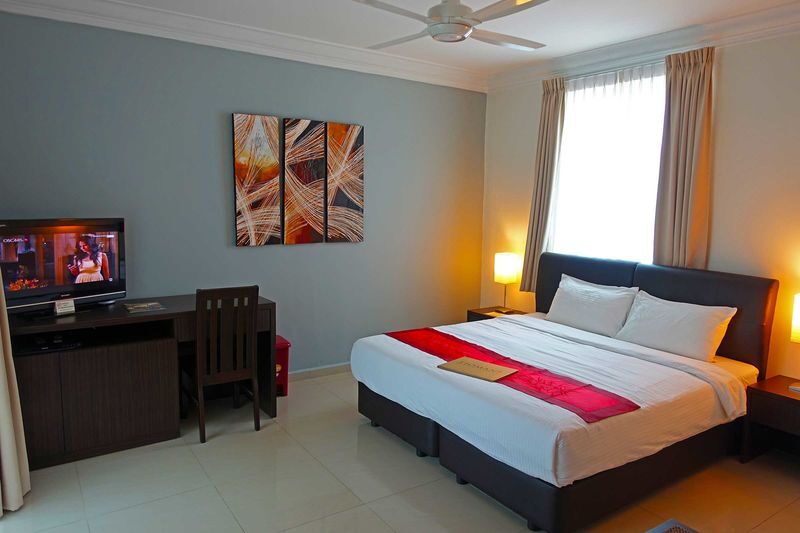
The Standard Air Conditioned Room is not operated by B&J, while the Deluxe and Executive rooms are at Tioman Dive Resort. Dormitory beds offer the lowest listed price; the resort rooms cost more but put you close to the centre. WiFi is available at the centre, resort and dormitory.
Set aside extra cash for ferry transport, meals beyond breakfast, personal costs and tips. There is also a marine park fee of MYR 5 for locals or MYR 30 for foreigners, payable at the ferry port. Foreign visitors pay a hotel tourism tax of MYR 10 per room per night, and a Pahang sustainability fee of MYR 3 per room per night, both payable on arrival.
Enriched Air Nitrox certification is an optional MYR 500 add-on, payable on site. It includes Nitrox for Life Membership. Insurance is not included, and the operator recommends that you consider accident or travel insurance before taking part.
Who will get the most from this course
This package makes sense if you want to earn two PADI certifications in one trip and are comfortable giving most of six days to training. It is especially useful for a beginner who wants a structured progression, a single base for lessons and lodging, and enough time to move from controlled practice to boat sessions.
The small reported instructor-to-student limit is a useful point to confirm when you book. A maximum of four students per instructor can give you more room to ask questions and practise than a much larger group. B&J has a strong presence in Air Batang, and the training approach places clear emphasis on safety and avoiding shortcuts.
It is less suited to someone seeking a loose island break with only a few scheduled activities. You need to be ready for daily lessons, theory and early ferry logistics. You must also be able to swim continuously for 200 meters and float for 10 minutes, and you should seek medical clearance from a physician before starting a PADI course. The activity is not recommended for people with certain conditions, including high blood pressure and epilepsy.
The minimum age is 10, and the same price applies to all ages. Participants must sign a liability waiver. Anyone who appears intoxicated may be refused service without a refund. The activity is not wheelchair- or stroller-accessible.
Small preparations that make the week easier
Bring swimwear, a change of clothes, toiletries, a towel, a hat, cash and reef-safe sunscreen. An underwater camera is optional, but useful if you want photos of your time in the water. Insect repellent or after-bite ointment can be handy around an island stay.
Malaysia uses 220-volt AC outlets with three rectangular prongs, similar to British plugs. Bring a compatible adapter if your devices use a different plug. The ferry can be breezy, so keep a warm top within reach rather than buried in your luggage.
Pack your course days around the early ferry arrival and leave the final day open for the afternoon return. Weather, traffic and ferry timing can alter the plan, and the course itself can only be completed if you meet the required standard. Build in the recommended 24-hour wait between your last scuba session and any flight.
Should you book the six-day course?
Book it if you want a focused path from beginner to Advanced Open Water, value having your lodging and training in one place, and can arrive and depart on the required ferry schedule. The strongest practical advantages are the staged instruction, equipment and eLearning included, and B&J’s close-by accommodation options.
Think twice if you want a relaxed schedule, cannot meet the swim and float requirements, or have a medical condition that needs professional advice. Confirm the room price, ferry times and expected daily schedule before paying. If you are comfortable with a full week of training and understand that certification depends on your progress, this is a sensible way to combine serious instruction with a stay on Tioman.
6D5N PADI Open Water and Advanced Open Water Diving Courses
“This is with BnJ diving Centre at Air Batang (aka ABC). They are the largest diving Centre/school at that area and almost everyone who comes to ABC…”
FAQ
Do I need prior scuba experience?
No. The course is designed for beginners as well as people progressing to Advanced Open Water. You must be at least 10 and able to swim 200 meters continuously and float for 10 minutes.
How long is the course?
The course runs for six days and five nights. It includes PADI Open Water and Advanced Open Water training.
What accommodation can I choose?
Options include an air-conditioned dormitory with bunk beds, a standard air-conditioned room, a Tioman Dive Resort Deluxe Room and a Tioman Dive Resort Executive Room.
How do I reach B&J in Air Batang?
Take a ferry from Mersing or Tanjung Gemok to Tioman and get off at Air Batang, also called ABC. From the jetty, walk down and turn left; the centre is about five minutes away.
What extra fees should I budget for?
Transport, personal expenses, tips, insurance, the marine park fee, and applicable room taxes and sustainability fees are not included. Nitrox certification is an optional MYR 500 add-on.
Can I fly home immediately after the course?
No. It is highly recommended that you wait 24 hours after scuba activity before flying.