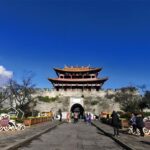
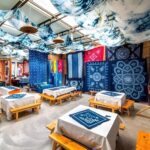
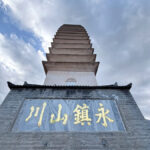
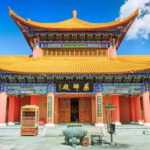
Tengchong’s autumn ginkgo trees are the seasonal draw, but this six-day journey gives you much more than a grove and a photo stop. From Dali, you travel west through Baoshan, Mangshi and Ruili before reaching Tengchong’s geothermal springs, Heshun Ancient Town and Ginkgo Village. It is a broad, busy introduction to western Yunnan.
I like the small group of two to eight, which keeps the long drives more manageable, and the range of experiences: border towns, a Wa village, hot springs, a wetland region and caravan-style tea roasting. The route also includes several major admission tickets, so you are not paying at every gate.
The trade-off is time on the road. Days two and three include roughly 5.5 and 4.5 hours of driving, and the final transfer back to Dali is listed at about 4.5 hours. There are also conflicting details about the day-six destination and the hot spring’s name, so confirm those before paying.
- What makes this western Yunnan trip worth considering
- Six days from Dali to Tengchong and back
- Day 1: Arrive in Dali and take the evening at your own pace
- Day 2: The Yunlong S-bend and Nuodeng’s old village
- Day 3: Pagodas and border-country stops
- Day 4: Rehai, a Wa village and a hot spring soak
- Day 5: Heshun, roasted tea and the ginkgo season
- Day 6: Return transfer, with a destination detail to verify
- What the price includes, and where extra costs appear
- Group size, hotels and practical planning
- Who will enjoy this route most
- Should you book it?
- FAQ
- How long is the tour?
- Where does the tour depart from?
- How many people are in the shared group?
- Are hotels included?
- Are meals included?
- Which attraction tickets are included?
- Is the hot spring visit included?
- Does the tour include transport to and from Dali?
- Where does the tour end?
- Is there a single-room supplement?
- The Best Of Dali!
- More Tours in Dali
- More Tour Reviews in Dali
- Not for you? Here's more nearby things to do in Dali we have reviewed
What makes this western Yunnan trip worth considering
- A route with real variety: Travel from Dali toward Baoshan, Mangshi, Ruili and Tengchong rather than staying in one resort town.
- A small shared group: The standard option carries two to eight people. A private group is also offered for those who prefer not to share a vehicle with strangers.
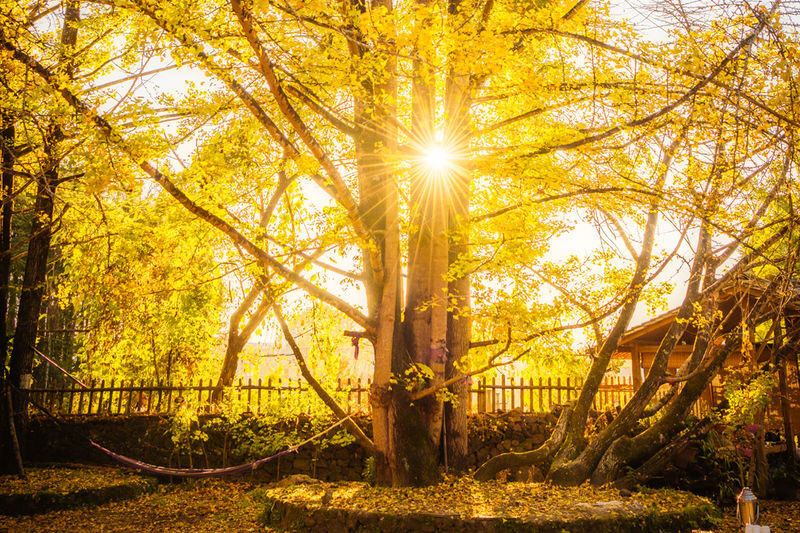
- Seasonal ginkgo viewing: Ginkgo Village is a highlight in autumn, with the admission ticket and battery car included.
- Hot springs and geothermal sights: Rehai and one complimentary Tengchong hot spring visit bring a welcome pause after the driving.
- Many core tickets included: Heshun Ancient Town, Rehai, Simola Wa Village, the Menghuan pagodas, One Village Two Countries and Ginkgo Village are covered.
- Straightforward meal planning: Five breakfasts are included. Lunch and dinner are separate, with an indicated typical spend of 30 to 80 yuan per meal.
👉 See our pick of the 2 Best Shopping Tours In Dali
Six days from Dali to Tengchong and back
This is a moving tour, not a six-day stay in a single hot spring hotel. You change hotels as the route pushes west, with one night each in Dali, Baoshan and Ruili, followed by two nights in Tengchong. That structure gives you a taste of several parts of western Yunnan, but it means packing and unpacking and spending a fair amount of time in the vehicle.
The drive estimates are useful planning guides, not promises. Weather and road conditions can change the order of stops or the timing. The tour says attractions will not be reduced when the order is adjusted, but force majeure can still affect visits.
You can also read our reviews of more tours and experiences in Dali.
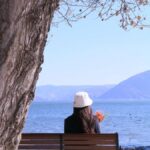
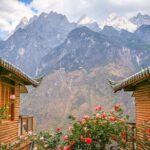
Day 1: Arrive in Dali and take the evening at your own pace
The first day is mostly for arrival and settling in. Airport or train-station pickup is available around the clock, and the group stays in Dali at a four-diamond guesthouse or hotel. After check-in, the time is free, so you can rest or explore independently.
Send your arrival details to the operator at least two days ahead. A WeChat group is set up before departure, and the driver contacts you the day before arrival. This is practical for coordinating a pickup, especially when group members arrive at different times.
Day 2: The Yunlong S-bend and Nuodeng’s old village
The second day takes you from Dali toward Baoshan, with a stop at Yunlong’s Taiji S-bend and a visit to Nuodeng Ancient Village. The estimated drive is about 350 kilometers and 5.5 hours, before allowing for time at the stops.
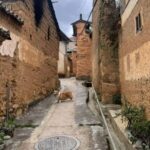
Nuodeng gives the long transfer a human-scale pause. The route is not just a dash from one hotel to another: the village visit breaks up the drive and offers a look at an older settlement in the region. Still, expect a full day. If you are prone to motion sickness, the supplied packing advice specifically suggests bringing medication.
You spend the night in Baoshan at a four-star hotel. The listed examples include several properties, with the final hotel potentially being an equivalent option.
Day 3: Pagodas and border-country stops
From Baoshan, the group heads to Mangshi, then visits the Menghuan Golden Pagoda and Silver Pagoda before continuing to One Village Two Countries and Jiegao National Gate. The day ends in Ruili. The stated road distance is about 280 kilometers, with roughly 4.5 hours of driving.
The pagodas provide a change of pace from the road, while the border stops give this part of the trip its particular western Yunnan character. One Village Two Countries is an included attraction, as are both pagodas. The itinerary describes the area as a place where communities across a border share a river and close ties. Bring your passport or other required identification, and check access rules in advance if you are a foreign visitor or hold a Hong Kong, Macao or Taiwan travel document. Some areas have restrictions.
You stay overnight in Ruili at a four-star hotel. This day covers several stops, so it is worth keeping expectations flexible: the time available at each place may depend on traffic and the pace of the group.
Day 4: Rehai, a Wa village and a hot spring soak
The route from Ruili to Tengchong is given as about 200 kilometers and 2.5 hours of driving. The day’s visits include Rehai, Dagunguo and Simola Wa Village, followed by a hot spring visit. The ticket for Rehai includes a battery car, as does the Simola Wa Village admission.
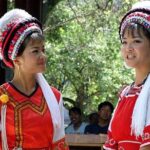
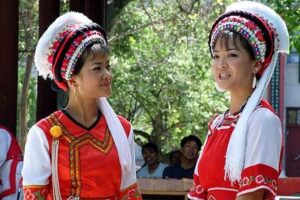
Tengchong is known for its geothermal activity, and Rehai is the main chance on this trip to see that side of the region. Then Simola Wa Village adds an encounter with local culture to a day that could otherwise feel like a string of scenic stops. The included driver-housekeeper can help with ticket arrangements and practical advice, but is not described as a professional guide who accompanies you through every paid site or provides detailed commentary. If you value in-depth interpretation, plan to explore at your own pace and ask questions where you can.
There is a small but important naming mismatch to resolve: the day-by-day plan calls the hot spring Banyan Tree, while the included-services section names Angsana Hot Spring. Confirm which property is actually included before booking. Either way, the complimentary visit is a welcome counterweight to the road time, but it is not refundable if you skip it or weather and other force majeure conditions prevent it.
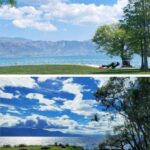

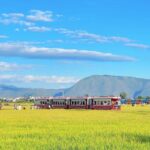
Day 5: Heshun, roasted tea and the ginkgo season
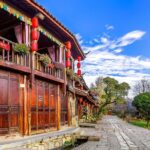
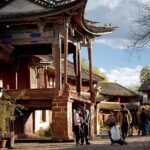
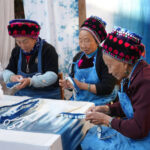
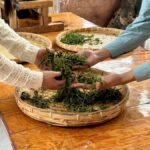
Day five stays within the Tengchong area, with about 80 kilometers of driving and an estimated two hours on the road. You visit Heshun Ancient Town, take part in a complimentary caravan-style tea-roasting experience, then continue to Ginkgo Village. Heshun admission and Ginkgo Village entry, including its battery car, are included.
Heshun is one of the tour’s more appealing stops for anyone who wants more than a quick roadside view. The tea-roasting activity adds a hands-on local element, though the details and duration are not specified. You should treat it as a short included experience rather than a full workshop unless the operator confirms otherwise.
Ginkgo Village is the trip’s seasonal centerpiece. The annual autumn viewing period lasts about a month, so timing matters: the exact color and appearance can vary with the season and weather. If seeing golden foliage is your main reason for booking, ask the operator about expected conditions for your departure date. The tour includes the village ticket and battery car, which makes the visit easier, but does not guarantee peak color.
The second Tengchong night is at a four-star hotel, with examples including hot spring properties and a hotel in the Heshun area. The exact lodging may vary.
Day 6: Return transfer, with a destination detail to verify
The stated return plan is a drop-off at Dali Station, with the drive from Tengchong estimated at about 330 kilometers and 4.5 hours. The meeting details also say the tour disbands at Dali Station around 17:00.
However, a separate line in the day-by-day schedule says Lijiang and describes the day as dismissed all day. That conflicts with the Dali return information. Do not assume the drop-off location based on one line alone: get written confirmation that your final destination is Dali Station, and check the expected arrival time before booking a train or flight.
This is the day to keep your onward plans loose. A long road transfer can be affected by traffic or weather, and the tour allows timing changes when conditions require them.
What the price includes, and where extra costs appear
The price information gives two different starting figures: the headline price is US$568.59, while the package options list the shared group from US$494.45 and the private group from US$731.35. These figures may reflect different package or booking conditions, so compare the exact dates and inclusions on the checkout page rather than relying on one headline number.
For the shared group, the price covers five breakfasts, five hotel nights, transport during the route, the listed major attraction tickets, a driver who also acts as a housekeeper, travel insurance, and the complimentary tea-roasting and hot spring experiences. A bottle of mineral water per person per day and basic travel items such as a U-shaped pillow, eye mask and earplugs are also provided.
Lunch and dinner are not included. The stated guideline is 30 to 80 yuan per meal, depending on what you choose. Other small attractions not named among the included tickets may also cost extra. Round-trip transport to Dali is not included, although the local airport or train-station pickup service is complimentary.
For the price, the strongest value is the combination of multi-city transport, several hotel nights and a long list of admissions. You are not just buying a hot spring visit. But value depends on whether you want this fast-moving route; if you prefer longer stays, independent meals or a slower visit to each town, a private trip or a self-planned stay may suit you better.
Group size, hotels and practical planning
The shared tour runs with two to eight people. Vehicle size depends on the group: two or three people use a five-seat car, four or five a seven-seat commercial vehicle, and six to eight a nine-seat commercial vehicle. That is a relatively intimate group, though space for luggage may still feel limited on long days. The suggested allowance is one 24- to 26-inch suitcase plus a backpack.
The package is priced around two people sharing a room. A solo participant can be matched with another person of the same sex; if sharing cannot be arranged, the operator says it will cover the single-room supplement for the group tour. A private tour has different rules: a single room supplement applies if you occupy a room alone.
The accommodations are described by star or diamond category, with named hotels offered as examples or equivalents. Exact properties are not guaranteed by the information provided. If a hotel’s location or hot spring facilities are central to your decision, ask for the confirmed property before departure.
The group driver helps with ticket purchases and gives practical travel advice, but does not provide full guided commentary inside every attraction. That distinction matters: this is a transport-and-logistics-led trip with a local service contact, not a continuous guided tour with an expert explaining each site.
Who will enjoy this route most
I would consider this tour if you want to see several western Yunnan destinations in a single trip and are comfortable with long drives. It suits people who like variety, want the major admissions organized, and are drawn to autumn ginkgo viewing, geothermal springs and border-region stops.
It is less suitable if you want to spend several unhurried days in one town, need a professional guide at every attraction, or dislike changing hotels. The tour has no stated age limit, but people with cardiovascular or cerebrovascular conditions, including high blood pressure and heart disease, are advised not to participate. Travelers aged 70 and older must be in suitable health and accompanied by an adult family member. Minors under 18 need a parent with them throughout.
There is one published five-star rating, with the trip described as fulfilling and satisfying and an interest in taking another tour with the same operator. That is a positive signal, but it is a single response, not a large body of feedback. I would put more weight on the concrete strengths and caveats: the small group, broad route, included tickets, long transfers and the need to clarify the final drop-off and hot spring name.
Should you book it?
Book this if you want an organized, varied trip through western Yunnan and accept that the road is part of the experience. The package brings together Dali, Baoshan, Mangshi, Ruili and Tengchong, with enough cultural and natural stops to keep the route from being only a hotel-to-hotel transfer.
Before booking, confirm the price for your dates, the actual hot spring included, the day-six drop-off point, and the likely ginkgo conditions. If those details line up and you are happy with a brisk pace, this is a practical way to cover a large stretch of Yunnan in six days. If you want more time in each place, choose a slower plan.
Yunnan Golden Autumn Tengchong Hot Spring Resort 6-Day Tour
“This trip was very fulfilling and satisfying. If we have the chance, we will join Klook's tours again.”
FAQ
How long is the tour?
The tour lasts six days, beginning with arrival and free time in Dali and ending with a planned transfer back to Dali.
Where does the tour depart from?
The tour starts in Dali. Airport and train-station pickup is provided, with arrival details to be sent to customer service at least two days ahead.
How many people are in the shared group?
The shared group has two to eight people. A private group option is also available.
Are hotels included?
Yes. The package includes five nights: one in Dali, one in Baoshan, one in Ruili and two in Tengchong. The named properties are examples or equivalent hotels.
Are meals included?
Five breakfasts are included. Lunch and dinner are at your own expense, with a suggested cost of 30 to 80 yuan per meal.
Which attraction tickets are included?
Included admissions are for Heshun Ancient Town, Ginkgo Village with its battery car, Rehai with its battery car, Simola Wa Village with its battery car, Menghuan Grand Pagoda, Menghuan Silver Pagoda and One Village Two Countries.
Is the hot spring visit included?
One complimentary Tengchong hot spring visit is included. The information names Angsana Hot Spring in one place and Banyan Tree Hot Spring in another, so confirm the specific property before booking.
Does the tour include transport to and from Dali?
Local airport or train-station pickup is included, but round-trip transport to Dali is not. The route vehicle is provided during the tour.
Where does the tour end?
The return details state that the tour ends at Dali Station around 17:00. Another day-six line mentions Lijiang, so confirm the final drop-off location directly before booking.
Is there a single-room supplement?
For the shared group, solo participants are matched with a same-sex roommate where possible. If sharing cannot be arranged, the operator says it covers the room supplement. For a private tour, a single-room supplement applies when a participant occupies a room alone.