Walking Through History: Hiroshima’s Path to Peace – A Deeply Moving Journey
Getting a true sense of Hiroshima’s history can be challenging amidst the busy streets and bustling attractions. That’s why a guided walking tour like “Walking Through History: Hiroshima’s Path to Peace” offers a compelling way to connect with the city’s profound story of resilience and reconciliation. With highly praised guides, meaningful landmarks, and a well-structured itinerary, this experience promises both education and reflection in just around two hours.
What we love about this tour:
- Expert guidance from knowledgeable guides, many of whom are PhD scholars, adding depth and context to each stop.
- Focus on authentic monuments, from the Atomic Bomb Dome to the Peace Flame, providing a genuine insight into Hiroshima’s recovery.
- Very good value for money, especially considering entry to the Peace Memorial Museum is included, with skip-the-line access making the visit seamless.
A potential consideration is that the tour involves quite a bit of walking on flat terrain, so comfortable shoes are recommended. It’s best suited for travelers interested in history, peace activism, or those who value meaningful, respectful encounters with important sites.
- Good To Know
- Explore Hiroshima’s Landmarks in Detail
- Atomic Bomb Dome: A Visual and Emotional Anchor
- Peace Bell: A Call for Global Unity
- Monument to Korean Victims and Survivors: Recognition and Reconciliation
- Children’s Peace Monument: Inspired by Sadako Sasaki
- Peace Flame: A Symbol of Hope
- Hiroshima National Peace Memorial Hall: Personal Stories and Reflection
- Cenotaph for the Atomic Bomb Victims: Names and Words of Peace
- Hiroshima Peace Memorial Museum: An Essential Visit
- Gates of Peace: A Visual Representation of Harmony
- What Sets This Tour Apart?
- Practicalities and Logistics
- Final Thoughts
- FAQ
- The Best Of Hiroshima!
- More Historical Tours in Hiroshima
- More Walking Tours in Hiroshima
- More Tour Reviews in Hiroshima
- Not for you? Here's more nearby things to do in Hiroshima we have reviewed
Good To Know
- In-depth stories: Guided by experts, you’ll hear detailed accounts and insights about Hiroshima’s landmarks.
- Accessibility: The tour operates on a small group basis (max 8), ensuring personalized attention and a relaxed pace.
- Rich itinerary: Visits to key memorials and monuments are thoughtfully scheduled, with time allocated for reflection.
- Self-guided museum visit: The Peace Memorial Museum entry is included but visit on your own, allowing a flexible experience.
- Emotional impact: From the children’s monument to the Peace Flame, expect powerful moments of remembrance.
- Excellent reviews: Consistently rated 5 stars, with praise for guides, value, and the respectful tone of the tour.

👉 See our pick of the 3 Best Workshops And Classes In Hiroshima
Explore Hiroshima’s Landmarks in Detail
You can also read our reviews of more walking tours in Hiroshima


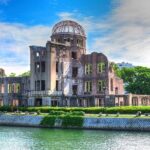
Atomic Bomb Dome: A Visual and Emotional Anchor
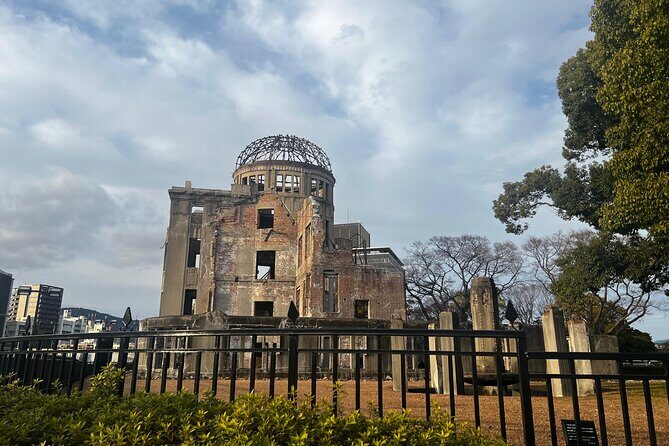
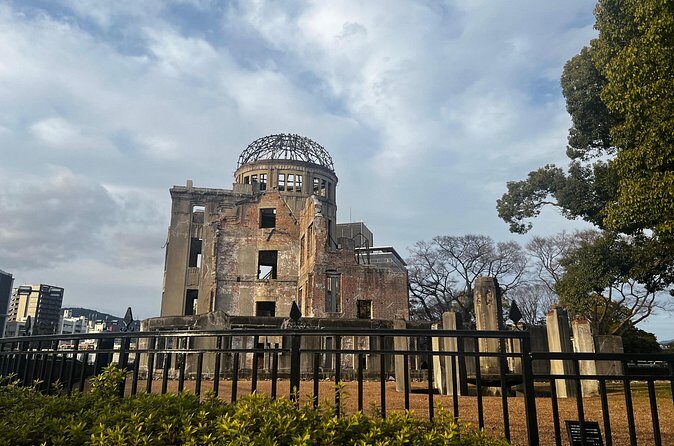
This iconic UNESCO World Heritage Site is the first stop and the most recognizable symbol of Hiroshima’s past. The ruins of the former Prefectural Industrial Promotion Hall, preserved after the bombing, embody resilience. Visitors often comment on the profound atmosphere here. One reviewer noted, “Ghani, our guide, was very knowledgeable about Hiroshima and was an excellent host!” The fact that this site is free to visit makes it accessible, but its emotional weight is priceless.
Peace Bell: A Call for Global Unity
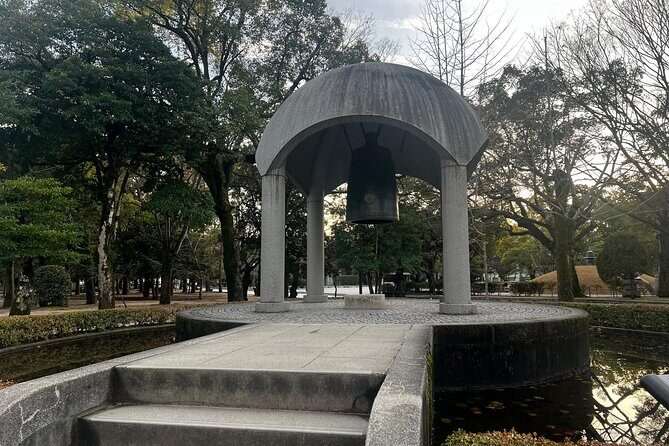
The Peace Bell, whose resonant sound echoes through the park, is a reminder of the universal hope for a world without nuclear weapons. It’s a short stop but one that invites quiet reflection. Critics mention the deep, echoing sound that “serves as a reminder of global unity,” adding to the tour’s contemplative tone.
Monument to Korean Victims and Survivors: Recognition and Reconciliation
This monument pays homage to Korean victims of the bombing, acknowledging their suffering and contributions to Hiroshima’s story. It’s a poignant reminder of the importance of reconciliation. Visitors appreciate this inclusion, viewing it as a symbol of shared trauma and hope for peace.
Children’s Peace Monument: Inspired by Sadako Sasaki
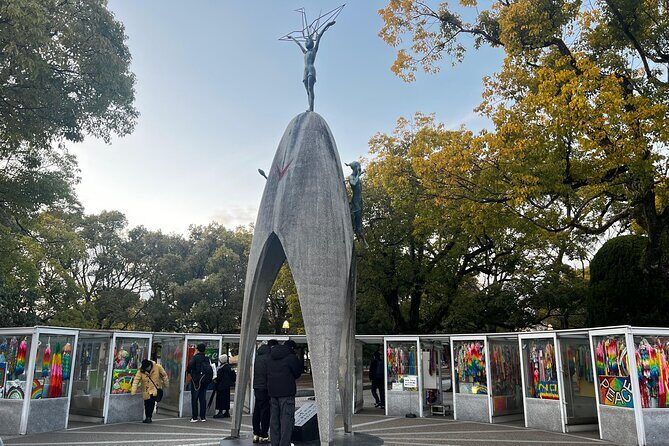
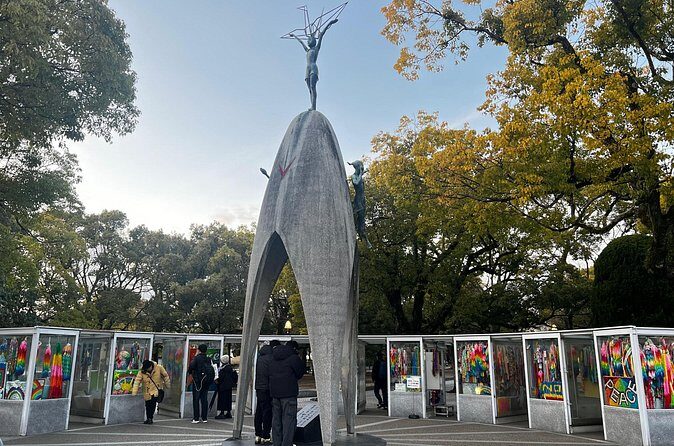
Dedicated to children who lost their lives, the monument’s design, inspired by Sadako Sasaki’s paper cranes, resonates deeply. Many reviewers highlight the touching atmosphere here. One shared, “The surrounding area is a place of reflection, especially when contemplating the innocence lost during such a devastating event.“
You can also read our reviews of more historical tours in Hiroshima



Peace Flame: A Symbol of Hope
Burning since 1964, the Peace Flame underscores Hiroshima’s unwavering commitment to nuclear disarmament. It’s a standing testament to hope, with many visitors feeling inspired by its unwavering flame. The fact that it’s kept alive until all nuclear arms are abolished adds a sense of urgency and purpose.
Hiroshima National Peace Memorial Hall: Personal Stories and Reflection
This hall offers a quieter space to honor victims through survivor testimonies, photographs, and personal stories. Its thoughtful design encourages you to pause and think. Visitors have appreciated the chance to connect emotionally, describing it as a “place of quiet reflection.”
Cenotaph for the Atomic Bomb Victims: Names and Words of Peace
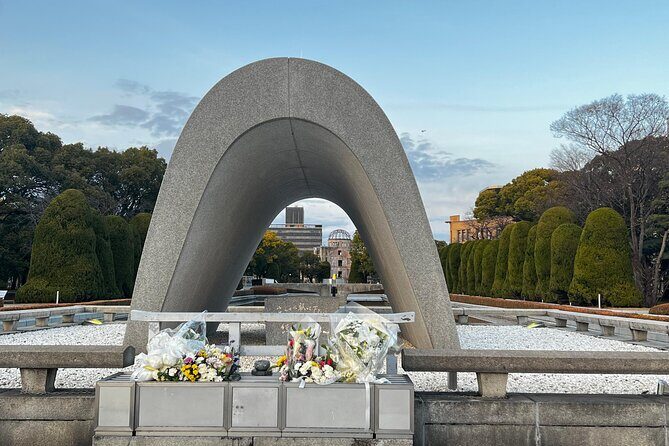
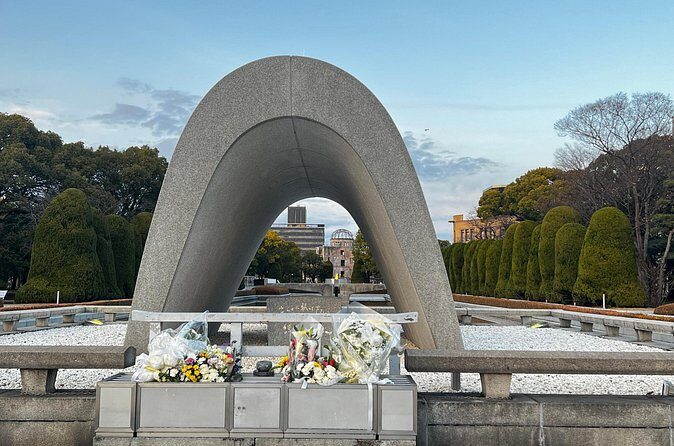
The arched cenotaph bears the words, “Let all the souls here rest in peace, for we shall not repeat the evil,” and lists victims’ names. It’s a solemn spot that many find deeply moving. Visitors often note the importance of such memorials in remembering the past.
Hiroshima Peace Memorial Museum: An Essential Visit
Although the guide does not accompany you inside, the included skip-the-line ticket makes this part of the experience straightforward. The museum offers photographs, survivor accounts, and artifacts, all providing a rundown. Reviewers mention that spending time here is impactful, adding context to the sites outside.
Gates of Peace: A Visual Representation of Harmony
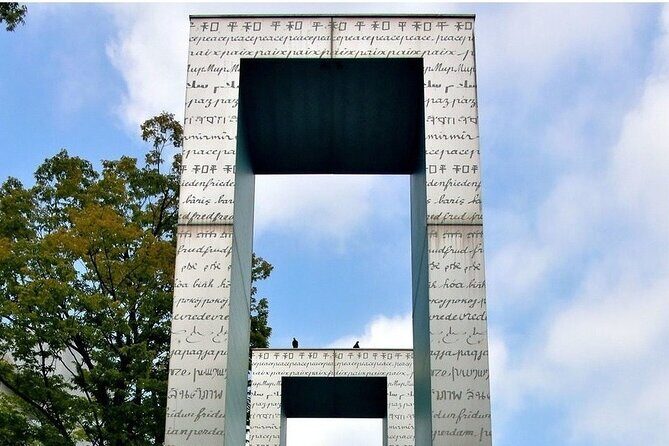
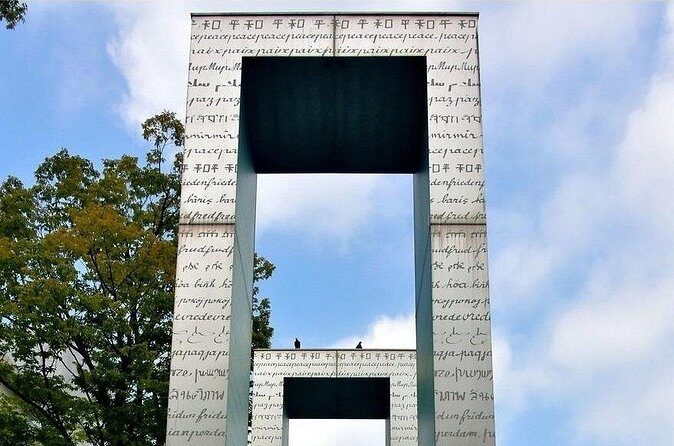
The tour concludes with a series of glass gates inscribed with the word “peace” in many languages. They symbolize Hiroshima’s universal message of hope. This peaceful finish leaves many visitors inspired and optimistic about global harmony.
What Sets This Tour Apart?
Ghani, the primary guide, receives high praise for his knowledge and personable style. Several reviews mention that he provided detailed historical insights, and was patient and considerate—especially for those with physical limitations or injuries. Having a PhD scholar guide the tour adds credibility and depth, making fact-based storytelling the norm rather than a superficial overview.
The small group size (up to 8 travelers) ensures everyone gets attention, making questions easy and the experience intimate. Many visitors appreciated Ghani’s ability to slow down or adjust pacing, such as when assisting someone with knee trouble, as one reviewer remarked.
Value for money is another key aspect. For just over $30, you gain guided insights, skip-the-line museum entry, and a meaningful exploration of Hiroshima’s key memorials—all in 2 hours. It’s a compact, well-organized experience that maximizes your time and provides a respectful, educational journey.
Practicalities and Logistics
Starting at 1-chome-10-1 Temachi, the tour begins conveniently close to public transportation, making it easy for travelers to join without hassle. The entire walk is on flat terrain, suitable for most visitors, but comfortable shoes are recommended due to the amount of walking involved. The tour lasts around two hours, with plenty of pauses for reflection and questions.
The self-guided museum visit lets you explore at your own pace, which is appreciated by many. The fact that the museum entry is included avoids the long lines often associated with Hiroshima’s popular sites. The tour concludes at the Gates of Peace, a fitting and peaceful final stop.
Final Thoughts
“Walking Through History: Hiroshima’s Path to Peace” offers a respectful, insightful, and emotionally impactful way to understand Hiroshima’s past and its ongoing message of hope. Guided by a knowledgeable scholar, you’ll get nuanced stories and context that go beyond surface-level sightseeing. The inclusion of key monuments, the museum ticket, and a small-group setup make it excellent value for travelers who want depth without overwhelming.
If you’re interested in history, peace activism, or simply want to pay homage to a city that exemplifies resilience, this tour is a solid choice. It’s especially suited for those who prefer a slow, reflective pace and appreciate expert explanations. The genuine warmth and expertise of the guides turn a visit into a meaningful experience.
Walking Through History: Hiroshima’s Path to Peace
FAQ
Is the tour suitable for people with mobility issues?
Yes, the tour is mostly on flat terrain, but it involves some walking. The guide has shown sensitivity to physical needs, and it’s a good idea to wear comfortable shoes.
How long does the tour last?
The guided part runs approximately 2 hours. You’ll also visit the Hiroshima Peace Memorial Museum on your own with an included skip-the-line ticket.
Are the guides knowledgeable?
Absolutely. The guides, including Ghani, are highly praised for their depth of knowledge and ability to communicate complex topics clearly. Many are PhD scholars.
Does the tour include entry fees?
Yes, the admission to the Peace Memorial Museum is included, and the other sites are free to visit.
What is the group size?
The tour is limited to a maximum of 8 travelers, ensuring a relaxed and personalized experience.
Can I cancel if my plans change?
Yes, you can cancel for free up to 24 hours before the tour, with a full refund.
Is this tour suitable for children or families?
While not explicitly stated, the respectful tone and focus on reflection make it suitable for older children and families interested in history and peace themes.
Do I need to book in advance?
Yes, bookings are typically made about 14 days in advance, reflecting its popularity and small group size.
To sum it up, this walking tour of Hiroshima offers a balanced mix of education, reflection, and emotional impact. It’s a meaningful way to connect with the city’s history and message of peace, guided by experts who foster understanding and respect. Whether you’re a history buff or someone seeking a heartfelt experience, this tour is likely to leave a lasting impression.