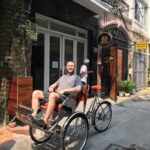
Saigon’s ghost stories are the hook, but the best part of this evening ride is the window it opens onto Vietnamese beliefs about death, worship, and daily life. I like the mix of local folklore and cultural context, and the chance to reach places such as a funeral home and Chinatown’s so-called ghost building by motorbike.
I also like that food is part of the outing: the route includes beef noodle soup and a stop for Vietnamese coffee, juice, or a smoothie. One caution: this is more of a culture-and-city tour with spooky stories than a staged scare experience, and access to some stops can change with weather, traffic, or opening hours.
- What makes this ride worthwhile
- Ghost stories are the doorway, not the whole tour
- The temple and river beliefs set the scene
- District 4 makes room for pho and local life
- The funeral home is the most revealing stop
- Chinatown’s ghost building may stay at a distance
- A café break keeps the evening human
- Thích Quảng Đức’s monument adds a serious note
- Motorbike travel makes the city part of the experience
- What the price includes, and what to check
- Who should book this ride
- FAQ
- How long does the tour take?
- What food and drinks are included?
- Where does the tour start?
- Which areas have free hotel pickup?
- Is the tour suitable for someone who is afraid of ghosts?
- Can children join the motorbike tour?
- Can I take photos at the stops?
- Does the tour always enter the abandoned building?
- What is the difference between the motorbike and Ao Dai Rider packages?
- More Tours in Ho Chi Minh
- More Tour Reviews in Ho Chi Minh
- Not for you? Here's more nearby things to do in Ho Chi Minh we have reviewed
What makes this ride worthwhile
- A temple introduces local worship: Hear about the gods and spirits connected with water, rivers, and the cycle of life.
- District 4 adds a food stop: Break up the ride with beef noodle soup in an area known for its older gangster associations.
- The funeral home offers a cultural lens: Learn about funeral customs as well as the stories attached to the place.
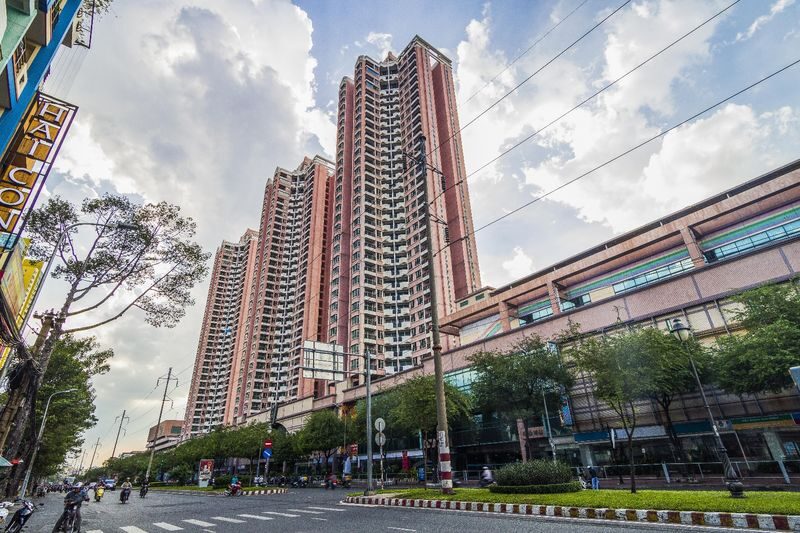
- Chinatown’s ghost building brings the legends into view: The building is associated with feng shui and is described as abandoned, though access may be limited.
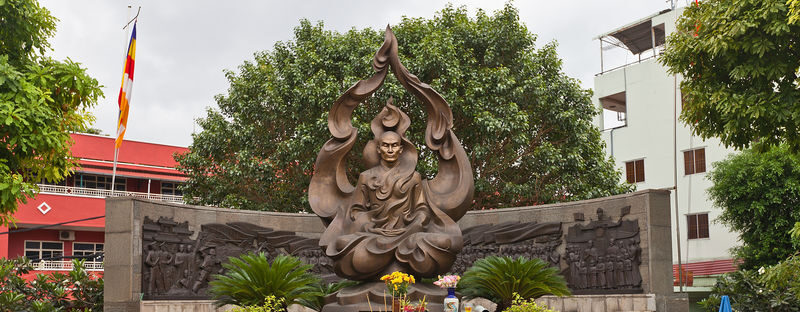
- Thích Quảng Đức’s monument adds historical weight: The stop recalls the Buddhist monk who set himself on fire in 1963 to protest the persecution of Buddhists.
- You ride with an English-speaking guide: Guides including Mallorie, Bean, Vincent, and Peter have led tours, combining storytelling with practical help on the motorbike.
Ghost stories are the doorway, not the whole tour
The name promises a haunted ride, and you will hear ghost stories. But the deeper appeal is the way the stories lead into Vietnamese ideas about the afterlife, worship, and the presence of spirits in ordinary places. Guides connect local tales to religious and historical context, so you are not just moving from one spooky address to the next.
That distinction matters when deciding if the tour is for you. If you want actors, jump scares, or special after-hours access to supposedly haunted sites, this may feel understated. The experience is better understood as a night ride through places associated with local beliefs, with ghost lore as one strand of the conversation.
The stories can also prompt questions that reach beyond the supernatural. What happens after death? How do families honor the dead? How do Buddhism and local forms of worship shape everyday life? A good guide can help make these topics approachable without turning a funeral or religious practice into a spectacle.
Several guides named in tour experiences include Mallorie, Bean, Vincent, Peter, Jay, and Thúy Huynh. The guide matters here: a clear storyteller can make a stop meaningful even when you cannot enter every building. Since access and routes can change, ask questions and treat the tour as a conversation, not a fixed ghost-hunt checklist.
You can also read our reviews of more tours and experiences in Ho Chi Minh.



The temple and river beliefs set the scene
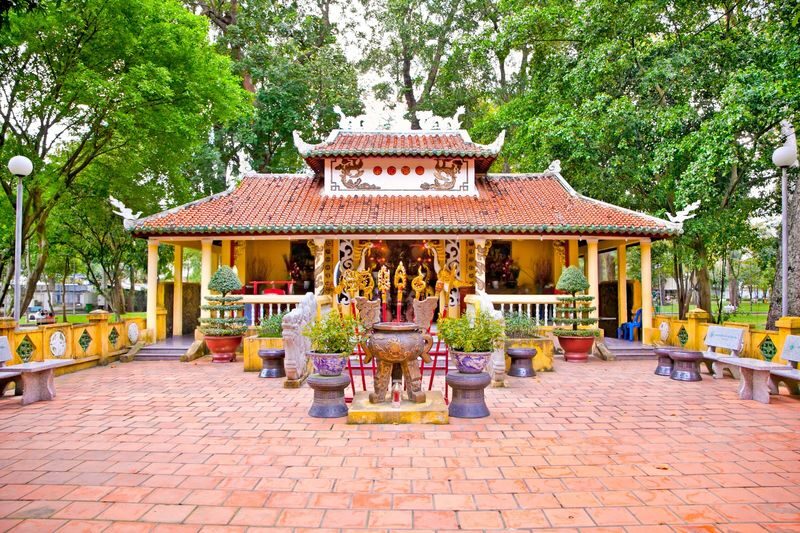
The ride begins by passing the Saigon River tunnel and visiting a local temple. Here, your guide explains Vietnamese worship of different gods and the place of spirits in local belief. The river is part of this opening: the tour description points to water, river spirits, and the idea of life continuing in a cycle.
This is useful context for the rest of the evening. A ghost story can sound like an isolated tale until you understand how beliefs about the dead, gods, and spiritual protection fit into local life. The temple gives the guide a place to start that wider discussion.
One practical caveat: temple access is not guaranteed in full. A stop may be shortened if a site is closing or if conditions change. One account of the tour describes arriving as a temple was closing and only seeing part of it. I would keep expectations flexible, dress and behave respectfully, and ask before taking photographs.
District 4 makes room for pho and local life
After the temple, the route heads toward District 4, described as an old gangster area. You stop for a bowl of beef noodle soup, or pho, before continuing the longer ride. This meal is more than a pleasant pause: it breaks up the evening and gives you time to talk with your guide about food, local habits, and the parts of the city you are passing through.
The food is one of the tour’s strongest practical advantages. Pho is included, as are Vietnamese coffee or a smoothie, and the route also describes a banh mi stop. The included-items list does not name banh mi, so check whether it is part of your chosen package rather than assuming every food stop is covered.
The District 4 meal is also a chance to ask about the city beyond the ghost stories. Guides have been praised for sharing personal experiences and food knowledge, and the one-to-one setup can make those exchanges feel natural. This is not a formal history lecture; it is a moving conversation, with dinner along the way.
The funeral home is the most revealing stop
A visit to a funeral home is unusual, and likely to be the stop that most changes how you see the tour. You walk inside, learn about funeral customs, and hear stories associated with the location. For many people, this is where the experience shifts from spooky entertainment to a close look at how a community approaches death and remembrance.
Go in with care. Funeral practices are sensitive, and the tour information specifically advises asking the guide before taking photos. Follow their lead, keep your behavior quiet and respectful, and remember that this is a real cultural setting, not a haunted-house attraction.
Access and what you see can vary. The tour description says you may witness funeral ceremonies, but it does not guarantee a ceremony will be taking place during your visit. Think of the stop as a chance to learn about customs and hear local stories, rather than a promise of a particular event.
Chinatown’s ghost building may stay at a distance
The next stretch takes you to Chinatown and an abandoned building associated with feng shui. The story around the building is part of its appeal: local beliefs are said to have kept it unused. Yet do not count on walking through it. At least one visitor found that the building was viewed from across the road, rather than entered.
That limitation does not make the stop pointless. The guide can explain the legend and the beliefs attached to the site, and the ride through Chinatown gives the story a real urban setting. But if you expect access to every building, or want a long investigation of each ghost tale, this is a place to adjust your expectations.
There are broader descriptions of the tour that mention abandoned places, a burnt house, and a graveyard. The route can change, and not every named type of site is guaranteed on each departure. Weather, traffic, capacity, and site availability can all affect the evening.



A café break keeps the evening human
After the more solemn or eerie stops, the tour pauses at a local coffee shop. You can have Vietnamese coffee, fruit juice, or a smoothie, then settle in for a break before the final visits. This everyday stop is a useful counterweight to the ghost theme. It lets you see the tour as a night out in Saigon, not a string of dark stories.
Guides have also been praised for making time for questions and conversation during these breaks and between stops. You might ask about local food, religious practices, or city habits. One especially useful feature of a motorbike tour is that the guide can point out details as you pass through neighborhoods, rather than keeping the whole evening within a bus window.
The schedule may include banh mi as another snack stop. Since the tour’s listed inclusions specifically name pho and coffee or smoothies, confirm the food details when choosing a package.
Thích Quảng Đức’s monument adds a serious note
The stop at the Thích Quảng Đức monument gives the ride a powerful historical turn. In 1963, the monk burned himself in protest against the persecution of Buddhists. The monument recalls that act and the political tensions behind it.
This is not just a spooky location. It places Buddhist history and public protest alongside the tour’s discussion of spiritual belief. If you know the famous photograph but little about the context, this stop can help you connect an image from history with a place in the modern city.
Treat the monument as a memorial, not a dramatic photo backdrop. The tour moves at the pace of traffic and the group, so your time at each site may be limited. If this subject matters to you, ask the guide for context while you are there.
Motorbike travel makes the city part of the experience
The motorbike is not simply transport between attractions. You feel the city’s movement and get closer to everyday street life than you would from a car. The ride can feel exciting, especially if you have not been a passenger on a motorbike in Ho Chi Minh City before.
A professional English-speaking driver-guide takes you, and the tour includes a motorbike, fuel, helmet, and poncho if needed. Many people describe feeling safe with their guide, but this remains a ride through busy city traffic. Follow instructions for getting on and off, wear the helmet properly, and tell the operator about children when booking.
The listed departure is 17:30, with a return time shown around 21:30, though timing can shift with traffic and weather. Some accounts describe the outing as about three hours, so plan for an evening commitment and avoid scheduling a tight onward plan afterward. Free hotel pickup is available in several central districts, including Districts 1, 2, 3, 4, 5, 10, and Binh Thanh. Other pickup areas may cost extra.
If you are easily frightened but curious, the operator suggests taking the tour in daylight. The standard departure shown is in the evening, so ask about daytime availability before booking rather than assuming it is offered.
What the price includes, and what to check
The advertised starting price is shown as $50.59, while the package options list the Haunted Saigon Tour by Motorbike from $43.99 and the Ao Dai Rider option from $52.95. Prices can vary by selection and date, so check the amount for your chosen package before paying.
The value is strongest if you want more than a ride to a few photo stops. Your fare includes transport, an English-speaking guide and driver, insurance provided by the operator, helmet and poncho if needed, pho, and coffee or a smoothie. You are also paying for access to local storytelling and places that can be difficult to navigate independently, especially if you do not speak Vietnamese.
Tips are not included. Extra cash surcharges apply for some holidays and for pickup outside designated service areas. The holiday dates listed include New Year, Tet-period dates, and several national holidays; confirm the exact amount for your travel date. The published surcharge wording includes different dollar amounts in different parts of the tour information, so check directly with the operator before setting your budget.
Who should book this ride
I would choose this tour if you are curious about Vietnamese beliefs, want an unusual way to see Ho Chi Minh City, and are comfortable riding as a motorbike passenger. It suits solo visitors particularly well: the guide can focus on your questions, and the ride gives you a companion as well as a driver.
It is also a good fit if you have already seen the city’s familiar sights and want a more personal evening. The combination of a temple, funeral customs, food, Chinatown, and a memorial gives you more variety than a standard ghost walk. The most consistently praised parts of the experience are the guides’ storytelling, cultural explanations, safe-feeling rides, and food stops.
I would skip it if you need guaranteed access to every listed site, want a genuinely frightening production, or are uncomfortable on a motorbike. If the ghost theme sounds interesting but you are not sure about the scares, ask for a daytime option. And if your main interest is history and culture, say so to your guide early; that helps shape the conversation around what you came to learn.
My verdict: Book it for the culture and the ride, with the ghost stories as a bonus. Keep your expectations loose about site access, and you are more likely to enjoy the evening for what it offers: a guided look at Saigon’s beliefs, food, and streets after dark.
Vietnamese Ghost & Belief Motorbike Tour
“Guide Jay is helpful during the trip, and English fluency is impressive for us to catch up the content, also willing to share his own experience an…”
FAQ
How long does the tour take?
The departure time shown is 17:30, and a return time of about 21:30 is listed. Traffic, weather, and itinerary changes can affect the schedule.
What food and drinks are included?
The included items are pho and Vietnamese coffee or a smoothie. A banh mi stop is also described in the route, but it is not named in the included-items list, so confirm whether it is covered.
Where does the tour start?
The stated meeting point is by the Saigon Opera House at 7 Cong Truong Lam Son, District 1. Free hotel pickup is also available in designated districts, and the operator reconfirms pickup details.
Which areas have free hotel pickup?
Free pickup is listed for hotels in Districts 1, 2, 3, 4, 5, and 10, plus Binh Thanh. Pickup outside the designated service areas may cost extra.
Is the tour suitable for someone who is afraid of ghosts?
The operator says it is not for people who are afraid of ghosts, but also suggests asking about a daytime tour if you are easily scared and still want to try it.
Can children join the motorbike tour?
Children aged 0 to 3 can join free if they do not need a separate seat. Children aged 0 to 8 must be accompanied by an adult on the motorbike, and children 130 cm or taller are charged the adult rate. Infants and children must be included in the passenger headcount.
Can I take photos at the stops?
Ask your guide before taking photos, particularly at the funeral home and other culturally sensitive locations.
Does the tour always enter the abandoned building?
No entry is guaranteed. The building may be viewed from outside, and access to attractions can change because of capacity, weather, or other conditions.
What is the difference between the motorbike and Ao Dai Rider packages?
The listed choices are the Haunted Saigon Tour by Motorbike and the Haunted Saigon Tour by Ao Dai Rider. The package prices shown start at $43.99 and $52.95 respectively. Check the selected package details when booking.