Dinh Yen’s weavers still make mats by hand, alongside industrial methods, and this day tour lets you see both. I like that the route pairs this living craft with Lai Vung’s once-a-year red mandarin crop, then moves on to Sa Dec’s long-established flower village and a Chinese assembly hall.
I also like the practical mix of guided visits, lunch at the orchard, and round-trip transport. One thing to weigh: the day is long, and English may be basic. A Saigon guest praised guide Mr. Khánh for coordinating pickups and helping with photos, but guide assignments can vary.
- What to know before you go
- A day built around craft, orchards, and flowers
- Seeing how Dinh Yen makes its mats
- Meeting Lai Vung’s seasonal mandarin crop
- A quiet pause at Kien An assembly hall
- Sa Dec’s flower and ornamental plant village
- The Lai Vung stop on the way back
- What the price covers, and what it doesn’t
- Picking the right departure and preparing for the day
- Language, service, and the kind of guide you may get
- Is this Dong Thap and Sa Dec day tour right for you?
- FAQ
- Where does the tour depart from?
- What time does the tour start and return?
- Is lunch included?
- What languages does the guide speak?
- Is there an extra charge during Lunar New Year?
- Can young children join the tour?
- What should I bring?
- More Tours in Ho Chi Minh
- More Tour Reviews in Ho Chi Minh
- Not for you? Here's more nearby things to do in Ho Chi Minh we have reviewed
What to know before you go
 1 / 7
 2 / 7
 3 / 7
 4 / 7
 5 / 7
 6 / 7
 7 / 7
- Dinh Yen is a working mat-weaving village: See the mat-making process from manual work to industrial production, with a chance to take part.
- Lai Vung’s red mandarins are seasonal: The orchard’s crop comes once a year, making the timing of a Tet-season visit especially relevant.
- Lunch is part of the orchard stop: You’ll eat local specialties there, with a drink included.
- Sa Dec brings a different kind of Mekong Delta history: Visit Kien An assembly hall, then explore a flower and ornamental plant-growing district known since the 19th century.
- The tour runs from morning to late afternoon: Departure is at 7:30 and the planned return is around 17:00, subject to traffic and weather.
- Your starting city affects the price: The Can Tho option starts at US$118.25; the Sai Gon option starts at US$174.19.
A day built around craft, orchards, and flowers
This is not a standard boat-focused Mekong Delta outing. Its appeal is the variety of stops on land: a craft village, an agricultural visit, a temple, and Sa Dec’s flower-growing area. If you want to see how local work and seasonal crops shape the region, this route offers a useful change of pace from a day spent mainly on the water.
The timing matters. The tour is presented as a special experience in the lead-up to Tet, when the mandarin orchard is in season and Sa Dec’s flowers are part of the year-end preparations. The exact atmosphere will depend on your travel date, but a visit during the weeks before Lunar New Year is the strongest match for the tour’s seasonal focus.
The trip is private according to the tour overview, though the Can Tho transfer details also describe a shared transfer. Check the option you book and confirm pickup arrangements with the operator. Either way, expect a full day: the first departure is at 7:30, and the planned return is at 17:00.
You can also read our reviews of more tours and experiences in Ho Chi Minh.


Seeing how Dinh Yen makes its mats
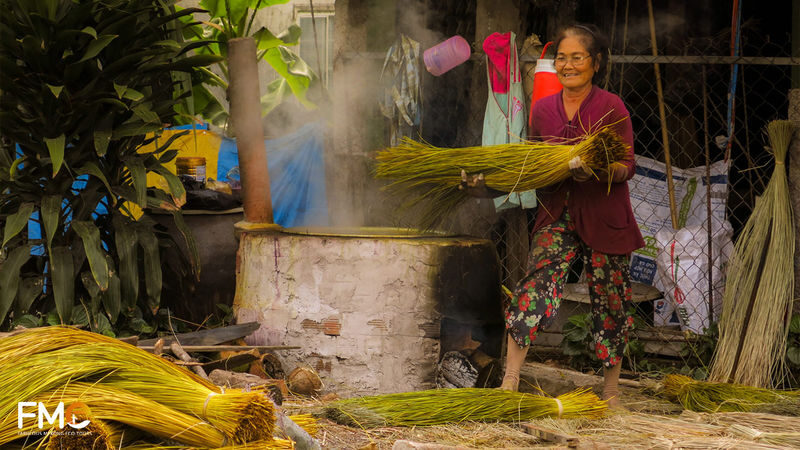
The first main stop is Dinh Yen mat-weaving village, where traditional craft remains part of daily life. Your guide introduces the village and walks you through the mat-making process, from manual methods to industrial production. The contrast helps you see how a familiar household object is made, and how production changes when machines enter the picture.
The experience is meant to be hands-on, not just a quick look from the roadside. That makes this stop especially worthwhile if you’re curious about practical skills and local work. Still, the supplied details don’t specify how much time you’ll spend weaving or exactly what you’ll be asked to do, so think of participation as an opportunity rather than a guaranteed extended workshop.
This is a place to arrive curious and patient. The craft is the point, not a polished performance staged for visitors. If you want a detailed technical lecture in English, expectations should stay modest. One past Saigon guest found the guide’s English basic but sufficient for key information such as timing and meeting arrangements. That same account described local people as friendly and willing to communicate despite the language gap.
Meeting Lai Vung’s seasonal mandarin crop
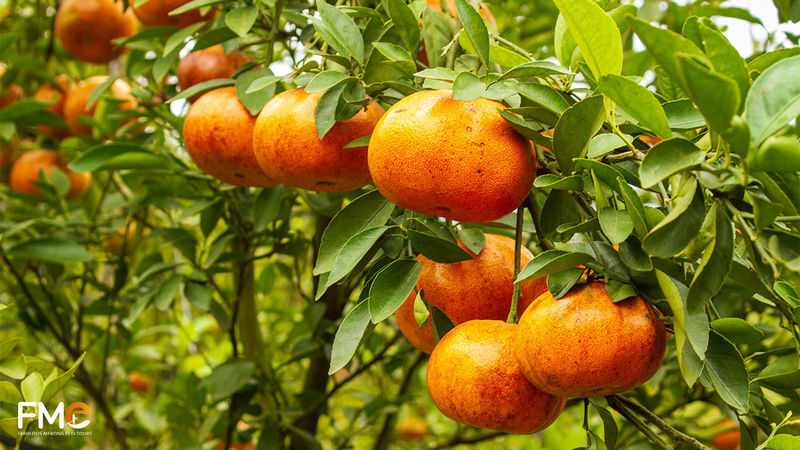
Next comes the red mandarin orchard in Lai Vung. The crop is harvested only once a year, so this stop gives the day a clear seasonal anchor. You can taste the mandarins while hearing local stories connected to the citrus trees, an appealing combination of food and context rather than a simple produce purchase.
The orchard is also where lunch is served. The meal includes Lai Vung specialties, and one drink is listed as included. The exact dishes are not specified, so don’t count on a particular menu. If you have dietary needs, ask the operator before booking rather than assuming the meal can be adjusted.
This visit is most meaningful when the fruit is in season. The tour’s emphasis is on the pre-Tet period, when the orchard and Sa Dec flower district offer a sense of the year-end cycle. Outside that window, the tour may still run, but the seasonal character described for the mandarin stop may not be the same. Confirm the orchard conditions for your date if tasting fresh fruit is a main reason for booking.
A quiet pause at Kien An assembly hall
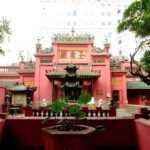
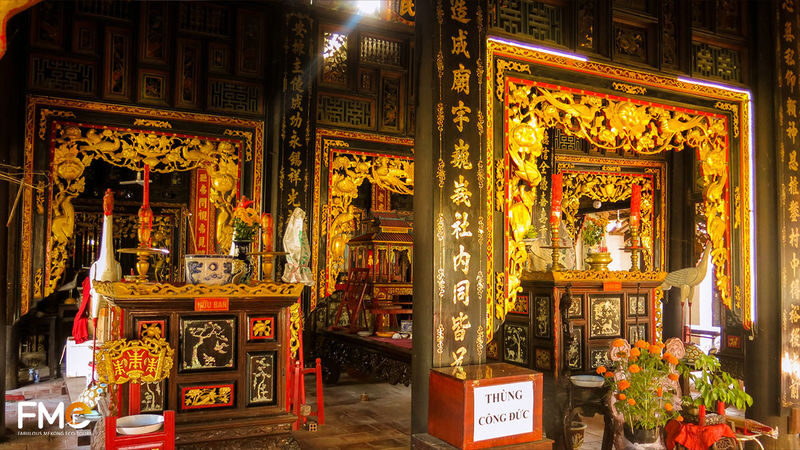
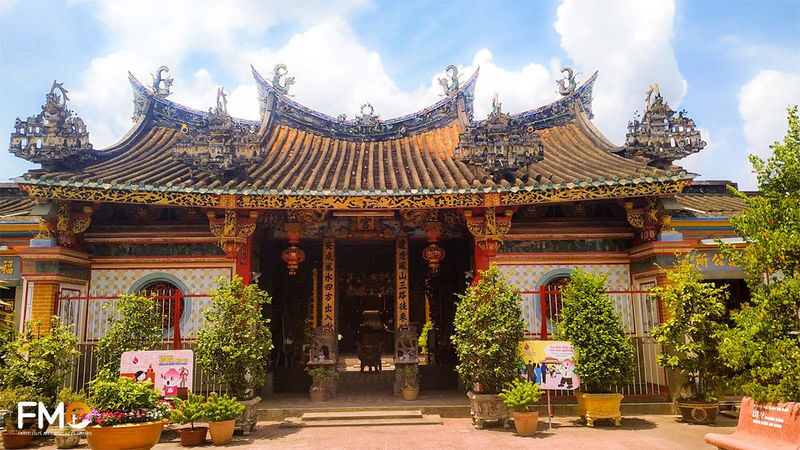
In Sa Dec, the itinerary includes Kien An assembly hall, a temple dedicated to Guang Ze Zun Wang, also known as Ong Quach. The deity is described as one of the guardian figures for the Hoa community of Fujian descent. This stop adds a cultural and religious layer to a day otherwise focused on crafts and agriculture.
The value here is context. Rather than treating Sa Dec only as a picturesque flower destination, the visit points to the communities and beliefs that have shaped the region. The tour information does not promise a long architectural lecture or list specific decorative features, so it’s best to arrive ready to observe and listen rather than expect an exhaustive heritage tour.
As at any religious site, follow your guide’s instructions and be considerate of people who may be there to worship. The tour does not spell out a dress code, but modest, respectful clothing is a sensible choice for a temple visit.
Sa Dec’s flower and ornamental plant village
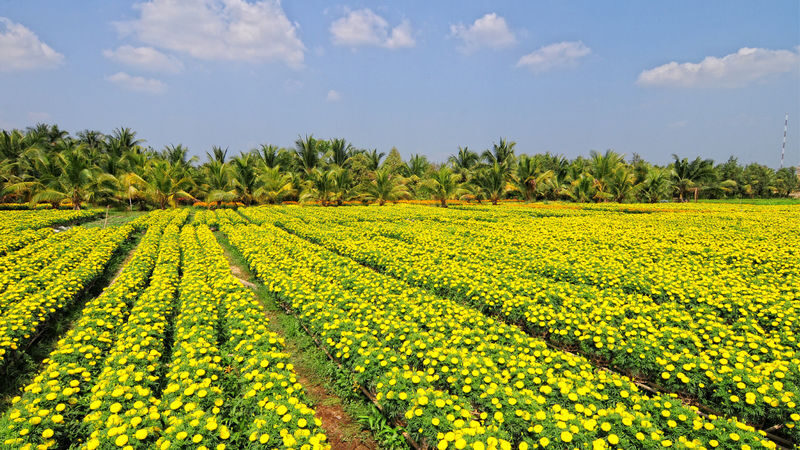
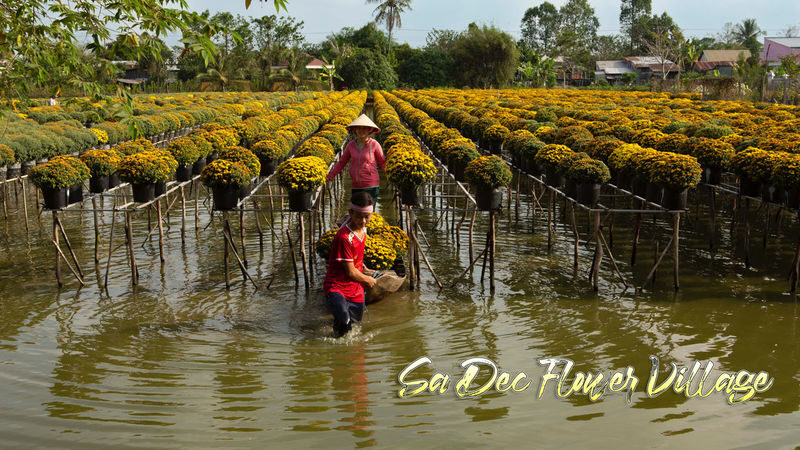
Sa Dec’s flower and ornamental plant village is the day’s most colorful stop, particularly in the lead-up to Tet. The district has been known for flower and ornamental plant cultivation along the Mekong River since the 19th century. You’ll see an agricultural tradition that is also part of the region’s identity and seasonal trade.
The tour promises a guided exploration of the area’s notable attractions, but it doesn’t name each garden or specify how long you’ll stay. That means this is not a set of guaranteed, individually described garden visits. The pleasure is more likely to come from seeing the broader growing area and its plants in season.
If flowers are your main interest, timing is important. The year-end period is the best fit for the tour’s description, but weather and growing cycles can affect what is in bloom. Bring a phone or camera if you like taking pictures, while keeping in mind that the tour is a working-day excursion, not a dedicated photography session.



The Lai Vung stop on the way back
The final listed stop is Ut Thang rest area in Lai Vung district, where you can pause and try Nem Lai Vung, the area’s fermented pork specialty. It is a brief food stop rather than another full village visit, and gives you one last taste of local produce before the return journey.
The itinerary mentions Lai Vung twice: first for the orchard and lunch, then for this rest-area break. That’s useful to know when you’re picturing the route. You’ll have a chance to rest and sample the specialty, but the tour does not state that a serving is included in the price. Bring cash for personal purchases.
What the price covers, and what it doesn’t
The Can Tho departure starts at US$118.25, while the Sai Gon departure starts at US$174.19. The difference reflects the departure option, but the supplied details don’t break down transfer distance or travel time by city. For a fair comparison, check the exact pickup and drop-off arrangements for your chosen package before paying.
The listed price includes attraction admission, a guide who speaks English or Vietnamese, lunch, round-trip hotel transfers, and a drink. For a long day with several guided stops, transport and lunch are meaningful parts of the value. You’re paying for a coordinated route through multiple places, not simply entry to one attraction.
Personal expenses and tips are extra. There is also a surcharge of VND 735,000 per person for travel from February 16 to 22, 2026, during Lunar New Year, payable onsite. That is a substantial addition, so include it in your budget if your dates fall within that period.
Picking the right departure and preparing for the day
The Can Tho option lists hotel pickup for hotels in the city center. If your hotel is outside that area, the meeting point is the Ho Chi Minh Statue at 24 Hai Ba Trung, Tan An, Ninh Kieu, Can Tho. Arrive ten minutes early. Pickup may be early or late because the transfer is shared, so leave some slack in your morning plans.
The Sai Gon option is listed at a higher starting price, but the meeting details provided are more specific for Can Tho. Enter your hotel name and address when booking and wait for the operator to confirm the pickup time. The tour notes that late arrivals and no-shows are not refundable, so don’t cut it close.
Pack sunscreen, sunglasses, a cap or hat, and cash. The day includes outdoor village and orchard visits, and cash is useful for personal purchases. Pets are not allowed. Children aged 0 to 5 can join free if they do not need a separate seat; children aged 15 and older pay the adult rate.
The operator can cancel in the event of extreme weather or other unforeseen events, with the choice of rescheduling or receiving a full refund. The schedule may also change due to traffic or weather. Build flexibility into the day, especially if you have a fixed evening commitment.
Language, service, and the kind of guide you may get
The guide speaks English or Vietnamese, but the level of English can vary. One past Saigon guest said basic English covered the crucial information, including pickup and meeting times, while the destinations themselves offered little English. That’s a realistic expectation: you can get the structure of the day, but shouldn’t assume detailed interpretation at every stop.
That same Saigon guest singled out Mr. Khánh for arranging pickups and helping with photographs. It’s a useful sign of the sort of practical care that can make a long day easier, but it does not guarantee he will lead your departure. The experience may suit you best if you’re comfortable asking simple questions, following meeting instructions, and letting the place itself do some of the explaining.
The provider, Fabulous Mekong Ecotours, has a 97 percent good review rate across 41 reviews. The tour itself has a single five-star rating in the supplied information, so there is limited feedback specific to this exact outing. Treat the individual account as a helpful clue about service and language, not a promise of identical conditions.
Is this Dong Thap and Sa Dec day tour right for you?
Book this tour if you want a full-day introduction to the Mekong Delta through working crafts, farming, local food, and heritage sites. The strongest reasons to go are the hands-on look at mat making, the once-a-year mandarin orchard, and the chance to see Sa Dec’s flower-growing area during the season when it matters most.
It may be a weaker fit if you need fluent English interpretation at every stop, dislike long days on the road, or want a tour centered on river cruising. Before booking, compare the Can Tho and Sai Gon departure details, confirm your pickup, and check whether your dates align with the mandarin season. If those details suit you, this is a practical way to see a more agricultural and culturally varied side of the delta.
Dong Thap, Sa Dec & Dinh Yen Mat-Weaving Village Day Tour
“Very amazing tour, amazing find, did not expect this at all. I booked this tour, despite not being able to converse nor understand Vietnamese. Howe…”
FAQ
Where does the tour depart from?
You can book a departure from Can Tho or Sai Gon. For the Can Tho option, pickup covers hotels in the city center; if your hotel is outside the pickup area, meet at the Ho Chi Minh Statue, 24 Hai Ba Trung, Tan An, Ninh Kieu.
What time does the tour start and return?
Departure is scheduled for 7:30, with a planned return at 17:00. Traffic and weather can change the schedule.
Is lunch included?
Yes. Lunch is served at the Lai Vung orchard and features local specialties. One drink is also listed as included.
What languages does the guide speak?
The guide speaks English or Vietnamese. English may be basic, so you should not expect detailed English interpretation at every stop.
Is there an extra charge during Lunar New Year?
Yes. Travel from February 16 to 22, 2026, carries a surcharge of VND 735,000 per person, payable onsite.
Can young children join the tour?
Children aged 0 to 5 can join free if they do not occupy a separate seat. Children aged 15 and older are charged the adult rate.
What should I bring?
Bring sunscreen, sunglasses, a cap or hat, and cash for personal expenses.