A pottery class gives you something more lasting than a souvenir shop find: a piece you shaped yourself, with the wobbles and fingerprints still part of its story. At Useless Studio, you can try the spinning wheel or make a cup, bowl, plate, coffee dripper, or sake set by hand.
I like the choice between a one-session wheel trial and a hand-building project that unfolds over two classes. I also like that instructors are described as patient and attentive, with hands-on help for beginners who need a little fixing and finishing.
The main catch is time. Hand-built work needs two firings, each taking about three to five weeks, and the studio’s stated addresses conflict: one is in Mong Kok and another is in San Po Kong. Confirm both the location and the pickup schedule before booking.
- The useful details at a glance
- Clay first, finished piece later
- Wheel-throwing: a first turn at the wheel
- Hand-building: choose the object you want to make
- Two classes, two firings, and a long wait
- Patient teaching, with room to make your own choices
- Price, location, and the details to settle first
- Who will get the most from this class?
- Should you book Useless Studio?
- FAQ
- Where is Useless Studio?
- How much does a workshop cost?
- How many classes are included in hand-building?
- How long does it take for a hand-built piece to be ready?
- Are materials and firing included?
- Can I make an oversized piece?
- The Best Of Hong Kong!
- More Workshops & Classes in Hong Kong
- More Tours in Hong Kong
- More Tour Reviews in Hong Kong
- Not for you? Here's more nearby things to do in Hong Kong we have reviewed
The useful details at a glance
 1 / 8
 2 / 8
 3 / 8
 4 / 8
 5 / 8
 6 / 8
 7 / 8
 8 / 8
- The wheel trial starts at US$73.90 and includes materials, trimming, firing, and glazing fees for one product. Check the glazing arrangements before class, since the description also mentions a HK$120 option to take part in glazing.
- Hand-building means two visits: one for shaping, then another for glazing after the first firing.
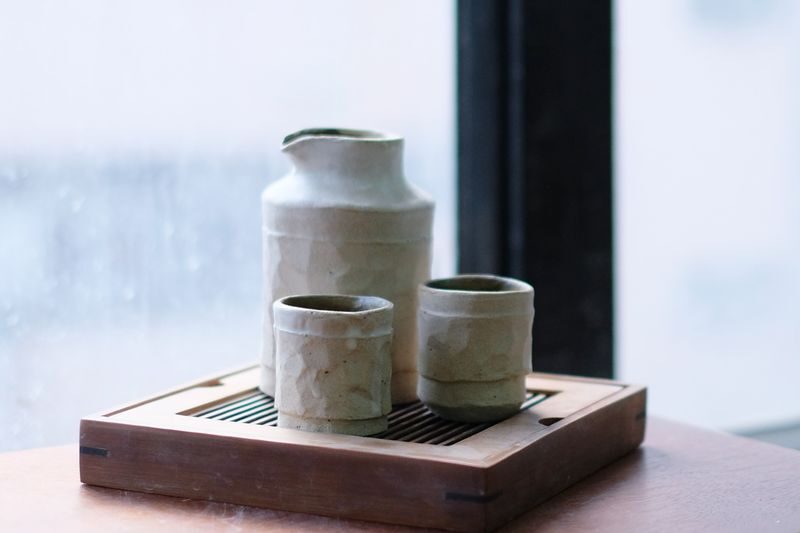
- You choose the form: cup or mug, plate, bowl, coffee dripper, or a sake server with two cups.
- Firing takes time: each cycle is expected to take about three to five weeks.
- Instructors focus on beginners: descriptions of the teaching emphasize clear explanations, patience, and help refining details.
- The address needs checking: Shop 105, 618 Shanghai Street, Mong Kok, appears in the main details, while the practical information gives a San Po Kong address.

👉 See our pick of the Best Historical Tours In Hong Kong
Clay first, finished piece later
Useless Studio’s classes are built around a simple idea: pottery is a process, not a quick craft you finish and carry away in an afternoon. You work the clay, learn how it responds to pressure and moisture, then wait for firing and, for hand-built pieces, return to glaze it.
That slower rhythm is part of the appeal. You are not just decorating a ready-made object; you shape the form and make choices that affect how it looks and feels. The trade-off is that you need patience, and you should not book this expecting to take home a finished piece the same day.
The studio offers two different ways into the craft. Wheel-throwing is the familiar spinning-wheel experience, where you learn to center and shape clay as it turns. Hand-building uses techniques such as clay slabs and other shaping methods, making it a good fit if you want a specific object or prefer working without a wheel.
The focus is on basic technique, with an introduction to how clay and glaze work together. No instructor names or fixed class sizes are provided, but the teaching is presented as suitable for first-timers. If you are entirely new to ceramics, that matters: the first challenge is often getting a feel for the material, not producing a perfect pot.
You can also read our reviews of more tours and experiences in Hong Kong


Wheel-throwing: a first turn at the wheel
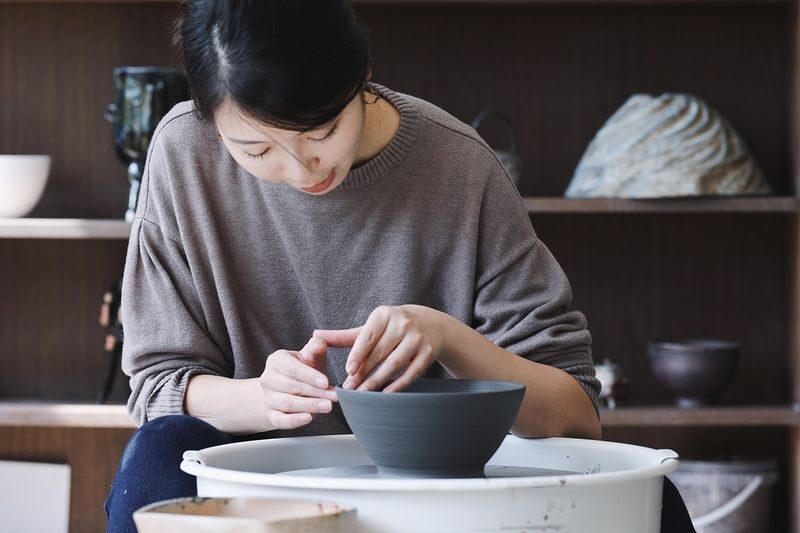
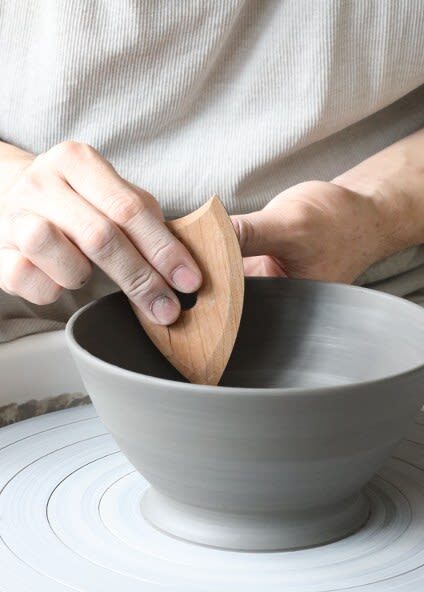
The wheel-throwing trial is the shortest route to the classic pottery experience. You begin by getting to know the clay, then use the spinning wheel to shape it. The class is designed for beginners, and the instructor guides you through the foundations rather than expecting you to arrive with pottery skills.
One participant described making two pieces during the session with a friend, though the package details specify that the included production fees cover one product. Treat that as a useful distinction: you may make more than one attempt in class, but an additional piece can bring an extra charge. The listed fee for trimming and firing an additional piece is HK$120.
The wheel trial costs from US$73.90, the lowest listed price among the options. It includes materials, trimming, firing, and a glazing fee for one product. Yet the class details also say you may pay HK$120 to experience the glazing process. Since those statements leave the exact hands-on glazing arrangement unclear, ask the studio what the base package covers before you book.
Choose the wheel if you want to try a central pottery skill without committing to a two-class hand-building project. It is also a good option if you are curious about ceramics but do not yet know what kind of object you want to make. The result may be less controlled than a hand-built cup or plate, and that is part of learning to work with a turning lump of clay.
Hand-building: choose the object you want to make
Hand-building is the more project-focused choice. Each workshop teaches basic shaping techniques, and the fee includes materials, tools, and firing. You make one of the listed forms, then come back for a second class to glaze the piece after it has been fired.
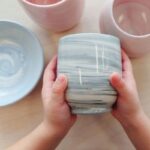
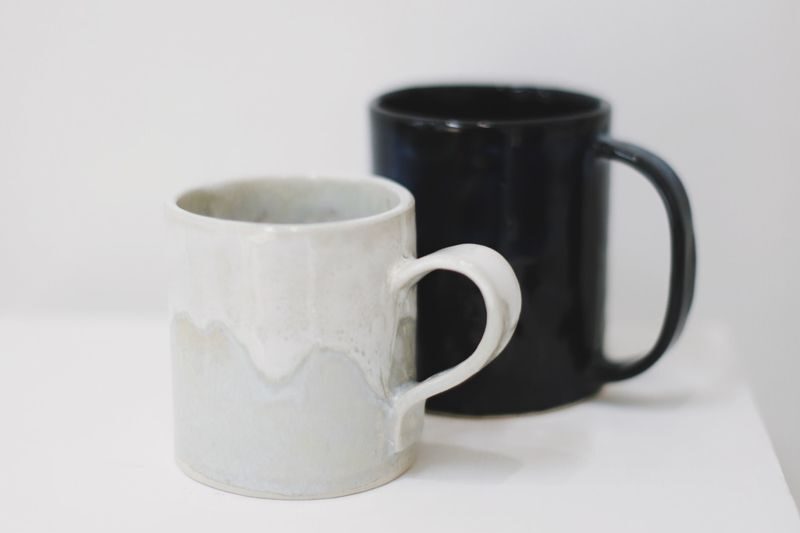
For a cup or mug, you shape clay slabs into a vessel. The class description frames this as a chance to explore how clay responds to time and water, while deciding whether to polish the surface or keep more of its natural texture. It is a practical choice if you want to make something you might use at home, though the final result depends on your shaping and glazing decisions.
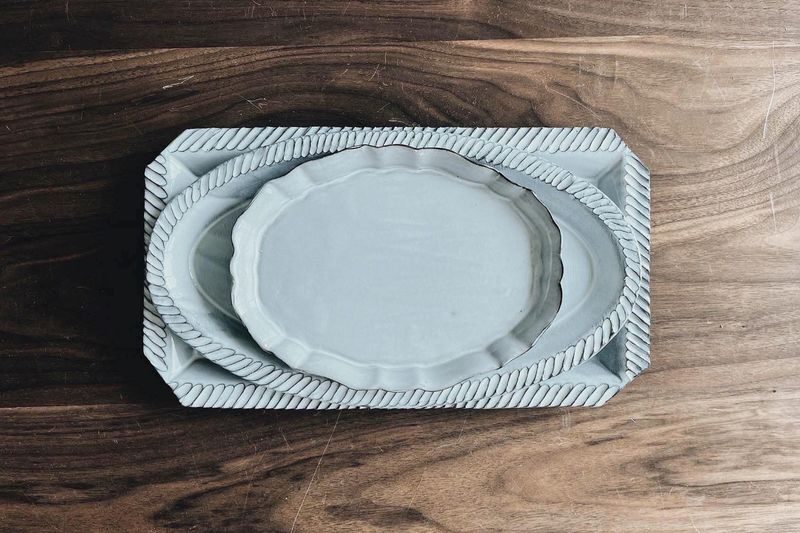
The plate workshop introduces different ways to build a plate, including plaster casting, a method used in ceramic production. You can work beyond the basic outline by adding texture or changing the shape. A plate may look simple, but small differences in its rim and surface can make it feel distinctly yours.
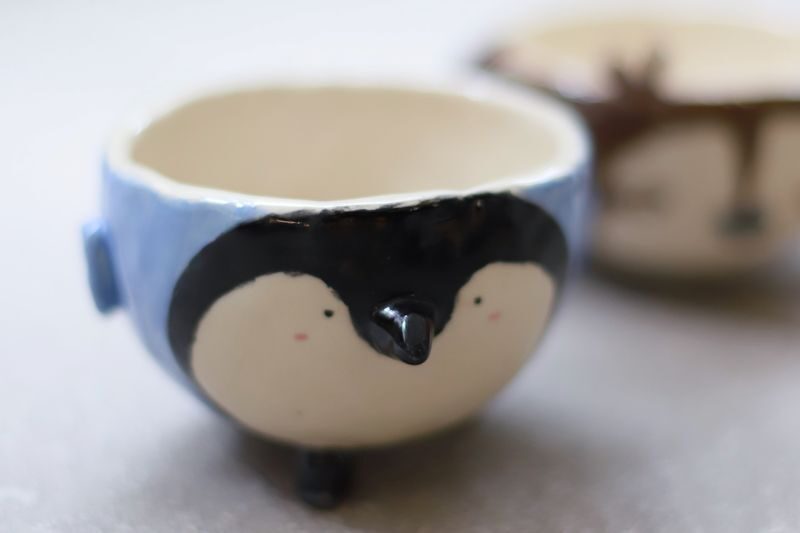
In the bowl class, you learn hand-building methods for forming a bowl. The studio points to Japanese matcha bowls as an example of wares made with related techniques. If you like the expressive, slightly irregular character of handmade ceramics, this is a natural fit. Do keep the size rules in mind: pieces larger than 20 centimetres in width, length, or height incur an extra HK$500 firing fee.
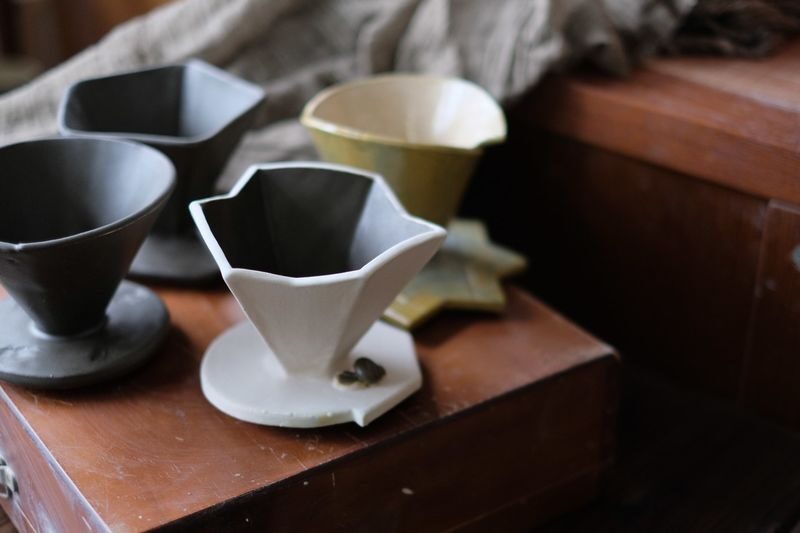
The coffee dripper workshop is aimed at people who brew coffee by hand. Ceramic is valued for retaining water temperature during brewing, and the class lets you make one dripper of your own. It is the most specialized choice, so it makes particular sense if you already care about manual coffee brewing and expect to use the finished piece.
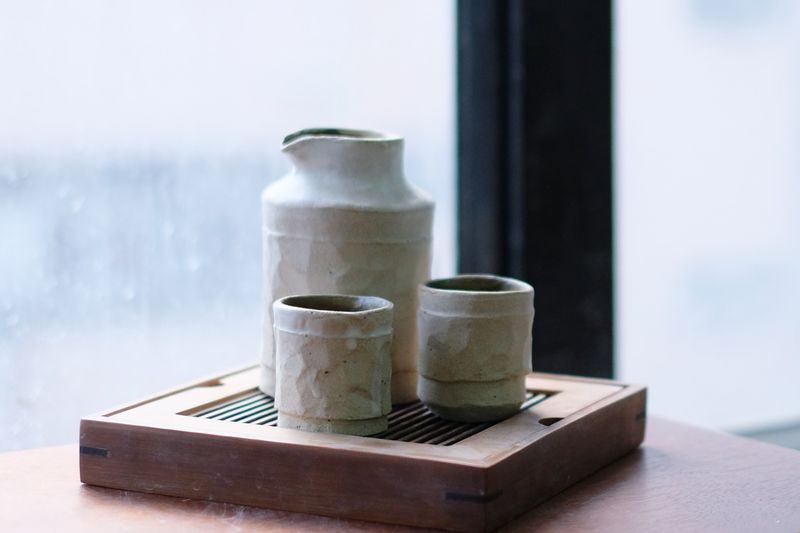
The sake set workshop produces one server and two cups. Its stated design idea draws on choosing appropriate wares for food and drink, with an emphasis on the understated beauty of wabi-sabi. It is a larger project than a single cup, and the package is priced accordingly.
Hand-building options start at US$95.59 for a plate, US$99.39 for a cup or coffee dripper, and US$112.15 for a sake set. These prices are higher than the wheel trial, but they cover a two-class experience rather than a single introductory session. The value is strongest if you want to learn both how to form a piece and how glaze changes its finished appearance.
Two classes, two firings, and a long wait
The hand-building schedule is not simply a matter of choosing two convenient dates. You select the time for the first class, where you shape your work. The studio contacts you to arrange the second class after the piece has been fired and is ready for glazing.
There are two firing cycles before the work is ready for pickup, and each takes about three to five weeks. That means the full process can stretch over a number of weeks. If you are visiting Hong Kong briefly, check whether you can return for the glazing class and collect your piece later. The details do not promise shipping or delivery, so do not assume either is available.
There is also a deadline for arranging the glazing class: you need to book it within one month of being notified that your work is ready. Once the studio says the finished piece is available for pickup, you have two weeks to collect it. Work left beyond that period may be disposed of. These are not minor details; they shape whether the workshop is practical for your trip.
You are notified through Instagram or Facebook direct message. Keep an eye on those accounts after class and make sure you can receive messages there. The time and care that go into firing are part of what makes the finished object meaningful, but the process rewards people who can stay in touch and follow through.
Patient teaching, with room to make your own choices
A recurring strength of the experience is the teaching style. Instructors are described as clear, patient, and attentive, with help available throughout the process. That kind of guidance is especially useful when you are learning how to handle clay or need help refining a small detail without having the instructor take over your project.
One account describes weekday teaching as close to one-to-one. That suggests weekday sessions may feel especially personal, but the studio does not give a guaranteed class size. If individual attention matters to you, ask about the group size for your chosen time rather than assuming a private lesson.
The classes also include more than the mechanics of shaping. The studio aims to explain the stories behind everyday wares and how to appreciate ceramic work. That context can change how you look at an ordinary cup or plate: a slight curve, a textured edge, or a glaze effect becomes a result of deliberate choices, not decoration added at random.
This is a hands-on class, not a lecture about ceramics. Expect to spend your time making, listening, and adjusting your work. You will have some room for personal ideas, but the final object still has to survive drying, firing, and glazing. Clay can be playful; it is also stubborn about physics.


Price, location, and the details to settle first
The listed prices range from US$73.90 for wheel-throwing to US$112.15 for the sake set. For the wheel trial, that is a fairly approachable way to try pottery, provided you understand what is included in the glazing process. For hand-building, the higher fee pays for two classes and the materials and firing needed to make a finished piece.
The location information needs particular care. The main address is Shop 105, 618 Shanghai Street, Mong Kok, and the meeting-point details repeat it. Elsewhere, the practical information gives Room 5, 2F, Laurels Industrial Centre, 32 Tai Yau Street, San Po Kong. Those are different addresses, so confirm the exact studio location and meeting point directly before setting out.
Plan to arrive five minutes before class. Arrival more than 15 minutes late is treated as a cancellation without a refund. Rescheduling is allowed once, if requested at least two days before class, and the new class must take place within two months. A request within two days is treated as a cancellation, and the booking is non-refundable.
The studio asks participants to wear a mask and have their temperature checked before entering the workshop area. If you have flu symptoms, contact the studio in advance about rescheduling. These practical rules are worth checking against current instructions before you go.
Who will get the most from this class?
I would choose Useless Studio if you want to learn a basic craft skill and enjoy the idea of making an object slowly, with a return visit built in. It suits solo participants as well as friends: the sake set and coffee dripper have a clear purpose, while a cup or plate makes a straightforward first project.
The wheel trial is best if you want a taste of pottery without choosing a specific form. Hand-building is better if you know what you want to make or value the glazing session as part of the lesson. The coffee dripper is a thoughtful pick for someone who hand-brews coffee; the sake set makes the most sense if you appreciate its cultural and design angle.
I would hesitate if your schedule is tight, you cannot return for glazing, or you need to take your finished work home immediately. The firing timetable is measured in weeks, not hours. The address mismatch and the unclear wheel-glazing terms are also worth settling before you pay.
Should you book Useless Studio?
Book this workshop if you want a patient introduction to pottery and are willing to give the finished piece time to emerge. The strongest reasons to go are the choice of projects, close guidance for beginners, and the chance to learn both shaping and glazing. Before booking, confirm the address, the wheel package’s glazing details, and whether you can attend the later class and collect the work on schedule.
Useless Studio – Ceramic Experience Workshop | Mong Kok
“My friend and I participated in this pottery class, and after completing it, my friend and I felt it was an enjoyable experience. Most importantly,…”
FAQ
Where is Useless Studio?
The main location is given as Shop 105, 618 Shanghai Street, Mong Kok. Another set of practical details lists Room 5, 2F, Laurels Industrial Centre, 32 Tai Yau Street, San Po Kong. Confirm the correct address with the studio before your visit.
How much does a workshop cost?
The wheel-throwing trial starts at US$73.90. Hand-building starts at US$95.59 for a plate, US$99.39 for a cup or coffee dripper, and US$112.15 for a sake set.
How many classes are included in hand-building?
Each hand-building theme includes two classes. The first is for shaping, and the second is for glazing after the work has been fired.
How long does it take for a hand-built piece to be ready?
There are two firing cycles before the work is ready, and each cycle takes about three to five weeks. The studio contacts you when the piece is ready for glazing or pickup.
Are materials and firing included?
Yes. Hand-building includes materials, tools, and firing. The wheel trial includes materials and production fees for one product, though you should confirm exactly how glazing participation is handled.
Can I make an oversized piece?
Work over 20 centimetres in width, length, or height has an additional HK$500 firing fee.