Uluru’s scale makes most sense on foot. This early start takes you along a 10.5 km base walk, past sacred places, waterholes and ancient rock art, with an Anangu-focused account of the stories that give the site meaning.
I like two things in particular: the guide connects the land’s features to Tjukurpa, Anangu law and belief, and the shuttle makes a predawn start from Yulara much easier. You also get a simple breakfast and hot drink before the walk.
One point to get straight before booking: leaving before sunrise does not guarantee a classic sunrise view of Uluru from a distant lookout. You may be close to the rock as daylight arrives, and the full walk is long, with a pace some people find brisk.
- Walk the full 10.5 km circuit: This is a substantial outing, not a quick stop at a viewpoint.
- Hear Anangu stories on site: The guide interprets Tjukurpa at Kuniya Piti, the Mala Walk and Mutitjulu Waterhole.
- See a desert waterfall after rain: Kantju Gorge can carry water that plunges about 90 metres, though flow depends on rainfall.
- Start before dawn: Departure is about 60 minutes before sunrise, with exact pickup times changing through the year.
- Bring your own park pass: Uluru National Park admission is extra and the pass must be carried with you.
- Plan for heat and walking: Wear walking shoes, carry water, and be ready for stairs and a long morning outdoors.
- Uluru at First Light, Close Up
- Breakfast at the Start, Then Kuniya Piti
- The Mala Walk and Kantju Gorge
- Lungkata Walk and Mutitjulu Waterhole
- A Long Walk, With a Pace to Consider
- Getting Ready for a Predawn Start
- What the Price Buys
- Who Should Book This Walk
- Should You Book the Uluru Morning Walk?
- FAQ
- Does this tour include a distant sunrise viewing?
- How far is the walk?
- Is Uluru National Park admission included?
- What food and drinks are provided?
- What should I bring and wear?
- Can children join the tour?
- More Tours in Northern Territory
- More Tour Reviews in Northern Territory
- Not for you? Here's more nearby things to do in Northern Territory we have reviewed
Uluru at First Light, Close Up
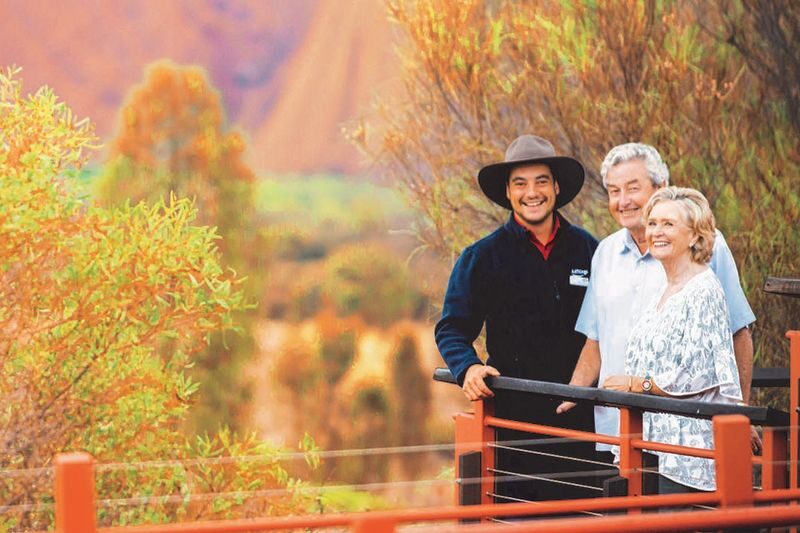
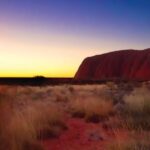
This tour is built around the walk, not a distant sunrise lookout. It starts at Ayers Rock Resort roughly an hour before sunrise, then takes you to the base of Uluru. One person who joined the outing noted that the rock’s famous sunrise colors are best appreciated from farther away. Here, the reward is different: you experience the changing morning light while walking close to the rock.
That distinction matters when you choose. If your main goal is to photograph Uluru glowing from across the plain, arrange a separate viewing stop. If you want to understand the base and its cultural places, this walk gives you far more time on the ground than a brief coach visit.
The morning air and light are a welcome setting for a long walk, but conditions can change quickly. The tour runs in all seasons, and summer heat can become serious. An account of a January walk describes temperatures rising from around 30°C toward 40°C, a good reminder to drink often and take sun protection seriously.
Breakfast at the Start, Then Kuniya Piti
The outing begins with a light breakfast and tea, coffee or hot chocolate. Biscuits are included, and food and drink may also be offered during the walk. It is a modest meal, not a substitute for a proper breakfast if you need more to keep going.
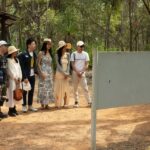
From there, the group starts at Kuniya Piti, a sacred place for the Anangu. The guide introduces Tjukurpa, the foundation of Anangu culture and the system of belief and law tied to the land. This context changes the walk: Uluru is not simply a striking rock formation to circle, but a place whose features and stories carry meaning for its traditional custodians.
You will hear the story of the Mala Men as you move through the area. Take time to listen, and follow the guide’s instructions around sacred places. A guided visit is valuable here because it gives you a chance to learn how to approach the site with respect, rather than treating it as scenery alone.
You can also read our reviews of more tours and experiences in Northern Territory.

The Mala Walk and Kantju Gorge
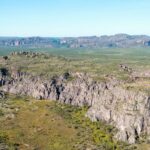
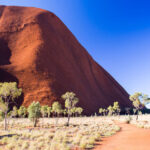
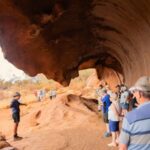
The route continues along the Mala Walk, where the guide explains the local stories and features of the area. The walk brings you close to Uluru’s contours, and the changing scale is one of its pleasures. From a distance, the rock reads as one enormous shape. Along the base, you notice details that a lookout cannot offer.
Kantju Gorge is a highlight, especially after rain. The waterfall here can plunge about 90 metres, making it the tallest in Central Australia. But this is a desert environment, so the waterfall depends on rainfall. Do not book expecting a full cascade on a dry morning; the gorge itself and the guide’s explanation are part of the stop.
There is a short pause before the group continues toward the Lungkata Walk. That break is welcome, but it is not a leisurely half-day picnic. A past outing was completed in about four and a half hours, and one participant felt the group moved too quickly to stop often for photos. If you like a slow pace, ask about the expected walking speed before you commit.
Lungkata Walk and Mutitjulu Waterhole
On the Lungkata section, you hear the story of the Blue Tongue Lizard. The route gives the guide more chances to connect the natural forms around you with Anangu stories. Those explanations are a key part of the experience, so staying close enough to hear is important, particularly if the group is large.
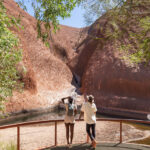
At Mutitjulu Waterhole, you see Aboriginal rock art and hear the story of Kuniya and Liru. The waterhole was an important source of water, and it helps make clear why these places matter beyond their visual appeal. Rock art is not decoration for a visitor trail; it is part of a continuing cultural record. Listen to the guide and follow any instructions about viewing the site.
After the waterhole, the walk returns to Kuniya Piti, completing the base circuit. You then ride back by coach to Ayers Rock Resort. The tour provides a souvenir certificate, a small keepsake after a physically demanding morning.
A Long Walk, With a Pace to Consider
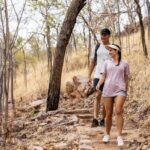
The stated route is 10.5 km, and the activity requires an intermediate level of fitness. There are stairs, and the walk is not suitable for wheelchairs or strollers. You do not need to be an athlete, but you should be comfortable walking for several hours and keeping up with a group.
The pace is an important trade-off. A guide can provide cultural context and keep the group moving, but a brisk group walk leaves less freedom to linger at every feature. One person found the pace rushed and had trouble hearing explanations in a large group. Another found the guide’s pace comfortable. Your experience may depend on the group size, your walking speed and how often you like to stop.
Group sizes can vary. A group of 28 was described as workable, while a larger group could make it harder to hear. If you have concerns about pace or hearing the commentary, ask the operator before booking whether the expected group size or walking speed is available.
A guide named Sofia has been singled out for her friendly manner and strong explanations, while driver Col has been noted for a warm welcome. Staff can vary by date, so consider those names an example of the service you may receive, not a guaranteed crew assignment.
Getting Ready for a Predawn Start
Pickups are from Ayers Rock Resort properties in Yulara, including Emu Walk Apartments, Desert Gardens Hotel, Ayers Rock Campground, Outback Pioneer Hotel and Sails in the Desert. The departure is scheduled about 60 minutes before sunrise, and the exact time changes through the year. The available times can range from 4:40 a.m. to 6:45 a.m.
Your confirmed departure time appears on the voucher. The operator asks you to call at least 24 hours before the tour to confirm the time and place. Be ready in the hotel lobby about 10 to 15 minutes early, since this is a shared transfer and pickup may be early or late. The coach is air-conditioned and has restroom facilities, a practical comfort on a morning that starts in the dark.
Bring walking shoes, warm clothing for the early hours, a hat, sunglasses, sunscreen and a water bottle with a capacity of two litres. A flynet can be useful in summer, though it is optional. Dress for the forecast, and do not assume a cool dawn means the whole walk will stay cool.
You need a separate Uluru National Park ticket before joining the tour. It is valid for three consecutive days, and you must carry it each time you enter the park. The tour’s round-trip transport and guide are included, but park admission and personal expenses are not.
If you are flying in, plan to arrive at Ayers Rock Airport the day before. For your return flight, the stated guidance is to depart after 1:15 p.m. from October through March, or after 2 p.m. from April through September. The tour’s return time varies, and the walk can take several hours, so a tight flight connection is a poor fit.

What the Price Buys
The listed price starts at $143.69, while the join-in package is shown at US$146.99. Confirm the final amount and currency when booking. The cost covers the guide and driver, shared round-trip transfers, air-conditioned coach, small-group format, light breakfast with a hot drink and biscuits, and a souvenir certificate.
That is fair value if you want a guided cultural walk and do not have your own transport. You are paying for more than a ride to the base: the guide helps explain the stories and sacred sites along a route that would be easy to walk without understanding much of what you see. The shuttle also removes the problem of arranging a predawn transfer from Yulara.
The park ticket is an extra expense, and the tour is not a bargain if you only want a sunrise photo or a short stroll. You can visit the base independently, but you would give up the guided interpretation and organized transport. The choice comes down to whether those two things are worth the added cost to you.
Who Should Book This Walk
This tour suits you if you want a long, active visit to Uluru and value cultural interpretation as much as the views. It is especially useful if you are staying at Ayers Rock Resort and prefer not to manage early-morning transport yourself. The small-group format is intended to make the outing more personal, though actual group size can vary.
It is a less comfortable match if you need a slow, flexible pace, have limited mobility, or want to spend much of the morning taking photographs. The 10.5 km route, stairs and heat call for preparation. Families can bring children, but anyone aged 0 to 17 must be with a paying adult; children aged 0 to 1 are free.
Should You Book the Uluru Morning Walk?
Book it if you want to walk close to Uluru, hear Anangu stories in place, and are ready for several hours on your feet. The combination of transport, breakfast and a guide makes the outing convenient, and the cultural context gives the route substance.
Skip it if your priority is a classic sunrise view from a distance, or if you want to wander at your own pace. In that case, plan a separate sunrise viewing and consider walking the base independently. For the guided option, go prepared for the distance, carry water and confirm your pickup time the day before.
Uluru Morning Tour and Guided Base Walk
“A huge shoutout to Sofia, our amazing guide! She was incredibly friendly, cheerful, and so knowledgeable. Her positive energy and passion really ma…”
FAQ
Does this tour include a distant sunrise viewing?
No distant lookout is specified. The tour departs about an hour before sunrise and takes you to Uluru’s base. The focus is the guided walk, and you may be too close to see the sunrise effect that a distant viewpoint offers.
How far is the walk?
The guided base walk is 10.5 km. It includes sections such as the Mala Walk and Lungkata Walk, plus stops at Kantju Gorge and Mutitjulu Waterhole.
Is Uluru National Park admission included?
No. You need to buy the park ticket separately before the tour, and carry it whenever you enter the national park. The ticket is valid for three consecutive days.
What food and drinks are provided?
The tour includes tea, coffee or hot chocolate, biscuits and a light breakfast. The menu can change with the season and ingredient availability.
What should I bring and wear?
Bring sunscreen, a hat or cap, sunglasses and a water bottle with a two-litre capacity. Wear walking shoes and warm clothing for the early start, and consider a flynet in summer.
Can children join the tour?
Children aged 0 to 1 can join free. Children aged 0 to 17 must be accompanied by a paying adult. The walk involves considerable walking and stairs and is not wheelchair- or stroller-accessible.