Saitama’s Railway Museum puts you close to 42 real railway vehicles, from historic cars you can step inside to trains displayed outdoors. It’s a place where rail history is not just read from a panel: you can explore hands-on exhibits, see a huge railway diorama, and watch trains pass from rooftop viewing areas.
I like two things in particular: the museum connects the story of trains to everyday life, and the hands-on activities give children a reason to stay curious beyond the first few exhibits. One consideration: popular rides and simulators may need advance booking or extra payment, and some activities may be harder to use if you do not read Japanese.
Key points
- 42 railway vehicles include real trains on display, with some cars open to explore.
- Five themed stations cover rolling stock, science, railway jobs, the future, and history.
- The giant railway diorama is a major stop, alongside simulators and a mini driving train.
- Family breaks are built in, with a children’s play area, child-friendly dining, and a dining car.
- Rooftop viewing areas let you watch Shinkansen and conventional trains pass.
- The Klook ticket starts at $9.49, with QR-code entry and a specified visit date.
- Key points
- A close-up look at Japan’s railway story
- Start with the trains, then follow the five stations
- Allow time for the diorama and hands-on activities
- Make room for an ekiben break
- Look out from the rooftops
- Plan a half-day, or more with children
- Is the .49 ticket good value?
- Check the calendar before you go
- Who should book the Railway Museum?
- FAQ
- How long should I plan for the Railway Museum?
- What are the museum’s opening hours?
- Which days is the museum closed?
- Are children under three admitted free?
- Can I use the Klook voucher to enter directly?
- Can I cancel or get a refund for this ticket?
- More Tours in Saitama
- More Tour Reviews in Saitama
- Not for you? Here's more nearby things to do in Saitama we have reviewed
A close-up look at Japan’s railway story
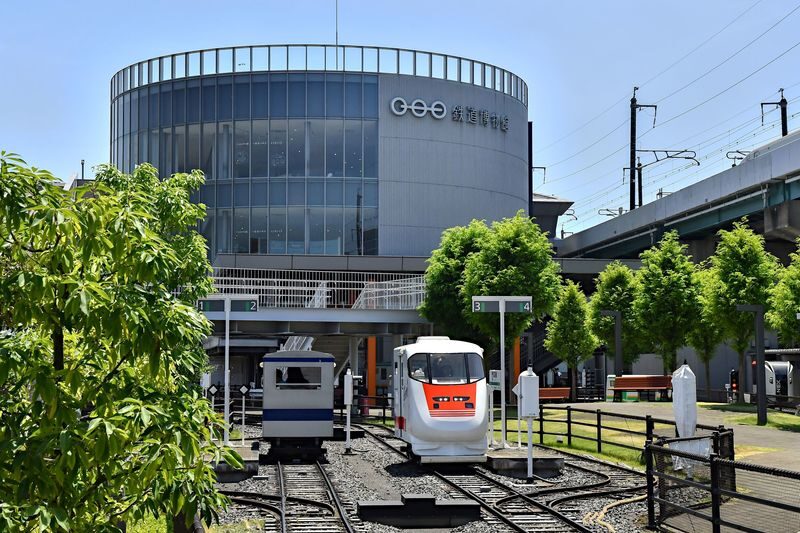
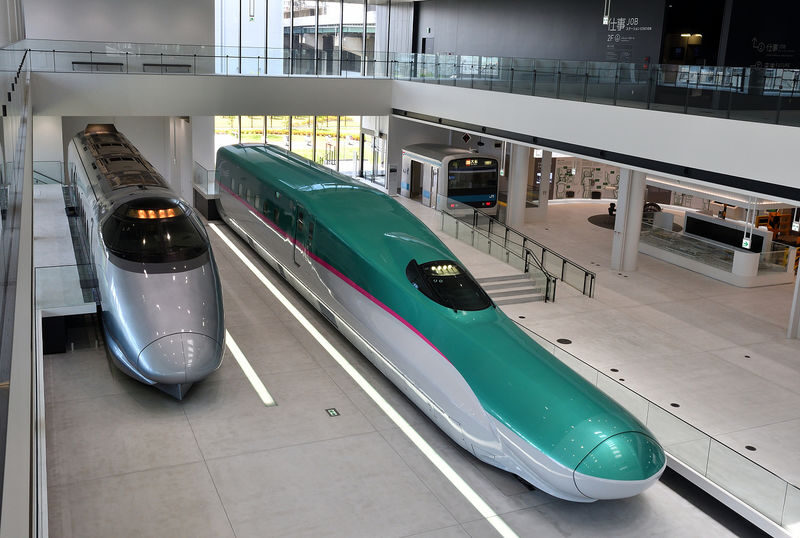
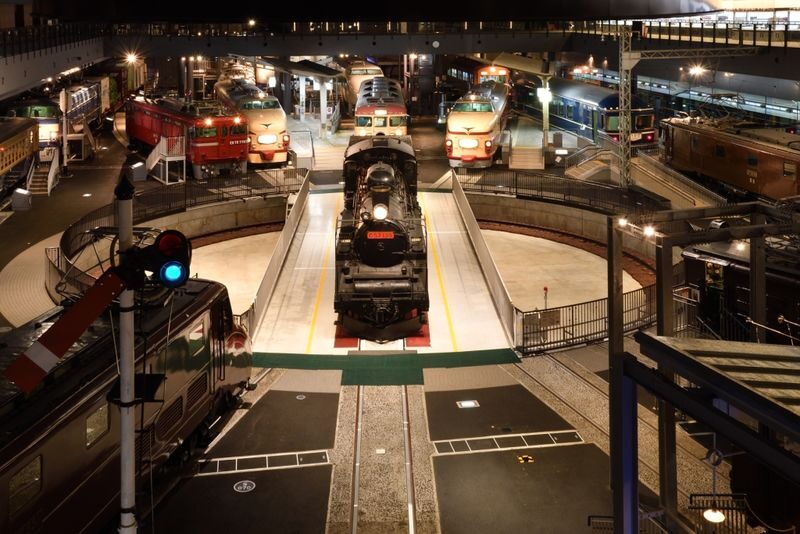
Opened in Omiya in 2007, the Railway Museum grew from a project marking JR East’s 20th anniversary. A new south building opened in 2018, and the main building was renovated, giving the museum more room to tell its story through exhibits and activities rather than displays alone.
The result is a large, multi-floor museum divided into five themed stations: Rolling Stock, Science, Job, Future, and History. That structure helps you make sense of a collection that could otherwise feel like a long row of old trains. You can move from the machines themselves to the people, work, and ideas that keep a railway running.
For rail enthusiasts, the appeal is immediate: real vehicles, detailed displays, and the chance to get close to trains from different eras. But you do not need to know your locomotive types to enjoy it. The museum is also designed for families, with interactive elements and a dedicated play area that help younger children stay involved.
You can also read our reviews of more tours and experiences in Saitama.
Start with the trains, then follow the five stations
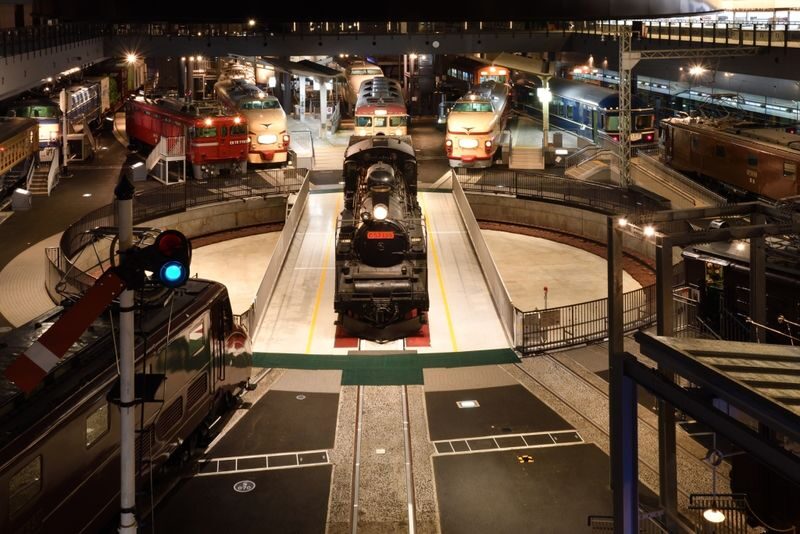
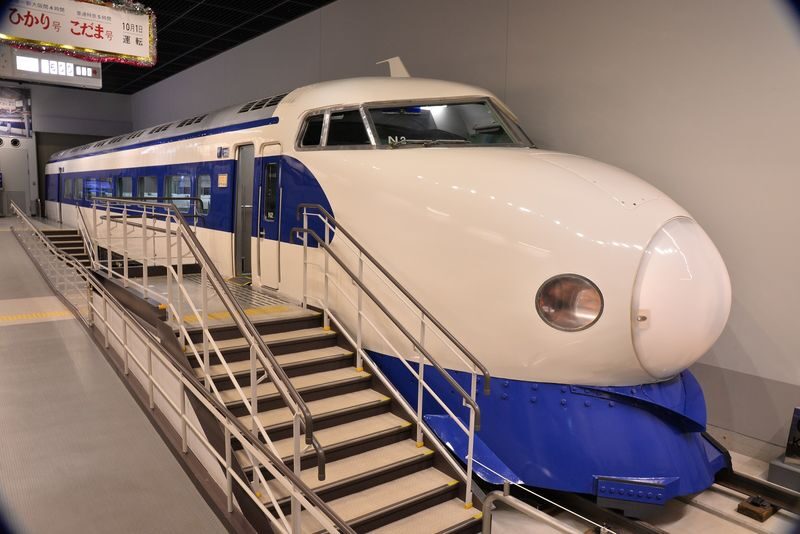
The Rolling Stock Station is the natural first stop. The museum displays 42 real railway vehicles, including indoor and outdoor exhibits, and some cars can be entered. Walking through a carriage gives you a feel for the scale and layout in a way a photograph cannot. Other vehicles are best viewed from outside, so plan to pause and look closely rather than expecting to board every train.
As you explore, notice how railway vehicles reflect more than design changes. A carriage can tell you about the way people travelled, while freight and refrigerated cars show how trains moved goods such as produce and fish. That wider view makes the museum worthwhile even if you arrive mainly for the impressive engines.
The History Station adds context to the hardware. Materials gathered over the course of the museum’s first century of railway collecting trace how Japan’s railways developed. The Railway Cultural Gallery looks at the connection between railways and Japanese culture, giving you a different angle from a simple timeline of trains.
The remaining stations widen the subject. At the Science Station, exhibits focus on how railways work; the Job Station turns attention to the people and tasks behind the service; and the Future Station looks toward what railways may become. Together, they help make the museum feel like a story about people and transport, not just a warehouse of historic cars.
Allow time for the diorama and hands-on activities
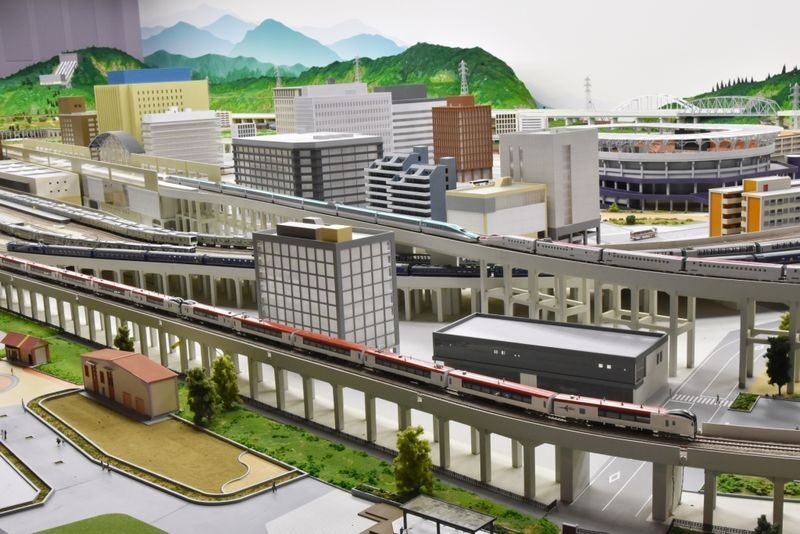
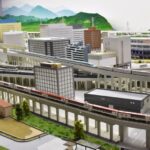
The museum’s railway diorama is a highlight, and it deserves more than a quick glance. It is described as Japan’s largest railway diorama, so give yourself time to watch the miniature network and pick out the small details. It offers a different pleasure from the full-size vehicles: here, you can take in the movement and complexity of a railway system at once.
For children, the mini driving train and vehicle simulators add a chance to take part rather than simply look. These are popular activities, so it is wise to check the museum’s current arrangements when you arrive. One practical tip from visitors is to use the Railway Museum app to book ride tickets ahead of time. Some activities may also require an extra payment, so do not assume every experience is covered by admission.
The simulator experience may not suit every international visitor equally well. A visitor noted difficulty arranging simulator access as a foreigner, and some signage may be in Japanese only. If a particular activity is central to your visit, check the museum’s current instructions before you go and keep expectations flexible.
The museum also has a playground designed to help children get familiar with railways through play. This is useful when little ones need a change of pace after concentrating on exhibits. Older children may want to spend more time with the trains and interactive stations, while younger ones may be happiest splitting the visit between displays and the play area.
Make room for an ekiben break
Rail travel in Japan has its own food culture, and the museum gives you a chance to enjoy it on site. You can buy an ekiben, a boxed meal associated with train journeys, and eat in a dining train. That setting turns lunch into part of the visit, rather than a break that pulls you away from the railway theme.
There is also a child-friendly café where families can pause, and outdoor seating in a repurposed train car. These options are especially useful if you are visiting with children and want to avoid rushing through the exhibits. The train-themed shop sells original goods, so you can look for a souvenir that is specific to the museum rather than a generic station keepsake.
Food and breaks matter here because the museum is larger than a quick stop. Two hours can give you a good look around, but families and rail fans may want considerably longer. One family-focused visit can easily stretch toward a full day, especially if you include play time, a meal, and the interactive activities.
Look out from the rooftops
The main and south buildings have rooftop viewing areas where you can watch Shinkansen and conventional trains run. This is a welcome change of scale after studying model trains and historic cars. It also helps connect the museum’s displays with the working railway outside.
If you have children with you, the rooftop can be a good point to build into the day as a shared pause. For an enthusiast, it offers another reason to look carefully at the different kinds of trains in service. The viewing areas are part of the museum experience, but the trains passing by are operating on the real railway, not part of a scheduled museum show.
Plan a half-day, or more with children
The suggested visit length is two to four hours, which is a fair starting point for an adult or a family with a tight schedule. You could spend that time on the main vehicle collection, the five themed areas, and the diorama. If you want to use the simulators, ride the mini train, stop for food, and let children play, leave more room in your day.
A practical order is to begin with the full-size trains, then visit the themed stations and diorama before taking a break. Save the playground or a second look at favourite exhibits for later, when younger children may need a change of pace. There is no need to treat the museum as a race through numbered stops; the scale and range are part of the fun.
The museum is in Omiya, Saitama City, and the supplied address is Railway Museum, Taiseicho 3-chome, Omiya Ward, Saitama City, Saitama Prefecture. One visitor described reaching it from the city centre by Shinkansen, though you should check your own route and train connections before setting out.
Is the $9.49 ticket good value?
At a starting price of $9.49, admission looks like good value for a large museum with 42 real vehicles, several floors, interactive exhibits, a railway diorama, and family facilities. The visit can fill a half-day, and it may take longer if you are travelling with children or want to try multiple activities.
The ticket is for admission. Some individual activities may carry extra charges, so set aside a little flexibility if the simulator or mini train is high on your list. The value is strongest if you take time to explore the exhibits, rather than treating the museum as a short photo stop.
Klook booking offers a simple entry method: show the voucher’s QR code at the entrance. The ticket is valid only on the selected date, and it cannot be cancelled or refunded. The price may not be lower than buying on site, so the main benefit is convenience and avoiding the ticket-purchase step.
Check the calendar before you go
The museum is open from 10:00 a.m. to 5:00 p.m., with last admission at 4:30 p.m. It is closed on Tuesdays and during the year-end and New Year holidays, although it may open on Tuesdays during school holidays. Check the official website for the latest hours and closure information before travelling.
Children under three enter free. You can reserve up to six tickets in one application. People with a disability certificate, invitation ticket, or certain discount tickets should buy at the ticket counter rather than purchasing this advance ticket.
Who should book the Railway Museum?
I’d recommend this museum to families with children, railway fans, and anyone curious about how Japanese rail travel developed. Its strongest draw is the mix: you can inspect real trains, learn how railways work, see a large model network, and take a break in a dining car. The museum is especially appealing if the children in your group like vehicles and hands-on activities.
It is a less compelling choice if you want a quiet, quick visit or expect every interactive activity to be included in the admission price. And if the simulators are your main reason for going, check current booking and language arrangements first. Otherwise, book a date that gives you a few hours at minimum, arrive with room in your schedule, and let the trains set the pace.
The Railway Museum Admission Ticket in Saitama
“It was very easy because I could enter simply by showing the QR code at the reception desk!”
FAQ
How long should I plan for the Railway Museum?
The suggested visit is two to four hours. If you are visiting with children or want to try several activities, you may want to allow longer.
What are the museum’s opening hours?
The museum is open from 10:00 a.m. to 5:00 p.m. Last admission is at 4:30 p.m.
Which days is the museum closed?
It is usually closed on Tuesdays and during the year-end and New Year holidays. It may open on Tuesdays during school holidays, so check the official website for current information.
Are children under three admitted free?
Yes. Children under three years old are admitted free.
Can I use the Klook voucher to enter directly?
Yes. You can enter the venue directly with your voucher by showing its QR code. The ticket is valid only on the selected date.
Can I cancel or get a refund for this ticket?
No. This ticket cannot be cancelled, and refunds are not available.