The most gripping part of the Great Hanshin-Awaji Earthquake Memorial Museum is its opening sequence: films and a carefully staged reconstruction bring the scale of Kobe’s 1995 disaster into view before you reach the exhibits. This is a memorial, but it is also a practical lesson in what happens when a city is hit hard, and how people prepare for the next time.
I like two things in particular: the personal accounts and physical traces of the quake make the history human, while the disaster-preparedness activities connect that history to choices you can make today. The museum also works to communicate beyond Japanese, with translation devices and English information available for some content.
One consideration: this is not a quick stop if you want to take in both buildings. The full visit takes about two hours, and some displays or activities may not be available at every visit. Check the museum’s current hours, and arrive well before last admission.
- What to know before you go
- Begin with the films and the quake’s first minutes
- Walk through the damaged city and its surviving evidence
- Follow Kobe’s recovery into the preparedness exhibits
- Make time for both buildings and the details
- Weigh the modest price against the time you have
- Reach the museum from central Kobe
- Sort out your ticket and opening time
- Is the Great Hanshin-Awaji Earthquake Memorial Museum right for you?
- FAQ
- How long should I plan for the museum?
- What are the opening hours?
- Is the museum open on Mondays?
- How do I get there by train?
- Is parking available?
- Does admission include both buildings?
- Is the museum suitable for children?
- Is there information in English?
- Can I cancel the online ticket if my plans change?
- The Best Of Kobe!
- More Museum Experiences in Kobe
- More Tours in Kobe
- More Tour Reviews in Kobe
- Not for you? Here's more nearby things to do in Kobe we have reviewed
What to know before you go
 1 / 5
 2 / 5
 3 / 5
 4 / 5
 5 / 5
- The opening films set the tone: Visitors are directed to an introductory film sequence before exploring the exhibits.
- The West and East buildings are both included: Allow around two hours to see them at a comfortable pace.
- The story moves from destruction to recovery: Expect damaged objects, photographs, personal accounts, and material about Kobe’s rebuilding.
- Some exhibits are hands-on: Activities and experiments explain earthquakes and ways to reduce risk.
- Language help is available for some content: Translation devices and tools for finding English information can help, though not every display is necessarily translated.
- Plan around the schedule: The museum is open Tuesday to Sunday, 9:30 am to 5:30 pm, with last admission at 4:30 pm.

👉 See our pick of the Best Workshops And Classes In Kobe
Begin with the films and the quake’s first minutes
The visit starts with an introduction to the Great Hanshin-Awaji Earthquake, which struck the Kobe area in 1995. The opening films are more than background material. They help explain the event’s force and its impact before you move among photographs and objects from the aftermath.
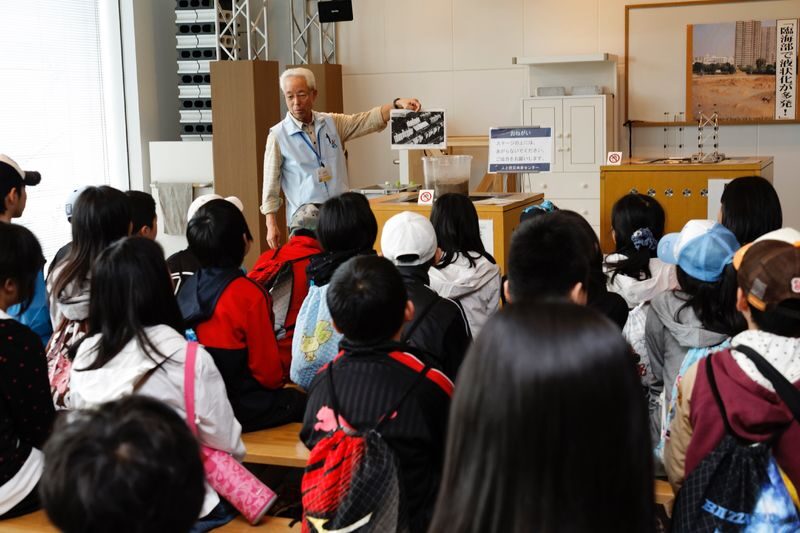
The first film sequence is reported to last about seven minutes, and visitors may be grouped by entry time. One part uses flashing lights to suggest the disorientation of an earthquake. That sensory effect is brief, but it can feel intense. If you or someone in your group is sensitive to flashing lights, keep that in mind.
A second film tells a personal story of loss. Translation headphones are available for some film content, so you may be able to follow even when the original narration is in Japanese. The films are a strong reason not to rush in at closing time. Arrive with enough room in your schedule to watch them and then explore the exhibits that give their scenes context.
This opening is also where the museum’s approach becomes clear: it aims to honor those affected while helping people understand what disasters demand of a community. The subject is painful, and the presentation does not treat it as a spectacle. Give yourself a moment afterward before moving on.
You can also read our reviews of more museum experiences in Kobe


Walk through the damaged city and its surviving evidence
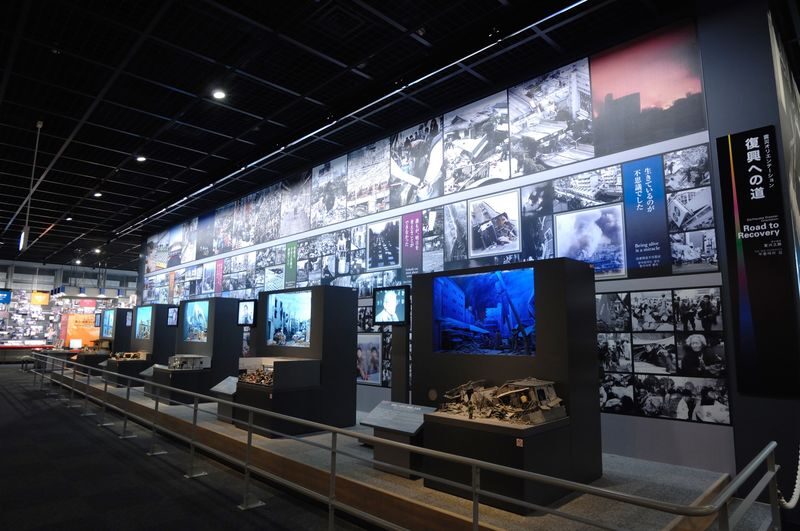
After the films, the route leads into exhibits that show the scale of destruction and the daily reality of the aftermath. Photographs, damaged building pieces, melted coins, and other objects make the earthquake’s effects tangible. A picture can show a collapsed street; a damaged object puts a small, human trace of that event right in front of you.
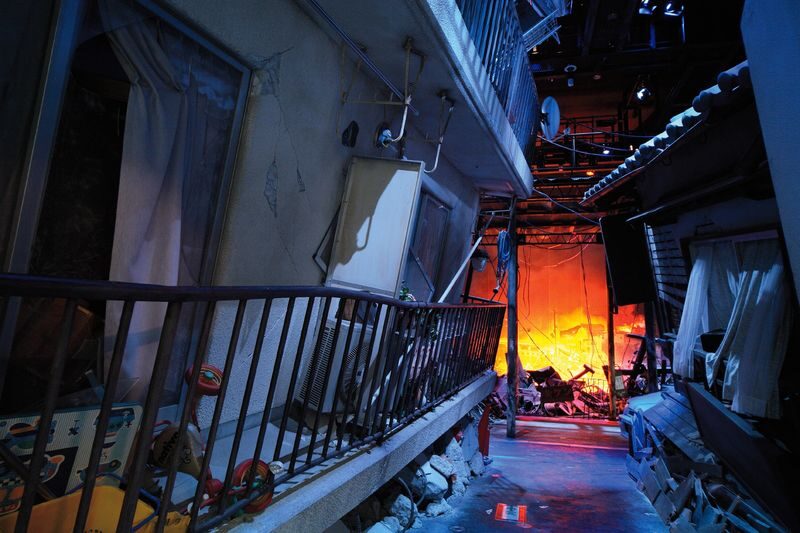
The museum also recreates parts of a damaged city. Moving from a dark passage into this scene gives you a sense of the confusion and disorder that follow a major quake. It is a staged setting, not a simulation of the earthquake itself, but it helps connect the films to the physical spaces people had to navigate.
The displays are not limited to dramatic damage. Personal accounts and photographs bring the story back to the people who lived through it, lost family members, and faced the long work of recovery. That balance matters. Without the personal stories, a disaster museum can become a record of numbers and broken structures. Here, the human cost remains in view.
Take time with the material that speaks to you. You do not need to read every panel to understand the central message, and the emotional sections may ask for a slower pace than you expected. If you are visiting with children, prepare them for serious images and accounts of loss. The museum has educational activities, but its subject is not light.
Follow Kobe’s recovery into the preparedness exhibits
The visit turns from the earthquake itself to what happened next: recovery, rebuilding, and the ways people and institutions can reduce harm in future disasters. This shift is one of the museum’s strengths. It does not leave you with destruction alone; it asks what communities learn and what they do with that knowledge.
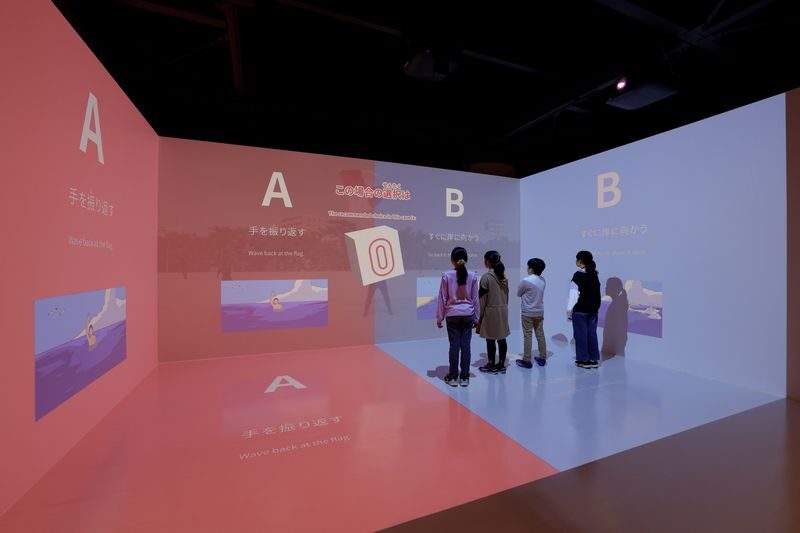
Some exhibits explain the science behind natural disasters. Others use games or experiments to show how preparation can reduce risk and damage. These are useful for children, but they are not only for children. The practical displays give you a reason to think about your own home, neighborhood, and response plans.
The museum’s broader purpose is to pass lessons from the Hanshin-Awaji Earthquake to future generations and support disaster-resistant communities. That aim can sound abstract until you see it alongside the accounts and damaged objects. The exhibits make the link plain: preparation is not a tidy checklist added after the story. It is part of the story’s outcome.
Hands-on features vary, and not every activity is guaranteed to be available. One visitor found an earthquake simulator closed during a visit, so treat any particular interactive feature as a possibility rather than a promise. The museum still offers a substantial mix of films, displays, and learning activities even if a single station is out of service.
Make time for both buildings and the details
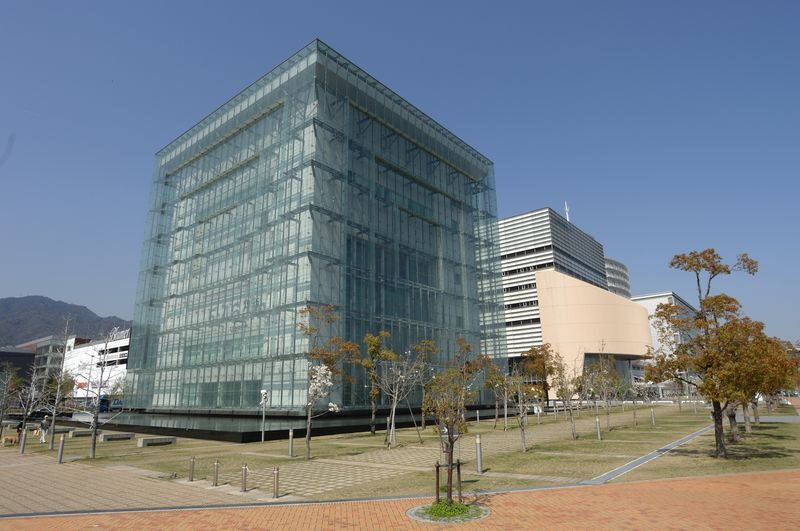
Admission covers the West and East buildings. The West Building holds much of the earthquake information and is often the one that deserves the most time, but the full experience spans both. Set aside about two hours if you want to watch the films, read selected displays, and try the interactive sections without racing.
The listed visit range is one to three hours. In practice, one hour is a tight visit, especially if you arrive during a timed film sequence or pause over the survivor accounts. The museum’s own guidance is to allow approximately two hours to see and experience all exhibits in both buildings. If you have a strong interest in disaster planning or want to read widely, leave more time.
The overall setting is orderly and well maintained, with staff available to assist. Language support is not uniform across every item, so do not assume that every label or film has an English version. Translation devices are available for some material, and visitors have also used a camera or app to access more English information. Bring a phone that can connect to the internet if you plan to use a digital voucher or online information.
Weigh the modest price against the time you have
Admission starts at about $4.10, making this one of Kobe’s more affordable museum visits. For that price, you get access to two buildings and a varied sequence of films, historical displays, personal stories, and educational activities. The value is especially strong if you give the museum enough time to make sense of the full arc, from the quake to recovery and preparation.
The experience is not designed as pure entertainment. Much of the visit depends on watching films, looking closely at exhibits, and thinking about a difficult event. If you want a quick visual attraction or a light break between other sightseeing stops, this may not be your best fit. If you want a serious, well-organized account of Kobe’s recent history, the low admission price buys a lot of substance.
The museum is free on the 17th of each month. If the 17th falls on a scheduled closure day, free admission applies the following day. People with disabilities and adults aged 70 or older may qualify for a discount with the required certificate. Check current conditions before setting out, since hours and closure dates can change.


Reach the museum from central Kobe
The museum is at 1 Chome-5-2 Wakinohamakaigandori, Chuo Ward, Kobe. It is about a 10-minute walk from Hanshin Line Iwaya Station or Kasuganomichi Station, and about 12 minutes from the south exit of JR Nada Station. From Hankyu Line Oji Park Station, allow about 20 minutes on foot.
If you are driving, the museum is about eight minutes from the Ikutagawa exit on the Hanshin Expressway Kobe Line, or four minutes from the Maya exit. Paid parking is available on site, and a reservation is not required.
The walking routes are manageable, but factor them into your day, especially if you are combining the museum with other Kobe sights. The area is not right on the platform: allow for the walk, the opening films, and the time needed to see both buildings. The museum’s location and subject make it a worthwhile stop, but it rewards a planned visit more than a last-minute dash.
Sort out your ticket and opening time
The museum is open Tuesday through Sunday from 9:30 am to 5:30 pm. Last admission is at 4:30 pm, one hour before closing. It is closed on Mondays; when a national holiday falls on a regular closing day, the venue opens and closes the next day. Since hours and closures may change, check the official site before you go.
If you book the online voucher, open it in the Klook app or website under My bookings and show it on your phone to the staff. You need internet access to open the URL voucher. Do not try to operate the ticket yourself. The facility staff must handle it, and a ticket marked as used cannot be used for entry.
The voucher is valid for 90 days from booking confirmation, but the purchase cannot be cancelled or refunded. That makes checking your date and the museum’s schedule especially important. Entry is available to all ages, though the subject matter includes destruction and personal loss, so decide what is right for younger children.
Is the Great Hanshin-Awaji Earthquake Memorial Museum right for you?
I would put this museum high on your Kobe list if you want to understand the city beyond its food and waterfront. It is especially worthwhile for families with school-age children, anyone interested in earthquake science or emergency readiness, and people from earthquake-prone regions who want to compare lessons across places.
The strongest reason to go is the way the museum joins personal memory to practical learning. Its films and survivor stories give the earthquake a human scale, while the preparedness exhibits leave you with questions you can use at home. The main drawback is that the subject can be emotionally heavy, and the visit takes longer than a quick museum stop.
Book if you can give it roughly two hours, arrive early enough for the films, and are ready for a serious account of loss and recovery. If you have only a short window before closing, or want a light attraction, choose another stop and return when you can give this one the attention it deserves.
The Great Hanshin-Awaji Earthquake Memorial Museum
“Please please please add this on your things to do in Kobe. This museum is a work of art, education, and public service that deserves a day by itse…”
FAQ
How long should I plan for the museum?
Allow about two hours to see and experience the exhibits in both the West and East buildings. The visit may take between one and three hours, depending on how much you watch, read, and try.
What are the opening hours?
The museum is open Tuesday through Sunday from 9:30 am to 5:30 pm. Last admission is at 4:30 pm.
Is the museum open on Mondays?
No. It is normally closed on Mondays. If a national holiday falls on a regular closing day, the venue opens and closes the following day. Check current hours before visiting.
How do I get there by train?
It is about a 10-minute walk from Hanshin Line Iwaya Station or Kasuganomichi Station, about 12 minutes from JR Nada Station’s south exit, and about 20 minutes from Hankyu Line Oji Park Station’s west exit.
Is parking available?
Yes. Paid parking is available on site, and you do not need to reserve a space.
Does admission include both buildings?
Yes. The common admission ticket covers the West and East buildings.
Is the museum suitable for children?
There is no age limit, and the museum offers educational activities. The exhibits address death, destruction, and personal loss, so consider whether the subject matter is suitable for the children in your group.
Is there information in English?
Translation devices are available for some films, and a camera or app can help access additional English information. Not every display is guaranteed to have an English translation.
Can I cancel the online ticket if my plans change?
No. The ticket cannot be cancelled or refunded after purchase. The voucher is valid for 90 days from the booking confirmation date, and you must show it on a phone with internet access.