Singapore’s old trade routes leave an unsettling trail: rubber and opium helped shape fortunes, neighbourhoods and the region’s wartime story. This three-hour walk connects that history to Fort Canning, riverfront warehouses and back lanes, then asks how those trades still affect life today.
I like two things in particular: the route pairs the big questions about commerce and war with close-up places such as old godowns and Hong San See Temple, and it ends with a snack and conversation rather than a quick goodbye. One point to weigh: this is a Saturday-only, three-hour walking tour, and the route is not suitable for strollers or wheelchairs.
- Key points to know before you go
- A walk through the trade routes, not just the landmarks
- Starting at Fort Canning MRT
- Mohamed Sultan Road, old godowns and merchant fortunes
- Hong San See Temple and the river’s other story
- Robertson Quay, then across to Jalan Kukoh
- Passing the last opium den and finishing at The Book Cafe
- What the price includes, and what it does not
- Is this the right Singapore walk for you?
- FAQ
- When does the tour run?
- Where does the tour start?
- Where does the tour finish?
- How long is the walk?
- What is included in the price?
- What should I bring?
- Can children join?
- Is the tour wheelchair- and stroller-accessible?
- Can I cancel for a refund?
- The Best Of Singapore!
- More Tours in Singapore
- More Tour Reviews in Singapore
- Not for you? Here's more nearby things to do in Singapore we have reviewed
Key points to know before you go
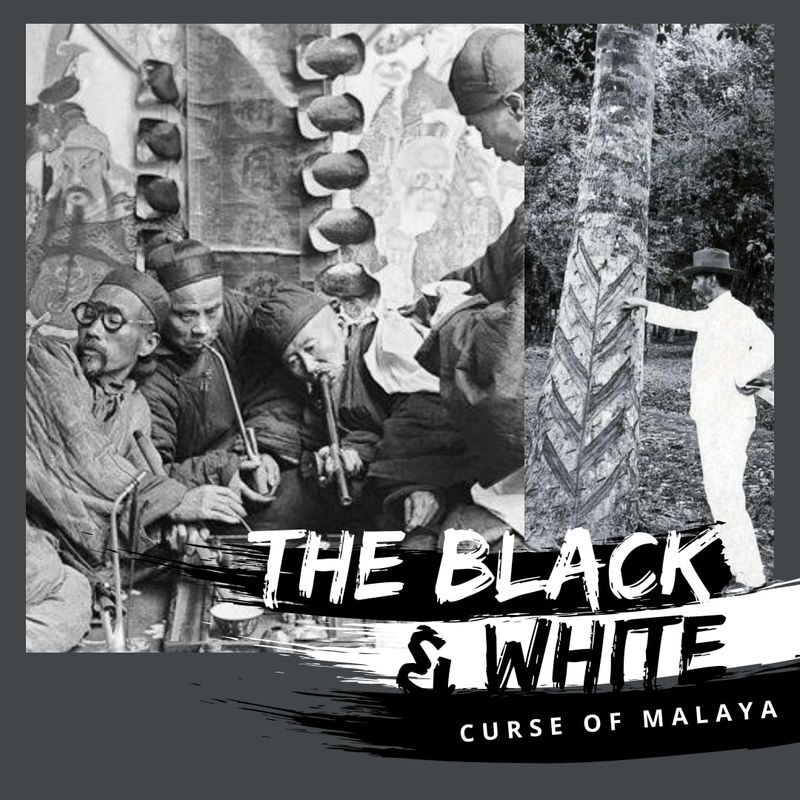
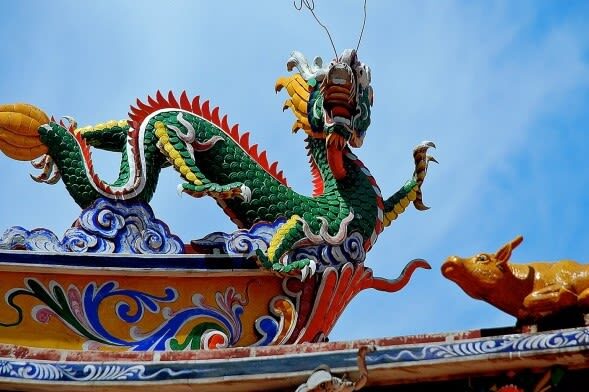
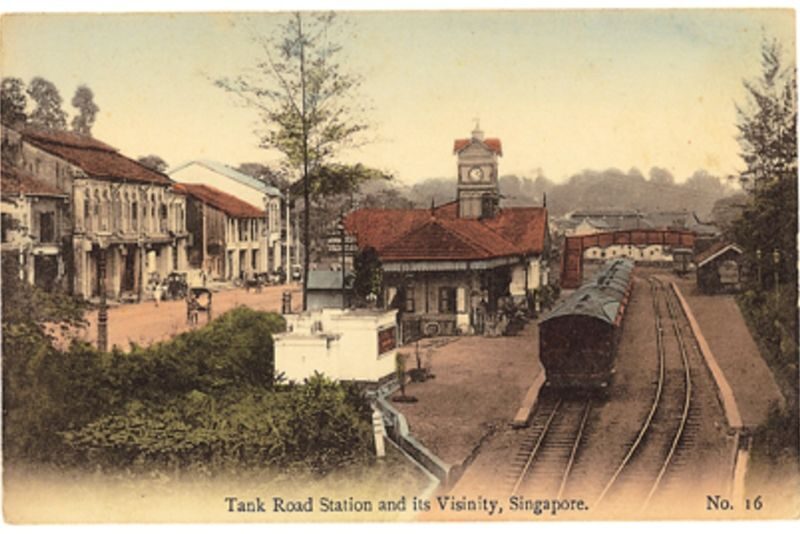

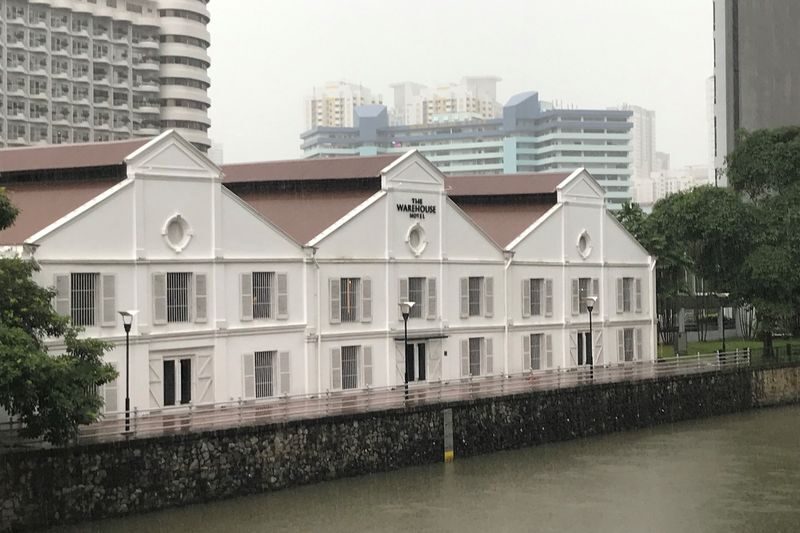
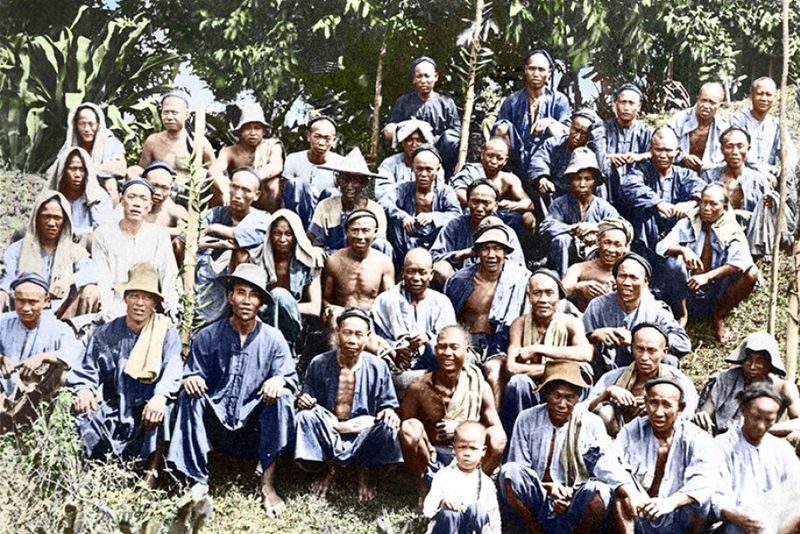
- Rubber and opium are the central thread: The guide explores their place in Singapore’s trade history and raises questions about rubber’s role in the Japanese invasion of Malaya.
- You see the river’s working side: Expect back alleys, heritage houses and the former warehouse area around Robertson Quay.
- The route includes Hong San See Temple and Jalan Kukoh: These stops add religious and residential context to the trade story.
- There’s a snack stop built into the walk: You visit a Jalan Kukoh food court, then finish with a drink and snack at The Book Cafe.
- Plan for a small group and a full afternoon: The tour runs Saturdays from 3:30 to 6:30 p.m., for groups of 5 to 20.
👉 See our pick of the 25 Best Guided Tours In Singapore
A walk through the trade routes, not just the landmarks
The Black and White Curse of Malaya is less a checklist of famous Singapore sights than a guided attempt to connect places with causes and consequences. The focus is on rubber and opium, the merchants who profited from them, and the routes that carried those goods through the city.
That angle gives the walk its appeal. Instead of treating Singapore’s colonial-era trade as a string of dates and names, the guide uses warehouses, river quays and neighbourhoods to make the subject tangible. You’ll hear questions about who the merchant princes were, what sat behind their success, and whether rubber played a part in the invasion of Malaya during the Second World War.
The title’s curse is a cue that this is not a celebratory account of commerce. The tour examines the darker side of prosperity, especially the consequences tied to opium. It also asks whether the first seeds planted on Fort Canning pointed toward something more troubling. Those are the tour’s themes, not a promise that every question has a neat answer.
Expect interpretation and discussion, not a staged performance. One account of the experience names Patrick as an excellent guide, but the available details do not promise a particular guide for your date. The tour also provides an audio guide system with headsets, which should help you follow the explanation while walking through streets and lanes.
You can also read our reviews of more tours and experiences in Singapore.
Starting at Fort Canning MRT
Meet at Fort Canning MRT, Exit B, at 3:30 p.m. The station exit is given as 170 River Valley Road, and the directions specify the Downtown Line. Arrive ten minutes early: late arrivals and no-shows are not refundable.
The walk heads up River Valley Road and passes through Mohamed Sultan Road. This opening stretch sets up the central idea of the tour: Singapore’s story is not only told by its grand civic buildings, but also by the routes that connected merchants, warehouses and the river.
Fort Canning itself is tied to one of the tour’s questions about the seeds of later trade and its darker outcomes. The available details do not specify a separate Fort Canning stop or a visit to a particular garden, so think of it as the meeting point and a starting reference rather than a guaranteed extended visit.
Bring a water bottle and wear comfortable shoes. The tour lasts three hours and moves through streets, back alleys and river paths. An umbrella is also on the recommended packing list, a sensible choice for an outdoor walk in Singapore.
Mohamed Sultan Road, old godowns and merchant fortunes
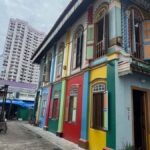
From River Valley Road, the route goes via Mohamed Sultan Road and into back alleys where old godowns and heritage houses remain. Godowns were warehouses, and here they give the guide a physical setting for explaining how trade worked beyond the names of the goods themselves.
The tour’s questions about merchant princes make this section more than an architectural stroll. You’ll hear about the people who profited from rubber and opium, and be invited to consider whether their success looked as clean and simple as it might appear from a distance. The point is to connect the buildings to the decisions and networks that made them valuable.
This is a useful format for anyone who finds economic history dry on a page. A warehouse or a narrow lane gives the discussion somewhere concrete to land. At the same time, don’t expect every building to be open or every stop to involve an interior visit. The itinerary describes walking past old godowns and heritage houses, not touring their interiors.
The back lanes also bring a little suspense to the walk. The tour promises hair-raising stories from both past and present, alongside a look at the hidden house of an opium merchant and the location of Singapore’s last opium den. These are among the most distinctive details on offer, though the exact sequence of the stops may change with weather and traffic conditions.
Hong San See Temple and the river’s other story
Hong San See Temple provides a change of pace from warehouses and commercial history. It is one of the route’s named visits, and the guide also tells stories about the Temple of the River. The supplied information does not say that the Temple of the River is a separate stop, so expect its story as part of the interpretation rather than assume another temple visit.
This shift matters. The tour is not just about goods moving through Singapore; it also considers the communities and beliefs that took shape beside those trade routes. A temple visit lets the guide widen the lens, while the nearby lanes and old buildings keep the focus rooted in the neighbourhood.
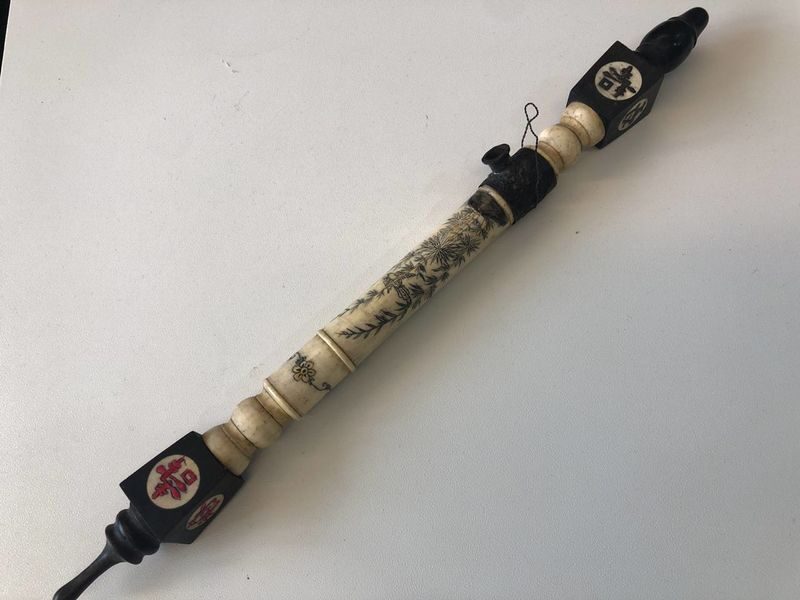
You may also see a real opium pipe during the tour. That kind of object can make a history of trade and addiction less abstract, but the details do not say where it will be shown or how long the group will stop. Treat it as a planned highlight, not a museum-style display with a fixed presentation.
Robertson Quay, then across to Jalan Kukoh
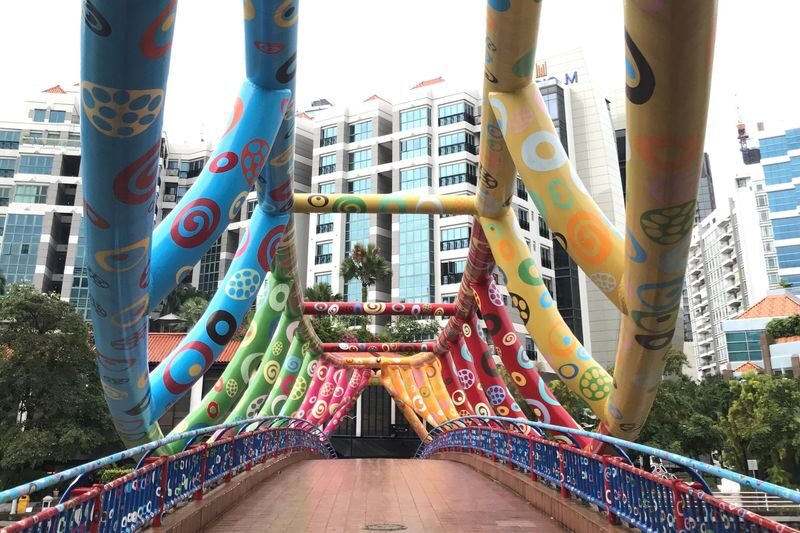
The walk continues beside the Singapore River around Robertson Quay, where the guide traces the former warehouse and trade setting. It then crosses over to Jalan Kukoh for a visit to the estate and a snack at its food court.
That crossing is one of the tour’s strongest ideas. The route links two remaining housing divides, separated by a river and within sight of each other. The tour uses that contrast to look at how different communities and living conditions can sit close together in the same city. The information does not specify the exact buildings or the full history of the divide, so let the guide explain what you are seeing rather than expect a long, formal housing tour.
The food-court snack is a practical pause in a three-hour walk, but it also fits the neighbourhood focus. It gives you a chance to stop and take in the surroundings instead of moving straight from one story to the next. The themed snacks and drinks are included; other personal expenses are not.
Keep in mind that the route is not wheelchair- or stroller-accessible. Back alleys and crossings can make a walking tour less predictable underfoot than a visit to a single attraction. If you have mobility concerns, check with the operator before booking rather than relying on the route description alone.

Passing the last opium den and finishing at The Book Cafe
On the way to the finish, the group passes the location of Singapore’s last opium den. The tour frames this as part of the city’s darker heritage, alongside the hidden opium merchant’s house and the pipe shown during the walk. The stop is a pass-by, not a visit inside a den.
The walk ends at The Book Cafe, 20 Martin Road. A drink and snack are included, with time for discussion in a cafe that organizes outreach to underprivileged people in the neighbourhood. That final pause gives the tour room to connect the historical story with present-day community work, rather than leaving you at the end of the route with only a list of facts.
The finish is also a useful practical detail: you end at a different address from where you began. The tour does not provide information about transport back to Fort Canning MRT, so plan your onward journey from Martin Road.
What the price includes, and what it does not
The tour is shown at prices from US$48.55 in one package detail and from $55.85 in the main price information. Those figures do not match, so check the price displayed for your date before paying. The stated package includes an English-speaking guide, a headset audio system, themed snacks and drinks. Other personal spending is extra.
For a three-hour guided walk, the value depends on how much you want the interpretation. You are paying for a focused theme and a route that ties together trade, architecture, religion and housing, not for entry to a series of indoor attractions. If rubber, opium and Singapore’s river history interest you, the connections may be worth more than a conventional sightseeing loop.
The group size is listed as 5 to 20 people. That is small enough to feel more personal than a large coach outing, though the upper limit still means you may need to stay close to the guide in busy areas. Headsets help with hearing the commentary, and you may bring your own earphones if you prefer.
The tour is offered on Saturdays from 3:30 to 6:30 p.m. Children aged 0 to 4 can join free, but they do not receive food or drinks. The voucher is valid only for the date and time booked, and cancellations or refunds are not available, so choose your date carefully.
Is this the right Singapore walk for you?
I’d choose this tour if you’ve already seen the headline sights and want a more layered look at the city’s trading past. Its best feature is the way it takes a subject that can feel remote and ties it to specific places: the old godowns, the river, a temple, a housing estate and the site of the last opium den.
It is a better fit for history-minded adults than for someone seeking a relaxed, easy-access stroll. The subject matter is dark, the walk lasts three hours, and the route is not accessible to strollers or wheelchairs. If those points work for you, the included snack, headsets and small-group format add practical value to a distinctive afternoon.
The Black and White Curse of Malaya
“It's not like any tours I've done before. You'll be offered a glimpse into the darker side of Singapore and it will get you thinking! Patrick is a…”
FAQ
When does the tour run?
It is available on Saturdays from 3:30 p.m. to 6:30 p.m.
Where does the tour start?
Meet at Fort Canning MRT, Exit B, at 170 River Valley Road. The directions specify the Downtown Line.
Where does the tour finish?
It ends at The Book Cafe, 20 Martin Road.
How long is the walk?
The tour lasts three hours.
What is included in the price?
An English-speaking guide, an audio guide system with headsets, themed snacks and drinks are included.
What should I bring?
Bring a mask, mobile phone, SafeEntry App or TraceTogether App or Token, water bottle and umbrella. Comfortable footwear is recommended.
Can children join?
Children aged 0 to 4 can join free of charge, but they do not receive food or drinks.
Is the tour wheelchair- and stroller-accessible?
No. The activity is not wheelchair- or stroller-accessible.
Can I cancel for a refund?
No. Cancellations and refunds are not available.