Tbilisi’s past is written into its streets: medieval walls and old churches sit close to a modern glass bridge, while a mosque, synagogue and Armenian church reflect the city’s mix of faiths. This three-hour walking tour links many of those sights on foot, with a local guide to explain what you’re seeing.
I like two things in particular: the route gives you a useful first look at the old city, and the guide can help you make sense of its many layers, from Georgian Orthodox churches to the sulfur-bath district. Guides have included Nini Karchava, Oksana and George, with local food and activity suggestions part of the appeal.
The trade-off is the walk itself. Expect stairs, uneven old streets and a pace that may leave little time to linger or take photos at each stop. Bring water, wear sturdy shoes and be ready to keep moving.
- What to know before you go
- A first look at Tbilisi, on foot
- From Freedom Square to the old city walls
- Gabriadze’s clock and the oldest surviving church
- Across the Bridge of Peace to Rike Park
- Mother of Georgia and Narikala’s broad views
- The mosque, waterfall and sulfur-bath quarter
- The guide’s local advice is part of the value
- Price, pace and practical details
- Who should book this walk?
- FAQ
- How long does the tour last?
- Where does the tour meet?
- Where does the tour end?
- Is the cable car included?
- What should I wear to visit religious sites?
- Is the walk suitable for wheelchair users or strollers?
- What is included in the price?
- Can I change or cancel my booking?
- The Best Of Tbilisi!
- More Walking Tours in Tbilisi
- More Tours in Tbilisi
- More Tour Reviews in Tbilisi
- Not for you? Here's more nearby things to do in Tbilisi we have reviewed
What to know before you go
 1 / 5
 2 / 5
 3 / 5
 4 / 5
 5 / 5
- Anchiskhati Basilica is a key stop: It is described as Tbilisi’s oldest surviving church, a fitting place to begin tracing the city’s past.
- The route mixes old and new: Medieval fortifications and churches share the itinerary with the modern Bridge of Peace.
- Narikala brings the views: The fortress overlooks the city, and the cable car is an optional extra at 2.5 GEL per ride.
- Abanotubani shows another side of Tbilisi: The historic sulfur-bath quarter, a waterfall and the old lanes round out the walk.
- The guide adds practical value: Guides have offered tips on food, local events and getting around, not just dates and names.
- Plan for a proper walk: The tour lasts about three hours and includes stairs; it is not suitable for wheelchairs or strollers.

👉 See our pick of the 25 Best Tours In Tbilisi
A first look at Tbilisi, on foot
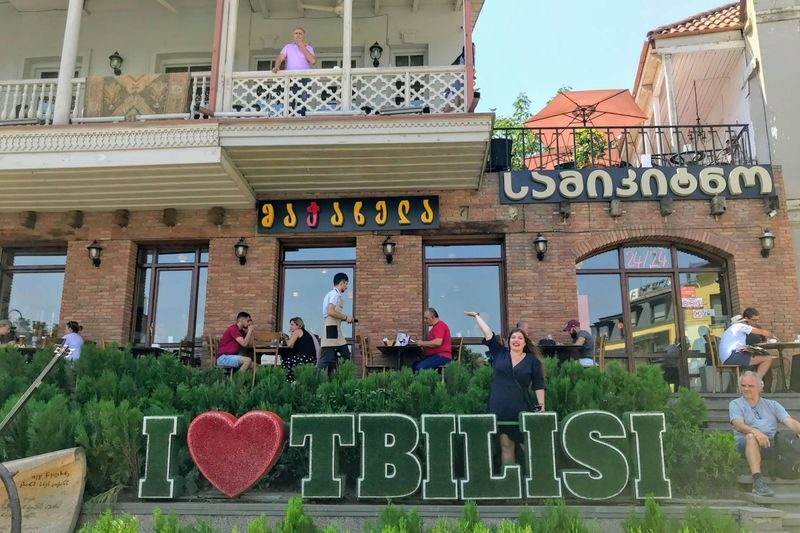
This tour is a good way to get your bearings early in a stay. It begins near Freedom Square, a central landmark, then moves into the old city’s lanes and historic sites. Rather than relying on a map to connect scattered places, you follow one route and get a guide’s explanation along the way.
That context matters in Tbilisi. Architectural styles range from Georgian and Byzantine to European Neo-Classical, and the city’s religious landmarks sit within a short walking distance of one another. A guide can help you see how the buildings and neighborhoods fit together, so the walk becomes more than a checklist of photo stops.
The tour is advertised as a small-group experience, though the exact group size is not specified. A join-in booking can also turn into a private-feeling outing if you happen to be the only person booked. That possibility is a nice bonus, not something to count on when choosing a date.
You can also read our reviews of more walking tours in Tbilisi


From Freedom Square to the old city walls
Freedom Square is the meeting area and a natural starting point for a first visit. Arrive at least 10 minutes before the time on your voucher. The tour allows a maximum wait of 10 minutes, after which late arrivals may need to rebook without a refund, so this is not a good morning to test Tbilisi traffic or your sense of direction.
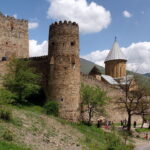
From the square, the walk passes remnants of the old city walls. These fragments hint at the defensive line that once protected Tbilisi. They are not a grand, intact fortification, but they help set the scene before the route moves into the older streets.
The nearby lanes can feel quite different from the open square. Keep your attention on the guide and the route, especially if you want to take photographs. One participant’s practical wish was for a little more time at stops. That is worth keeping in mind: this is a guided overview, not a slow, long pause at every landmark.
Gabriadze’s clock and the oldest surviving church
The Gabriadze Theatre adds a more playful note to the route. Its puppet theater and clock tower are distinctive sights in the old quarter, and a useful reminder that Tbilisi’s appeal is not limited to churches and monuments. The itinerary names the theater as a guided stop, though the amount of time available there can depend on the group’s pace.
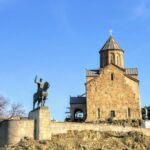
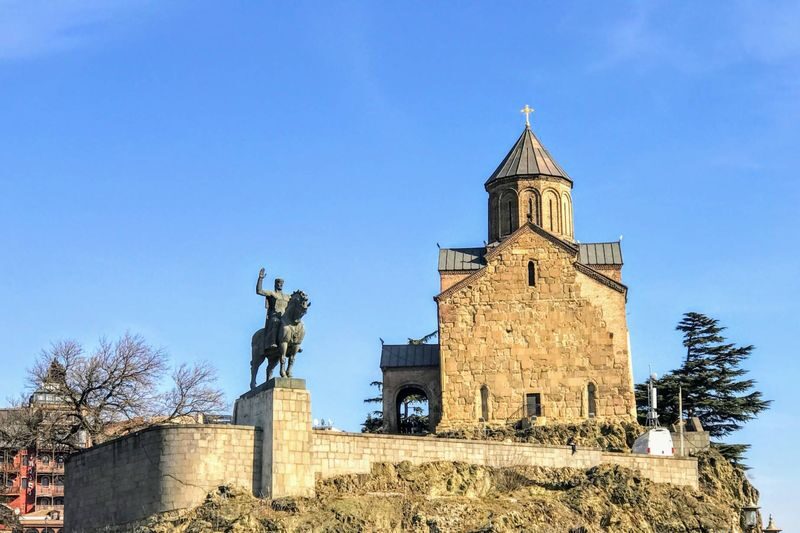
Anchiskhati Basilica is the oldest surviving church in Tbilisi, and one of the clearest historical anchors on the walk. A visit gives you a chance to look beyond the building’s age and hear how Georgian Orthodox faith shaped the city. The tour’s overview also includes Sioni and Metekhi Cathedrals, both identified as 13th-century churches, though the route details do not assign them a precise place in the sequence.
These religious sites are among the tour’s strongest stops because they add substance to the old-town stroll. If you want to go inside places of worship, dress with care: knees and shoulders must be covered for both men and women. Shorts and sleeveless tops are not allowed for entry to places of worship and selected museums.
Across the Bridge of Peace to Rike Park
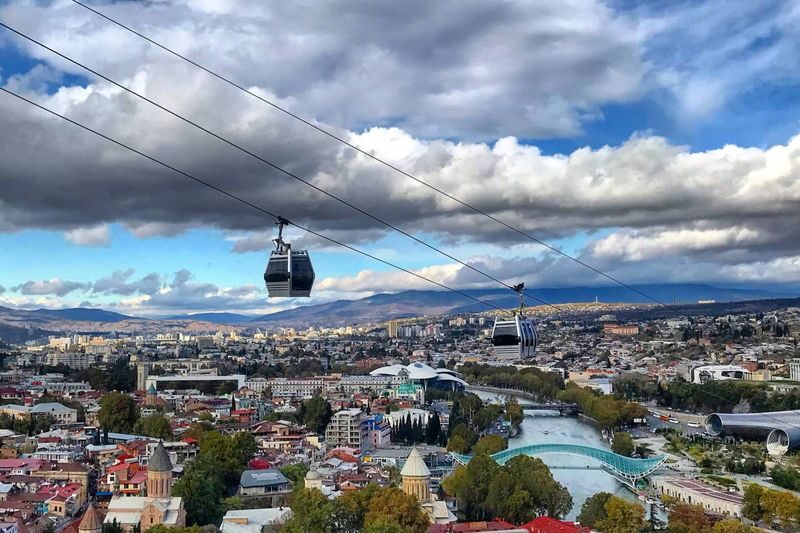
The Bridge of Peace is a sharp contrast with the older buildings around it. Its modern design makes the shift between old and contemporary Tbilisi plain, and it gives the walk a change of pace after the churches and medieval remains.
Rike Park offers a scenic pause and views toward the city. The route then heads toward Mother of Georgia and Narikala Fortress, with the river and hillside helping you understand how the old city is arranged. If you like seeing how a city’s different periods meet, this stretch is especially useful.
There is a practical choice to make here. A cable car ride costs 2.5 GEL one way, and it is not included in the tour price. The tour information does not say that every group takes it, so check with your guide about the route on the day and whether you want to pay for a ride. If you prefer to walk, remember that the tour already involves stairs and a considerable amount of walking.
Mother of Georgia and Narikala’s broad views
Mother of Georgia is a major city monument, described as a symbol of Georgian national character. It is a good place to pause and take in the scale of Tbilisi, though your time there may be brief if the group is keeping to schedule.
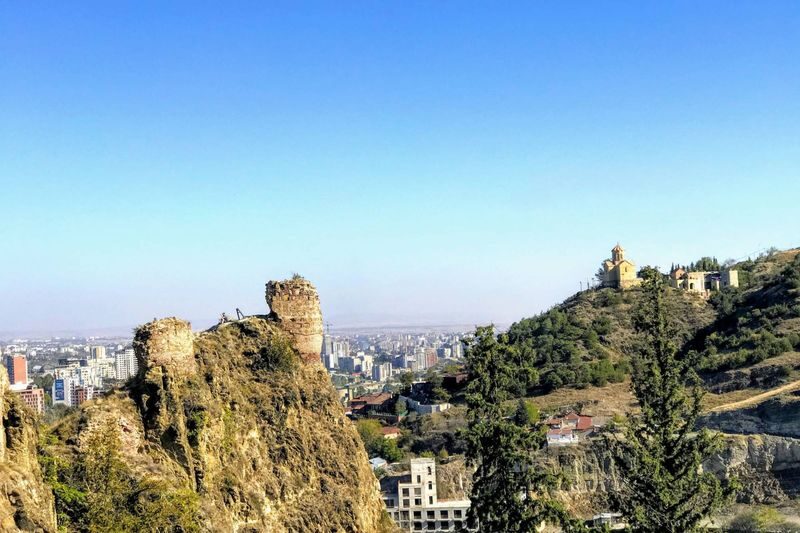
Narikala Fortress, overlooking the city, is another highlight. Its position makes clear why this was an important defensive site, and the panoramic views help tie together the places you have already seen. Bring a camera, but do not assume you will have a long photo break at every viewpoint. The tour covers a lot in about three hours.
The guide’s role is particularly useful here. A good explanation can turn the view into a map in your mind: the river, old neighborhoods, newer landmarks and hillside all become easier to place. Guides on this tour have included Nini Karchava, Oksana and George. The specific guide varies, but past guide experiences have included clear explanations, local recommendations and help taking photos.
You can also read our reviews of more tours and experiences in Tbilisi



The mosque, waterfall and sulfur-bath quarter
The Juma Mosque adds an important stop to the tour’s look at Tbilisi’s religious variety. The route also highlights a synagogue, an Armenian church and Georgian Orthodox churches, though not every one is named as a timed itinerary stop. Together, these places show how many faith traditions are represented in a compact part of the city.
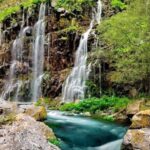
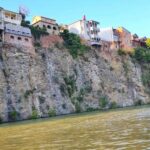
The route continues to a waterfall in the heart of Tbilisi, then into Abanotubani, the historic district known for sulfur baths. This is one of the more distinctive parts of the walk: the city’s natural features and bathing culture sit right alongside its old streets and religious sites. You do not need to book a bath to appreciate the neighborhood, but you can ask your guide for local suggestions if you want to return later.
Old Meidan and the surrounding cobbled lanes give you a closer look at the old town’s street life. Kote Abkhazi Street is also named in the route, along with the broader Dzveli Tbilisi area. The exact order and timing can shift with weather and conditions, so treat the itinerary as a route outline rather than a minute-by-minute plan.
The guide’s local advice is part of the value
The best version of this tour is not just a history lesson. Guides have shared tips about where food is cheaper or more expensive, pointed out local events such as a wine festival, and helped people think through what to do next in Tbilisi. One guide also helped a solo participant with a MetroMoney card and made sure she could find her way back to her hotel.
Those small, practical details can be worth as much as the landmarks, especially if this is your first day in Georgia. You can ask for recommendations as you go, but keep questions focused if the group is moving between stops. The walk’s pace can be brisk, and you may need to choose between taking photos and listening closely.
Guides have also been praised for patience and warmth, along with strong explanations of Georgian culture and the country’s neighbors. That kind of context helps make a short tour feel personal without turning it into a lecture. Still, no guide can cover every detail of every site in three hours. Think of this as a smart introduction, then return to the places that catch your interest.
Price, pace and practical details
The listed starting price is from $10.75, while the join-in package is shown from US$13.35. Prices can vary, so check the final amount for your date before booking. At either starting price, the value comes from covering several central landmarks with an English-speaking guide, plus getting local advice that can shape the rest of your stay.
Private options are listed from US$79 on weekdays and US$89 on weekends. These cost more, but may suit you if you want a more individual pace or have specific questions. The small-group format is the lower-cost choice, though it may not give you as much control over how long the group stops.
The tour takes around three hours. The meeting point is Freedom Square, and the stated return point is Vakhtang Gorgasali Square, near MRQ5+WMC. The exact departure time is confirmed after booking, so check your voucher rather than assuming a standard start time. Weather and other conditions can change the schedule.
Wear comfortable walking shoes. Old Tbilisi’s streets are not friendly to high heels, strollers or wheelchairs, and the walk includes stairs. Bring water, sunscreen, sunglasses and a hat in warm or bright weather, and dress for the day’s conditions. Pets are not allowed. Children aged 12 and older pay the adult rate, and infants and children must be included in the passenger headcount.
Who should book this walk?
I’d choose this tour if you want a quick, guided introduction to central Tbilisi and are happy to cover ground on foot. It is especially useful on your first day, when the old city’s layout, history and different religious sites can otherwise blur together. You’ll leave with a list of places to revisit and practical suggestions for eating and getting around.
It is less suitable if you want a leisurely photo tour, have limited mobility, or dislike stairs and uneven streets. If lingering at each stop matters most, consider a private tour or explore at your own pace. The join-in walk offers strong value for an affordable overview, but its strength is breadth, not extended time at every landmark.
Tbilisi Old Town Half-Day Small Group Walking Tour
“The experience was good, guide is knowledgeful and explained everything. Only one suggestion would be not to rush the walking tour allowing us a mi…”
FAQ
How long does the tour last?
The walking tour takes around three hours. The schedule may change depending on traffic and weather conditions.
Where does the tour meet?
The meeting point is Freedom Square in Tbilisi. Arrive 10 minutes before the departure time shown on your voucher.
Where does the tour end?
The listed return point is Vakhtang Gorgasali Square, at MRQ5+WMC in Tbilisi.
Is the cable car included?
No. The cable car is not included and costs 2.5 GEL per ride.
What should I wear to visit religious sites?
Knees and shoulders must be covered for both men and women. Shorts and sleeveless tops are not allowed for entry to places of worship and selected museums.
Is the walk suitable for wheelchair users or strollers?
No. The activity is not wheelchair-accessible or stroller-friendly, and the old areas include stairs and streets that can be difficult to navigate.
What is included in the price?
An English-speaking guide is included. Hotel pickup and drop-off, personal expenses, tips and the cable car are not included.
Can I change or cancel my booking?
Changes are allowed until 24 hours before the activity starts, with some booking exceptions. You can receive a full refund if you cancel at least 24 hours before the activity date, in destination local time.