Sydney Zoo puts its Australian wildlife right up front: kangaroos and wallabies roam through an open-range habitat, while koalas and other native animals offer a close look at wildlife you may have come to Australia to see. The zoo also folds an aquarium and a reptile and nocturnal house into the same visit, so you can switch from furry to finned to scaly without changing venues.
I like two things in particular: the free-roaming kangaroos and wallabies, which make the Australian precinct feel less like a row of exhibits, and the easy-to-follow layout, with five themed areas and mostly flat paths. The aquarium and nocturnal house add welcome variety, especially for families with children.
One thing to plan around: Sydney Zoo is in Western Sydney, not in the city centre, so getting there takes a little effort. Some keeper talks may not run as scheduled, and animal visibility can vary with the weather and the animals’ own habits. Give yourself time, and check the day’s program before you set out.
- Sydney Zoo at a glance
- A different sort of Sydney day out
- Start among the kangaroos and wallabies
- The aquarium and the nocturnal house
- Across the African Boardwalk and Primate Boulevard
- Keeper talks and animal encounters
- How much time should you allow?
- Getting to Bungarribee
- What the ticket covers, and what it does not
- Who will enjoy Sydney Zoo most?
- Should you book Sydney Zoo?
- FAQ
- How long should I plan for Sydney Zoo?
- What time does Sydney Zoo open and close?
- Where is Sydney Zoo?
- Is parking available at Sydney Zoo?
- How can I reach Sydney Zoo by bus?
- Are children under three charged admission?
- Can I leave Sydney Zoo and come back the same day?
- Does general admission include animal encounters and food?
- The Best Of Sydney!
- More Tickets in Sydney
- More Tours in Sydney
- More Tour Reviews in Sydney
- Not for you? Here's more nearby things to do in Sydney we have reviewed
Sydney Zoo at a glance
 1 / 10
 2 / 10
 3 / 10
 4 / 10
 5 / 10
 6 / 10
 7 / 10
 8 / 10
 9 / 10
 10 / 10
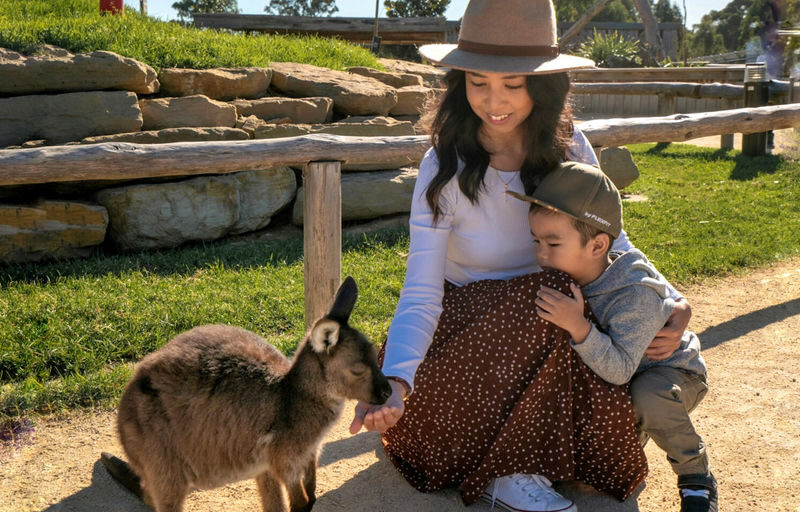
- Australian animals roam freely: Kangaroos and wallabies move around the open-range habitat beside the paths.
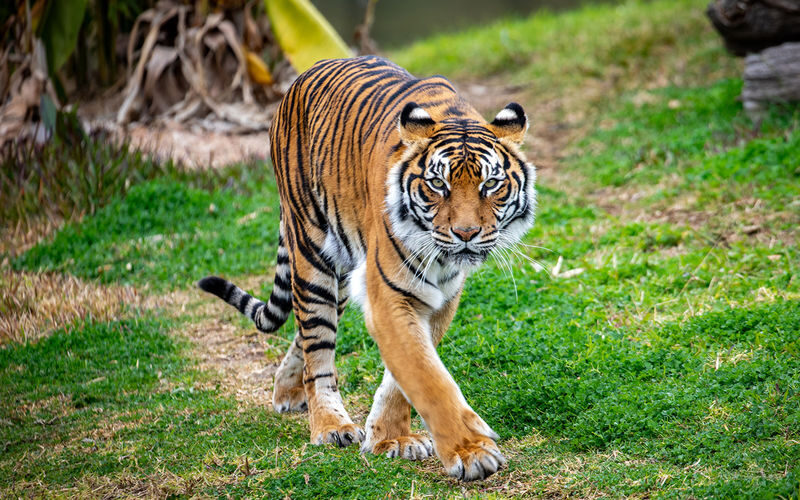
- Five precincts make a varied visit: See Australian, African and South-East Asian wildlife, plus aquarium, reptile and nocturnal exhibits.
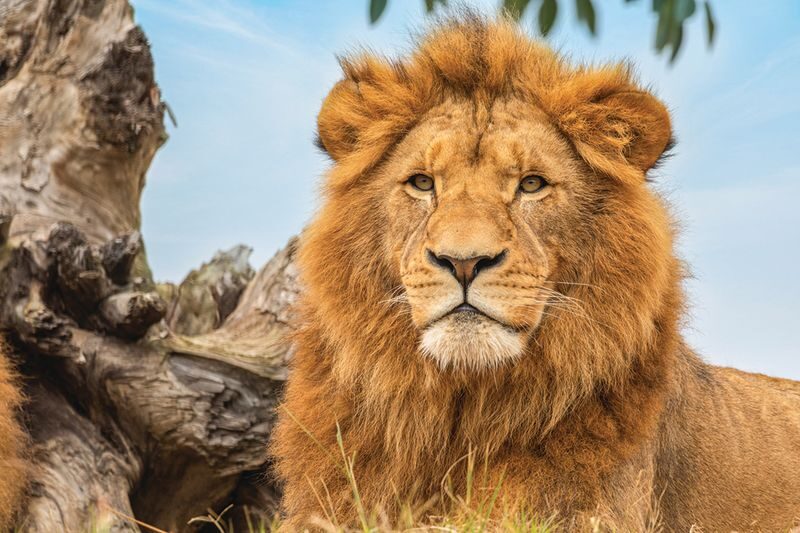
- Elephants are a Sydney Zoo speciality: The zoo is the only place in Sydney where you can see elephants.
- Allow more than a quick stop: Two to four hours is a reasonable starting point, but talks, encounters and a full circuit can fill much of a day.
- Extras cost extra: The ticket covers general admission, not transport, meals, drinks or personal expenses. Some animal encounters also have an extra fee.
- Plan your arrival: The zoo is at 700 Great Western Highway in Bungarribee, with free parking and bus links from Blacktown and Mount Druitt.
👉 See our pick of the 25 Best Guided Tours In Sydney
A different sort of Sydney day out
Sydney Zoo gives you a broad wildlife circuit without requiring a full day of travel between separate attractions. Its five precincts take you from Australian animals to African habitats and South-East Asian species, with an aquarium and a large reptile and nocturnal house along the way.
That mix is the main reason I’d consider it for a family day or a wildlife-focused stop in Western Sydney. You can see familiar Australian icons such as koalas and kangaroos, then change pace with aquatic animals or reptiles. The zoo’s open-range Australian habitat is especially appealing if you want more than a distant view across a standard enclosure.
The visit is not a guided tour. You explore at your own pace, and keeper talks and feeds add structure if they are running during your visit. The general admission ticket does not include transport, food or paid animal encounters, so treat the advertised starting price of $37.85 as an entry price, not the full cost of a day out.
You can also read our reviews of more tours and experiences in Sydney

Start among the kangaroos and wallabies
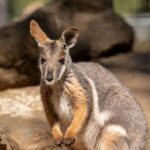
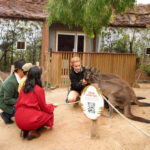
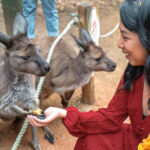
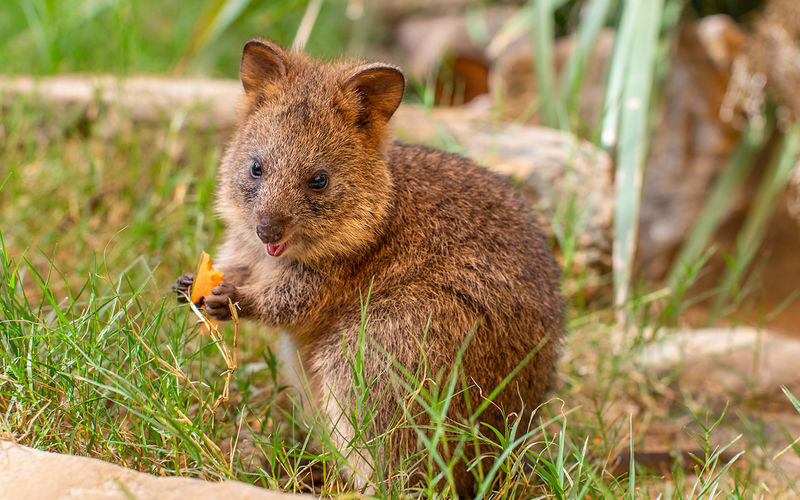
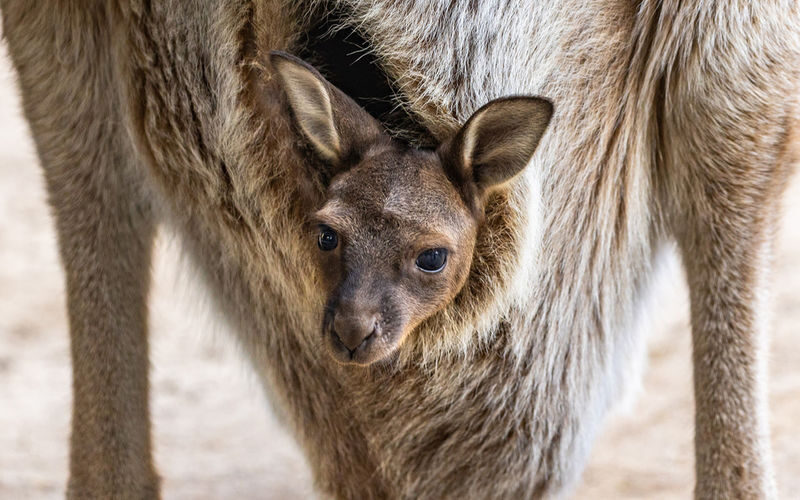
The open-range Australian habitat is a natural place to begin. Kangaroos and wallabies roam freely around winding paths, letting you watch them at close range without the usual barrier between animal and viewing area. That does not mean you can feed or touch them whenever you like: kangaroo feeding may require joining a specific tour, so check what is available before making it the centrepiece of your visit.
This is also a good spot to slow down. Native wildlife can be a highlight for first-time visitors to Australia, but the animals set the pace. They may be resting or keeping their distance, especially on hot days. Give the habitat time rather than rushing through in search of a posed photo.
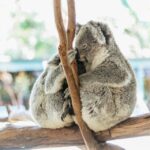
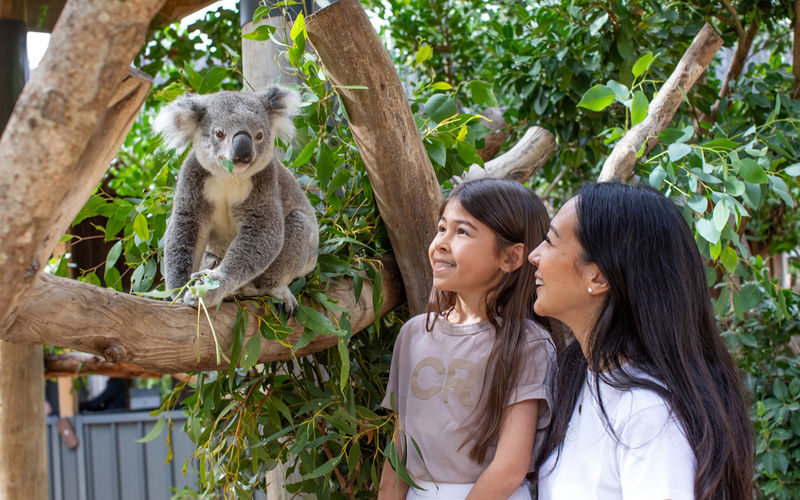
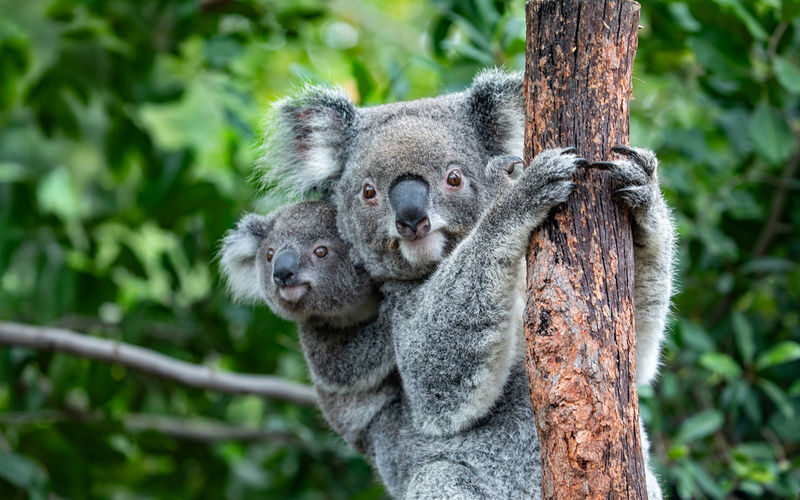
Koalas are another major draw. You can see them eating eucalyptus, and some visitors may find a separate photo or encounter option available for an additional charge. These experiences are not part of general admission, and touching rules apply. If getting a koala photo matters to you, check the current options and timings before you arrive.
The aquarium and the nocturnal house
The aquarium gives the day a change of scenery, with aquatic animals swimming and moving through their displays. It is also a handy indoor stop if you want a break from the outdoor paths. Families with young children may find this section a welcome change of pace from walking between land-animal habitats.
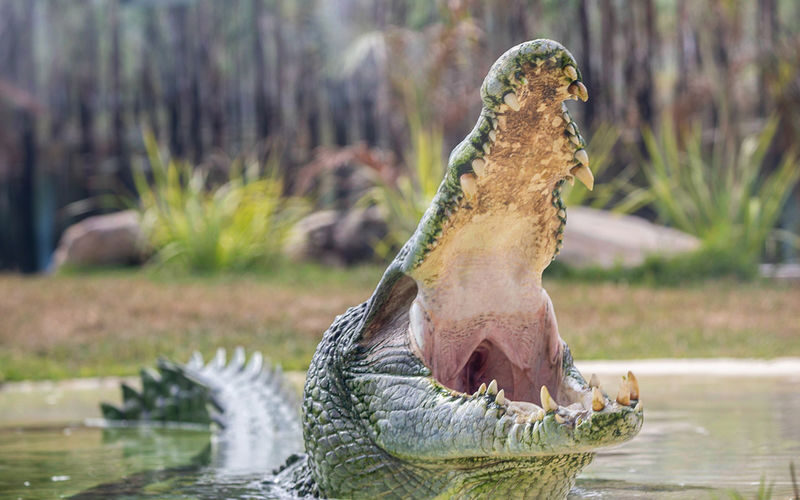
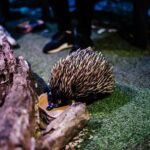
The reptile and nocturnal house brings you face to face with animals that can be easy to miss outdoors. It is described as one of Australia’s largest, and its combination of reptiles and nocturnal species makes it one of the more distinctive parts of the circuit. It is worth setting aside time here rather than treating it as a brief corridor between exhibits.
Sydney Zoo’s combination of zoo and aquarium is unusual in Australia. The result is a broad range of habitats in one admission, though it does not mean every animal will be active or easy to spot. Some animals may be resting, and a few enclosures may have no animals visible at the time you pass.
Across the African Boardwalk and Primate Boulevard
The Boardwalk is the place to look for the zoo’s African wildlife, including mixed-species habitats designed to bring several kinds of animals into the same setting. The layout offers a different feel from the Australian precinct, and keeper talks can add useful context when they are scheduled. African painted dogs have been a memorable stop for some visitors, so check the daily program if you want to catch a talk or feeding.
Primate Boulevard shifts the focus to South-East Asian animals. It is also where you can see elephants, a distinctive reason to choose this zoo if elephants are high on your list. The open-air elephant habitat gives you a chance to watch them moving and interacting, though, as with all wildlife viewing, their activity and visibility can change through the day.
The zoo’s newer plantings may feel less leafy than you expect in places. Trees and shrubs need time to grow, and the amount of shade can matter on a hot day. There are shaded areas and fan-water sprays, but bring sun protection and pace your walk when temperatures rise.
Keeper talks and animal encounters
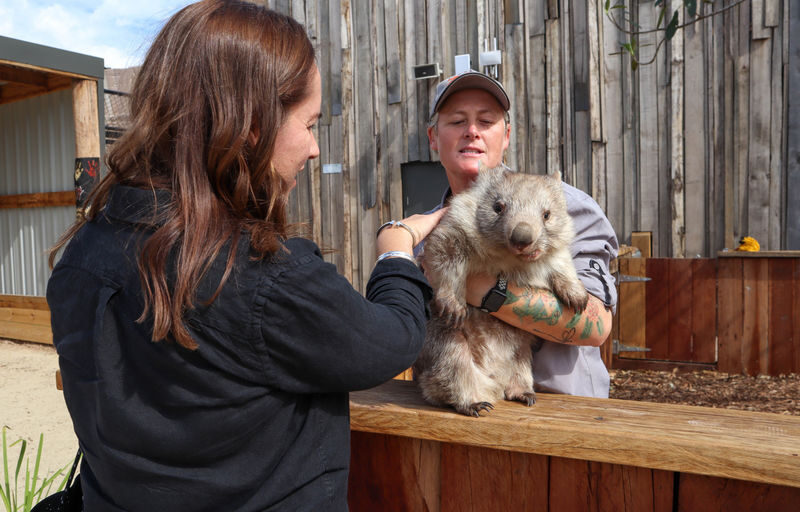
Keeper talks and feeds can turn a walk around the grounds into a more informative visit. They are a useful way to learn about the animals in front of you, and they give children a reason to pause and focus. But schedules can change, and talks may be cancelled. Check the current program on arrival rather than building your whole day around one specific session.
Some hands-on or close-up experiences are sold separately. Koala photo opportunities and special feedings, including giraffe feeding during some school holiday programs, may have extra costs or limited times. Kangaroo feeding is not necessarily included with a standard ticket. If an encounter is important to your group, confirm its availability and price before you buy general admission.
Sydney Zoo also offers a Mini Zookeeper for a Day program for children aged 8 to 12, according to its activity information. This is a separate experience, not part of the general admission ticket. It may suit a child with a strong interest in animals, but you will need to check the zoo’s own details for current dates and arrangements.
You can also read our reviews of more tours and experiences in Sydney



How much time should you allow?
The stated visit duration is two to four hours. That is a useful estimate for a brisk circuit, but I would allow longer if you want to see all five precincts, stop for talks and spend time watching animals rather than ticking off each exhibit. Some visitors find three hours too short, particularly if they arrive with children or want to take breaks.
A morning arrival gives you more room to explore before the zoo closes. It also leaves time for a missed talk or a slower stop at the Australian habitat. On hot days, animal activity may be limited, so a flexible plan is better than expecting every animal to be visible at a particular hour.
The zoo is open daily from 9 a.m. to 5 p.m. in the listed standard schedule, with last entry at 4 p.m. Winter hours may instead be 9 a.m. to 4 p.m., with last entry at 3 p.m. Hours and closure dates can change, so check the latest information before you travel. Weekends and school holidays can be crowded; allow extra time for entry and for moving around the grounds.
Getting to Bungarribee
Sydney Zoo is at 700 Great Western Highway, Bungarribee NSW 2767, in Western Sydney. By car, you can reach it via the M4 or M7 motorways, and free on-site parking is available. That makes driving a straightforward option if you have a car, particularly for a family visit.
Public transport is possible by bus. Route 729 runs every 25 to 30 minutes from Blacktown and Mount Druitt train stations via Minchinbury. Route 723 runs every 15 to 30 minutes from Blacktown and Mount Druitt on weekdays. Check the current timetable before setting off, as the services and frequencies described here may change.
This is not a quick walk from central Sydney. Allow time for the journey when choosing your arrival time, and do not confuse Sydney Zoo with attractions in the city centre. The zoo is separate from Featherdale Sydney Wildlife Park, so there is no combined admission ticket described here.
What the ticket covers, and what it does not
General admission includes one Sydney Zoo ticket and access to the zoo’s precincts. It does not include transport, meals, beverages or personal expenses. Paid encounters are extra, so a low ticket price can rise if you add photos, feeding sessions or other activities.
At $37.85 and up, the ticket can represent good value if you make use of the varied habitats and spend several hours on site. The Australian section, aquarium and reptile house make the visit more varied than a short stop focused on one animal. It is less compelling if you only have a brief window in Sydney or would need to make a long journey solely to see one exhibit.
The ticket is a mobile voucher, which you present at the check-in counter. Entry arrangements have not always been identical: some visitors have moved through quickly, while others have needed staff to confirm or convert a voucher before entering. Buying ahead may save time, but do not assume every mobile voucher will scan directly at the gate. Keep it handy and leave a little buffer for check-in, especially on busy days.
Same-day re-entry is permitted. Ask for a re-entry pass-out before leaving, or keep the ticket, wristband or stamp required for return. The voucher is valid until 21 July 2027 at 11:59 p.m., but the booking is non-refundable, so confirm your plans before purchasing.
Who will enjoy Sydney Zoo most?
I’d put Sydney Zoo high on the list for families, first-time visitors who want to see Australian animals, and anyone who likes the idea of combining land wildlife with aquarium and reptile exhibits. Flat paths and an easy-to-follow circuit can make the day manageable with a stroller, though the grounds are large enough that little legs may need breaks.
It also suits animal lovers who want a half-day outing in Western Sydney and can add time for talks or encounters. The elephant habitat, free-roaming kangaroos and koalas give the visit clear highlights. If you are comparing it with other Sydney attractions, remember that Sydney Zoo is outside the central area and offers a different sort of day from a city aquarium or harbour-side activity.
If your main goal is a lush, heavily shaded setting, or guaranteed close contact with animals, temper your expectations. Some exhibits may be quiet, animal viewing distances vary, and extra encounters are not included in the standard ticket. Those are manageable limits if you arrive with an open schedule and focus on the range of habitats rather than one perfect photo.
Should you book Sydney Zoo?
Book Sydney Zoo if you want a flexible wildlife day with Australian animals, elephants, an aquarium and a reptile house in one place. The strongest reasons to go are the free-roaming kangaroos and wallabies, the chance to see koalas, and the variety of the five precincts. For families, the mix of exhibits and talks can keep the day moving.
Think twice if you have little time in Sydney, dislike travelling to Western Sydney, or expect every animal to be active and close to the viewing area. Check opening hours, transport and the day’s keeper program before you go, and budget separately for food and any encounters. With those details sorted, general admission offers a worthwhile half-day or longer outing.
Sydney Zoo Ticket
“The booking process was easy to complete. There was a very long queue when we arrived at the zoo and this was the express lane for prebooked ticket…”
FAQ
How long should I plan for Sydney Zoo?
The suggested visit duration is two to four hours. Allow extra time if you want to see all five precincts, attend keeper talks or feeds, or take part in an animal encounter.
What time does Sydney Zoo open and close?
The standard listed hours are 9 a.m. to 5 p.m. daily, with last entry at 4 p.m. Winter hours may be 9 a.m. to 4 p.m., with last entry at 3 p.m. Check current hours before your visit.
Where is Sydney Zoo?
Sydney Zoo is at 700 Great Western Highway, Bungarribee NSW 2767, in Western Sydney.
Is parking available at Sydney Zoo?
Yes. Free on-site parking is available. You can drive via the M4 or M7 motorways.
How can I reach Sydney Zoo by bus?
Route 729 runs from Blacktown and Mount Druitt train stations via Minchinbury every 25 to 30 minutes. Route 723 runs from Blacktown and Mount Druitt every 15 to 30 minutes on weekdays. Check current service information before travelling.
Are children under three charged admission?
Children aged 0 to 2 can join free of charge.
Can I leave Sydney Zoo and come back the same day?
Yes. Re-entry is permitted. Ask for a re-entry pass-out before leaving, or present the required ticket, wristband or stamp when you return.
Does general admission include animal encounters and food?
No. The ticket covers one general admission entry. Transport, meals, drinks, personal expenses and paid animal encounters are not included.