Lake Toya’s winter-blue water, Noboribetsu’s steaming volcanic valley and a snowmobile run can all fit into one long day from Sapporo. This is a useful way to reach scattered Hokkaido sights without arranging separate buses or transfers, with an English- or Chinese-speaking guide along for the ride.
I like two things in particular: Jigokudani’s snow-and-steam contrast gives the day a memorable natural finale, and the route pairs a lakeside view with the small, scenic Lake Hill Farm stop. Guides such as Xiao Pan and Mila have been praised for their clear explanations and attentive help.
The trade-off is time. You have several stops to cover, meal arrangements are not built into the tour, and the optional snowmobile activity can take up much of the Lake Toya visit. If you skip it, check what will be open and how you will spend that stop.
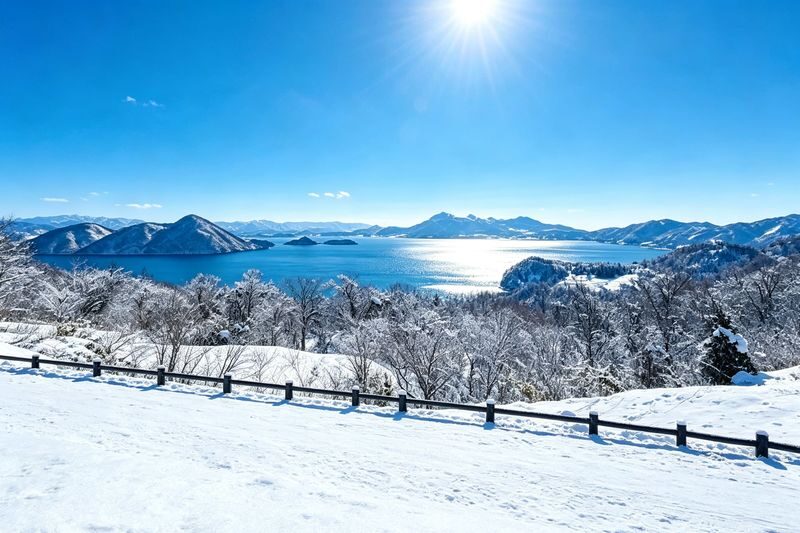
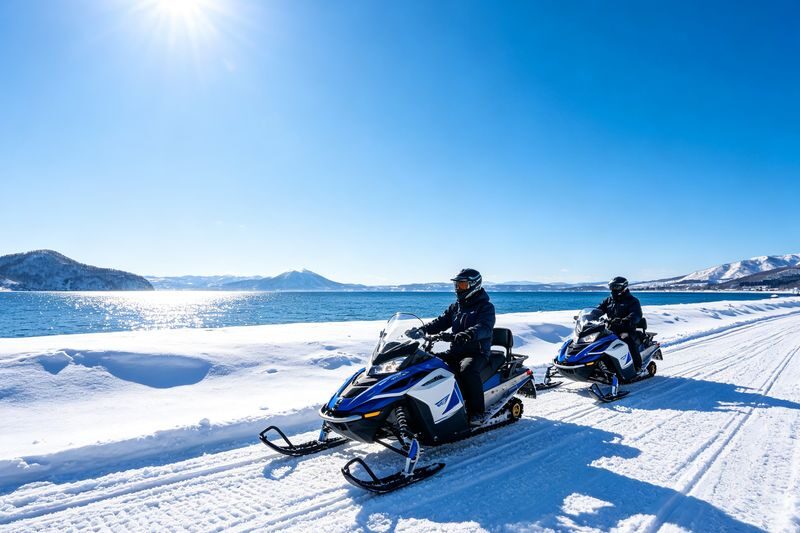
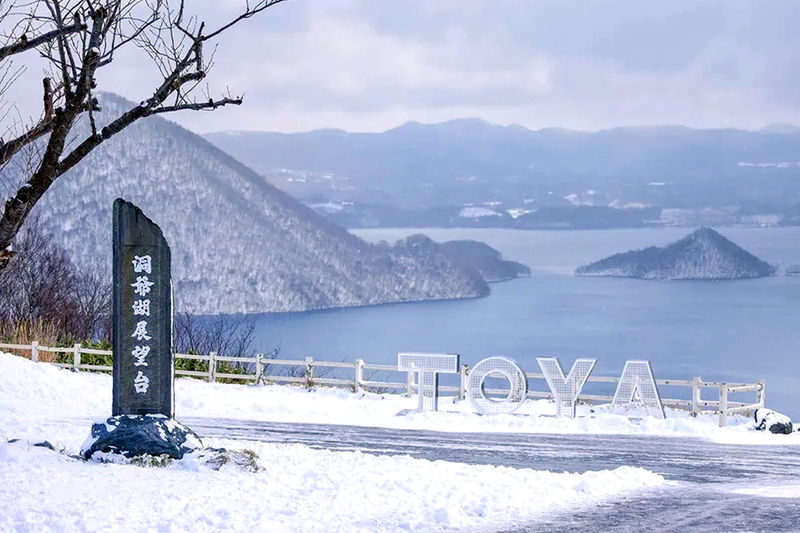
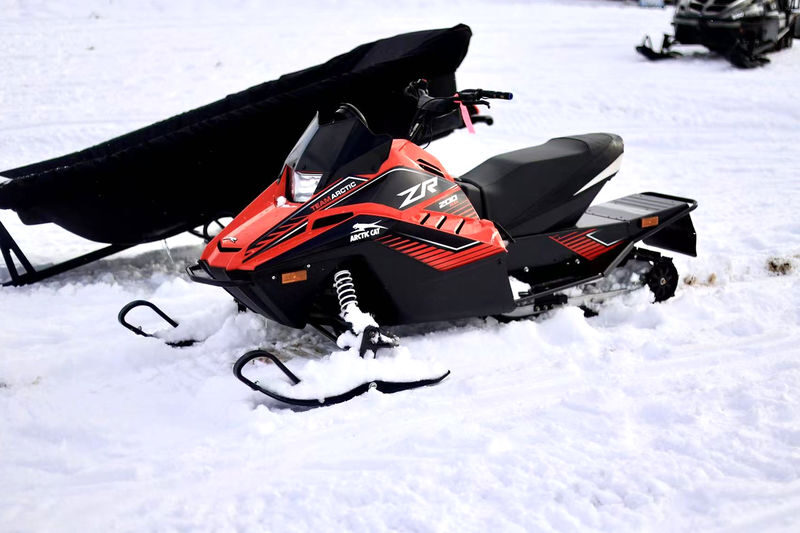
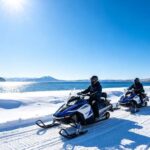
- Lake Toya in winter: Take in a broad view of the lake from its observation point. Snowmobiling is optional and costs extra.
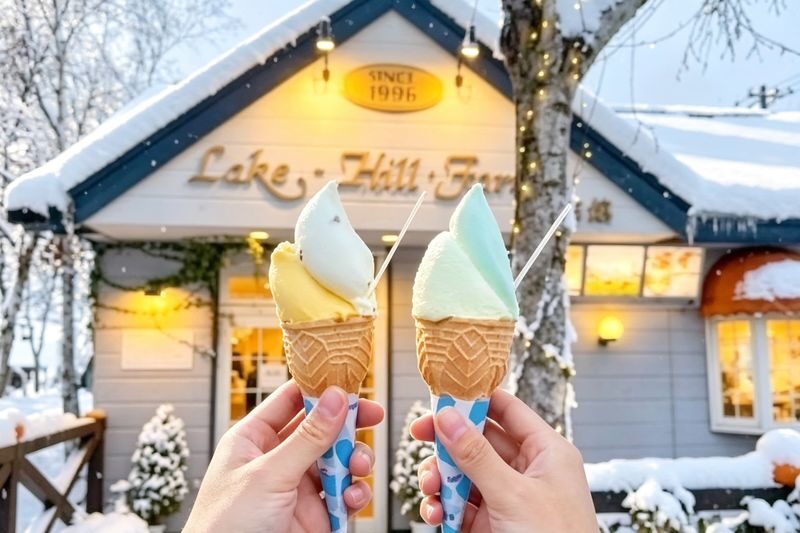
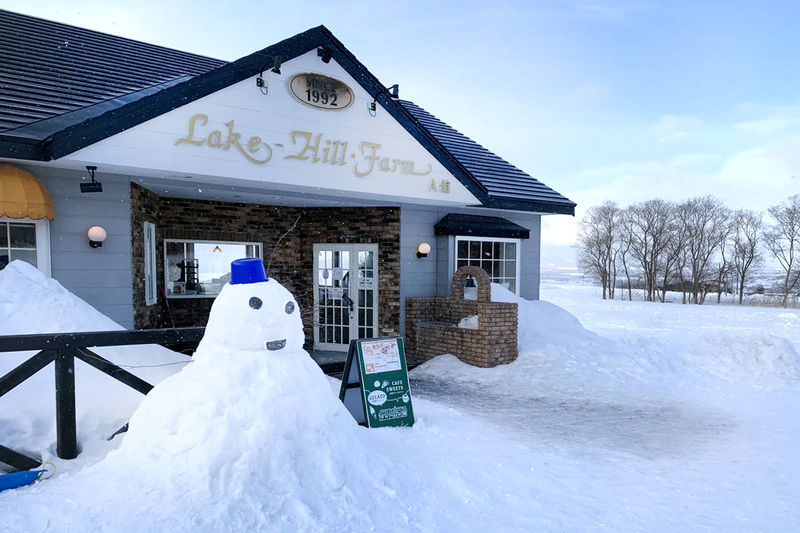
- A quick farm interlude: Lake Hill Farm pairs lake and mountain views with handmade ice cream, but the scheduled stop is only 20 minutes.
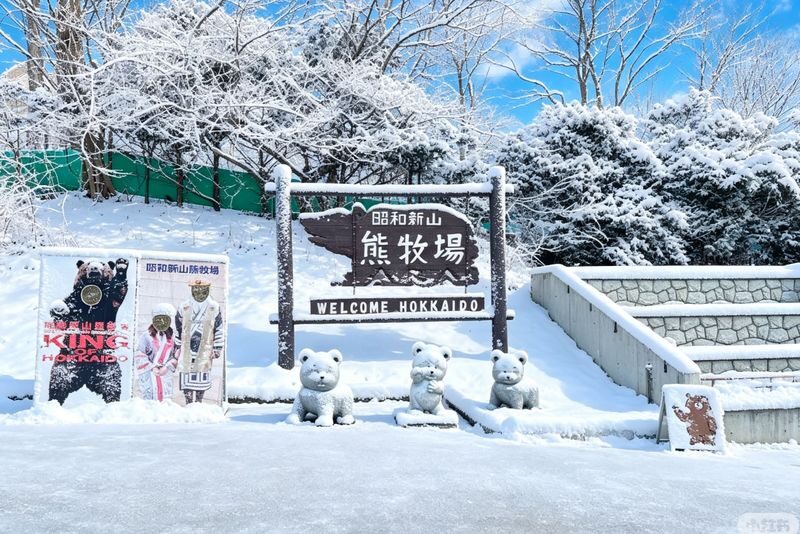
- Bear Park costs extra: Showa-shinzan Bear Park is scheduled for about an hour, but admission is not included.
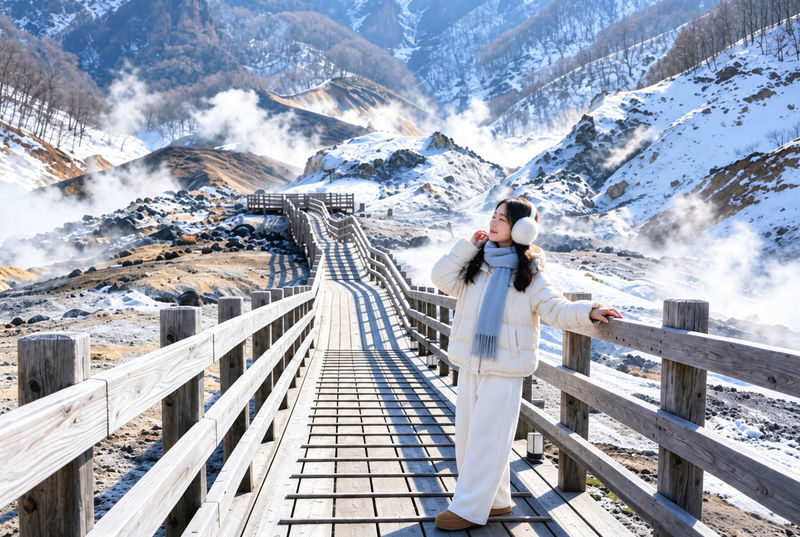
- A volcanic finale: Walk around Noboribetsu’s Jigokudani, where sulfurous steam rises from snow-dusted volcanic ground.
- A full day on the road: The tour leaves around 08:00 or 08:10 and returns to Sapporo around 17:40 or 18:00, depending on the arrangement and road conditions.
- Pack for winter and lunch: Slippery paths, limited meal time and a long coach day make warm layers, grippy shoes and snacks sensible.
- A winter route linking lake, farm and volcano
- Lake Toya’s lookout and the snowmobile choice
- Lake Hill Farm: a short stop with a view
- Showa-shinzan Bear Park and its extra fee
- Jigokudani: steam rising through the snow
- What the long day feels like
- What the price includes, and what it does not
- Who should book this Hokkaido day trip?
- FAQ
- What time does the tour leave Sapporo?
- When does the tour return to Sapporo?
- Is snowmobiling included in the price?
- Is admission to Showa-shinzan Bear Park included?
- Are meals included?
- What should I wear for the tour?
- Is the tour available in English?
- Can children join the tour?
- Can I bring luggage on the bus?
- The Best Of Hokkaido!
- More Guided Tours in Hokkaido
- More Tours in Hokkaido
- More Tour Reviews in Hokkaido
- Not for you? Here's more nearby things to do in Hokkaido we have reviewed
A winter route linking lake, farm and volcano
 1 / 8
 2 / 8
 3 / 8
 4 / 8
 5 / 8
 6 / 8
 7 / 8
 8 / 8
This day trip is built around contrast. Lake Toya offers an open, quiet view; Lake Hill Farm adds a brief pastoral pause; Showa-shinzan brings you close to a volcanic landmark and brown bears; then Jigokudani ends the outing amid steam and snow. The route makes sense if you want a sampler of southern Hokkaido without planning each transfer yourself.
The bus ride is part of the bargain. These places are spread out, and winter roads can be slow. A group transfer saves you the work of coordinating connections, while the guide can introduce the region and explain the sights as you travel. Guides named by participants include Xiao Pan, Mila and Shou, also written as 小潘. Their explanations and practical help have been a recurring bright spot.
Still, this is not a slow-paced day at any one attraction. The schedule depends on weather, traffic and access, and the operator may shorten or change stops. Think of it as a guided overview, not a leisurely visit to every place.

👉 See our pick of the 4 Best Guided Tours In Hokkaido
Lake Toya’s lookout and the snowmobile choice
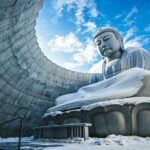
The first major stop is Lake Toya Observatory, reached at about 10:10, with roughly 1 hour and 20 minutes scheduled. The lookout gives you a wide view of the lake, which remains ice-free in winter and contrasts with the snowy ground around it. On a clear day, this is the kind of stop that makes the long ride from Sapporo feel worthwhile.
Snowmobiling is offered here for an extra charge. It is the most active part of the day, and it can become the main event rather than a small add-on. One recent participant put the price at ¥15,000 for a single ride, so check the current fee before you book and budget accordingly. Another account described a ride of about an hour, while a different outing ran closer to an hour and a half. The actual time may depend on the day and group.
That matters if you are not planning to ride. One participant found there was little else to do during the snowmobile stop. If you would rather skip it, ask how the group handles that time and consider bringing something to occupy yourself. If you do ride, expect a group activity: one report described frequent slowdowns and stops, which can interrupt the flow. The ride may be fun, but it is not necessarily a fast, uninterrupted run.
You can also read our reviews of more guided tours in Hokkaido


Lake Hill Farm: a short stop with a view
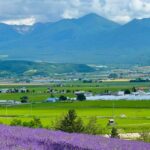
At around 12:10, the bus reaches Lake Hill Farm, a highland farm overlooking Lake Toya and the surrounding mountains. The European-style cottage, open grassland and distant Mount Yotei make this a photogenic pause. The farm is also known for its handmade ice cream, a welcome treat if it is available when you visit.
The catch is the clock. The scheduled visit is only 20 minutes, so treat it as a quick look and snack stop, not a long farm outing. If the view and ice cream are high on your wish list, move promptly when the group arrives. Winter weather may also change how much of the grounds you can comfortably explore.
Showa-shinzan Bear Park and its extra fee
The next stop is Showa-shinzan Bear Park, scheduled for about an hour from 13:00. The park gives you a chance to see Hokkaido brown bears and, if you choose, feed them. It offers a different kind of encounter from the day’s broad natural views: here, the focus is on watching the animals at close range.
Admission is not included, so bring money for the separate ticket. The tour’s scheduled hour gives you time to visit, but remember that this is also the main window for lunch. Meal choices and time can be limited on a busy day, with several tour buses arriving at the same stops. Bring snacks or a packed meal rather than relying on finding a relaxed sit-down lunch.
The bears are a reason to choose this route if you are interested in wildlife, especially with children old enough to enjoy watching them. Keep in mind that the activity has an age range: participants must be at least 2 and under 70. Child seats are not available.
Jigokudani: steam rising through the snow
Around 15:00, the tour reaches Noboribetsu’s Jigokudani, or Hell Valley. This is the day’s most distinctive natural stop. Snow covers the rough volcanic ground, while steam rises from cracks and vents. The sulfur smell is part of the setting, too, so expect the place to feel elemental rather than manicured.
You have about 40 minutes to see the valley. That is enough for a brief walk and photographs, but not a long exploration. Wear shoes with good grip: paths can be slippery in winter, and the tour specifically warns about snow and icy conditions. Take care on uneven ground and follow any access restrictions in force that day.
The valley’s geothermal activity gives the route a strong finish. After the lake and farm, the steam makes clear how volcanic forces shape this part of Hokkaido. If weather or access rules interfere, the operator may shorten or replace stops, so the exact experience cannot be guaranteed.
What the long day feels like
The day starts early, with departure listed at 08:00 or 08:10, and the return to Sapporo is scheduled for about 17:40 or 18:00. Exact meeting and drop-off arrangements should be confirmed in the notice sent before departure. Be at your designated meeting point 10 minutes early: late arrivals cannot join, and missed departures are not refundable.
Expect a group tour rather than a private outing. Seats are assigned first come, first served, and the vehicle type depends on the group size. When the group is small, the driver may also serve as the attendant, so explanations may be more concise. Bring only luggage you have cleared with the operator in advance; storage is not provided, and unannounced bags may be refused.
Road conditions matter in Hokkaido winter. Traffic, snow, road closures or restricted access can change the order of stops, reduce time at attractions or alter the route. For that reason, do not plan a same-evening flight, train connection or dinner reservation that depends on a precise return time. Bring a snack and a power bank, especially on a weekend or public holiday.
You can also read our reviews of more tours and experiences in Hokkaido


What the price includes, and what it does not
At a starting price of about $50.45, the tour’s main value is transport from Sapporo and a guide who helps connect several distant sights in one day. That can be a sensible deal if you do not have a car and want to see both Lake Toya and Noboribetsu without sorting out separate transport.
The base price does not cover the Bear Park ticket, snowmobile ride, meals, drinks, accommodation, personal expenses or insurance. Those extras can change the real cost. Add the snowmobile only if you genuinely want that activity, and bring food so a rushed or crowded lunch stop does not dictate your day.
The package includes an English- or Chinese-speaking guide. Clear, helpful explanations have been one of the strongest parts of the outing, with Xiao Pan and Mila among the guides named by participants. You cannot choose a particular guide, but the bilingual format is useful if you want context beyond a quick photo stop.
Who should book this Hokkaido day trip?
I would consider this tour if you are staying in Sapporo, want to see several southern Hokkaido highlights in one day, and value a straightforward transfer more than an unhurried schedule. It suits first-time visitors, families with older children, and anyone interested in volcanic scenery, Lake Toya or a snowmobile ride.
It is a weaker fit if you want long visits, a leisurely lunch or a guaranteed snowmobile experience without waiting. The ride is optional and extra, and the Lake Toya stop may feel thin if you do not take part. The tight schedule also leaves limited room to linger at Lake Hill Farm or walk far around Jigokudani.
Book for convenience and variety, not for a slow day. If the sights matter more to you than the pace, this route offers a practical way to see lake, farm, bears and volcanic steam in one outing. If you want more time at any single stop, plan a separate visit instead.
(Snow Viewing Limited) Hokkaido Noboribetsu Jigokudani / Lake Toya / Lake Hill Farm / Showa-shinzan | Optional Snowmobile Experience | Departing from Sapporo | English and Chinese Speaking Guide
“We had a great time on the day trip with our family and are very grateful to our tour guide, Xiao Pan, for explaining every attraction on the bus,…”
FAQ
What time does the tour leave Sapporo?
Departure is listed at 08:00 or 08:10. Arrive at the designated meeting point 10 minutes beforehand, and check your pre-departure notice for the exact details.
When does the tour return to Sapporo?
The listed return times are about 17:40 at Sapporo Station North Exit Bus Terminal or 18:00 at Odori Park Subway Station, Exit 31. Traffic and weather can affect arrival time.
Is snowmobiling included in the price?
No. Snowmobiling at Lake Toya is optional and costs extra. The current price should be checked before departure.
Is admission to Showa-shinzan Bear Park included?
No. Bear Park admission is paid separately.
Are meals included?
No. Meals and drinks are not included. Bring snacks or food, as the schedule may not leave enough time for a full meal.
What should I wear for the tour?
Wear warm clothing and shoes with good grip. Paths and roads can be snowy or slippery in winter.
Is the tour available in English?
Yes. The tour includes an English- or Chinese-speaking guide.
Can children join the tour?
Participants must be aged 2 or older and under 70. Child seats are not available.
Can I bring luggage on the bus?
Luggage storage is not provided. You must tell the operator in advance if you need to bring luggage, and the vehicle may refuse bags that exceed its capacity.