Valletta is only a short ferry ride from Sliema, but crossing the harbour by catamaran gives you a quick change of scene: one moment you are on The Strand, the next you are stepping ashore near Malta’s capital. The trip is a practical shortcut as well as a pleasant look across the water.
I like two things here: the short crossing and regular departures make it easy to fit Valletta into a day, and a return ticket for about $6 keeps the trip affordable. You can spend your time exploring the city instead of sitting in traffic.
The main catch is finding the right quay and managing queues. The departure point is given as The Strand in Sliema, but the exact boarding spot may not be obvious, and buying online does not always mean you can skip the queue.
- Key points before you go
- A quick crossing that saves time
- From The Strand to Valletta
- Arriving in Valletta, and getting around
- What the fare gets you
- Queues, seats, and comfort
- Who will get the most from this ferry
- Booking and practical details
- Should you book it?
- FAQ
- How long does the ferry crossing take?
- How often does the ferry depart?
- Where does the ferry leave from in Sliema?
- Does the ticket include a return trip?
- How much does the return ticket cost?
- Is the ferry wheelchair accessible?
- Are there restrooms on the ferry?
- Is the ferry guided?
- Can I cancel my booking?
- Can I reserve now and pay later?
- The Best Of Sliema!
- More Private Drivers in Sliema
- More Tours in Sliema
- More Tour Reviews in Sliema
- Not for you? Here's more nearby things to do in Sliema we have reviewed
Key points before you go
 1 / 4
 2 / 4
 3 / 4
 4 / 4
- The crossing is brief: Expect roughly 6 to 10 minutes on the water, depending on conditions and the particular sailing.
- Departures run every half hour: Service operates from dawn to dusk, so you should not need to build your whole day around one departure.
- One ticket covers the return: The listed fare is about $6 per person, a good-value way to connect Sliema with Valletta.
- Find the quay before departure time: The Strand is the Sliema departure area, but the exact boarding point can be unclear.
- Arrive early for a seat: Queues can form, and early boarding gives you a better chance of choosing a seat inside or on deck.
- Plan for Valletta’s steep approach: The climb from Boat Street toward Republic Street is steep, a useful detail if you have limited mobility or a tiring day ahead.
👉 See our pick of the 2 Best Sailing Experiences In Sliema
A quick crossing that saves time
This is a straightforward transport service, not a guided sightseeing cruise. You board in Sliema, cross the harbour to Valletta, and use the return leg when you are ready to come back. The simple format is its strength: you get a direct connection without turning the transfer into a major part of your day.
The crossing itself is often described as taking around 6 to 10 minutes. That short ride can make a real difference to your plans. Instead of treating Valletta as a separate excursion, you can make it a flexible stop from Sliema, spend a few hours in the capital, then return when it suits you.
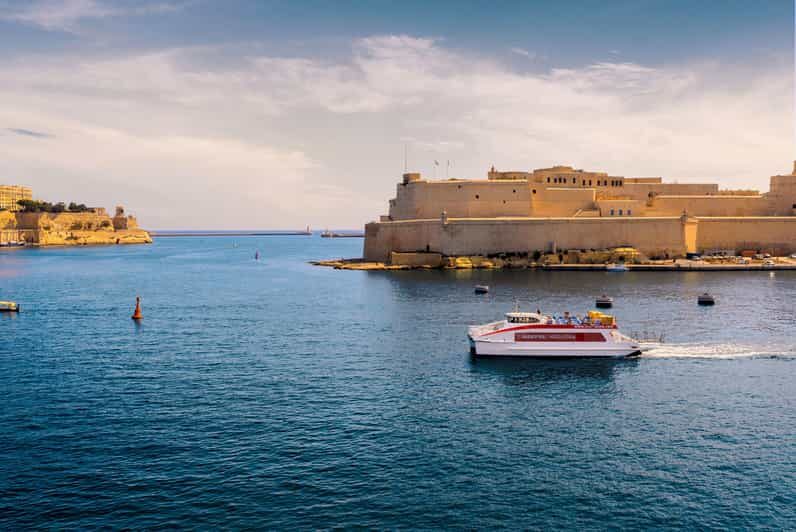
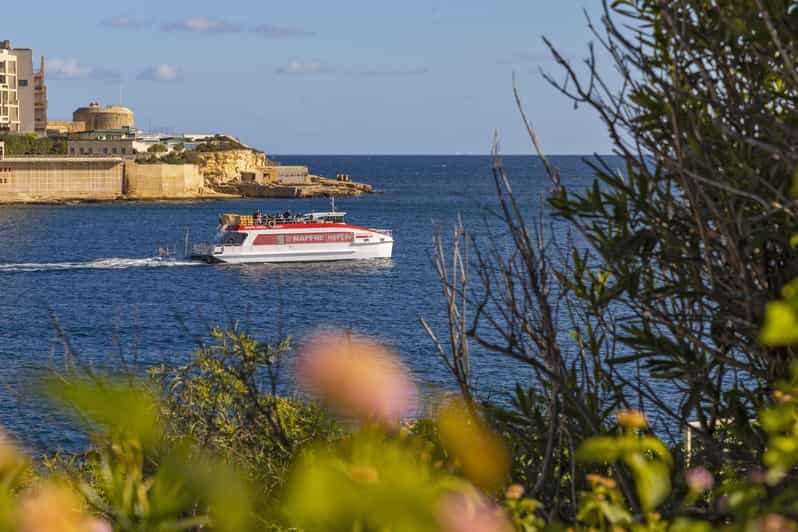
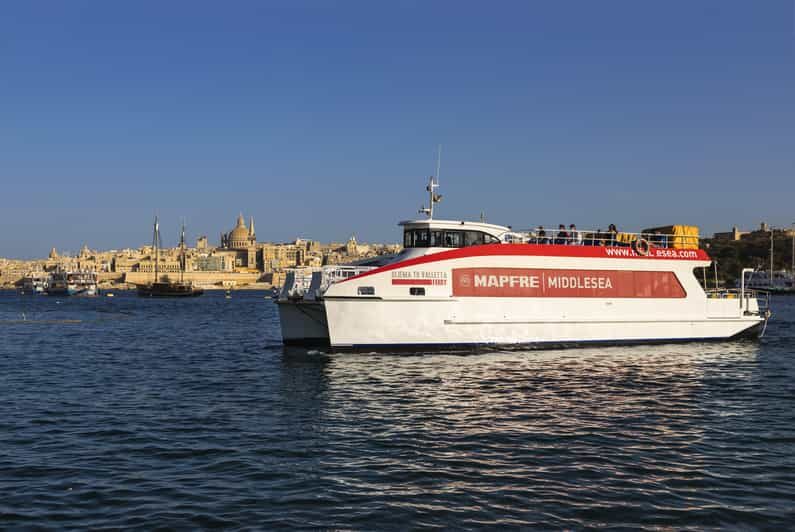
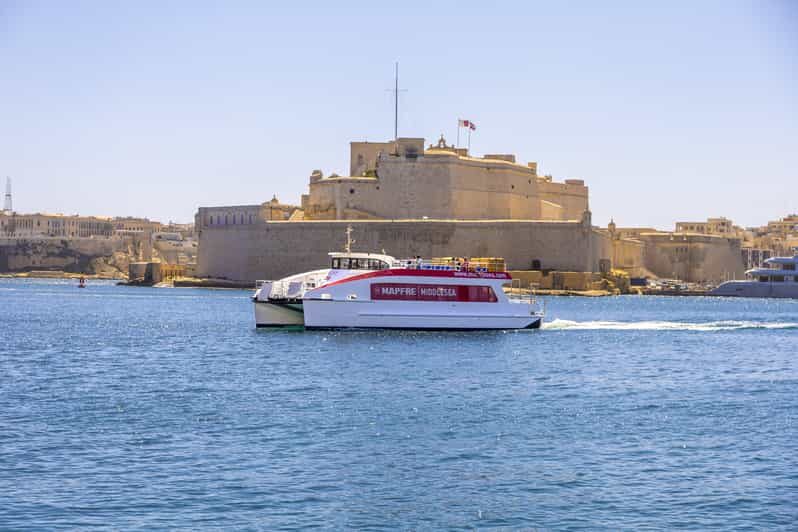
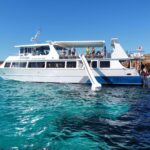
The catamaran offers a comfortable, quick ride, with seating inside and on deck. On a calm day, the harbour views are a welcome bonus. I would not book this solely for a scenic cruise, though. The journey is short, and the main value is getting between the two places easily.
You can also read our reviews of more tours and experiences in Sliema

From The Strand to Valletta
The Sliema departure point is described as The Strand, a waterfront area. That tells you where to head in general, but not necessarily which exact quay or boarding lane to use. Give yourself time to find the ferry and check the departure signs or ask staff if you are unsure. A little extra time is more useful than rushing along the waterfront at the last minute.
There is one recurring practical wrinkle: staff may arrive close to departure, and queues can build. Arriving early is sensible, especially if having a seat matters to you. The ferry has seating inside and on deck, but the available choice depends on how many people are boarding before you.
An online ticket can make the purchase easier, but do not assume it will let you walk straight aboard. You may still need to join a line or show your ticket at a kiosk. Keep your booking details handy and follow the instructions at the terminal.
The service runs every half hour from dawn to dusk. That frequency gives you breathing room if you miss a sailing, but it is still worth checking the available starting times for your date. The ticket is valid for one day, so plan to make the return crossing within that period.
Arriving in Valletta, and getting around
The ferry drops you close to the capital’s waterfront, where the contrast with Sliema becomes clear. Valletta’s streets rise above the harbour, and the short walk up can be steep. One particularly useful wayfinding note is that the climb from Boat Street toward Republic Street is demanding. If you are carrying bags, travelling with someone who finds hills difficult, or simply saving your energy for sightseeing, take that into account.
Once you reach the upper streets, you have easy access to Valletta’s architecture, historic sites, shops, and cafés. The ferry does not include a guide or a walking tour, so you will need to plan your own visit. That freedom is part of the appeal: you can set your own pace rather than follow a group schedule.
The return crossing makes the ferry especially handy. You can spend the day in the capital and head back to Sliema without arranging separate transport for the outbound and return journeys. If you are going toward Valletta later in the day, the harbour can also be a pleasant part of the trip, but the stated operating window is dawn to dusk. Do not count on a late-night sailing without checking the schedule.
What the $6 fare gets you
At about $6 per person, the return ticket is a strong-value choice if you want to travel between Sliema and Valletta. You are paying for a quick water crossing in both directions, not a guided tour or a long boat excursion. The fare makes most sense when you value convenience and want to avoid treating the trip as a complicated transport puzzle.
The ticket covers a return ferry journey, with the starting point depending on the option selected. Check that you have the right direction for your first leg before you book. Restrooms are available at the ferry terminal, but they are not included as a facility on the ferry itself.
The service is also useful for residents and commuters, which gives it a more everyday feel than a sightseeing-only boat trip. You are sharing a working transport link, not boarding a themed cruise. That is a plus if you want a simple, direct ride. If you expect narrated commentary or a long scenic route, this is not the right product.
More Great Tours NearbyQueues, seats, and comfort
The most common praise is for speed, ease, and regular departures. Those points matter because a ferry transfer should simplify your day. A crossing of about 10 minutes, paired with a sailing every half hour, lets you make plans without losing much time in transit.
Still, a short ride does not guarantee a queue-free one. Lines can be crowded in both directions, and an online booking may not remove the need to show your ticket before boarding. Leave some slack in your schedule, especially if you have a timed reservation or another connection to make after arriving.
If you want a seat, aim to be among the first in line. There are seats inside and on deck, so you can choose between shelter and an open-air ride when space allows. Weather can affect comfort on the water; the service is a catamaran, but the crossing may feel bumpy in strong wind or rain. If conditions look rough, allow for the possibility that the ride will be less smooth than the short distance suggests.
The ferry is marked as wheelchair accessible. That is helpful, but it does not remove every access challenge at either end. The steep approach from the Valletta waterfront is worth considering, and you may want to confirm the specific boarding arrangements with the operator before travelling.




Who will get the most from this ferry
This is a good fit if you are staying in Sliema and want an easy way to spend time in Valletta. It also suits visitors who prefer independent sightseeing, commuters making the crossing regularly, and anyone who would rather take a short boat ride than spend longer getting across by other means.
Families and groups can benefit from the simple return format, but should allow time to board together and find seats. If your group includes someone with limited mobility, consider the steep climb after arrival, even though the ferry itself is wheelchair accessible.
It is less suited to anyone looking for a guided harbour tour, a full-day boat outing, or guaranteed priority boarding. The ride is a transfer first and a scenic experience second. Keep your expectations in line with that, and the value is clear.
Booking and practical details
The ticket is valid for one day, and availability determines the starting times shown when you book. You can reserve now and pay later, and cancellation is available up to 24 hours in advance for a full refund. These flexible terms are useful if you are still shaping your plans.
The host or greeter language is English. Prohibited items and conduct include weapons or sharp objects, smoking, vaping, alcohol and drugs, intoxication, fireworks, explosives, making a fire, swimwear, nudity, and see-through clothing. Unaccompanied minors are also not allowed.
Before leaving your accommodation, check the exact quay and allow enough time to reach it. Once at the terminal, confirm the direction of travel and keep your return ticket details accessible. Those small steps help avoid the main hassles: a confusing boarding point and a crowded queue.
Should you book it?
I would book this ferry if you want a fast, affordable connection between Sliema and Valletta, and you are happy to make your own plans once you arrive. Its best features are the short crossing, half-hourly service, and return fare of about $6. It is an efficient way to make the capital part of your day.
Skip it if you are expecting a narrated excursion or a guaranteed way past queues. Check the quay details, arrive early if you want a seat, and remember that Valletta’s waterfront sits below the main streets. With those points in mind, this is a useful, low-cost link that earns its place in a Malta itinerary.
Sliema: Return Ferry Transfer to/from Valletta
FAQ
How long does the ferry crossing take?
The crossing is commonly about 6 to 10 minutes. The exact duration can vary.
How often does the ferry depart?
The service operates every half hour, from dawn to dusk.
Where does the ferry leave from in Sliema?
The Sliema departure point is The Strand. Check the exact quay before you go, since the boarding location may not be obvious.
Does the ticket include a return trip?
Yes. The included ticket is a return ferry ticket from Sliema or Valletta, depending on the option selected.
How much does the return ticket cost?
The listed price is about $6 per person. Check the current price when booking.
Is the ferry wheelchair accessible?
Yes, the activity is listed as wheelchair accessible. The climb from the Valletta waterfront toward Republic Street is steep, so consider the route after you disembark.
Are there restrooms on the ferry?
Restroom facilities are available at the ferry terminal, not included on the ferry.
Is the ferry guided?
No guided commentary is specified. The service is a transport link between Sliema and Valletta.
Can I cancel my booking?
You can cancel up to 24 hours in advance for a full refund.
Can I reserve now and pay later?
Yes. The activity offers a reserve-now, pay-later option.
You can check availability for your dates here: