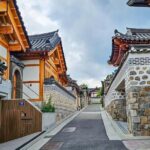
Walking through Seoul, it’s easy to focus on the modern skyscrapers, bustling markets, and vibrant street life. But for those interested in understanding the city’s more profound stories—particularly its wartime struggles—this Seoul Walking Tour offers a compelling way to connect with the past. Touted as an immersive experience, it guides you through key landmarks while unraveling the complex history of the Korean War and the division of North and South Korea.
What we love about this tour is how it balances major heritage sites with lesser-known spots, giving a well-rounded picture of Seoul’s wartime scars and resilience. The guide’s personal stories, along with the support of visual and physical cues, make history come alive in a way that textbooks rarely capture. It’s a concise, affordable journey—just 2 to 3 hours—that offers surprising depth for such a short time.
One thing to keep in mind is that the tour requires a good level of physical fitness, as it involves walking through multiple districts and historical sites. It’s best suited for travelers who want more than just surface sightseeing and are eager to understand the human side of Korea’s divided history. If you’re curious about the stories behind Seoul’s iconic streets and war-related tragedies, this experience will hit the mark.
Good To Know
- Focus on Korean War history with visits to relevant landmarks and hidden sites.
- Personal narratives enrich the storytelling, making history more relatable.
- Support for human rights initiatives adds a meaningful purpose to the tour.
- Short duration (2-3 hours) offers great value for travelers on tight schedules.
- Guided walking experience ensures insightful commentary and safety.
- Suitable for history lovers and those interested in South Korea’s wartime legacy.

👉 See our pick of the 25 Best Guided Tours In Seoul
- Good To Know
- A Closer Look at the Seoul Walking Tour
- Starting Point: Seodaemun Prison History Hall
- Gwanghwamun Gate and the Heart of Seoul
- Changdeokgung Palace and Cultural Reflection
- The Seoul University Hospital Massacre Site
- The Korean Wartime Abduction Remember Trail
- What to Expect and Practical Details
- Support for Human Rights
- What We Loved and What to Keep in Mind
- Who Will Treasure This Experience?
- The Sum Up
- FAQs
- The Best Of Seoul!
- More Walking Tours in Seoul
- More Tours in Seoul
- More Tour Reviews in Seoul
- Not for you? Here's more nearby things to do in Seoul we have reviewed
A Closer Look at the Seoul Walking Tour
This tour isn’t just about ticking off landmarks; it’s about understanding the deep scars and stories that still influence the city today. For just $28, you gain access to a structured, informative walk led by knowledgeable guides, who bring the narrative of Korea’s wartime trauma to life. The tour is designed to be both educational and thought-provoking, making it a meaningful addition to your Seoul itinerary.
You can also read our reviews of more walking tours in Seoul

Starting Point: Seodaemun Prison History Hall
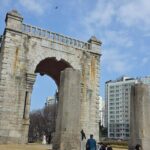
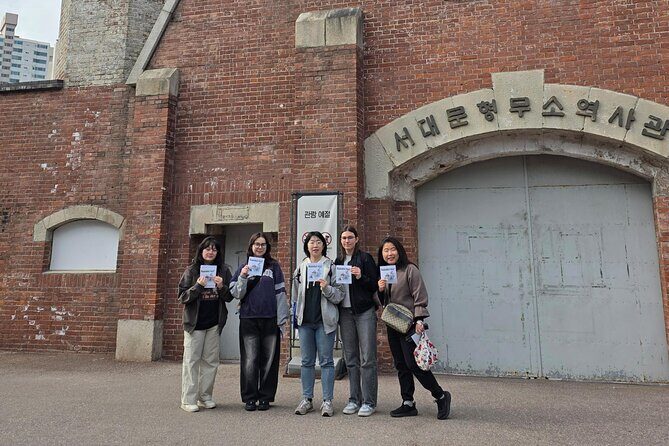
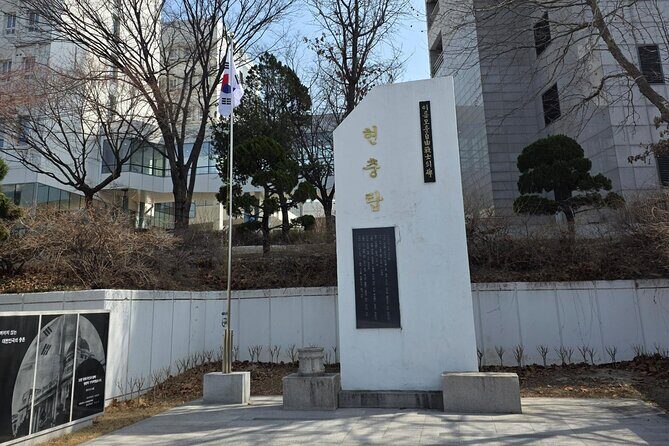
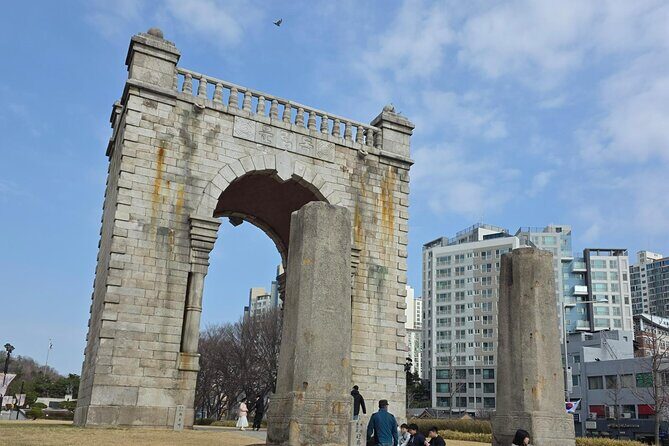
Your journey begins at Seodaemun Prison History Hall, a haunting reminder of political repression during Korea’s turbulent past. The guide will give you a brief overview of its role—not just as a prison but as a symbol of resistance. It’s a powerful way to start, as the site’s brutal history echoes through many of the subsequent stops. Expect to hear about how the prison is linked to wartime abductions and political oppression, adding a sobering context to the tour.
Tip: The admission here is free, and the site’s stark architecture makes it a compelling photo spot. As one reviewer pointed out, the guide’s insights make the experience “more meaningful than just walking around on your own.”
Gwanghwamun Gate and the Heart of Seoul
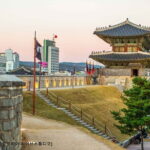
Next, you’ll pass by Gwanghwamun Gate, the grand entrance to Gyeongbokgung Palace. The guide provides a quick historical overview, emphasizing its significance as a symbol of Korea’s sovereignty and resilience. This spot is perfect for snapping photos and getting a sense of Seoul’s regal past, all while understanding its wartime modifications.
Travel tip: Only about 5 minutes are spent here, making it an efficient stop that seeds the rest of the walk with both history and charm.
Changdeokgung Palace and Cultural Reflection
While pausing for light refreshments near Changdeokgung Palace, you’ll hear about the palace’s role during wars and how its architecture reflects Korea’s ability to adapt through centuries of upheaval. Even a brief stop here provides insight into Korea’s cultural endurance amidst turmoil. It’s also a good chance to relax briefly before heading into more somber sites.
One reviewer appreciated the story-sharing about the area’s wartime turmoil, describing it as “a brief but meaningful glimpse into Korea’s resilience and cultural richness.”
The Seoul University Hospital Massacre Site
A more sobering part of this walk is the visit to Seoul National University Hospital and its massacre site. Your guide will explain how hospitals became sites of violence during the Korean War—an aspect often overlooked in typical tours. Here, you’ll hear about the atrocities committed and how public institutions suffered during wartime chaos, making this a poignant stop.
Insight: The guide offers a sensitive overview, helping visitors grasp the human toll behind historical facts. This stop makes the tour stand out, as it combines history with human rights issues, reinforcing the tour’s support for ongoing human rights initiatives.
You can also read our reviews of more city tours in Seoul


The Korean Wartime Abduction Remember Trail
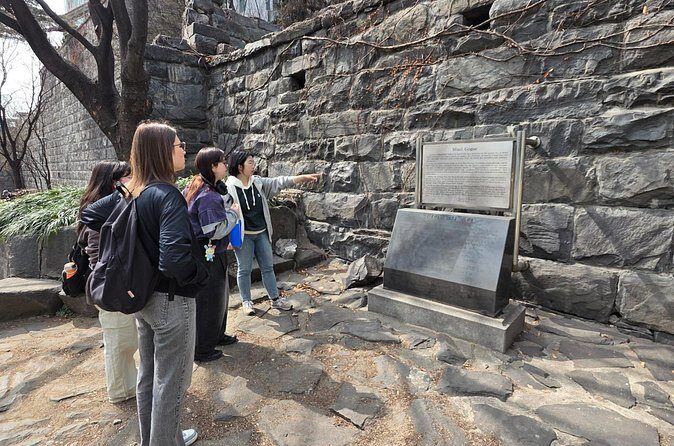
The tour’s highlight is retracing the Korean Wartime Abduction Remember Trail, where over 100,000 South Korean civilians were forcibly taken to North Korea during the war. Walking this route offers a tangible connection to the stories of families torn apart and the ongoing pain of separation.
Tip: This route is both emotional and educational—an opportunity to reflect on the lasting scars of war on individuals and families. The guide’s narration, enriched by personal stories, makes it more than just a walk.
What to Expect and Practical Details
The tour is designed for groups of no more than 15, ensuring an intimate experience where questions are encouraged. It begins at 9:30 am at 92-5 Hyeonjeo-dong, Seodaemun-gu, and ends in Jongno at 28-3 Yeongeon-dong, making it easy to access via public transportation in central Seoul.
Duration: 2 to 3 hours—perfect for fitting into a busy sightseeing day without feeling rushed.
Price: At $28, it’s quite a reasonable investment considering the depth of information provided and the access to significant landmarks. Plus, the inclusion of a map and leaflet enhances your understanding even after the tour ends.
Accessibility: While the tour involves walking and is suited for those with good physical fitness, it offers a rewarding, in-depth look at Seoul’s wartime history. The guide’s attentiveness ensures that questions about the sites and histories are always welcome.
Support for Human Rights
An admirable aspect of this experience is that every tour supports North Korean human rights initiatives. Knowing that your participation contributes to a broader cause adds a layer of purpose to the walk, making it more meaningful.
What We Loved and What to Keep in Mind
The guides are a highlight—their ability to weave personal stories into historical facts makes the experience engaging and authentic. According to reviews, guides like J. Lee are particularly praised for their knowledge and storytelling skills.
Food and refreshment options are briefly mentioned—light refreshments near Changdeokgung Palace enhance the experience, but travelers should bring snacks or bottled water if needed.
Cost-effective and compact, this tour provides a high-value look into Korea’s wartime scars, cultural endurance, and ongoing human rights issues—all in a short, manageable walk.
Consideration: Because the tour emphasizes emotional and historical depth, travelers should be prepared for potentially somber moments and reflective discussions.
Who Will Treasure This Experience?
This tour is ideal for history enthusiasts, culture lovers, and those interested in Korea’s divided past. It’s particularly suited for travelers who appreciate guided insights that go beyond surface sightseeing, offering meaningful stories and a chance to understand Korea’s resilience firsthand.
It’s perfect for visitors with a reasonable fitness level, as it involves walking through historical districts and sites, often outdoors. If you’re looking for a quick, affordable, and impactful way to learn about Korea’s wartime history, this tour fits the bill.
The Sum Up
The Seoul Walking Tour focusing on Korean War history and city highlights delivers a uniquely impactful experience. It combines major landmarks, lesser-known sites, and personal narratives to provide a well-rounded understanding of Korea’s wartime past. For just $28, you get expert guides, meaningful stories, and a sense of connection to the city’s ongoing journey of resilience.
Whether you’re a history buff, a cultural explorer, or simply curious about Korea’s divided legacy, this tour offers valuable insights in a compact, accessible format. It’s a thoughtful way to deepen your understanding of Seoul beyond its modern facade and appreciate the stories that continue to shape the city today.
FAQs
Is this tour suitable for all age groups?
While suitable for most, it’s best for those with good physical fitness due to the walking involved. It’s especially meaningful for adults and older teens interested in history and human rights issues.
What’s included in the price?
For $28, you get a guided walk, a map, and a leaflet. Entrance fees for the sites are free, and the guide’s narration enriches your understanding.
How long does the tour last?
The tour takes approximately 2 to 3 hours, making it manageable within a half-day schedule.
Do I need to book in advance?
Yes, it’s recommended to book around 28 days in advance as this tour is popular and spots fill quickly.
Where does the tour start and end?
It begins at 92-5 Hyeonjeo-dong, Seodaemun-gu and ends in Jongno at 28-3 Yeongeon-dong. The starting point is accessible via public transportation.
Are refreshments provided?
Light refreshments are available near Changdeokgung Palace, but it’s advisable to bring bottled water or snacks if desired.
Is the tour available in bad weather?
Yes, but it is weather-dependent. If canceled due to poor weather, a different date or full refund will be offered.
Can I bring a service animal?
Yes, service animals are allowed on the tour.
This guided walking experience stands out as an affordable, meaningful way to understand Seoul’s wartime history. It’s perfect for travelers eager to explore beyond the surface and connect with stories that shaped Korea’s present.