
Travelers curious about one of the world’s most tense and fascinating border zones will find this DMZ tour from Seoul an eye-opening experience. This guided journey, offered in Japanese, provides a balanced mix of history, unique sights, and authentic insights into Korea’s division.
What makes this tour special? First, the knowledgeable guides make complex political history accessible and engaging. Second, the visit to Imjingak Park and the Bridge of Freedom offers a tangible connection to past reconciliation efforts. Third, the chance to peek into North Korea from Dora Observatory is both rare and compelling.
That said, some travelers might find the 3rd Infiltration Tunnel a bit physically demanding due to its steep slopes and walking time—about 30 to 40 minutes round trip. It’s not suited for those with mobility challenges or very young children.
This tour is perfect for history buffs, those interested in Korean politics, or anyone eager for a meaningful, authentic visit that goes beyond the usual tourist spots in Seoul.
- Good To Know
- The Full Experience: A Practical Breakdown of the DMZ Tour
- Meeting and Transportation
- Imjingak Park and the Bridge of Freedom
- The 3rd Infiltration Tunnel
- Dora Observatory: Gazing into North Korea
- Unification Village and Souvenir Shopping
- Optional Shooting Range Visit
- Evaluating the Value: Is the Tour Worth It?
- Practical Tips for Participants
- Final Thoughts
- FAQs
- Final Word
Good To Know
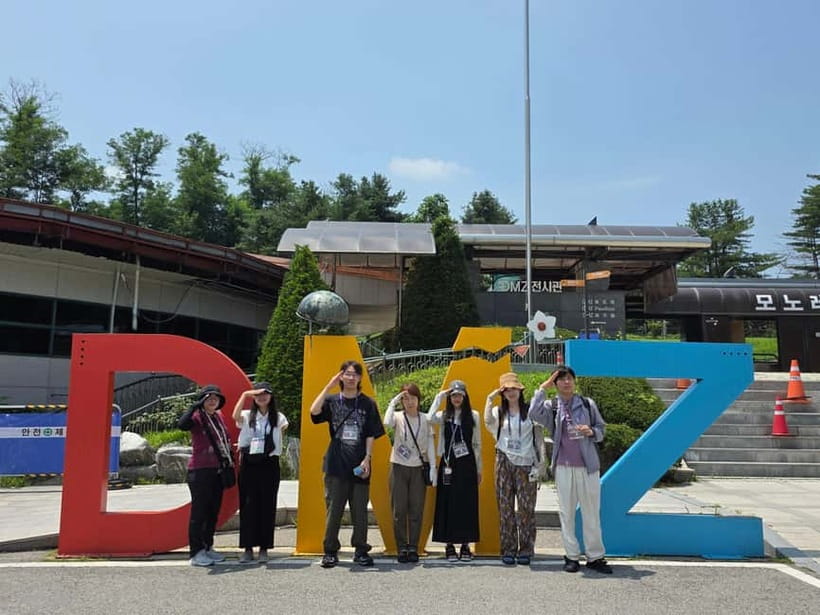
- Authentic insights provided by licensed, Japanese-speaking guides.
- Visiting Imjingak Park and seeing the Bridge of Freedom connect you to Korean history firsthand.
- Access to the 3rd Infiltration Tunnel with a chance to walk inside adds a tangible element of exploration.
- Dora Observatory offers a rare glimpse into North Korea on a clear day.
- The tour includes transportation, entrance fees, and a shared guide, offering great value.
- It’s a meaningful, educational experience that’s suitable for most adults, but less so for those with mobility issues or young children.
The Full Experience: A Practical Breakdown of the DMZ Tour
.jpg)
Meeting and Transportation
The adventure begins with a shared roundtrip transfer from Seoul in an air-conditioned bus or minivan. The exact meeting point varies depending on your booking options—likely near central locations such as Myeongdong or City Hall. As you settle into the vehicle, you’ll notice that the group tends to stay small enough for a friendly, personal vibe, but large enough to feel like a proper excursion.
Travel times can fluctuate depending on traffic and the number of travelers, so it’s good to be flexible. The entire day is structured to maximize sightseeing while maintaining comfort. You’ll want to arrive alert and ready to absorb history, because the day moves at a steady pace.
Imjingak Park and the Bridge of Freedom
Your first stop is Imjingak Park, a poignant site that commemorates the Korean War and the continued hope for reunification. The Bridge of Freedom is a striking feature, used historically by prisoners of war repatriated from North Korea. From here, you get a visceral sense of the division and the longing for peace.
Reviewers mention that guides are well-informed about the significance of each site. “We loved the way our guide explained the historical context of the Bridge of Freedom,” one traveler shared. Many appreciate that this part of the tour frames the visit with real stories, making it more than just sightseeing.
The 3rd Infiltration Tunnel
Next, you’ll explore the 3rd Infiltration Tunnel, built secretly by North Korea beneath the DMZ. The tunnel is now a popular highlight because it offers a rare inside look at North Korea’s clandestine military infrastructure. The walk down involves a steep slope and takes about 30-40 minutes round trip.
Travelers with a moderate level of fitness will find this manageable, but it’s worth noting that steep slopes can be challenging—so those with mobility issues or small children might prefer to wait outside. Inside, you’ll see the narrow, unfinished passage, and feel the weight of the tense history it symbolizes.
One reviewer described the experience as “a tangible reminder of how close North Korea’s military build-up is to us,” making it a compelling part of the journey. If you’re lucky, the weather will cooperate, allowing clear views into North Korea from the surface at Dora Observatory.
More Great Tours NearbyDora Observatory: Gazing into North Korea
Perched atop Mountain Dora, the Dora Observatory offers a panoramic glance into North Korea—sometimes with the aid of binoculars, sometimes just by eye on a clear day. It’s fascinating to see the distant structures and the border zone that has defined Korea for over six decades.
One reviewer noted, “On a good day, you can see so far that it feels unreal,” highlighting how this vantage point brings the reality of division into sharp focus. The observatory provides an authentic, unfiltered perspective that few other tours can match.
Unification Village and Souvenir Shopping
A visit to Unification Village caps off the main tour. Here, you can browse a variety of souvenirs—many reflecting themes of peace and reconciliation, including some from North Korea. It’s a good spot to pick up meaningful keepsakes or snacks before heading back.
Reviewers often mention that the guides are helpful with recommendations and explanations of the items’ significance. It’s also an opportunity to understand the ongoing hopes for reunification, as many of the goods symbolize peace and unity.
Optional Shooting Range Visit
For those who want to extend their experience, there’s an optional stop at a shooting range in Myeongdong afterward. Here, travelers can try their hand at shooting 10 bullets of pistol—an unusual activity that some find exciting and memorable. This add-on is a unique way to wrap up the day, though it’s not included in the base price.
Evaluating the Value: Is the Tour Worth It?
.jpg)
At $55 per person, this tour offers remarkable value considering the depth of experience. Entrance fees, transportation, and a professional guide are included, which simplifies planning and budgeting. The guide’s expertise and Japanese language support ensure clarity and comfort for Japanese-speaking travelers, making the experience more accessible.
Some reviews mention initial hiccups, like difficulty meeting the guide, but these seem to be minor. “The start was a little uneasy, but the guide’s calming approach made everything smooth,” one traveler said. The tours are run by I LOVE SEOUL TOUR Co., Ltd., a reputable provider with positive feedback.
While the tour doesn’t include the JSA (Joint Security Area/Panmunjom), it covers the most accessible and compelling sites, providing a thorough understanding of the border’s history and current situation. It’s perfect for travelers who value history, politics, and authentic experiences over a packaged, superficial visit.
Practical Tips for Participants
Always bring your passport—it’s required for border access. Wearing comfortable shoes is recommended, especially for the walk into the 3rd Tunnel. Respect the regulations—no smoking, drinking, or unaccompanied minors—and be punctual, as delays can affect the itinerary.
The tour isn’t suitable for individuals with heart problems or wheelchair users due to terrain. Also, note that military operations can lead to sudden cancellations or changes—a reminder to stay flexible.
Final Thoughts
This DMZ tour in Seoul with a Japanese-speaking guide offers an engaging, meaningful way to understand the division of Korea. It balances historical context with physical sites that bring history to life. The guides’ expertise, combined with the chance to see North Korea from a safe distance, makes this experience unforgettable.
It’s particularly suited for history enthusiasts, politically curious travelers, or those wanting a profound, educational day out. While physically demanding at points, the overall value and authenticity make it a standout option.
If you’re looking for a tour that’s more than just sightseeing—one that deepens your understanding of Korea’s ongoing story—this is a compelling choice.
FAQs
.jpg)
Is this tour suitable for children?
The tour involves walking into the 3rd Infiltration Tunnel, which can be physically demanding. It’s better suited for adults and older children who can handle steep slopes and a fair amount of walking.
Do I need to bring my passport?
Yes, your passport is required for border access and to participate in the tour.
Can I book this tour last minute?
Yes, you can reserve your spot in advance and pay later, offering flexibility if your plans change.
What if the weather is bad?
The itinerary is subject to weather conditions, military, and government regulation. In bad weather, you might visit alternative sites like the War Memorial of Korea or Art Space BEAT 131.
Is there a chance the tour will be canceled?
Since the DMZ is operated by the military, cancellations are possible without prior notice. Staying flexible is advised.
Can I visit the JSA (Joint Security Area) on this tour?
No, this tour does not include the JSA visit. It focuses on Imjingak, the tunnels, and the Dora Observatory.
Are there any age restrictions?
Infants under 24 months are free, but no seats are provided. The tour is not suitable for unaccompanied minors or individuals with certain health issues.
What should I wear?
Comfortable walking shoes are recommended. Be prepared for some steep slopes, especially at the tunnel.
Final Word
.jpg)
This DMZ tour offers a rare, authentic peek into Korea’s divided landscape, with guides who are knowledgeable and attentive. While physically demanding at times, it’s a deeply educational experience that balances history, politics, and culture. Perfect for those eager to understand Korea’s ongoing story, it delivers a powerful and memorable day—one that’s worth every dollar and every step.
You can check availability for your dates here: More Great Tours Nearby