Experience the complexity of Korea’s division with the Seoul: 38th Parallel Private DMZ & Modern Korea History tour. This 8-hour journey takes you beyond typical sightseeing, offering a thoughtful look at how history, politics, and choices have shaped the Korean Peninsula into what it is today. It’s perfect for travelers eager to understand Korea’s unique story with a more personal and in-depth approach.
What makes this tour stand out? First, it’s completely private, ensuring a tailored experience with a knowledgeable guide. Second, it combines a visit to the DMZ—the symbol of Korea’s ongoing division—with a storytelling approach that connects past and present. Third, it’s not a generic military tour; instead, it’s a nuanced exploration of Korea’s modern history, colonial past, and the choices that led to the current state.
One possible drawback? It’s a full day with some restrictions—like no photography inside the DMZ and a need for your original passport. Travelers looking for a casual, quick visit might find it a bit more intense. Still, for those who want a meaningful, balanced perspective, this experience is a perfect fit.
This tour suits history buffs, those curious about Korea’s political landscape, or anyone wanting to go beyond surface-level understanding. If you’re interested in meaningful storytelling rather than just sightseeing, this will be a highlight of your trip.
- Good To Know
- A Closer Look at the Tour Experience
- Imjingak Pyeonghwa Nuri Park
- Third Tunnel of Aggression
- Dora Observatory
- Unification Village
- Museum of Modern History of Korea
- End of Tour & Drop-off
- What We Loved About the Tour
- Practicalities and Value
- Who Should Consider This Tour?
- Frequently Asked Questions
- Final Thoughts
- The Best Of Seoul!
- More Historical Tours in Seoul
- More Private Tours in Seoul
- More Tour Reviews in Seoul
- Not for you? Here's more nearby things to do in Seoul we have reviewed
Good To Know
- Private, personalized tour with an English-speaking guide.
- Visits to key sites like the DMZ, Third Tunnel, and Dora Observatory.
- In-depth storytelling connecting Korea’s modern history with its division.
- Designed for understanding Korea’s complex past, not just military sightseeing.
- Includes a modern history museum visit to contextualize the events.
- Flexible booking with free cancellation up to 24 hours in advance.

👉 See our pick of the 25 Best Guided Tours In Seoul
A Closer Look at the Tour Experience
This private tour begins with a pickup in Seoul, setting the stage for a day that is both educational and emotionally resonant. You’ll travel comfortably to Gyeonggi Province, with the entire itinerary carefully curated to avoid the usual tourist trappings. Unlike many DMZ visits, which often focus solely on military sites, this journey leans into storytelling, making history accessible and engaging.
You can also read our reviews of more private tours in Seoul



Imjingak Pyeonghwa Nuri Park
Your first stop is Imjingak Pyeonghwa Nuri Park, a site often considered the gateway to understanding Korea’s division. Here, you get a sense of the emotional weight the border holds. The park is adorned with monuments and relics, but what makes this visit special is the guided narrative that explains Korea’s fractured history from the colonial era through the Korean War. Expect a 1.5-hour overview that balances historical facts with personal stories, making it clear why this place remains so poignant.
Third Tunnel of Aggression
Next, you’ll descend into the Third Tunnel of Aggression—a real underground tunnel carved by North Korea in an attempt to invade South Korea. You’ll walk through a narrow, dimly lit passage that vividly illustrates the threat that still exists beneath the surface. A guided tour here helps you understand the tunnel’s strategic importance and the tensions that continue to define the border. The walk takes about an hour, and while it’s a bit of a workout, it’s a tangible reminder of the fragile peace.
Dora Observatory
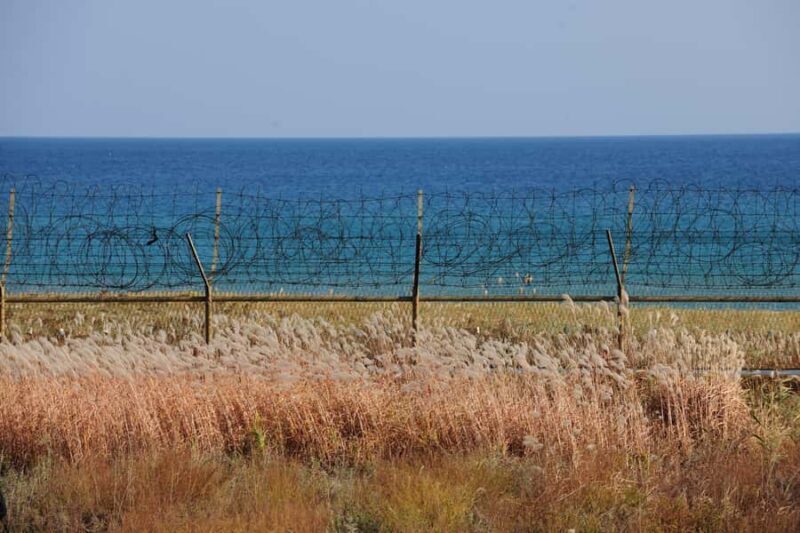
From the Dora Observatory, you’ll enjoy sweeping views into North Korea—a rare chance to see across the border. Your guide will share insights about what you’re looking at, including the North Korean villages and key military sites. The observatory is a designated area for viewing, and photography is only permitted in certain zones, so be prepared to follow instructions carefully. Expect about an hour here, soaking in the stark reality of two Koreas side by side.
More Great Tours NearbyUnification Village
Following the observatory, you’ll stop at Unification Village, a place symbolizing hope and uncertainty. You’ll have some free time to explore, shop, or simply reflect on the day’s sights. This break also offers an opportunity to understand the local community’s perspective—many residents still hope for reunification, while others live with the tension daily.
You can also read our reviews of more historical tours in Seoul


Museum of Modern History of Korea
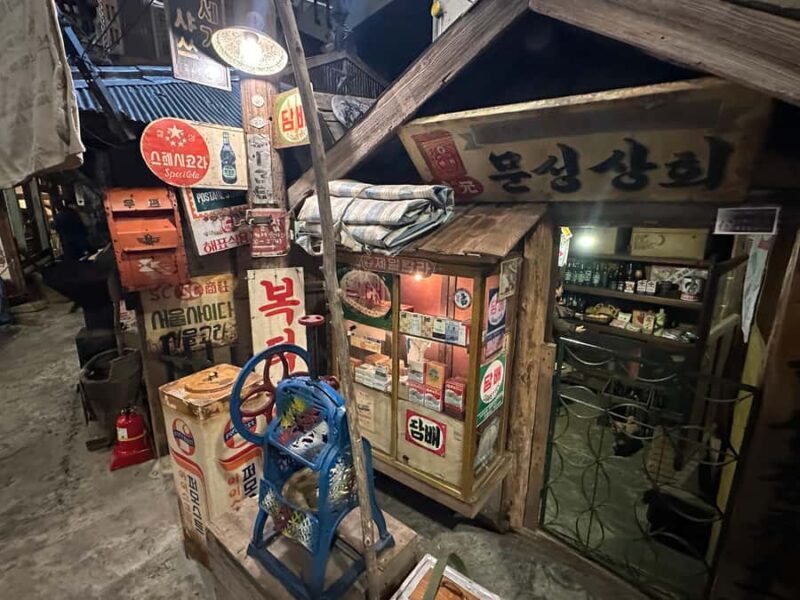
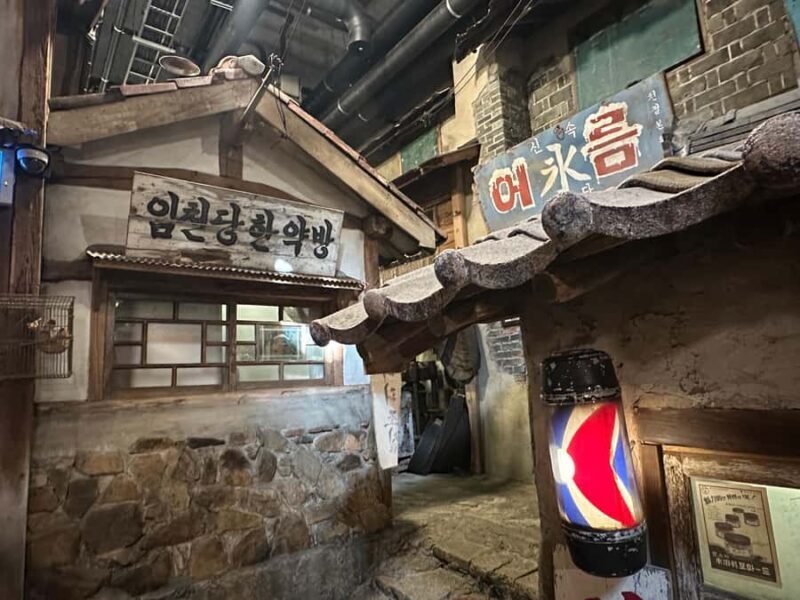
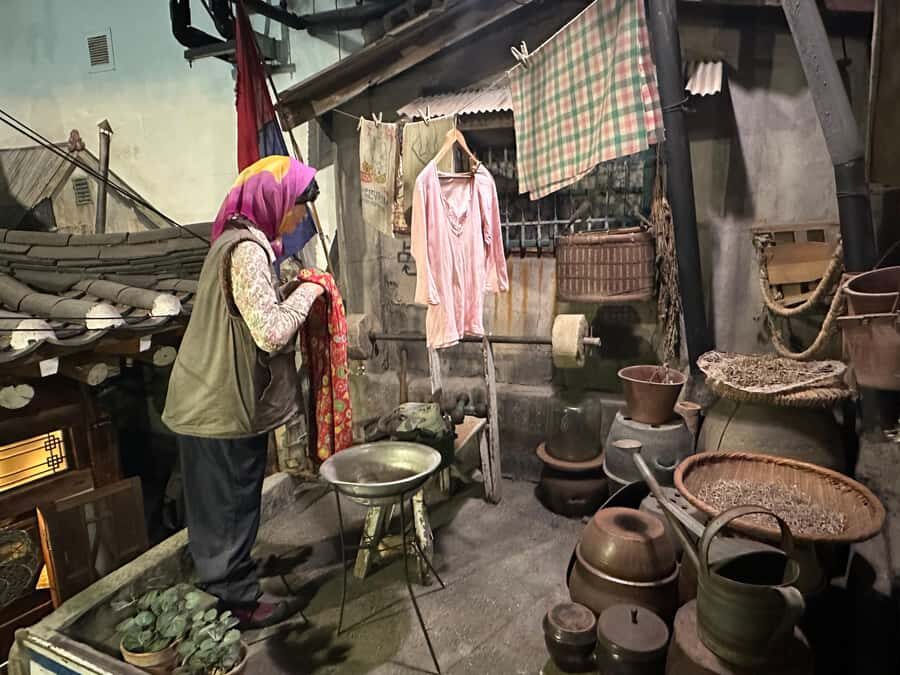
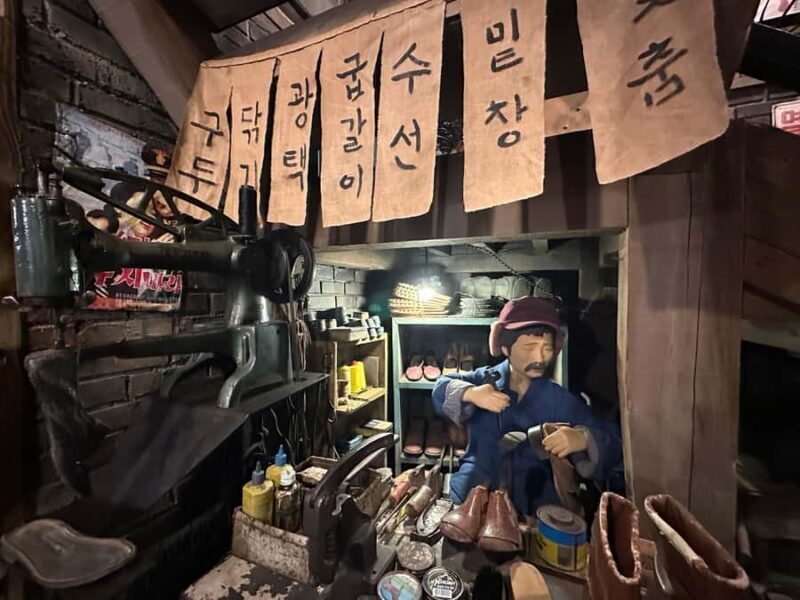
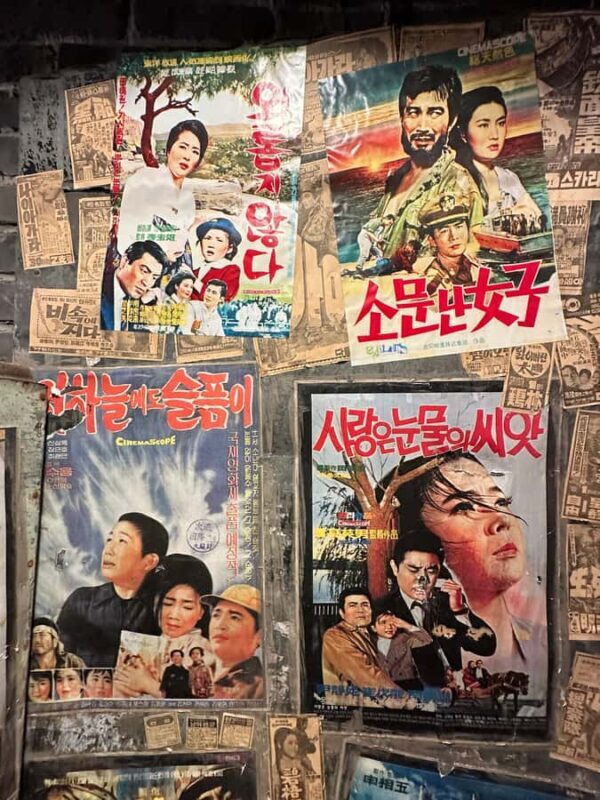
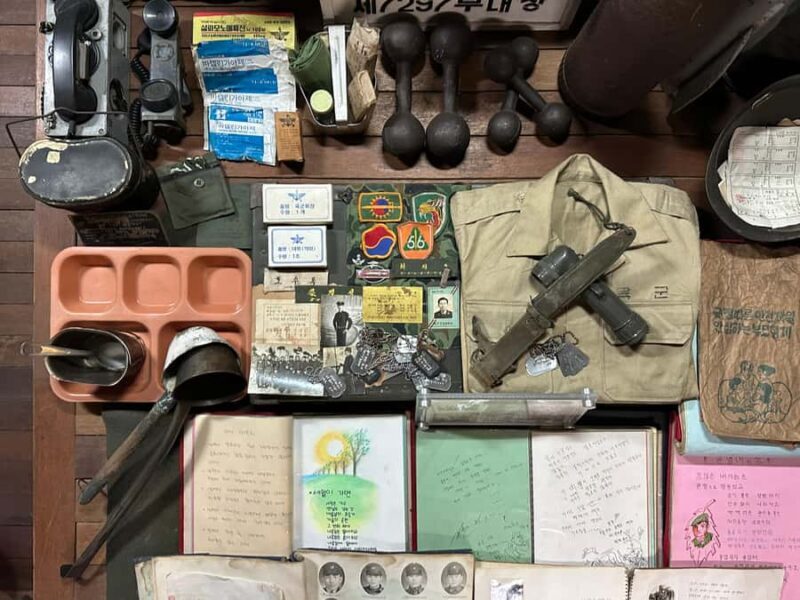
In the afternoon, you’ll visit the Museum of Modern History of Korea. This is where the storytelling deepens. Guided explanations facilitate understanding of colonial rule under Japan, the liberation, ideological conflicts, and how these events culminated in the division. The museum’s exhibits are thoughtfully curated to connect dots between historical decisions and current realities. Expect a 1.5-hour visit, which really helps make sense of what you saw earlier at the DMZ.
End of Tour & Drop-off
At the conclusion, you’ll be dropped off at Hongik University Station—a strategic choice to avoid traffic and help you continue your exploration of Seoul easily. The entire day is about 8 hours, including travel and breaks.
What We Loved About the Tour
The storytelling approach truly elevates this experience. Instead of just ticking off sights, you’ll hear stories that make the history relatable and personal. We appreciated how guides shared insights on how decisions made decades ago still influence daily life today, making the experience more meaningful.
The balance between sites—from the symbolic park to underground tunnels, and panoramic views—provides a comprehensive picture of the division. Each stop adds a different layer of understanding, helping you piece together the complex puzzle of Korea’s history.
The private nature of the tour makes it flexible. Guides often tailor explanations based on your interest and questions, which enhances the learning experience. Plus, with a smaller group setting, it’s easier to engage and absorb the stories.
The access to rare sites like the Third Tunnel and the observatory offers a tangible sense of the ongoing tension and hopes for reunification. The view into North Korea isn’t just a photo opportunity—it’s a silent reminder of the realities on both sides.
Practicalities and Value
The 8-hour duration is on point for a deep yet manageable half-day trip. The tour’s includes transportation, a private guide, museum entries, and site visits, which all contribute to a seamless experience. The cost reflects the private, personalized approach, which is a step up from larger group tours but offers better engagement and comfort.
The requirement for your original passport is essential for DMZ access, which means travelers should organize their documents beforehand. The guide’s contact via WhatsApp ensures smooth coordination, and they’re known for being helpful and knowledgeable.
It’s worth noting that photography restrictions at the DMZ mean you’ll need to be mindful during your visit. This regulation helps keep sensitive areas secure, but it can be a slight disappointment if you love snapping photos. Still, the focus here is on understanding, not just visual souvenirs.
Who Should Consider This Tour?
This experience is ideal for history enthusiasts, political travelers, and anyone interested in understanding Korea beyond glossy tourism. It’s perfect for those who prefer a private, story-driven approach over cookie-cutter group tours. If you enjoy meaningful insights and behind-the-scenes context, you’ll find this tour rewarding.
However, travelers with mobility issues should note the walking involved in some sites like the Third Tunnel and the observatory. Also, if photography in restricted areas is a must for you, be prepared for limitations.
Frequently Asked Questions
Do I need to bring my passport?
Yes, a valid original passport is required for DMZ entry and for the registration process. It’s best to have it on hand on the day of the tour.
Can I cancel the tour?
Yes, you can cancel up to 24 hours in advance for a full refund. This flexibility allows for spontaneous changes or unforeseen plans.
Is the tour suitable for children or families?
While not explicitly stated, the walking involved and the sensitive nature of the sites suggest it’s more suited for older children or adults interested in history and politics.
Will I be able to take photos at all sites?
Photography is only allowed in certain areas, especially within the DMZ. Inside the restricted zones, guides will instruct you when and where you can shoot.
What is included in the price?
The fee covers private transportation, a guide, museum admission, and site visits. It does not specify meals, so plan accordingly if you’re hungry.
How long is the walk at each site?
Expect about 1 to 1.5 hours of guided exploration at each major site, with some walking involved in tunnels and observatory areas.
What is the group size?
It’s a private tour, so you’ll travel with just your group and guide, ensuring a personalized experience.
How does the tour connect Korea’s history with its division?
Through guided storytelling at each site, the guide links colonial rule, war, and ideological conflicts to the current division, making historical context clear and relevant.
Final Thoughts
This private tour offers a rare, respectful look into Korea’s ongoing division, combining historical depth with meaningful storytelling. It’s ideal for travelers who want more than just surface-level sightseeing and who crave an immersive, insightful experience. The balance of sites, stories, and perspectives makes it a worthwhile addition to any trip to Seoul, especially for those eager to understand the forces that continue to shape the peninsula.
While it requires some planning—particularly passport readiness and a willingness to walk and listen—it rewards with a nuanced understanding of Korea’s complex story. Whether you’re a history buff or just curious about the Korean divide, this tour offers an authentic, thought-provoking experience that sticks with you long after the day ends.
Note: Always verify current site access and operational hours before booking, and prepare for a day of reflection, learning, and a deeper connection to Korea’s ongoing story.
You can check availability for your dates here: More Great Tours Nearby