The big draw here is the meeting of old and new: SEA LIFE Brighton’s Victorian rooms house sharks, rays, jellyfish and other marine life, with a history stretching back to 1872. I like the striking architecture and the chance to see animal care and conservation woven into a family-friendly visit.
I also like the practical mix of exhibits, feeding talks and hands-on moments, including the chance to touch a starfish or anemone. One possible drawback: the shark feeding may not be as exciting as you hope, so treat scheduled feedings as a bonus rather than the main reason to go.
- What to know before you go
- A Victorian aquarium with a working collection
- Sharks, rays and the exhibits to prioritize
- Talks and feedings: use the schedule, but stay flexible
- Conservation games that give children a job
- How much time to allow
- Ticket price and what the admission includes
- Getting to Marine Parade and getting around
- Who will get the most from this visit
- Should you book SEA LIFE Brighton?
- FAQ
- How long does a visit to SEA LIFE Brighton take?
- What is included with general admission?
- What time are the talks and feedings?
- Can children visit without an adult?
- Do infants need a ticket?
- Is the aquarium accessible by wheelchair or stroller?
- Can I leave and come back in?
- How do I get to SEA LIFE Brighton by train?
- What is the cancellation policy?
- The Best Of Brighton!
- More Tickets in Brighton
- More Tours in Brighton
- More Tour Reviews in Brighton
- Not for you? Here's more nearby things to do in Brighton we have reviewed
What to know before you go
 1 / 6
 2 / 6
 3 / 6
 4 / 6
 5 / 6
 6 / 6
- A Victorian setting: The aquarium opened in 1872 and is described as the world’s oldest operating aquarium.
- Sharks and rays take center stage: SEA LIFE Brighton has the UK’s largest collection of sharks and rays.
- Day and Night changes the mood: This exhibit shows a coral reef through its 24-hour cycle, including daytime and nocturnal ocean life.
- Talks have set times: The schedule includes sessions on rainforest life, jellyfish, rays, sharks and octopus.
- Plan for one to two hours: That is a useful estimate for a visit, though children may want longer at the touch experiences.
- The mobile ticket is simple to use: Present your voucher at the entrance for scanning, and keep your ticket or wristband if you plan to leave and return.

👉 See our pick of the 2 Best Workshops And Classes In Brighton
A Victorian aquarium with a working collection
SEA LIFE Brighton is not just a collection of tanks in a modern box. It occupies a seafront building whose Victorian architecture is part of the visit, giving the aquarium a sense of place before you even focus on the marine life. Established in 1872, it is the world’s oldest operating aquarium, a detail that adds context to the experience without requiring you to be a history buff.
The setting also makes this a useful choice on a Brighton day when the weather turns. You can step away from the beach and spend an hour or two indoors, with enough variety to hold a child’s attention and enough conservation information to give the visit a purpose beyond looking at fish.
The aquarium presents itself as an active place of care, not simply a display. You can learn how SEA LIFE supports its animals and about breeding programs. That context is worth seeking out: it helps you understand what goes into maintaining marine life in an aquarium and gives the exhibits a more thoughtful frame.
You can also read our reviews of more tours and experiences in Brighton


Sharks, rays and the exhibits to prioritize
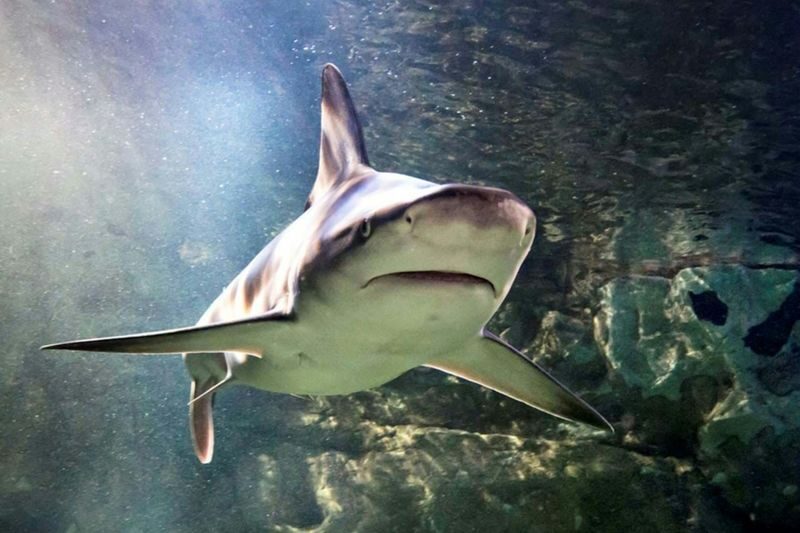
Sharks and rays are among the main reasons to choose this aquarium. SEA LIFE Brighton has the UK’s largest collection of these animals, so give yourself time to watch them rather than rushing from tank to tank. Their movement can be more compelling than a quick glance suggests, particularly for children who are seeing these creatures up close for the first time.
The displays include a wider mix of marine life, from shimmering fish and jellyfish to octopus. The aquarium’s description also points to playful tentacles and graceful rays, a reminder that you are not coming for sharks alone. If your group has different interests, that range helps: one child can linger over rays while another looks for the octopus.
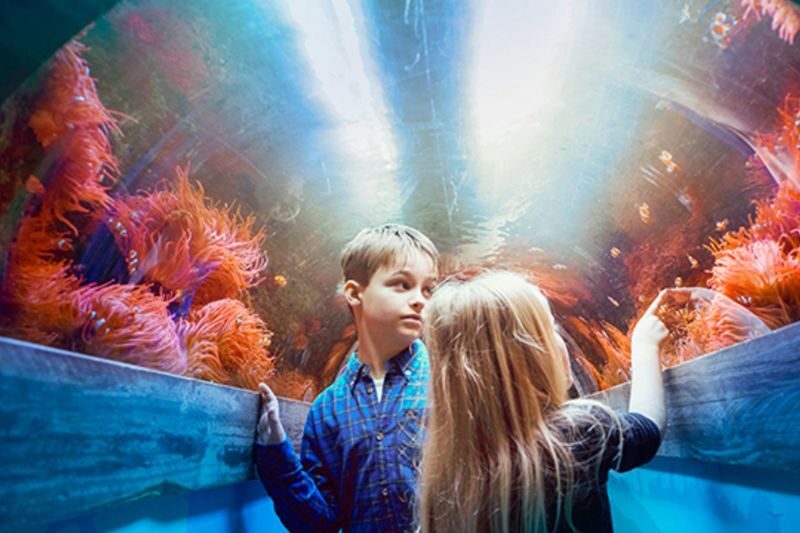
The Day & Night exhibit is a good stop for anyone curious about how reef life changes over a full day. It follows a coral reef’s 24-hour cycle, showing daytime and nocturnal ocean life. The shift in focus matters because a reef is not a static scene; different creatures and behaviors come into view at different times. Expect a themed exhibit rather than a full natural reef, but it offers a useful way to think about the rhythms of marine life.
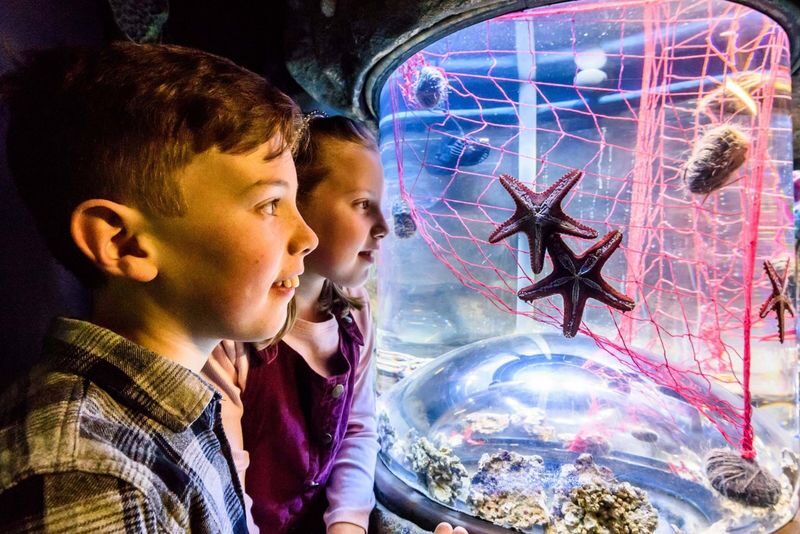
There are also hands-on opportunities. You may be able to touch a starfish or anemone, an experience that can make abstract talk about sea life more tangible for children. Follow the aquarium’s instructions and treat the encounter as a brief chance to learn, not simply a photo stop.
Talks and feedings: use the schedule, but stay flexible
Feedings and talks are included with admission, and they can give your visit a helpful structure. The listed schedule is 11:00 for Rainforest Expedition, 12:00 for jellyfish, 13:00 for rays, 14:00 for sharks and 15:00 for octopus. Times and sessions are subject to change, so check the schedule on arrival rather than building your whole day around a single talk.
If you have a choice, the ray or octopus session may suit you better than expecting a dramatic shark show. A shark feeding can be underwhelming, so keep your expectations measured. The animals may not perform on cue, and the best part of a feeding can be the chance to hear about care and behavior rather than a sudden burst of action.
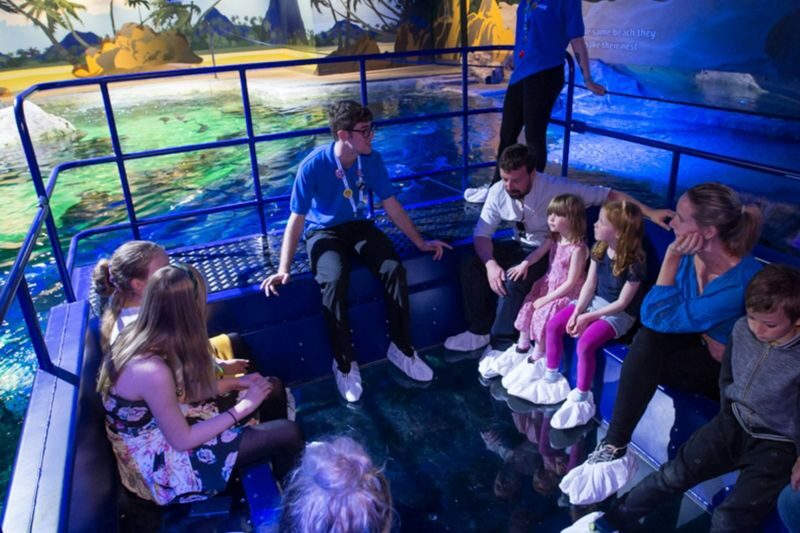
With a short visit, choose one or two talks that match your interests and leave room to explore the displays at your own pace. Families with younger children may prefer to catch a talk between exhibits, since a fixed schedule can be useful when attention starts to wander. If you miss one, the aquarium still has plenty to see.
Conservation games that give children a job
The interactive games add a practical conservation thread. Some involve finding hidden messages and collecting ocean trash, helping children connect the animals in the tanks with the problems marine habitats face. That kind of activity works best when you take a moment to talk about what the game is asking them to notice.
For adults, the games may feel simple. Their value is that they give children something to do while also introducing a clear idea: ocean health is affected by human choices. Alongside information about animal care and breeding programs, these activities make the aquarium more than a string of visual displays.
This is especially useful if you are visiting with a mixed-age family. Younger children can focus on the animals and touch experiences; older ones can engage with the conservation angle. No one needs to follow every activity, so you can adapt the visit to your group rather than forcing a set pace.
How much time to allow
Plan on one to two hours. At the shorter end, you can see the main exhibits and perhaps catch a talk if the timing works. The longer estimate makes sense if you want to linger at the sharks and rays, try the hands-on experience, follow the conservation games and fit in a feeding session.
The schedule may shape your visit more than the size of the aquarium. If a particular talk matters to you, check its time first, then work the exhibits around it. If you are visiting with children, it is sensible to leave a little slack. A touch pool or a favorite animal can hold their attention longer than expected.
Re-entry is permitted. Keep your ticket, wristband or stamp and show it at the entrance when you return. That makes it possible to step out and come back, though the aquarium’s one-to-two-hour visit length means many people will find it simpler to stay through the visit.


Ticket price and what the admission includes
General admission is listed from US$21.39, while the overall starting price is also shown as US$23.55. Those figures differ, so check the price for your chosen date and package before booking. The general admission package includes entry to SEA LIFE Brighton; feedings and talks are included as well.
For the price, the value rests on more than the number of tanks. You get the Victorian setting, a large shark and ray collection, a mix of exhibits, conservation activities and scheduled sessions. A recent purchaser found the Klook price lower than buying through the aquarium’s own website, but prices can vary. Compare the total for your date rather than assuming one channel is always cheaper.
Meals, drinks, souvenir photos, special events, add-on activities and personal expenses are not included. If you are budgeting for a family, remember that children aged 15 and over are charged the adult rate. Infants aged zero to one enter free, but they still need to be included in the passenger headcount when booking.
The voucher is valid only for the date selected, and the booking is eligible for a full refund if you cancel at least 24 hours before the activity date, using local destination time. Changes are restricted in some cases, including bookings made with Klook Pass, certain presales or freebies, and bookings using SG Culture Pass or Taiwan Culture Points. Check the conditions that apply to your booking before confirming.
Getting to Marine Parade and getting around
SEA LIFE Brighton is at Marine Parade, Brighton BN2 1TB, beside Brighton Beach. From Brighton Train Station, it is about a 20-minute walk. If you would rather take a bus, ride to Brighton town centre and head for the seafront; the entrance is a few minutes from the stop near the traffic lights or a short walk from the Old Steine stop.
Driving is possible, but parking needs a little thought. The main routes into Brighton lead toward the seafront, including the A23 from London and the A27 to the A23 from Portsmouth or Eastbourne. Seafront parking is unavailable. The nearest NCP is under the Waterfront Hotel; another option given is parking at Withdean Sports Complex and taking the number 27 bus, listed at GBP 5 return.
The aquarium is wheelchair-accessible, and strollers are allowed except in the Auditorium area. Pets are not allowed, though service animals with valid identification are permitted. If you are bringing a stroller, keep the Auditorium restriction in mind and be ready to park it for that area.
Who will get the most from this visit
This is a strong fit for families with children who like animals, hands-on activities and short, varied exhibits. The touch experience, conservation games and feeding schedule give children several ways to engage, while the range of sea life keeps the visit from depending on one headline animal.
It can also suit adults who enjoy historic buildings and want a compact indoor activity near the beach. The Victorian architecture gives the aquarium character, and the Day & Night exhibit and animal-care information provide more to think about than a simple walk past tanks.
It is less suited to anyone expecting a large, full-day attraction or a guaranteed spectacle at every feeding. The visit is generally one to two hours, and animal behavior is not a show on demand. If you have limited time in Brighton and marine life is not a priority, the aquarium may be an optional stop rather than an essential one.
Should you book SEA LIFE Brighton?
Book it if you are visiting Brighton with children, want an indoor activity near the seafront, or are curious about sharks, rays and the city’s long aquarium history. The combination of Victorian architecture, hands-on moments and conservation activities gives the visit a clear identity, and the admission includes talks and feedings.
Skip it if you expect a full-day attraction or are booking mainly for a dramatic shark feeding. Think of the feeding as an extra, check the timetable before you go, and compare the price for your exact date. For a compact family outing with several different things to see and do, SEA LIFE Brighton is a practical choice.
SEA LIFE Brighton Ticket
“It was an easy transaction. bought the tickets on Klook in the morning & received tickets within minutes. Just show it at the entrance to be scanne…”
FAQ
How long does a visit to SEA LIFE Brighton take?
Plan for one to two hours. You may need more time if you want to catch talks, use the hands-on experiences and explore at a child’s pace.
What is included with general admission?
Admission to SEA LIFE Brighton is included, along with feedings and talks.
What time are the talks and feedings?
The listed schedule is 11:00 for Rainforest Expedition, 12:00 for jellyfish, 13:00 for rays, 14:00 for sharks and 15:00 for octopus. Times are subject to change.
Can children visit without an adult?
No. Children aged zero to 17 must be accompanied by a paying adult. Children aged 15 and over are charged the adult rate.
Do infants need a ticket?
Children aged zero to one enter free, but infants must still be included in the passenger headcount when booking.
Is the aquarium accessible by wheelchair or stroller?
The aquarium is wheelchair-accessible, and strollers are allowed except in the Auditorium area.
Can I leave and come back in?
Yes. Re-entry is permitted. Show your ticket, wristband or stamp at the entrance when you return.
How do I get to SEA LIFE Brighton by train?
It is about a 20-minute walk from Brighton Train Station.
What is the cancellation policy?
You can receive a full refund if you cancel at least 24 hours before the activity date, using destination local time.