Otaru’s old streets and canal make a fine daytime counterpoint to Mt. Moiwa after dark, when Sapporo’s lights spread below the summit. This full-day tour links the two without asking you to work out every transfer yourself.
I like the late-morning start, which leaves room for breakfast, and the mix of free time and useful guide advice. Otaru can offer several hours to shop, eat and wander, while guides such as Lin, Vivi and Xiao Dong have shared practical tips and helped with photos.
The trade-off is a long day with several stops, and Mt. Moiwa is weather-sensitive. Strong wind can suspend the ropeway, crowds can mean a long wait to descend, and in summer the late sunset may leave little time to see the city fully lit.
- What to know before you book
- A day that connects Otaru and Sapporo
- Otaru’s canal, shops and old-town atmosphere
- The lighthouse and the open coast
- Shiroi Koibito Park, with a short clock
- Jozankei offers a pause, not a full onsen visit
- Mt. Moiwa at sunset and after dark
- Guides, group size and what the tour feels like
- Who will get the most from this tour
- Should you book it?
- FAQ
- How much does the tour cost?
- When does the tour usually start?
- How long do you get in Otaru?
- Is the Mt. Moiwa night view guaranteed?
- Is this a fully guided tour at every stop?
- What should I bring for Mt. Moiwa?
- Can I cancel for a refund?
- The Best Of Sapporo!
- More Evening Experiences in Sapporo
- More Tours in Sapporo
- More Tour Reviews in Sapporo
- Not for you? Here's more nearby things to do in Sapporo we have reviewed
What to know before you book
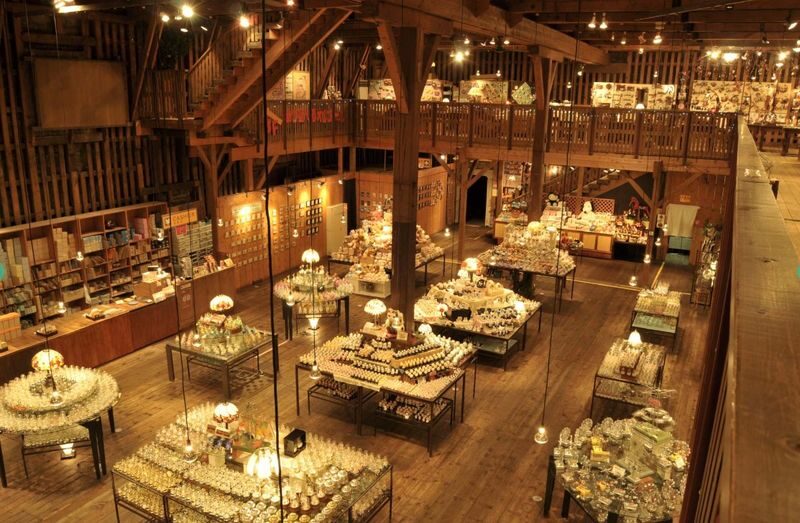
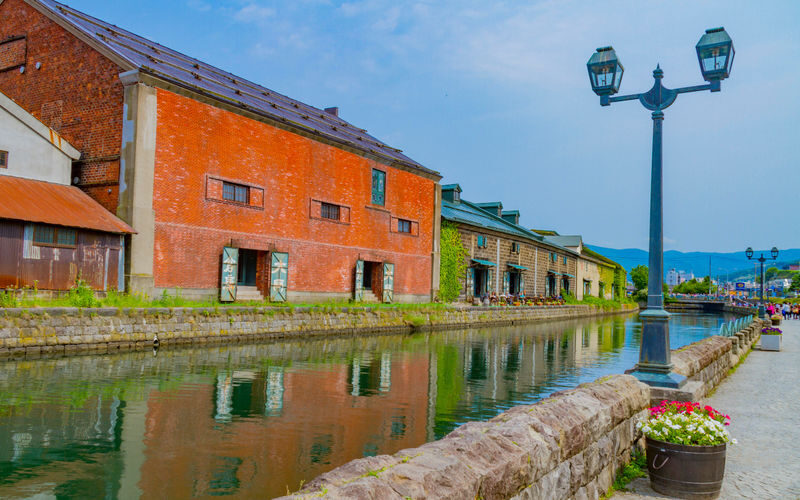
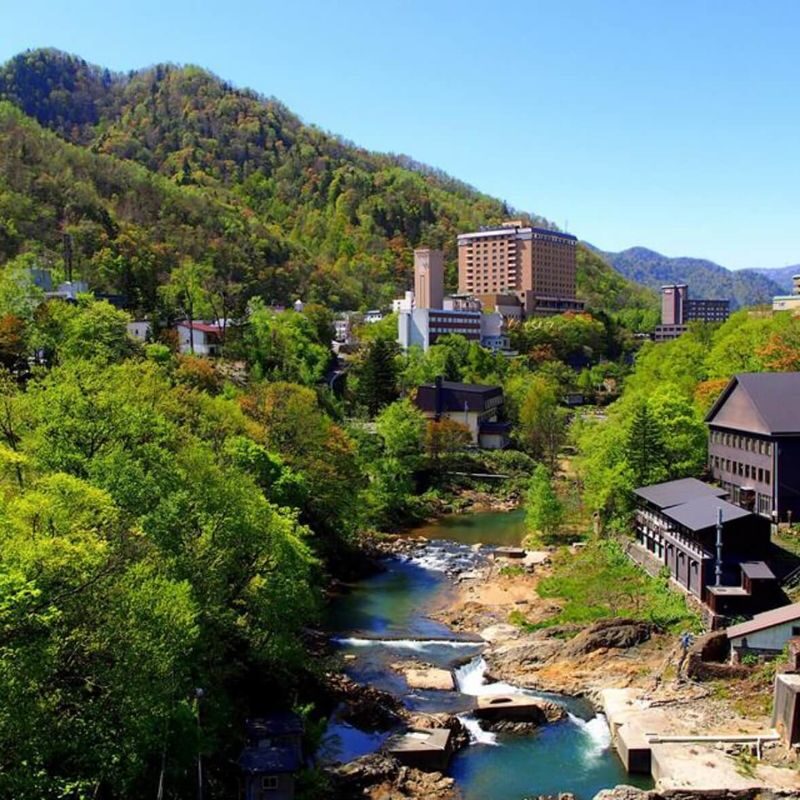
- Otaru gets meaningful free time: About three hours is a common allotment, enough to browse shops and find food, though not always enough to see everything.
- Mt. Moiwa is the evening payoff: The summit view can include sunset and Sapporo’s night lights, but weather and seasonal sunset times affect what you’ll see.
- The route has variety: Stops mentioned on the tour include Otaru, a lighthouse, Shiroi Koibito Park, Jozankei and, in some accounts, Nijo Market.
- Transport makes the day simpler: You ride between dispersed stops rather than piecing together local connections or carrying Otaru shopping onto a train.
- Guides may offer more than directions: Lin, Vivi, Xiao Dong and other named guides have been praised for practical food tips, multilingual communication and photo help.
- Expect a self-guided visit at many stops: The guide may explain the place and set a return time, then you explore on your own.
👉 See our pick of the 10 Best Guided Tours In Sapporo
A day that connects Otaru and Sapporo
This tour is best understood as a convenient transport plan with a guide, not a continuous escorted walk. You travel as a group between stops, hear explanations and get timing instructions, then often have the freedom to set your own pace at each attraction.
That arrangement suits you if you like choice but don’t want to manage a full day of transfers. It also means you should pay close attention to meeting times. The schedule has several moving parts, and a late return to the vehicle can cut into your own time later in the day.
Departures are commonly around 10:20 or 10:30 a.m., so this is not the dawn patrol. That later start is a real comfort on holiday, though it also makes the day stretch into the evening, especially when the group waits for the Mt. Moiwa view.
The tour is listed from $44.25. For that price, the main value is having transport connect several outlying sights, including a late-evening return from Mt. Moiwa. Your actual value depends on the group size, route and what is included in the booked package, so check the current package details before paying. The available information does not specify which admission fees, meals or ropeway tickets are included.
You can also read our reviews of more evening experiences in Sapporo


Otaru’s canal, shops and old-town atmosphere
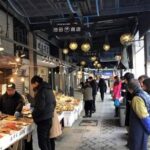
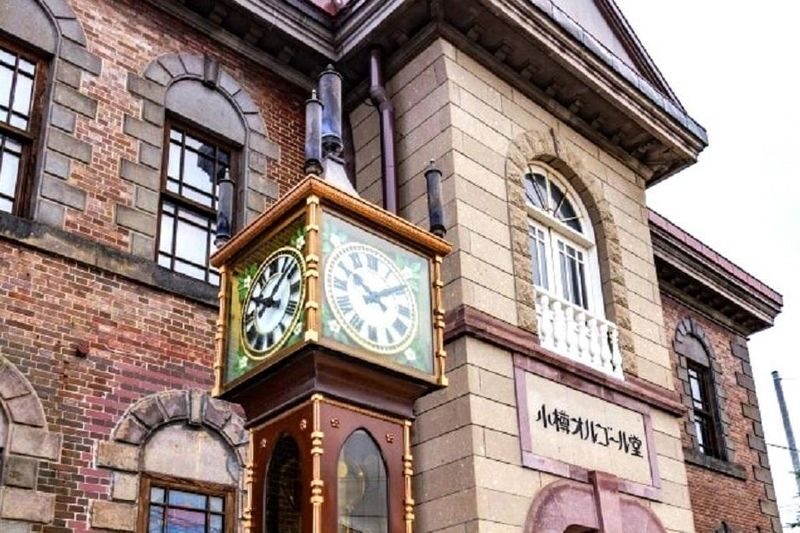
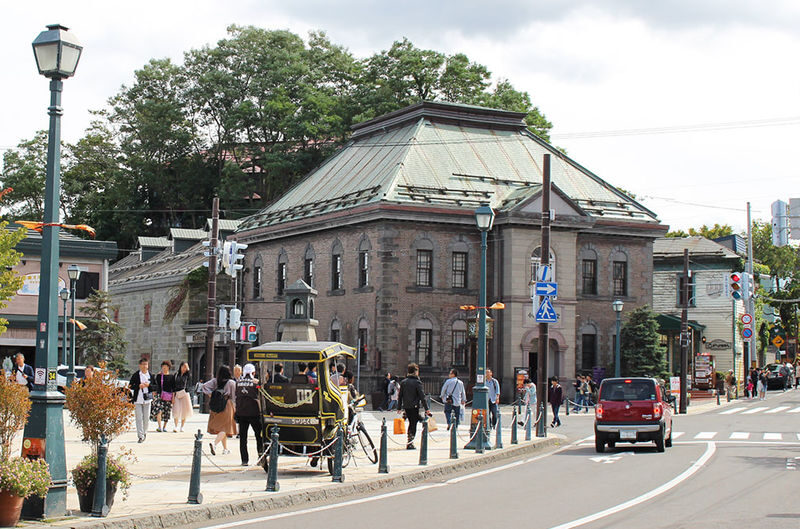
Otaru is the centerpiece for many people, and it rewards an unhurried wander. The canal area gives you a scenic starting point, while the nearby shopping streets offer food, sweets, souvenirs and small specialty shops. LeTAO is a popular stop for dessert, and limited-edition local merchandise can be part of the fun if that is your sort of souvenir hunt.
Around three hours is often set aside for Otaru. That sounds generous until you start stopping for photos, browsing shops and choosing lunch. If you want to visit a museum or spend serious time shopping, decide what matters most before you arrive. Some people find the time tight, especially if they want a sit-down meal as well as sightseeing.
A practical approach: pick one food stop, one shopping stretch and one scenic spot, then leave a little margin to get back to the meeting point. If you try to see every shop, the clock will win. A light snack can help you keep moving, but don’t assume you need to skip a proper meal; plan ahead based on your priorities and the day’s schedule.
The benefit of arriving by tour bus is simple: you don’t have to navigate back to Sapporo by train with shopping bags in hand. That convenience matters when the evening’s next stop is on the other side of the day’s route.
The lighthouse and the open coast
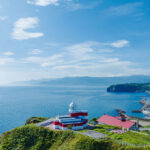
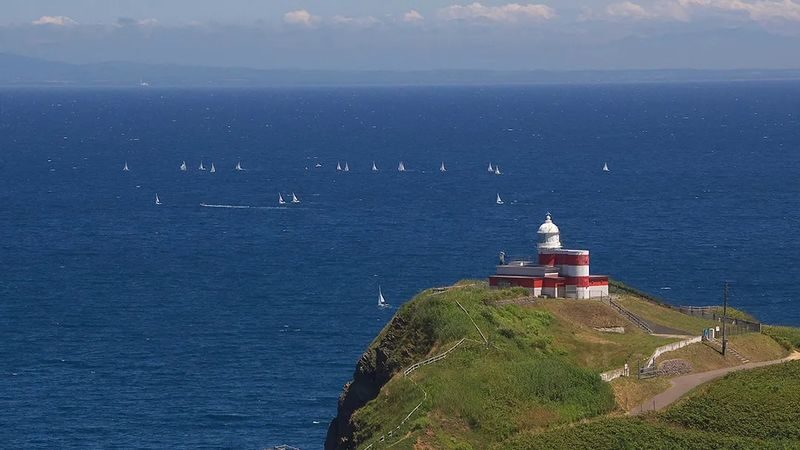
A lighthouse stop adds a different kind of scenery to the day. Instead of Otaru’s shops and canal, you get a broad view of sea, port and mountains. One account describes climbing the lighthouse, so be ready for stairs if that is part of your stop; the climb can be exposed to wind.
The coastal view is a useful change of pace, but the stop is not a full coastal excursion. You’ll have a set window, and the weather can shape the experience. On a clear day, take a moment to look beyond the lighthouse itself: the port and surrounding slopes are part of what makes this stop worthwhile.
Shiroi Koibito Park, with a short clock
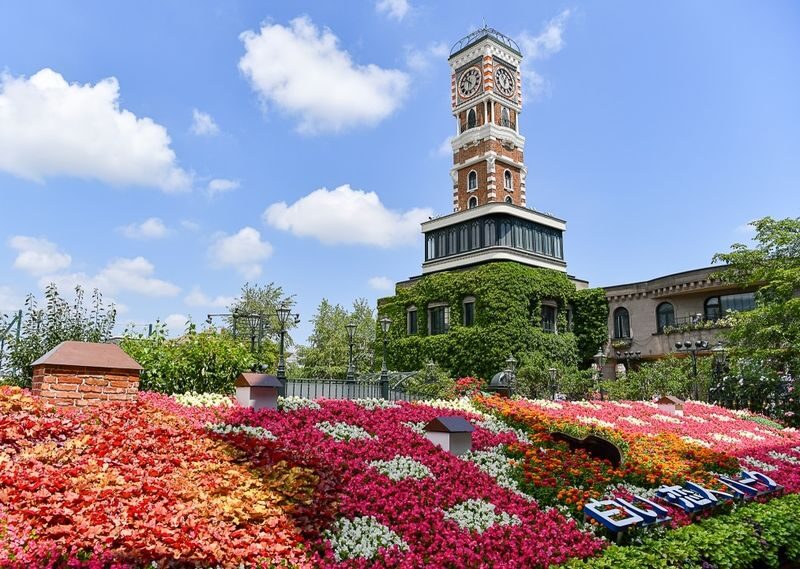
Shiroi Koibito Park is a sweet-themed attraction and a handy contrast to the open-air stops. The tour may allow about 40 minutes, which is enough for a quick look or a small keepsake activity, but it is not much time for a leisurely visit.
If you want a custom tin box, account for possible lines and the time needed to make it. A small magnet craft may fit more easily into a short stop. Don’t arrive expecting to explore every corner, shop at length and complete a hands-on activity all at once.
This is the sort of stop where a little advance planning pays off. Decide whether you’re there for photos, a quick browse or a particular souvenir, then do that first. If the park is busy, prioritize rather than trying to squeeze in everything.
Jozankei offers a pause, not a full onsen visit
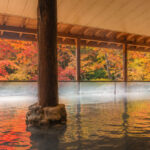
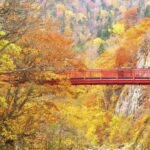
Jozankei brings a quieter, more natural note to the day. The mountain air and foot-bath options can provide a welcome break from shops and bus seats. Insects may be noticeable in warmer months, so a little patience is useful if you’re stopping outdoors.
Keep expectations modest about how much you can do. A stop of around 35 minutes has been described as enough for a quick meal, but not enough to enjoy a foot bath at length as well. If soaking your feet is the main reason you want to visit, check the planned timing and be ready to choose between that and food.
Some people would happily trade this stop for more time in Otaru. That is a fair preference: Jozankei adds variety, while an extra hour in Otaru means more time for shops, lunch and the canal. The route is most appealing if you want a sampler of different Hokkaido settings, not a deep visit to any one of them.
You can also read our reviews of more tours and experiences in Sapporo


Mt. Moiwa at sunset and after dark
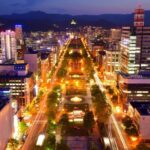
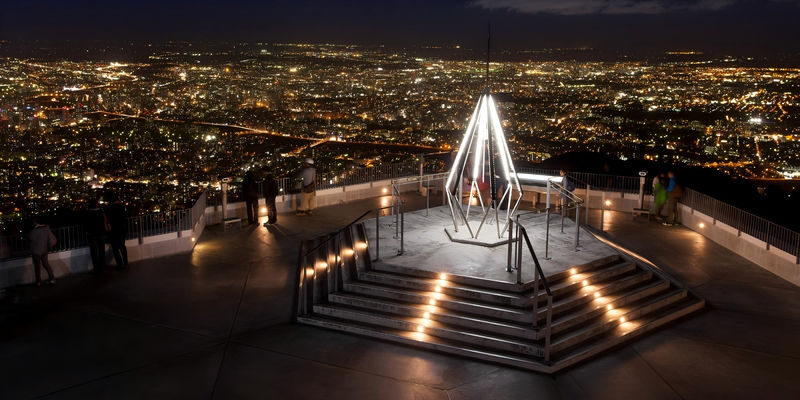
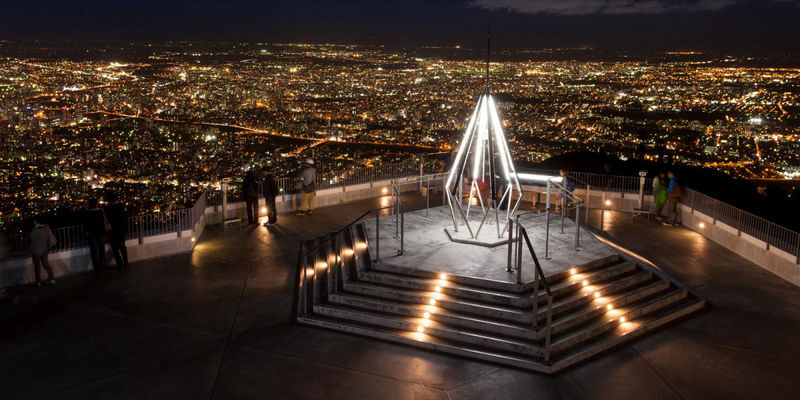
Mt. Moiwa is the grand finale, and the view is the reason many people choose this particular tour. From the summit, Sapporo’s lights spread across the city, giving you a striking sense of its size and shape. If the timing works, you may see the sky shift from dusk to night, rather than arriving after dark.
Timing depends on the season. In summer, sunset can be as late as about 7:45 p.m., so the city may not be fully lit before it is time to leave. The stop can still be scenic, but if a full night view is your priority, consider the month and sunset time before booking.
Weather is the bigger uncertainty. Wind can suspend the ropeway, and rain or fog can obscure the view. Even when the ropeway runs, the summit can be cold and gusty. Bring an extra layer, including in summer, and keep food or a drink handy if you expect to wait for sunset.
Crowds can complicate the visit. On a busy evening, the line to descend may take a long time, leaving little time at the viewpoint. On a windy day when the ropeway is suspended, the experience can change substantially. The operator may cancel a tour because of extreme weather, but the stated refund terms also say that if some activities are canceled after you have taken part in at least one activity or used a ticket, a refund may not be available. Read the current terms closely before booking.
Guides, group size and what the tour feels like
The guide can make a practical difference on a packed day. Lin, Vivi, Xiao Dong, Shao-san, Tetsu and other guides have been named for clear explanations, local food suggestions, help with photos and reminders about wind or warm clothing. Some guides have communicated in Chinese, English and Japanese, but you should not assume every departure offers the same languages or guide.
The tour has been run in small groups, sometimes in a 13-seat vehicle or a business van. A smaller group can mean quicker boarding and easier communication, though the exact vehicle and group size can vary. One description of a van raised concerns about a rough ride, so comfort may not be identical on every departure.
Not everyone will find the guiding style the same. You may get lively explanations on the bus and useful tips at stops, but many visits are self-guided: the guide gives you a time and meeting point, then you explore independently. That freedom is useful if you prefer to browse at your own pace. If you want a guide walking beside you and explaining every landmark, this may not be the right format.
Who will get the most from this tour
I’d consider this tour if you have limited time in Sapporo and want to combine Otaru with Mt. Moiwa without arranging every leg yourself. It also suits independent explorers who like a guide for the logistics but want to choose their own shops, meals and photo stops.
It is a weaker fit if you want a slow day in Otaru, a long meal, or a guaranteed clear night view. The schedule covers several places, so each stop has limits. If you have more time in Hokkaido, you may prefer to visit Otaru and Mt. Moiwa separately and linger where you like.
Before you book, check the exact route, meeting details, transport type, language arrangements and what is included. The package title gives the broad idea, but the available information does not confirm every stop or admission. Also review the cancellation terms: free cancellation is offered up to 24 hours before the activity date, while late arrival or a no-show does not qualify for a refund.
Should you book it?
Book this tour if convenient transport and variety matter more than having a slow, fully guided visit at each stop. Otaru gives you room to browse, and Mt. Moiwa can deliver a memorable view when the weather and timing cooperate.
Skip it if you would be disappointed by a short stop, a late summer sunset or a weather-related change to the mountain visit. For a first visit with one day to spare, it is a practical way to connect several places. Go with a warm layer, a short Otaru priority list and flexible expectations for the summit.
Sapporo Full-Day Mt. Moiwa Night View & Otaru Tour
“Tour guide Shao-san provided very detailed explanations, sharing a lot of history and knowledge about the attractions. The itinerary was also very…”
FAQ
How much does the tour cost?
The listed starting price is $44.25. The available details do not specify which admissions, meals or ropeway tickets are included, so check the selected package before booking.
When does the tour usually start?
Departures described for this tour have been around 10:20 or 10:30 a.m. Check your booking confirmation for the time and meeting point for your date.
How long do you get in Otaru?
About three hours is a common allotment. It can be enough to browse and eat, but may feel short if you want a museum visit, a leisurely lunch and extensive shopping.
Is the Mt. Moiwa night view guaranteed?
No. Weather can affect visibility, and strong wind can suspend the ropeway. Sunset time also changes by season, so in summer the city may not be fully lit before the scheduled departure.
Is this a fully guided tour at every stop?
Not necessarily. The guide may explain the itinerary and provide tips, while you explore many attractions independently within a set time.
What should I bring for Mt. Moiwa?
Bring an extra layer. The mountain can be windy and cold, and you may be waiting for sunset or for the ropeway.
Can I cancel for a refund?
The stated terms allow a full refund if you cancel at least 24 hours before the activity date, using the destination’s local time. Late arrivals and no-shows are not eligible, and refunds may not be issued if some activities are canceled after you have already taken part in an activity or used a ticket.